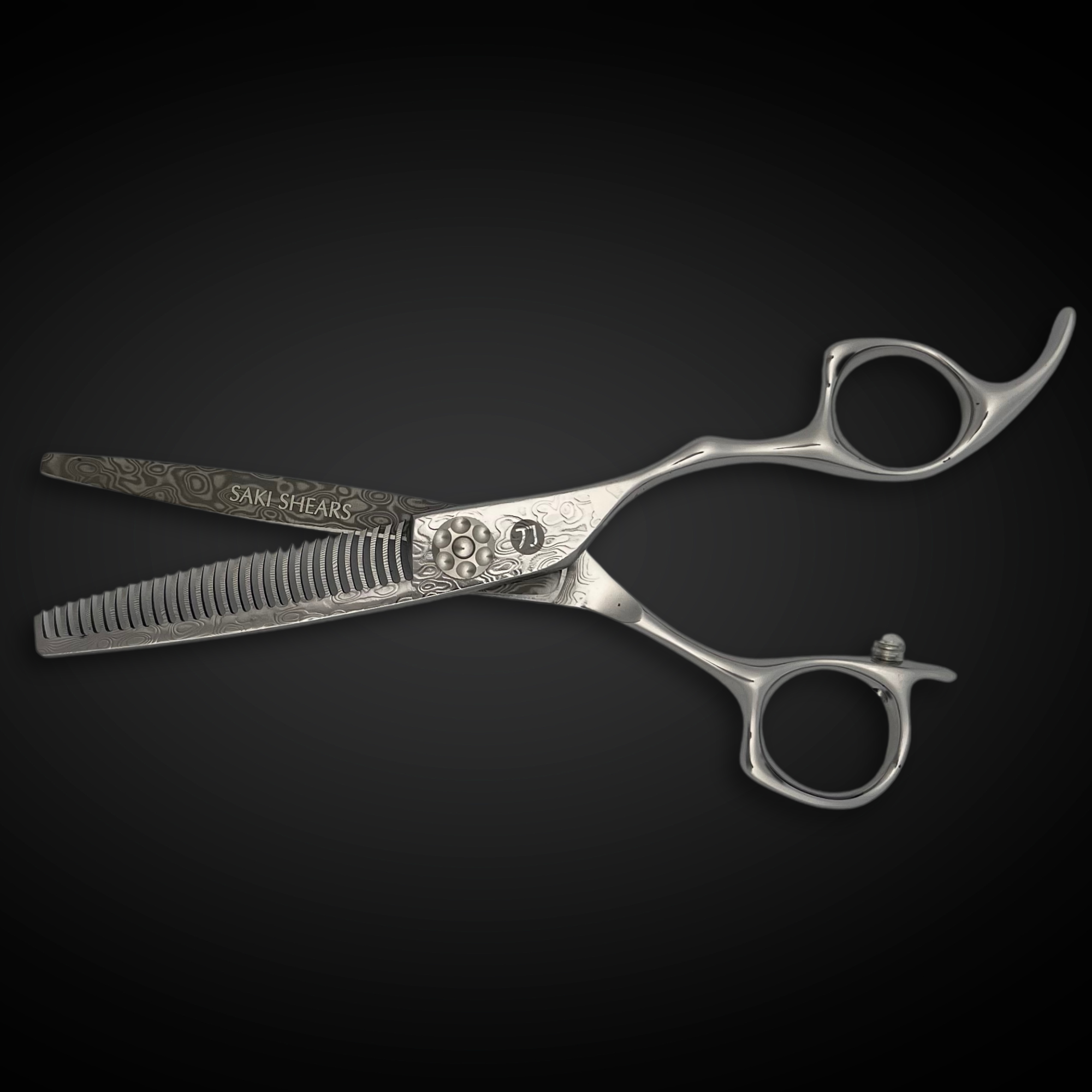
Building and Maintaining a Shear Kit That Lasts Your Whole Career
For a working stylist or barber, shears aren't an accessory purchase — they're the primary tool of the trade, used for thousands of cuts a year over the course of a career that might span decades. Yet most professionals buy shears the way they buy anything else: on impulse, based on price, or because a rep pushed a set that happened to be in stock that week. Treating your shear kit as a long-term investment, rather than a one-off purchase, changes almost every decision that follows — from what you buy, to how you care for it, to when you finally retire a pair.
Think in Total Cost of Ownership, Not Sticker Price
A pair of shears priced well below what a working professional typically spends is rarely a bargain once you account for how it actually performs over time. Softer steel dulls faster, which means more frequent sharpening, and each sharpening removes a small amount of metal from the edge. A shear that needs sharpening every few weeks instead of every few months will, over a five-year span, cost more in maintenance and downtime than a better-made pair would have cost up front — and it will never cut as cleanly in between visits to the sharpener.
The more useful question isn't "what does this cost today" but "what will this cost me per year of use, including sharpening, adjustment, and the eventual need to replace it." Viewed that way, a mid-to-upper-tier shear built from a quality alloy and finished by hand often works out to be the cheaper option, not the more expensive one.
Matching Steel and Construction to How You Actually Cut
Steel choice matters less in the abstract and more in relation to your technique and volume. Harder, more brittle steels tend to hold an edge longer between sharpenings but can be less forgiving if a shear is dropped or used on tools it wasn't designed for, such as cutting synthetic fibers. Softer, more ductile steels are easier to hone to a very fine edge and can feel smoother in slide-cutting and texturizing work, but they'll need attention sooner.
Convex-ground edges, which are common in higher-end professional shears, cut with less friction and tend to feel sharper for longer than flat-ground or beveled edges, but they generally require a sharpener with convex-specific experience to service correctly — an important detail when you're deciding who touches your shears. If you do a high volume of blunt cutting and heavy sectioning, a slightly more robust, thicker-bladed shear may hold up better than an ultra-light finishing shear pressed into daily heavy work it wasn't designed for.
A Maintenance Rhythm That Protects Your Investment
The single biggest factor in how long a shear lasts — and how it performs day to day — isn't the brand or the price, it's maintenance discipline. A simple, repeatable routine does more for a kit's lifespan than any single purchase decision:
Wipe the blades dry after every client, since residual moisture, product buildup, and hair oils are the fastest way to dull an edge and invite corrosion, even on stainless alloys. Oil the pivot area regularly with a shear-specific oil rather than a generic household lubricant, which can gum up over time. Store shears in a case or pouch rather than loose in a drawer or pocket, where they'll knock against other tools and pick up nicks in the edge. And resist the urge to over-tighten the tension screw to compensate for a dull blade — that's a maintenance problem, not an adjustment problem, and forcing it usually just wears the pivot faster.
On sharpening cadence: how often a shear needs it depends heavily on how many cuts it sees and what kind of cutting it does, so there's no single universal interval that applies to every stylist. A more reliable signal than any fixed schedule is the shear itself — if it starts pushing hair instead of slicing through it cleanly, or you notice more strands slipping out uncut, that's the shear telling you it's due, regardless of the calendar.
When to Repair, When to Retire
Every professional shear eventually reaches a point where continued sharpening stops making sense. As an edge is repeatedly honed, the blade loses a small amount of material each time, and beyond a certain point the geometry that made the shear cut well in the first place starts to change. A shear that's been sharpened many times over several years may still look fine but feel noticeably different in the hand — often lighter at the tip or less balanced — because enough metal has been removed to shift its weight and profile.
A loose or wobbly pivot that a proper adjustment won't fix, persistent nicks that sharpening can't fully remove, or a blade that's visibly thinner than it was when new are all signs a shear has reached the end of its useful life rather than needing another routine service. Recognizing that difference — repairable wear versus structural end-of-life — saves money in the long run, because pouring sharpening fees into a shear that's past the point of real improvement is its own kind of waste.
Building Out a Kit in Phases
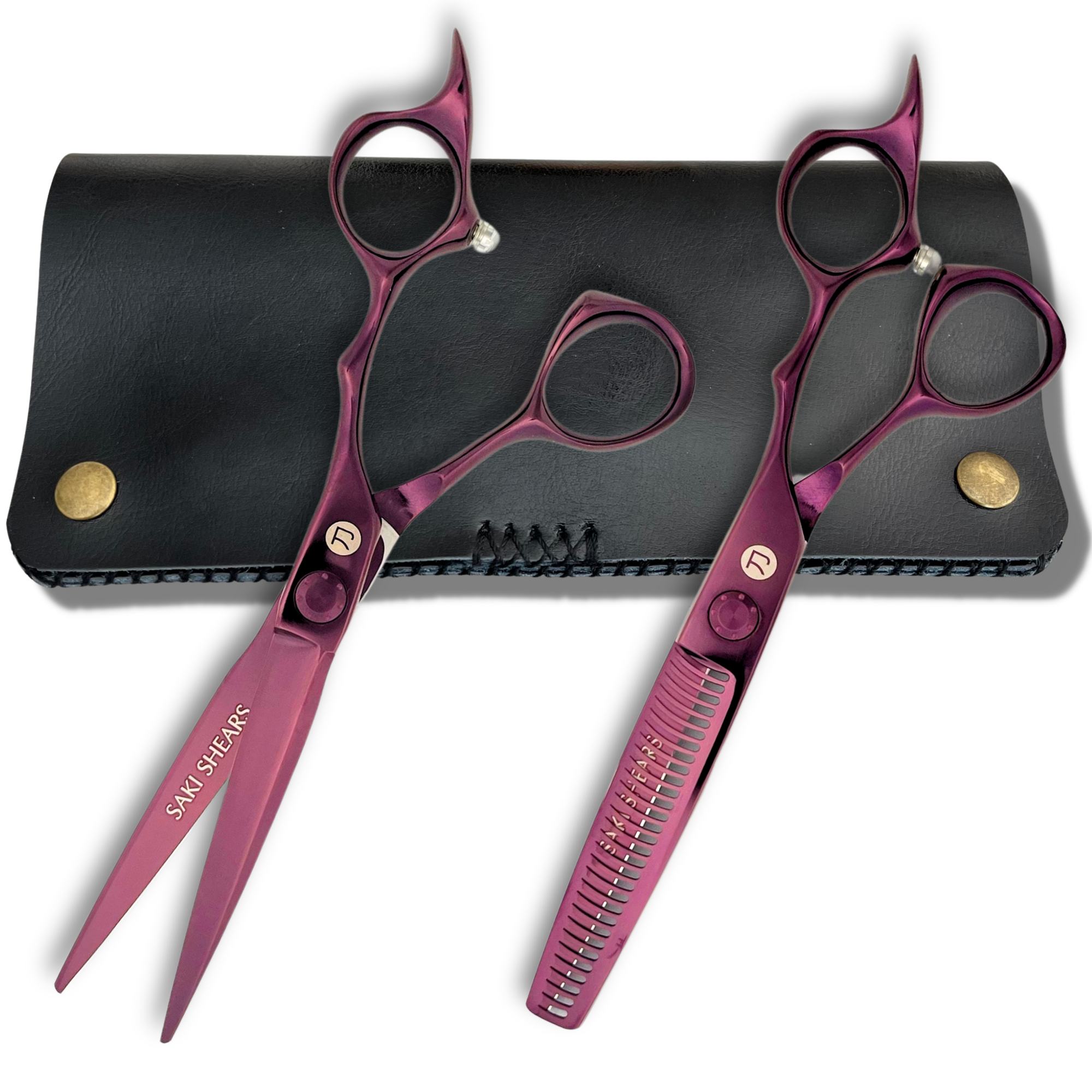
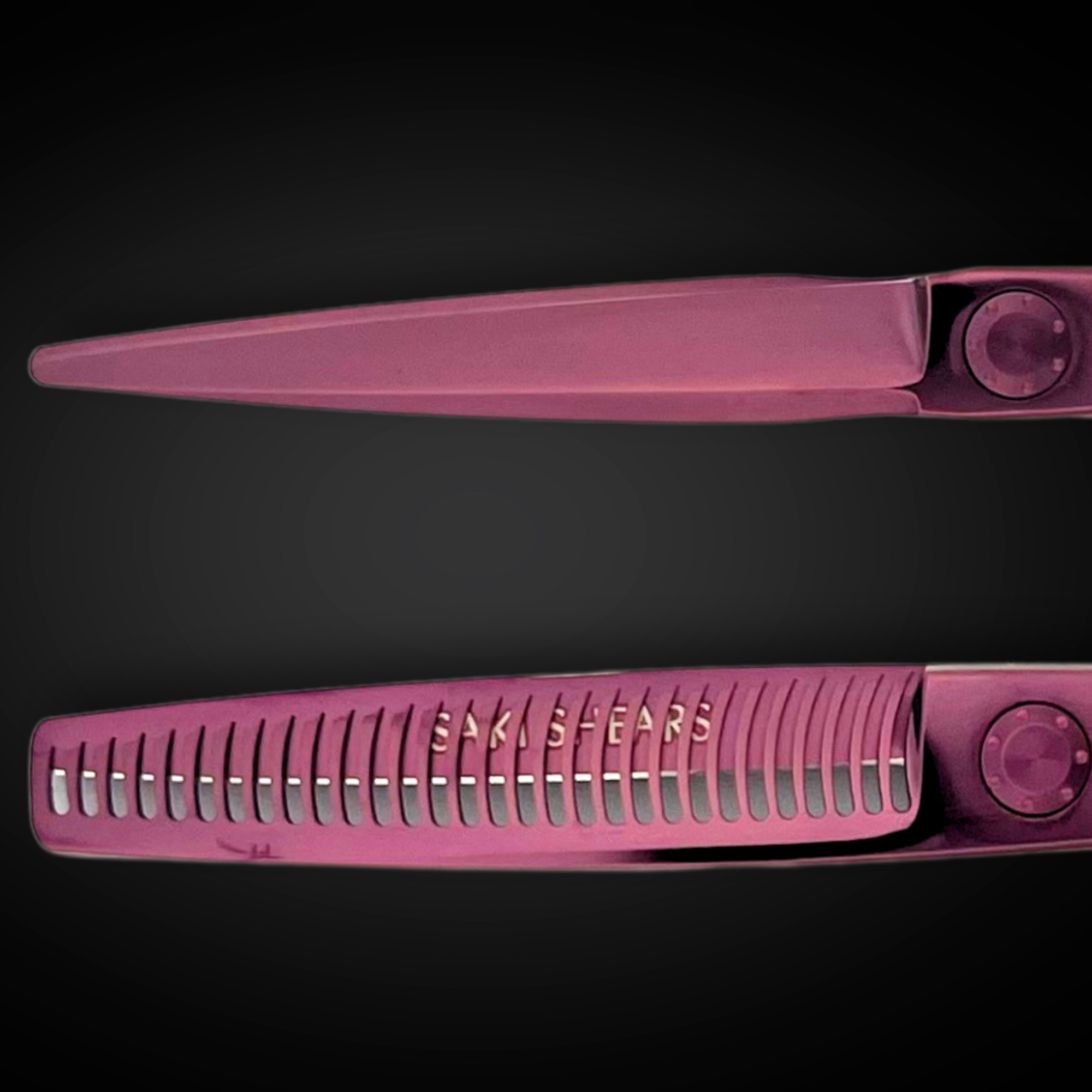
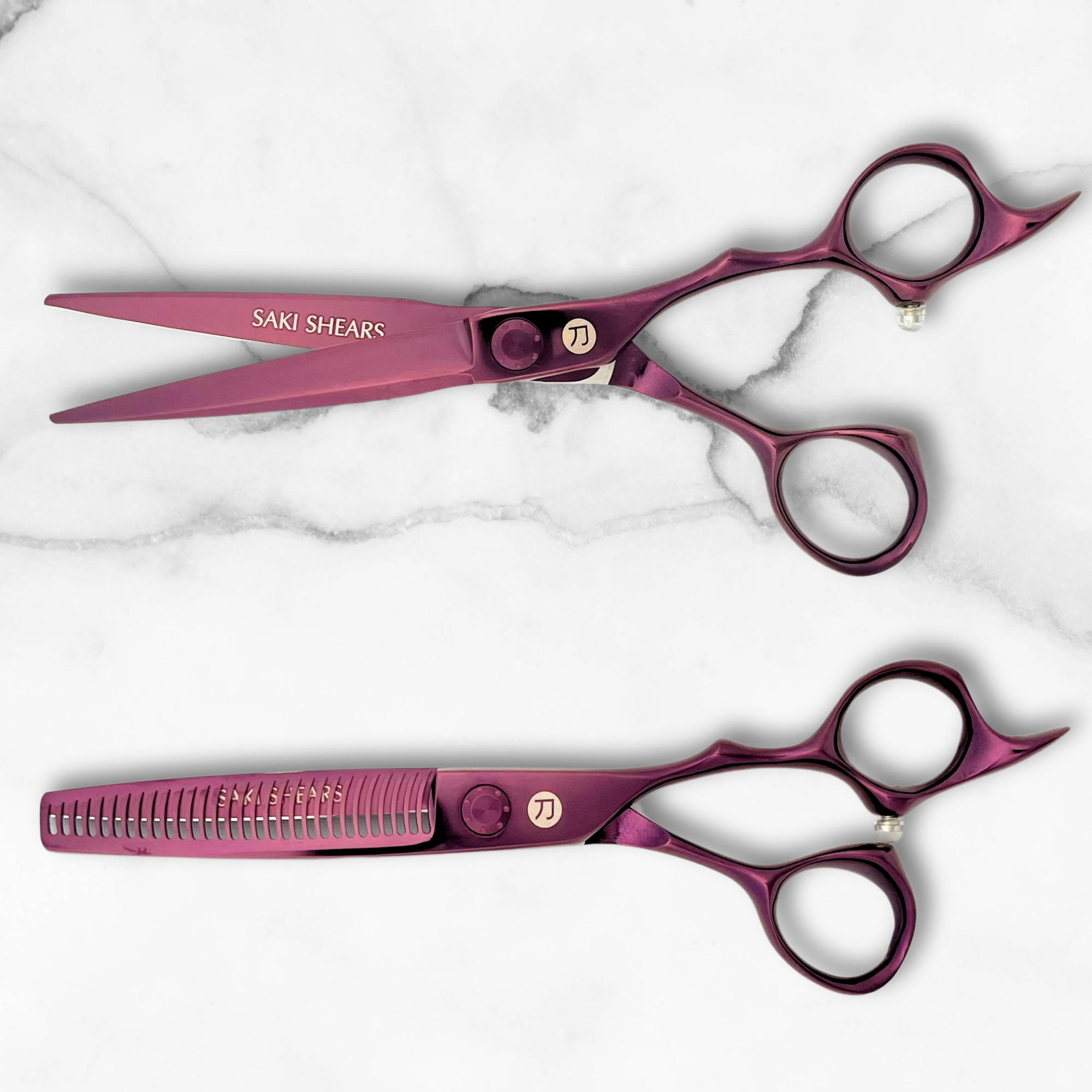
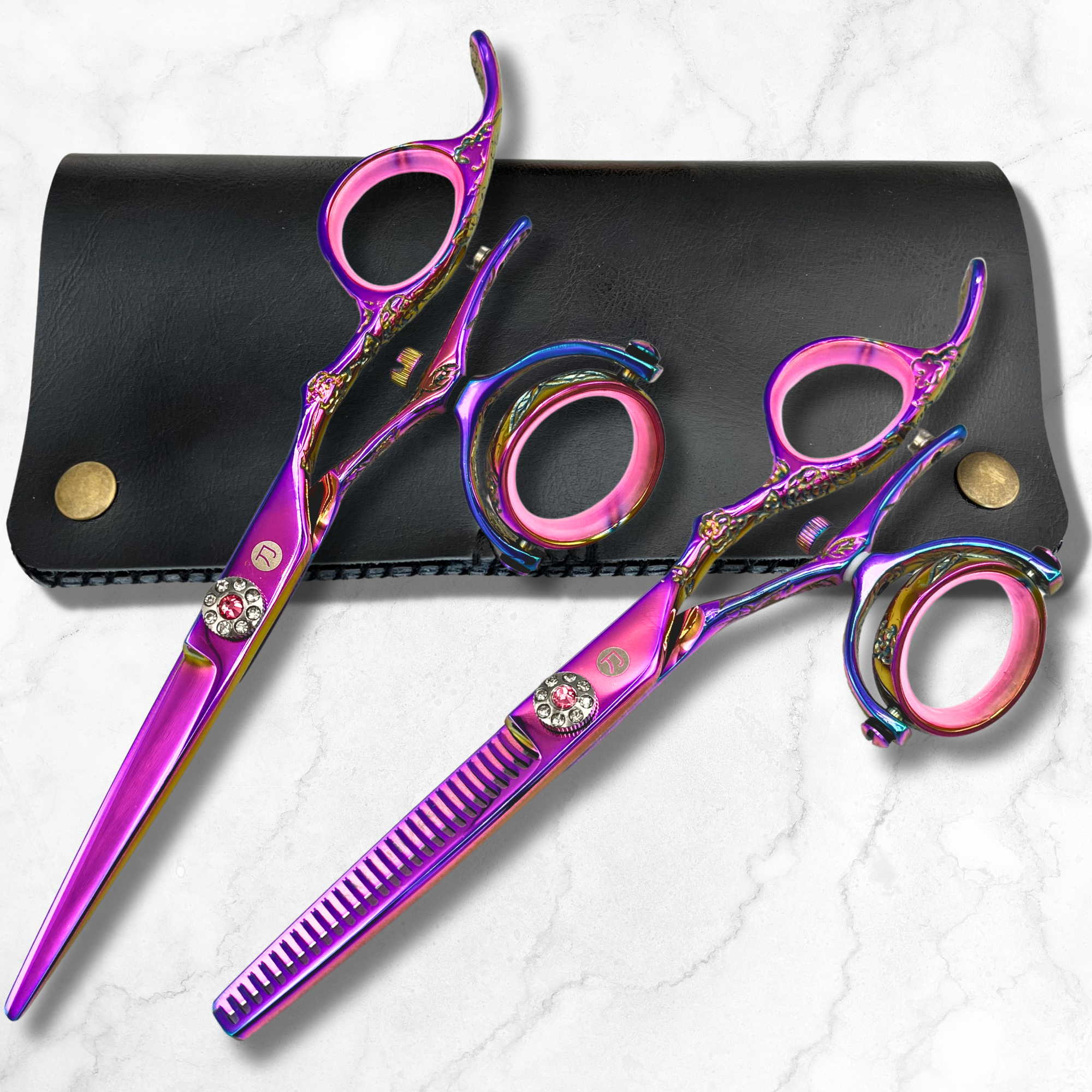
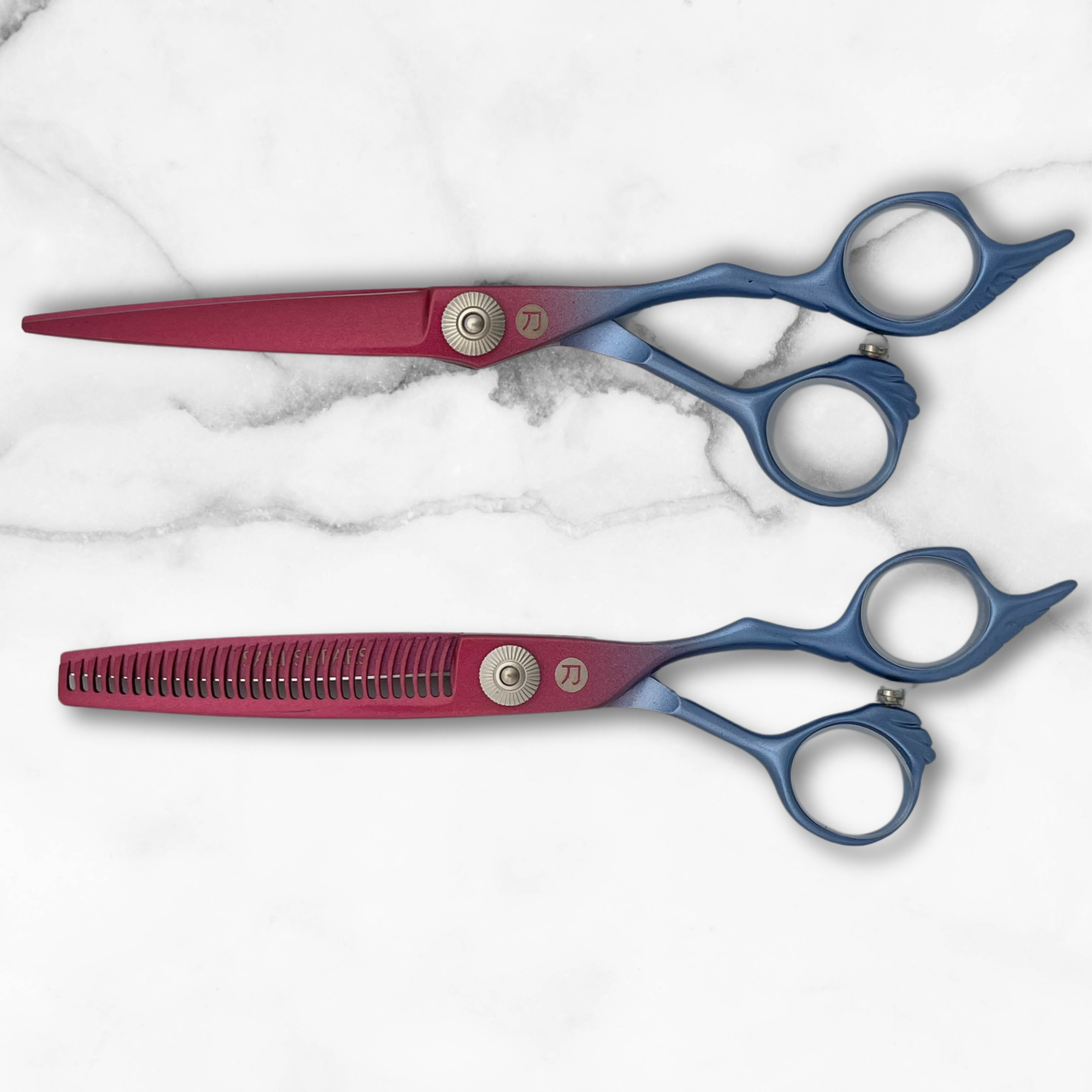
Few professionals need to buy a full kit on day one. A more sustainable approach is to build it in phases as your client base and specialties develop: start with one excellent all-purpose cutting shear you can rely on for the majority of your work, then add a dedicated thinning or texturizing shear once your technique calls for it, and consider a second cutting shear as a backup or for a specific service once your volume justifies the redundancy.
This phased approach also spreads the cost of quality tools over time rather than requiring a large outlay all at once, and it lets each new addition be a deliberate choice based on what your actual client work demands rather than a guess made before you had the experience to know. A kit built this way — a small number of well-chosen, well-maintained tools rather than a drawer full of impulse buys — tends to serve a career far better than trying to acquire everything at once.
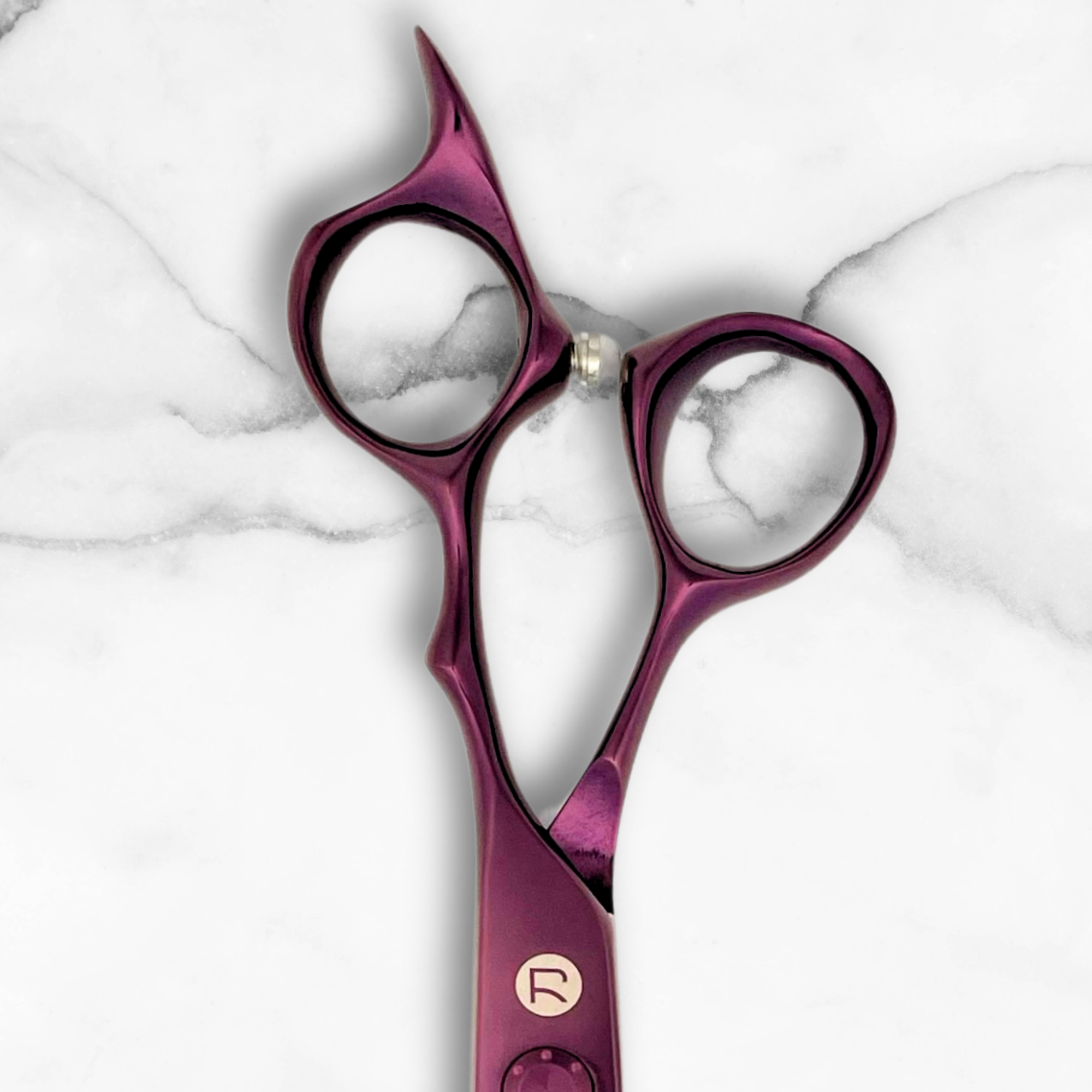
If you're mapping out what to add next, Saki Shears' cutting shear and thinning shear collections are organized by size and steel type, which makes it easier to compare options against the kind of work you actually do behind the chair.

Written by Charles Harris