20 Tips for Improving Your Hairdressing Skills
Improving as a stylist is less about chasing trends and more about tightening the fundamentals you already practice every day. The tips below focus on technique, tool care, and professional habits that compound over a career.
Sharpen your technical foundation
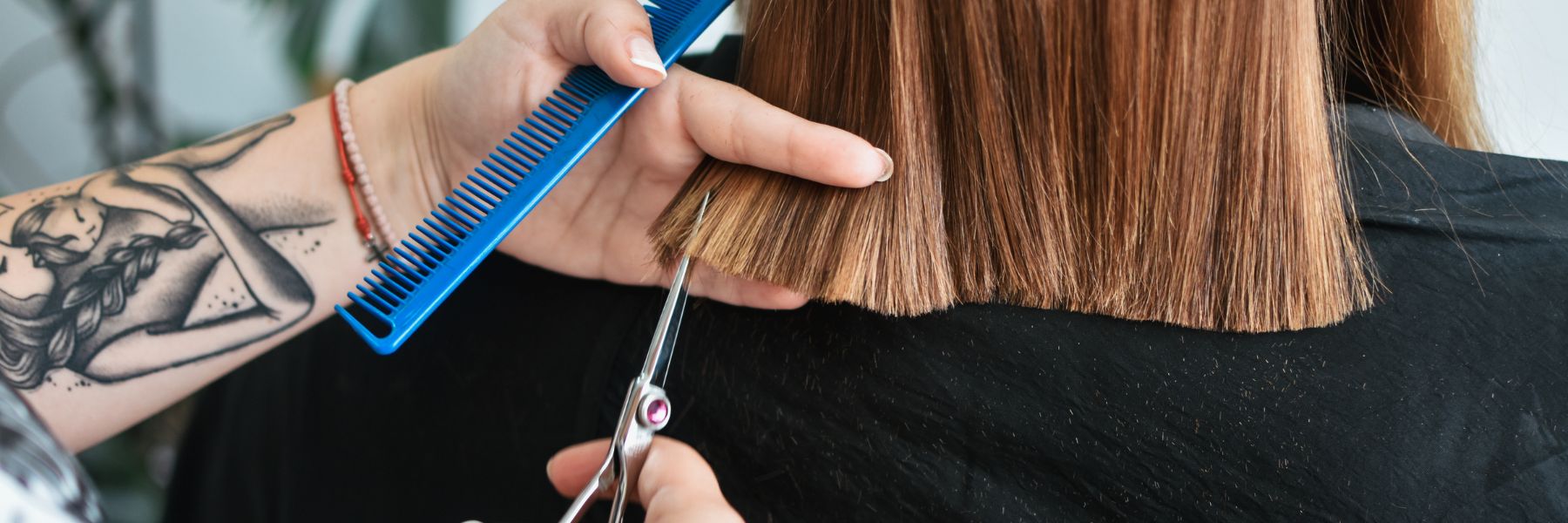
- Practice sectioning consistency. Uneven sections are the root cause of most cutting errors. Run through your sectioning pattern on a mannequin head with no client pressure until the parting lines are automatic, not something you have to think about mid-cut.
- Study hair growth patterns. Cowlicks, whorls, and directional growth at the nape and crown will fight a cut that ignores them. Spend time observing how hair falls dry, not just wet, before you commit to a line.
- Master your elevation and angles. The difference between a blunt, graduated, and layered cut often comes down to a few degrees of elevation. Drill the same haircut at 0, 45, and 90 degrees to feel how the outcome shifts.
- Learn to cut on dry hair, not just wet. Wet hair hides how a cut will actually sit once it dries and the natural texture reasserts itself. Building comfort with dry cutting, even just for finishing and texturizing, sharpens your eye for the final result.
- Refine your point cutting and texturizing. Overusing thinning shears or slide cutting can weaken a cut's structure if it's not deliberate. Practice removing weight only where the style calls for it, and check the result under both dry and styled conditions.
Invest in your tools
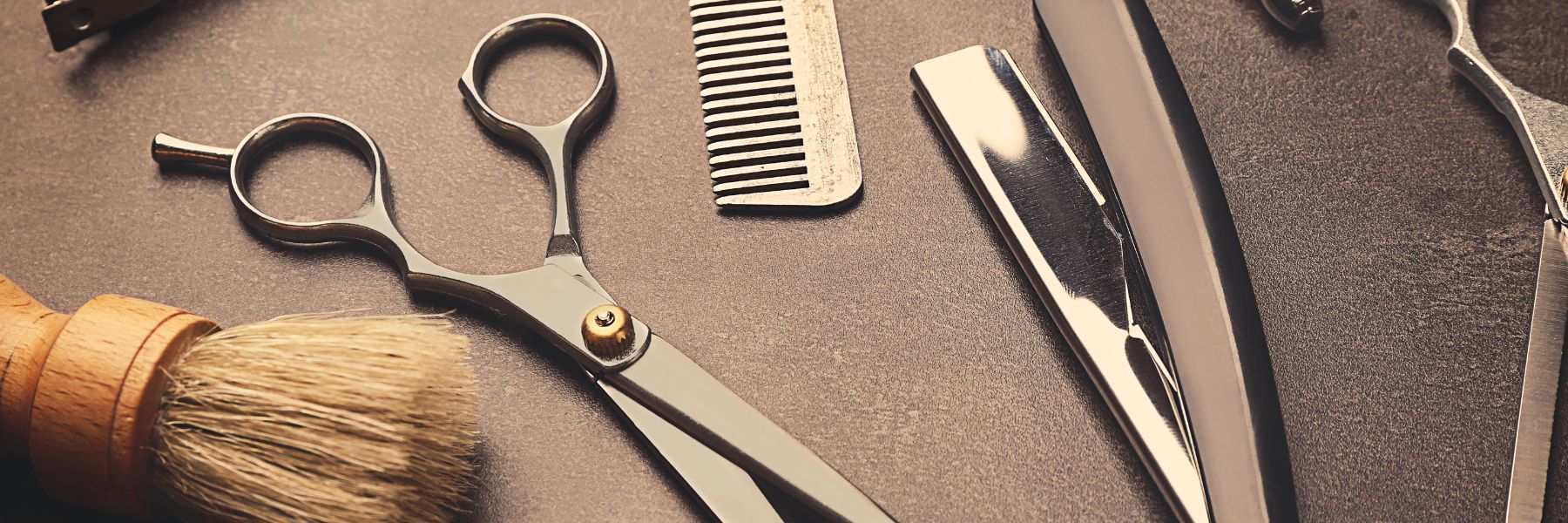
Technique only goes as far as the tools that execute it. A shear that's slightly out of tension or dull at the tip will make even a well-planned cut look uneven, and it forces you to compensate with extra pressure that fatigues your hand over a full day of bookings.
- Get your shears professionally sharpened on a schedule rather than waiting until cutting feels difficult. By the time you notice resistance, the edge has usually degraded enough to affect precision.
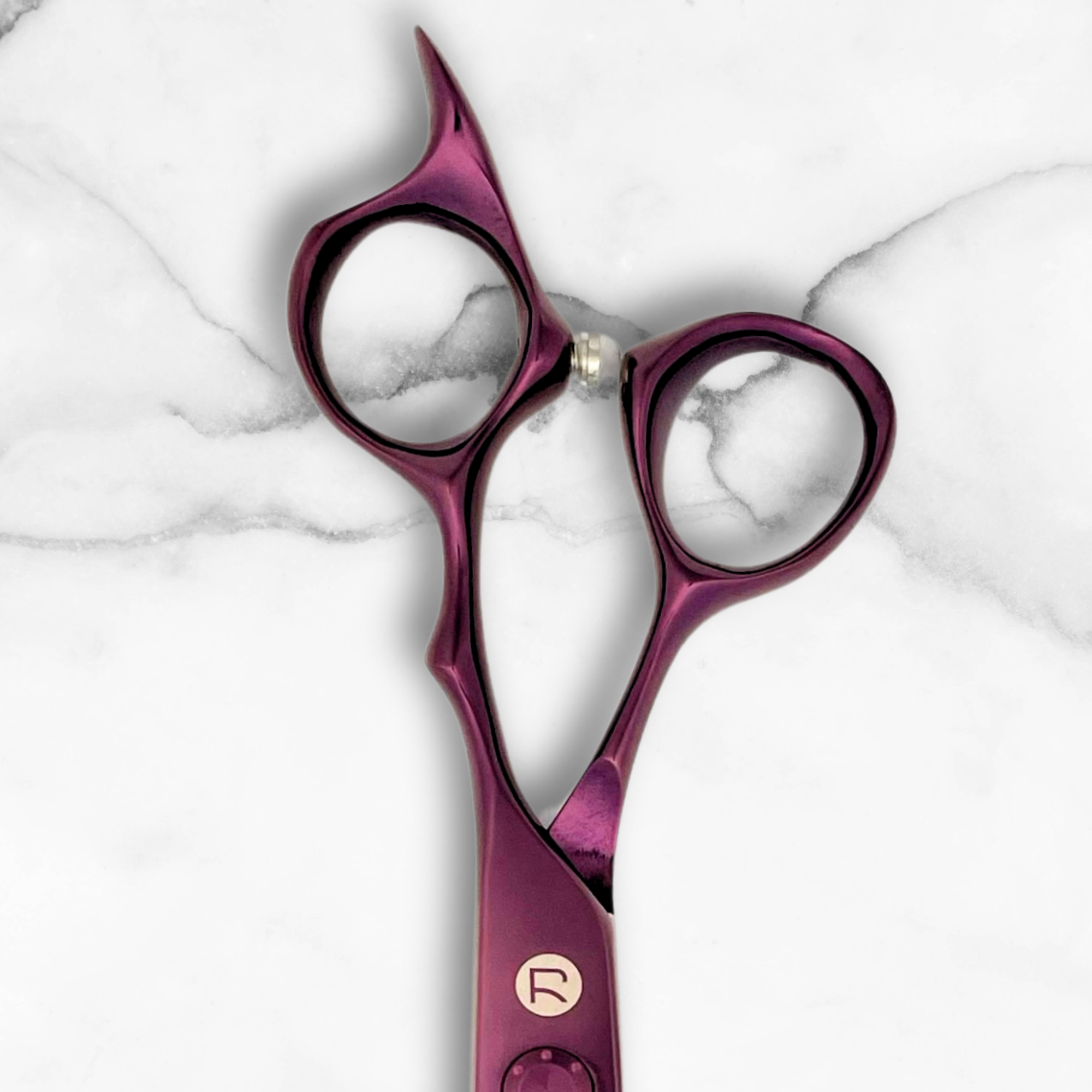
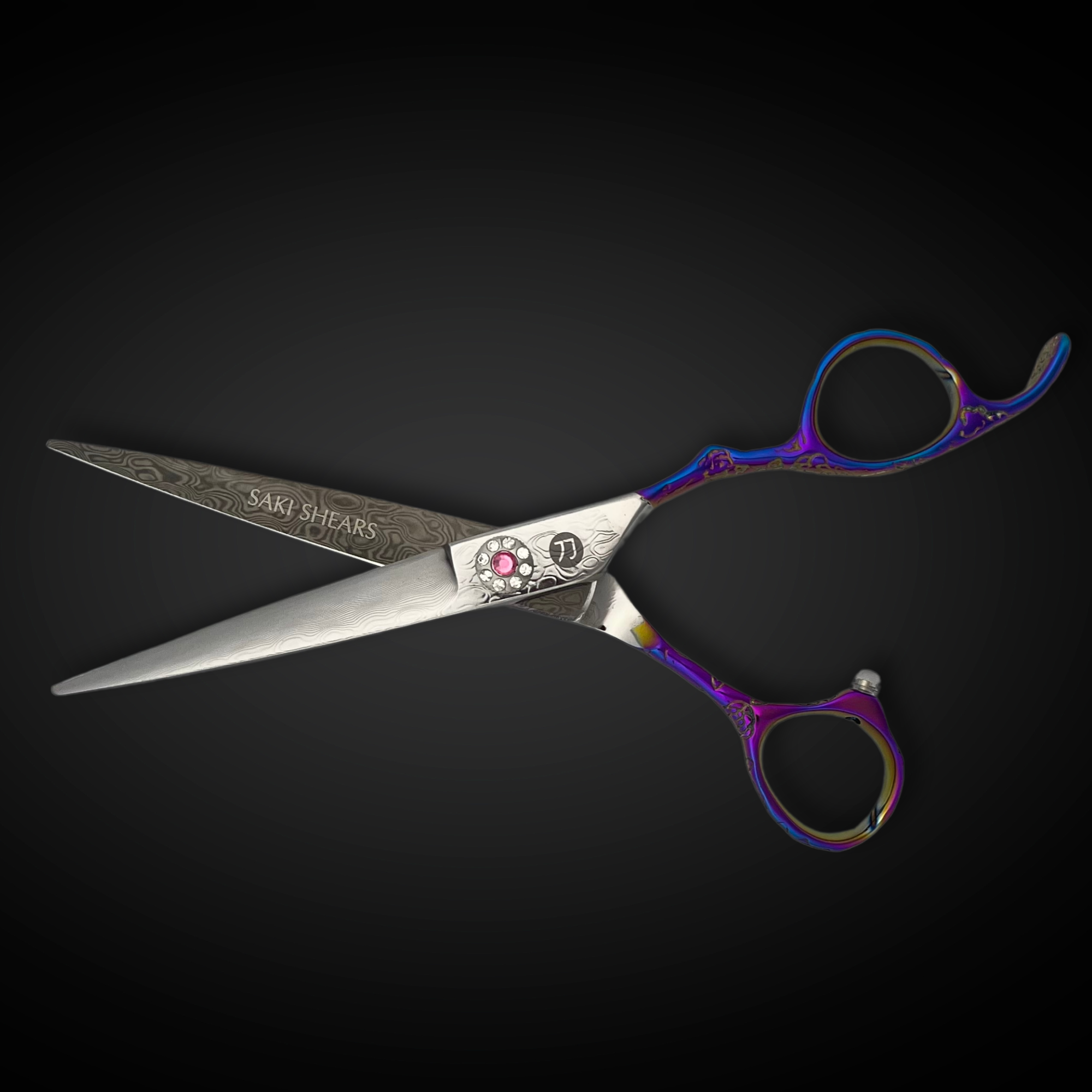
- Match your shear to your hand and your work. Length, weight, and handle style all affect fatigue and control. A shear that's right for detail work on short layers may be wrong for bulk-removal on long, dense hair.
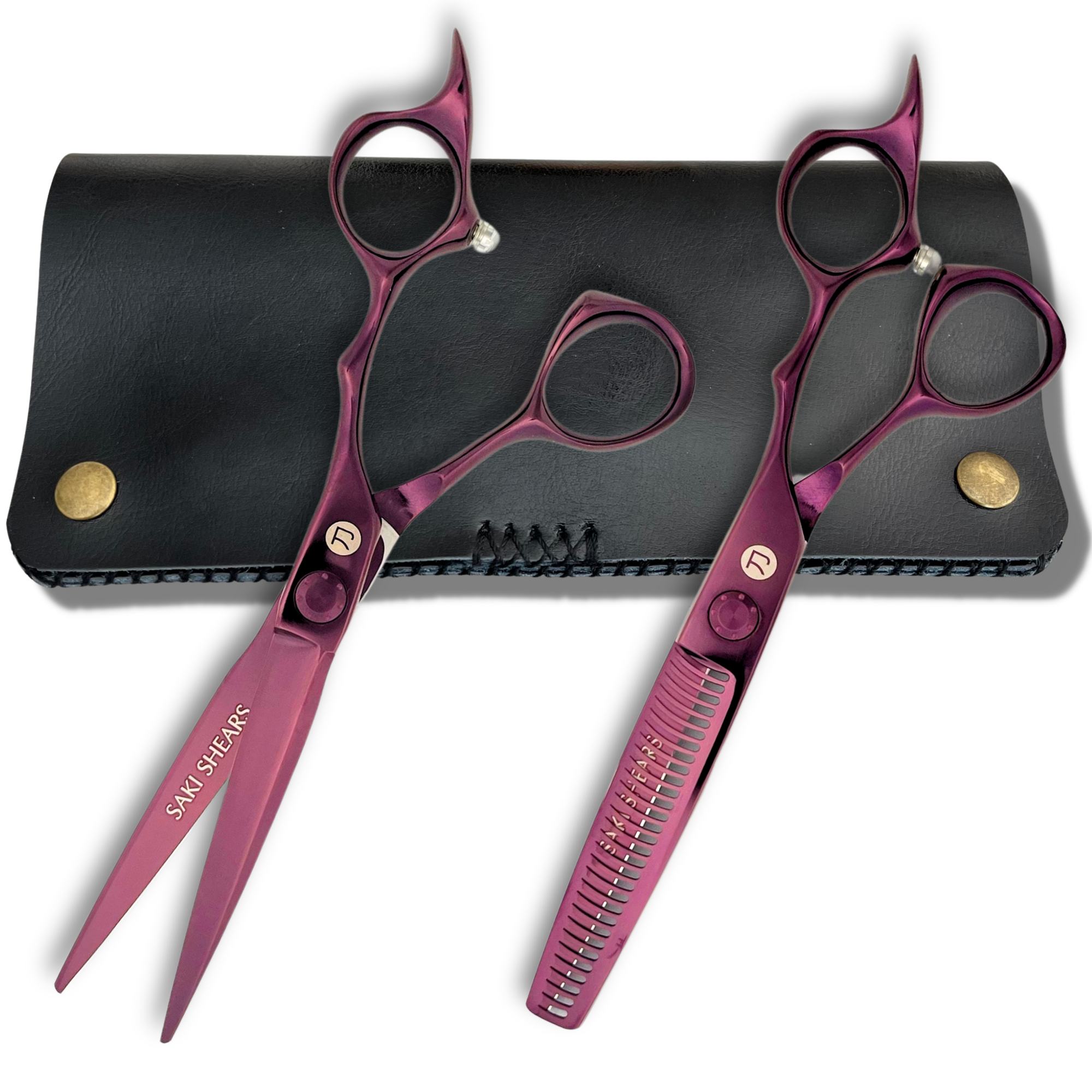
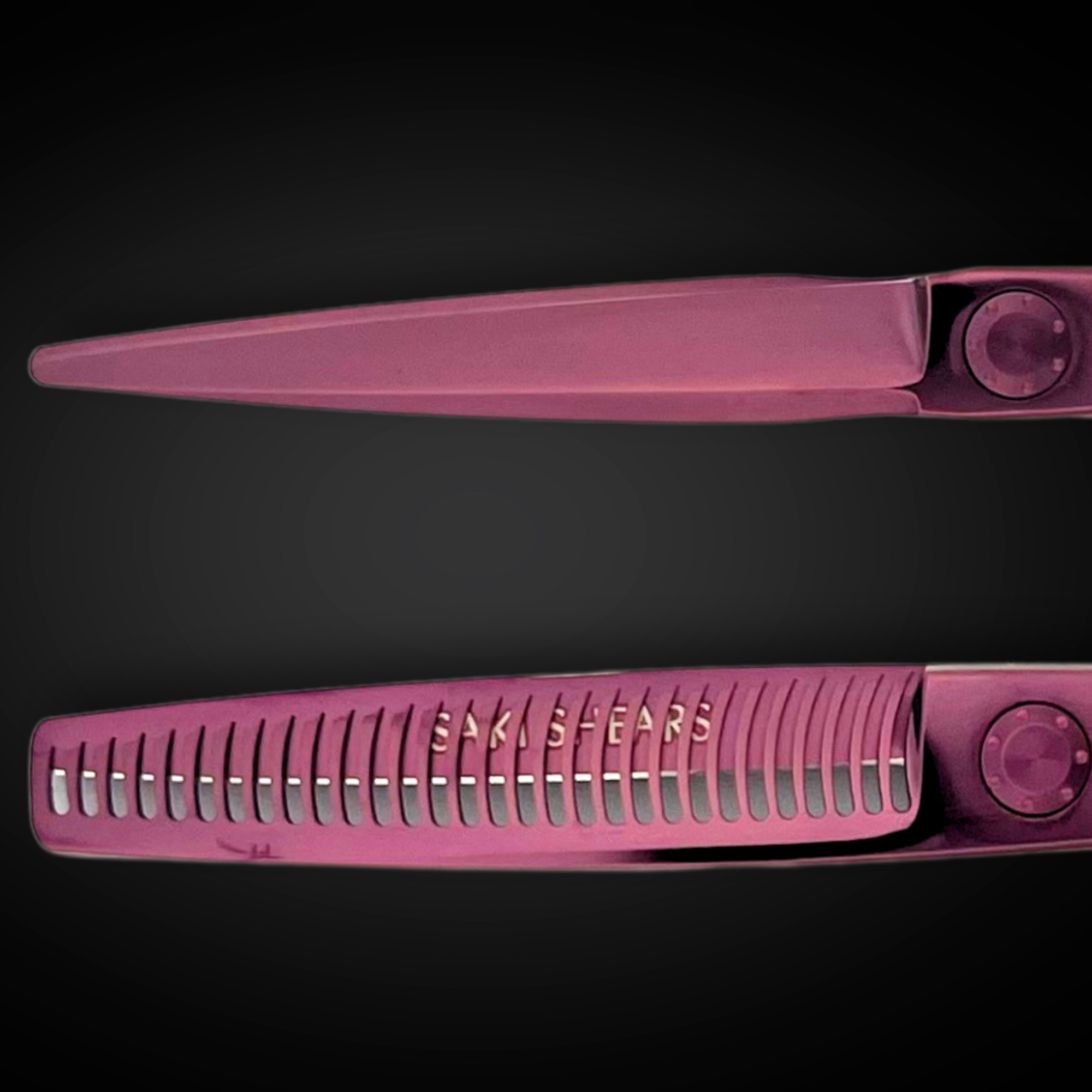
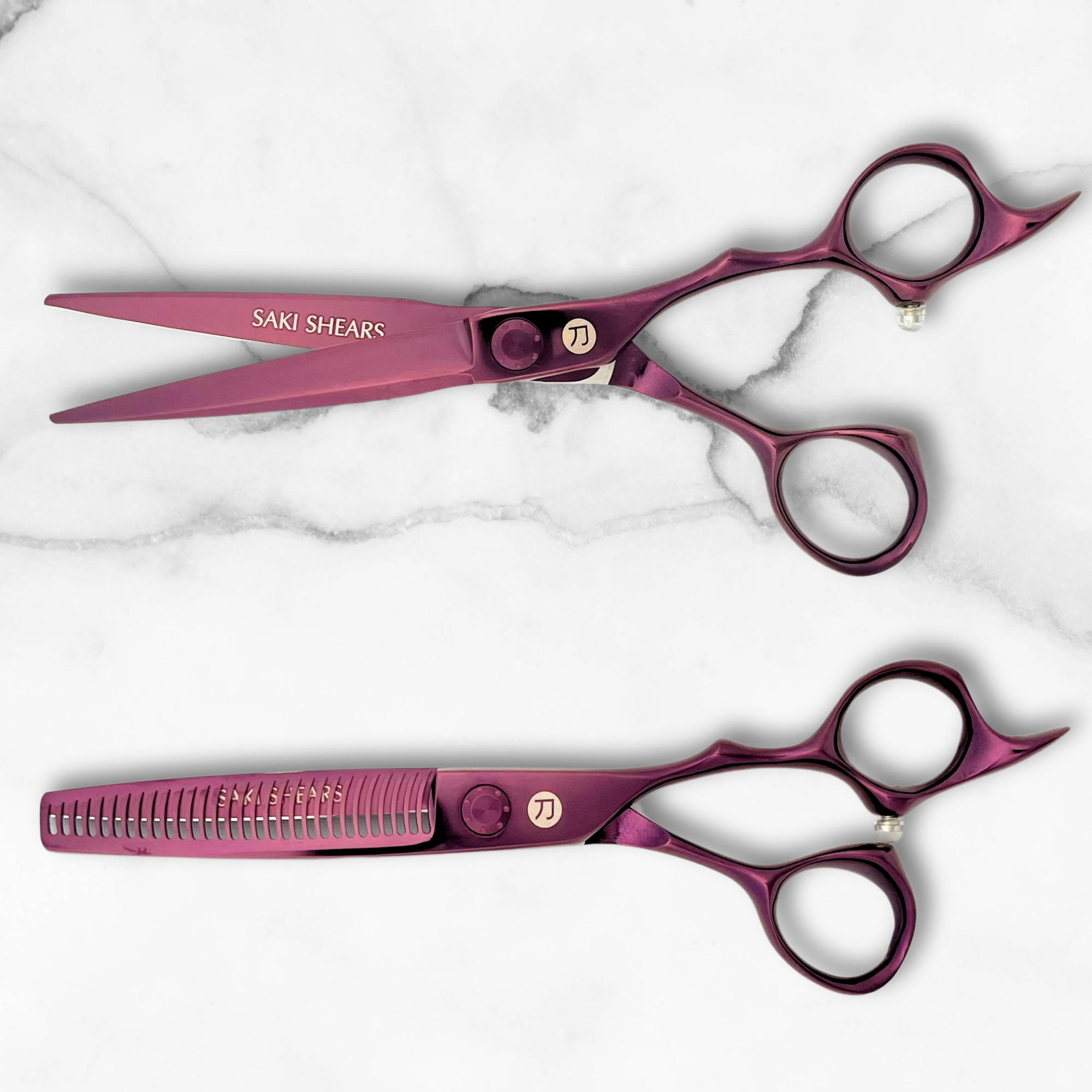
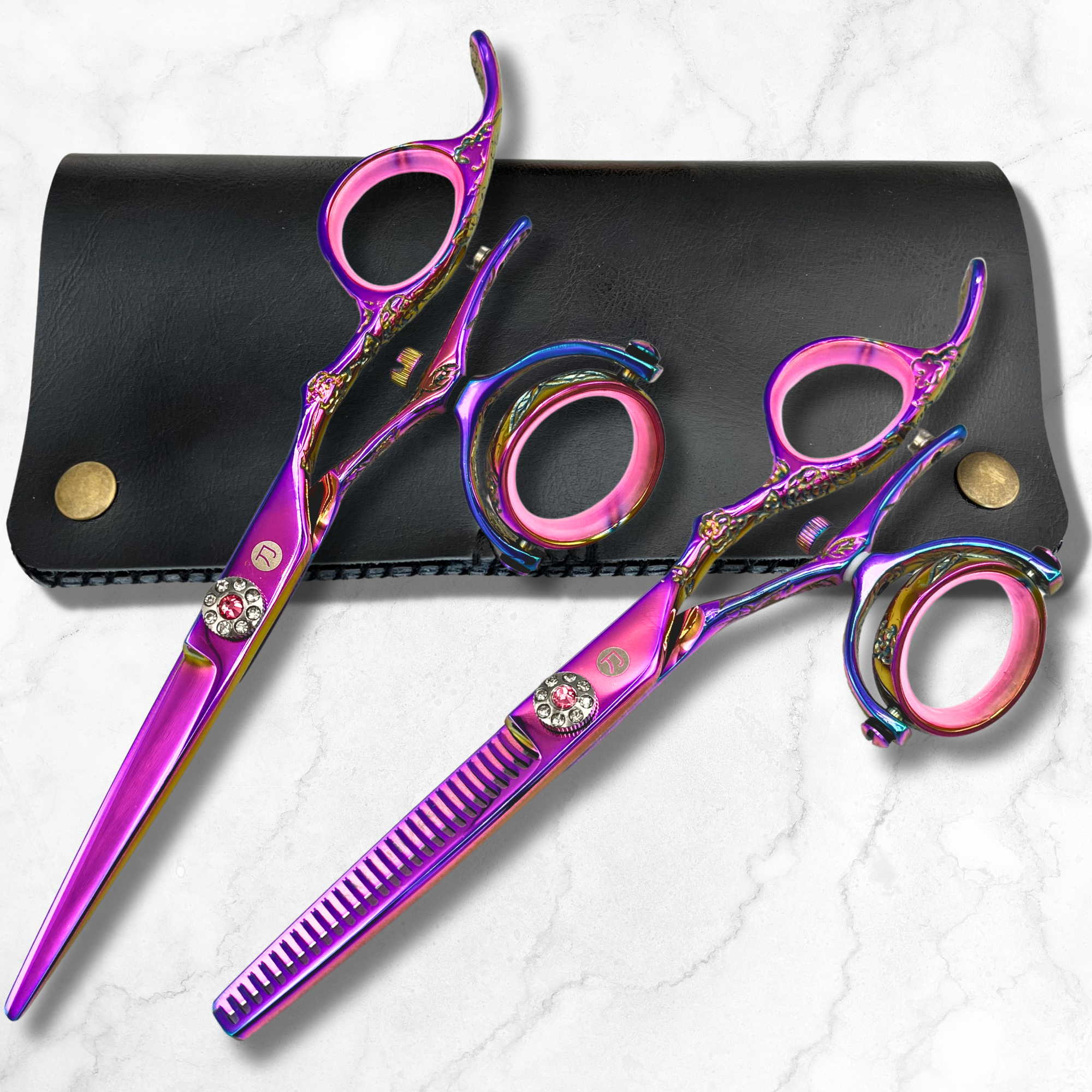
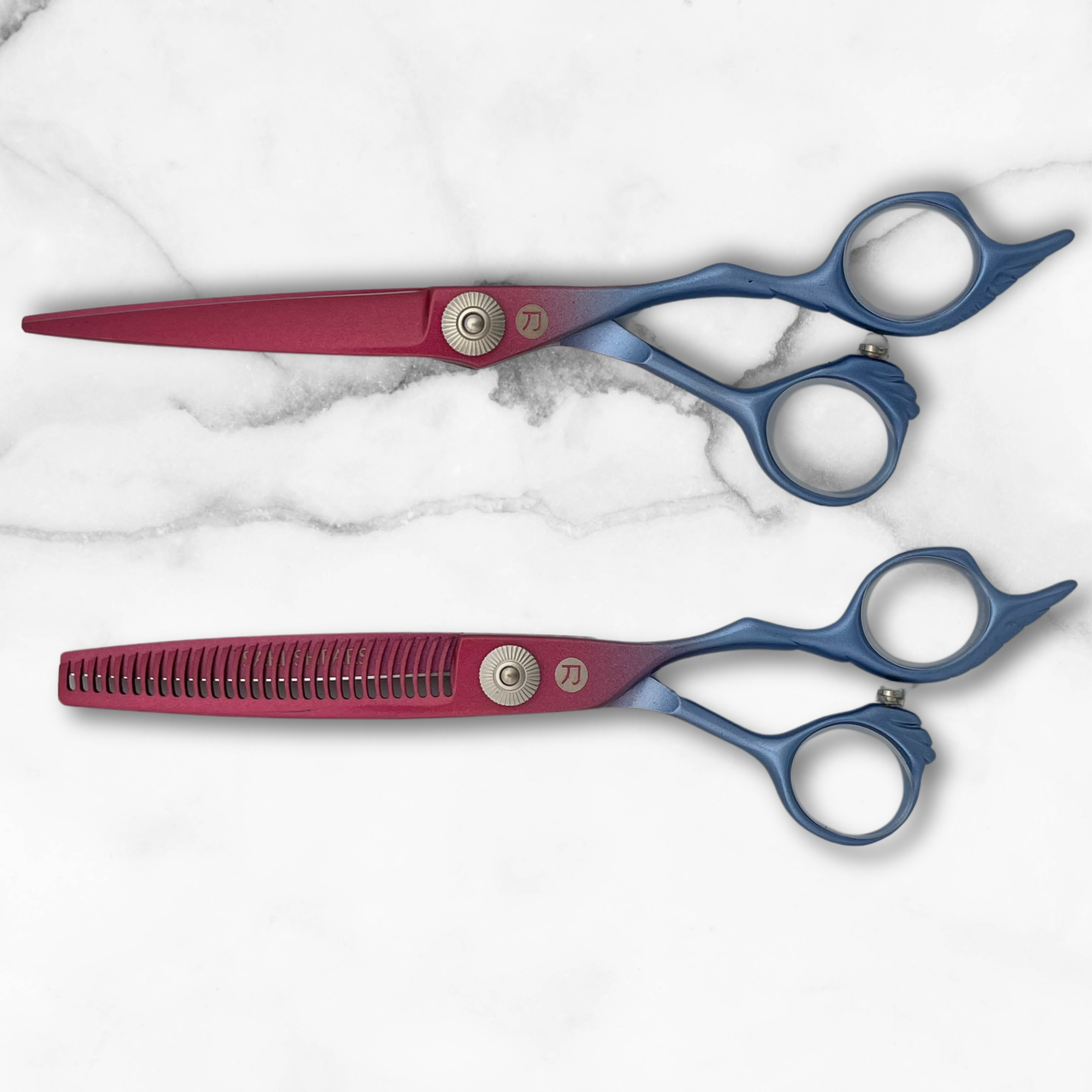
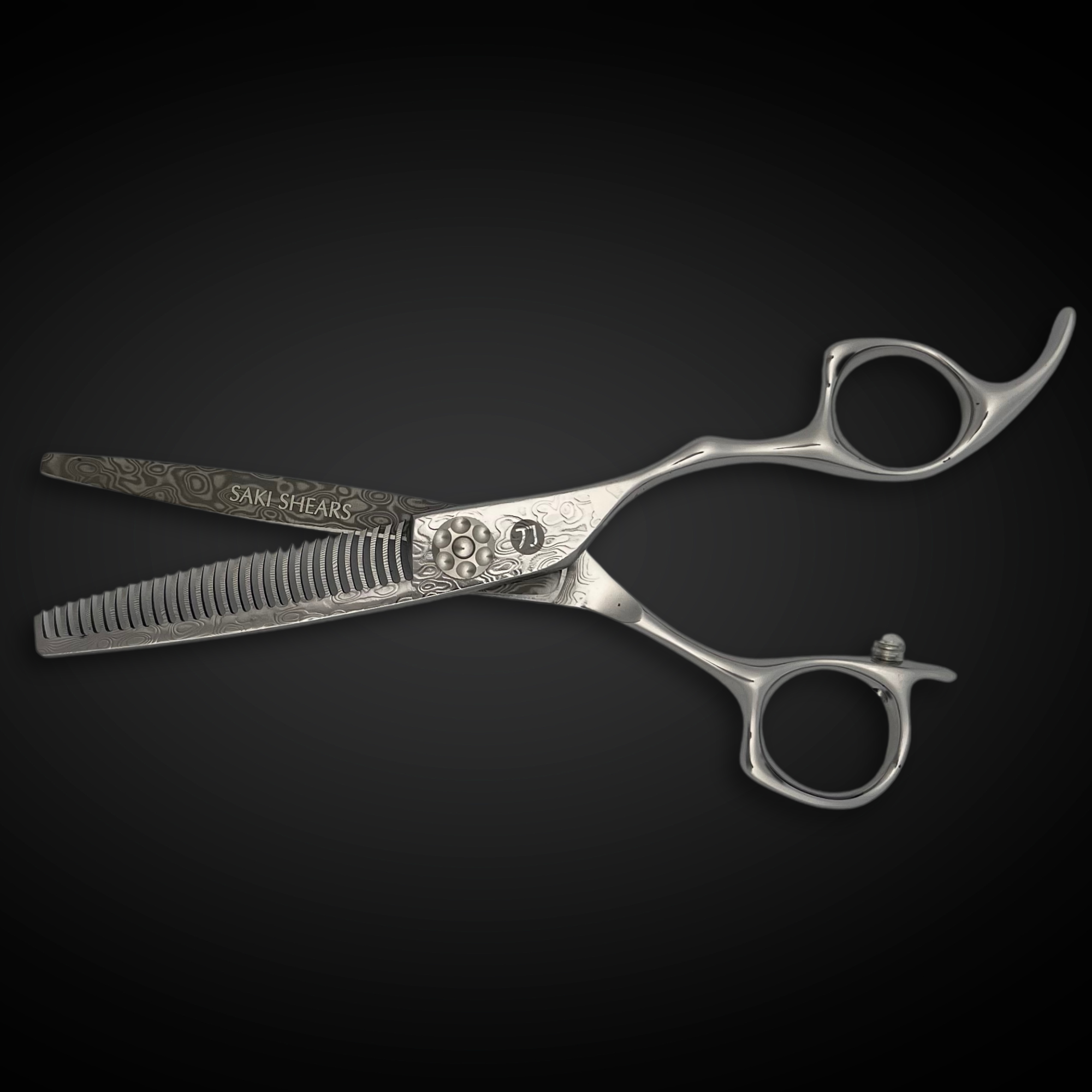
- Keep a dedicated set of thinning shears separate from your cutting shears. Using one tool for both jobs accelerates wear on the finer blade work needed for clean texturizing. A dedicated thinning shear holds its edge longer when it isn't also doing bulk removal work.
- Rotate between a primary and backup shear. Giving your main shear scheduled downtime for sharpening, without losing a workday, is easier if you have a second set from a shear set ready to go.
Build a stronger consultation process
Technical skill is wasted if the client leaves with a cut that doesn't match what they asked for. A consultation that takes an extra two minutes upfront prevents most of the redo requests and awkward conversations at the chair.
- Ask about maintenance habits, not just desired length. A style that looks great on day one but requires a blowout the client won't do at home isn't a successful cut for that person.
- Use reference photos critically. Ask what specifically drew them to the photo — the length, the layering, the fringe — because clients often like a photo for one element and assume the whole look will transfer.
- Talk through face shape and growth pattern honestly. A quick, respectful explanation of why you're adjusting a requested style builds trust and heads off disappointment later.
- Confirm before you commit to length. A quick visual check — showing where a cut line will land against the client's shoulder or jaw before the first cut — costs seconds and prevents the most common client complaint.
Keep learning from other stylists
It's easy to plateau once you're comfortable with a solid client base. Deliberate exposure to other approaches keeps your technique from calcifying.
- Get feedback from more experienced colleagues. Ask a senior stylist to watch you work through a cut occasionally, not just review the finished result. Real-time feedback on your sectioning and angles catches habits you can't see from the mirror.
- Cross-train outside your specialty. A colorist who spends time observing precision cutting, or a cutting specialist who studies texture services, builds a more complete read on how services interact on a single head of hair.
- Take continuing education seriously, even in areas you feel confident in. Refresher classes on fundamentals often reveal small technique drift that's crept in unnoticed over months of repetition.
- Record your own work periodically. A short video of your hand position and sectioning during a real cut, reviewed later, is one of the fastest ways to spot inefficient movement.
Protect your hands and your pace
A career in this trade is physically demanding, and technique that damages your hands or back over time will end a career faster than any market shift.
- Watch your grip pressure. A shear that requires excessive force to close is a sign it needs sharpening or that it doesn't fit your hand well — both are worth fixing before repetitive strain sets in.
- Vary your standing position and client chair height throughout the day rather than locking into one posture for every service.
- Build in short breaks between longer services. A few minutes to stretch your hands and shoulders between appointments pays off over a full week of bookings.
None of these habits require a dramatic overhaul of how you work. Picking two or three to focus on for a month — tightening sectioning, auditing your tools, or reworking your consultation script — tends to produce more visible improvement than trying to change everything at once. Consistent, well-maintained tools make the rest of this easier; browsing a current shear lineup is a reasonable place to start if your kit hasn't been reviewed in a while.

Written by Charles Harris