Why Budget Scissors Cost Working Stylists More in the Long Run
Every stylist has faced the temptation: a pair of shears priced low enough to grab without thinking twice. For someone just starting out, or stocking a station on a tight budget, it can seem like the practical choice. In practice, cheap scissors cost working stylists more than they save, and the cost shows up in ways that are easy to miss until you have been cutting with a proper pair for comparison.
Edge Retention Is Where Cheap Shears Fail First
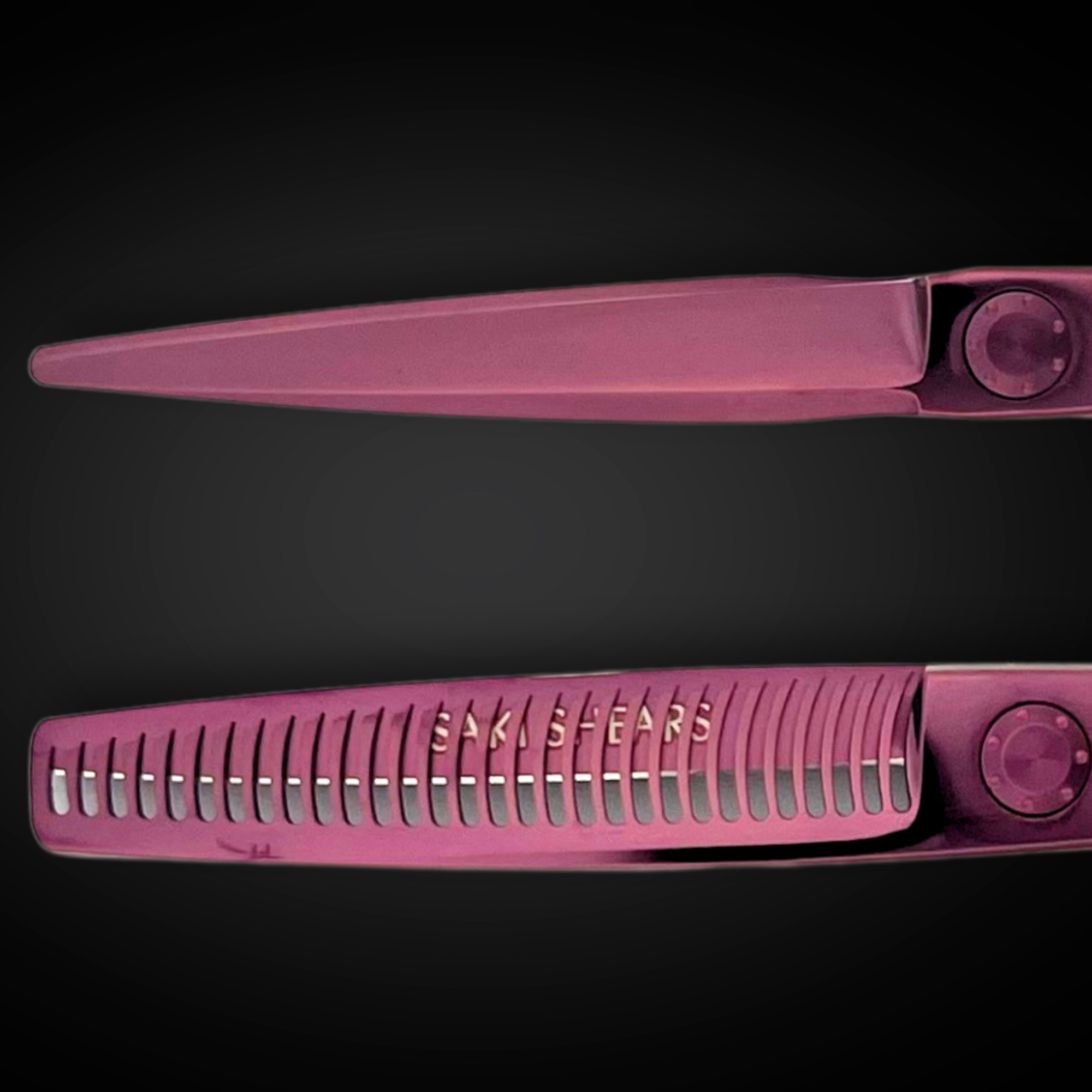
The steel used in budget scissors is rarely disclosed in any meaningful way, and for good reason. Low-grade steel takes an edge reasonably well out of the box, then loses it fast under real use. A shear that dulls within a few weeks of daily cutting forces you into a cycle of pushing through hair with a blade that is not really cutting anymore, followed by expensive, frequent sharpening or outright replacement. Professional-grade steel, by contrast, is chosen specifically for edge retention under sustained daily use, which is the exact condition a working stylist's shears face every shift.
A dull blade does not just cut poorly. It changes how you cut. You end up compensating with extra passes, more pressure, and adjusted technique just to get the result you want, which slows you down and makes your results less consistent from client to client.
An Imprecise Pivot Undermines Everything Else
The pivot, the point where the two blades meet and move against each other, is arguably the most important mechanical element of a shear, and it is almost always where budget manufacturing cuts corners. A loose or inconsistent pivot means the blades do not meet with even pressure along their full length, which creates snagging, uneven cutting, and blades that feel different depending on where along the edge you are cutting. Adjustable tension screws on cheap shears often loosen quickly and do not hold a setting, so a shear that felt fine on day one becomes unpredictable within weeks.
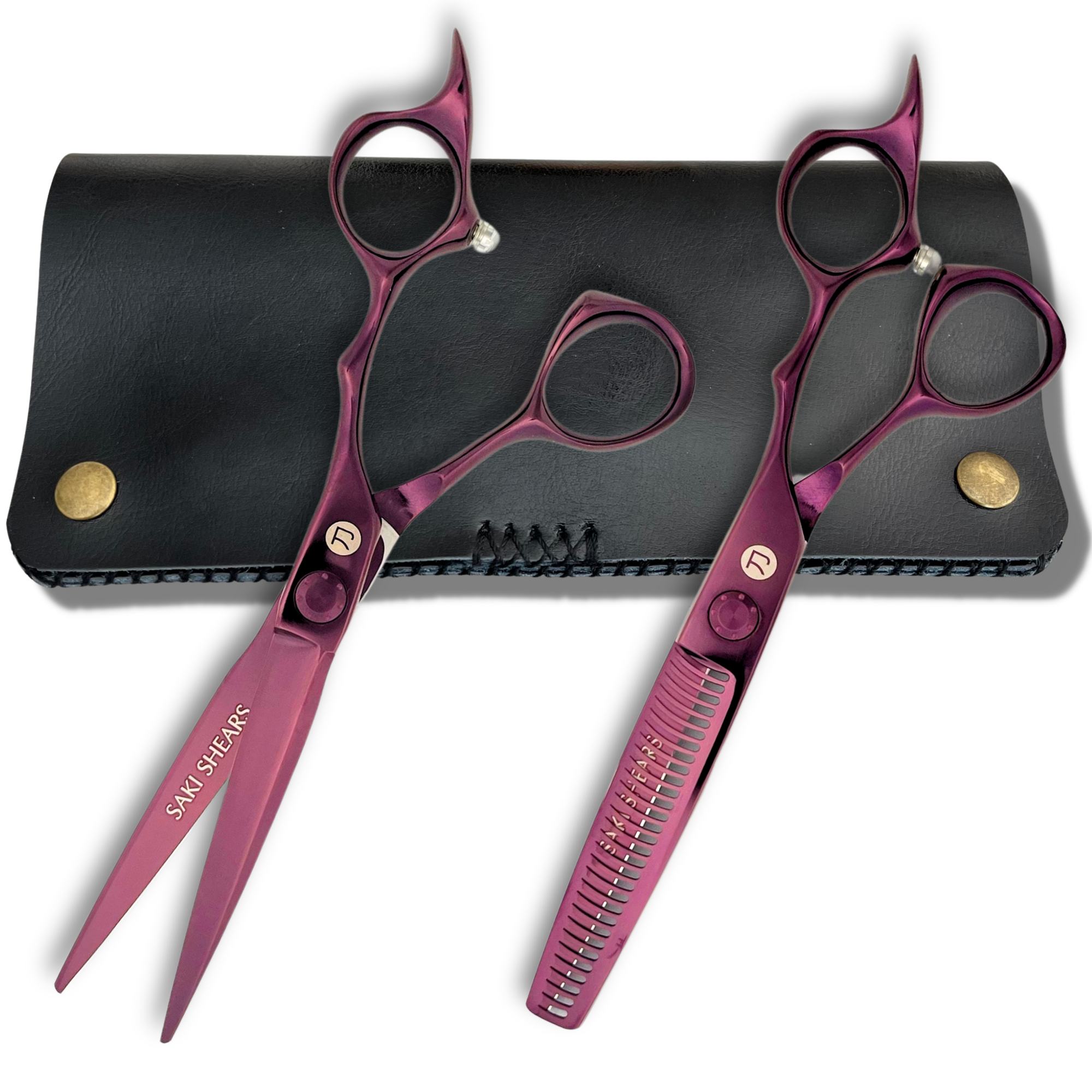
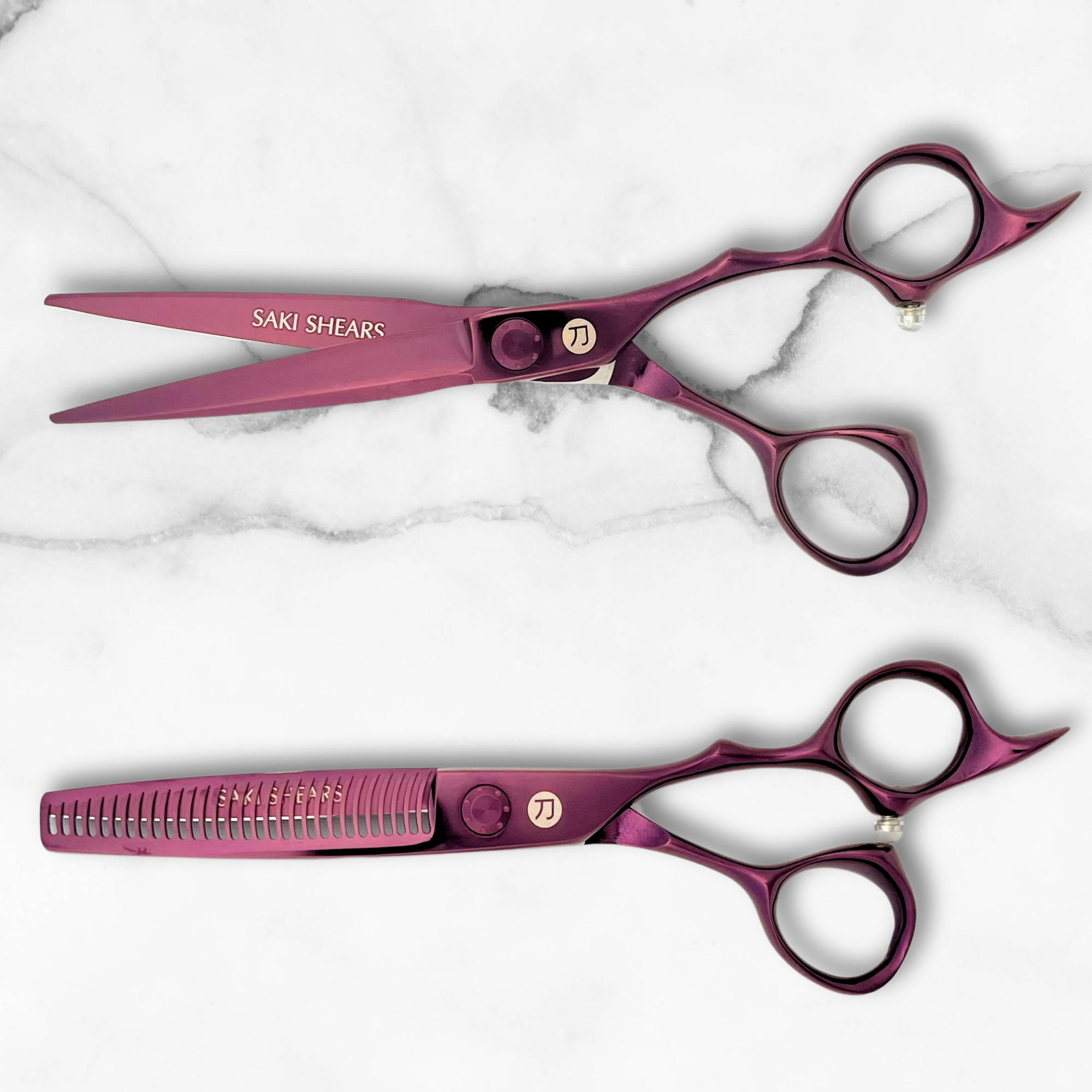
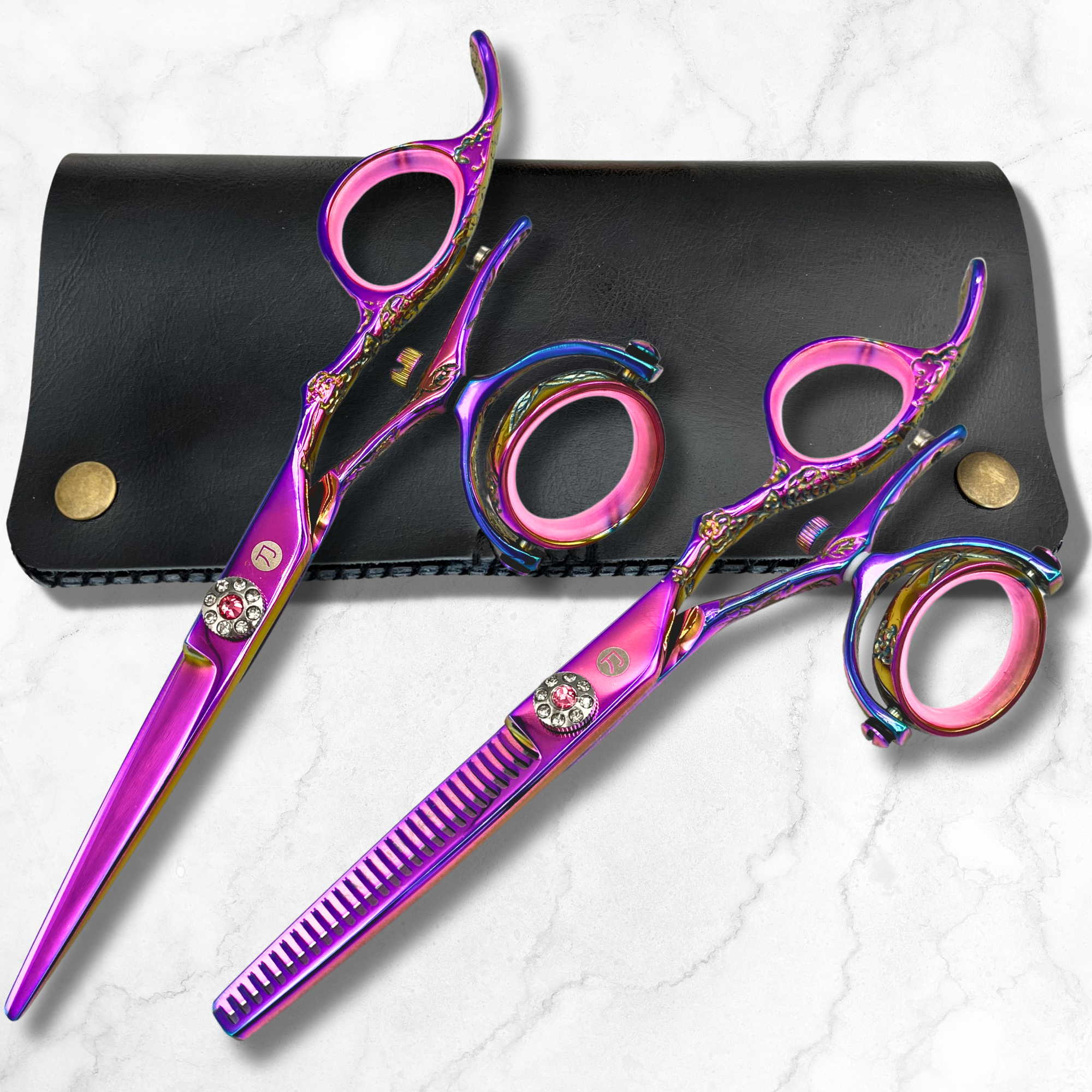
Precision-machined pivots on professional shears are built to hold their setting and maintain even blade contact over months or years of use, not days. That reliability is not a luxury feature. It is the difference between a shear you can trust blind and one you have to compensate for on every cut. Stylists looking to replace an underperforming pair can compare true professional options in our hair cutting shears collection.
Hand Fatigue Adds Up Over a Full Shift
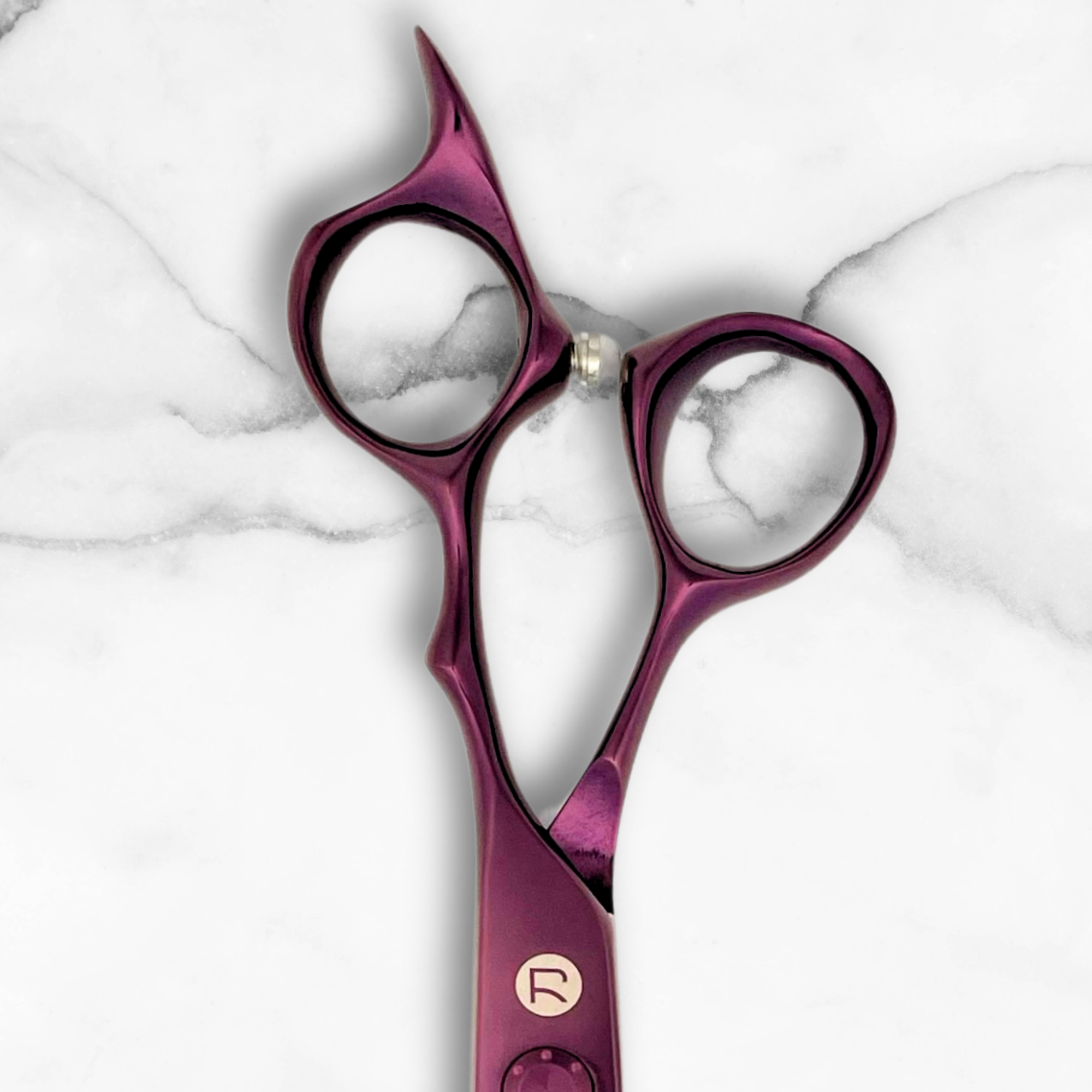
Weight distribution, handle geometry, and blade balance all affect how much strain a shear puts on your hand, wrist, and forearm over the course of a working day. Budget shears are rarely designed with ergonomics in mind. They are manufactured to a price point, and comfort during extended use is one of the first things sacrificed. A shear that feels fine for five minutes in a store can feel very different after your sixth or seventh client of the day.
Stylists who cut for a living are using their primary shear for hours at a stretch, day after day. Cumulative strain from a poorly balanced or badly fitted tool is a real occupational hazard, not a minor inconvenience, and it is one of the strongest arguments for choosing a shear built around how professionals actually hold and use it rather than one built to hit a low price.
The Replacement Cycle Costs More Than the Upgrade
A cheap shear that needs replacing every few months, plus frequent sharpening just to keep it usable in between, adds up faster than most stylists expect when they total the real cost over a year or two. A well-made professional shear, properly maintained, holds its edge and its mechanical integrity for years rather than months. When you account for the full lifespan of the tool rather than just the sticker price, the math consistently favors investing once in a shear built for daily professional use.
- Budget shears typically need replacement or major sharpening every few months under daily professional use
- Frequent sharpening on soft steel wears down the blade faster, shortening the shear's usable life further
- A quality shear maintained properly can remain a primary working tool for years
- Time lost to compensating for a dull or imprecise blade has a real cost across a full career, not just a single shift
What to Prioritize Instead
None of this means every tool in your kit needs to be top of the line. It means the shear you use on nearly every client, for hours a day, is the wrong place to cut costs. When evaluating a shear, look past the price tag to the steel quality, the precision and adjustability of the pivot, and the handle geometry relative to your own hand and cutting style. Those three factors determine how a shear performs on your fiftieth cut of the week, not just your first. If you are ready to move away from a shear that is holding your work back, our full shears collection is organized around exactly these professional-use factors.

Written by Charles Harris