Are Hair Scissors Different Than Other Types of Scissors?
Yes, and the differences are not cosmetic. Hair shears and general-purpose household or craft scissors are built to different specifications because they are asked to do different work: thousands of precise, repetitive cuts through fine, wet or dry hair, held at odd angles, for years at a time. The distinctions come down to steel, geometry, pivot construction, edge finishing, and balance.
Steel Quality and Hardness
Household scissors are typically stamped from lower-grade stainless steel, chosen for cost and corrosion resistance rather than edge performance. Hair shears are more commonly made from higher-carbon Japanese steels such as VG-10 or cobalt alloys, hardened to a Rockwell rating in the 60-62 HRC range. That harder, more consistent steel holds a fine edge through far more cuts before it needs sharpening, and it responds better to the precise honing a barber or stylist edge requires. Craft and kitchen scissors are hardened to a lower, tougher spec on purpose, since they are built to survive cutting cardboard, wire, or bone, not to hold a microscopically fine edge.
Blade Geometry and Grind
The grind on a hair shear blade is ground thin and typically convex, tapering to a fine edge with no secondary bevel. That geometry is what allows a shear to slice through a single strand of hair cleanly instead of pushing or crushing it. Household and craft scissors use a much thicker, more obtuse bevel because they are designed for durability and general cutting force across a range of materials, not fine slicing. Put a pair of craft scissors to a wet section of hair and the difference is immediate: the blade pushes the hair before it cuts, rather than slicing through it.
Pivot Tension and Screw Precision
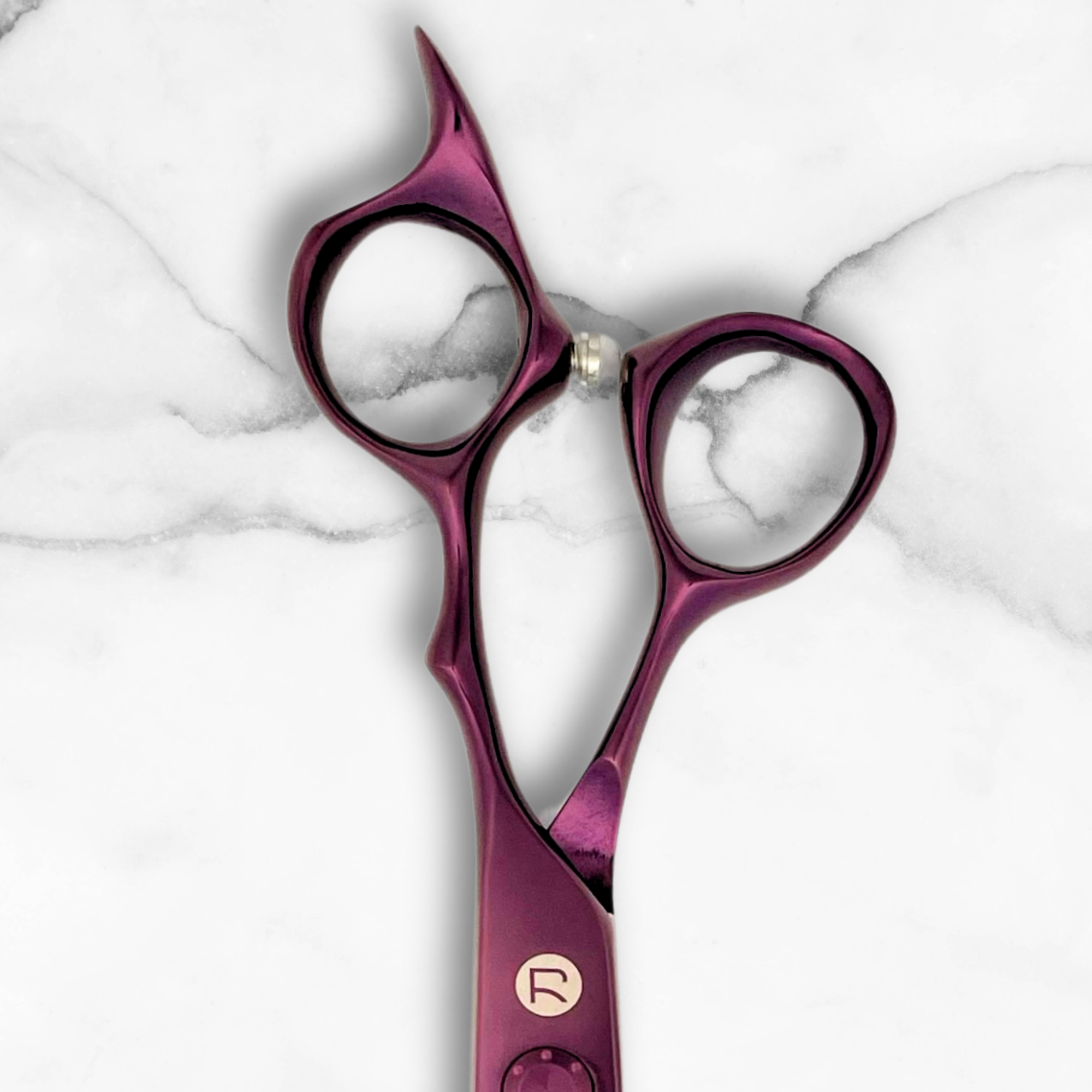
Hair shears rely on a precisely machined pivot with an adjustable tension screw, built to hold consistent contact between the blades across their full length with no wobble at the tip. That precision is what lets a shear close smoothly on a single hair without folding it. General-purpose scissors use a simpler rivet or fixed screw that is not built for that level of adjustment, because the tolerances required for fabric, paper, or craft materials are far looser than what is needed to cut hair cleanly.
Edge Finishing
How the edge is finished after grinding also separates the two categories. Hair shear edges are honed and polished to remove any micro-serrations left by the sharpening wheel, since even a slightly rough edge will snag and split hair rather than slice it. Household scissors are finished to a coarser standard because that level of polish is unnecessary, and in some cases a slightly toothed edge actually improves grip on fabric or paper.
Weight and Balance for Repetitive Use
A stylist making thousands of small, repetitive cuts over a shift needs a tool that stays controllable and comfortable over hours of use. Hair shears are engineered around that constraint, typically in the 4.5 to 6 ounce range, balanced close to the pivot, with handle geometry designed to keep the wrist in a neutral position. Household scissors are not built with repetitive-use ergonomics in mind, since most people use them for a few cuts at a time rather than an entire shift of continuous work.
Why This Justifies Purpose-Built Shears
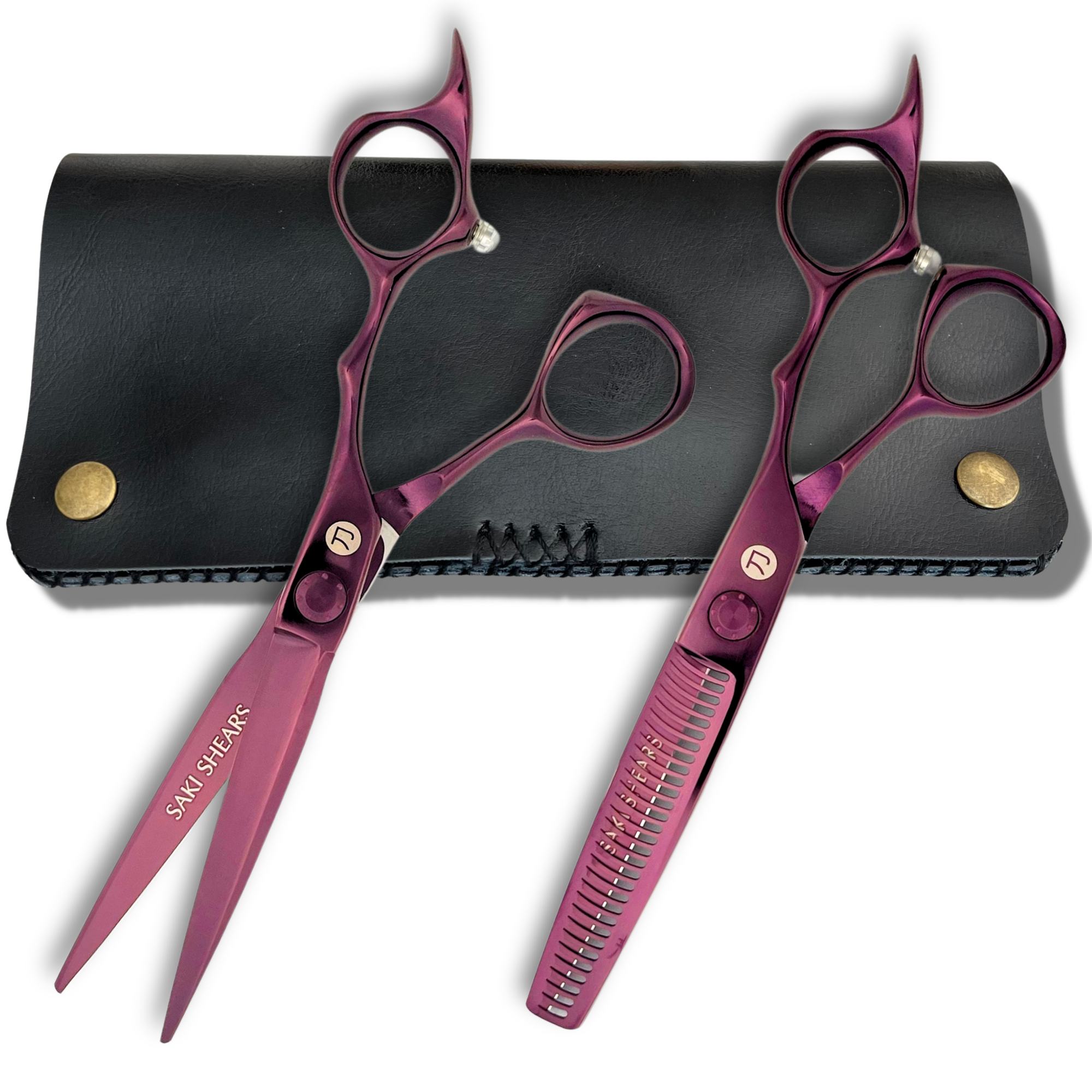
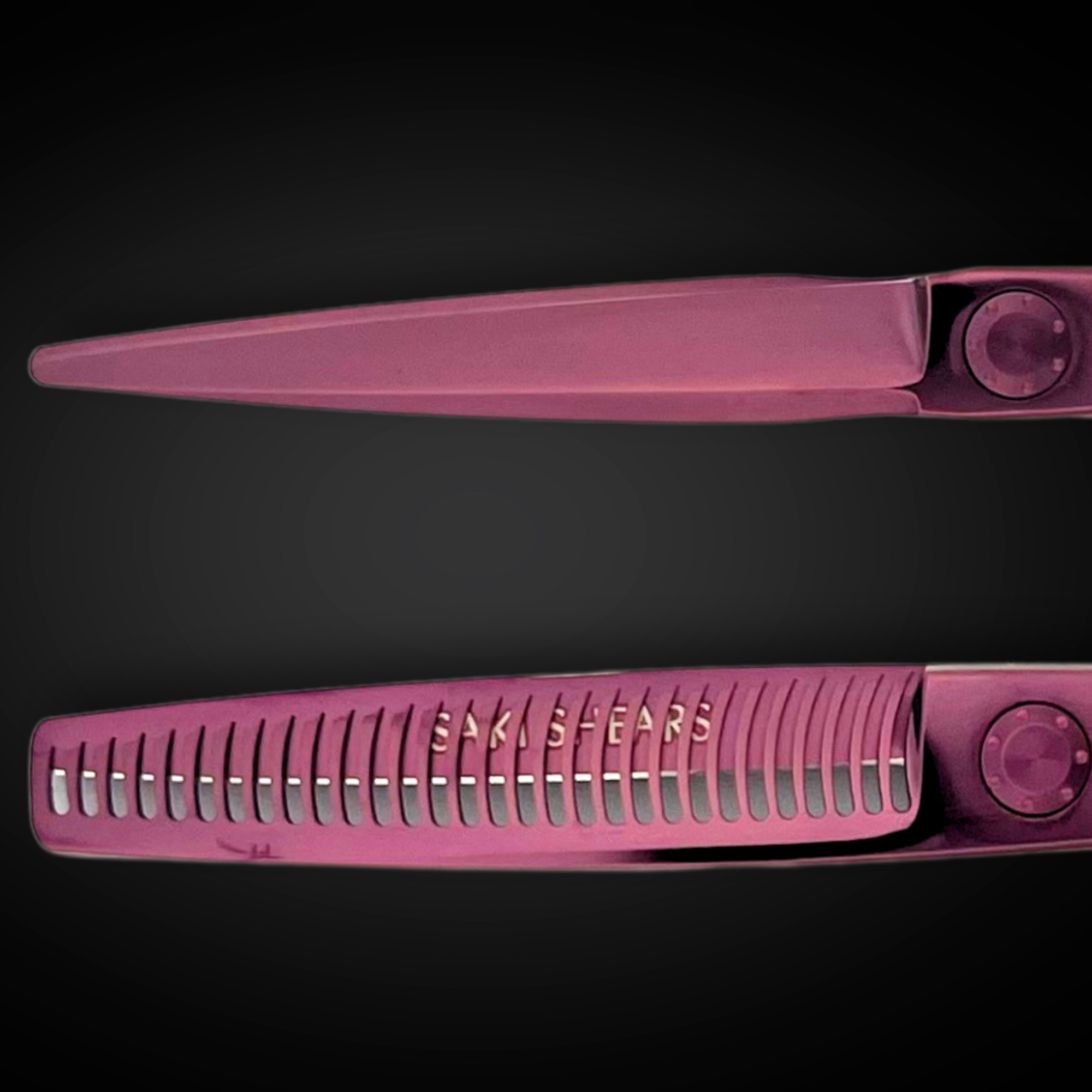
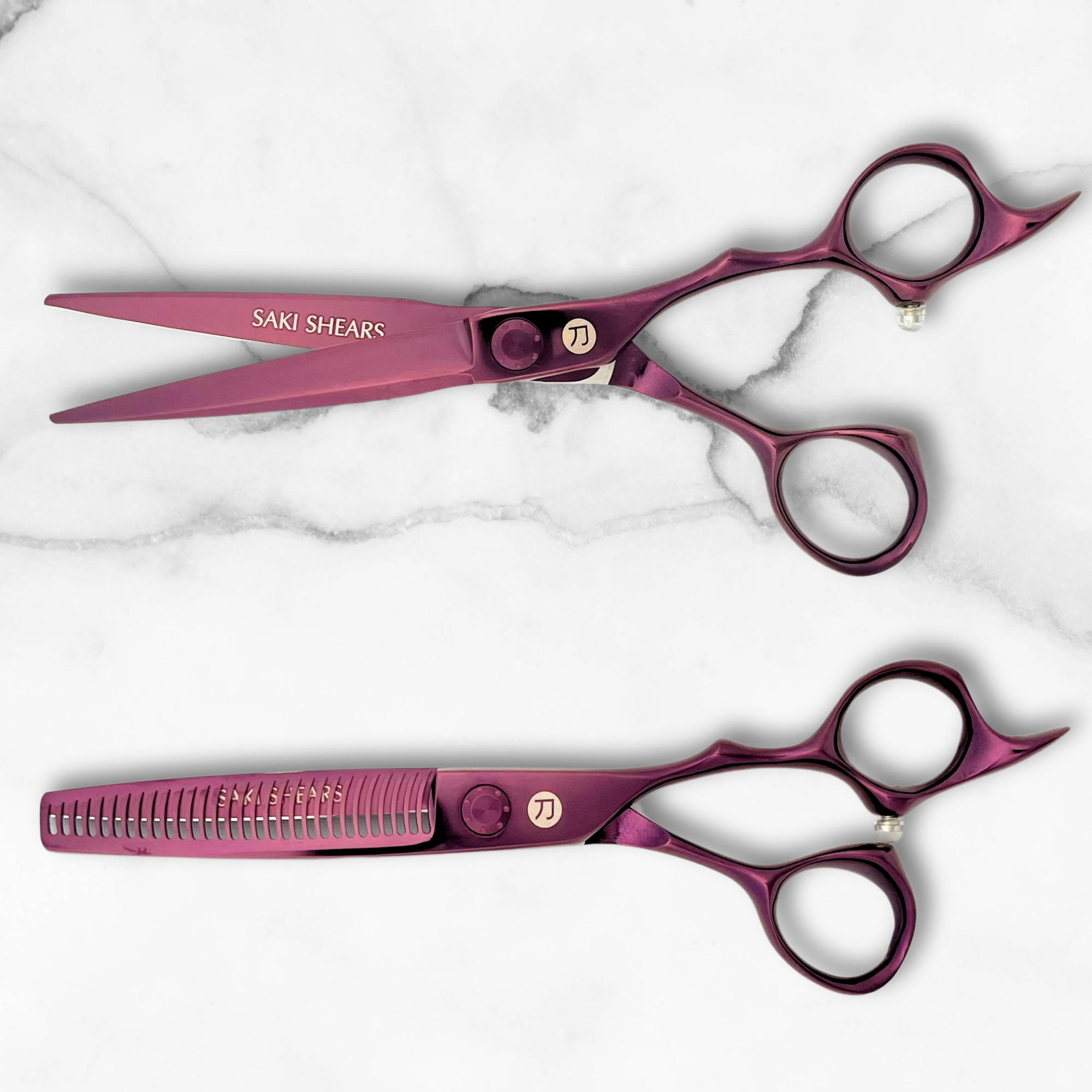
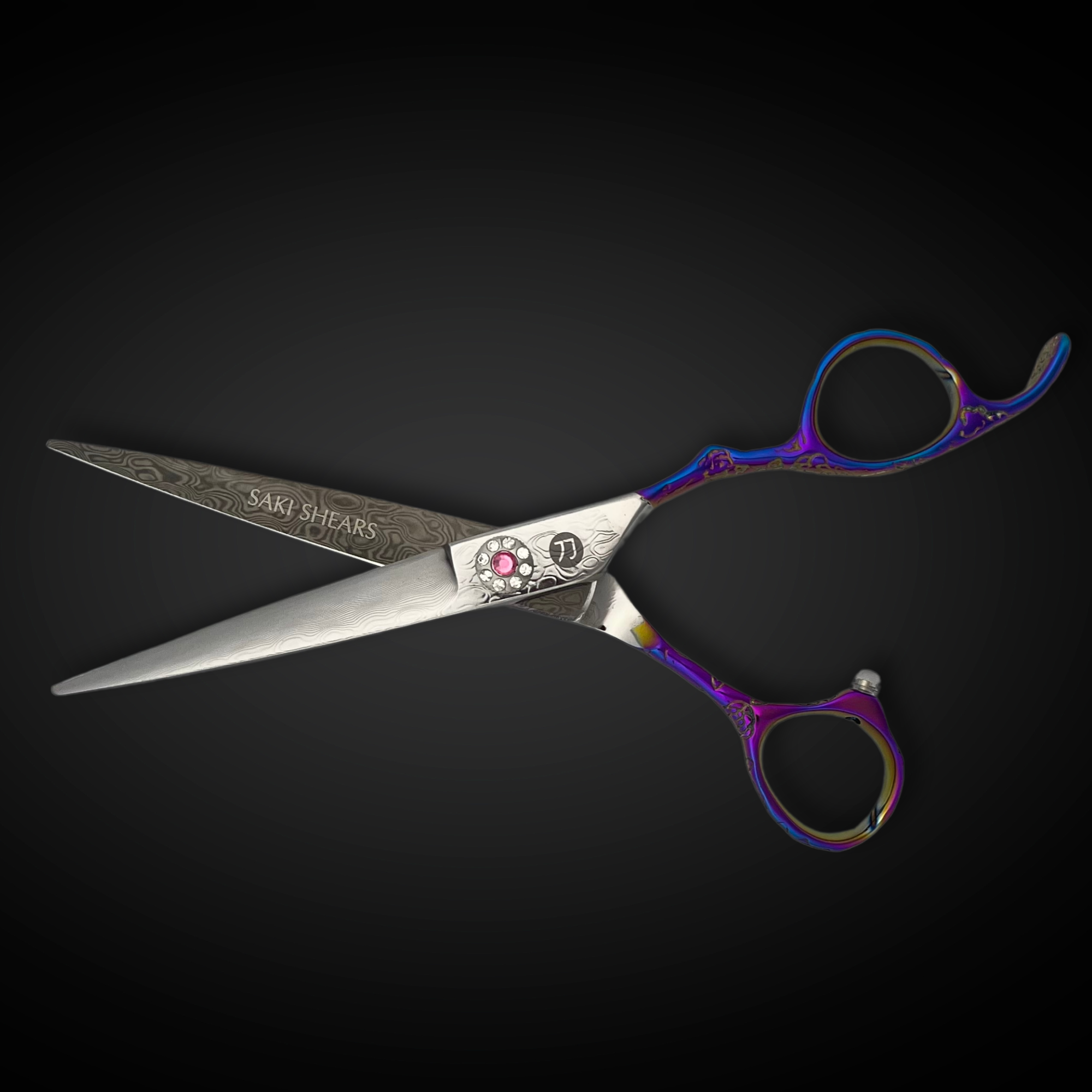
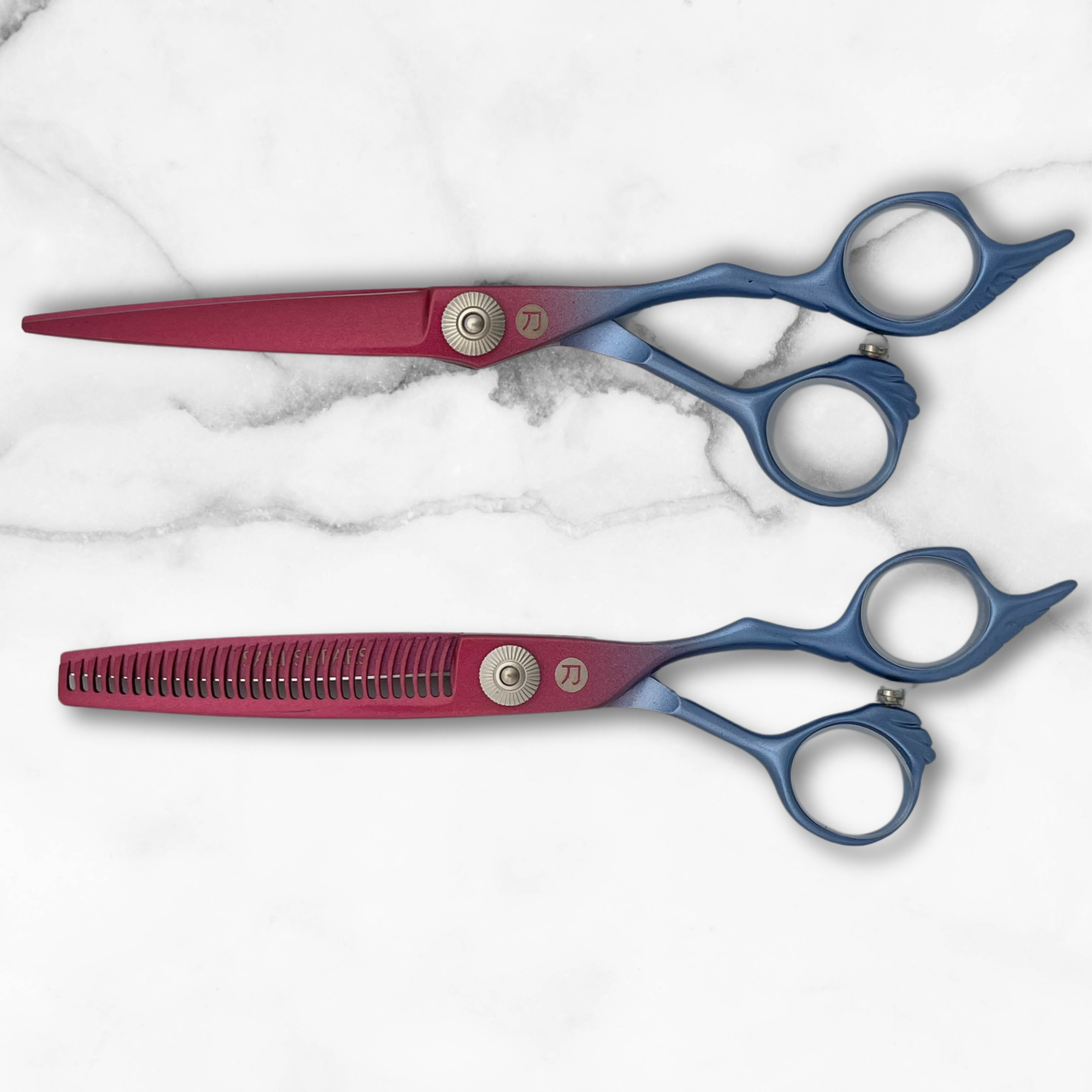
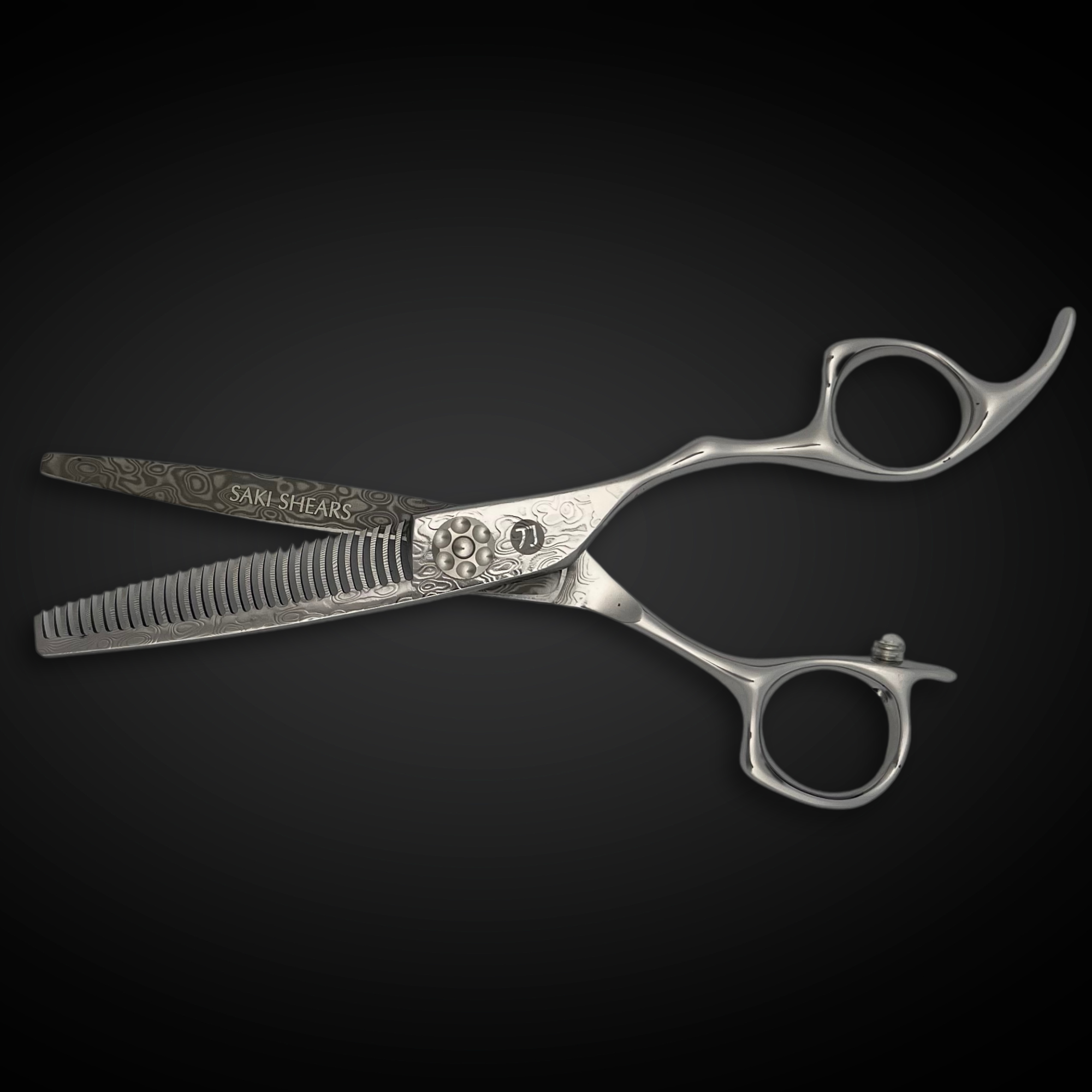
None of this means household or craft scissors are poorly made; they are simply engineered for a different job. Using them on hair works in a pinch, but the mismatch shows up quickly: duller edges after fewer cuts, more pushing and folding of hair instead of clean slicing, and more hand fatigue over a full day of work. A purpose-built hair cutting shears lineup exists specifically to address those constraints: steel that holds an edge through heavy daily use, geometry built for slicing rather than general cutting, and ergonomics designed around repetitive motion. For stylists who also do texturizing or blending work, a dedicated thinning shears and scissors selection fills a role that general-purpose scissors were never designed to serve either.
The Bottom Line
Hair shears and household or craft scissors share a basic mechanism, two pivoting blades, but that is roughly where the similarity ends. Steel hardness, blade grind, pivot precision, edge finishing, and ergonomic balance are all tuned differently because the two tools are built for different demands. For anyone cutting hair professionally and repeatedly, those differences translate directly into cleaner cuts, less frequent sharpening, and less strain on the hand over a full career.

Written by Charles Harris