How to Choose the Right Shears for Your Salon Team
Outfitting a salon or barbershop with shears is a recurring capital decision, not a one-time purchase. Every stylist on your team has different hand size, cutting style, and service mix, and the tools you choose directly affect cut quality, repetitive strain risk, and how often you're paying for sharpening or replacement. This guide covers the practical considerations for buying shears at the team level: matching tools to services, sizing for a range of hands, durability under daily volume, and how to think about budget tiers.
Match Shear Types to the Services You Actually Offer
Before comparing brands or price points, start with your service menu. A shop built around classic barbering needs a different shear lineup than a salon doing heavy color and texture work.
- Cutting shears for straight-line work, blunt cuts, and general dry or wet cutting. This is the core tool every stylist needs, and it's worth outfitting each chair with a dedicated pair rather than sharing.
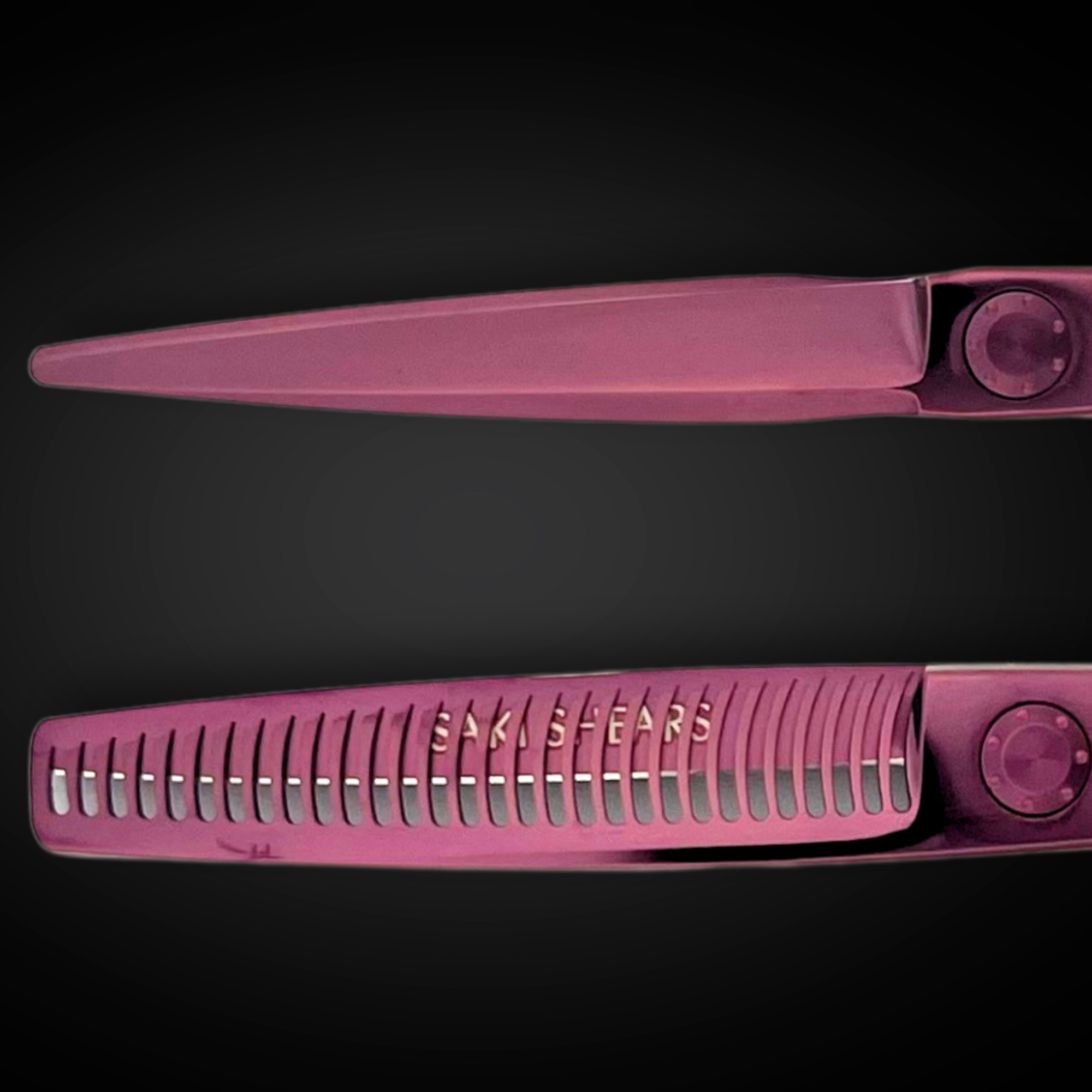
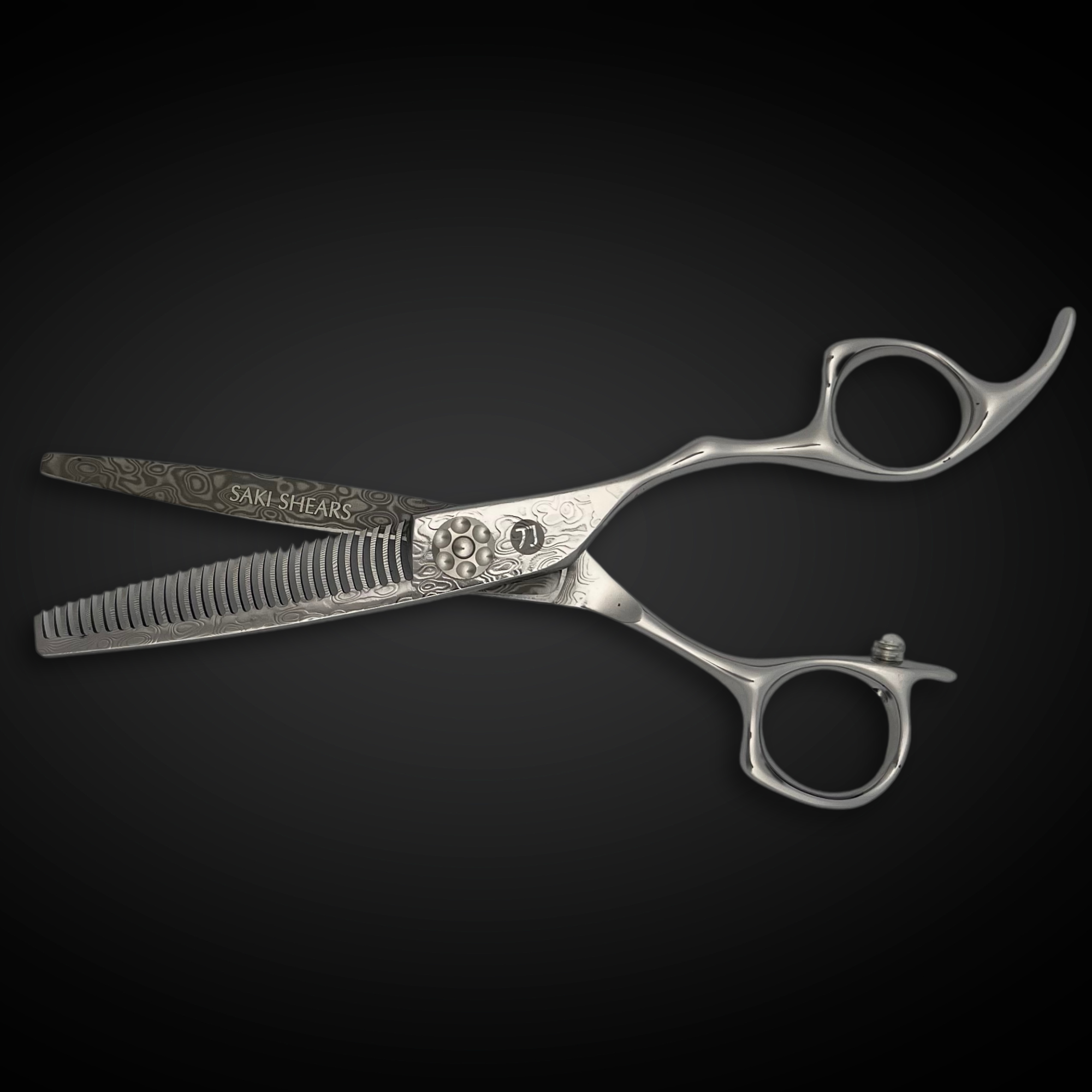
- Thinning and texturizing shears for blending, removing bulk, and softening lines on longer styles. If your team does a lot of layered or textured cutting, a second shear in this category pays for itself quickly.
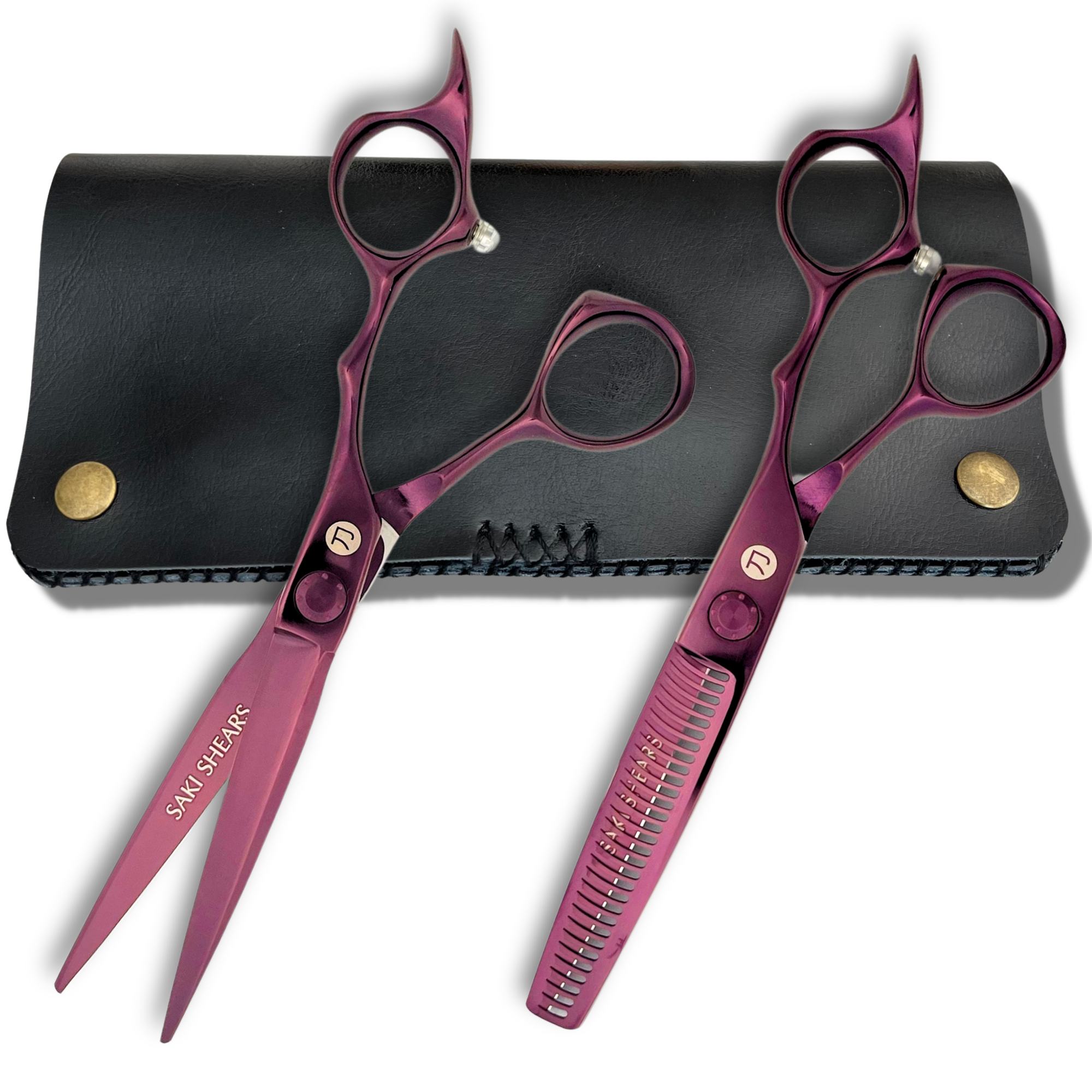
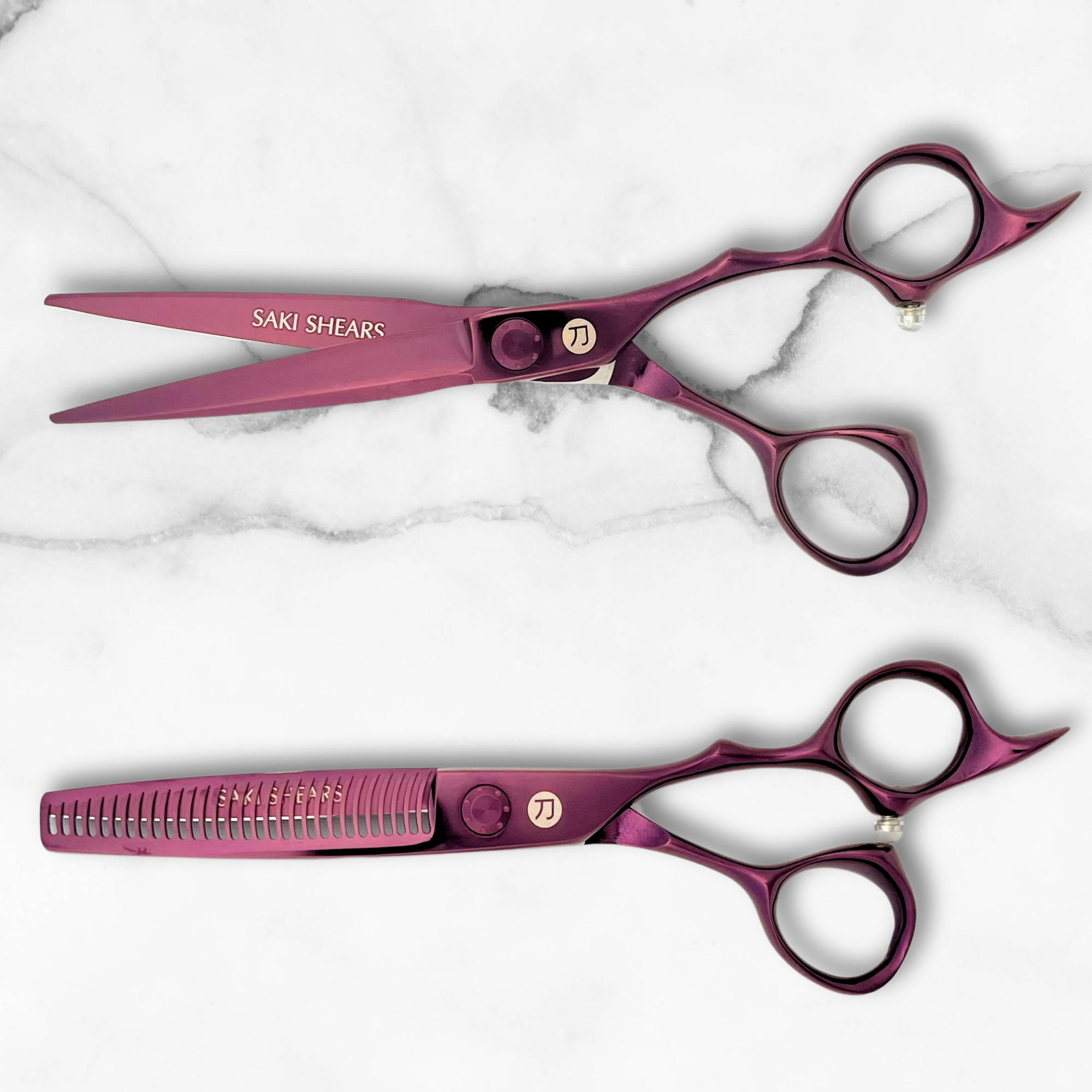
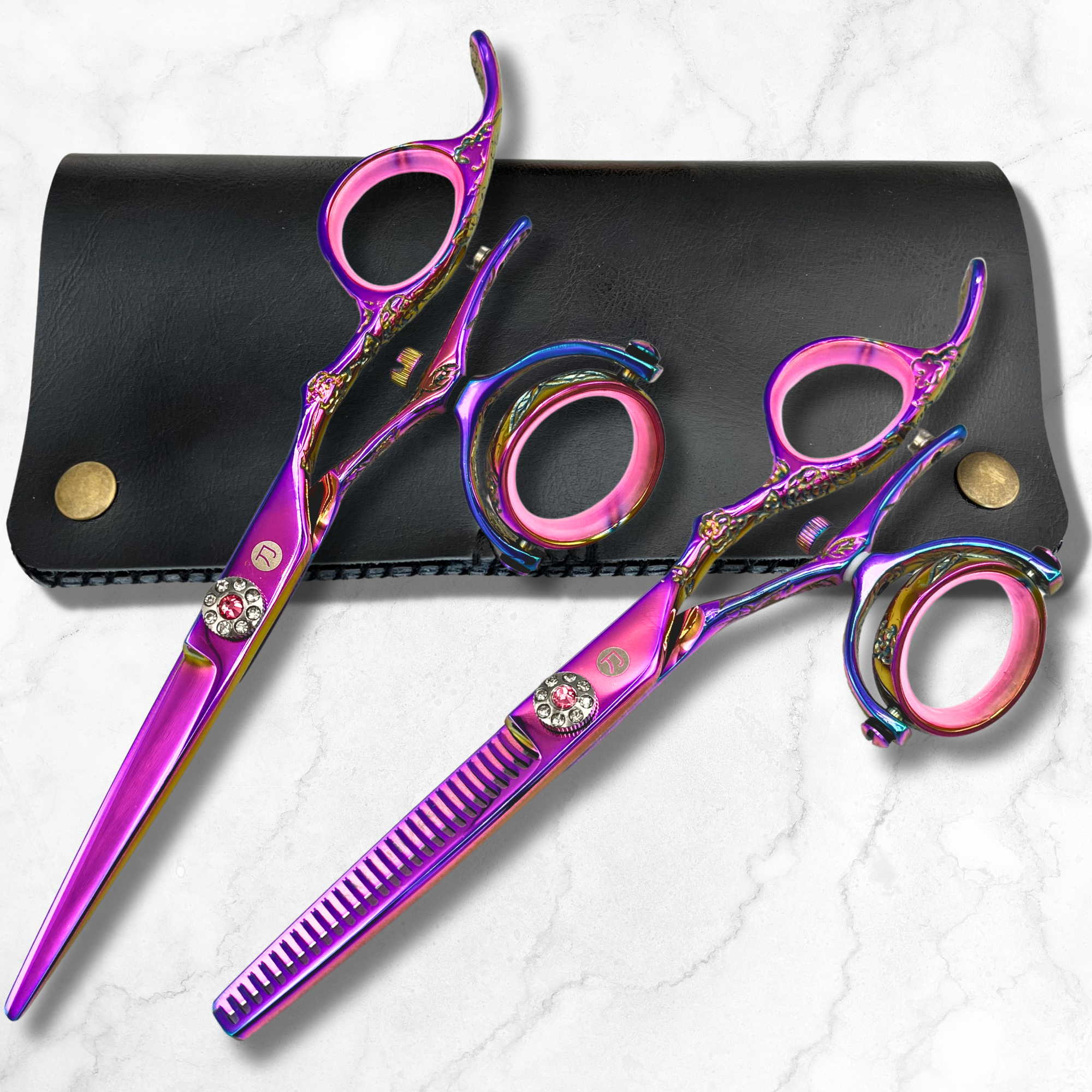
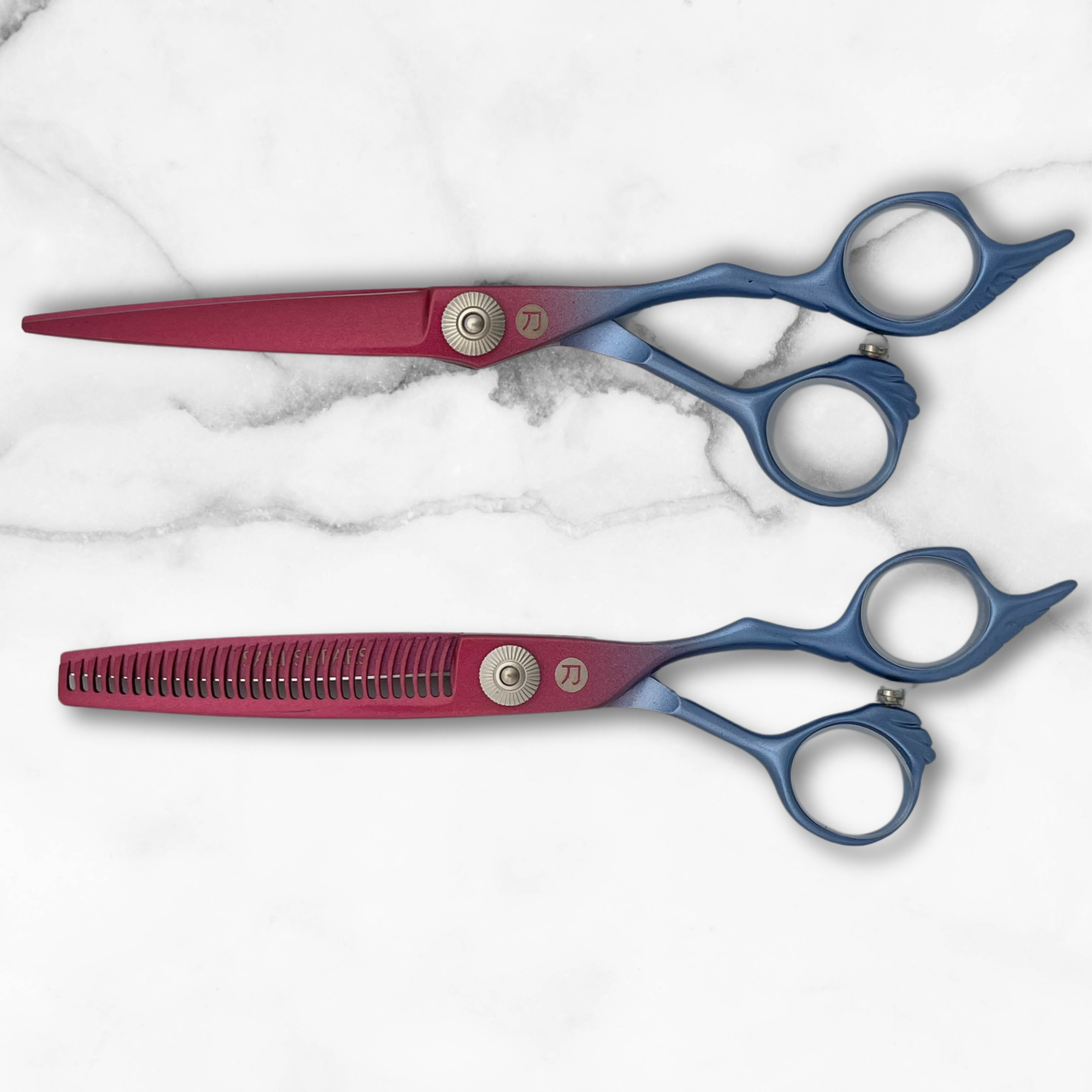
- Shear sets that pair a cutting shear with a thinning shear are a practical way to standardize what every new hire starts with, especially useful when onboarding stylists who don't yet own their own kit.
- Clippers and trimmers for fades, tapers, and detail work around the hairline and neck, which are essential alongside shears for any barbering-heavy service mix.
- Safety razors for razor fades, line-ups, and traditional straight-razor services, if that's part of what your chairs offer.
You can browse the range of options by category, including cutting shears and thinning shears and scissors, to see what fits your current service mix before deciding what to standardize on.
Sizing for a Range of Hand Sizes
Shear length is measured in inches (typically 5.0" to 7.0") and it has a direct effect on control, fatigue, and cutting technique. When you're buying for a team rather than a single stylist, plan for variation:
- Shorter shears (5.0"-5.5") suit smaller hands and give more control for precision work, slicing, and point cutting close to the head.
- Mid-length shears (5.75"-6.25") are the most versatile size and work for the widest range of hand sizes and cutting styles, which makes them a reasonable default when standardizing kits for a team.
- Longer shears (6.5"+) give more leverage for blunt cutting and larger sectioning, but are harder to control for stylists with smaller hands and can increase strain over a full day of cutting.
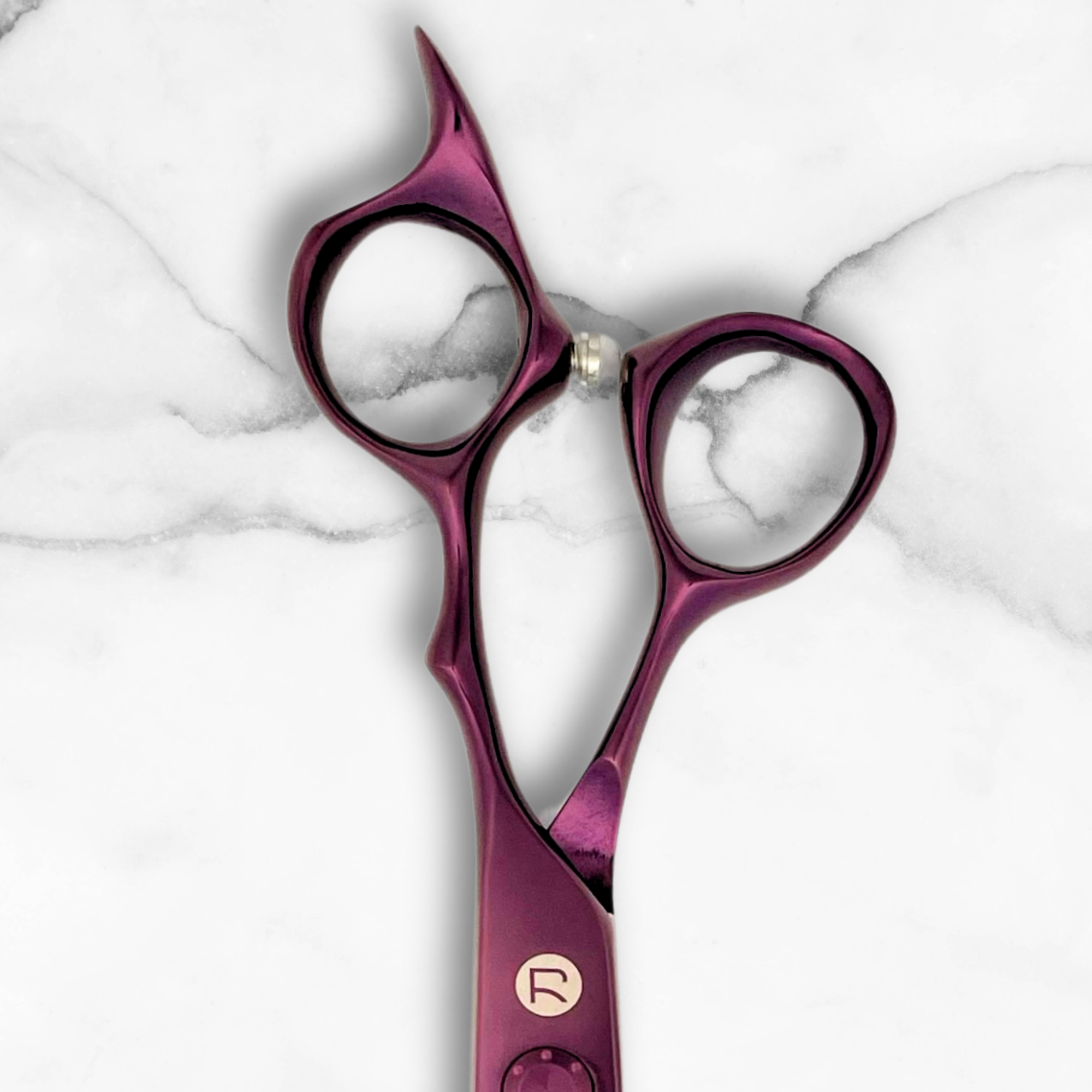
Handle design matters as much as blade length. Offset and crane handles reduce wrist extension and are worth prioritizing for staff who cut eight or more heads a day, since they reduce the repetitive strain that leads to hand and wrist fatigue over a career. If you're buying in bulk, it's worth letting each stylist test a couple of sizes rather than issuing one size to the whole team.
Durability and Maintenance for High Daily Volume
Shears in a busy shop see far more cutting cycles than a shear used occasionally, so durability and ease of maintenance should weigh as heavily as initial cut quality when you're buying at scale.
- Steel quality determines how long an edge holds between sharpenings. Higher-grade steel costs more up front but holds an edge longer under daily use, which reduces both sharpening frequency and downtime.
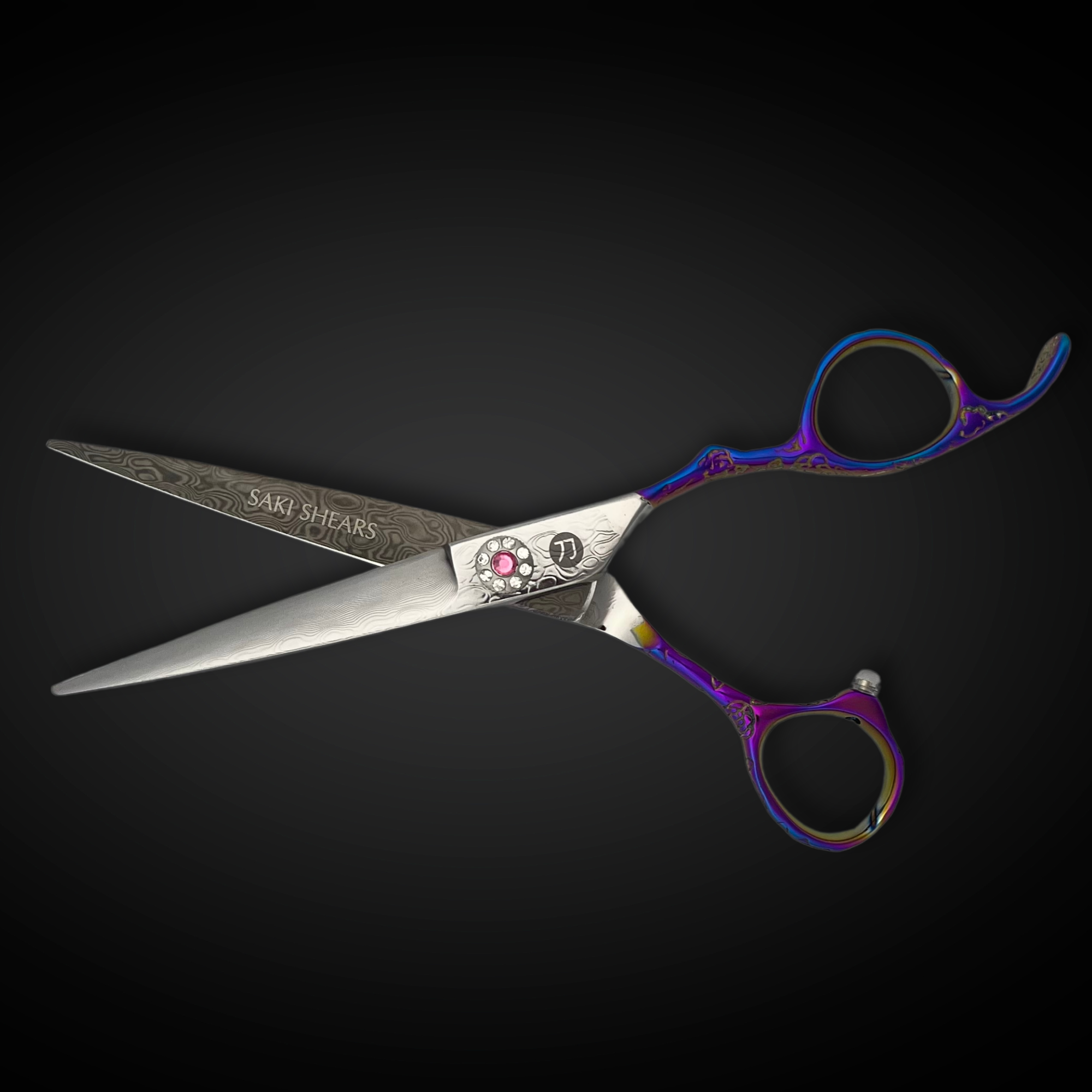
- Damascus and layered steels are worth considering for senior stylists or signature chairs, offering strong edge retention along with distinct construction; see the Damascus hair shears collection for that category.
- Tension adjustment systems affect how consistently a shear performs between sharpenings. A shear that holds tension well stays predictable for the stylist, which matters more in a high-volume chair than in a low-volume one.
- Sharpening cadence should be built into your shop's routine rather than left to individual stylists to notice on their own. High-volume shears generally need professional sharpening more often than shears used a few times a week, and a dulling blade is a common hidden cause of split ends and increased cutting effort.
- Basic care habits, wiping blades after every use, oiling the pivot regularly, and storing shears in a case rather than loose in a drawer, extend the interval between sharpenings and reduce long-term replacement costs across a team of shears.
Thinking About Budget in Tiers
Rather than asking "what's the cheapest shear that works" or "what's the best shear money can buy," it's more useful to think in tiers matched to how the shear will be used.
- Entry tier: reasonable for new hires still building technique, backup shears, or lower-volume chairs. These are a sensible way to standardize a starter kit without overcommitting capital on staff who may not stay long-term.
- Mid tier: the right range for most working stylists doing full-time cutting. This tier typically balances steel quality, handle ergonomics, and price in a way that holds up to daily volume without the premium cost of top-tier steel.
- Premium tier: justified for senior stylists, signature services, or specialty cutting where edge performance and longevity offset the higher initial cost. This is also where Damascus and other premium steel construction tends to sit.
A practical approach for multi-chair shops is to standardize the mid tier as the default for full-time staff, keep a small stock of entry-tier shears for onboarding and backup, and let senior stylists opt into premium tools for specialty work. You can compare options across tiers in the full shears collection or look at shear sets if you're building out starter kits for multiple new hires at once.
Putting It Together
Buying shears for a team comes down to matching tool type to your actual service mix, sizing for the range of hands using them, planning for the maintenance a high-volume shop demands, and setting budget tiers that reflect how each shear will be used rather than a single blanket purchase. Getting this right up front reduces turnover in your tool inventory, keeps cutting quality consistent across chairs, and protects your stylists from the strain that comes with poorly fitted tools.

Written by Charles Harris