Why Quality Shears Are Worth the Investment
Every working stylist and barber eventually faces the same decision: keep replacing cheap shears every few months, or invest once in a pair built to last through years of daily service. The upfront price tag on professional-grade shears can be a shock if you have been buying drugstore-tier scissors, but the math behind that price rarely gets explained. Here is what you are actually paying for, and why it usually pays for itself.
The Real Cost of a Bargain Pair
A low-cost pair of shears looks like savings on day one. In practice, soft or inconsistent steel dulls quickly, forcing more frequent sharpening or outright replacement. Dull blades do not just cut worse — they push and crush hair instead of slicing it cleanly, which increases split ends, adds strain to your cutting hand, and slows down every service. When you add up the cost of replacing a cheap pair two or three times a year, plus the extra sharpening visits, the "budget" option is often more expensive over a two- or three-year span than a single well-made pair.
What Steel Quality Actually Buys You
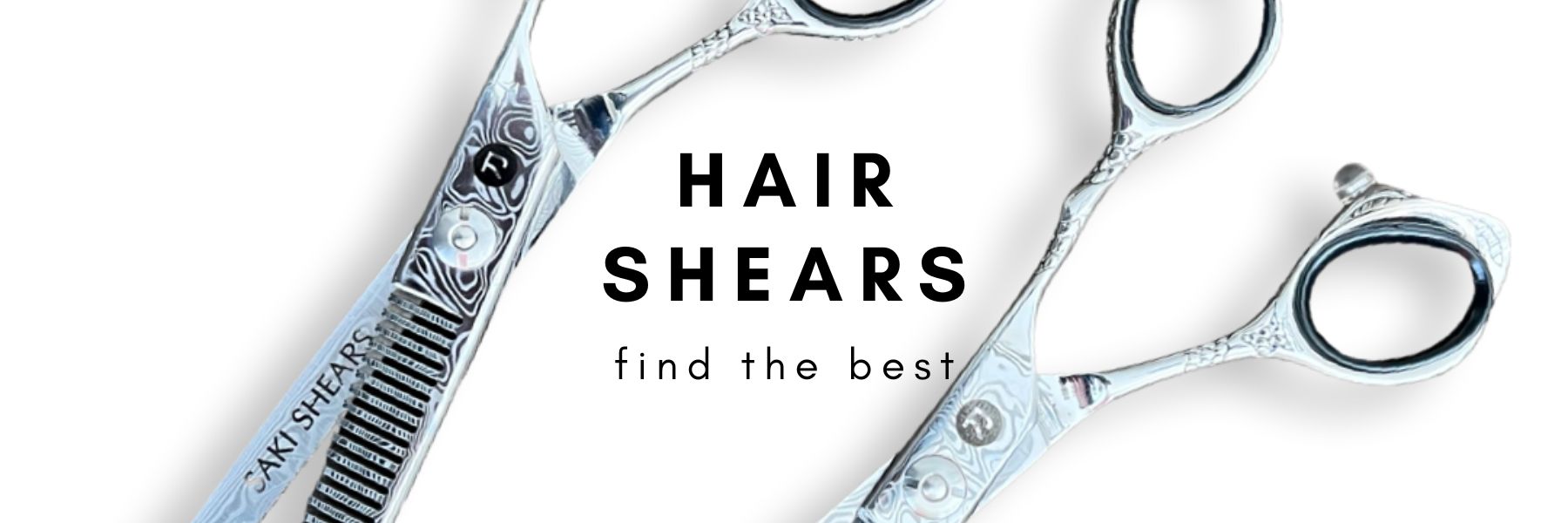
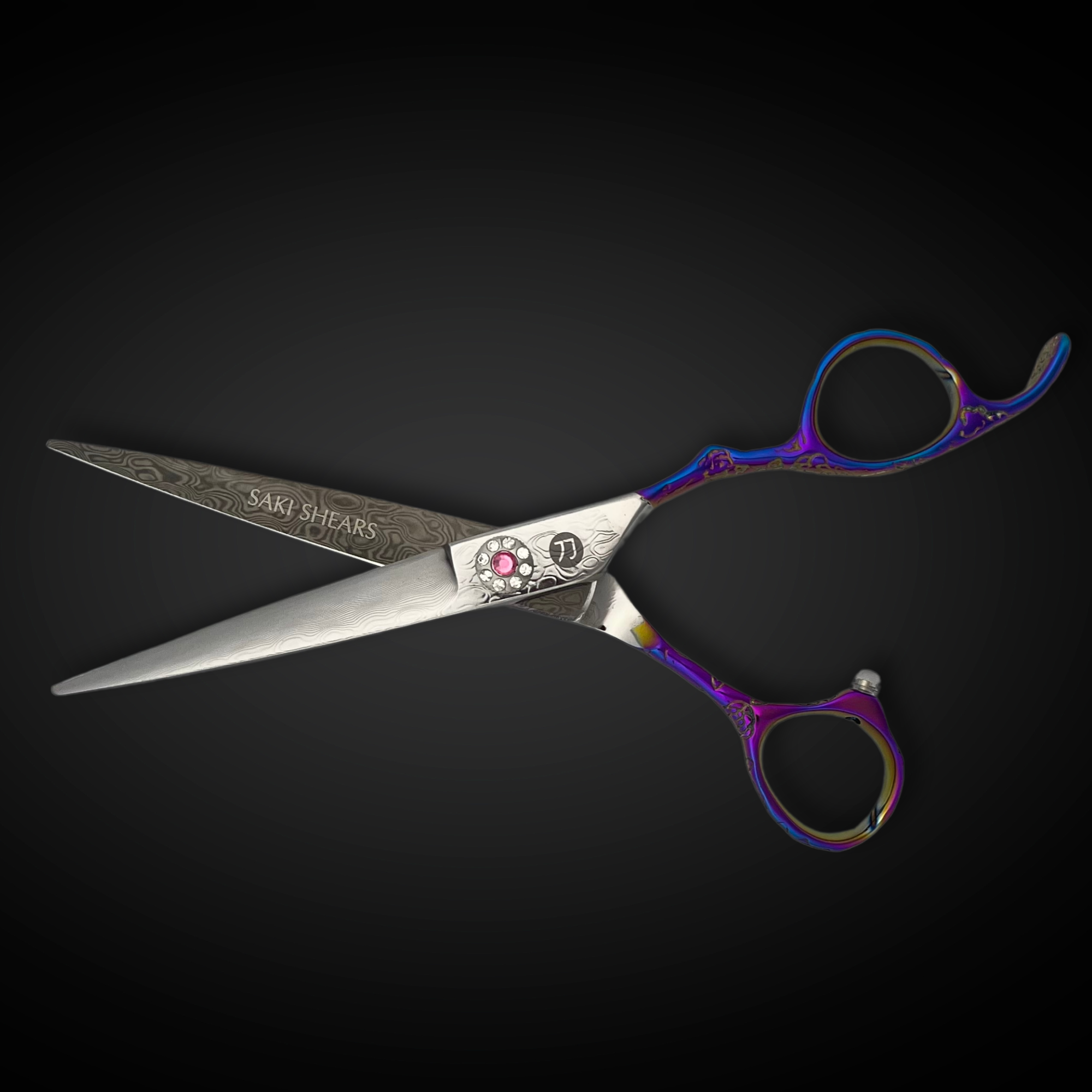
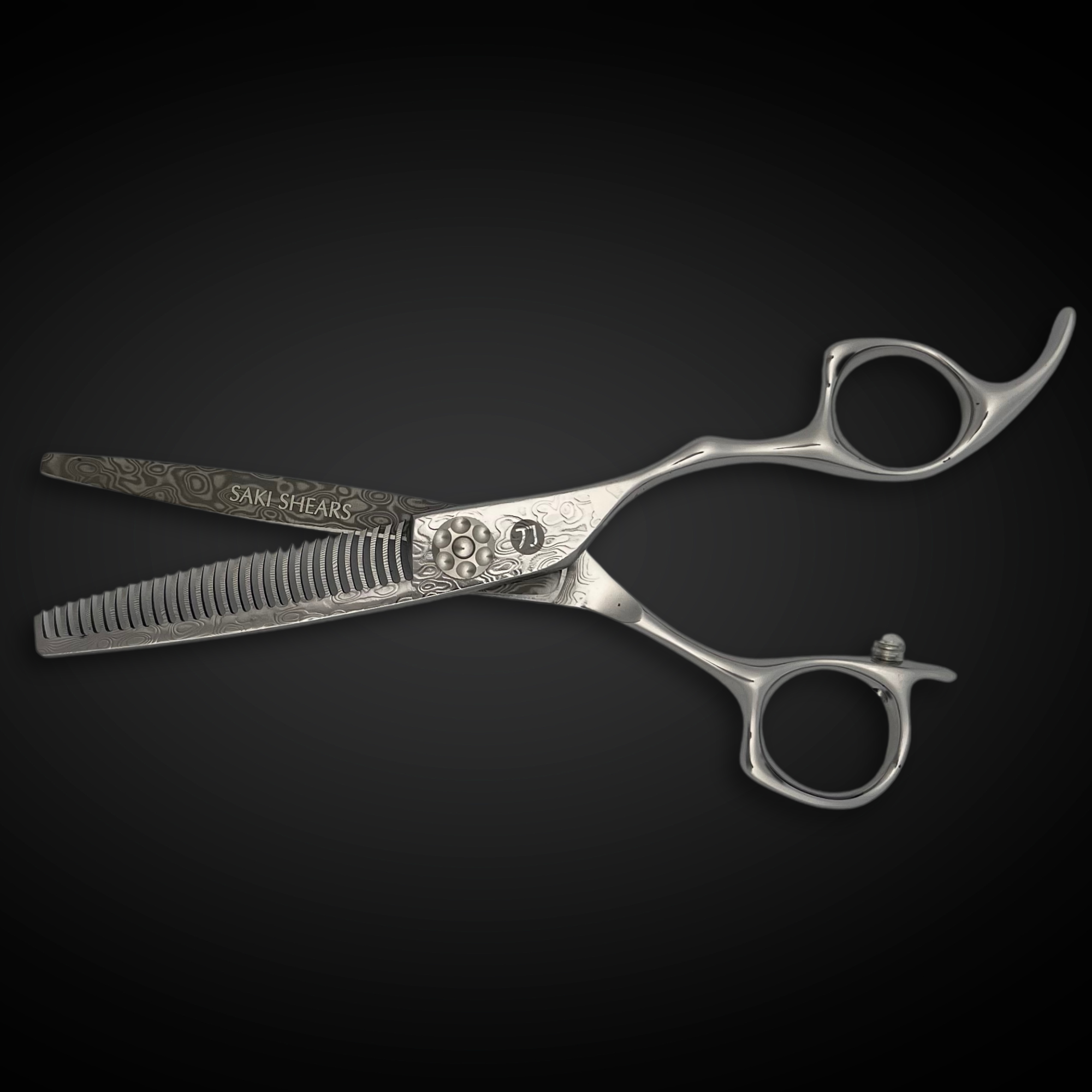
Steel is the foundation of any shear's performance. Higher-grade steels, including hardened Japanese steel and layered Damascus construction, hold an edge longer, resist corrosion better, and respond more predictably to sharpening. That translates into fewer trips to your sharpener, more consistent cutting feel between sharpenings, and a tool that keeps its balance and finish over years of use instead of months. If you are comparing options, it is worth looking specifically at how a shear's steel type is described, not just its price point — two pairs at similar cost can differ significantly in the steel underneath the finish. Our Damascus hair shears collection is a good reference point for what layered steel construction looks like in practice.
Edge Type and Cutting Feel
Beveled, convex, and semi-convex edges each cut differently, and the right choice depends on your technique as much as your budget. Convex edges are ground to a finer angle and tend to produce the smoothest, most precise cut, which is why they show up often in slide-cutting and precision work. Beveled edges are more durable and forgiving, holding up well under heavier daily use and requiring less delicate maintenance. Neither edge type is objectively "better" — the right one is the one that matches how you actually cut, day in and day out.
Tension, Balance, and Long-Term Comfort
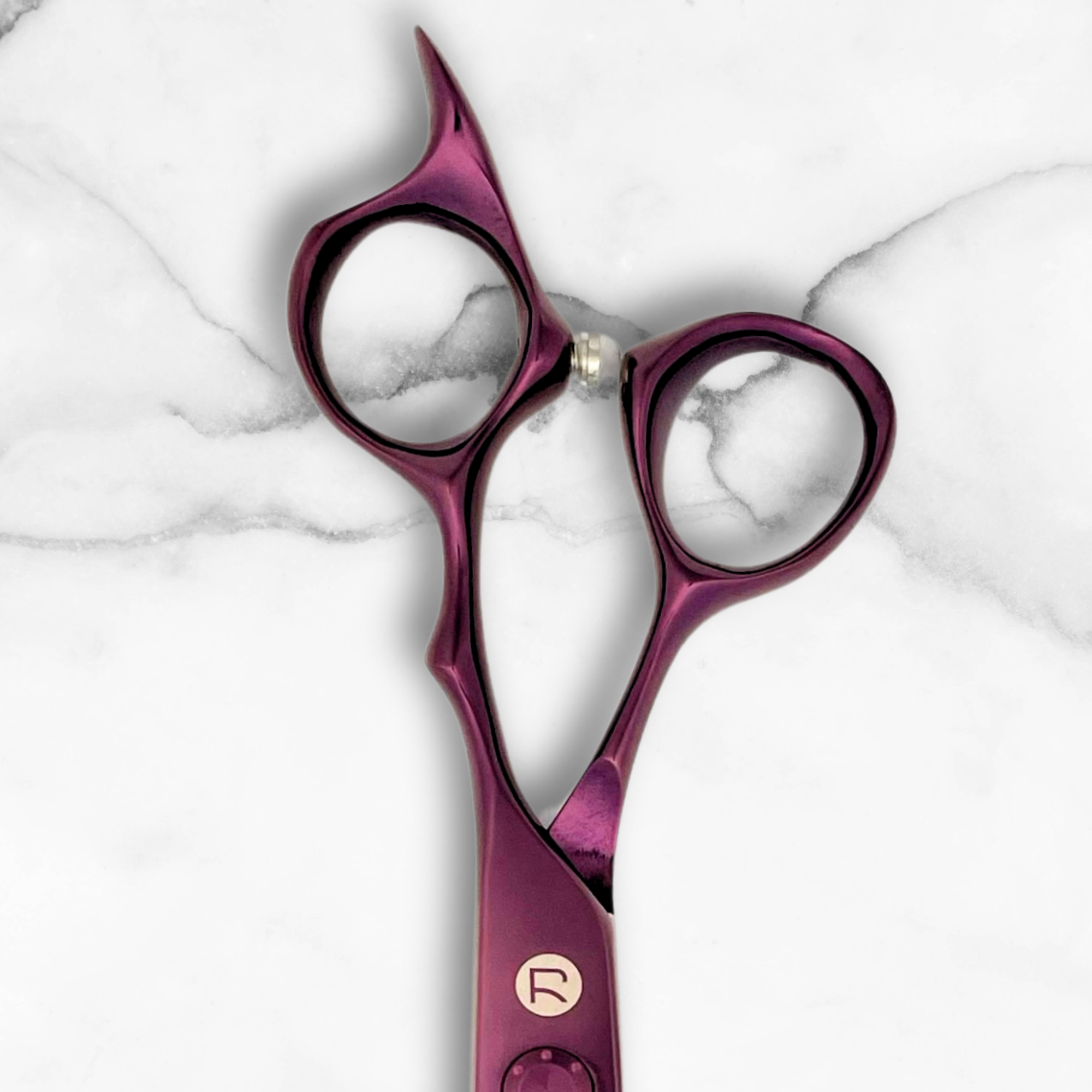
A shear that feels great in the store can still cause fatigue after a full day of back-to-back clients if the tension or balance is off. Consistent, adjustable tension keeps the blades meeting evenly along their full length, which affects both cut quality and how much grip strength you need to hold through a shift. Weight distribution matters just as much: a blade-heavy or handle-heavy pair changes how your wrist and thumb absorb strain over hundreds of repetitions a day. This is where higher-quality manufacturing shows up in ways that are hard to evaluate from a spec sheet alone — the tension mechanism, the finger rest, and the handle geometry all need to work together.
Sizing for Your Work
Shear length should match the techniques you use most, not a general preference. Shorter shears, typically in the 5.0 to 5.5 inch range, give more control for precision and detail work close to the scalp. Longer shears, from 6.0 inches up, are suited to blunt cutting and larger sections where reach and leverage matter more than fine control. Many working stylists keep more than one length on hand for different parts of a service rather than trying to make a single pair do everything.
Weighing the Investment Against Budget Tiers
Not every stylist needs the top tier of steel and construction to do excellent work. It helps to think in three rough tiers when budgeting:
- Entry professional: Solid stainless steel, basic tension adjustment — a reasonable starting point for new stylists building a kit, with the understanding that sharpening intervals will be more frequent.
- Mid-tier: Higher-grade steel with better edge retention and more refined ergonomics — the range where most working stylists find the best balance of cost and daily performance.
- Premium: Damascus or specialty steel construction with fine convex edges — suited to stylists doing high volumes of precision work who will use the improved edge retention and cutting feel every single day.
The right tier depends on how many hours a week you are cutting and what kind of work fills your chair, not simply on what looks impressive.
When to Upgrade
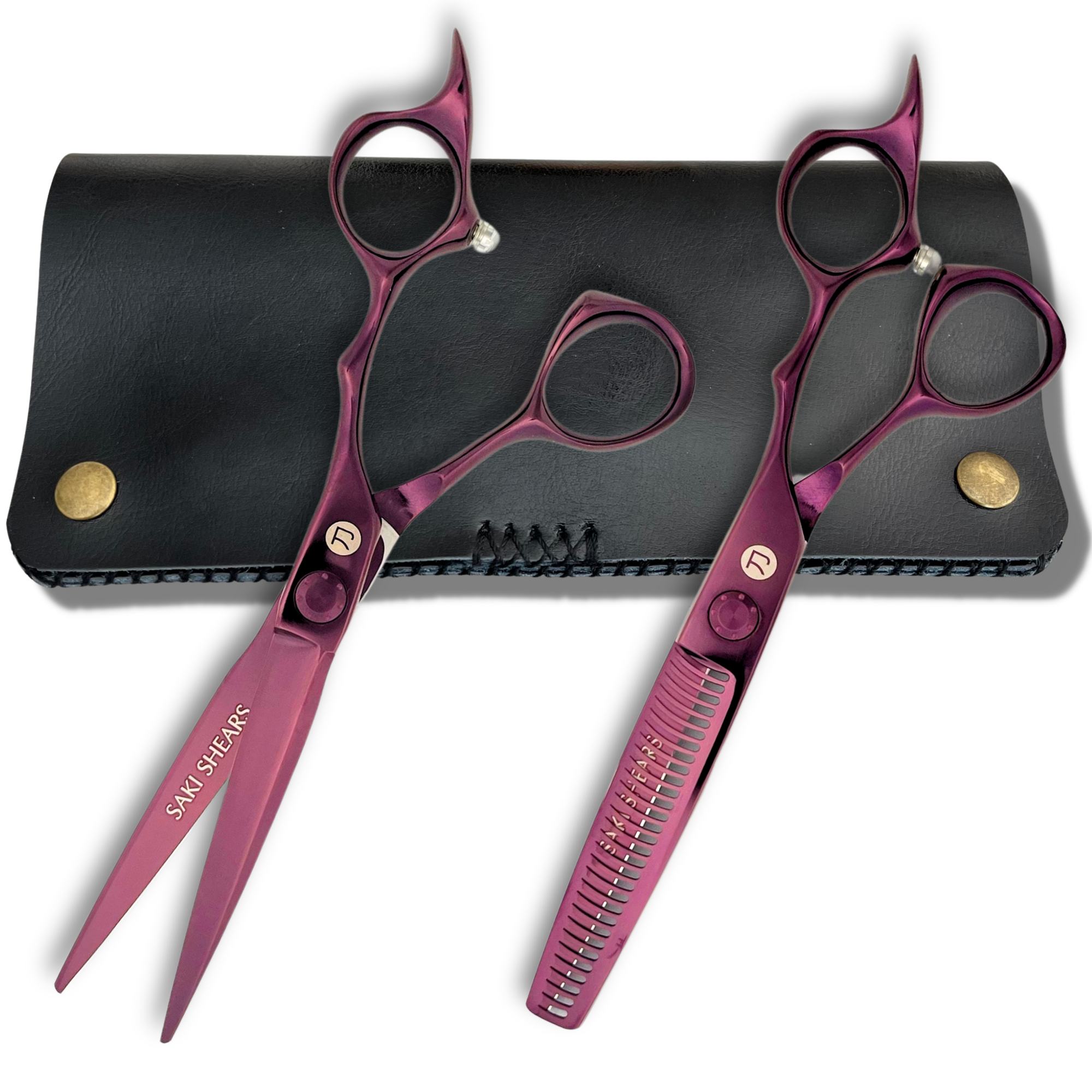
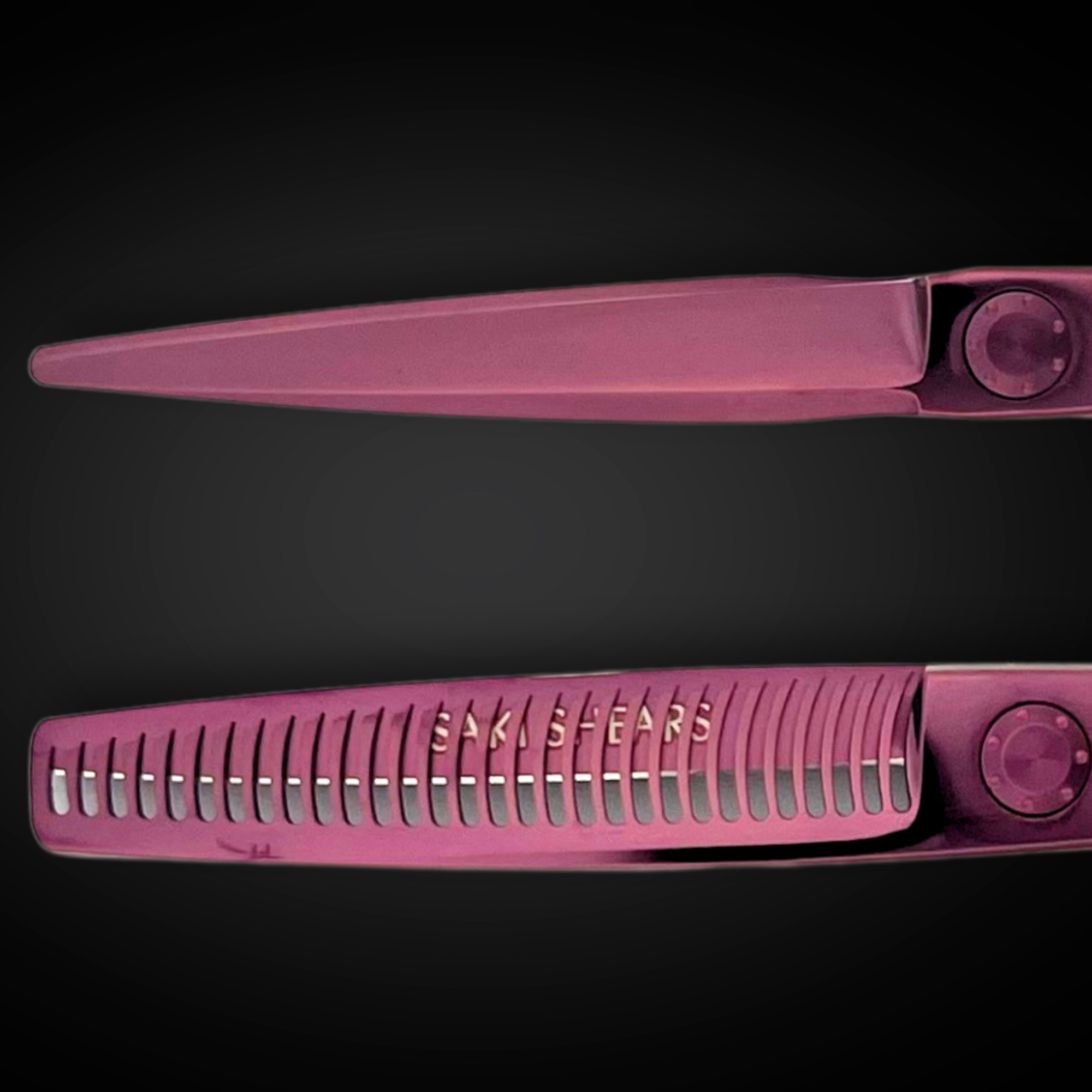
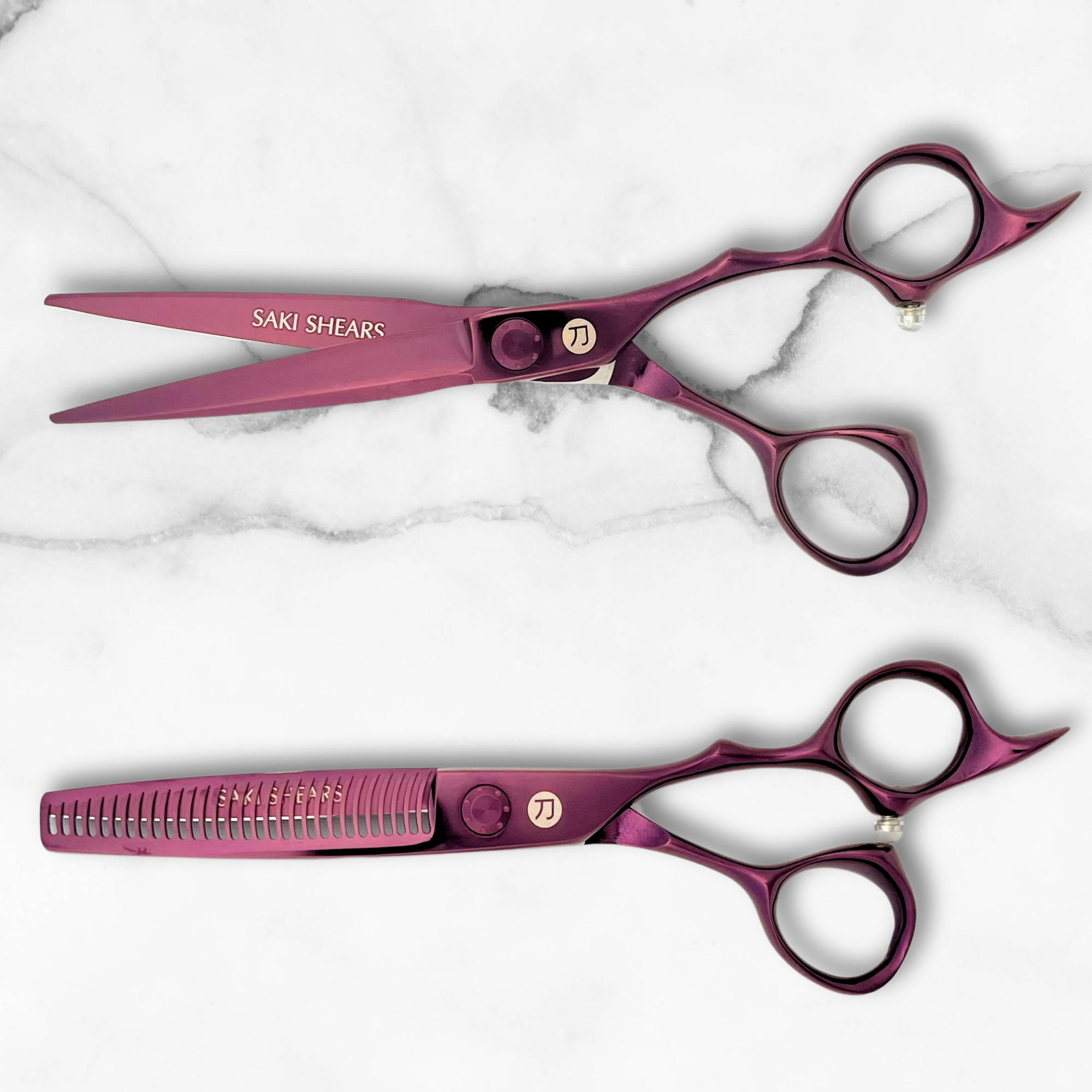
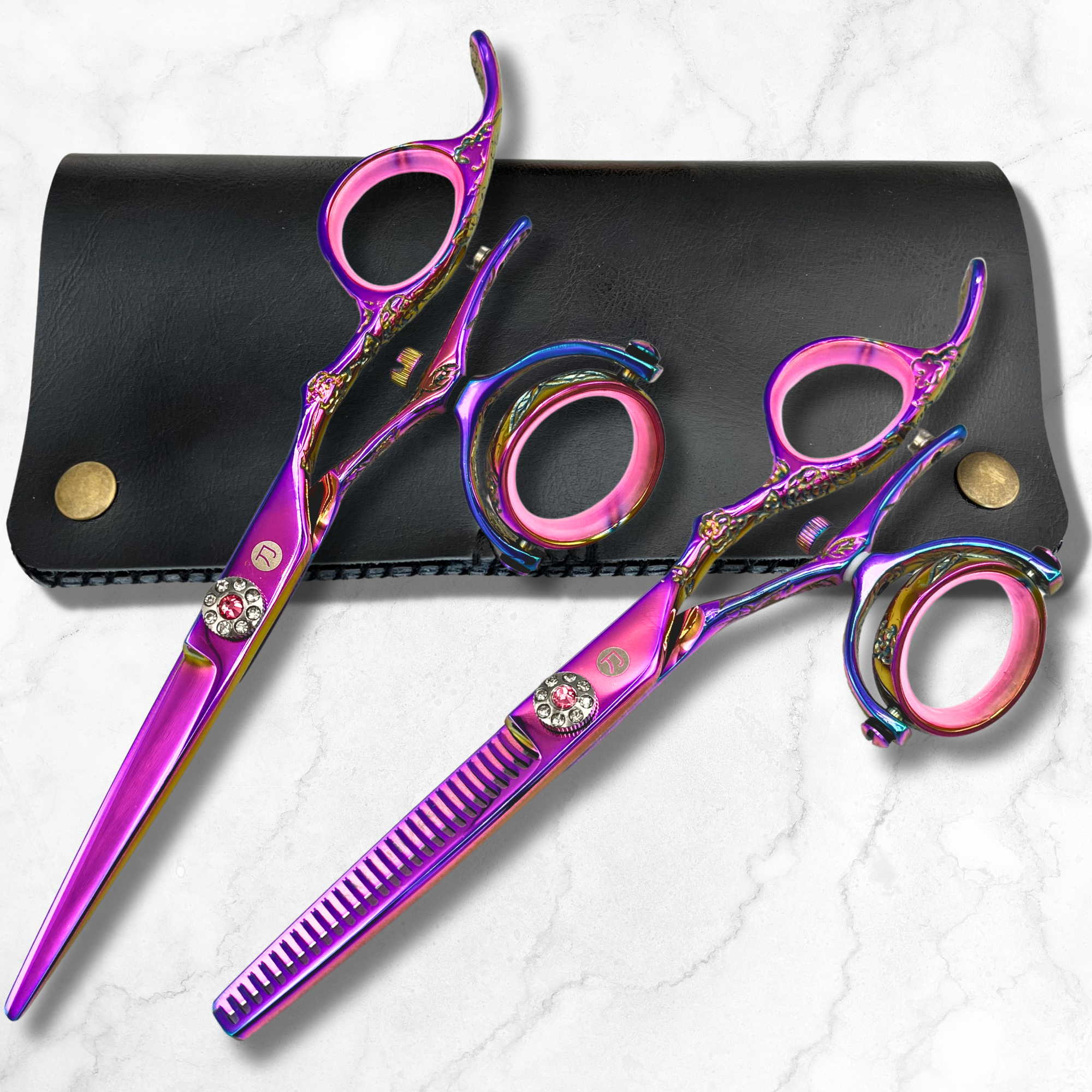
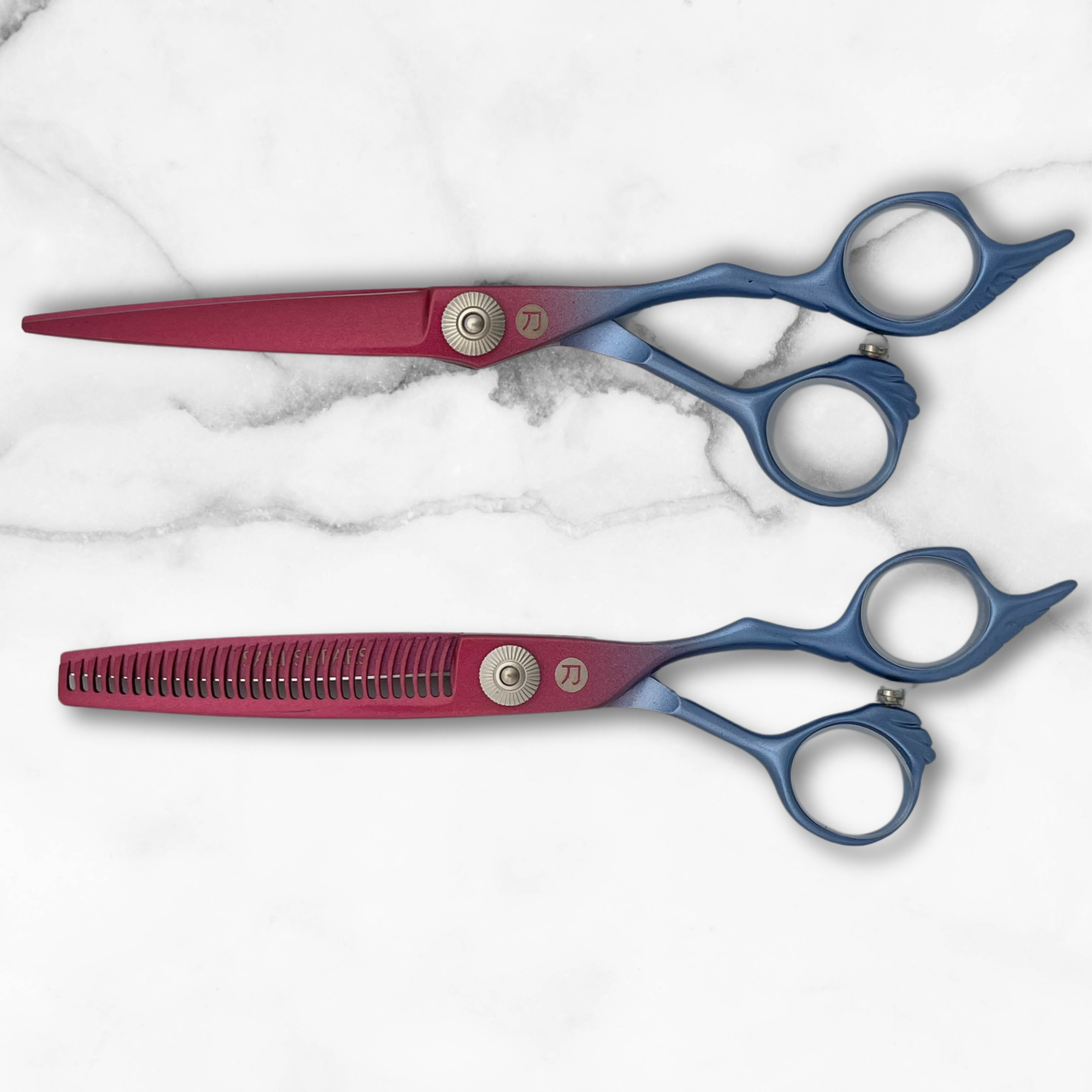
If you are sharpening more than every few months, if your hand or wrist is fatigued by mid-shift, or if you are noticing inconsistent results on the same techniques you have always used, those are practical signals that your current shears may be holding you back rather than a reflection of your skill. A well-chosen upgrade is a tool investment that pays off in service time saved, sharpening costs avoided, and more consistent results for your clients. You can browse a full range of options, from everyday cutting shears to thinning shears and complete sets, in our shears collection.
Quality shears will not fix technique, but the right pair removes friction from work you already do well — and that difference adds up over a career, not just a haircut.

Written by Charles Harris