The Salon Toolkit: Essential Tools for Hairdressers
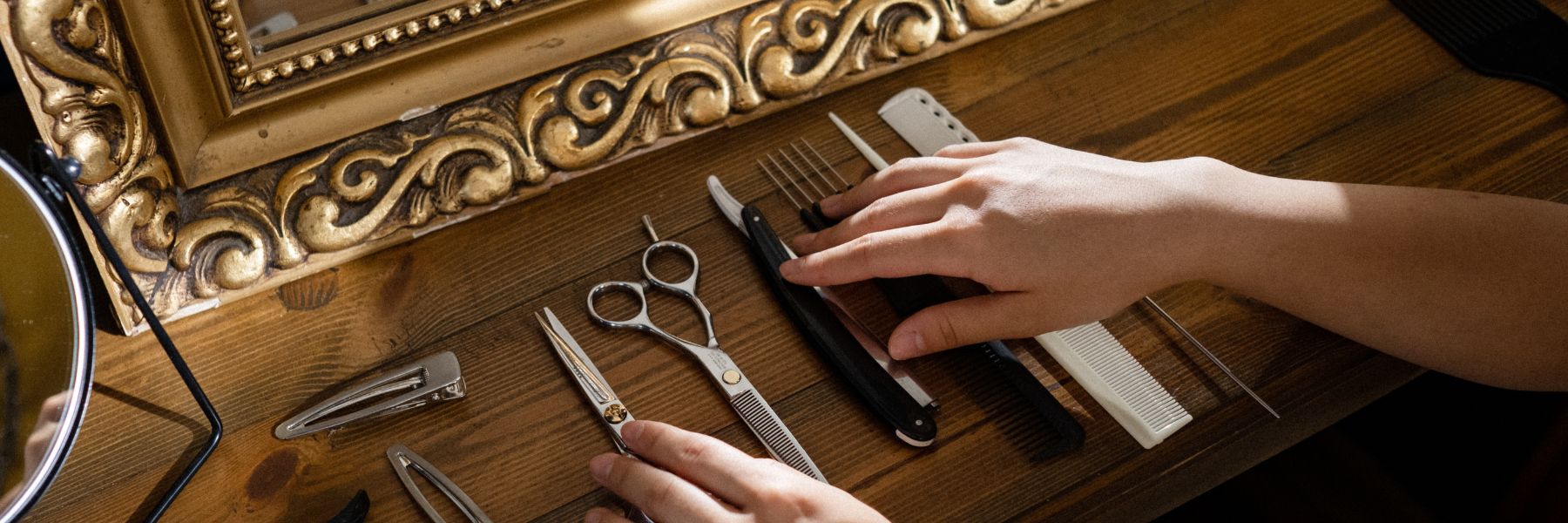
A salon toolkit looks different from a barber's kit. Where barbering centers on clippers and line work, salon and hairdressing work spans precision cutting, color services, blowouts, and finishing — which means a broader mix of tools, each suited to a specific stage of the service. Below are the core tools worth having on hand, organized by the part of the service they support, along with brief notes on why each one matters.
Cutting Tools
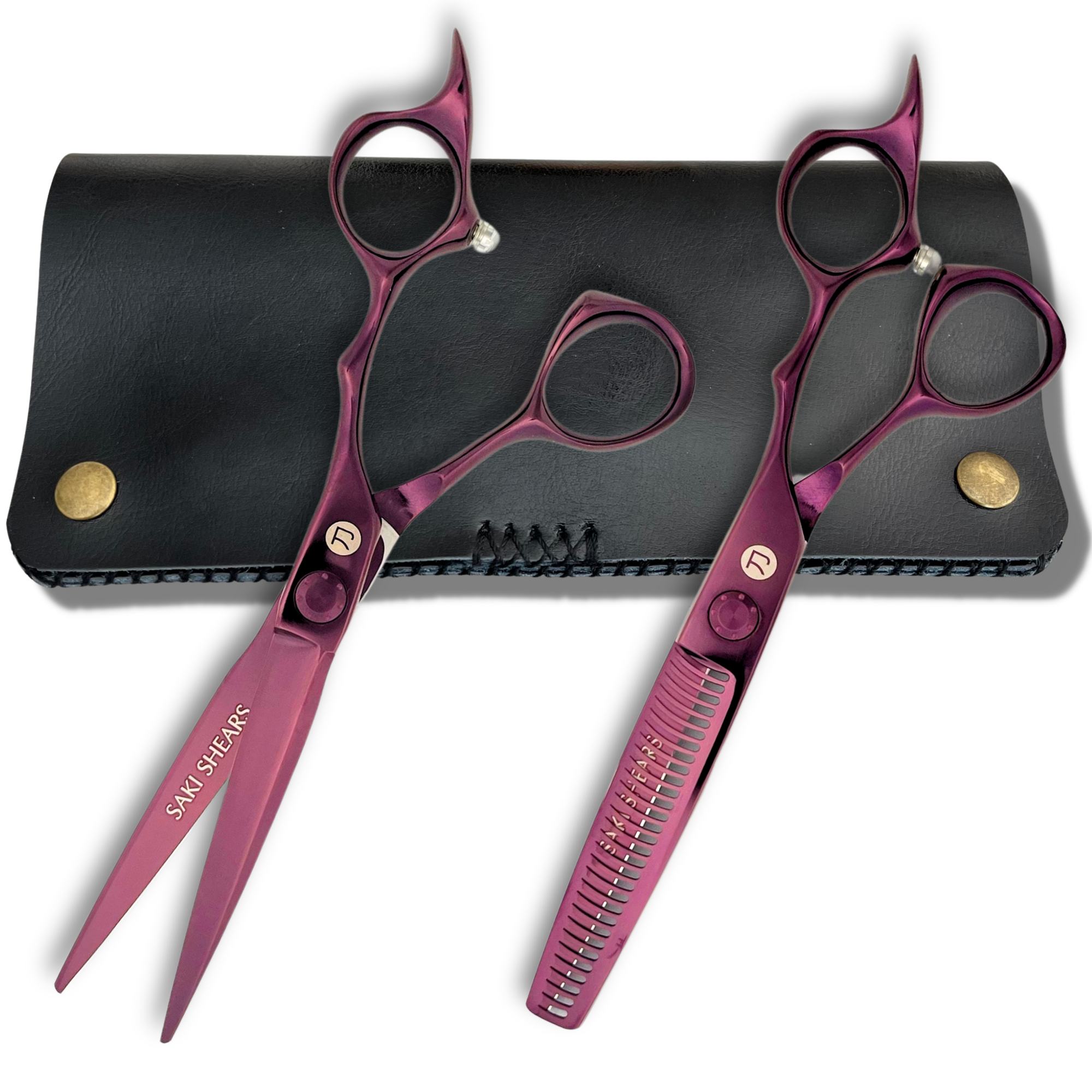
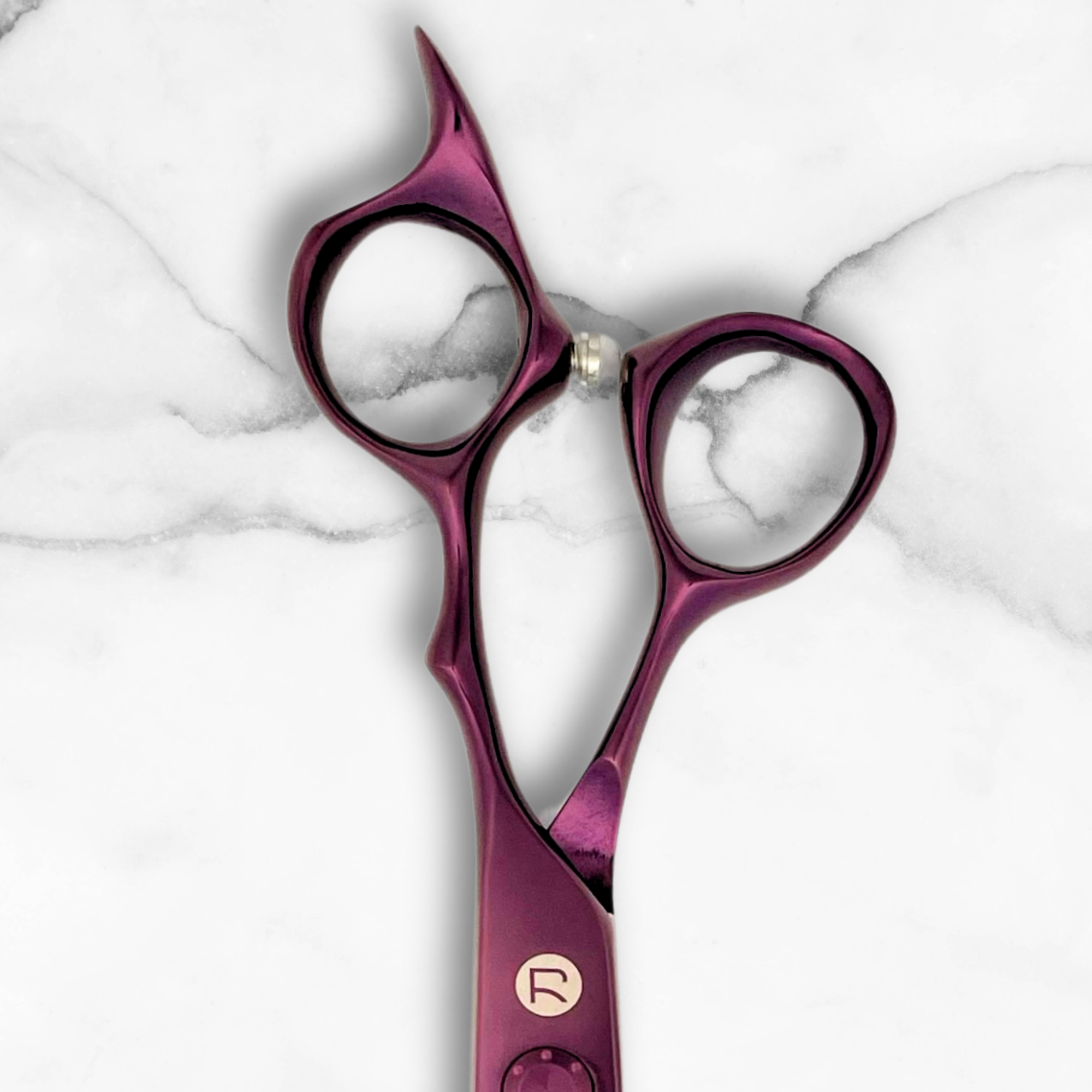
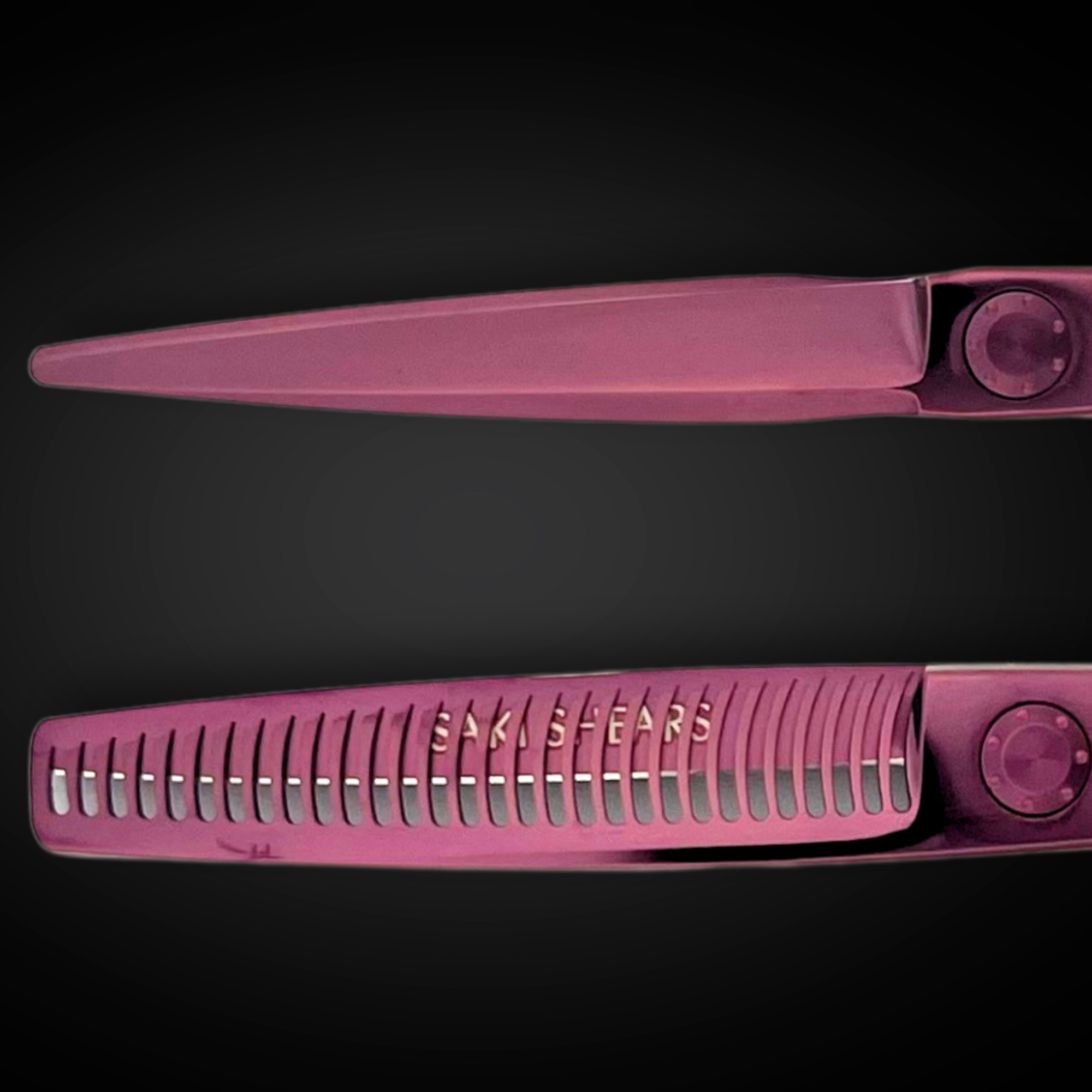
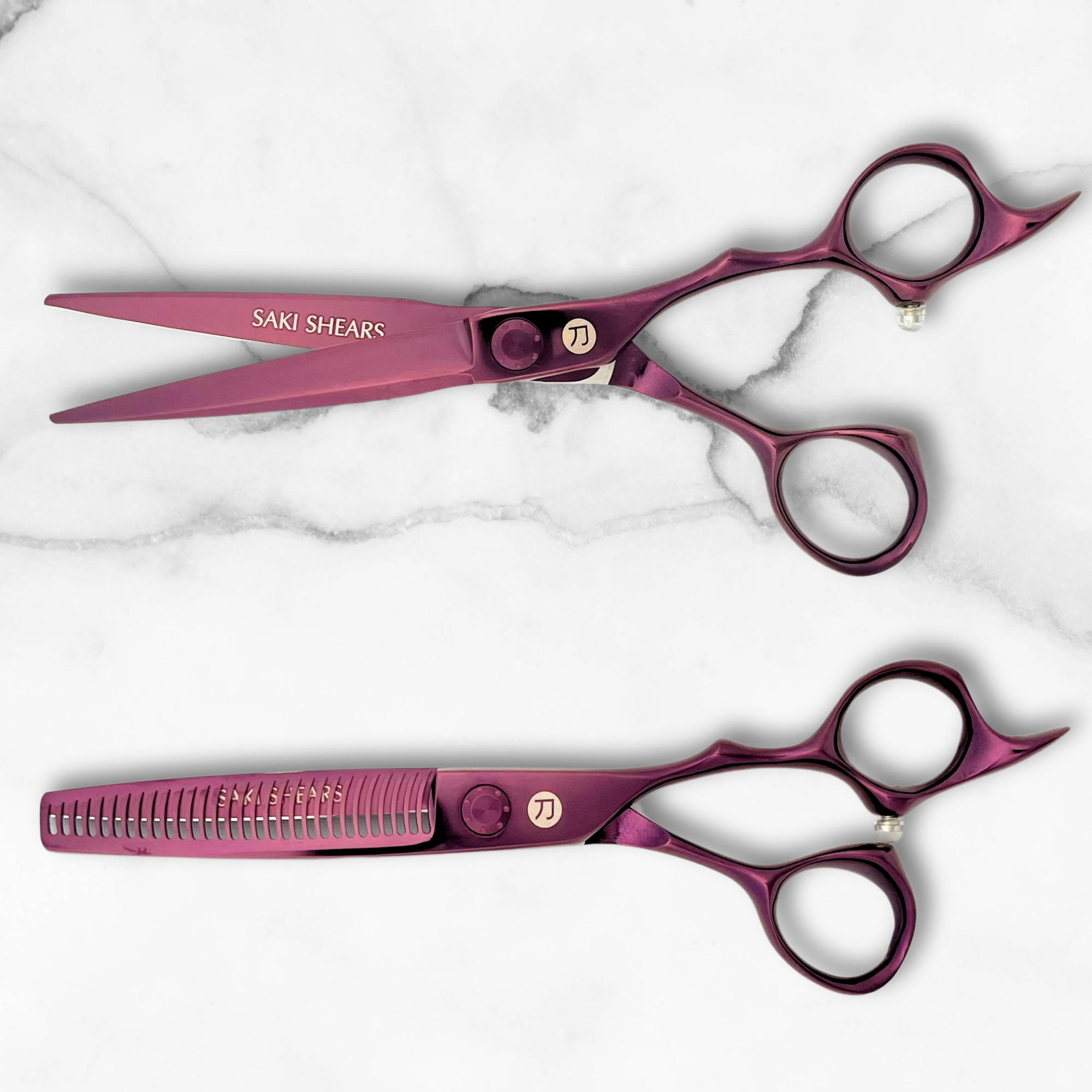
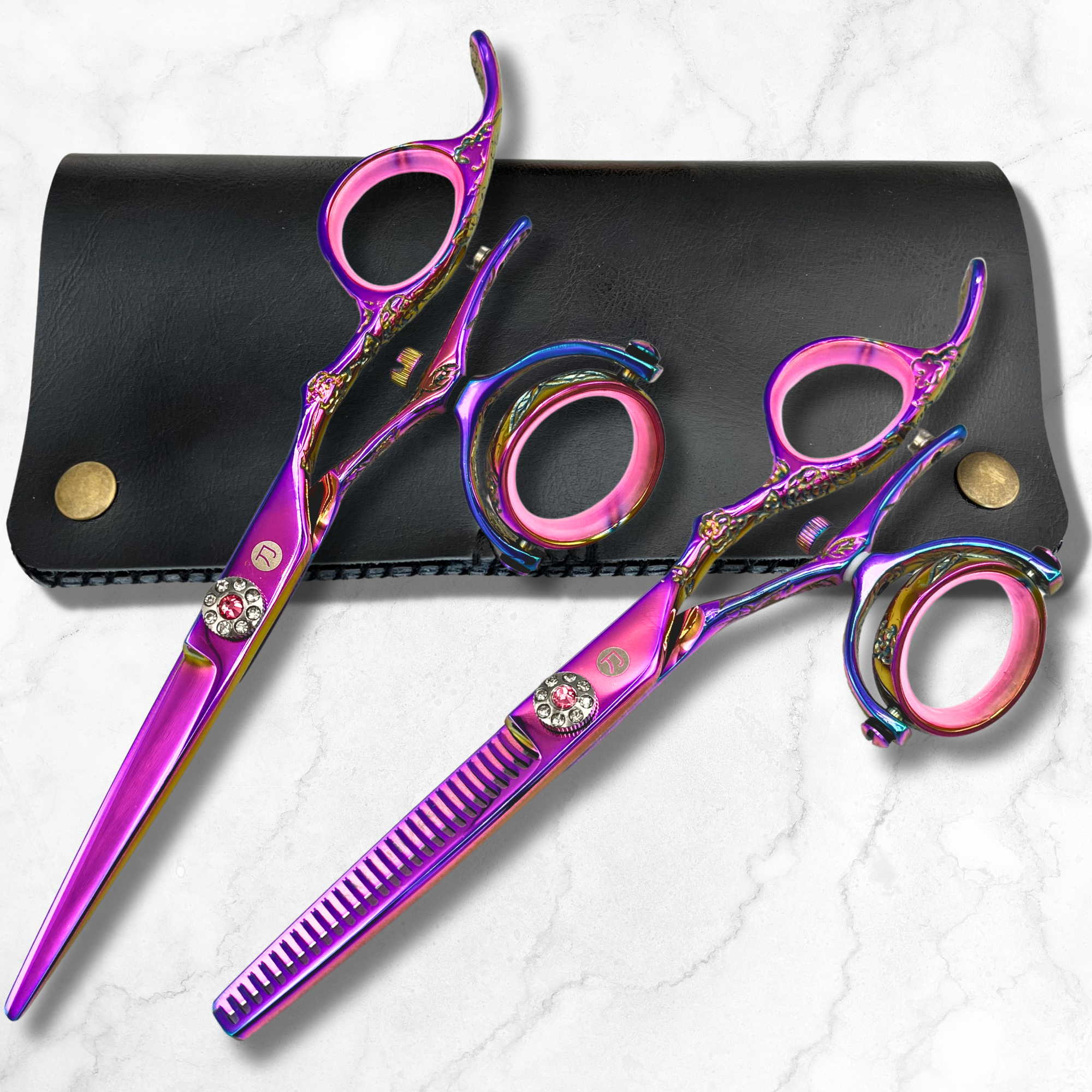
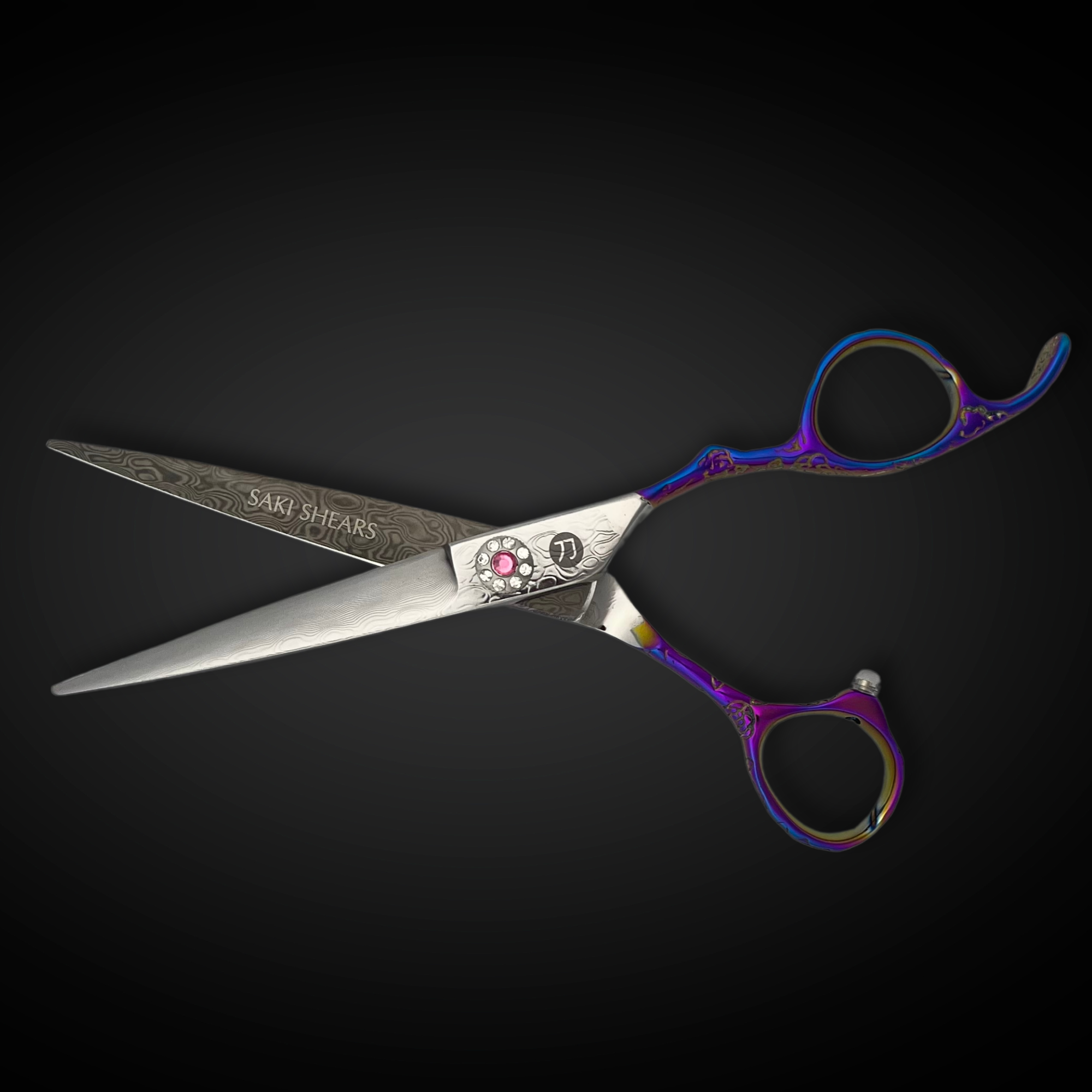
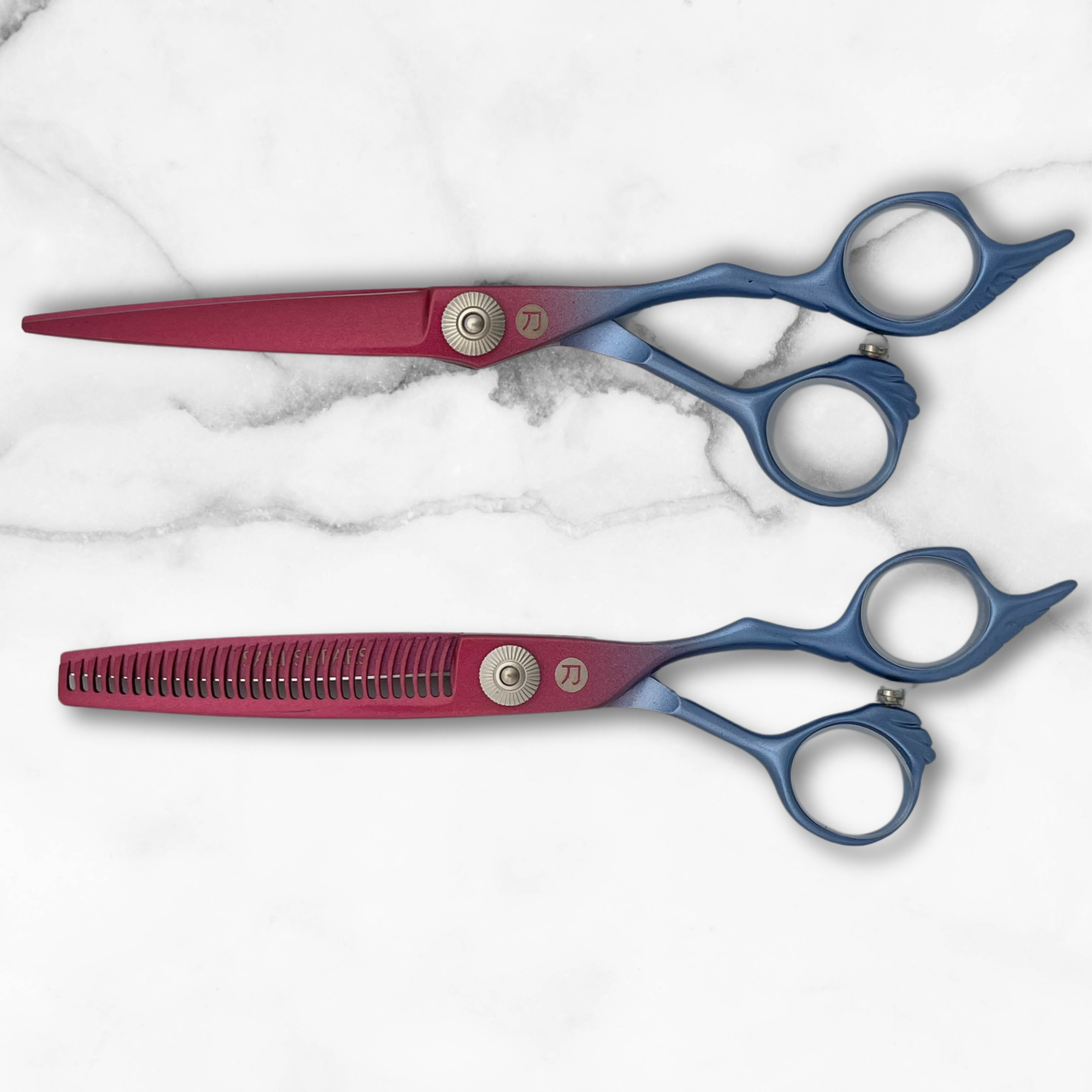
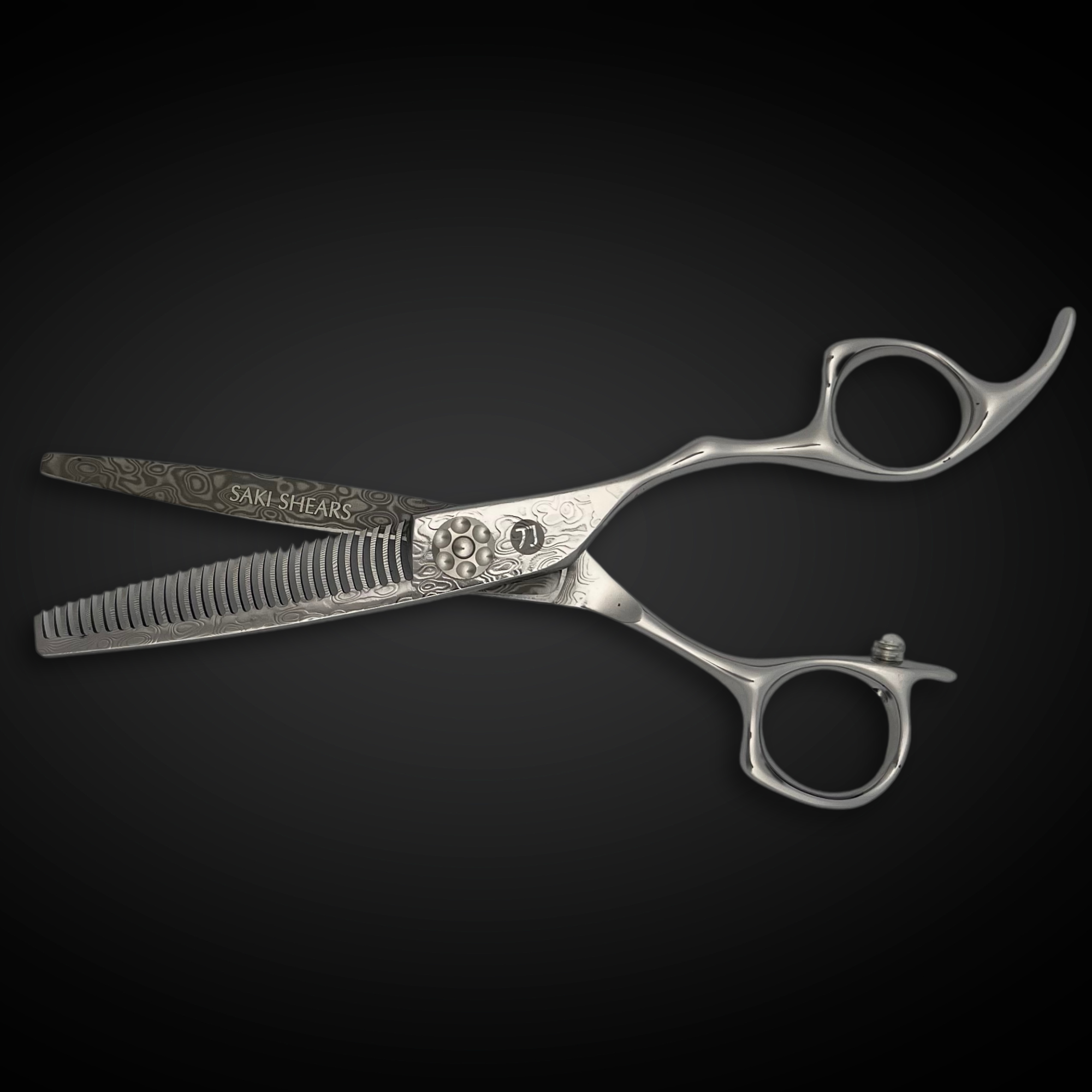
Cutting shears are the foundation of any hairdresser's kit. A well-balanced pair, sized to your hand and cutting style, reduces fatigue over a full day of appointments and gives cleaner, more consistent lines than a lower-quality blade. Thinning shears (also called texturizing shears) complement a standard cutting shear by removing bulk and blending lines without shortening length, which is essential for soft, natural-looking finishes. Many stylists keep more than one shear on hand for different techniques, which is why shear sets that pair a cutting shear with a thinning shear are common in professional kits. For stylists who want to compare finishes and steel types side by side, a Damascus steel option is worth considering for its edge retention.
Sectioning and Prep Tools
Clean sectioning is what separates a controlled haircut or color application from a rushed one. Butterfly or duckbill sectioning clips hold hair out of the way without leaving crease marks, and a good set in various sizes handles everything from fine detail work to thick, heavy sections. A tail comb (rat-tail comb) is used constantly throughout a service — for parting, subsectioning, and teasing — and its fine teeth and pointed end make it one of the most-used tools in a working stylist's station. A wide-tooth comb, by contrast, is better suited to detangling wet or curly hair without unnecessary breakage.
Styling and Finishing Tools
A reliable blow dryer is a daily-use investment; consistent heat and airflow control affect both the finished style and how much thermal stress the hair takes on. Pairing a dryer with a round brush in a few different barrel sizes allows for smoothing, volume, and curl shaping during the blowout, and having a couple of sizes on hand covers most client requests without needing to switch tools mid-service. Flat irons and curling irons round out the finishing station for stylists who offer heat styling as part of their service menu, and rollers remain a useful, low-heat option for stylists who set volume or curl patterns without direct heat.
Color and Chemical Service Tools
Stylists who offer color services rely on foil for highlighting, balayage, and other partial or full lightening techniques — it isolates sections cleanly and allows for controlled processing. Tint brushes and mixing bowls, along with disposable gloves, round out a basic color station and are worth stocking in bulk given how quickly they're used through a busy week of color appointments.
Maintaining the Kit
Tools that touch hair daily need regular care. Shears should be cleaned and oiled after each use and sharpened on a schedule rather than only when cutting quality noticeably drops — waiting too long to sharpen can mean a full reground edge instead of routine maintenance. Clips, combs, and brushes should be sanitized between clients per standard salon hygiene practices. A well-maintained kit, even a modest one, will consistently outperform a large collection of neglected tools. For stylists building or refreshing a kit, browsing a full shear collection side by side is a practical way to compare weight, finger-hole style, and blade length before deciding what belongs in daily rotation.
Building a Kit That Fits Your Work
Not every stylist needs every tool listed here — a colorist-heavy chair leans more on foils and sectioning tools, while a cutting-focused chair leans more on shears and combs. The goal isn't to accumulate the most tools, but to build a kit that matches the services you actually perform, with quality pieces that hold up to daily professional use.
- Cutting shears and thinning shears, sized and balanced for your hand
- Sectioning clips in a few sizes and a tail comb for parting and subsectioning
- A blow dryer with round brushes in multiple barrel sizes
- Foil, tint brushes, mixing bowls, and gloves for color work
- A basic maintenance routine: cleaning, oiling, and scheduled sharpening

Written by Charles Harris