
Article: Building Retail Income as a Working Stylist: Add-Ons Done Right
Building Retail Income as a Working Stylist: Add-Ons Done Right
Service revenue is the core of a working stylist's income, but most stylists build a more stable paycheck by adding two things around it: retail recommendations and add-on services. Done honestly, both come out of the consultation naturally instead of feeling like a sales pitch. Here's a practical look at how to build that income responsibly, without gimmicks or pressure.
Retail Recommendations That Match the Client
The retail sales that actually convert are specific: a leave-in conditioner for someone with over-processed color, a texture paste for a cut that needs daily styling to hold its shape, a scalp treatment for someone who mentioned dryness during the consultation. Recommending a product because it solves a problem the client already told you about is a service, not a sales pitch — and it's the kind of recommendation that holds up over repeat visits. Stylists who push the same product to every client, regardless of fit, tend to see one-time purchases and no repeat business. A small, well-chosen retail shelf tied to what the shop's services actually produce is easier to sell honestly than a wide inventory of products no one can speak to individually.
Add-On Services Are Often the Better Margin
Add-ons — a deep-conditioning treatment, a beard trim with a haircut, a scalp massage, a gloss — are frequently more profitable per minute than the base service, since they use time and setup that's already in place. The key is offering them at the right moment: during the consultation, when there's a clear reason ("your ends are pretty dry, a treatment would help this color hold longer"), not tacked on at checkout as an afterthought. Clients respond far better to an add-on framed as solving something they already noticed than to one that reads as a menu upsell.
Referrals: The Quietest Income Multiplier
Referral-based growth costs nothing but consistency. A short, easy ask at the end of a visit where the client is visibly happy with the result — "if you know anyone else looking for a stylist, I'd appreciate the introduction" — tends to work better than any promotion. Some stylists keep a simple note of where new clients heard about them, so they know which relationships are generating referrals and can thank those clients directly.
Invest in Tools That Support the Work
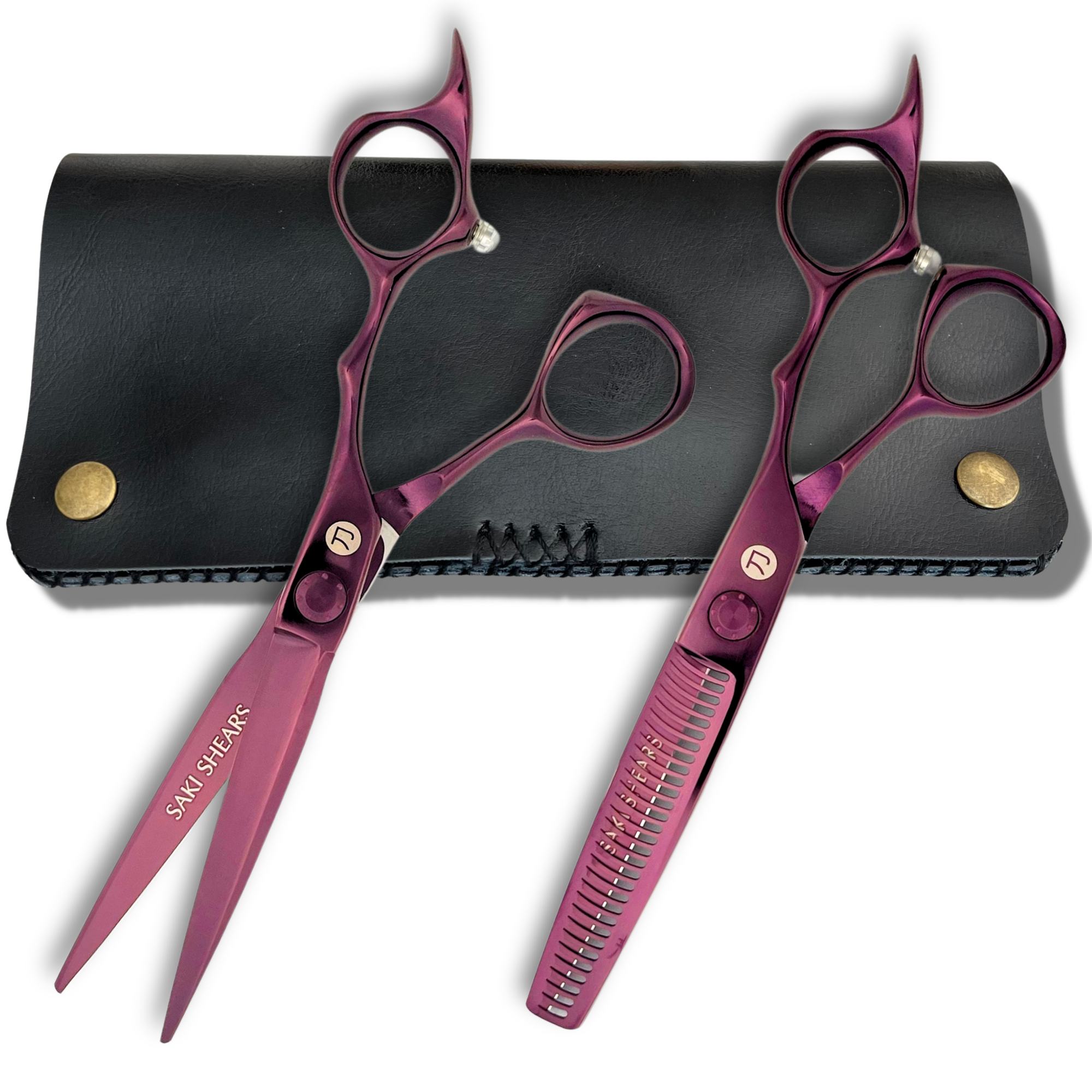
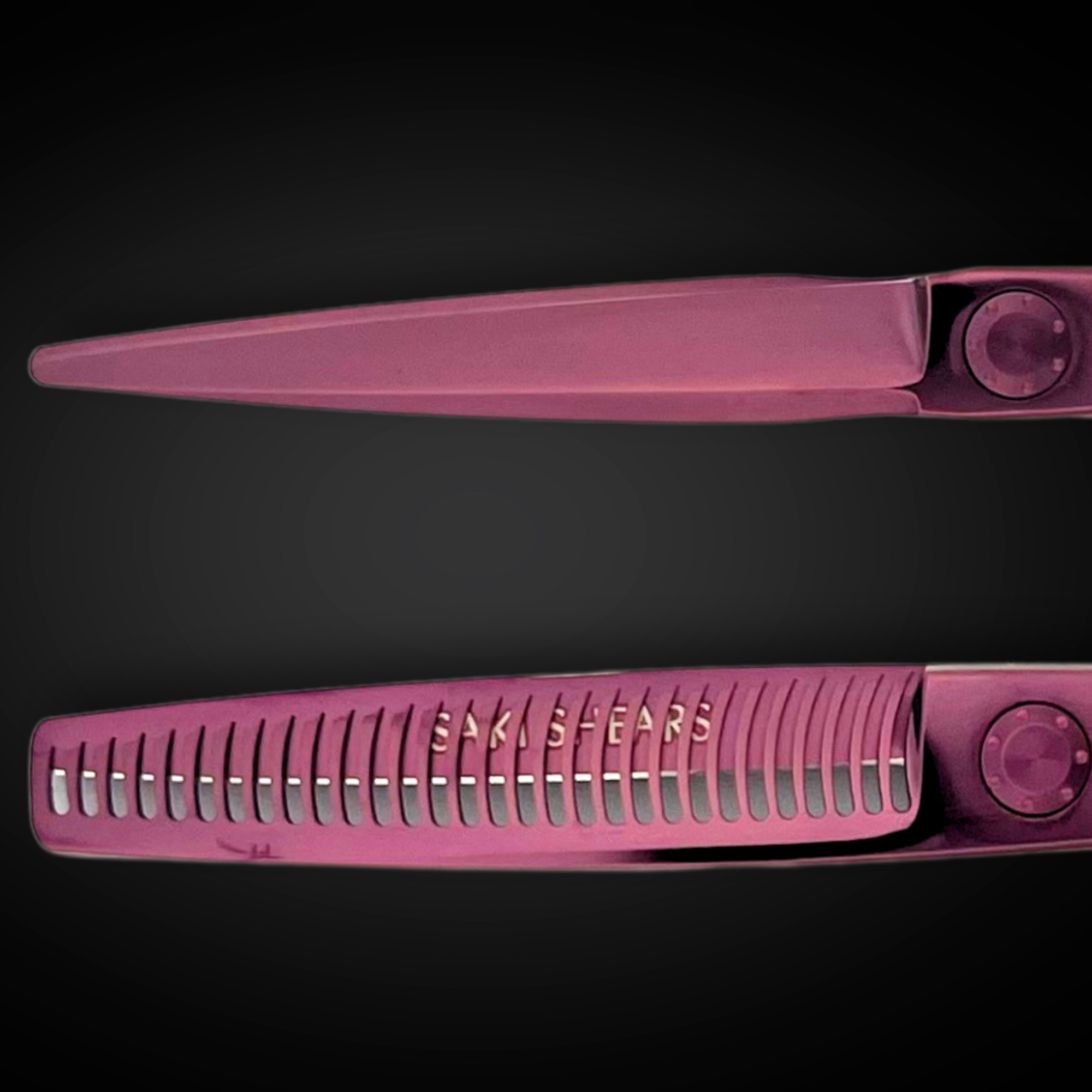
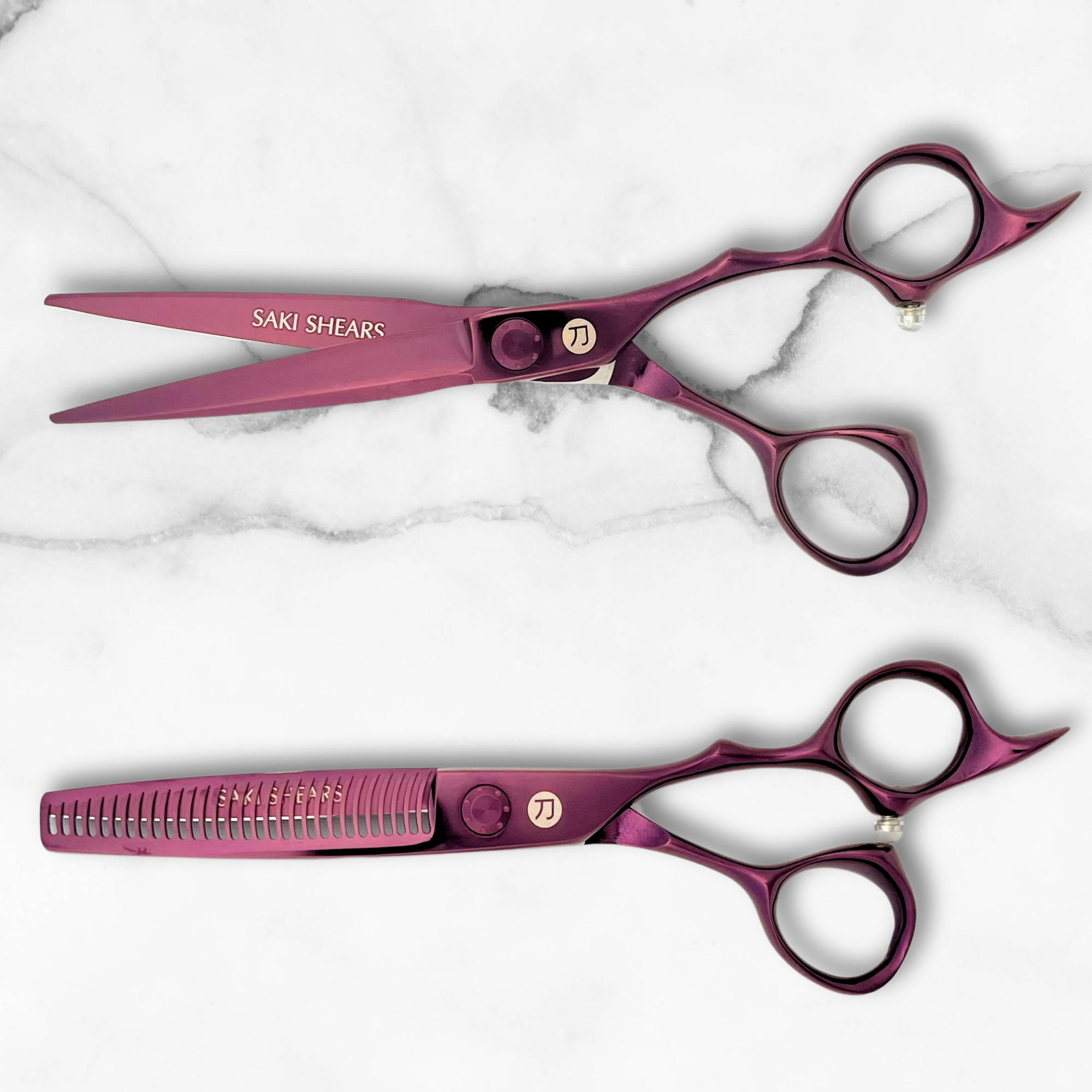
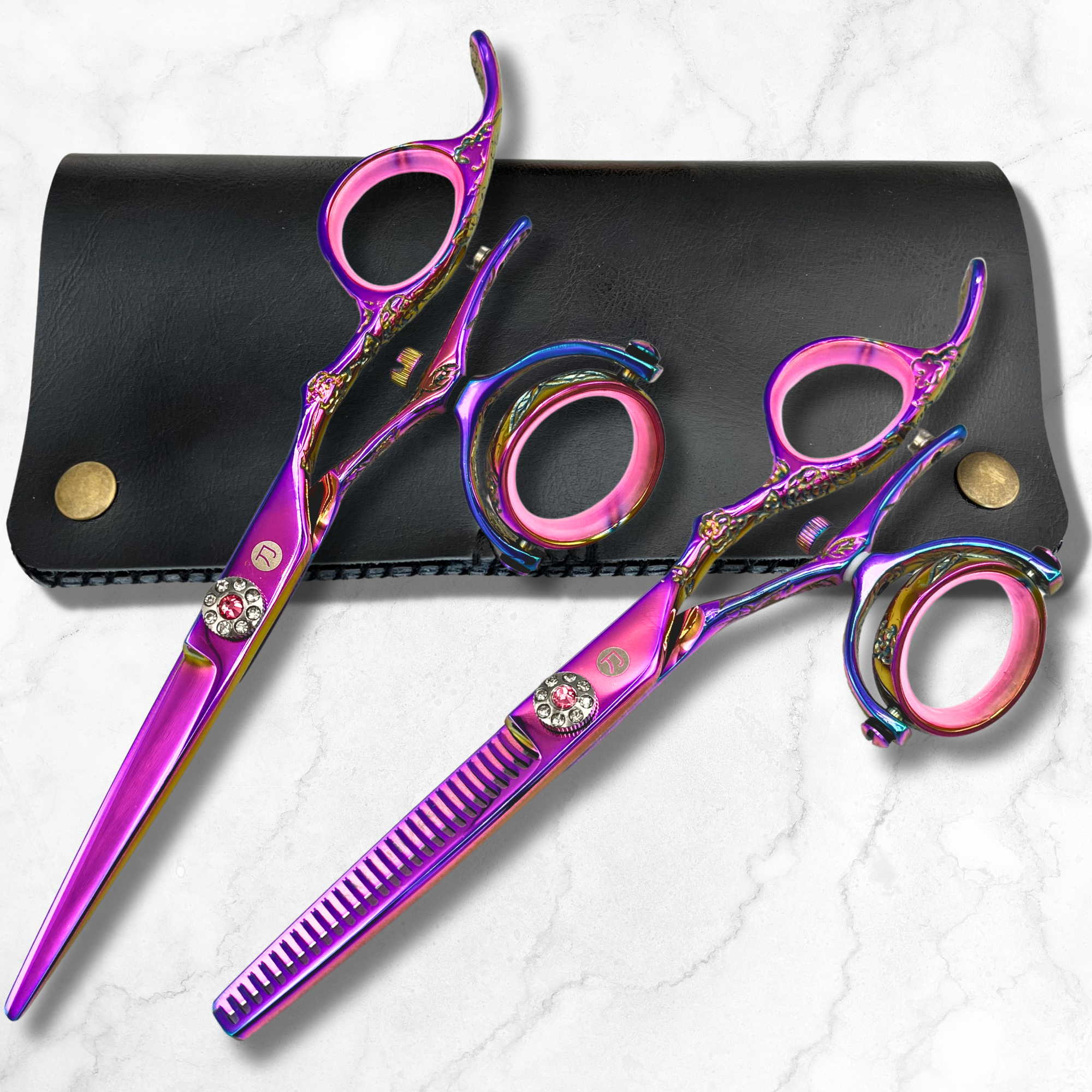
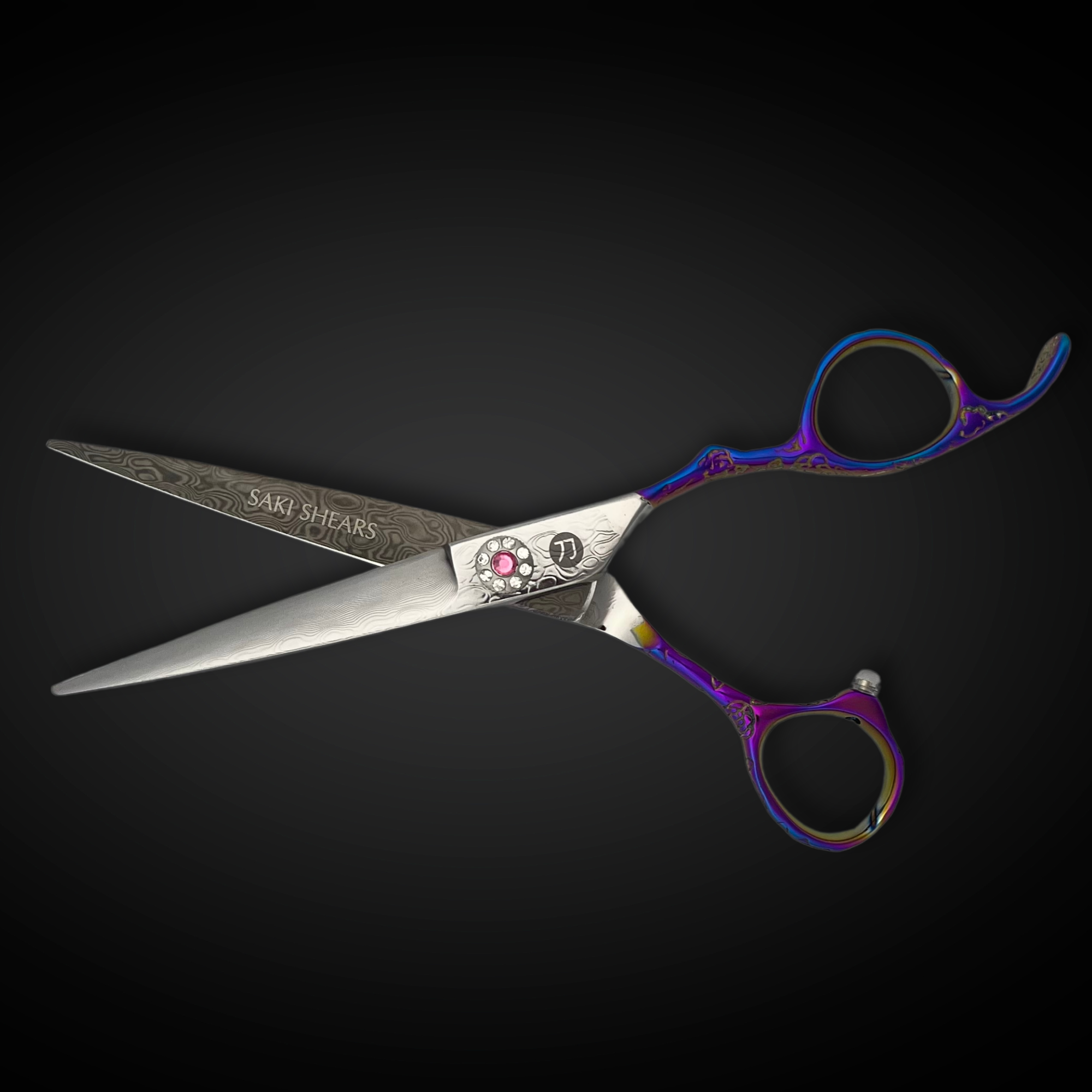
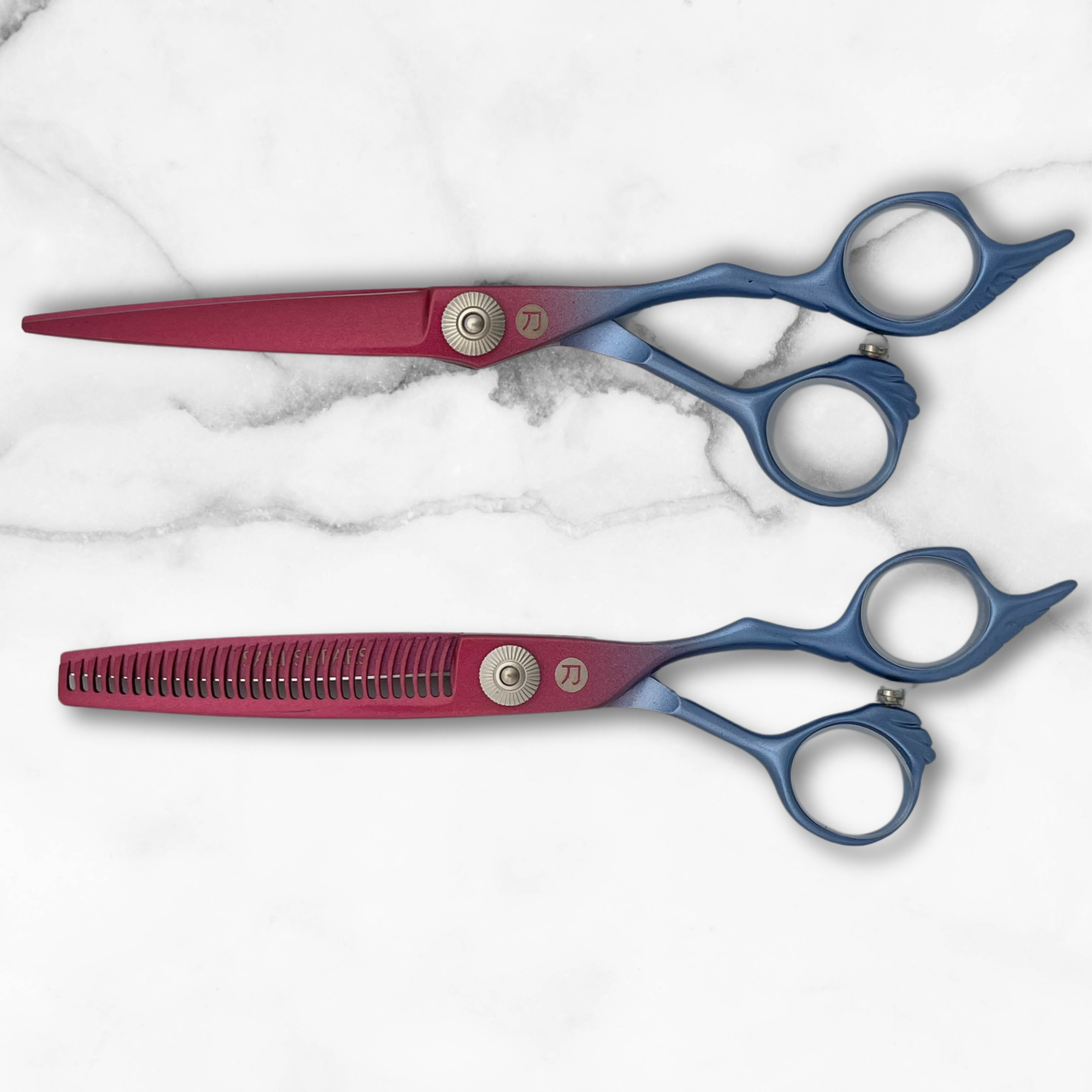
Retail and add-on income both depend on the base service being fast and consistently good — clients don't book extras with a stylist they don't already trust with the basics. That makes a stylist's own kit part of the business investment, not just an expense. Sharp, well-balanced shears reduce fatigue over a full day of bookings and produce cleaner lines that hold up to close inspection, which matters when a client is deciding whether to trust you with color, texture, or add-on work. Stylists building out or upgrading a kit can compare options in Saki Shears' cutting shears and thinning shears collections.
Keep a Simple Record of What Works
None of this needs a complicated system. A short note after each appointment — what was recommended, whether it was purchased, whether an add-on was booked — is enough to spot patterns over a few months. A stylist might notice that scalp treatments get booked more often on second visits than first, or that a particular product only sells well to clients who ask about frizz. That kind of pattern is far more useful than a generic sales target, because it points to where a genuine need is going unmet rather than where more pressure is needed.
Setting Expectations Without Overselling
The line between a helpful recommendation and a pushy sales habit usually comes down to frequency and specificity. Recommending the same product to every client, every visit, reads as a quota. Recommending a product only when it solves something specific to that client's hair, and only as often as it's genuinely needed, builds the kind of trust that keeps clients rebooking add-ons and buying retail on their own — no pitch required. Over time, that trust is what turns occasional extras into a steady, predictable part of a stylist's income, built on the same relationship that keeps clients coming back for the core service in the first place.

Written by Charles Harris