Thinning Shears: How They Work and How to Use Them Correctly
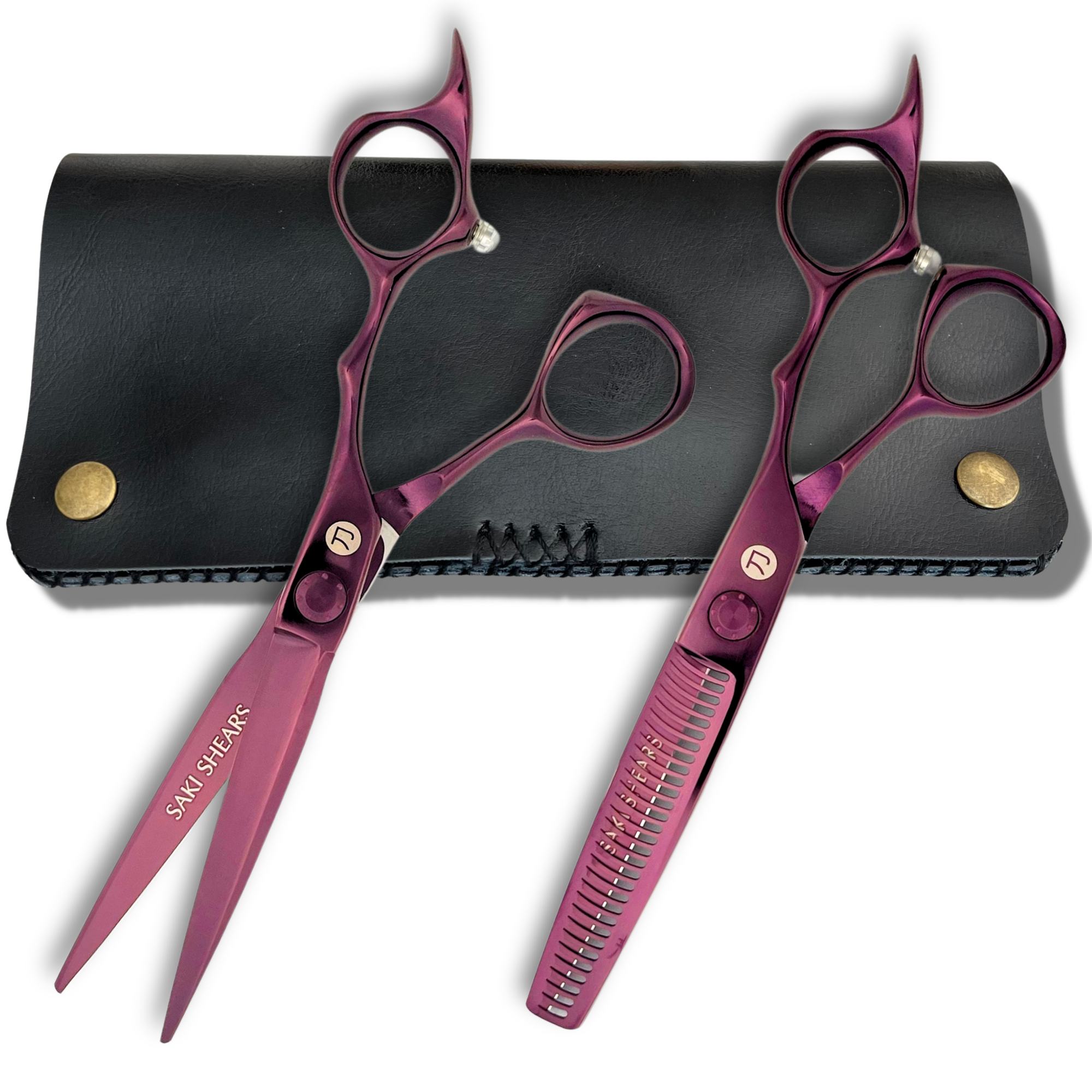
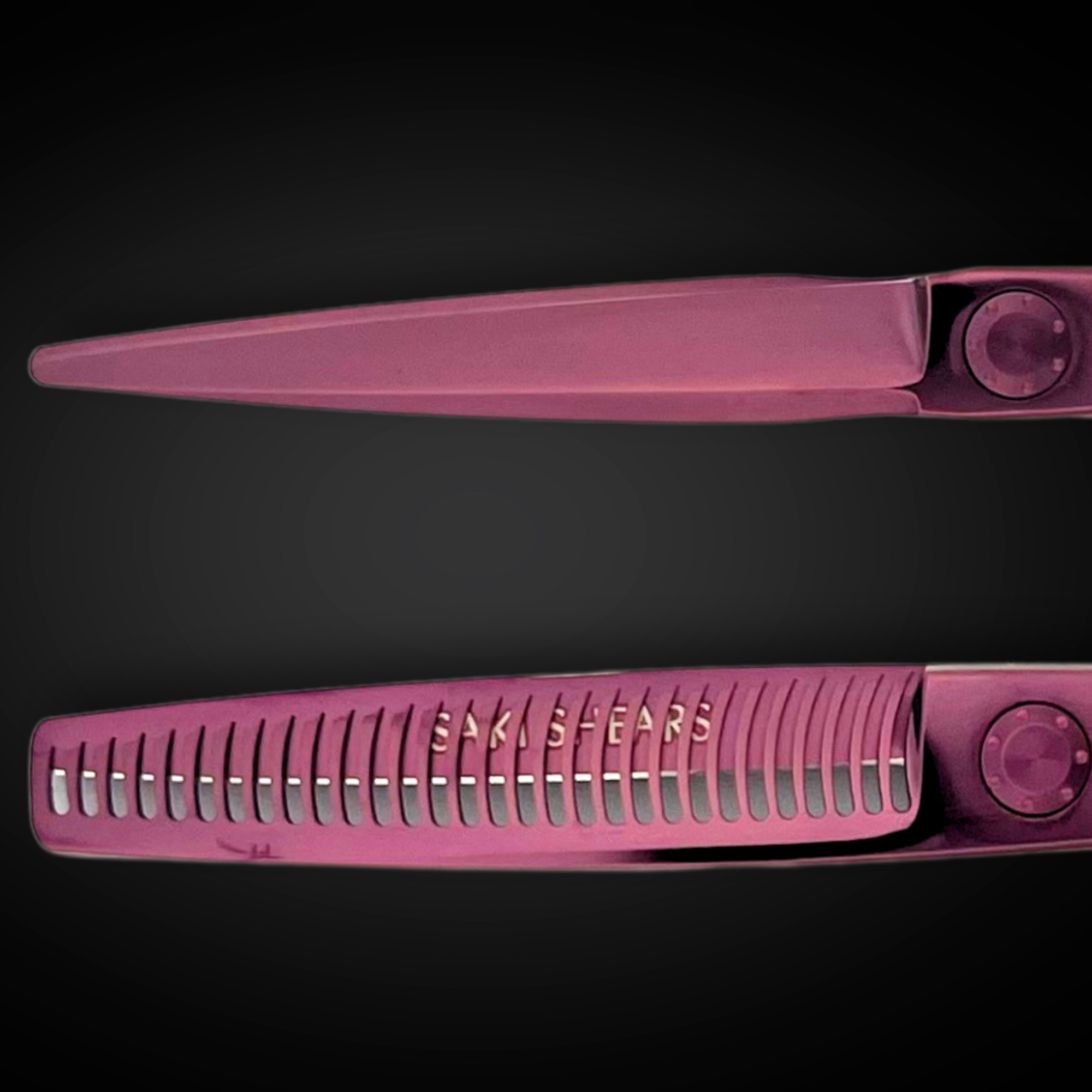
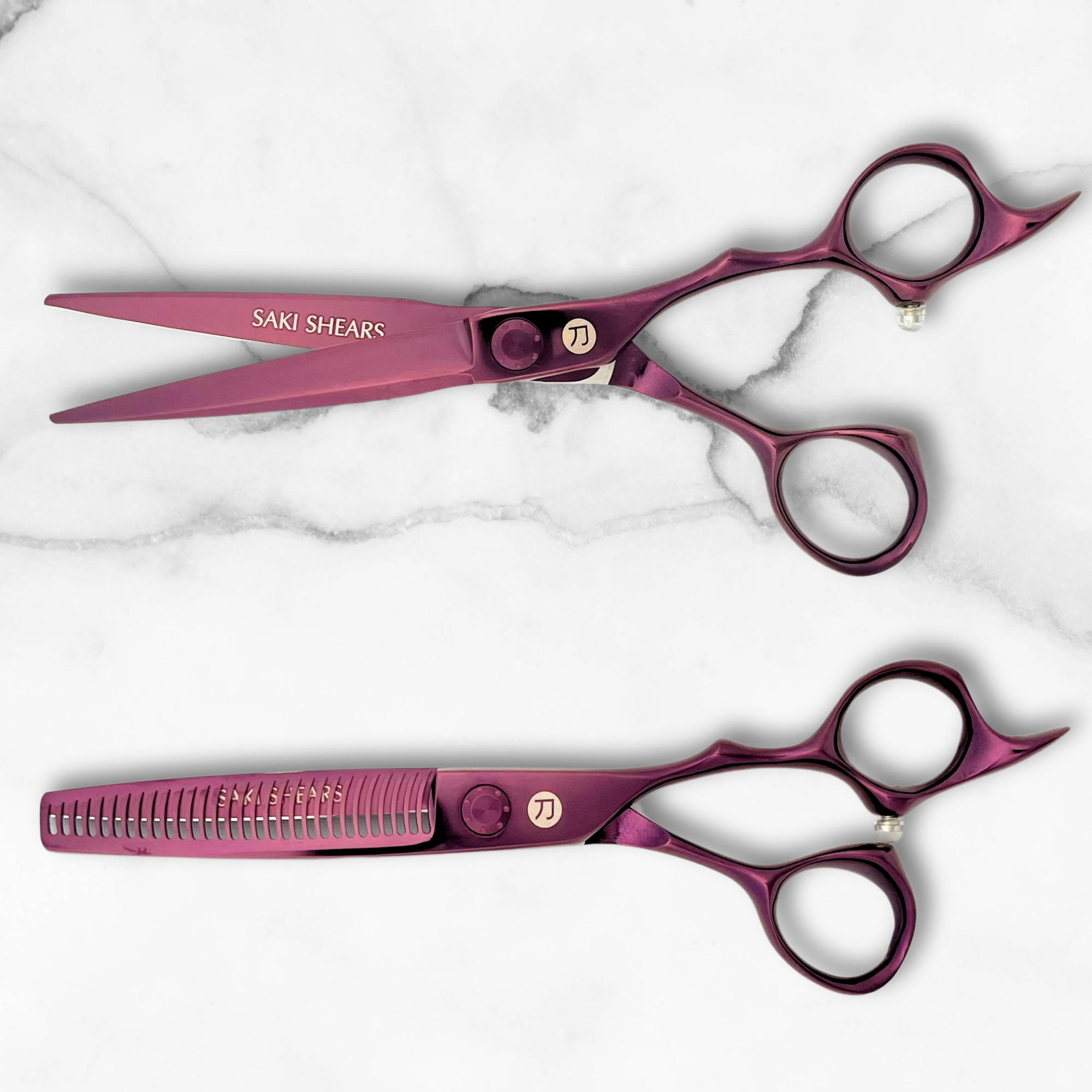
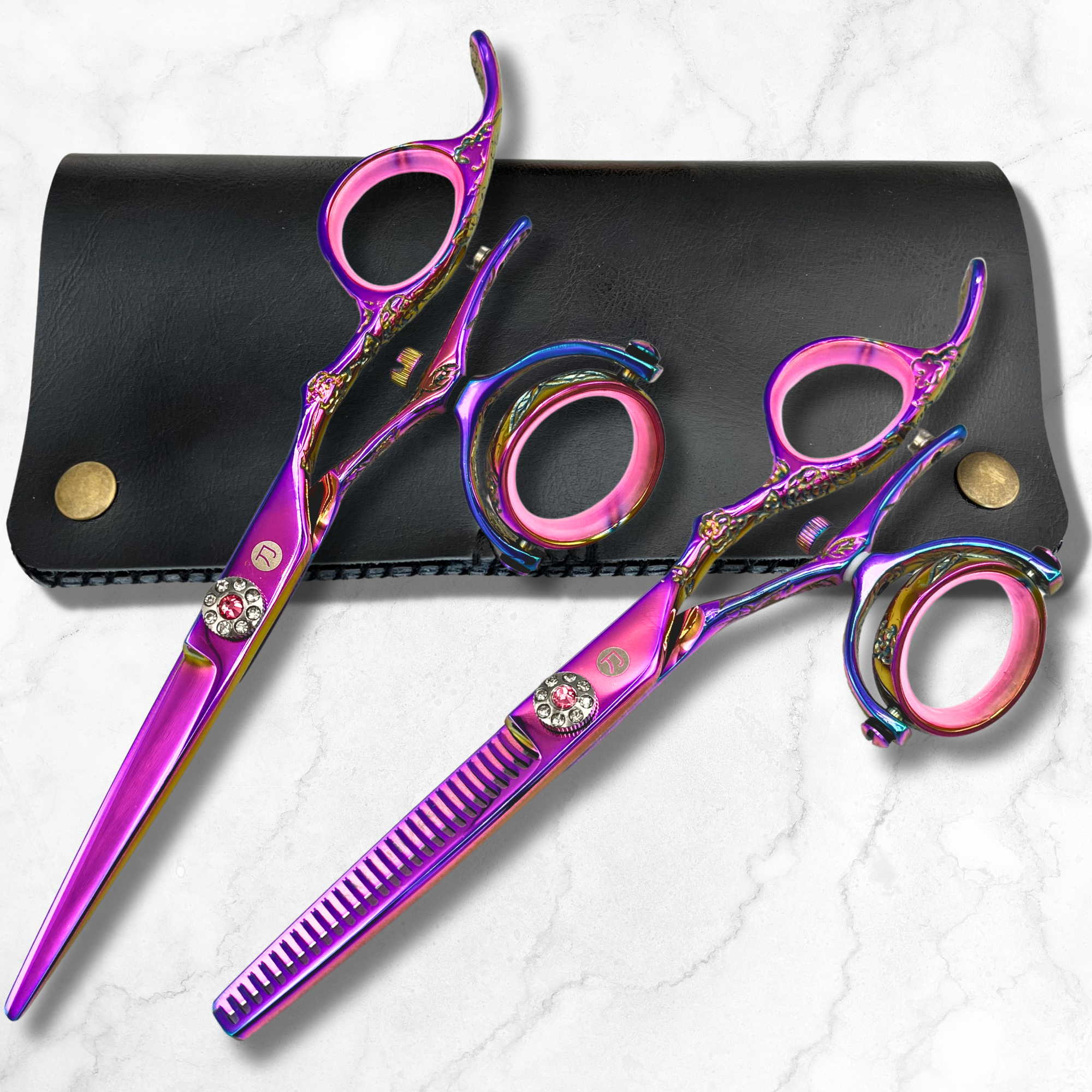
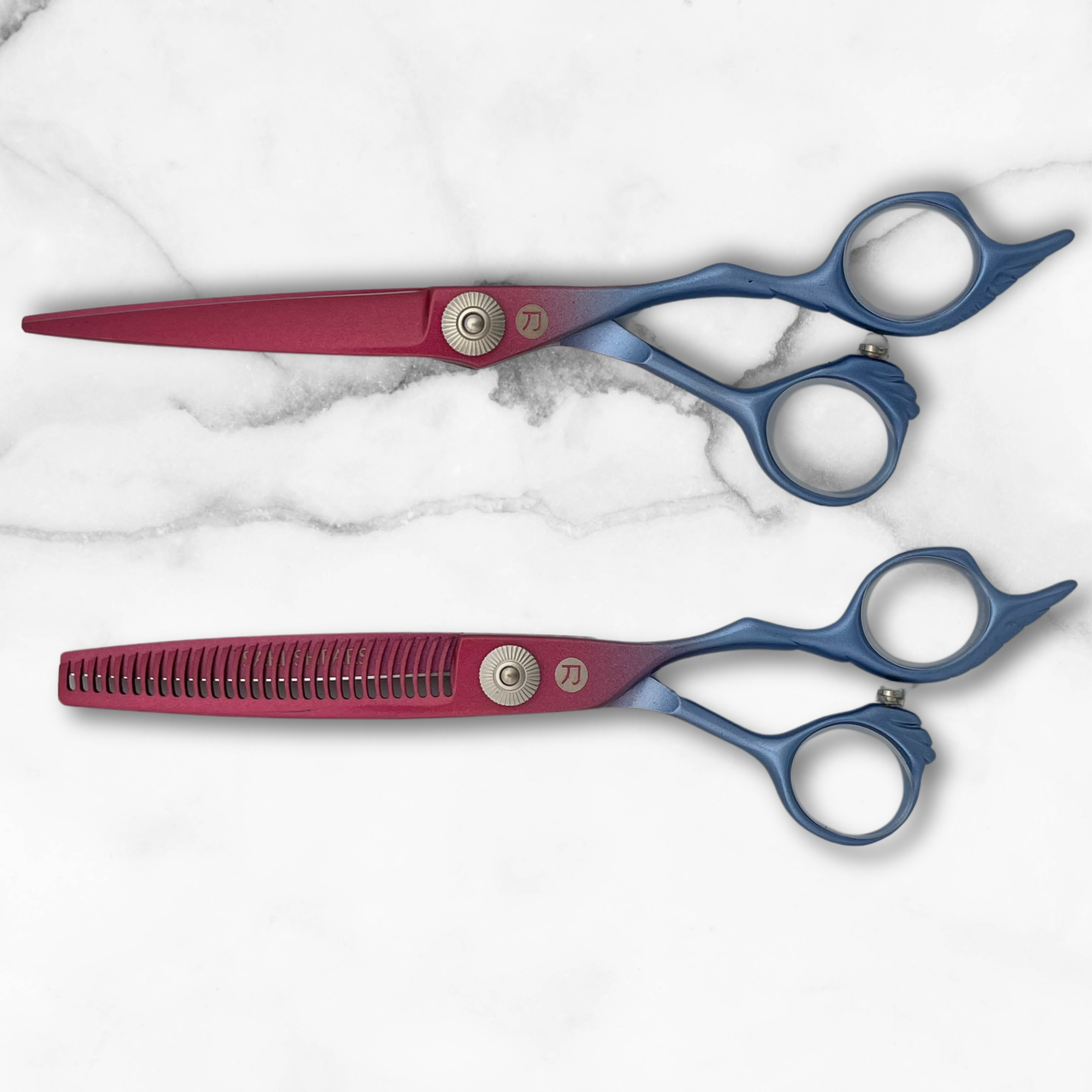
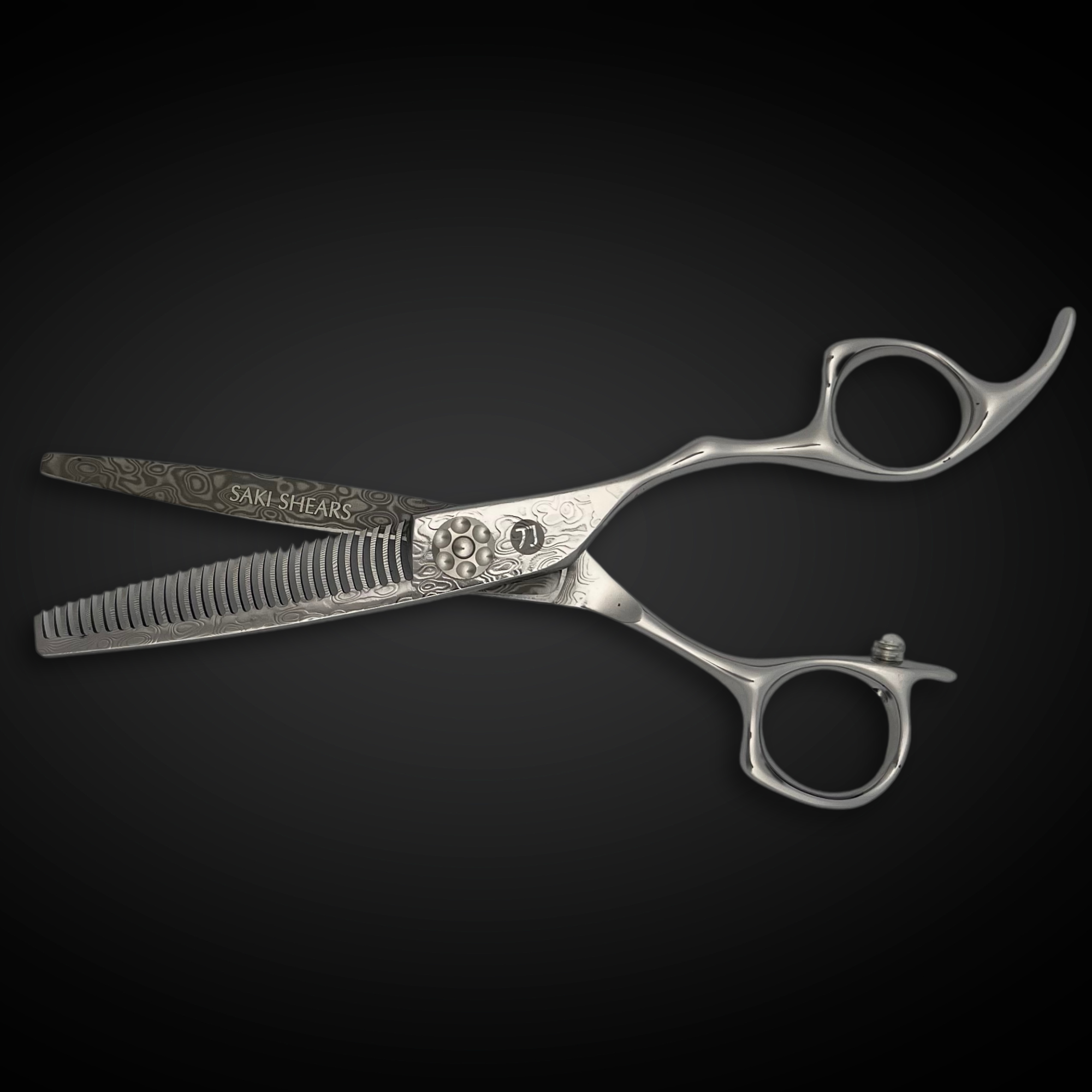
A straight shear removes one hundred percent of the hair caught between its blades on every pass. A thinning, or texturizing, shear is built to do the opposite: one blade carries a row of teeth that grabs and cuts only a portion of the hair passing through, while the rest slides through untouched. That single design difference is what makes a thinning shear a separate tool with its own rules, not just a scissor with a different look.
Partial Removal vs. Full Removal
Because a thinning shear cuts only a percentage of the hair in each pass, commonly somewhere between roughly 20% and 80% depending on the tooth configuration, it reduces bulk and blends length transitions without leaving the hard, single-length edge a straight shear produces. Used correctly, it removes weight from a section gradually, so the line underneath still reads as one continuous shape rather than a visibly stepped or notched result.
This is also why a thinning shear is the wrong tool for cutting length. It is built to remove volume and soften a line, not to shorten hair in a controlled, predictable way. Using it for length control usually produces uneven results, since you cannot see exactly how much hair each pass actually removes.
Tooth Count and Spacing: What Changes
Thinning shears are usually described by tooth count, and that number is a direct tradeoff between how much hair is removed per pass and how fine the resulting texture looks.
- Fewer, wider-spaced teeth (roughly 15 to 20) remove more hair per pass. They are faster for heavy bulk removal but leave a coarser, more visible texture if used near the surface of the cut.
- More, closely-spaced teeth (30 and up) remove less hair per pass and leave a finer, softer result. They take more passes to remove the same amount of bulk, but they are far more forgiving for detail work and blending near the perimeter.
- Mid-range counts (around 20 to 30) are the most common all-purpose choice, balancing speed with a texture that blends cleanly on most hair types.
Tooth spacing matters as much as tooth count. Wider gaps between teeth tend to grab larger, less consistent sections of hair, which works well on coarse or thick hair but can look choppy on fine hair. Tighter spacing gives more control on fine or fragile hair, where an aggressive shear can leave visible gaps or noticeable lines.
Where to Texturize on the Hair Shaft
Where you cut on the strand matters as much as which shear you are holding. As a general rule:
- Texturizing close to the scalp removes bulk at the root and is typically reserved for reducing overall density in very thick hair. It is a heavier, less forgiving move and should be used sparingly.
- Mid-shaft texturizing is the most common approach for blending and removing weight without disturbing the outer shape of the cut. It softens transitions between layers without shortening visible length.
- Texturizing near the ends softens a blunt perimeter, breaks up a heavy line, and adds movement, but it also carries the highest risk of visible ragged ends if too much hair is removed too close to the finished length.
A useful habit is to cut into the hair at an angle, moving the shear in a controlled sliding or chipping motion rather than straight across, then check the result by combing the section back out before deciding whether another pass is needed. Thinning is one of the few techniques where less is genuinely easier to fix than more: another pass can always be added, but hair cannot be put back once it is removed.
Matching the Shear to the Hair
Fine or damaged hair generally does best with a higher tooth count and a light hand, applied mid-shaft rather than at the root. Thick or coarse hair can tolerate lower tooth counts and root-level work without looking thin or see-through. Curly and textured hair usually responds better to texturizing at the ends and mid-shaft, since removing bulk at the root can disrupt curl pattern and definition.
A well-made thinning shear that holds its tooth edge and tension over time makes this kind of precise, repeatable work considerably easier. Browse our thinning shears and scissors to find one suited to the tooth count and hair types you work with most.

Written by Charles Harris