

How Professional Hair Care Products Actually Differ From Consumer Products
Clients ask about it constantly: why does a bottle of shampoo or color-care product from a professional line cost more than what's on the shelf at a drugstore, and is the difference real or just marketing? For working stylists, the answer matters beyond small talk at the shampoo bowl. Understanding what actually separates professional hair care products from consumer retail products helps you explain value to clients, make informed purchasing decisions for your chair, and protect your license.
Formulation and Active Ingredient Concentration
The most substantive difference between professional and consumer hair care lines is formulation. Professional products are typically manufactured with higher concentrations of active ingredients, such as bond-building agents, keratin derivatives, or chemical straightening and lightening compounds, because they are designed to be applied by a trained operator who can judge processing time, dilution, and application technique.
Consumer products sold in general retail are formulated for unsupervised, repeated use by people with no technical training. That means lower concentrations of actives, more conservative pH ranges, and simplified instructions built around worst-case safety margins rather than optimal results. A product built for the professional channel can afford to be more aggressive precisely because a licensed operator is expected to control the variables, timing, dilution ratio, sectioning, heat exposure, that make an aggressive formulation both effective and safe.
This is also why substituting a consumer-grade product for a professional step in a service, or recommending one interchangeably with the other, can produce inconsistent results. The chemistry isn't necessarily "better" in one universal sense; it's calibrated for a different set of hands and a different level of technical oversight.
Why Professional Lines Move Through a Separate Distribution Channel
Professional hair care products are typically sold through a distinct distribution system: licensed distributors, professional beauty supply accounts, and salons themselves, rather than big-box retail or general e-commerce marketplaces. This isn't simply a business strategy to create exclusivity for its own sake. A few practical reasons drive it:
- Manufacturers want product education delivered alongside the product, since correct use depends on training the general public doesn't have.
- Distributors and brands want a channel where lot numbers, storage conditions, and shelf life can be tracked and controlled, which matters more for higher-concentration formulas.
- Restricting sales to licensed professionals and their clients reduces misuse of products that can cause real harm when applied incorrectly, such as chemical burns or hair breakage.
This is also why counterfeit and diverted professional product is a persistent problem in the industry. Product that leaves the professional channel without the manufacturer's knowledge often loses the chain of custody that guarantees it hasn't been diluted, relabeled, or stored improperly, which is a real risk for both your client's hair and your liability as the person who applied it.
What "Licensure-Only Access" Actually Means
Many professional lines require proof of cosmetology or barbering licensure to open a distributor account. This isn't about gatekeeping information from the public. It reflects a straightforward liability and safety framework: a manufacturer producing a higher-strength or technically demanding formula wants assurance that the person applying it has been trained to recognize contraindications, patch-test where appropriate, and manage processing correctly.
For you as a stylist, that licensure requirement is part of what your training and credential are worth. It's a barrier that keeps a category of product, and the margin and outcomes that come with it, inside the professional channel rather than being commoditized on an open retail shelf. It's also a reminder to keep your own purchasing inside legitimate distributor relationships, since product bought through gray-market resellers may not carry the same guarantees of authenticity or storage handling.
What This Means at the Chair
When a client questions why you're recommending a professional retail take-home product instead of whatever is cheapest at the grocery store, the honest answer isn't "it's better because it's expensive." It's that the formulation, concentration, and quality control behind professional products are built around a different set of assumptions than consumer retail, and those assumptions are tied directly to your training and your ongoing relationship with the client's hair. Framing it that way, rather than leaning on brand names or vague superlatives, gives clients a reason to trust the recommendation instead of just the price tag.
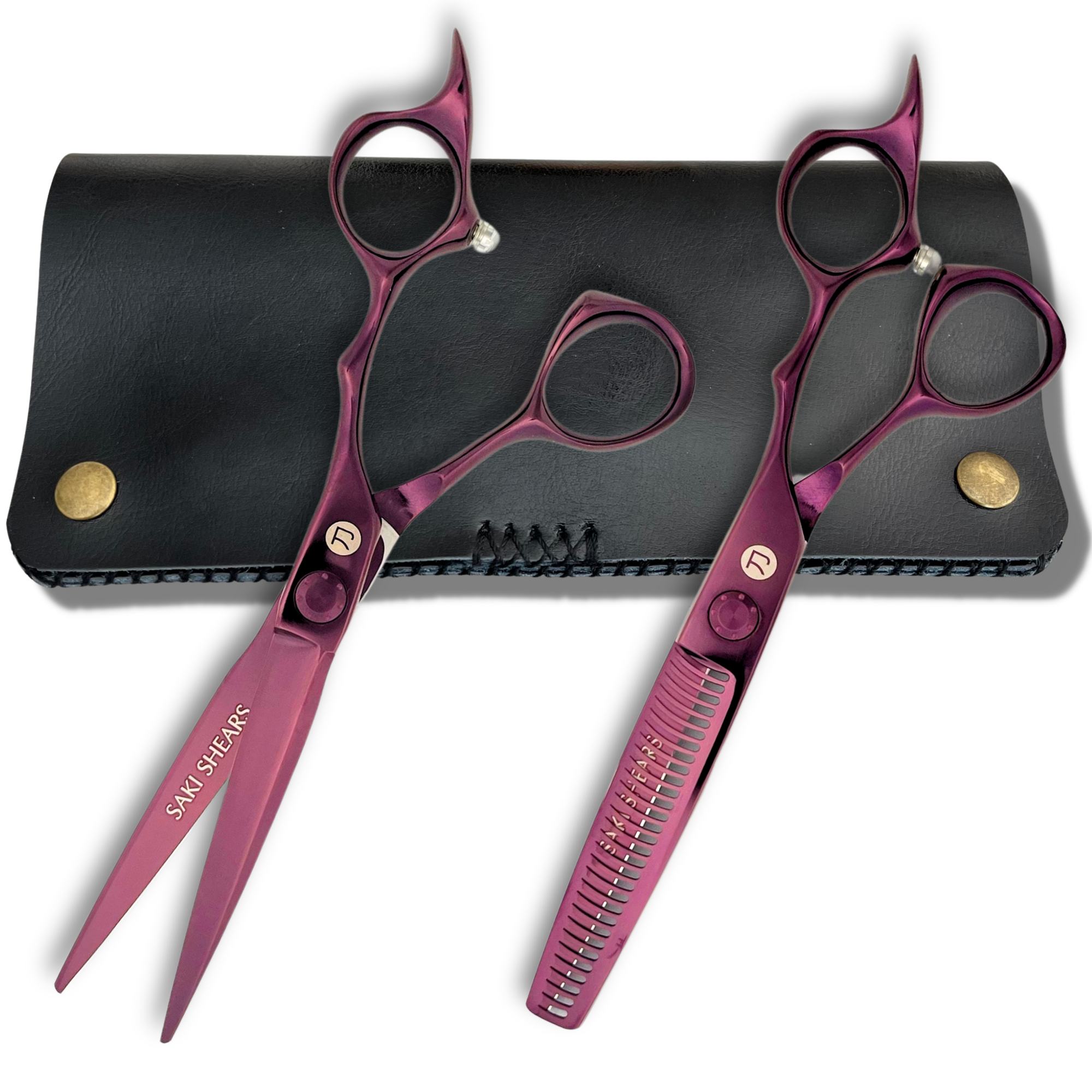
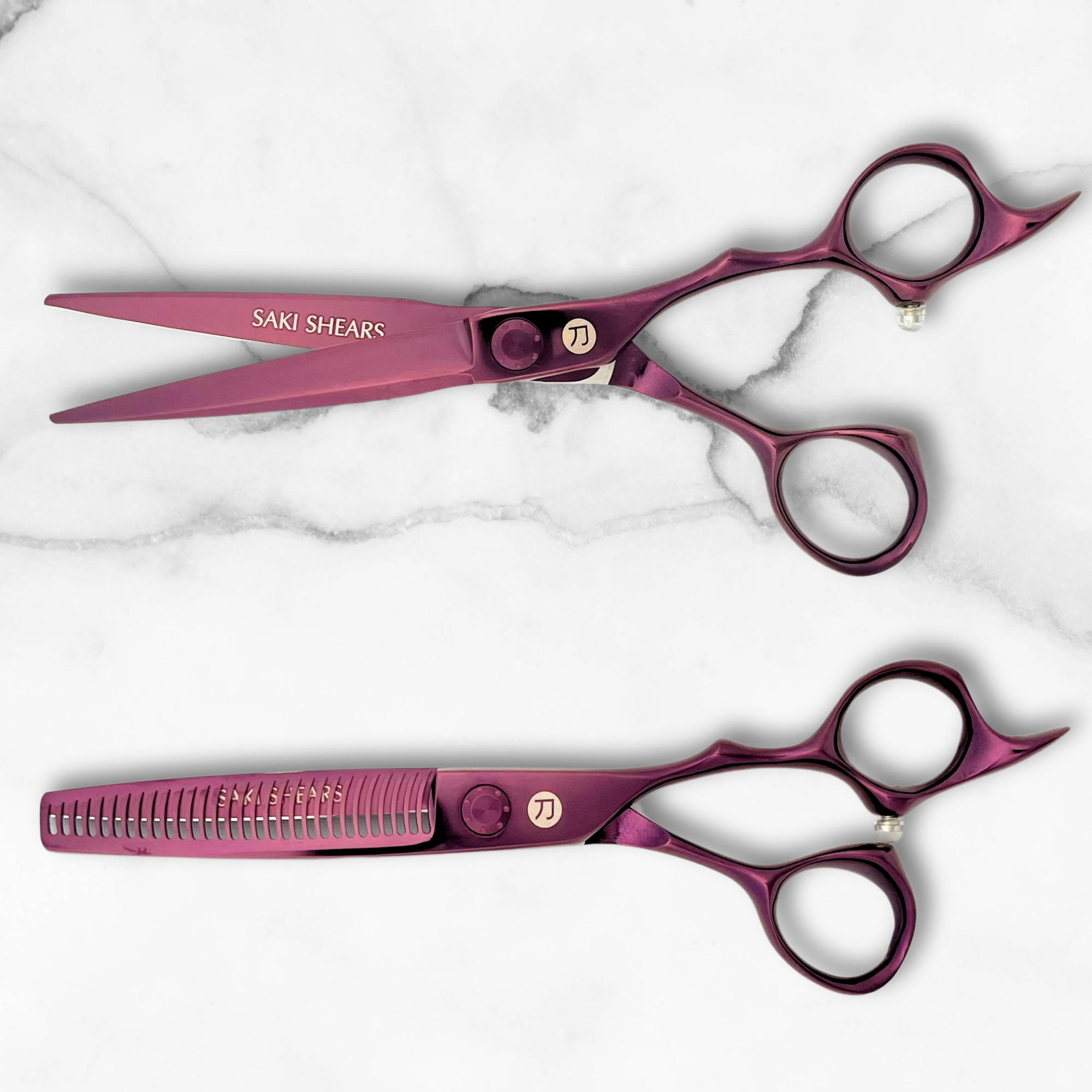
The same standard of scrutiny you'd apply to a product line is worth applying to the tools you use every day. Just as formulation and quality control separate professional-grade product from consumer product, build quality and steel selection separate a shear that holds an edge from one that doesn't. If you're due for an equipment upgrade, our shears collection is a reasonable place to start comparing options.

Written by Charles Harris