10 Popular Men's Haircuts: A Barber's Technique Guide
Most of the requests that come through the chair fall into a short list of recognizable cuts. Knowing the technical requirements of each one – guard sizes, blending technique, finishing tools – lets a barber move faster and deliver consistent results, even when a client's reference photo is vague. Below is a working reference for the ten cuts you'll be asked for most often, with notes on execution rather than styling advice for the client.
Crew Cut
The crew cut is built on short, even length throughout, with a slightly longer top section blended into the sides. Clipper-over-comb or a graduated clipper cut (typically a #3 to #5 on top tapering to a #1 or #0.5 on the sides) gives the classic silhouette. Keep the top section flat and uniform – this is a cut that shows every inconsistency, so section it carefully and check length with a comb pass before finishing.
Fade Variations (Low, Mid, High, Skin)
A fade is defined by where the blend starts on the head, not by a single guard number. Low fades start the taper near the ear; mid fades start around the temple; high fades push the transition up toward the crown; skin (or bald) fades take the perimeter down to the skin with a trimmer or straight razor. The technical work is in the blend itself – work in overlapping passes, moving through guard lengths incrementally (e.g., #4 to #3 to #2 to #1 to skin) rather than jumping steps, and check the transition zone from multiple angles under good light before moving to the next section.
Textured Crop
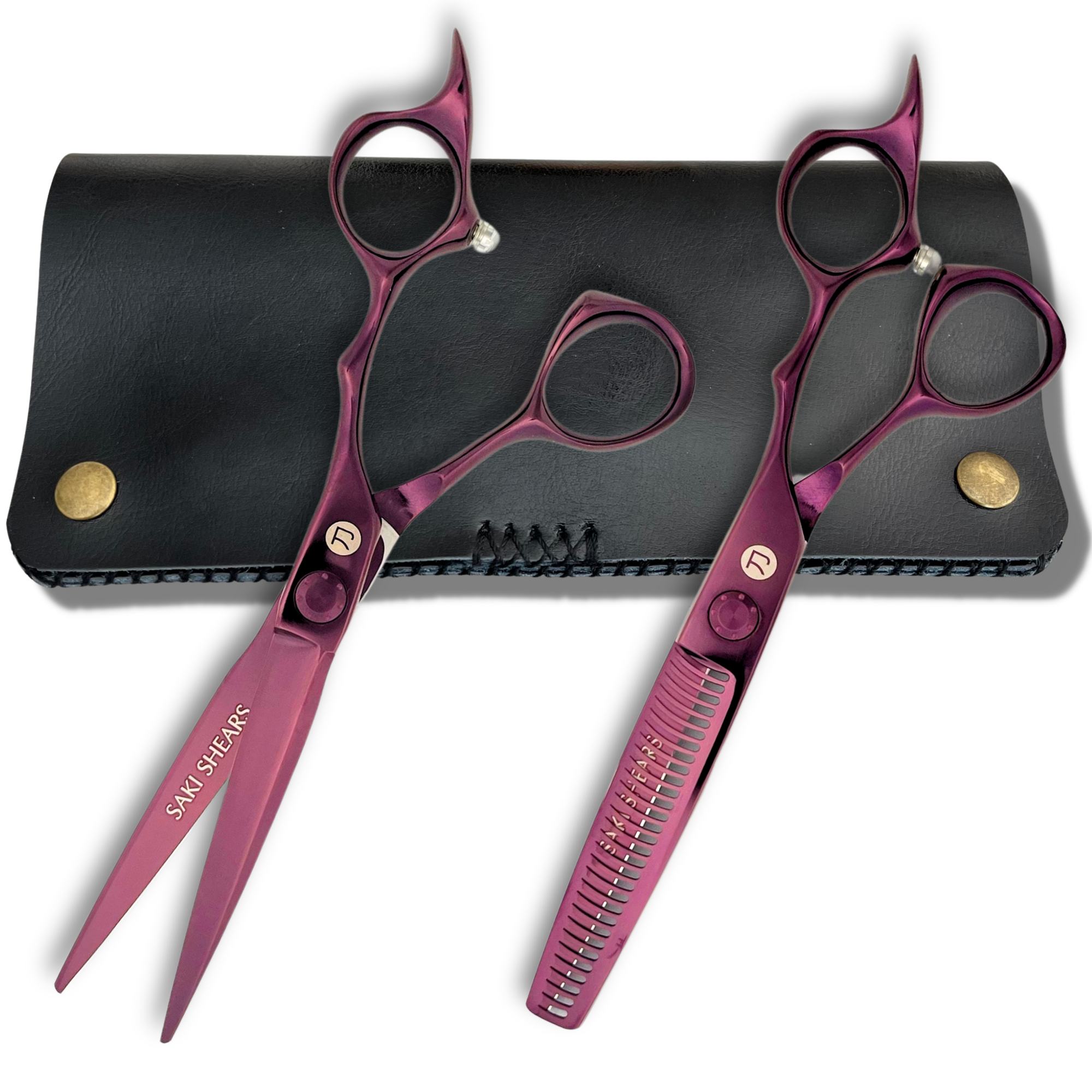
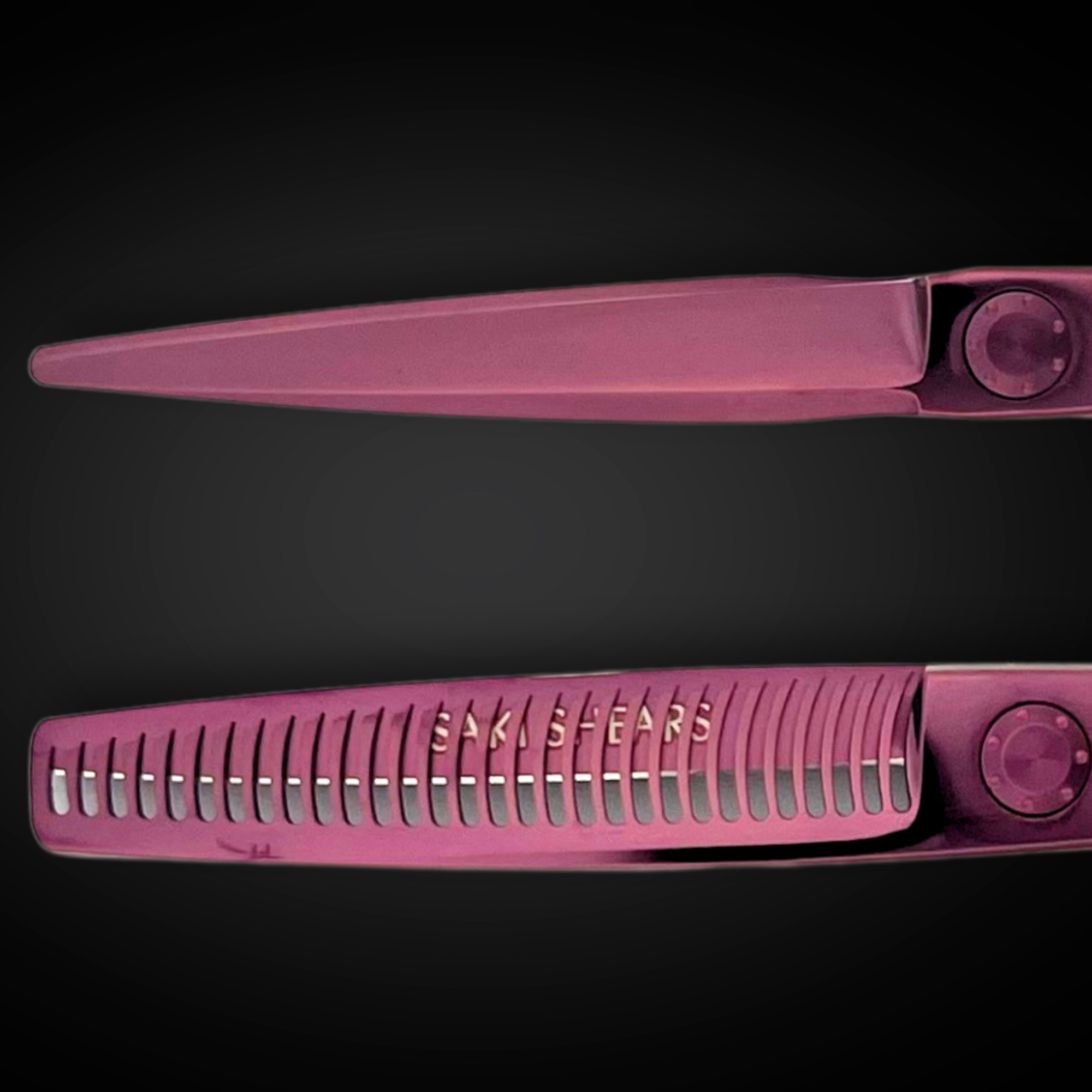
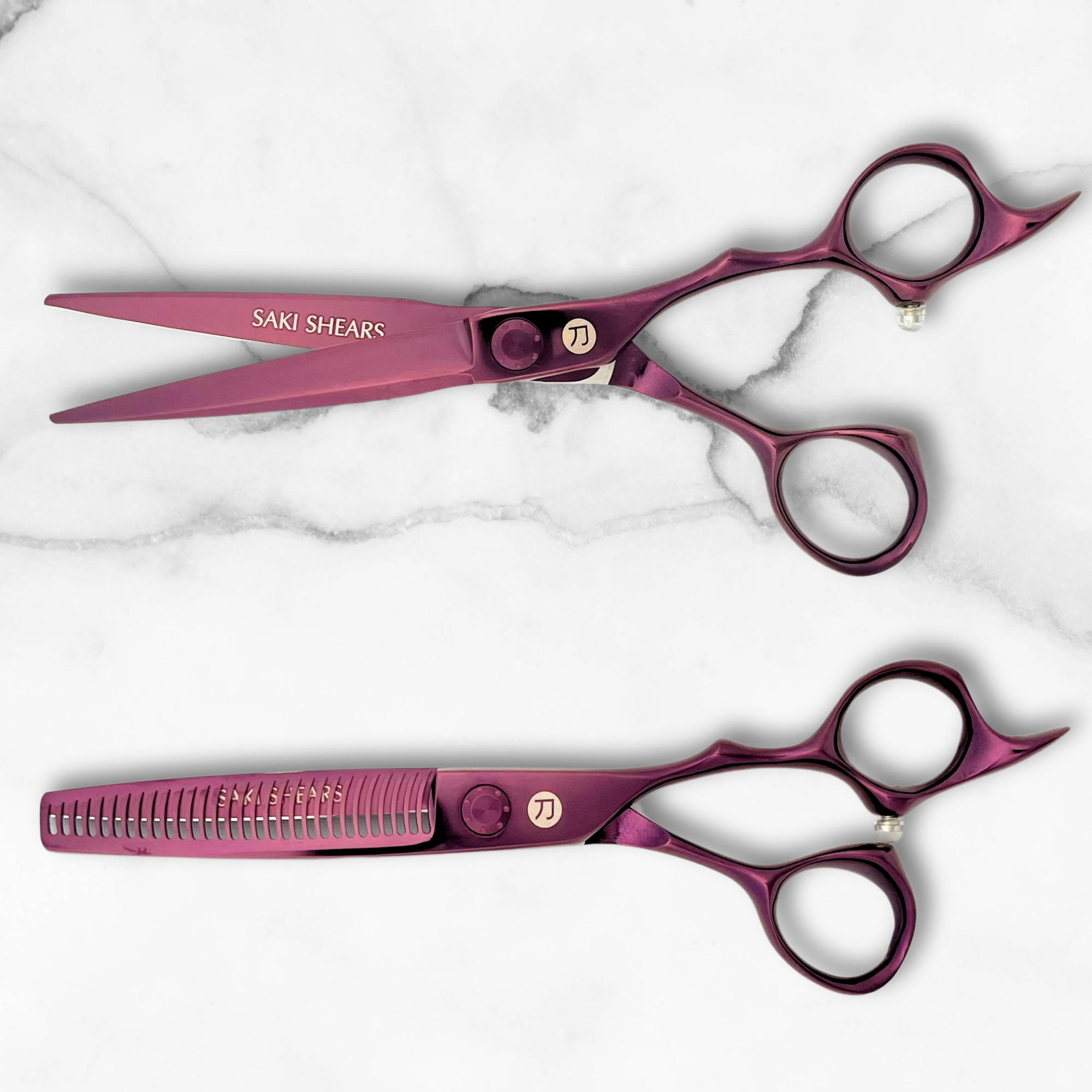
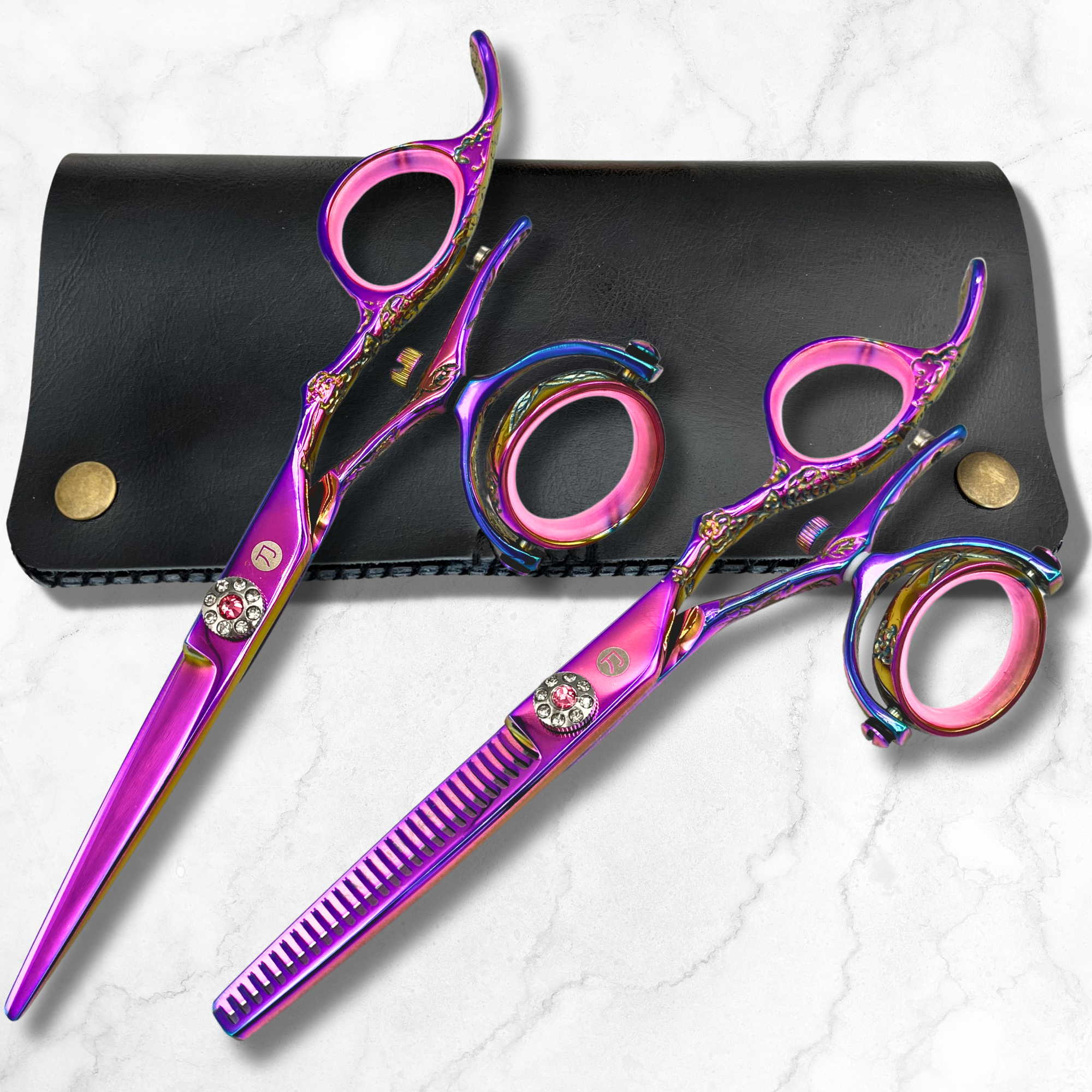
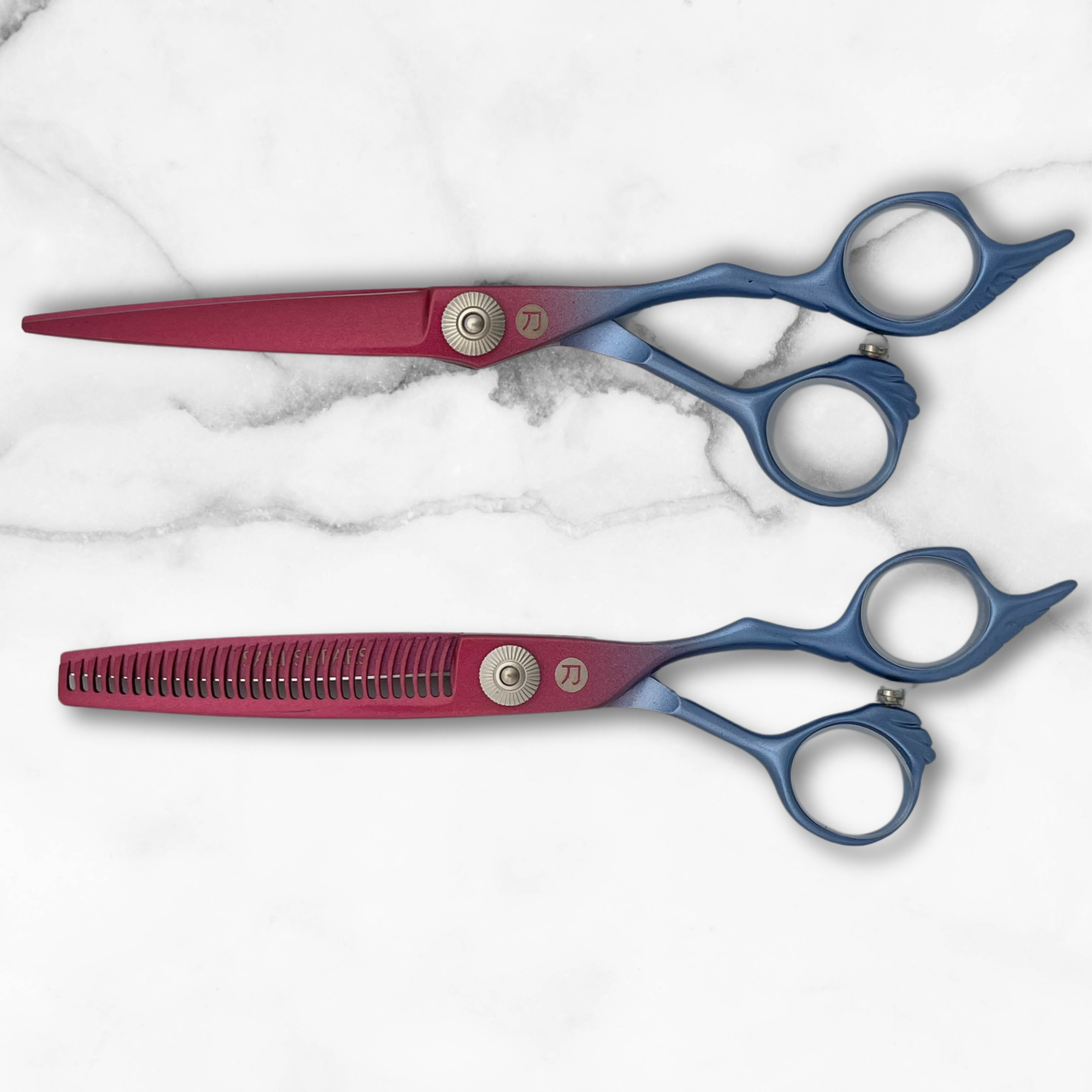
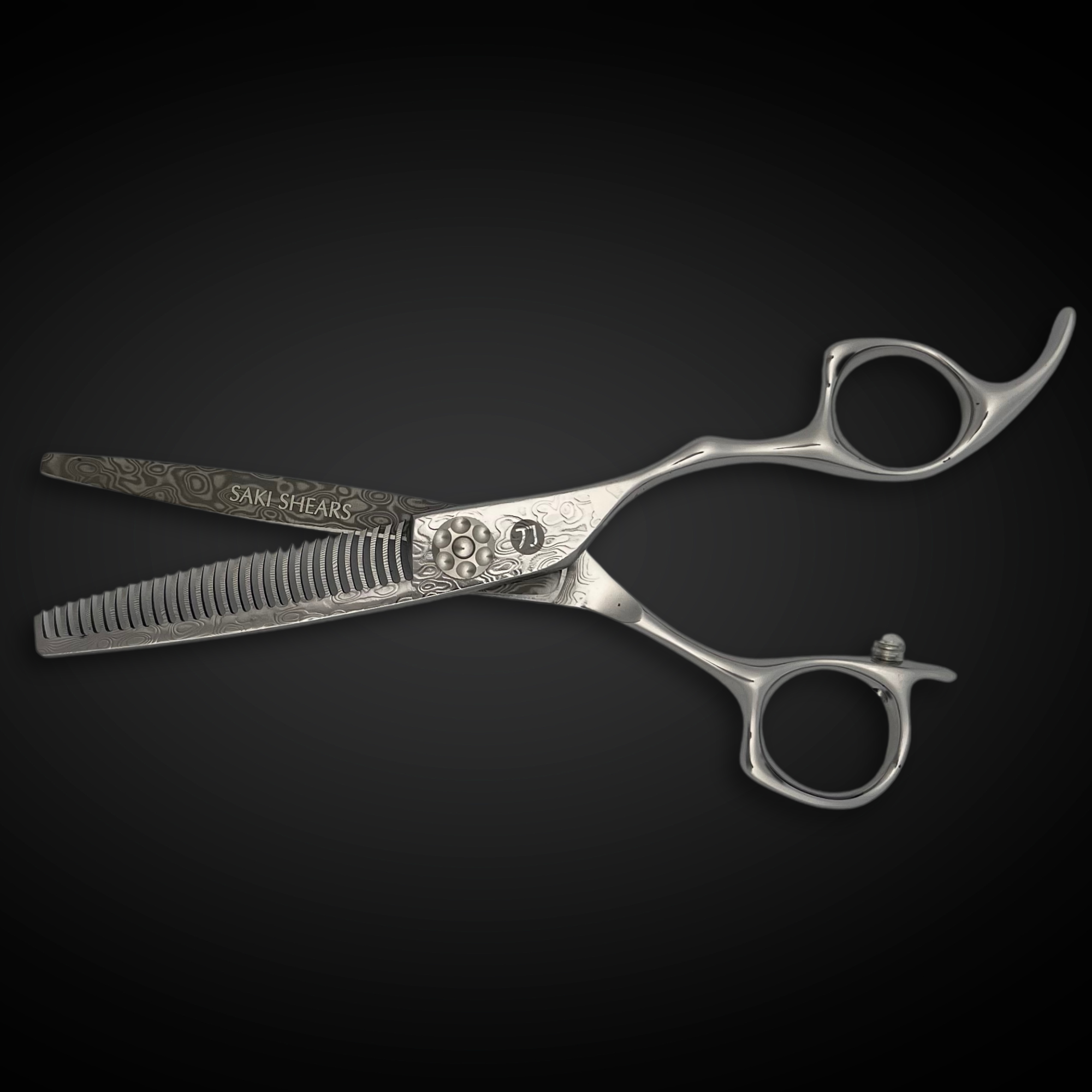
The textured crop pairs a short, tapered back and sides with a longer, choppy top that's typically point-cut or texturized with thinning shears to reduce bulk and create movement. Cut the top to length first with shears over comb, then remove weight with point-cutting or a texturizing shear so the ends fall naturally rather than sitting in a solid block. A quality pair of thinning shears makes a visible difference here, since the crop relies on controlled texture rather than a hard line.
Slick Back
This one is about length management as much as cutting technique. The sides and back are tapered or faded to a length that will lie flat under product, while the top is left long enough (often two to three inches or more) to comb straight back. Blend the sides into the length at the crown rather than leaving a visible shelf, and finish with shear-over-comb at the perimeter for a clean edge that still moves with a comb.
Buzz Cut
A true buzz cut is a single guard length over the entire head, sometimes with a slightly shorter setting at the nape and sideburns for a cleaner outline. Consistency is the whole job: work against the grain in overlapping passes, and check the crown and back of the head by feel as well as by eye, since those areas are easy to miss when the client can't see them in the mirror.
Undercut
The undercut uses a hard, disconnected line between a short clipper cut on the sides and back and noticeably longer hair on top – unlike a fade, there's no gradual blend at the part line. Clip the sides down to a #1 or #0.5, or take them to skin depending on the client's preference, then define the perimeter line with clippers or a trimmer before styling the top length separately.
Pompadour
The pompadour needs enough length on top (usually four inches or more at the front) to build height and roll the hair back, supported by a tapered or faded side. Cut the top with the head tilted forward and comb the hair up and out from the part to judge the finished shape accurately, then blend the sides so the taper supports the volume on top instead of competing with it.
French Crop
A modern take on the crew cut, the French crop keeps the sides short and tapered while leaving a slightly longer, textured fringe at the front that's cut to sit forward rather than back. Point-cut the fringe to soften the edge, and keep the back and sides tight enough that the fringe reads as the focal point of the cut.
Quiff
The quiff shares its foundation with the pompadour but relies on a shorter top length pushed up and back rather than rolled. Cut the top with graduated length from front to back, longer at the front to build the lift, and taper the sides to keep the emphasis on the styled top section.
Side Part
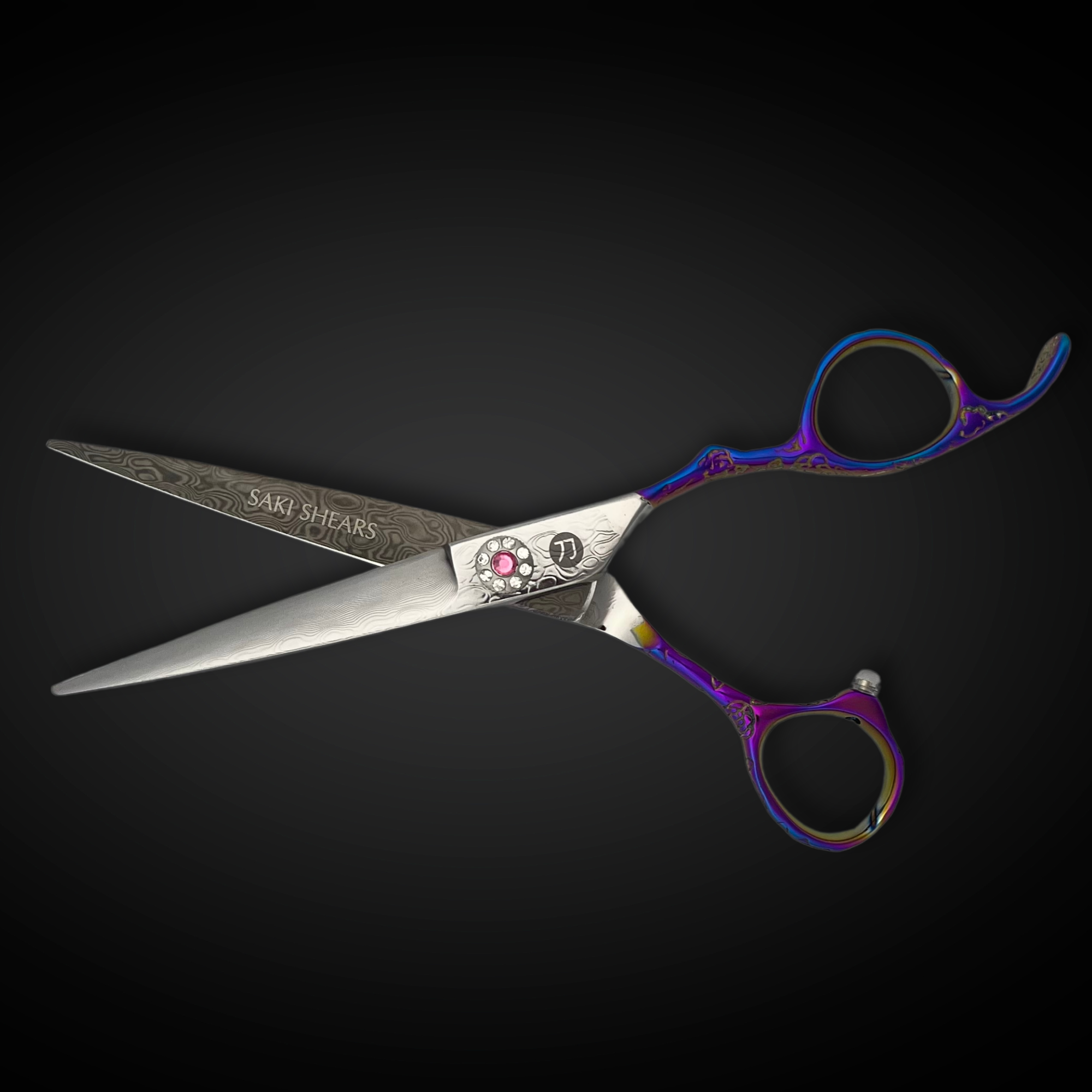
A precise side part depends on a clean, straight parting line and even length either side of it. Establish the part first with a comb before cutting so the length either side reads correctly, then blend the sides into a low or mid taper. This is a cut where a sharp, well-maintained set of cutting shears matters – the finish work along the part and crown benefits from clean, precise sectioning rather than clipper work alone.
Keeping Your Toolkit Sharp
Every one of these cuts depends on tools that hold an edge and blend cleanly – dull shears or worn guards are the fastest way to turn a straightforward fade into a visible line of demarcation. Regular maintenance and the right combination of shears, thinning scissors, and clippers for your working style will show up directly in the consistency of your blends.

Written by Charles Harris