Offset and Crane Shear Handles: What They Actually Do for Hand Fatigue
Cutting hair for six or eight hours a day puts your hand and wrist through thousands of repetitive open-close movements. Over a career, that adds up — and handle geometry is one of the few variables you actually control. Offset and crane-handle shears are designed around hand mechanics rather than tradition, and understanding what they actually change (and what they don't) helps you choose a shear that reduces unnecessary strain instead of just following a trend.
What "Offset" Actually Means
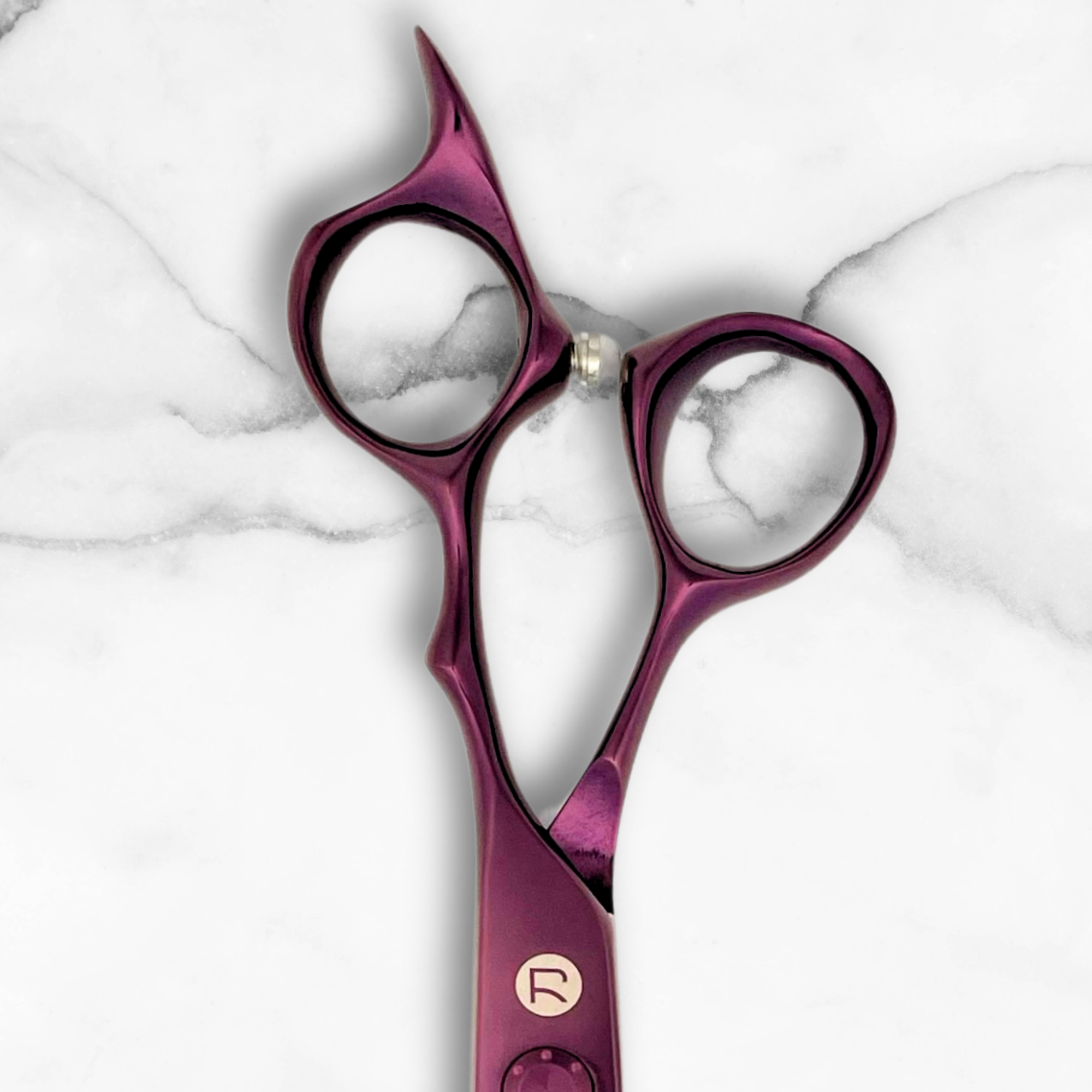
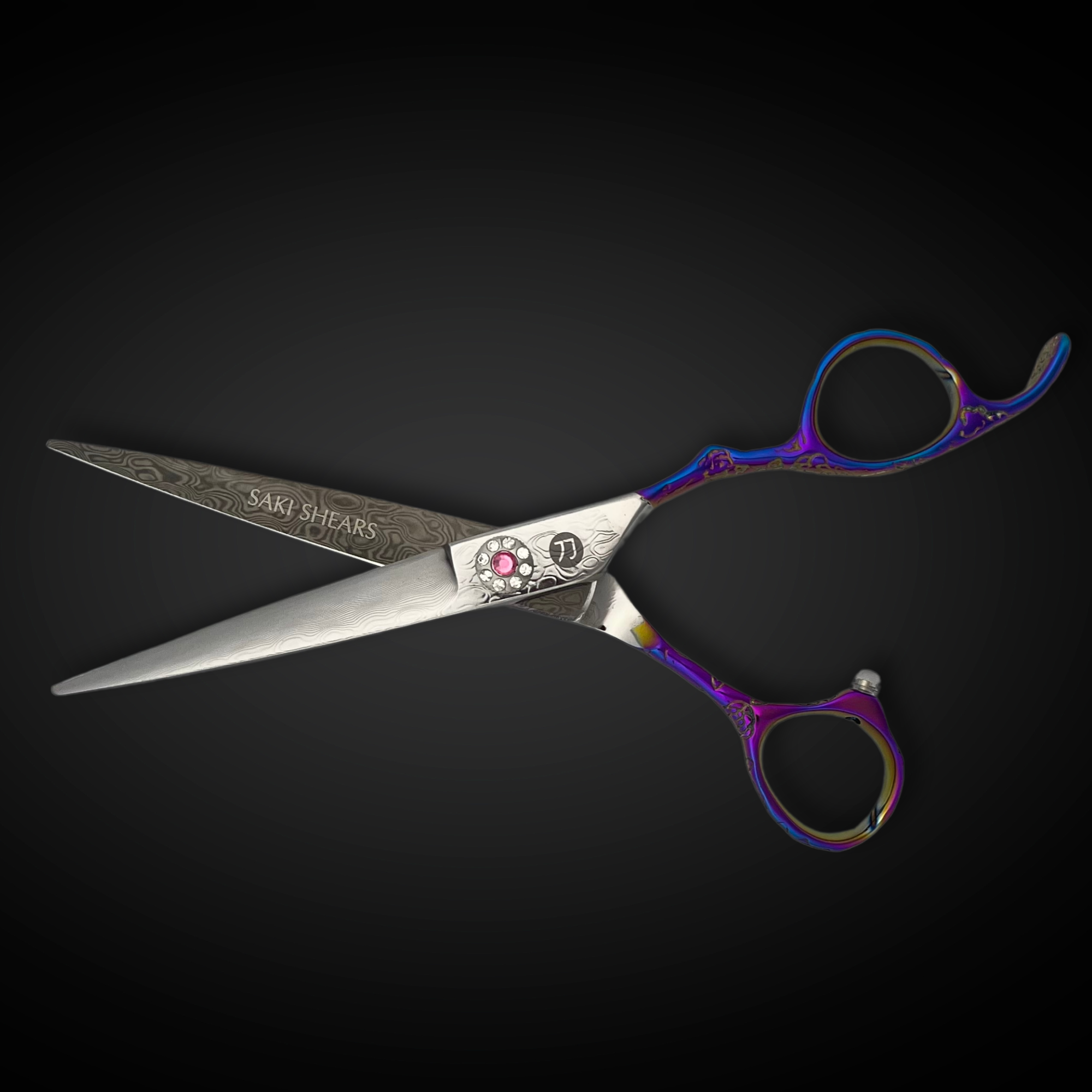
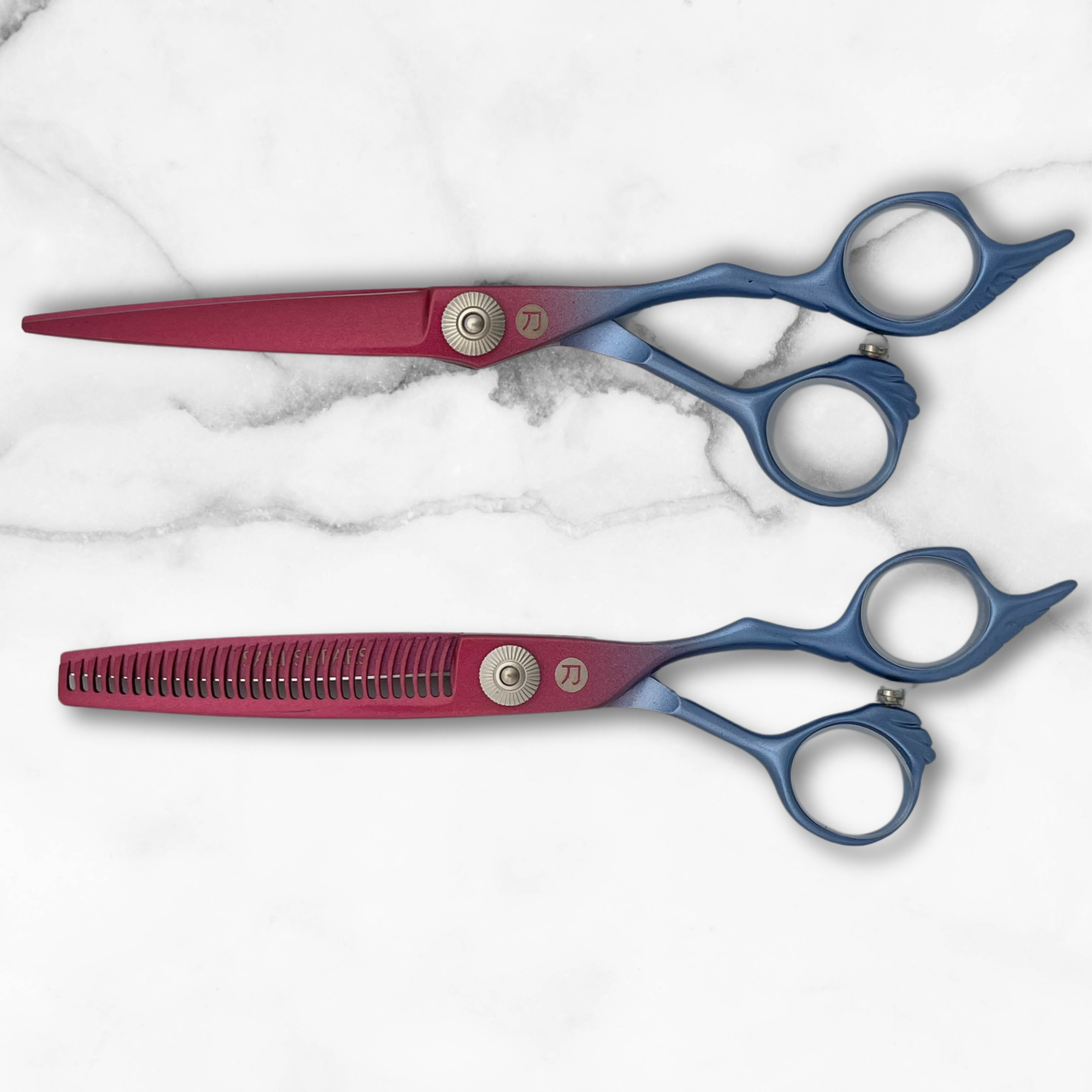
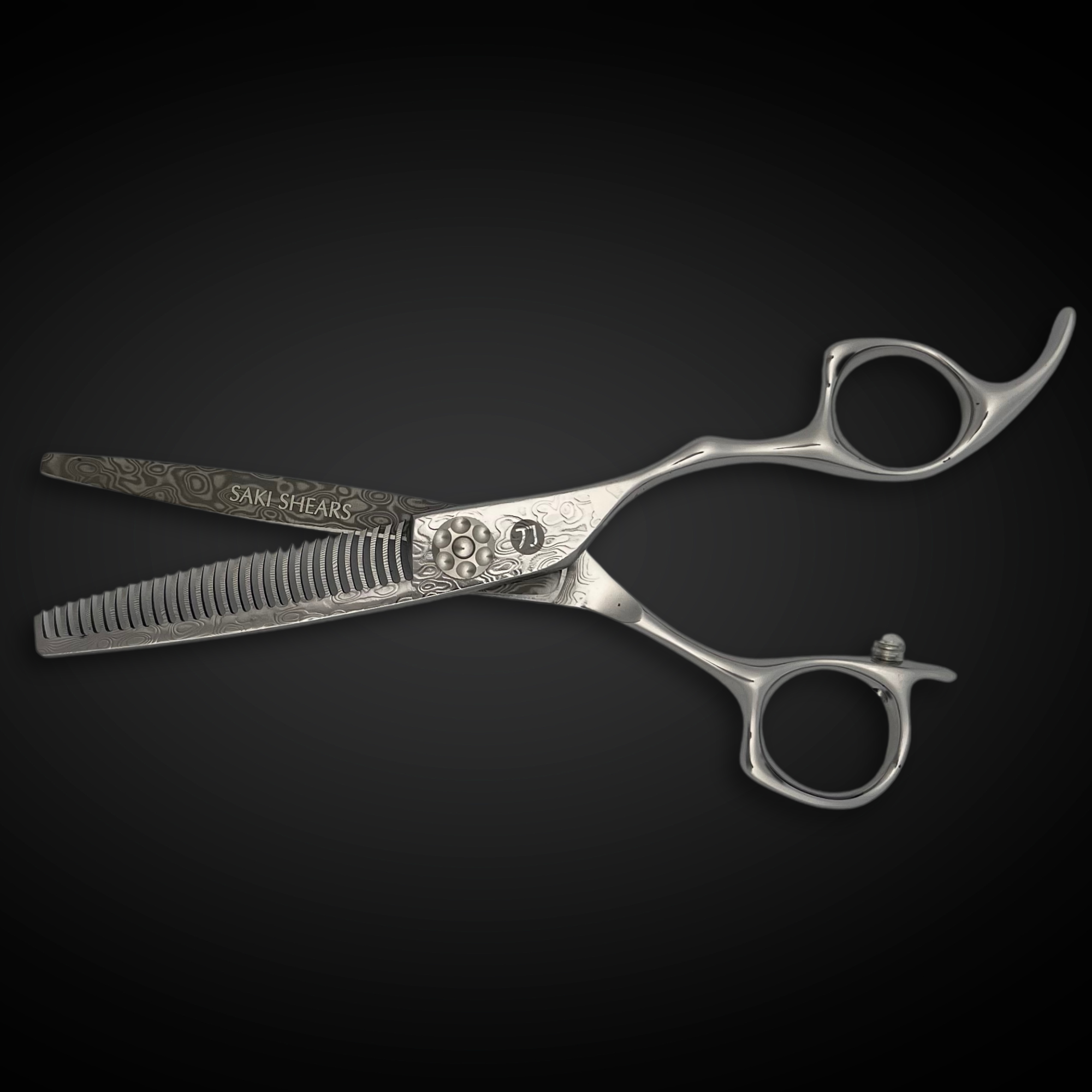
A classic straight-handle shear has both finger and thumb holes set at roughly the same length, forcing the thumb into a raised, extended position for the entire time you're cutting. An offset shear shortens the thumb-side handle relative to the finger-side handle. That shorter thumb handle lets your thumb sit lower and closer to a neutral position instead of staying extended upward throughout the cut. The result is a hand position that more closely matches how your hand naturally rests, rather than one that holds the thumb in an elevated position for hours at a stretch.
Crane Handles: A Step Further
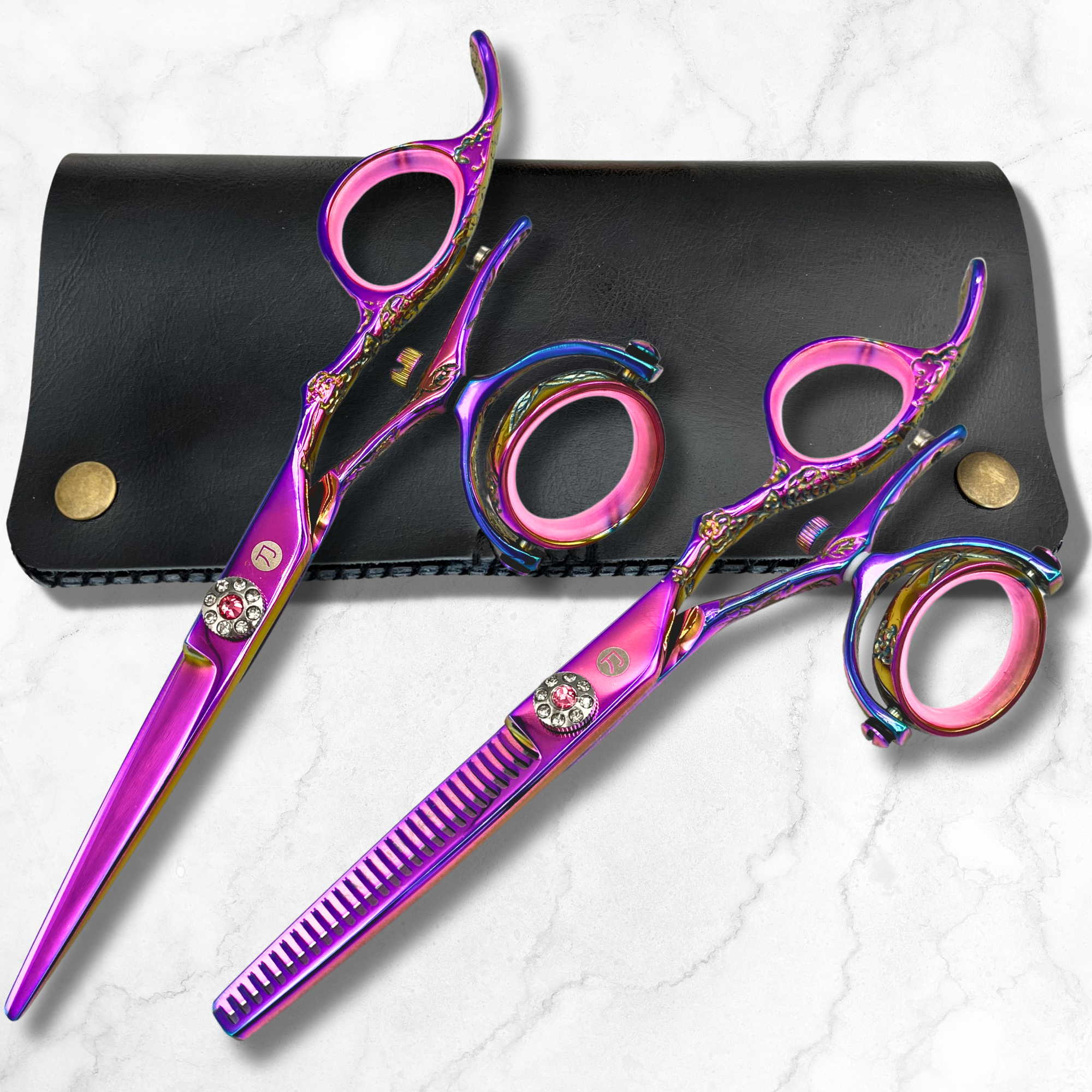
Crane-handle shears take the offset concept further by dropping the thumb handle even lower and angling it back, so the thumb can stay in a relaxed, near-neutral position through most of the cutting motion. This also tends to lower the elbow slightly, since your hand isn't compensating by lifting to keep the blades aligned. For stylists doing high cutting volume — repeated point cutting, slide cutting, or long shifts with minimal breaks — this handle geometry is generally the most comfortable option available, though comfort is individual and depends on hand size, grip style, and technique.
What This Changes During a Cut
The practical effect of offset and crane handles comes down to a few things: less sustained thumb extension, a wrist that can stay closer to a neutral (straight) position rather than angling upward or outward to compensate, and reduced grip tension needed to keep the shear stable. Less compensatory movement over the course of a shift means less cumulative fatigue in the muscles and tendons of the hand and forearm. That's a meaningful, verifiable benefit — but it's a fatigue and comfort difference, not a guarantee against any specific injury.
Being Honest About What Handle Design Can and Can't Do
It's worth being direct here: no shear handle, offset or otherwise, has been clinically proven to prevent conditions like carpal tunnel syndrome or tendinitis. Those conditions have multiple contributing factors — repetitive strain, grip force, rest patterns, existing joint health, and technique among them. What ergonomic handle design can reasonably claim is a reduction in awkward hand positioning and unnecessary muscle tension during use, which is one factor among several in overall hand strain. If you're already experiencing wrist or hand pain, a shear upgrade is worth trying, but it's not a substitute for proper technique, adequate rest between clients, or medical advice from a professional if pain persists.
Choosing Between Standard, Offset, and Crane
Standard handles still work fine for stylists with lower cutting volume or who simply prefer the familiar grip. Offset handles are a reasonable middle ground for most working stylists doing regular daily cutting. Crane handles tend to suit high-volume cutting, longer shifts, or anyone already managing some hand fatigue, though the more dramatic angle takes some adjustment time if you're used to a straight handle. The best way to know which fits your hand is to test the grip open-and-close motion in person rather than choosing on spec alone — hand size and cutting style both affect what actually feels neutral. And if you want to go one step past a fixed offset grip, our deep dive on the Sakura swivel shear and carpal tunnel covers what a rotating thumb ring changes.
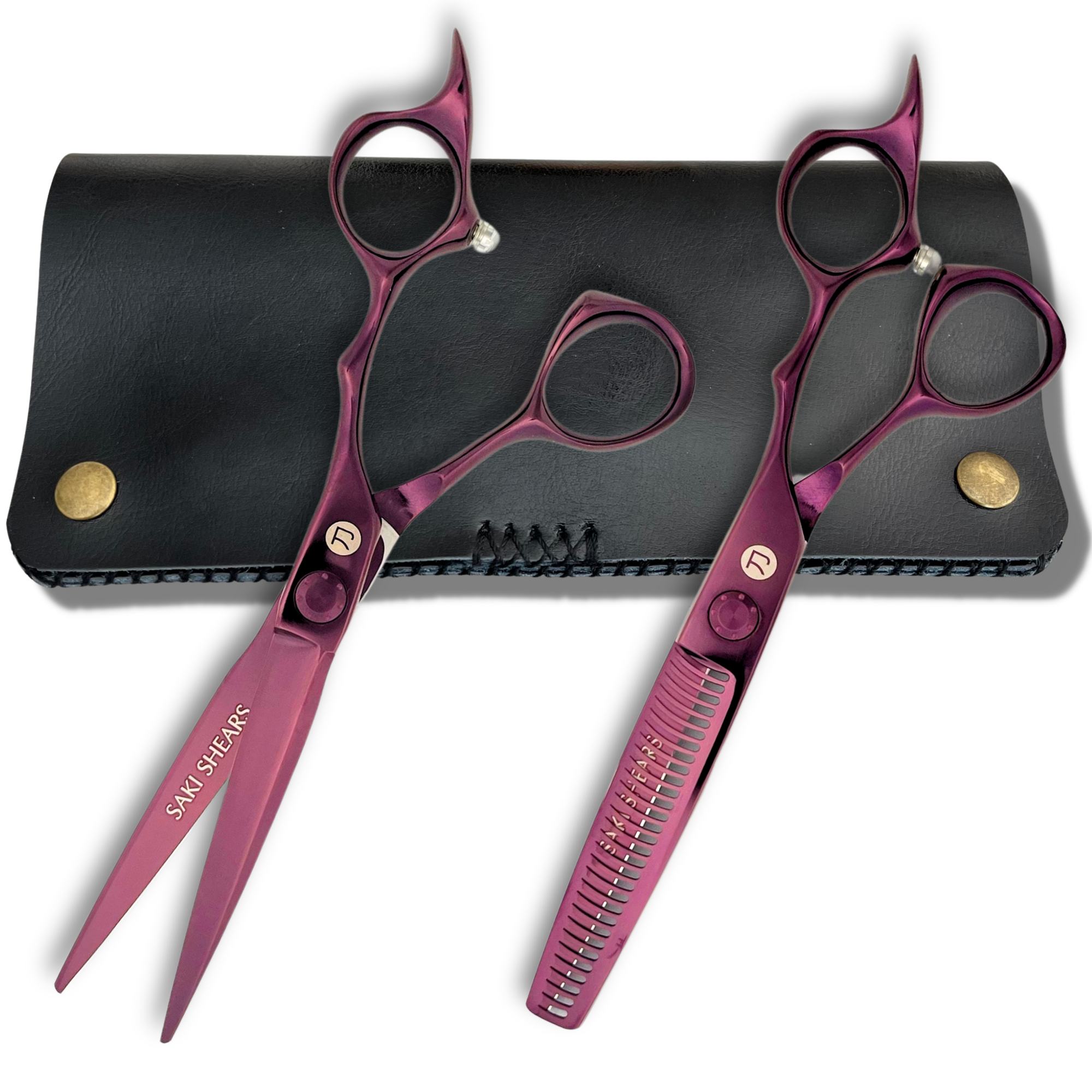
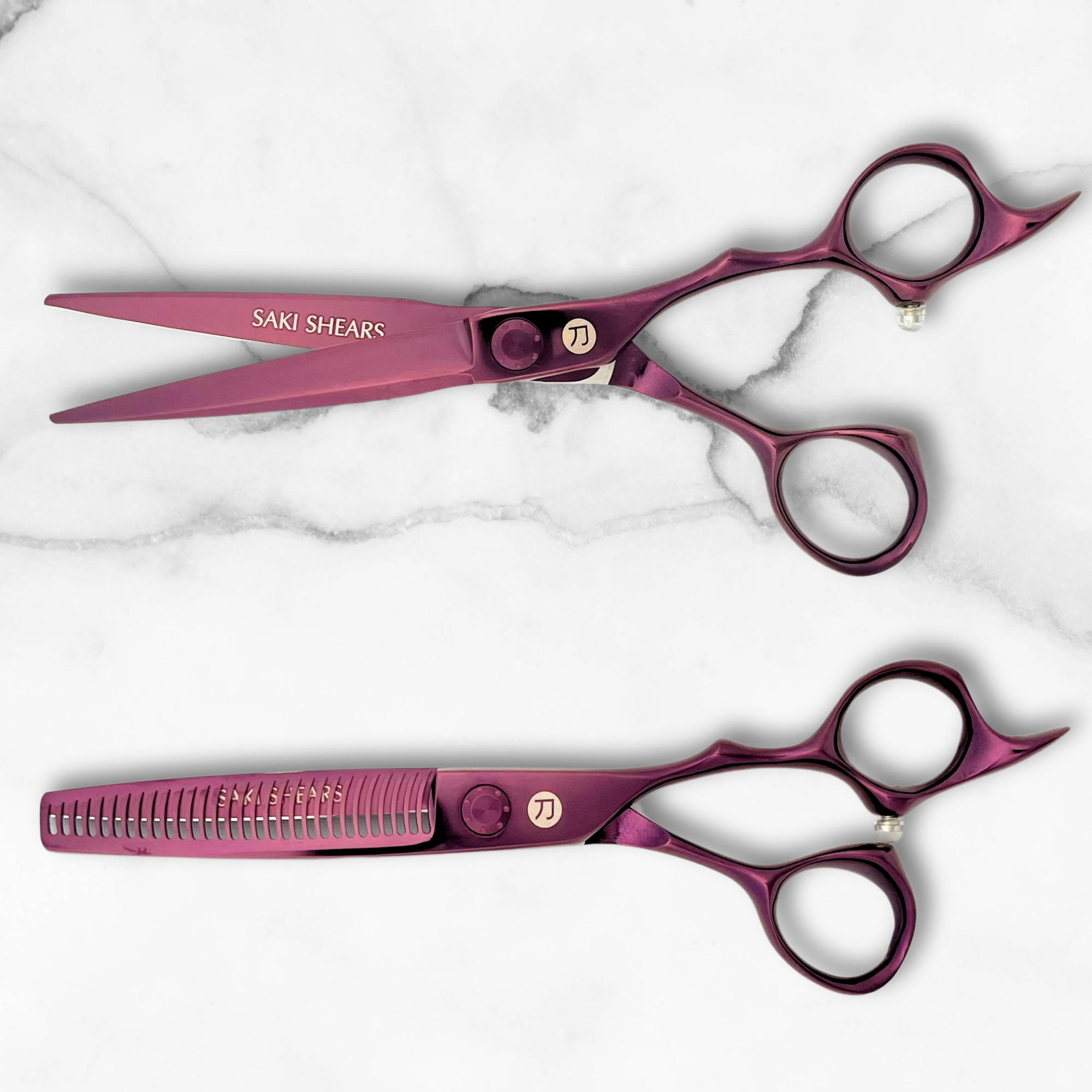
Explore Saki Shears' offset and crane-handle cutting shears or full shear collection to compare handle geometries side by side.

Written by Charles Harris