Hair Shear Blade Edges Explained: Convex, Bevel, and Serrated
The edge grind on a pair of hair shears determines how the blade feels through a section of hair, how much it needs to be maintained, and how forgiving it is of technique. Most working stylists and barbers can identify a good pair of shears by feel, but understanding what's actually happening at the blade edge makes it easier to choose the right shear for a given cutting style, and to keep that shear performing the way it did on day one.
Convex Edge
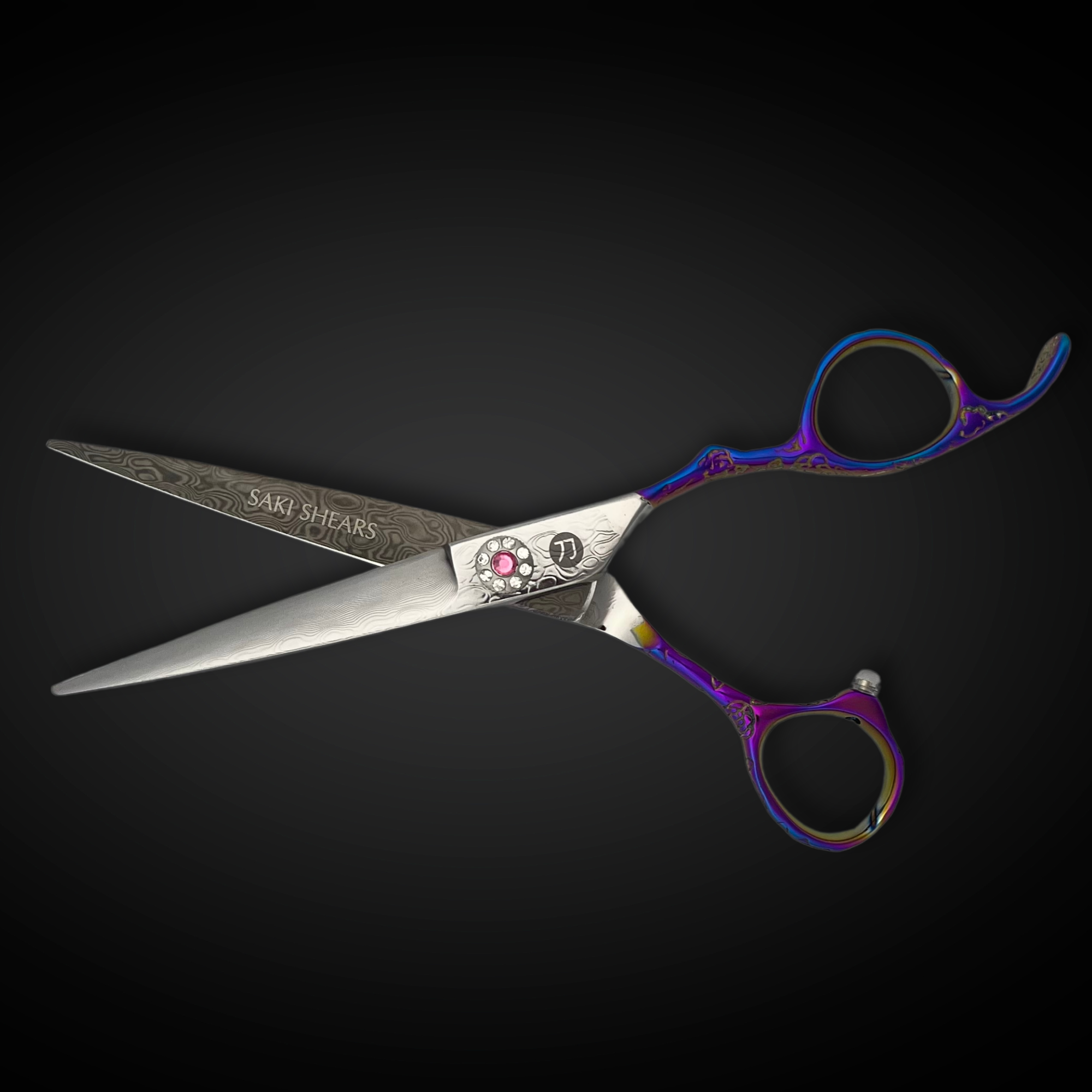
A convex edge is ground so the blade curves outward from the spine to a single fine point at the cutting edge, with no secondary bevel or flat plane along the way. Viewed in cross-section, the blade looks like a smooth, gently rounded wedge that narrows to a hairline edge. This grind produces the sharpest possible cutting surface and the least resistance moving through hair, which is why convex-edge shears are the standard choice for precision dry cutting, slide cutting, and point cutting where a stylist needs the blade to glide without snagging or pushing the hair.
The tradeoff is maintenance. A true convex edge has to be honed on flat stones or convex-specific sharpening equipment, and it's easy to round over or flatten the edge with the wrong technique. Convex-edge shears also tend to be more sensitive to being dropped or used to cut anything other than hair, since the fine edge has less material behind it to absorb an impact. For a stylist who cuts daily and depends on the shear for finishing work, that maintenance cost is usually worth the cutting performance.
Bevel Edge
A beveled edge, sometimes called a flat or German bevel, is ground with a distinct flat plane leading into the cutting edge rather than a continuous curve. That flat bevel sits behind the edge and adds material, which makes the blade meaningfully more durable and easier to sharpen consistently, even for someone without specialized convex-honing equipment. The tradeoff is a slightly less refined cutting sensation: a beveled edge has marginally more resistance moving through hair compared to a well-maintained convex edge, and it won't produce quite the same glass-smooth glide on fine slide cutting.
Beveled shears are a practical choice for barbers and stylists who want a durable, lower-maintenance tool for everyday cutting, blunt cuts, and general shear work, or as a backup pair that can take more abuse than a convex-edge shear reserved for detail work.
Serrated Edge
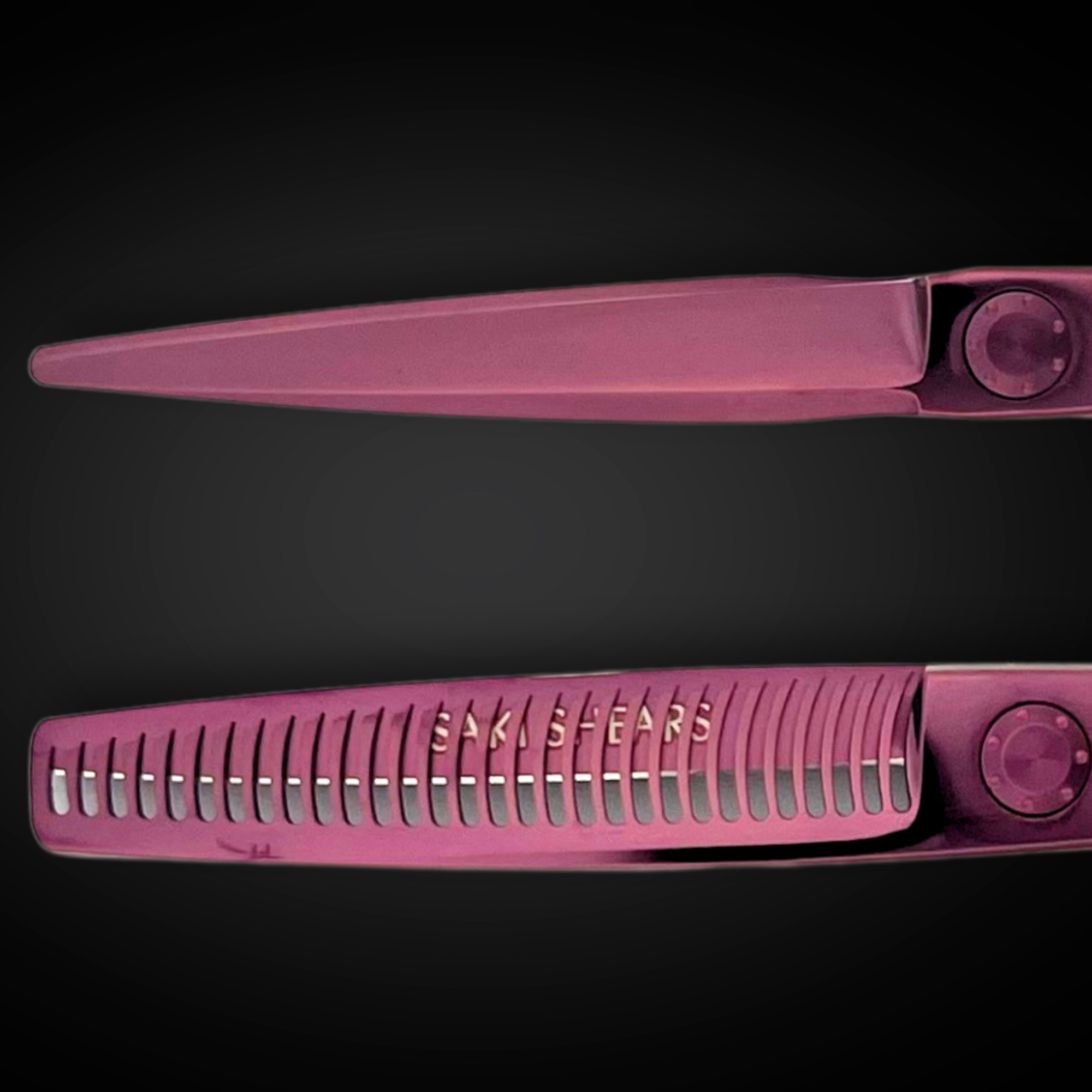
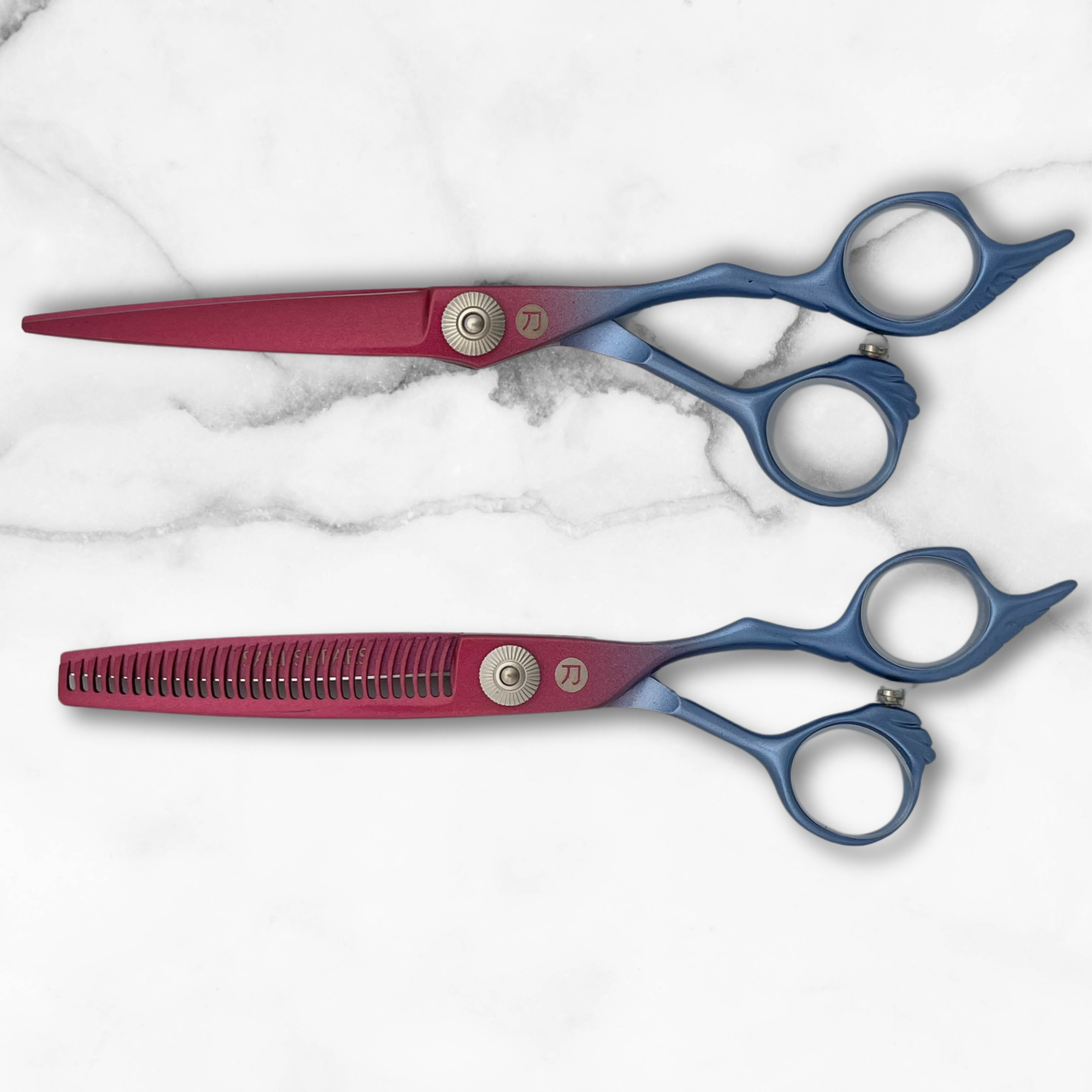
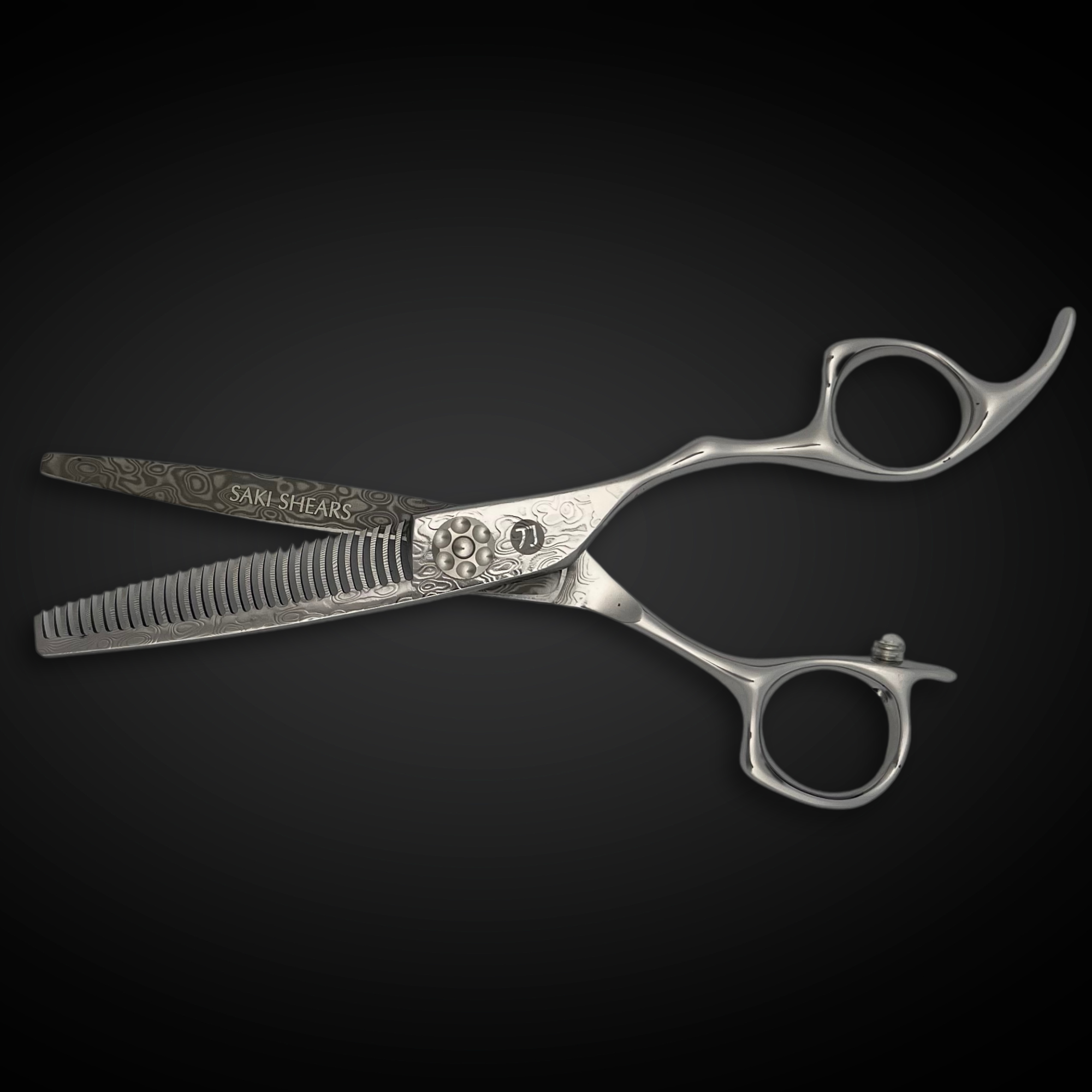
A serrated edge has small teeth ground into one or both blades along the cutting edge. Those teeth grip individual strands of hair as the blade closes, which prevents hair from sliding or being pushed out of the shear during the cut. That grip makes serrated shears useful for stylists who are newer to cutting, for thick or slippery hair textures that tend to slip out of a smooth blade, and for texturizing work where controlled, incremental removal matters more than a perfectly clean line.
The compromise is finish quality on precision work. A serrated edge leaves a slightly less clean line than a convex edge because the teeth interrupt an otherwise continuous cutting motion, so most stylists don't reach for a fully serrated shear for finishing or point-cutting work where a crisp edge matters. Many texturizing and thinning shears combine one serrated blade with one smooth blade specifically to balance grip and finish.
- Convex edge: sharpest, smoothest cutting feel, ideal for precision and slide cutting, highest maintenance requirement.
- Bevel edge: durable and easier to maintain, slightly more resistance through hair, good for everyday and blunt cutting.
- Serrated edge: grips hair to prevent slipping, useful for texturizing and less experienced hands, less clean finish line.
Matching the Edge to the Work
None of these grinds is universally "better." The right edge depends on what the shear is actually being used for day to day. A stylist doing heavy finishing and slide-cutting work wants a convex edge and is willing to maintain it properly. A barber or stylist who needs one dependable, low-fuss shear for daily blunt cutting is often better served by a bevel edge. Anyone doing regular texturizing, or working with hair types that tend to slip, benefits from a serrated or combination blade.
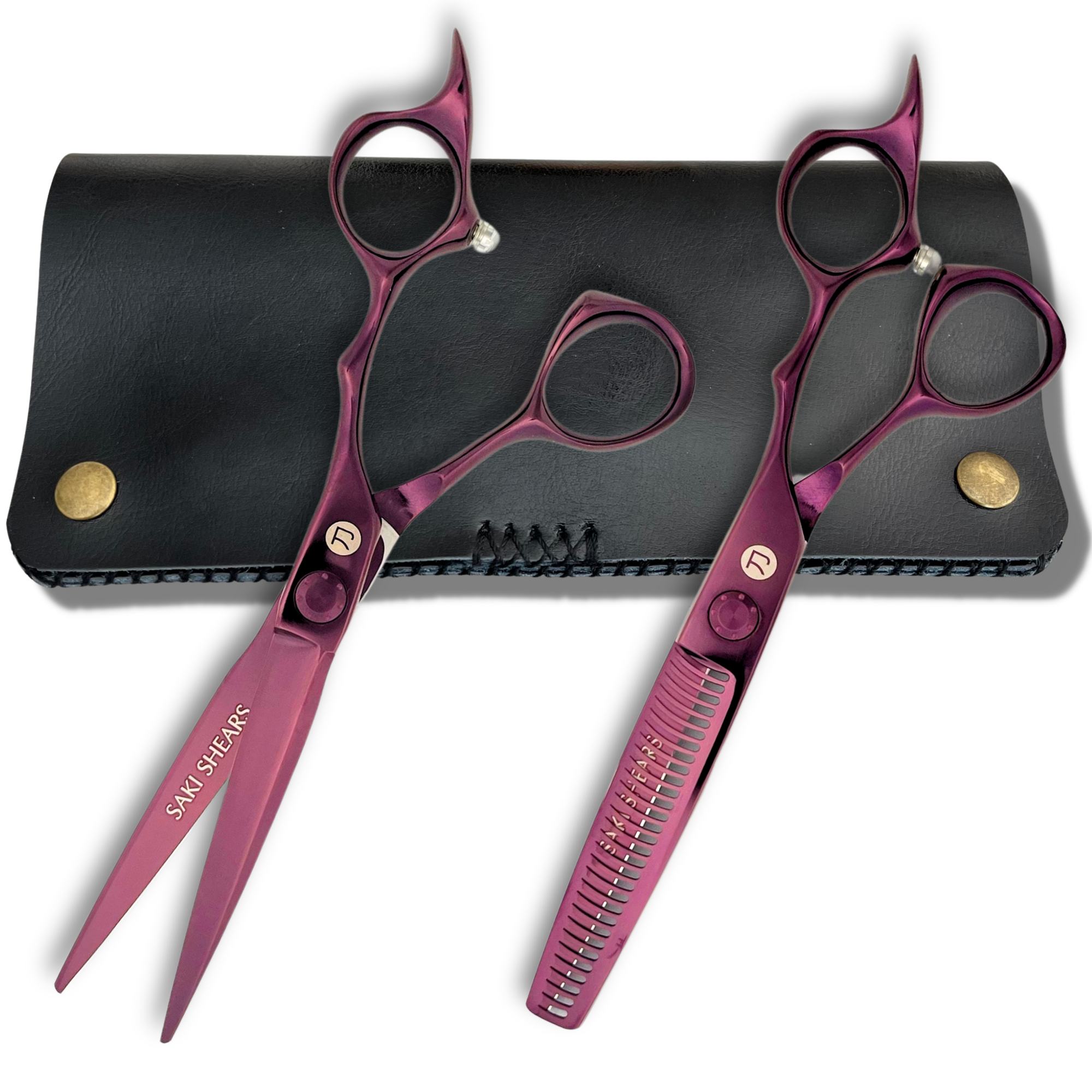
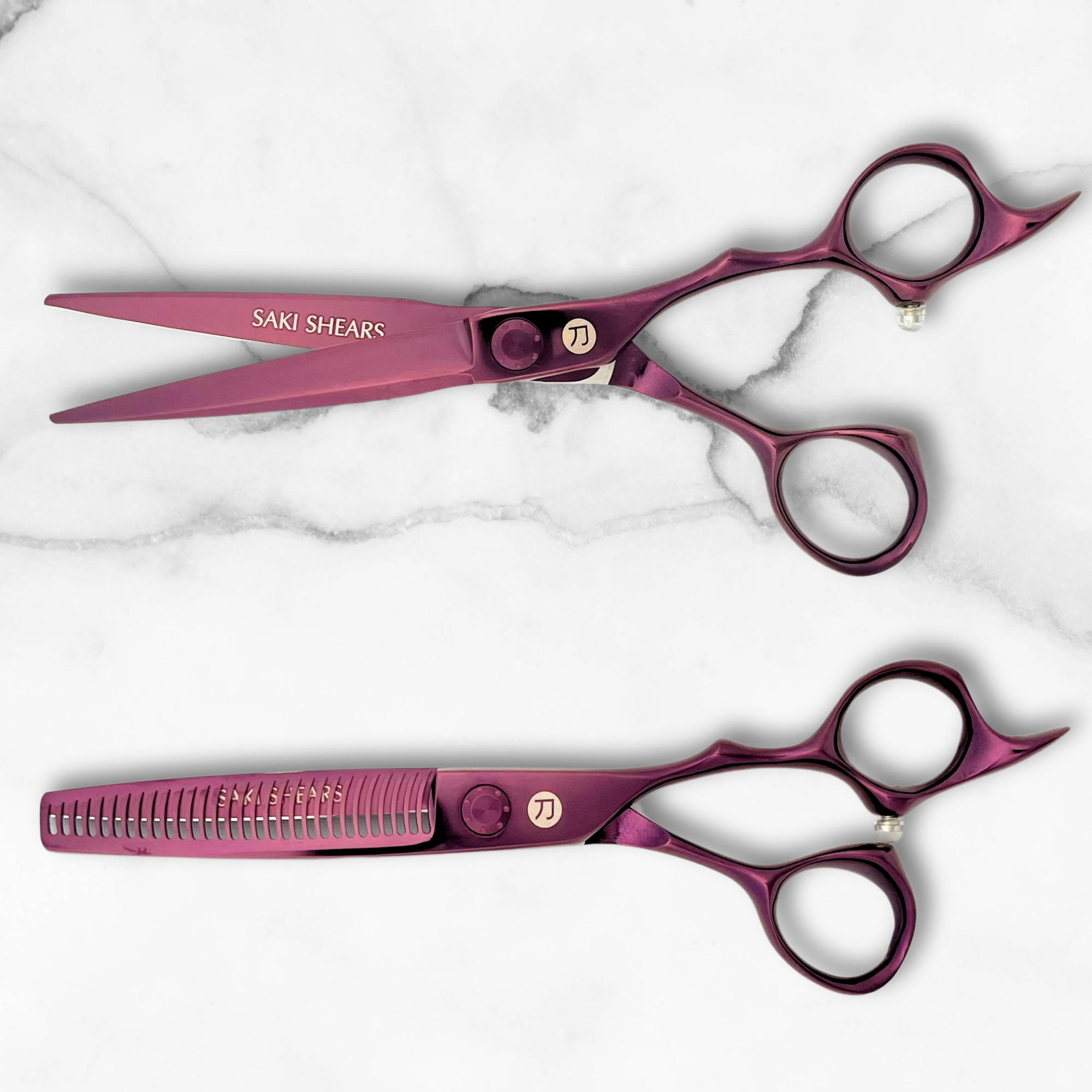
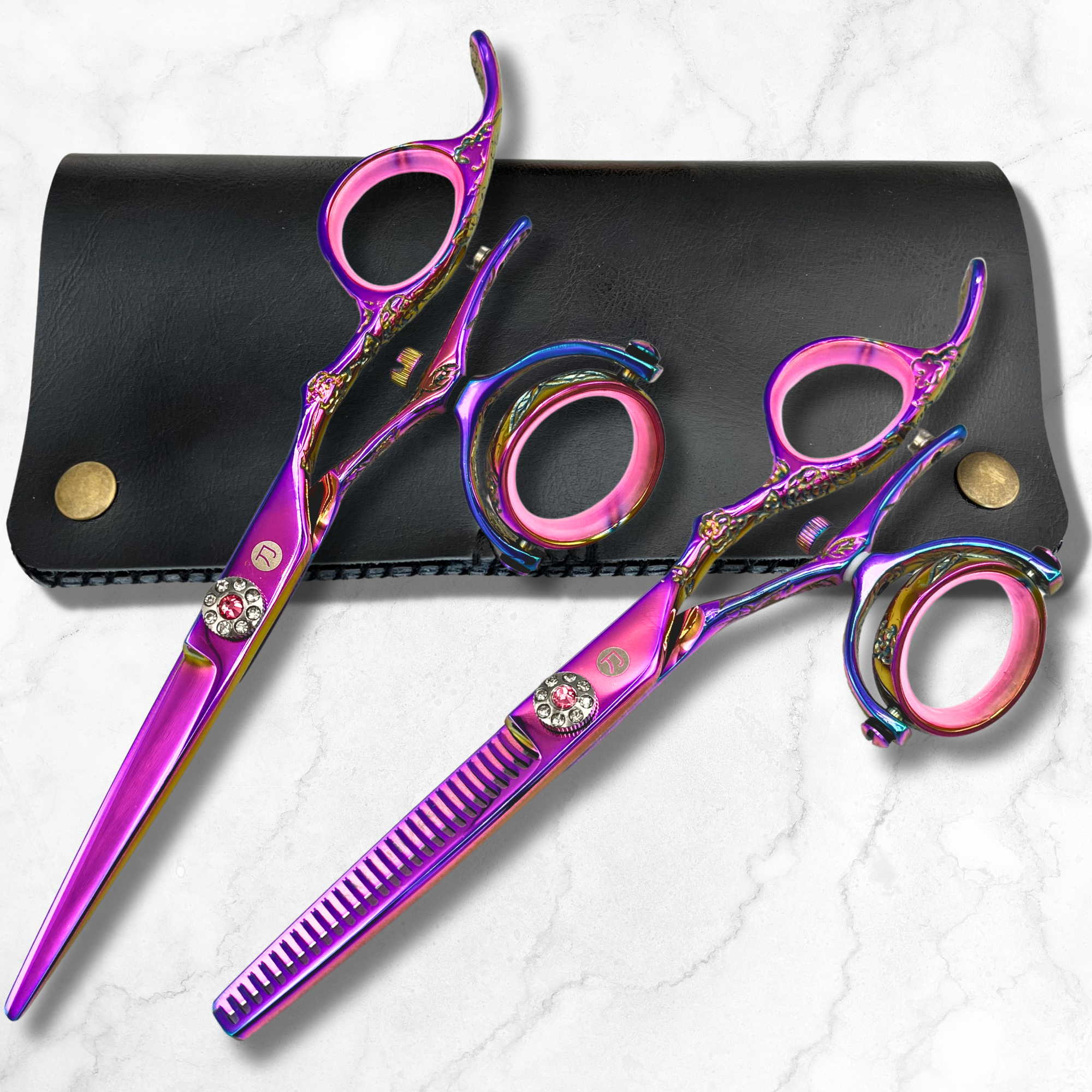
Most working professionals end up carrying more than one edge type rather than trying to force a single shear to do every job. Browsing a full hair cutting shears selection alongside a dedicated thinning shears and scissors lineup makes it easier to build out a kit that covers precision finishing, everyday cutting, and texture work without compromising on any one of them.
Whichever edge you choose, blade geometry only performs as well as it's maintained. Keeping shears properly honed, avoiding cutting anything other than hair, and having them professionally sharpened before the edge visibly dulls will preserve the cutting feel the grind was designed to deliver.

Written by Charles Harris