Barber or Stylist? How Training and Scope of Practice Actually Differ
The words "barber" and "stylist" get used interchangeably by customers, but the two credentials represent different training paths, different state licensing requirements, and, historically, different scopes of practice. For anyone building a career behind the chair, or running a shop that employs both, understanding where these paths diverge (and where they now overlap) matters more than the marketing language on the sign out front.
Two Licenses, Two Curricula
In most states, barbering and cosmetology are licensed separately, each with its own board, hour requirements, and exam. Barber programs typically run shorter, often in the 1,000 to 1,500 hour range depending on the state, and concentrate heavily on men's grooming: clipper cutting, straight razor shaves, beard and mustache design, and short-to-medium scalp work. Cosmetology programs run longer, commonly 1,500 to 2,100 hours, and cover a much wider curriculum: cutting across all hair lengths and textures, chemical services such as color, lightening, perms, and relaxers, plus styling, extensions, and in many states, skin and nail services.
That difference in curriculum is the real dividing line. A barber's training is built around the mechanics of clipper-over-comb work, blade angles for straight razor shaves, and fading technique. A cosmetologist's training is built around chemistry as much as cutting: formulating color, understanding how a relaxer or perm solution interacts with hair structure, and managing the timing and safety of processes that alter hair at the molecular level.
What Each License Actually Authorizes
Scope of practice, meaning what a license legally allows a professional to perform on a paying client, follows directly from that training. A licensed barber is generally authorized to cut and trim hair, shave with a straight razor, and perform basic hair and scalp treatments. Depending on the state, a barber license may or may not extend to chemical texture services.
A cosmetology license typically authorizes the full range of chemical services in addition to cutting: color and highlighting, perms, relaxers, and extensions. Many states also grant cosmetologists latitude to perform razor work, though this varies. Because these rules are set at the state level, the exact boundary between what a barber and a cosmetologist can legally do shifts depending on where the shop is located, and any professional working across state lines should check the local board's regulations rather than assume their home-state scope travels with them.
- Barber training: clipper cutting, fading, straight razor shaves, beard design, short-to-medium men's styles.
- Cosmetology training: cutting across all lengths and textures, color and lightening, perms and relaxers, extensions, broader chemical service theory.
- Licensing: separate state boards and exams, with hour requirements and permitted services that vary by state.
Why the Line Has Blurred in Modern Shops
Walk into most contemporary shops and the strict split above doesn't fully hold up in practice. Barbershops increasingly offer services once considered cosmetology territory, gray blending, light color work, and texture services, while salons have brought in barbers or trained stylists in fades and razor finishing to meet client demand for sharp, precise menswear cuts. Cross-training has become a competitive advantage: a stylist who can execute a clean skin fade, or a barber who understands basic color theory, is more valuable to a multi-service shop than one who stays narrowly within their original license.
This blending is also a response to how clients actually book. Fewer people separate their haircare into "barbershop visit" and "salon visit." They want one professional who can handle a fade, a beard trim, and eventually a color consultation without being redirected elsewhere. Shop owners have responded by hiring across both licenses and encouraging continuing education that crosses the traditional line, sending barbers to razor and texture workshops and sending cosmetologists to clipper and fading intensives.
None of this erases the underlying licensing distinction. A cosmetologist performing chemical services still needs cosmetology-level training in chemistry and safety; a barber doing detailed razor work still relies on skills a general cosmetology program may only touch briefly. But the modern shop floor increasingly rewards versatility over rigid lane-staying, and the best professionals in either track tend to be the ones who understand both.
What This Means for Your Tool Kit
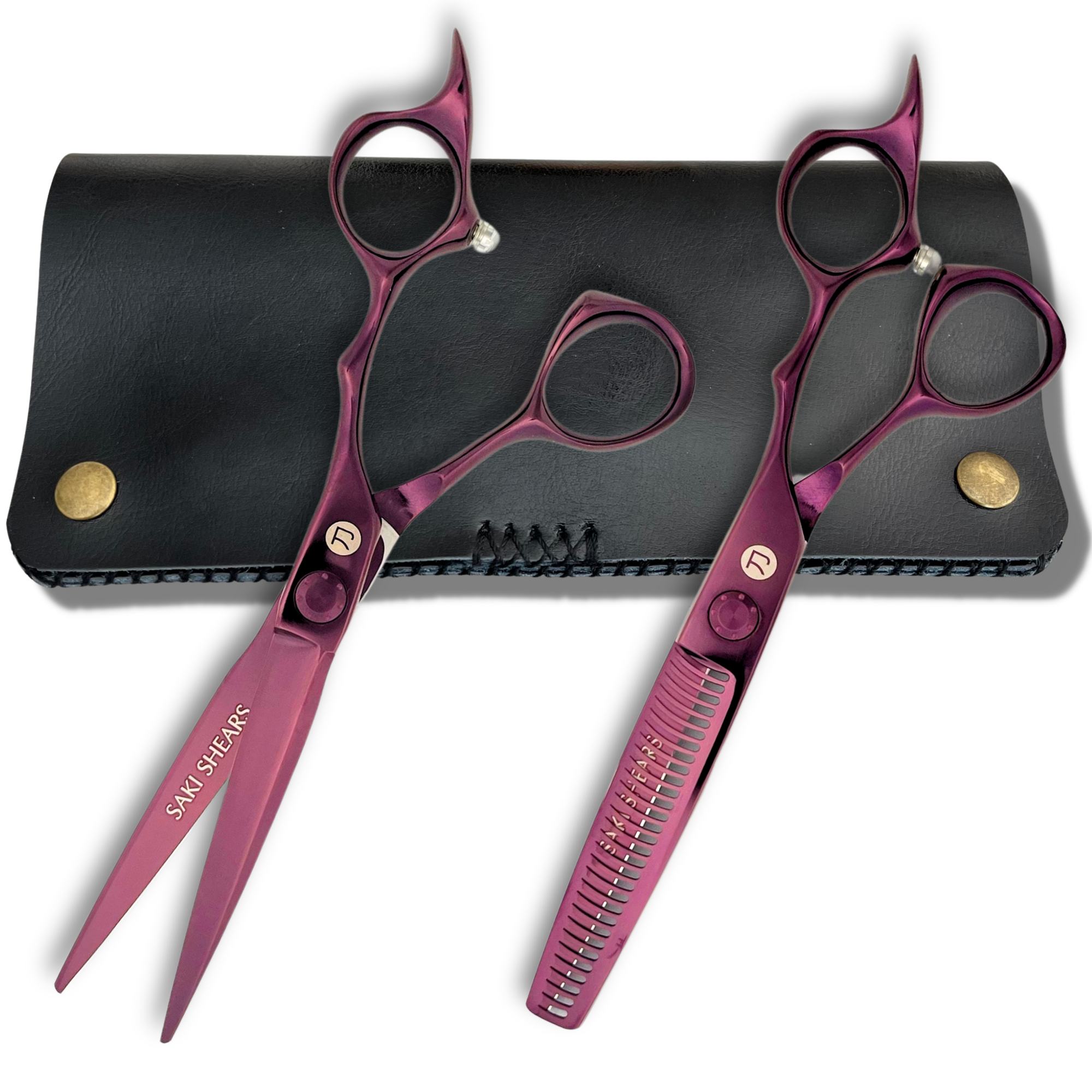
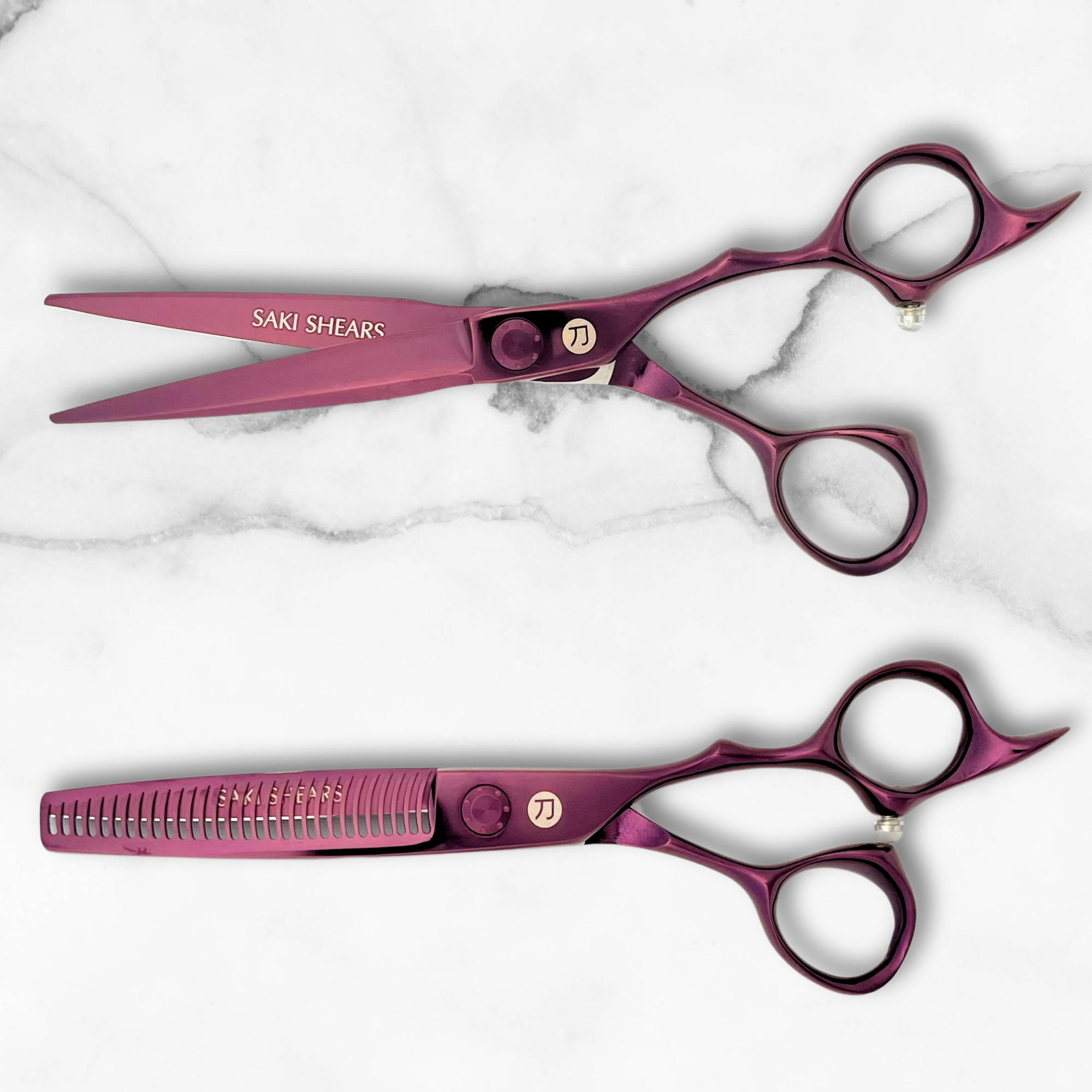
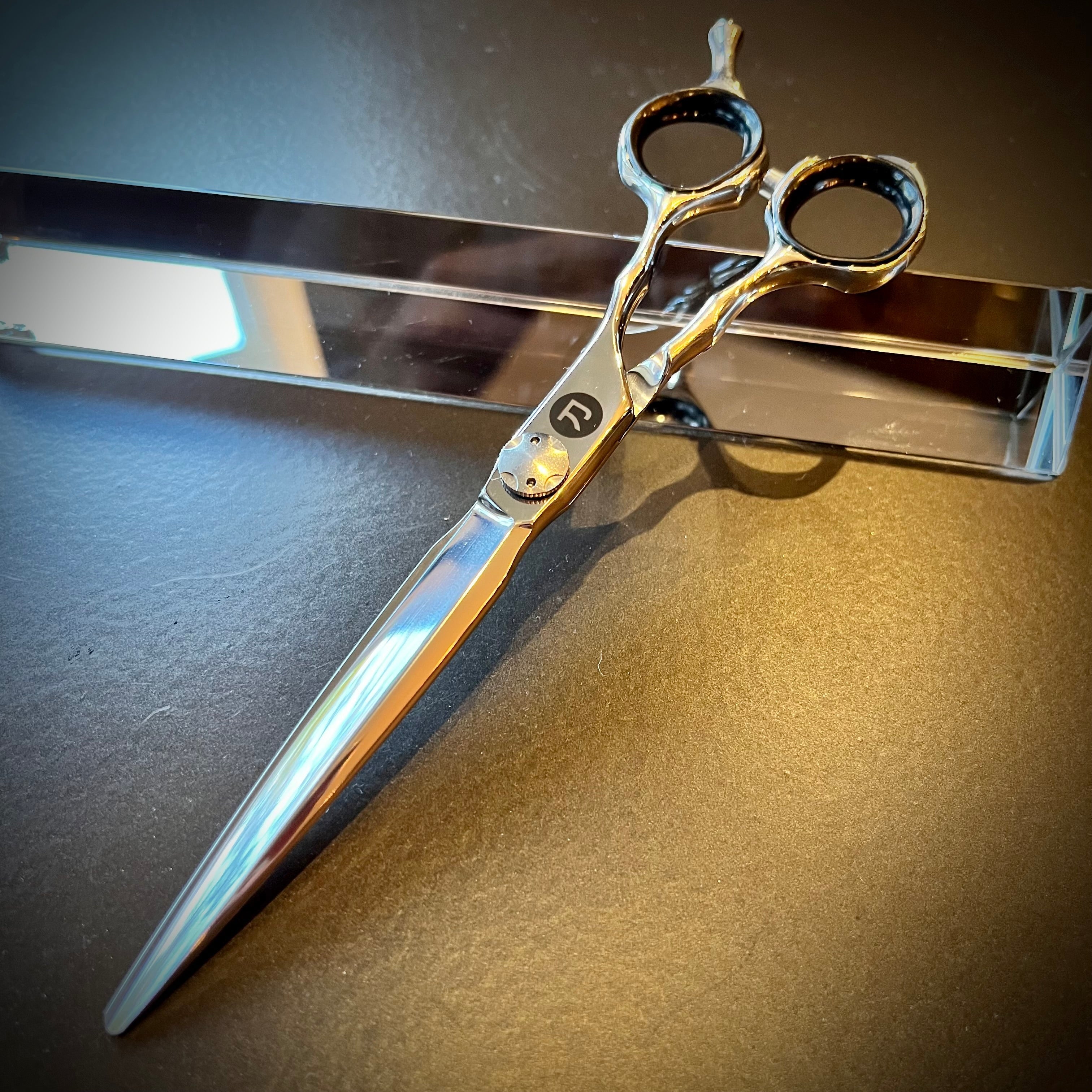
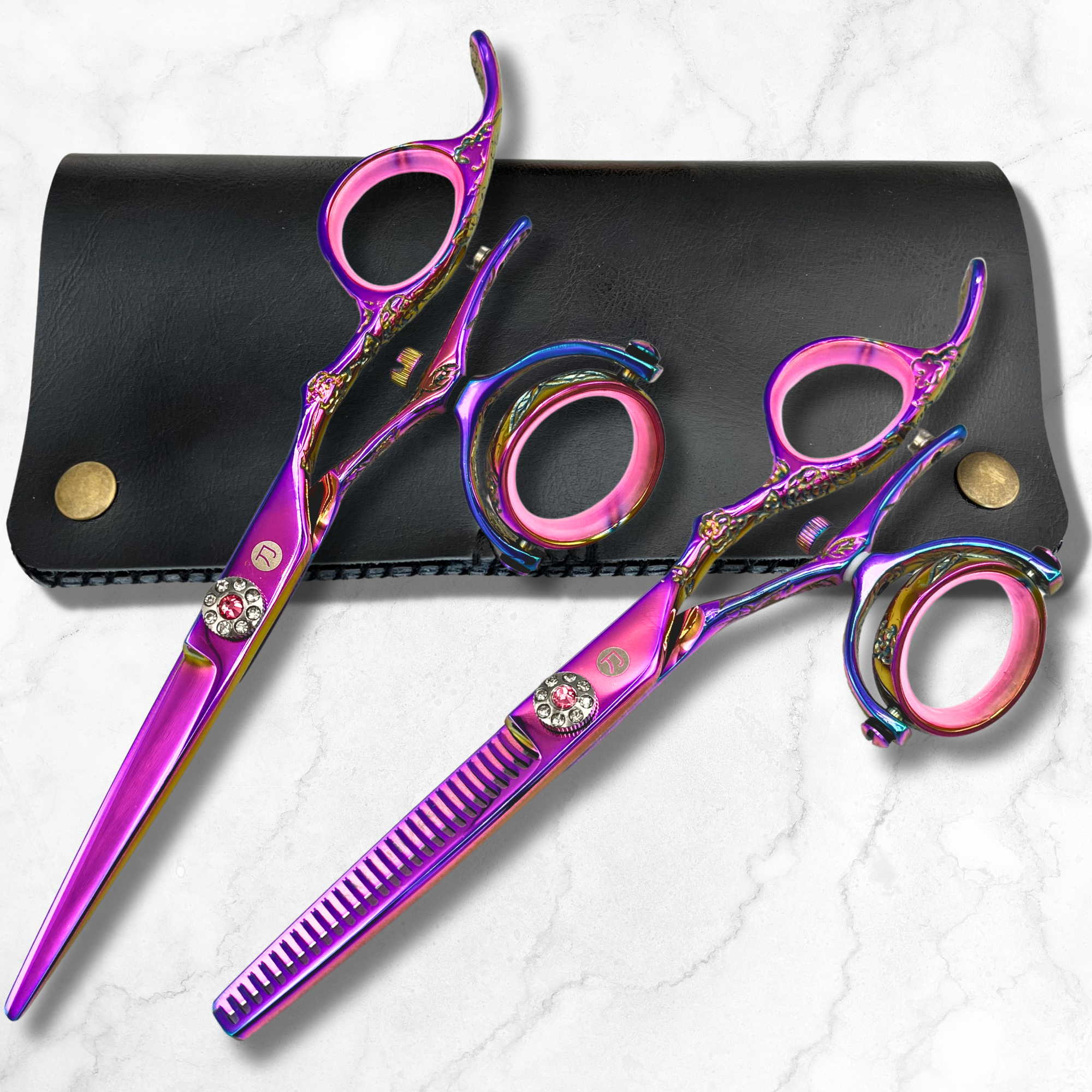
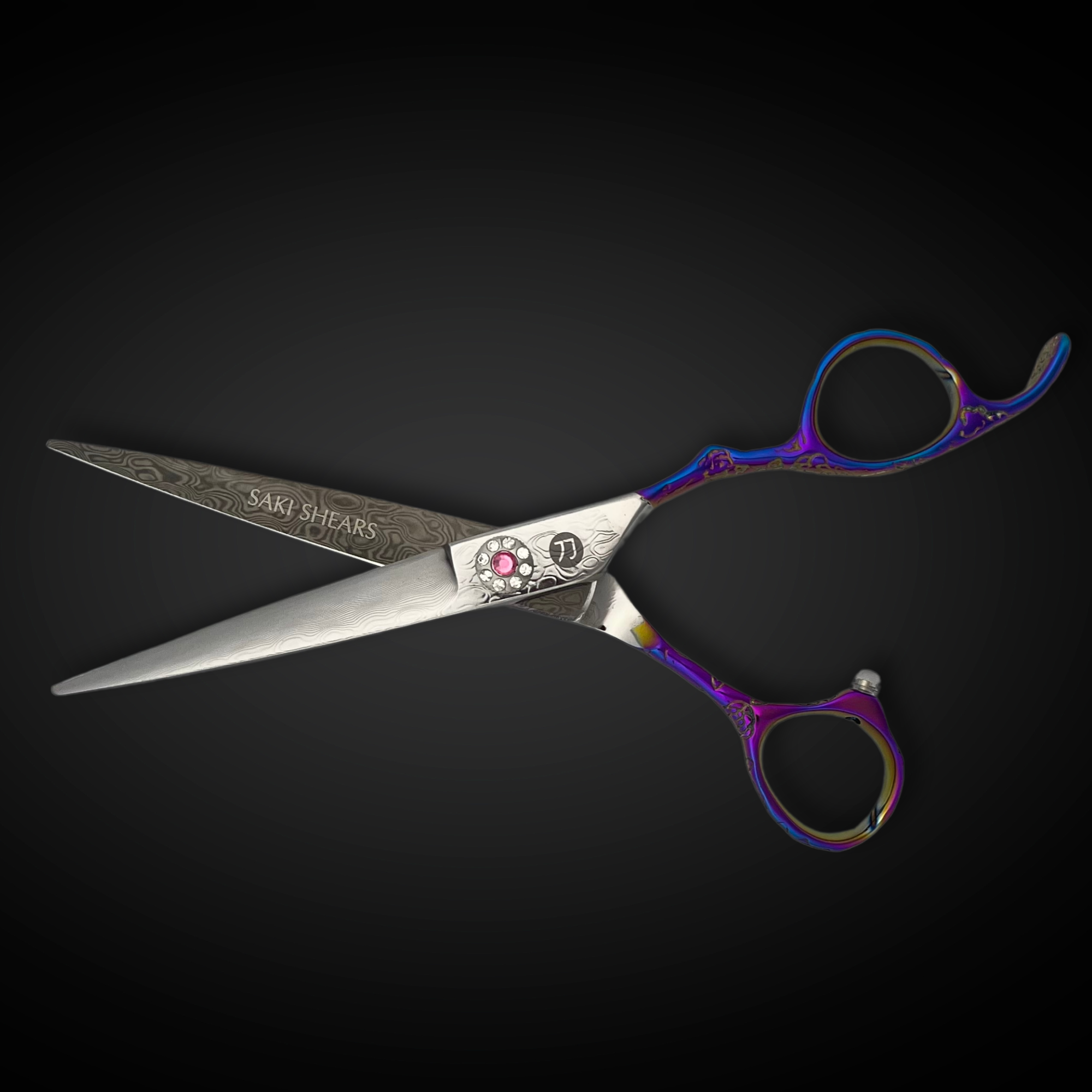
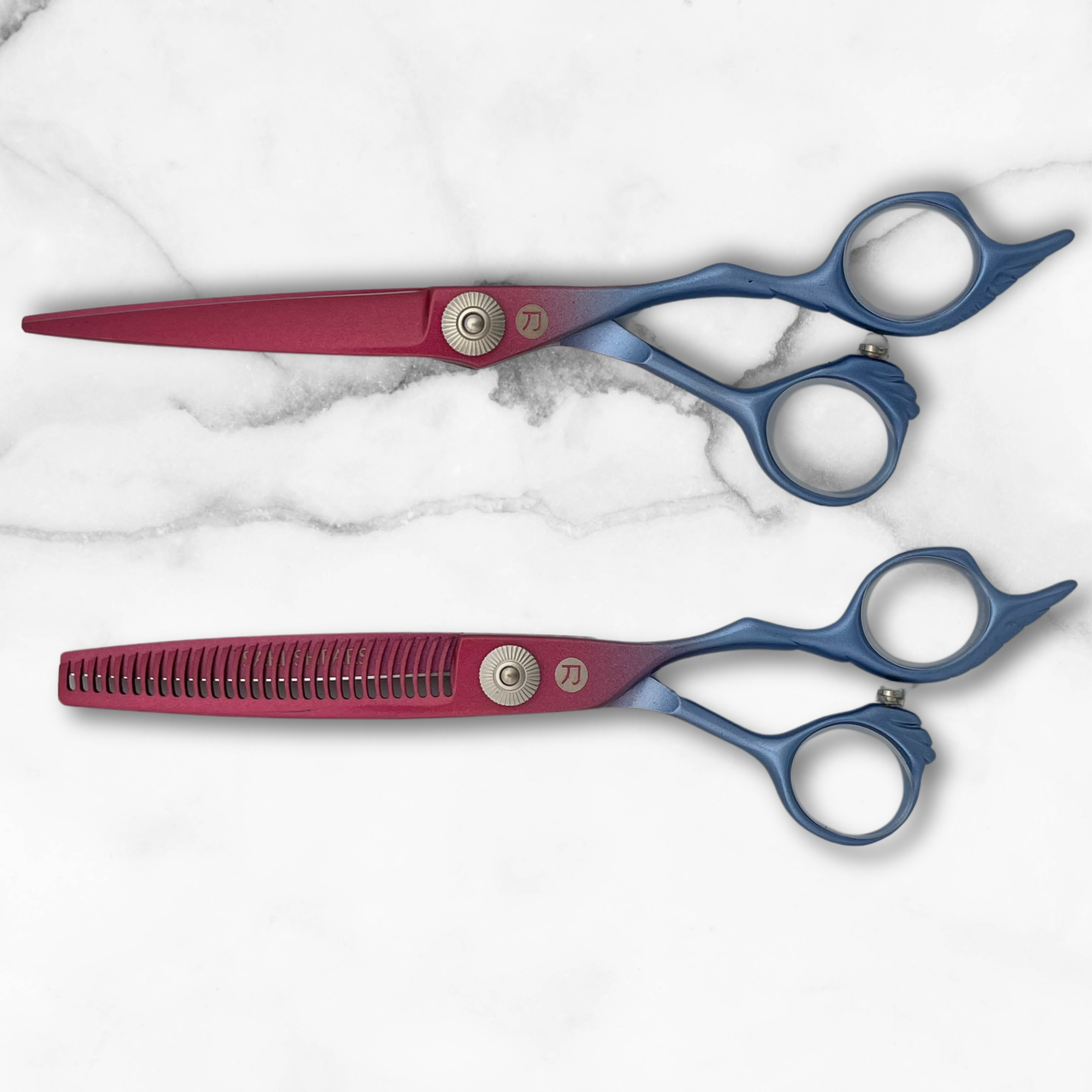
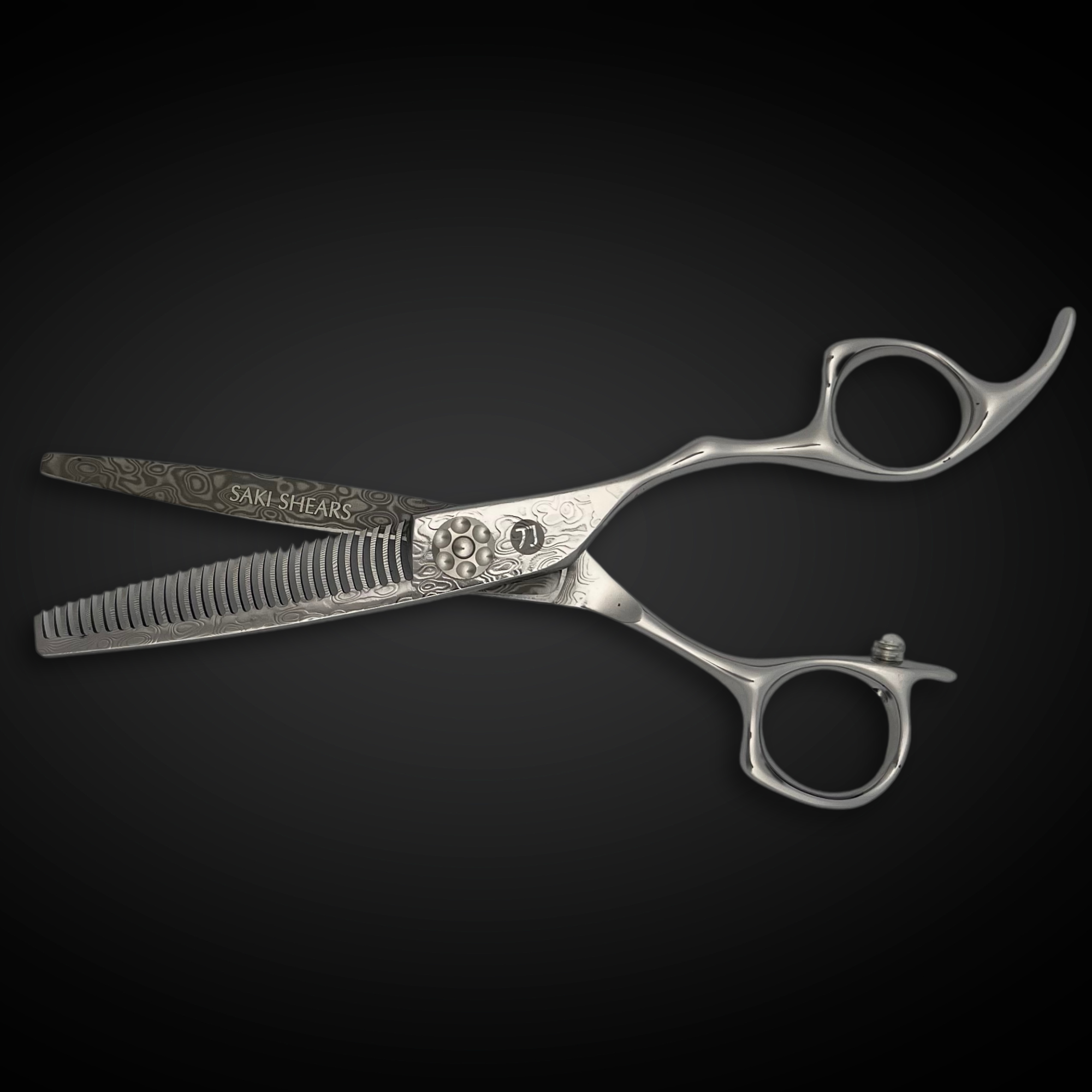
Whichever license you hold, the tools you use should match the technique, not just the job title on your license. Clean fades and clipper work call for shears suited to detail cutting and texturizing, while razor work demands a stable, well-maintained blade. Stylists moving into more men's grooming work, and barbers picking up more finishing and texturizing, both benefit from having the right shear on hand rather than trying to make one tool do every job. A well-organized hair cutting shears setup, paired with a dedicated thinning shears for texture work, covers most of what a cross-trained professional needs day to day.
The barber-versus-stylist question isn't really about which title sounds more skilled. It's about which training path builds which competencies, and increasingly, about how much of both a working professional chooses to master.

Written by Charles Harris