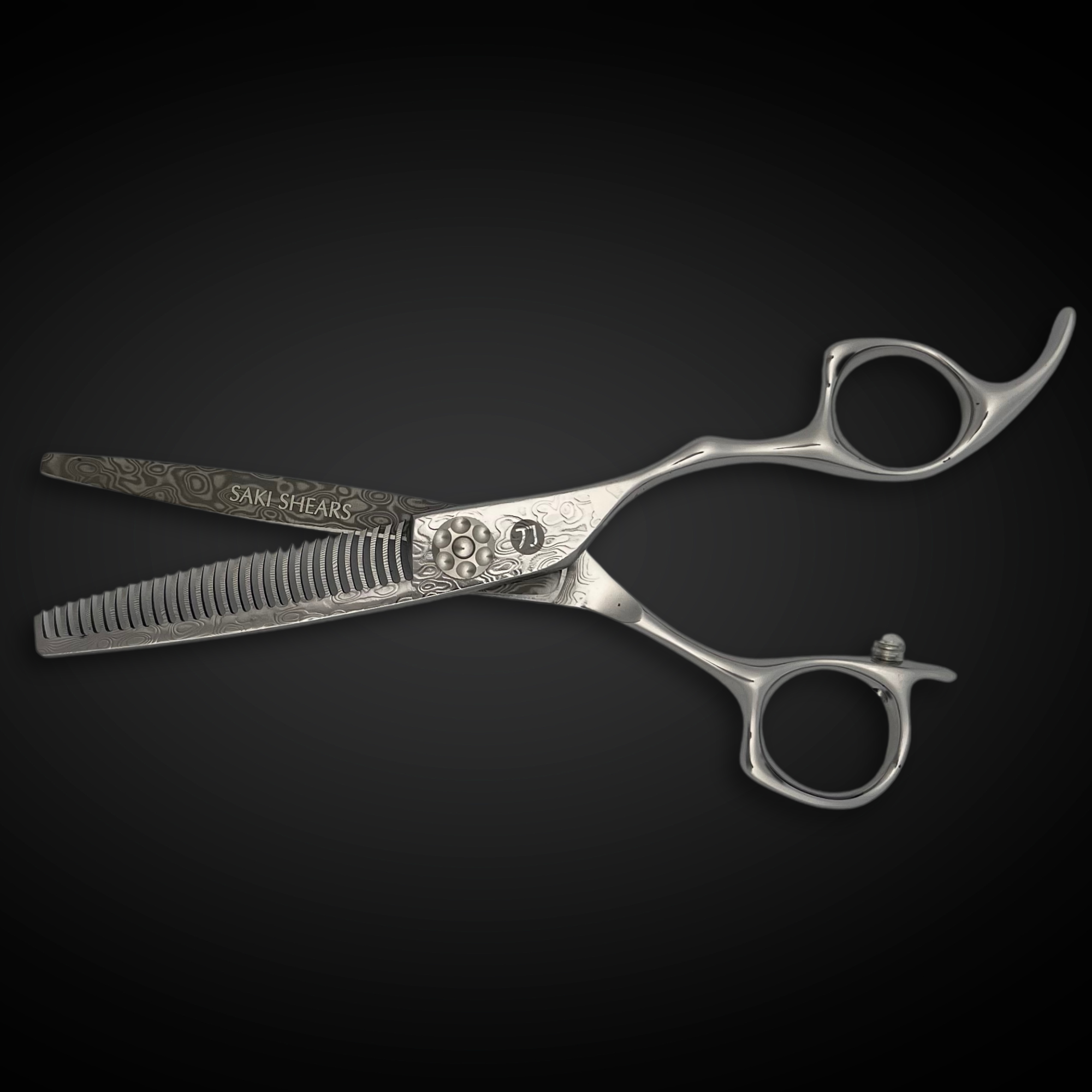
Daily Shear Maintenance: Between-Client and End-of-Day Routine
Long-term care and storage covers the deep-cleaning, oiling, and honing cycle that keeps a shear in service for years. This post is about the shorter routine: what to do between clients and at the end of a shift so the shear performs consistently and doesn't quietly degrade between those longer service intervals.
Why Micro-Maintenance Matters
Hair, product residue, and moisture build up on a blade within minutes of use. Left in place through a full shift, that buildup interferes with the cutting edge, adds friction at the pivot, and can start corrosion on carbon or semi-stainless steel. None of this requires a full sharpening or oiling session to prevent — it just requires a habit of wiping down and checking the shear between cuts.
The Between-Client Routine
This should take under a minute and fit naturally between finishing one client and starting the next:
- Wipe the blades. Use a dry or slightly damp microfiber cloth to remove hair clippings and product residue from both blades, working from the pivot toward the tip.
- Check the tension. Open and close the shear once with no hair in it. It should glide smoothly with light, even resistance and close without a metallic clack or excessive looseness at the tip.
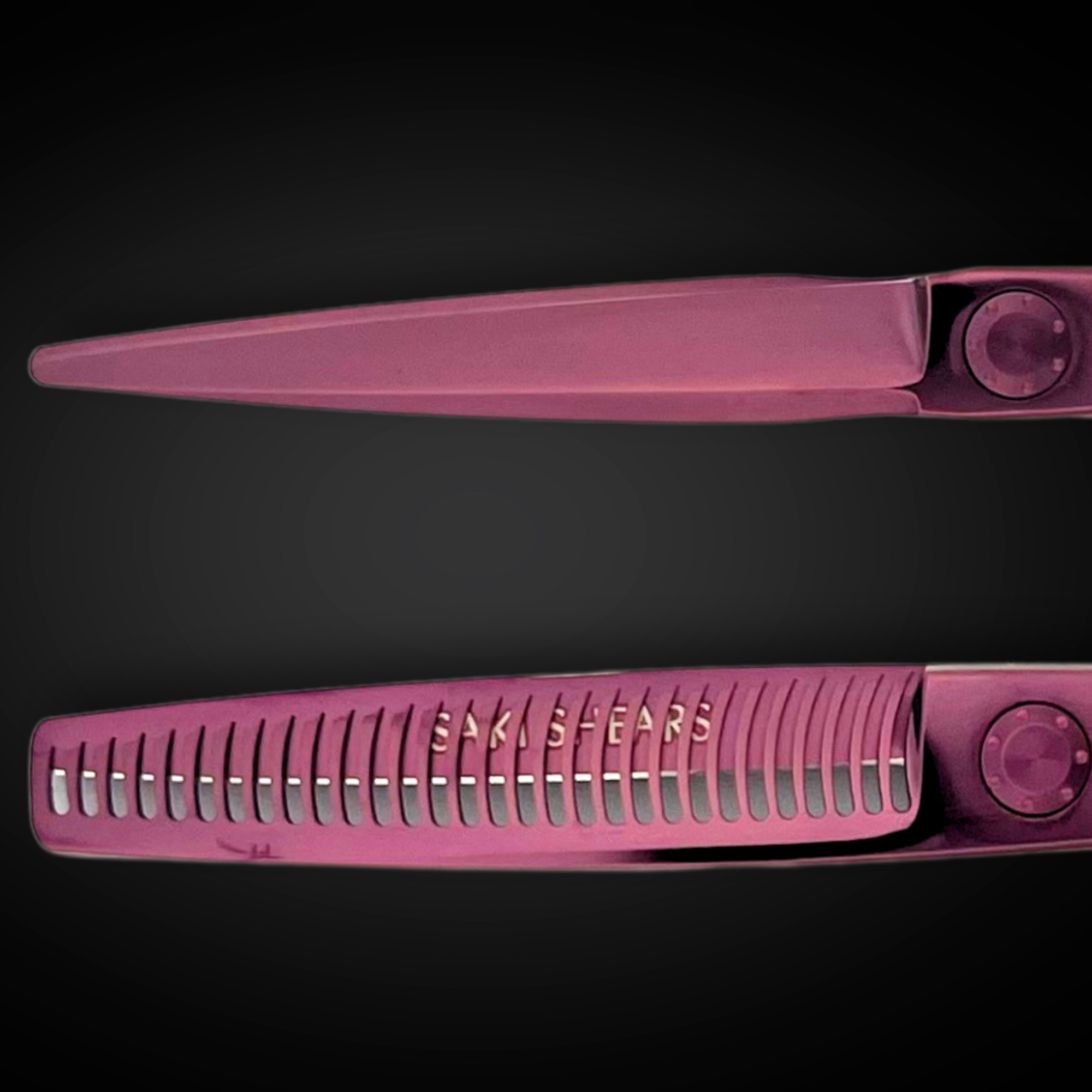
- Glance at the edge. A quick visual check under your station light for any visible nicks, burrs, or a dull-looking edge catching light differently than the rest of the blade.
- Return it to a clean spot. Set the shear on a clean towel or in its case rather than directly on a counter with hair and product residue.
The End-of-Day Routine
At the close of a shift, go a step further than the between-client wipe-down:
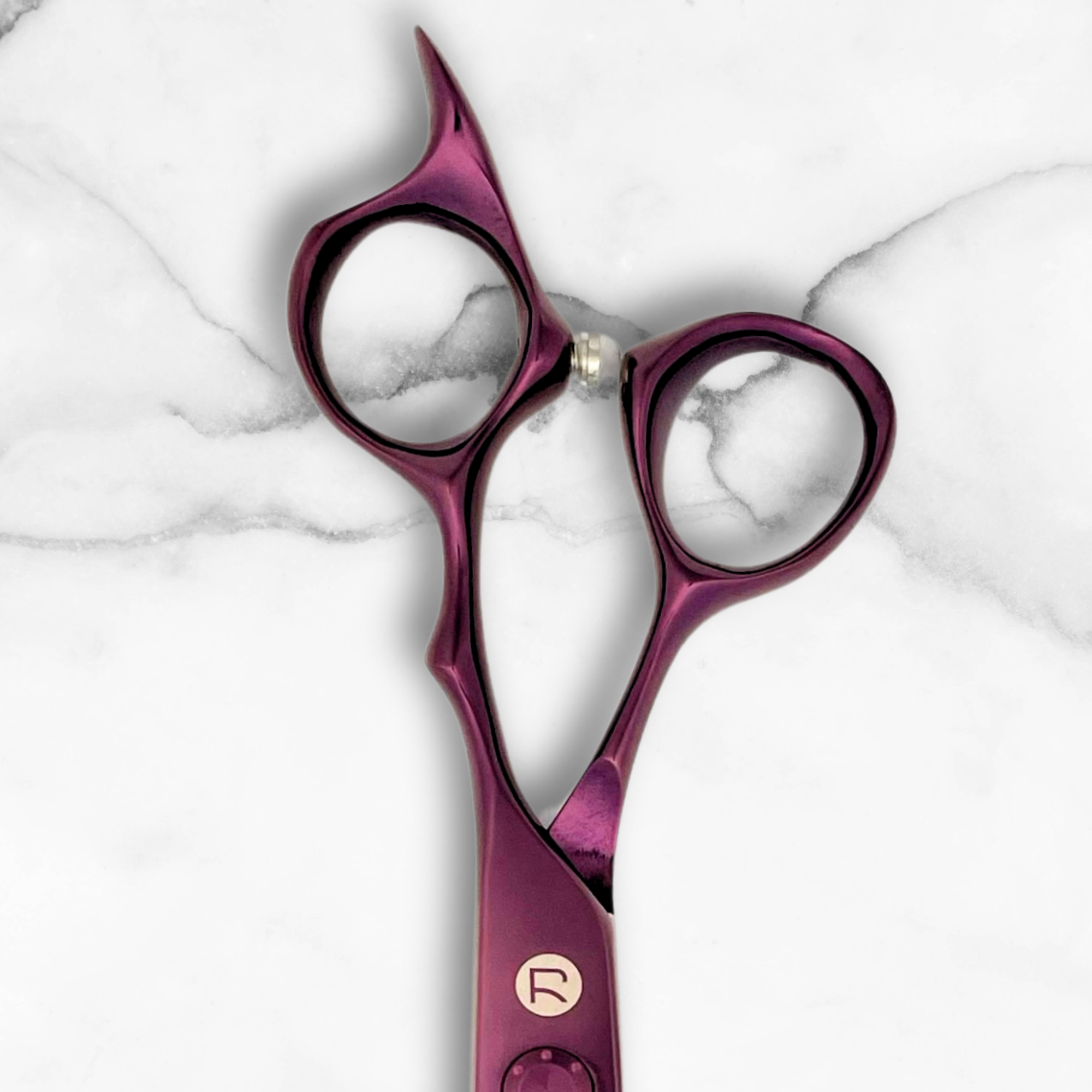
- Wipe both blades thoroughly, including the area around the pivot screw where hair and residue tend to collect.
- Apply a small drop of shear oil at the pivot point and work the blades open and closed a few times to distribute it — this is a daily habit, not the same as a full disassembly and deep clean.
- Dry the shear completely before storing it. Moisture left on the blade overnight is one of the most common causes of spotting and corrosion.
- Store it open slightly or in a dedicated case rather than fully closed and jammed in a drawer with other tools, which can nick the edge.
- Note anything that felt off during the day — a snag, a grinding sound, a section that didn't cut cleanly — so you can flag it for a proper sharpening or servicing before it becomes a bigger issue.
Spot-Checking for Damage
Micro-maintenance is also your earliest warning system for problems that need professional attention. Watch for:
- Snagging or pulling hair instead of a clean slice — often the first sign of a dulling edge.
- Uneven tension that changes through a cut, which can point to a loosening pivot screw.
- Visible nicks or a wavy edge when you tilt the blade to catch the light, which won't self-correct with oiling.
- A gritty or rough feel when opening and closing the blades, which usually means debris has worked into the pivot.
Catching these early through a daily check means smaller, cheaper fixes instead of a shear that needs a full re-grind or repair. If a shear is showing consistent problems despite the daily routine, it's time for a proper sharpening rather than continued in-shift maintenance.
What to Keep at Your Station
A workable micro-maintenance routine depends on having the right items within reach, not tucked away in a supply closet. A dedicated microfiber cloth (kept separate from towels used on clients), a small bottle of shear oil, and a clean case or shear pouch cover the between-client and end-of-day steps above. Keeping these at your station rather than a shared drawer removes the main reason this routine gets skipped on a busy day: friction in reaching the supplies.
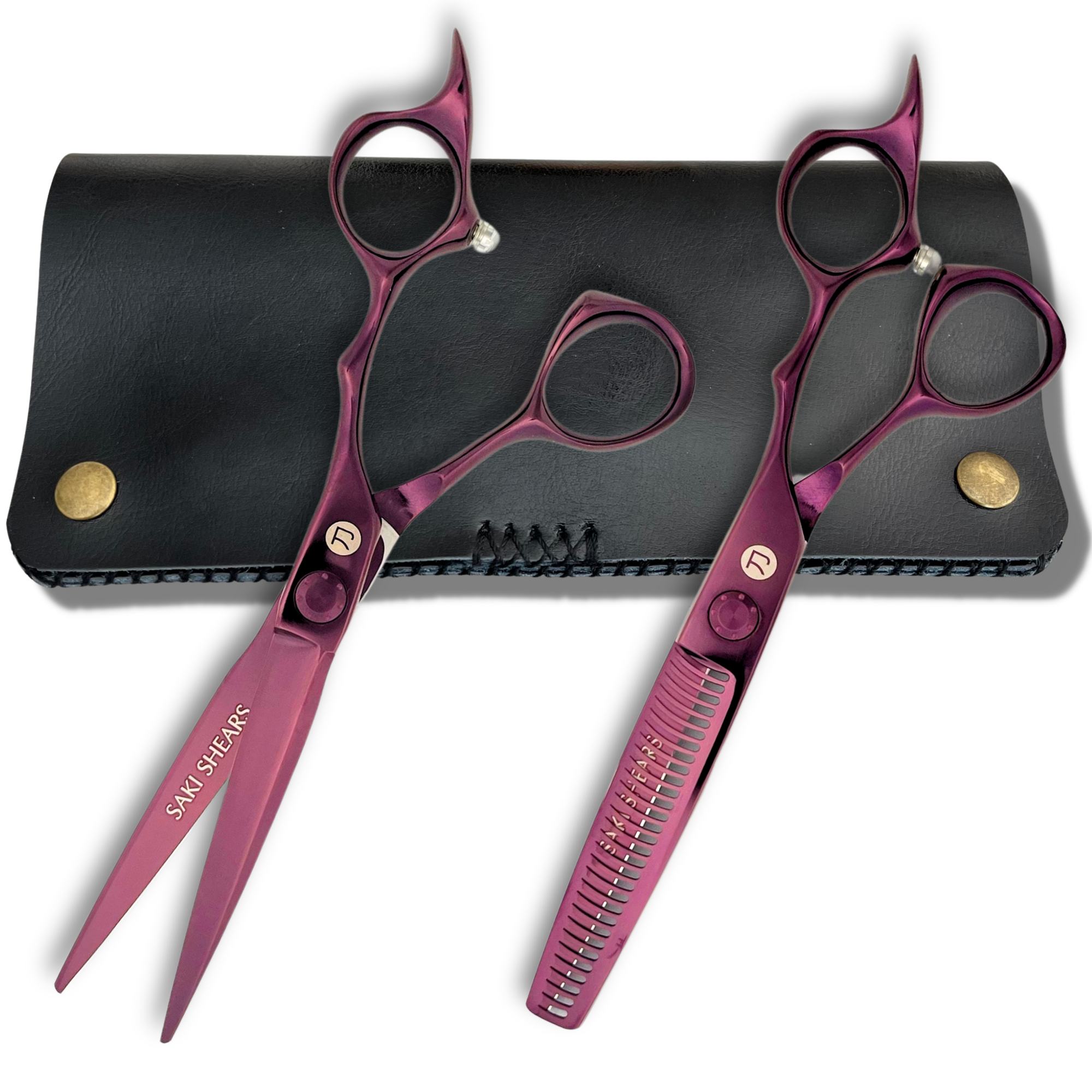
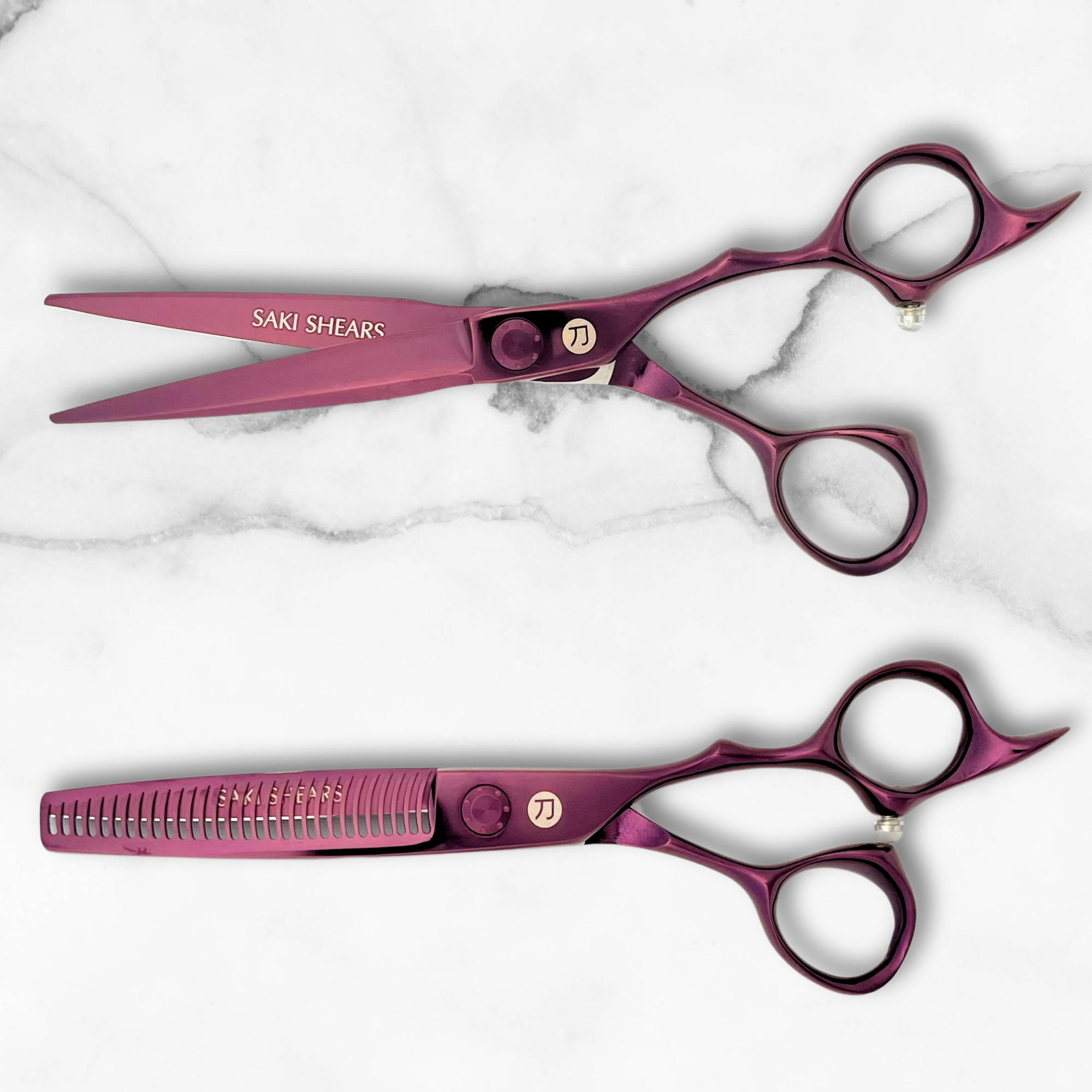
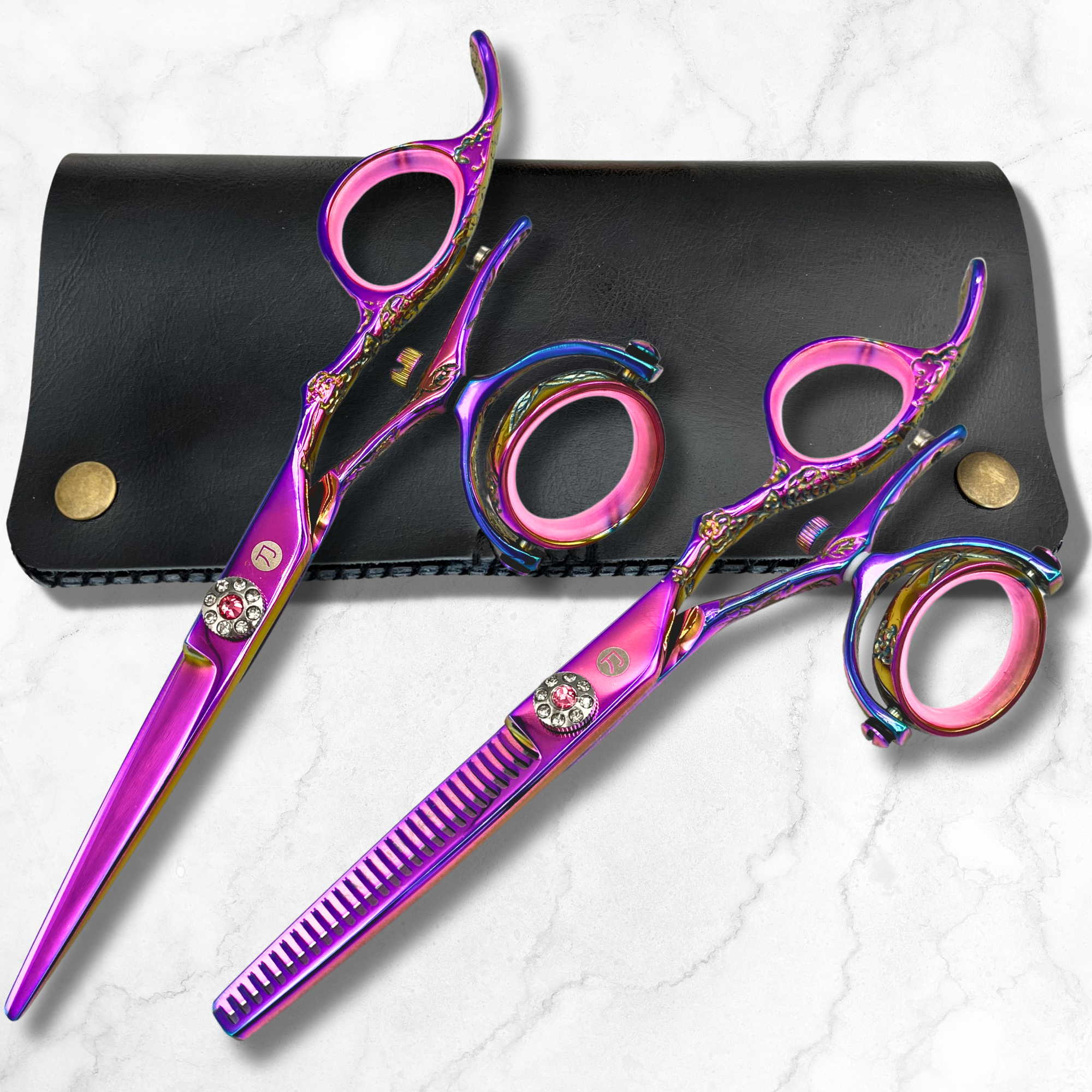
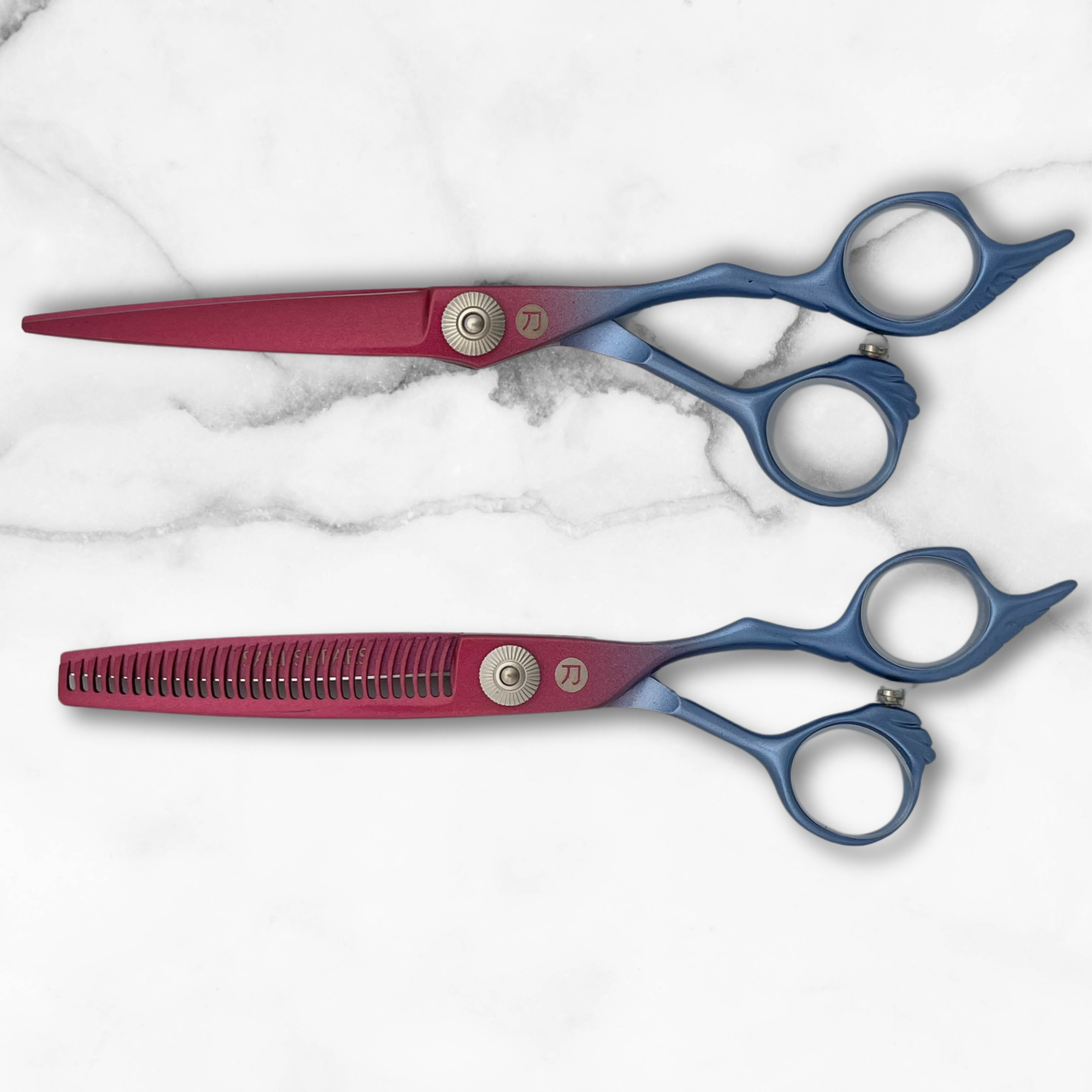
If you rotate between multiple shears through the day, apply the same routine to each of them individually rather than assuming a wipe-down of one covers the set — pivot tension and edge condition can vary shear to shear even within the same kit. For stylists building out a rotation, our hair shear sets are worth a look.
Building the Habit
The between-client and end-of-day steps above take a combined few minutes across a shift, but they're the difference between a shear that performs the same on day 200 as it did on day one and one that quietly degrades without you noticing until a client comments on it. Keep a cloth and a small bottle of shear oil at your station so there's no friction in doing it consistently.
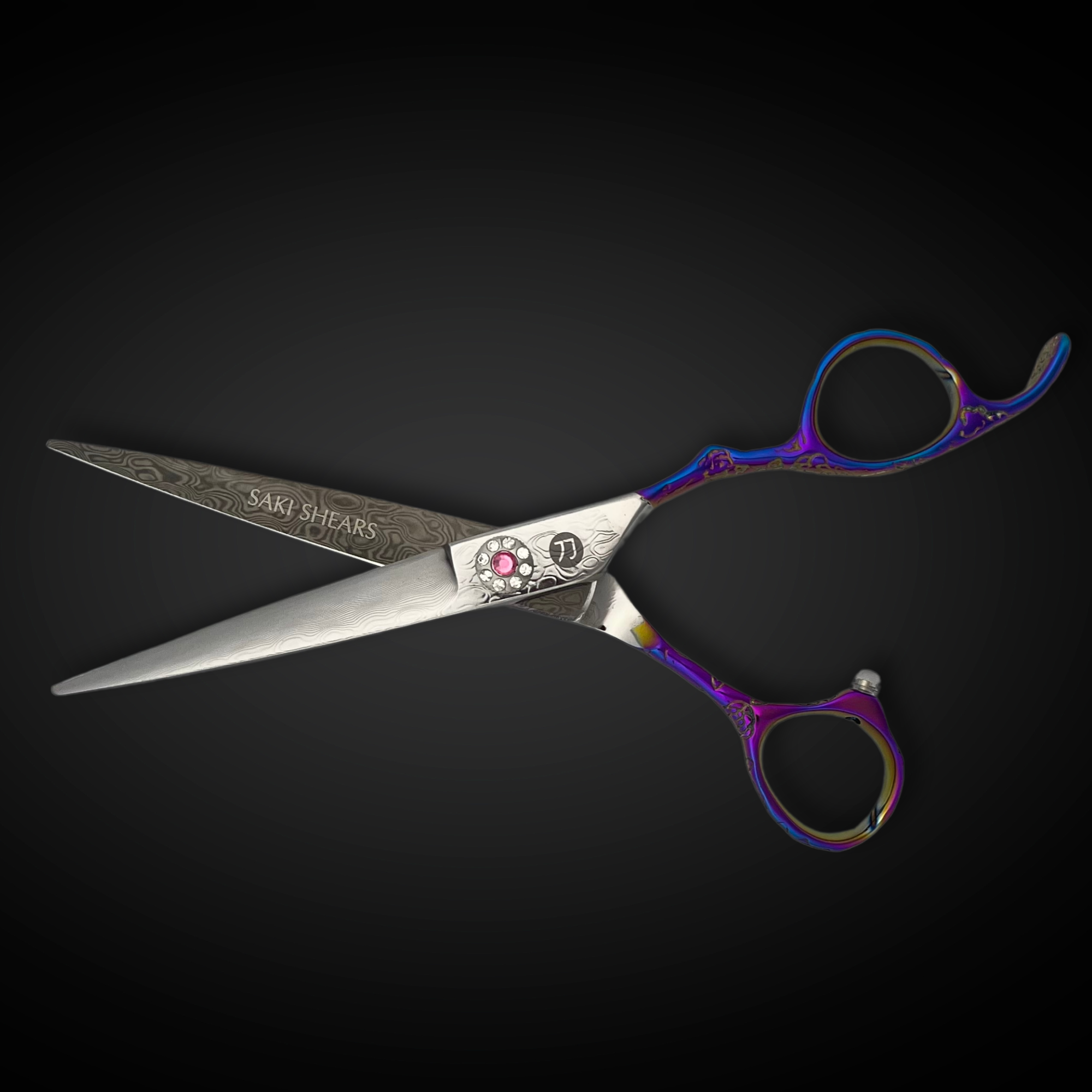
If you're due for a new shear or backup pair to rotate through daily use, browse our hair cutting shears or full shear collection.

Written by Charles Harris