Comparing Shear Steel: Rockwell Hardness, Edge Retention, and Toughness
Steel choice is the single biggest factor in how a pair of hair-cutting shears performs over its lifetime — how easily it takes an edge, how long that edge lasts between honings, and how it holds up to the daily drops, bumps, and thousands of closures a working shear goes through. Marketing copy throws around steel names and hardness numbers freely, but understanding what those terms actually mean will do more for your buying decisions than any spec sheet.
What Rockwell Hardness Actually Measures
The Rockwell C scale (HRC) measures a material's resistance to a hardened indenter being pressed into it under a fixed load. In steel, higher HRC generally correlates with a blade that holds a sharp edge longer before it needs honing. It does not, on its own, tell you how tough or shatter-resistant the steel is. Hardness and toughness pull in opposite directions: as steel is hardened further, it typically becomes more brittle, meaning a harder blade is more prone to chipping or micro-fracturing at the edge if it's dropped, twisted, or used to cut something it wasn't designed for. A quality shear maker balances hardness against toughness rather than simply chasing the highest number, and the right balance depends on how the shear will actually be used. Well-made professional hair shears generally fall in the upper-50s to low-60s HRC range — hard enough for excellent edge retention, but tempered to avoid the brittleness of the very highest hardness levels used in some other cutting tools.
Common Steel Types in Hair Shears
Japanese stainless steels (the 440 family, including 440C). These are high-carbon, high-chromium stainless steels widely used across the cutlery and shear industry. They take a good edge, resist corrosion well thanks to their chromium content, and hold up reliably for daily salon or barbershop use. They represent a dependable middle ground between cost and performance.
Cobalt alloy steels (including VG-10 and similar formulations). Adding cobalt and other alloying elements to a high-carbon base generally improves edge retention and corrosion resistance compared to standard stainless steel, while keeping the blade workable enough to hone to a fine edge. Shears built from cobalt alloys are a common step up for barbers who want longer stretches between sharpenings without sacrificing durability.
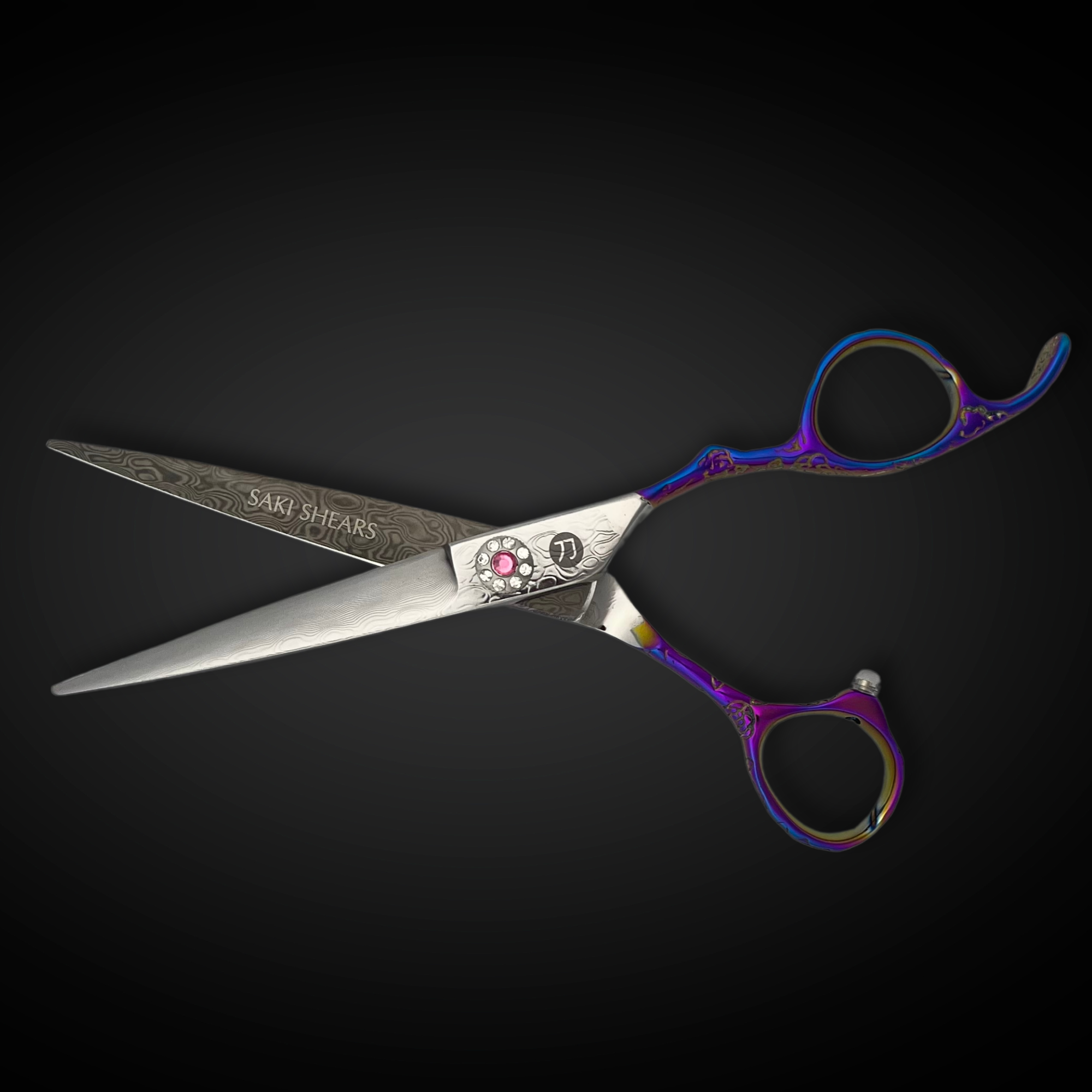
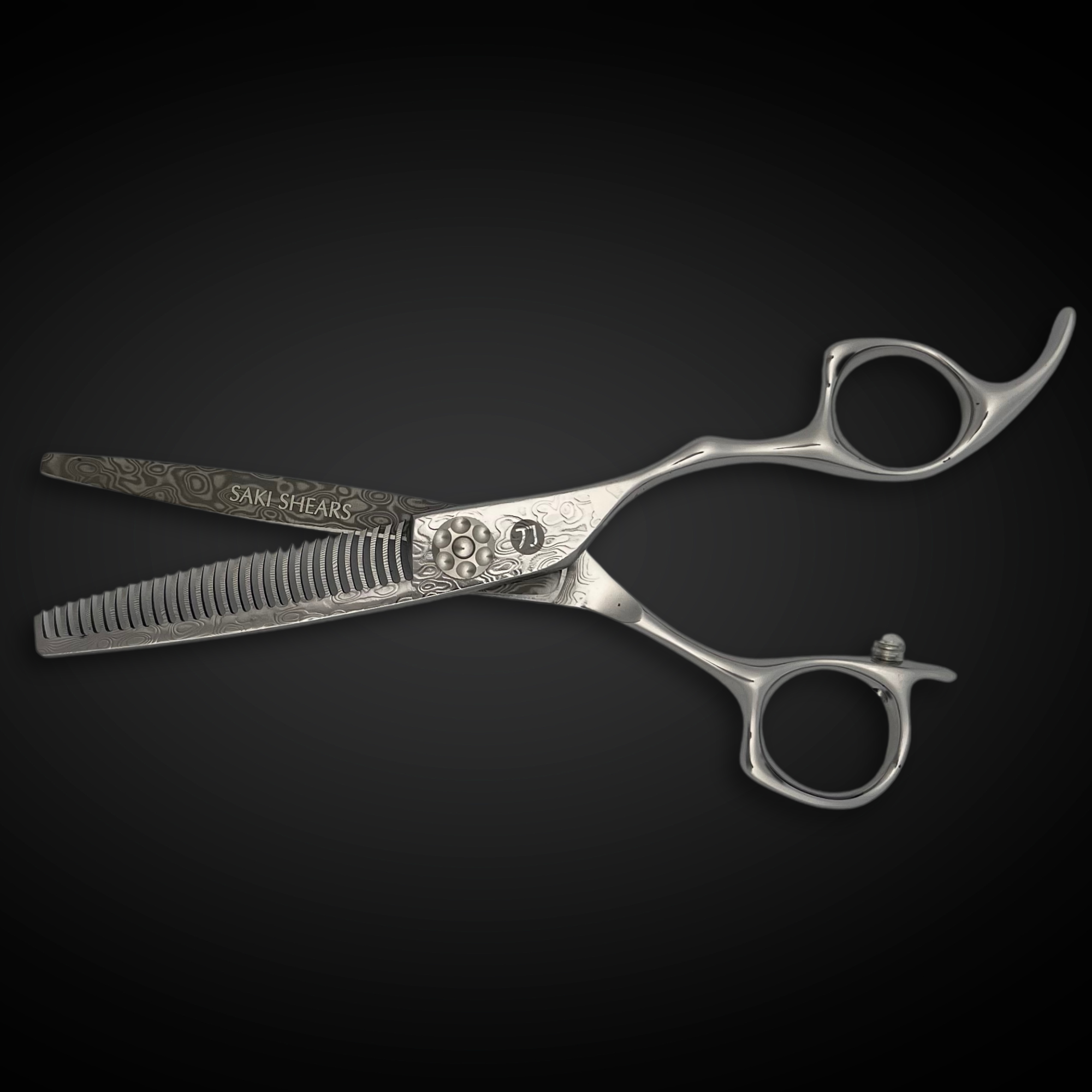
Damascus-pattern steels. Damascus construction folds and layers multiple steels together, producing the distinctive wavy pattern visible on the blade face. The technique can combine a harder cutting-edge steel with a tougher supporting layer, which is a legitimate way to pursue both edge retention and resilience at once. The visual pattern itself has no bearing on performance — what matters is the steels used and how the shear was heat-treated, not how the surface looks.
What This Means When You're Choosing a Shear
- Cutting volume matters more than chasing the highest hardness number. A barber doing high daily cutting volume benefits from a steel with strong edge retention so the shear stays sharp through a full schedule. A shear that's harder than necessary for your workload just adds brittleness risk without a real benefit.
- Maintenance habits should match the steel. Harder steels generally need less frequent honing but can be less forgiving of being dropped or used on non-hair materials. Softer, tougher steels are more forgiving day to day but need more frequent touch-ups.
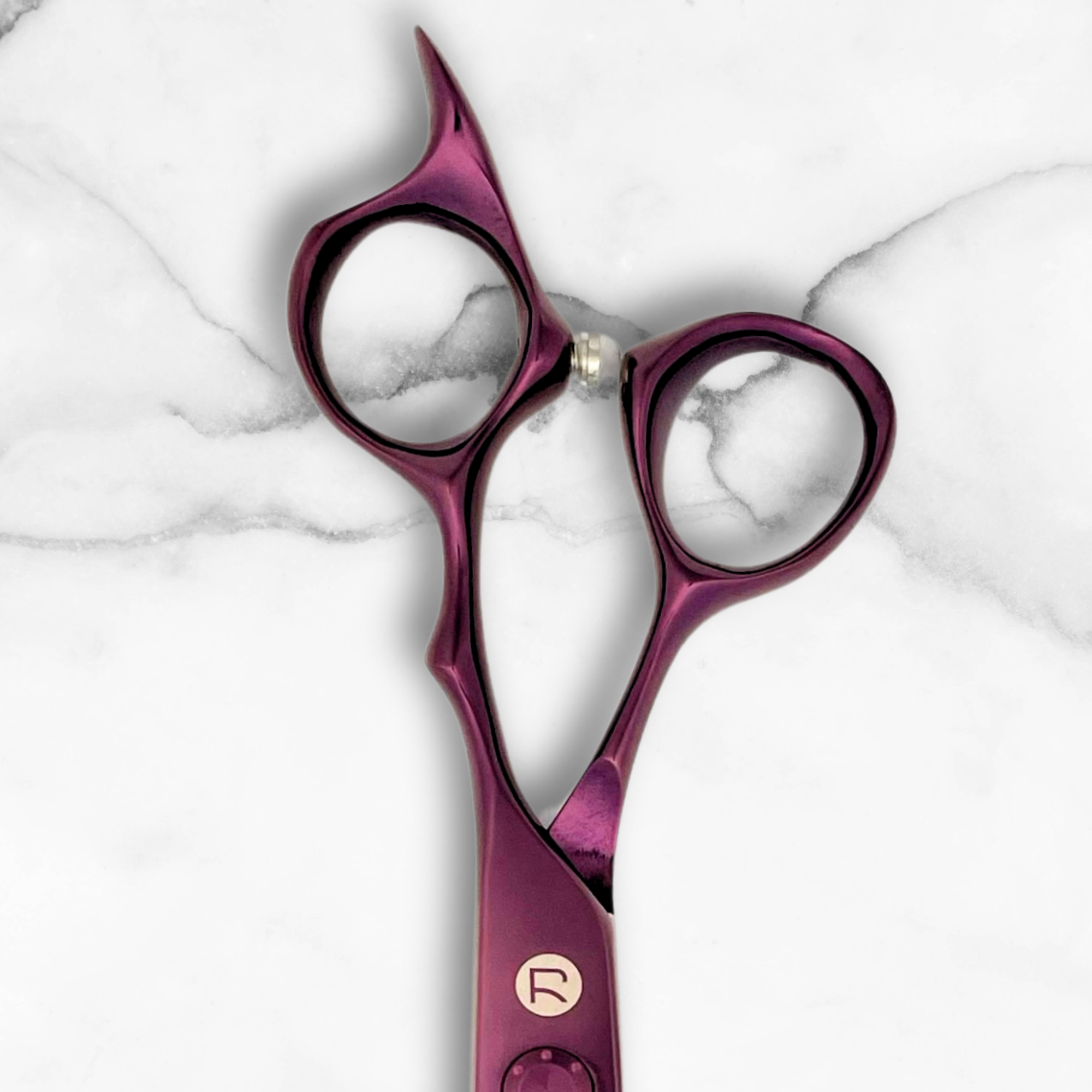
- Fit and balance still matter as much as the metal. The best steel in the world won't compensate for a shear that doesn't fit your hand or grip style. Steel quality extends how long a well-fitted shear performs at its best; it doesn't replace proper fit.
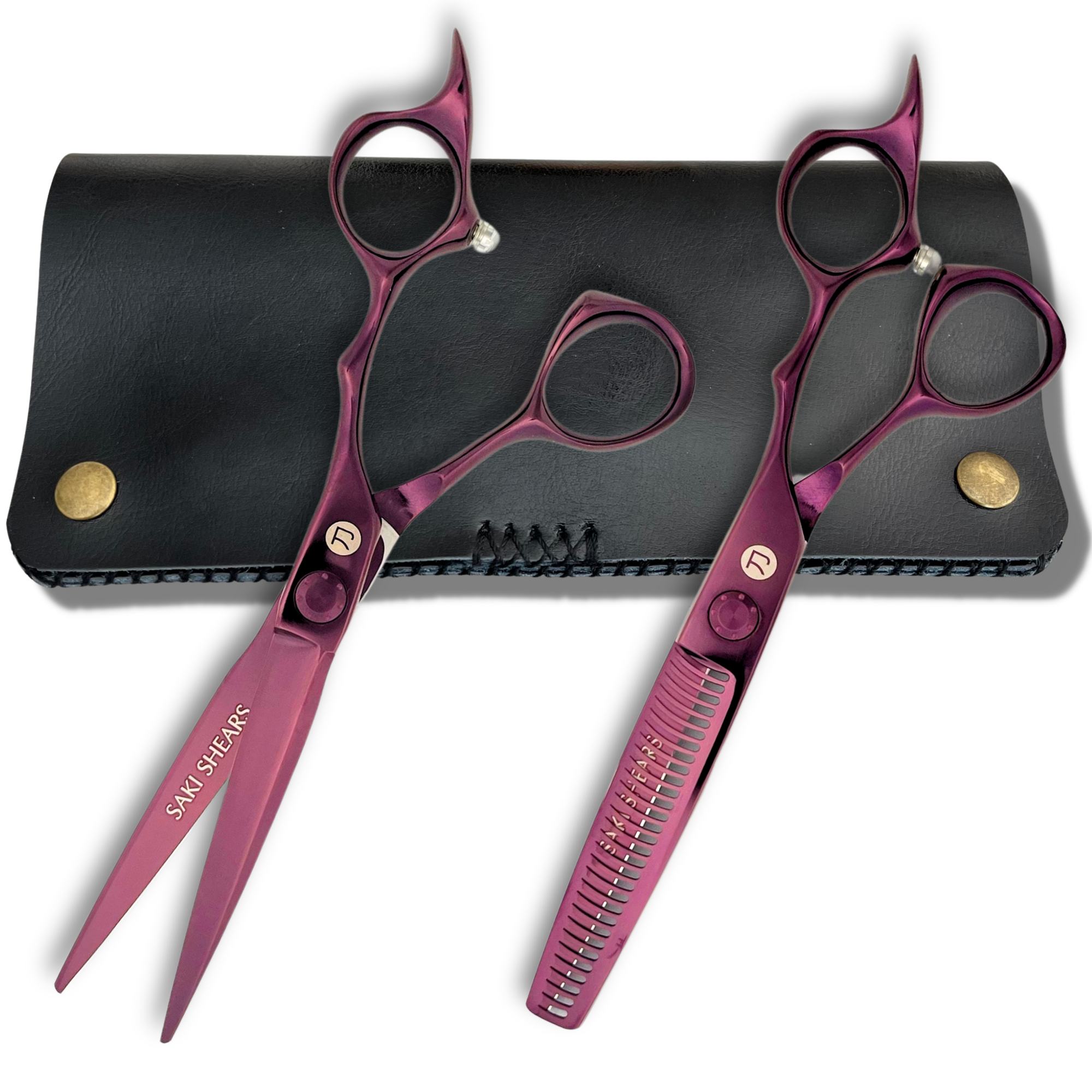
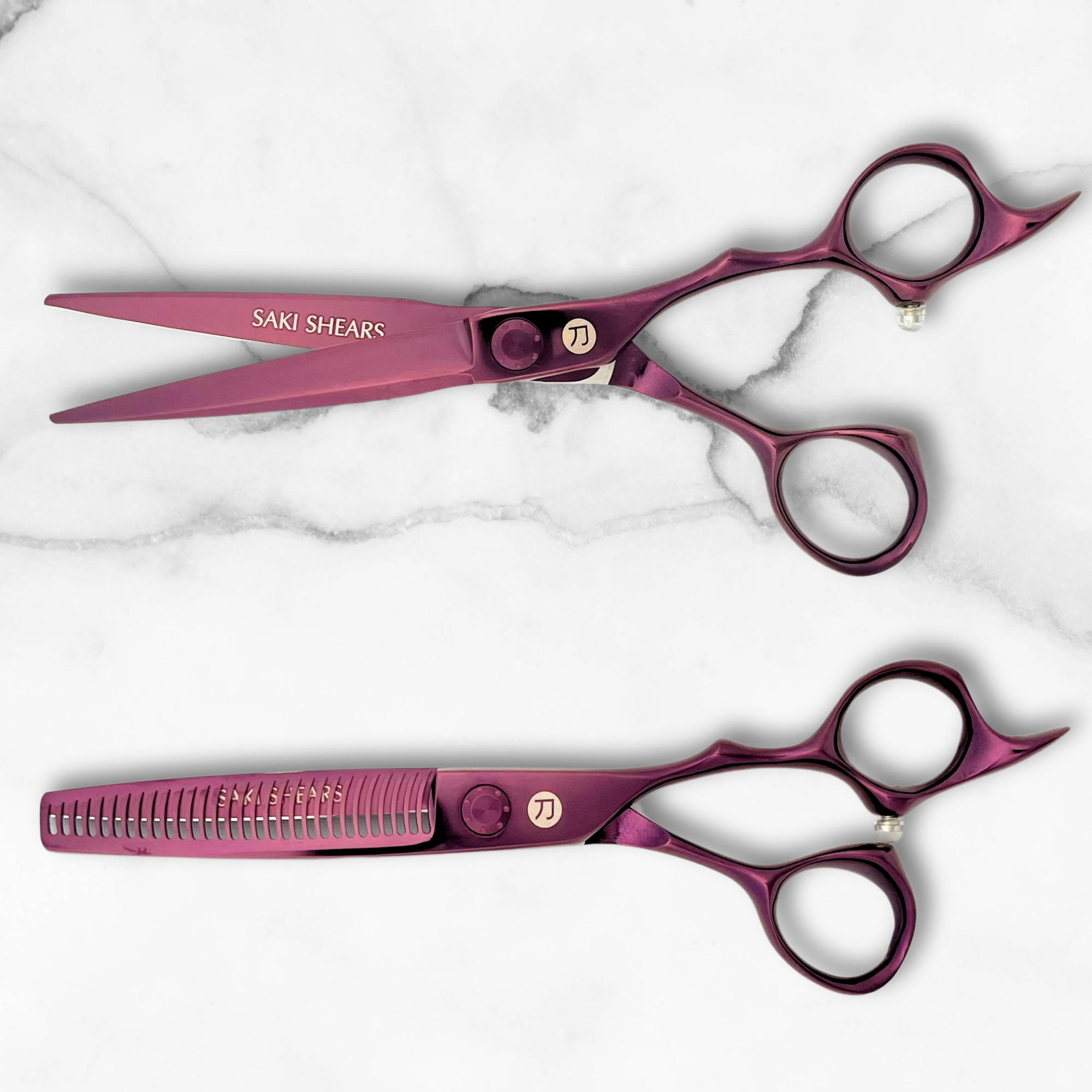
Take care of the blade regardless of which steel it's built from: dry it after every use, avoid using it on anything but hair, and get it professionally honed on a regular schedule rather than waiting until it's noticeably dull. Explore Saki Shears' hair-cutting shears and Damascus-pattern shears to compare steel construction across the lineup.

Written by Charles Harris