What to Consider When Buying a Set of Professional Hair Shears
Choosing a set of professional hair shears is one of the most consequential purchases a stylist makes. The right pair supports clean technique and reduces hand fatigue over a full day of work; the wrong pair can slow you down or contribute to strain injuries. Here is what actually matters when evaluating a set.
Start With Hand Size and Grip
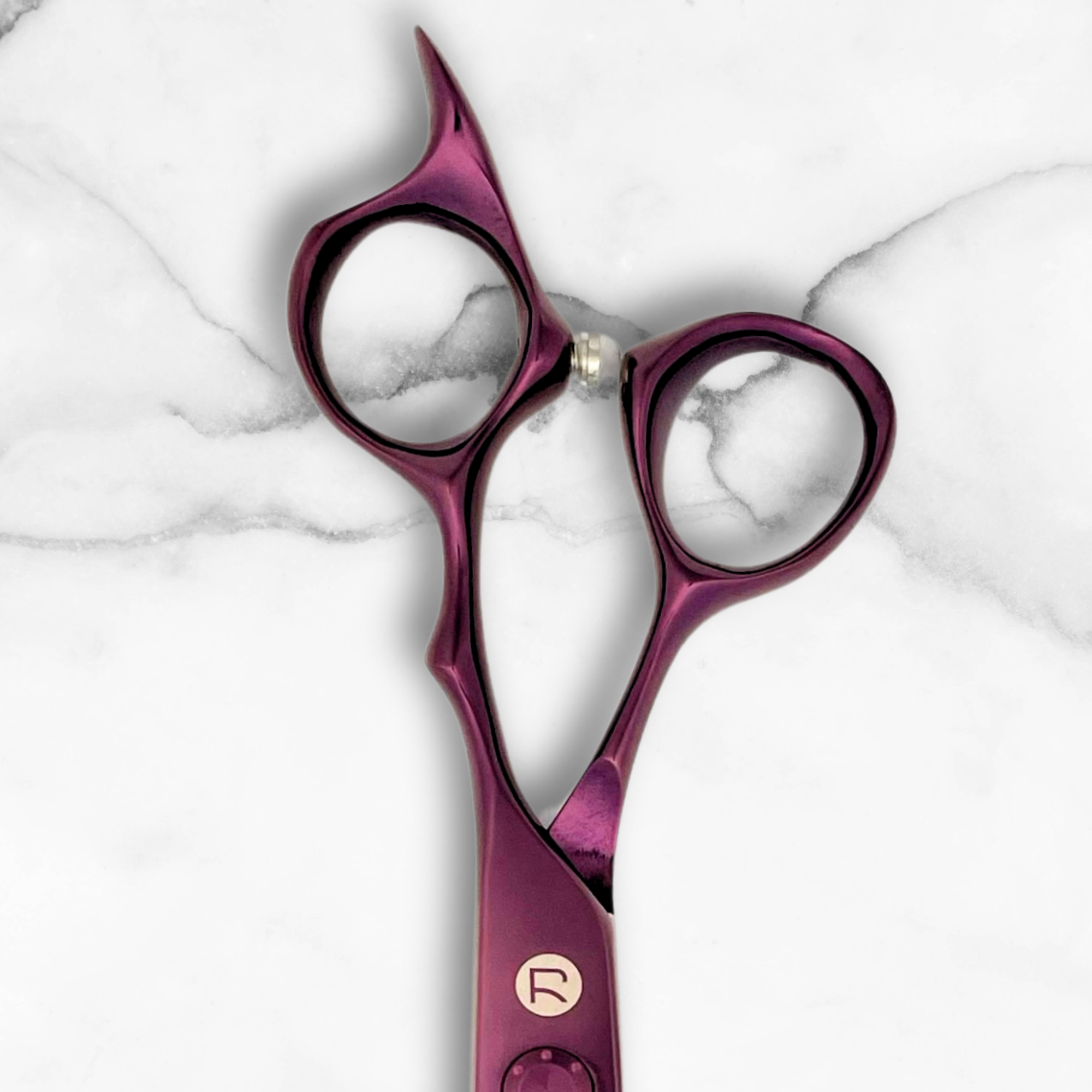
Shears are not one-size-fits-all. Blade length and handle size should match your hand size and finger length, not the other way around. A shear that is too large forces you to overextend your fingers on every cut; one that is too small cramps your grip. Most stylists with average-sized hands do well with a 5.5 to 6-inch shear, while those with smaller hands often prefer 5 to 5.5 inches. If possible, hold a shear before buying and check that your thumb and ring finger sit comfortably in the finger holes without straining, and that the pivot screw feels stable and adjustable under your grip.
Cutting Shears vs. Thinning Shears
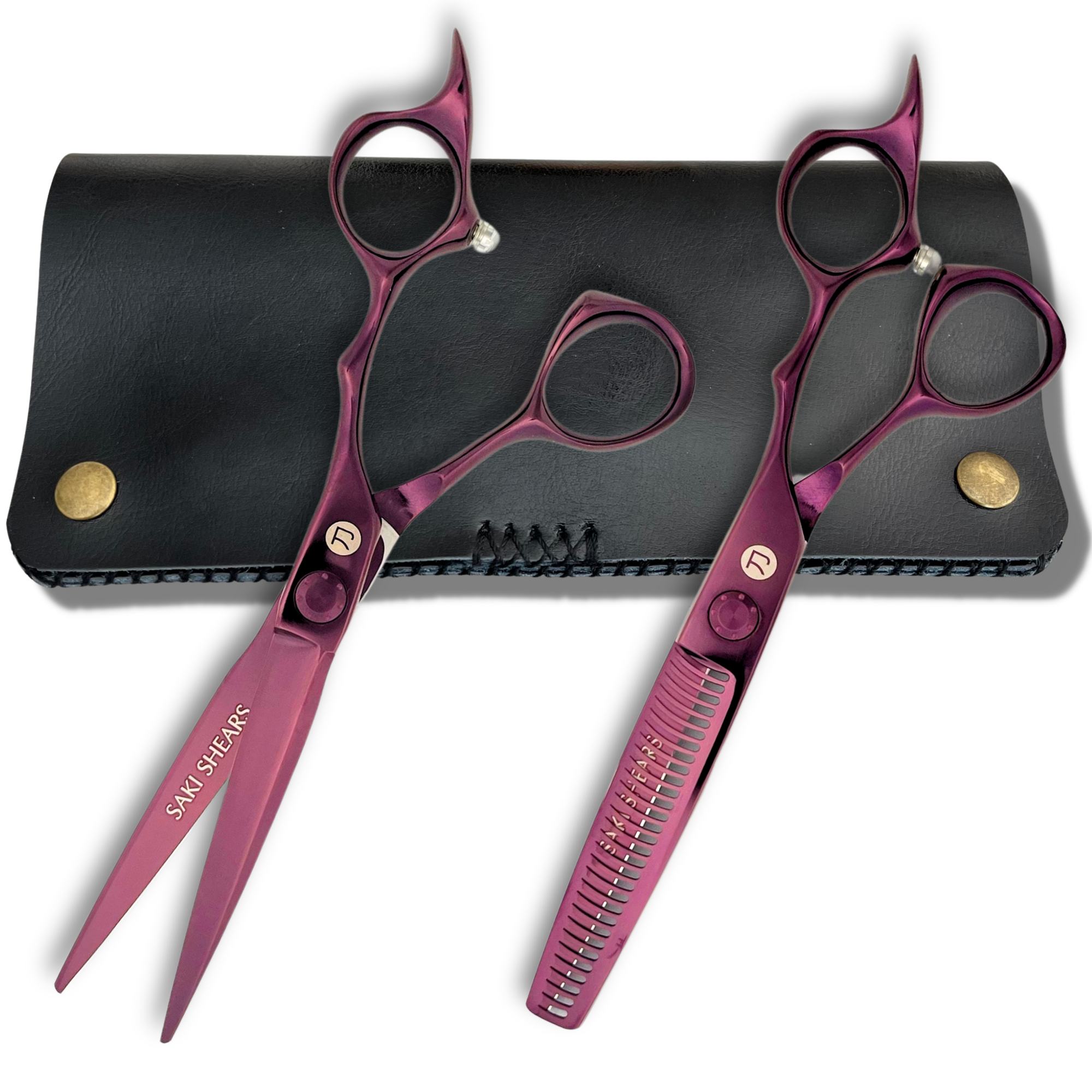
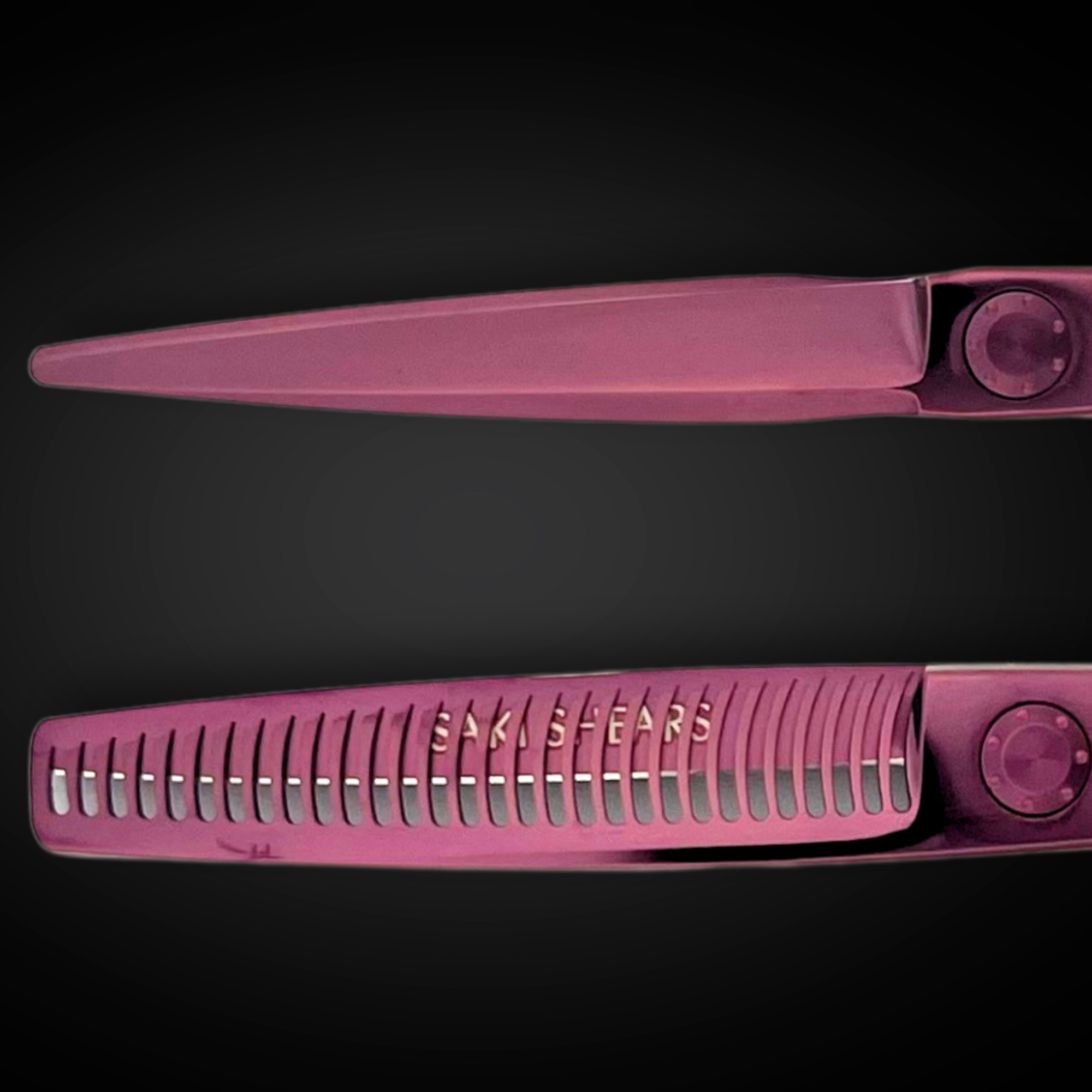
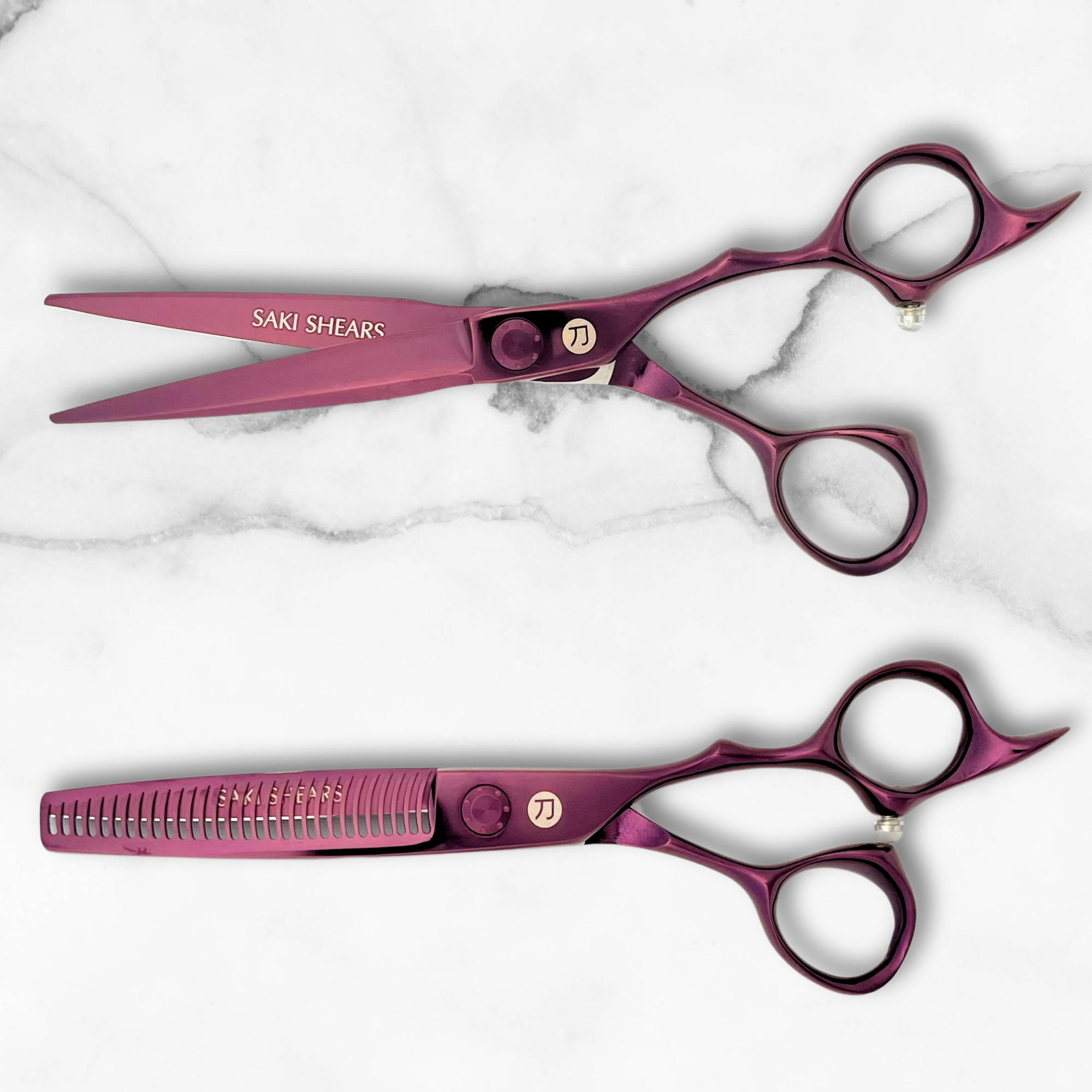
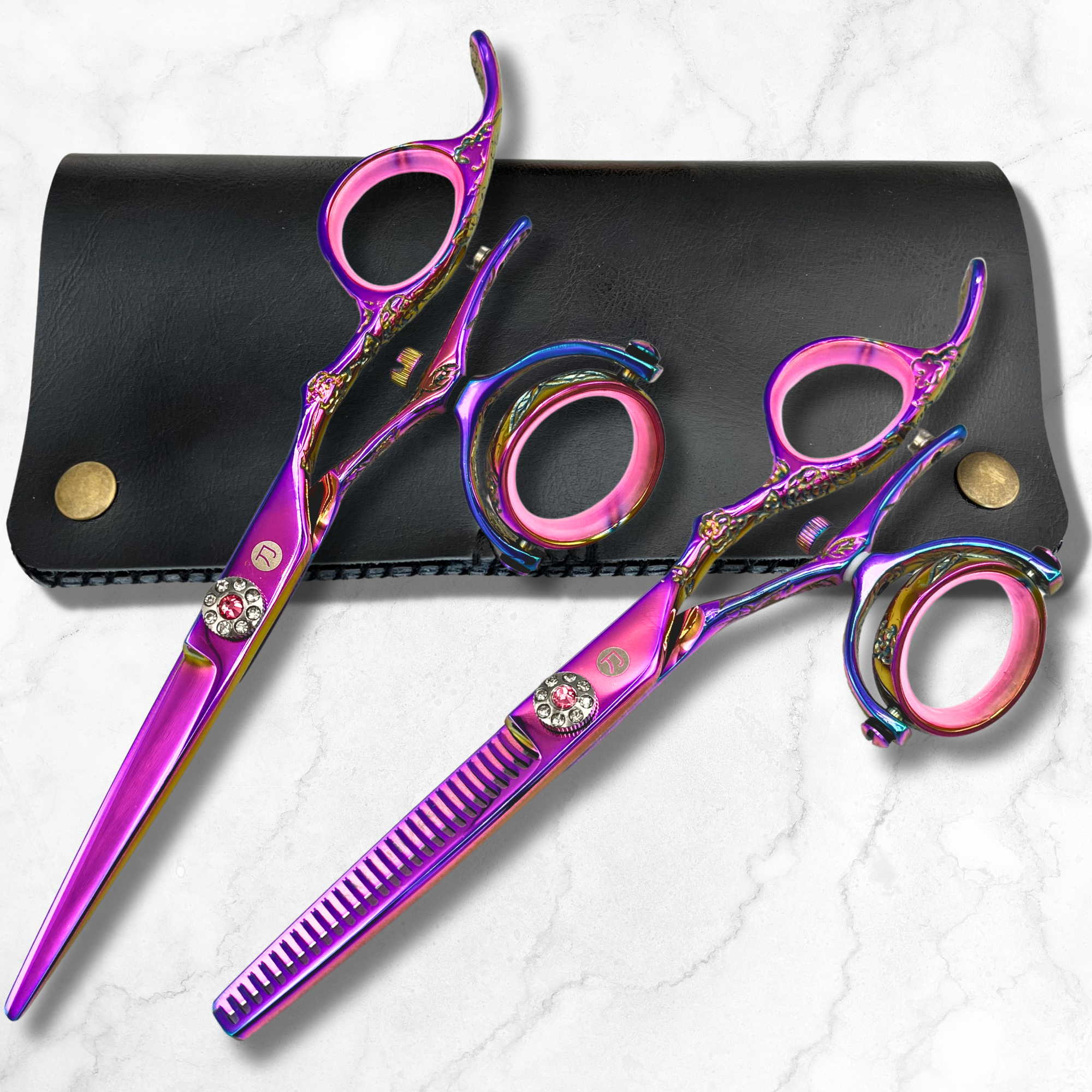
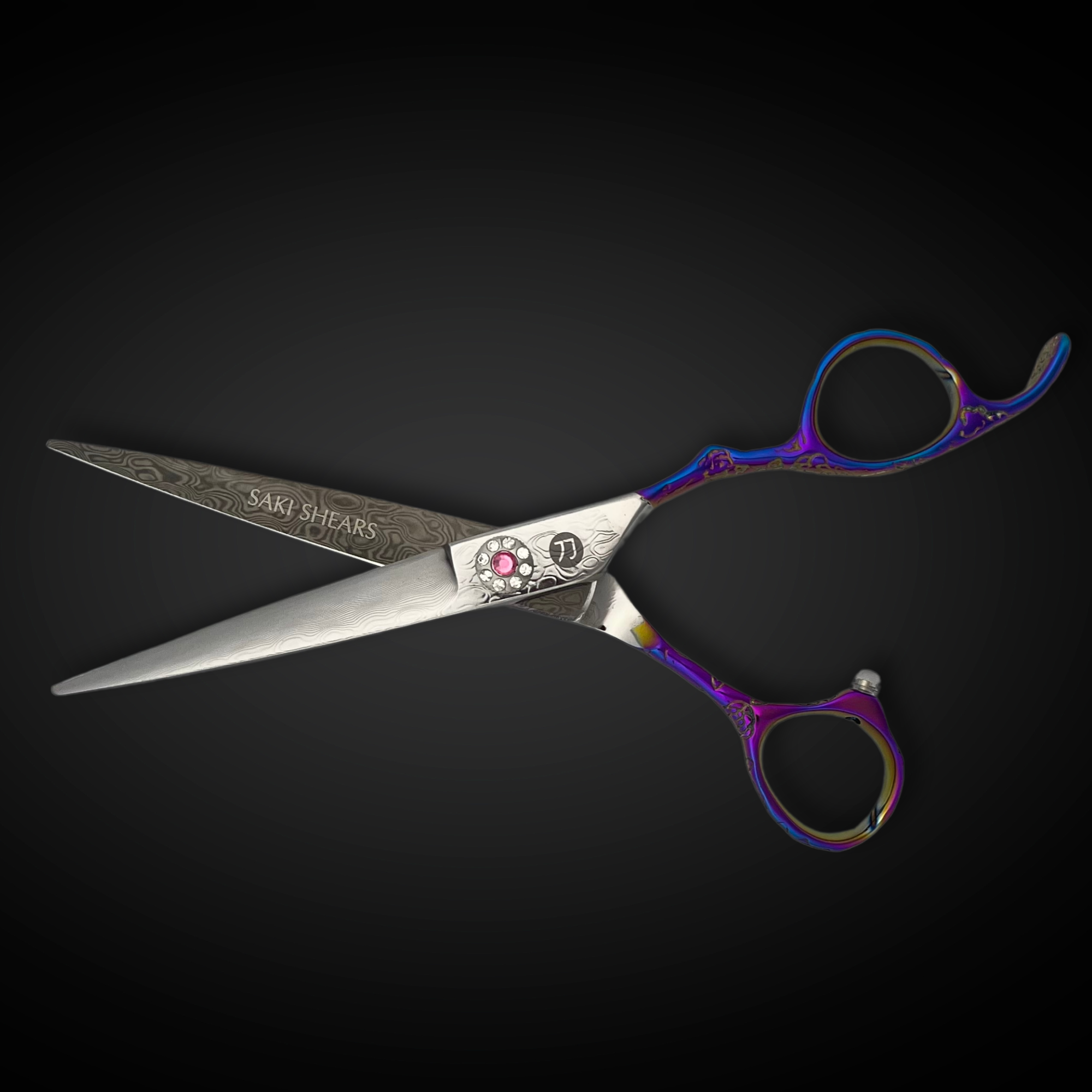
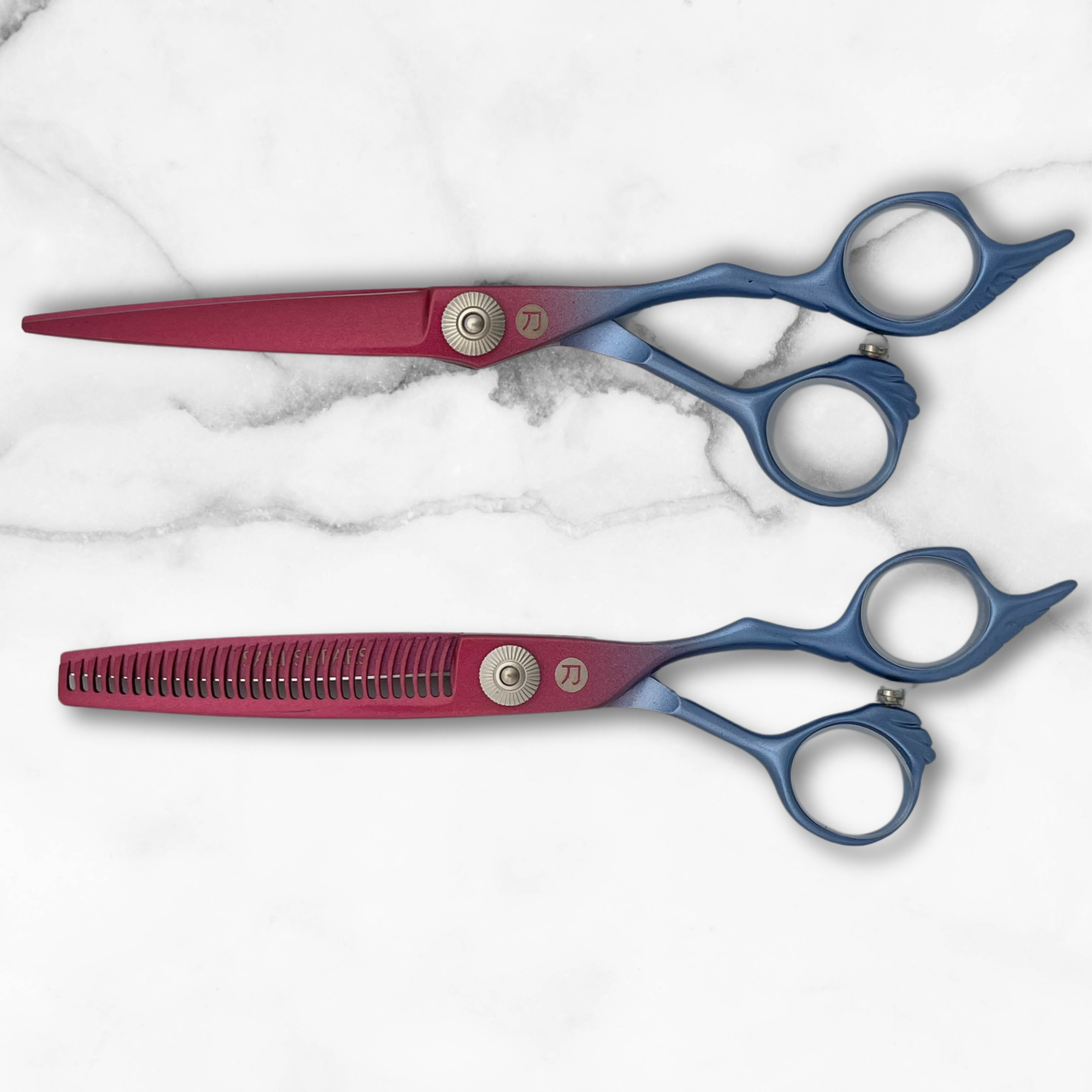
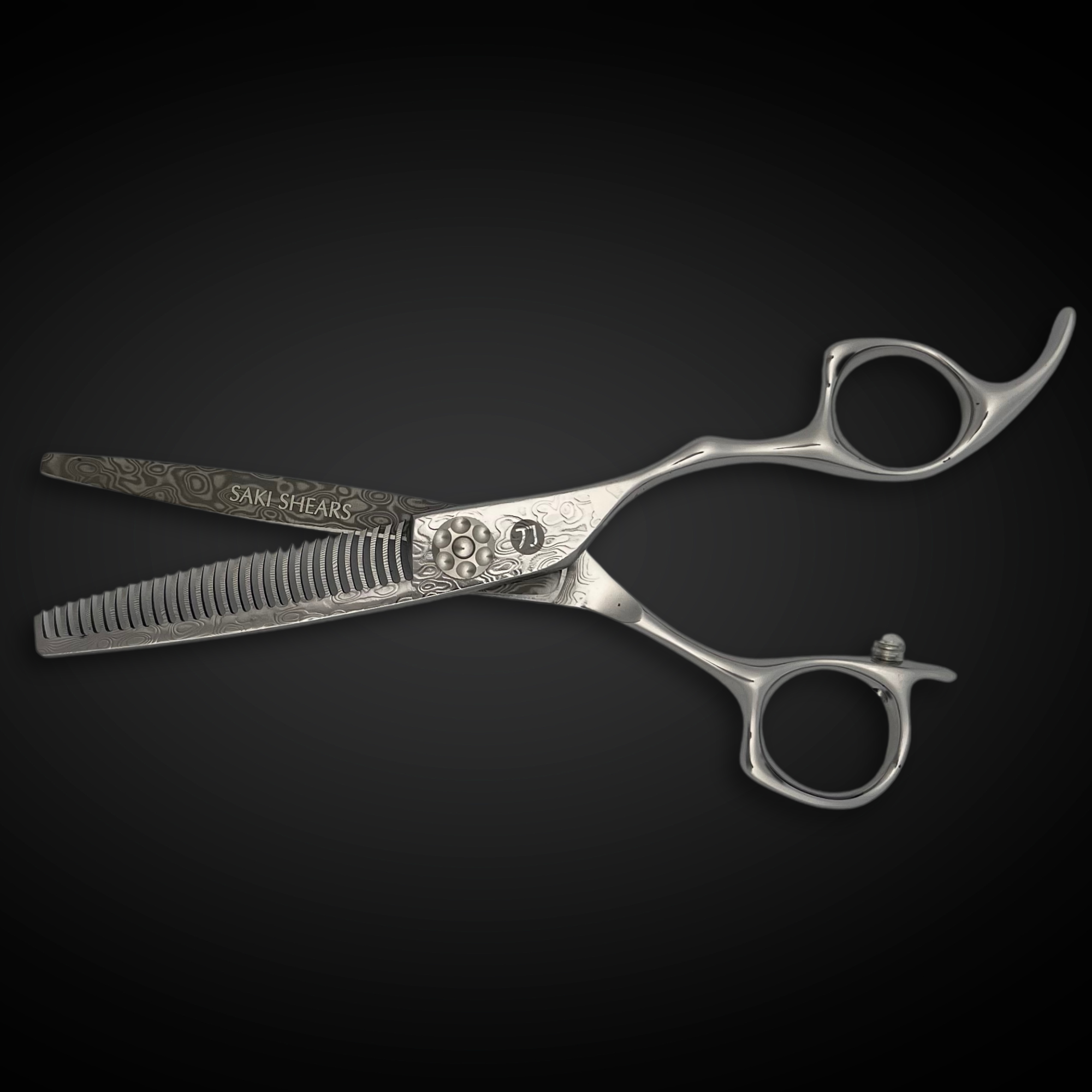
A cutting shear has two straight, sharp-edged blades and is used for blunt cuts, point cutting, and general shaping. A thinning shear (sometimes called a texturizing shear) has one or both blades notched with teeth, which removes bulk and blends without shortening length dramatically. Most working stylists carry both: a cutting shear as the primary tool and a thinning shear for finishing and texture work. Tooth count and spacing on thinning shears vary by brand and use case, so it is worth trying a few configurations to see how much hair each pass removes. Stylists building out a full kit can compare options across cutting and thinning categories at hair cutting shears and thinning shears and scissors.
Handle Style: Straight, Offset, or Crane
Handle design affects wrist and shoulder position during long cutting sessions.
- Straight handles have both finger holes aligned evenly. They are common in traditional shears but can require more wrist rotation.
- Offset handles stagger the thumb ring behind the finger ring, which lets the hand rest in a more relaxed, lowered position. This is a popular choice for reducing wrist strain during repetitive cutting.
- Crane handles take the offset concept further with a more pronounced curve, designed to keep the elbow down and minimize shoulder elevation. Some stylists find this the most ergonomic option for long days on their feet.
There is no universally "correct" handle style. The right one is the one that lets you maintain a neutral wrist position through a full shift without compensating with your shoulder or elbow.
Steel and Edge Retention Basics
Shear steel quality determines how long an edge stays sharp and how the blade responds to sharpening over its lifetime. Higher-grade stainless steels, often alloyed with elements like cobalt or molybdenum, tend to hold an edge longer and resist corrosion better, but can be more brittle if dropped or used to cut anything other than hair. Softer steels are more forgiving and easier to resharpen, but may need honing more frequently. Hardness is sometimes listed using the Rockwell scale; higher numbers generally indicate a harder, more edge-retentive steel, while lower numbers indicate a softer, more flexible blade. Neither extreme is automatically "better" — it is a tradeoff between edge life and durability that should match how heavily and how often you use the shear. For stylists interested in higher-end steel construction, layered and hand-forged options are available at Damascus hair shears.
Thinking About Budget Tiers
Shears generally fall into a few broad tiers rather than a single price point: entry-level shears for students and new stylists who are still developing technique and may need replacements as skills evolve; mid-tier shears for working stylists who want durable steel and adjustable tension for daily use; and premium shears built with higher-grade steel, tighter tolerances, and ergonomic handle designs for stylists who cut for a full book of clients every day. Rather than shopping by price alone, weigh how many hours per day you will actually be cutting, how much daily maintenance you are willing to do, and whether you need a single all-purpose shear or a coordinated set for different techniques.
Buying as a Set
Many stylists eventually standardize on a matched cutting and thinning shear set, purchased together so both tools share consistent handle geometry, steel, and balance. This makes switching between blunt cutting and texturizing feel more natural mid-service. If you are building or replacing your full kit, browse complete hair shear sets to see coordinated options.
Final Considerations
Before buying, handle the shear if you can, check the finger holes against your own hand, confirm the tension adjustment moves smoothly, and think honestly about your daily cutting volume. A shear that fits your hand and matches your technique will outperform a more expensive one that does not.

Written by Charles Harris