A Barber's Guide to Recommending Men's Styling Products
Recommending the right styling product is as much a diagnostic skill as it is a product-knowledge skill. Two clients with the same haircut can need completely different formulas once you account for hair texture, density, and what they actually do with their hair between visits. This guide breaks down how to evaluate a client's hair and translate that into a confident, specific product recommendation at the chair.
Start With Texture and Density, Not the Haircut
Texture (fine, medium, coarse) and curl pattern (straight, wavy, curly, coily) determine how a product will behave far more than the cut itself. Fine, straight hair is easily weighed down by heavier waxes and creams, so lighter, water-based formulas usually hold better without collapsing the style by midday. Coarse or coily hair, by contrast, often needs more emollient, higher-lipid products just to control frizz and provide a workable base, independent of how much hold is needed. Density matters too: thicker heads of hair generally need a slightly larger product amount and a formula with enough slip to distribute evenly without over-applying near the scalp.
Clarify the Finish the Client Actually Wants
"Finish" and "hold" are two different conversations, and clients frequently only know how to describe one of them. Ask clients to point to a texture or photo reference rather than relying on vocabulary alone, since terms like "natural" or "polished" mean different things to different people. Broadly:
- Matte finish reads as dry and textured, with no visible sheen. It suits contemporary crops, textured fringes, and any style meant to look undone.
- Natural/satin finish gives a slight, healthy-looking sheen without appearing wet. It works well for classic and business-appropriate cuts.
- High-shine/wet finish is glossy and reflective, associated with slick-backs, side parts, and retro-inspired styles.
Match Hold Level to Style and Lifestyle
Hold should be discussed separately from finish, since a client can want strong hold with a matte look, or light hold with high shine. As a rule of thumb, light hold suits shorter, low-maintenance styles and finer hair that doesn't need much control. Medium hold covers most everyday styling needs, including textured tops and side parts. Firm to strong hold is appropriate for longer top lengths, styles with defined partings, or clients working in humid climates or physically active jobs where the style needs to survive the day. It's worth asking directly how many times a day the client expects to touch up their hair, since that answer often reveals the real hold requirement better than the style alone.
Know the Generic Product Categories
Rather than memorizing brand names, it helps to think in categories and recommend based on the properties each one delivers:
- Pomades (oil-based or water-based) generally deliver shine and moderate-to-firm hold; oil-based versions offer an all-day, low-flake hold with high shine and require shampoo to remove, while water-based versions restyle easily with just water.
- Clays are matte, high-friction products that build texture and volume, ideal for shorter styles and fine hair that needs lift.
- Pastes sit between clay and pomade, offering a natural-to-matte finish with flexible, pliable hold that's easy to rework through the day.
- Gels provide the firmest hold and a wet or high-shine look, useful for precise partings and slick styles, though stronger formulas can flake if over-applied.
- Creams and light lotions offer minimal hold with a natural finish, best for control and frizz management on longer or wavy styles rather than sculpting.
Factor in Application and Aftercare
A product recommendation isn't complete without a quick note on application technique, since misapplication undermines even the right formula. Emphasize working product through towel-dried, not soaking wet, hair for more predictable hold, and distributing it hand-to-hand before combing through from roots to ends. For clients switching from a heavier formula to something lighter, mention that a clarifying wash may be needed first to prevent buildup that can make the new product perform inconsistently.
Build a Simple In-Chair Recommendation Habit
The most reliable approach is to ask three questions before suggesting anything: what finish do you want, how much hold do you need to get through your day, and how much time are you willing to spend styling in the morning? Those answers, combined with a quick assessment of texture and density, will point toward a category almost every time. Consistently walking clients through that reasoning — rather than defaulting to a single go-to product — builds trust and gives them a framework they can use to shop for themselves between visits.
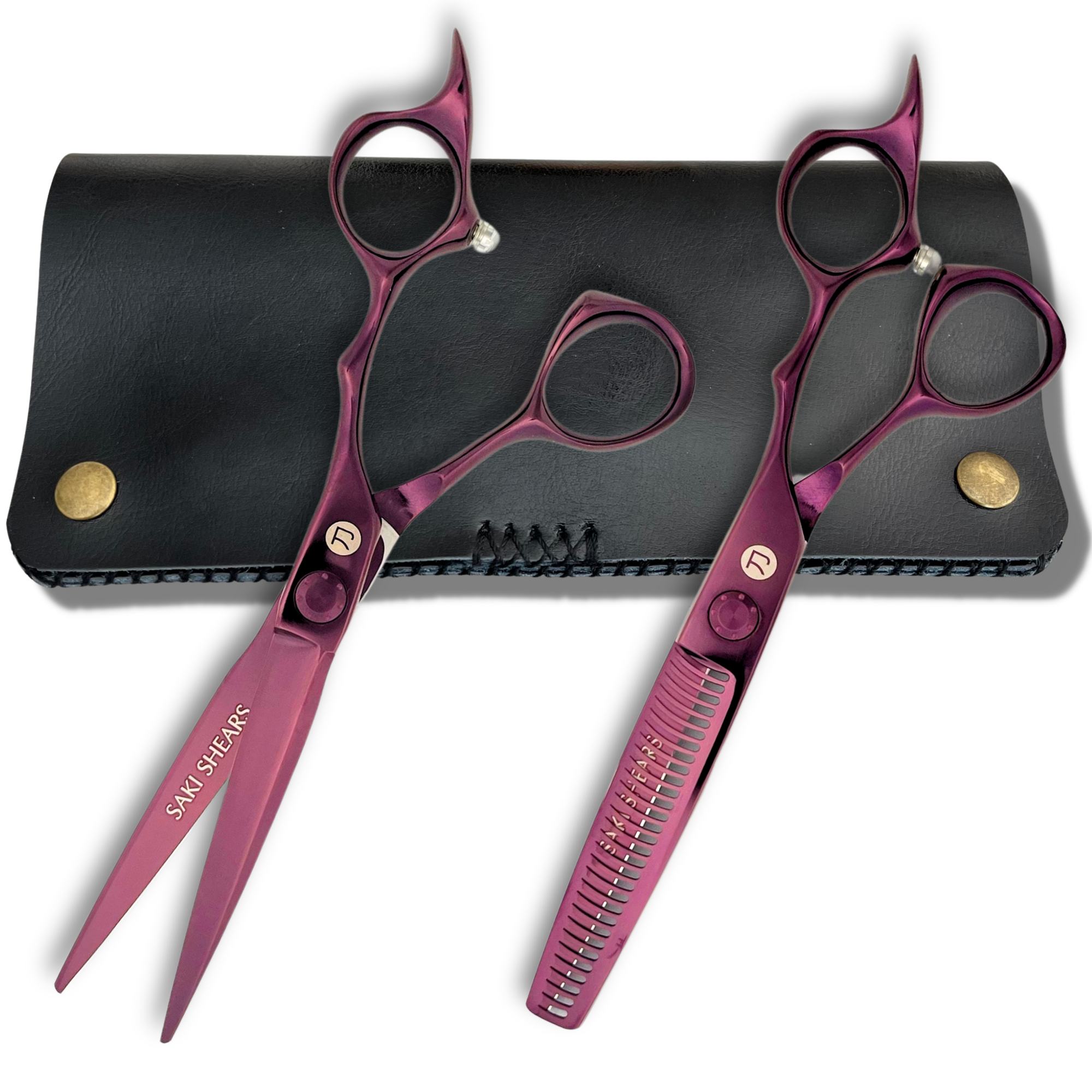
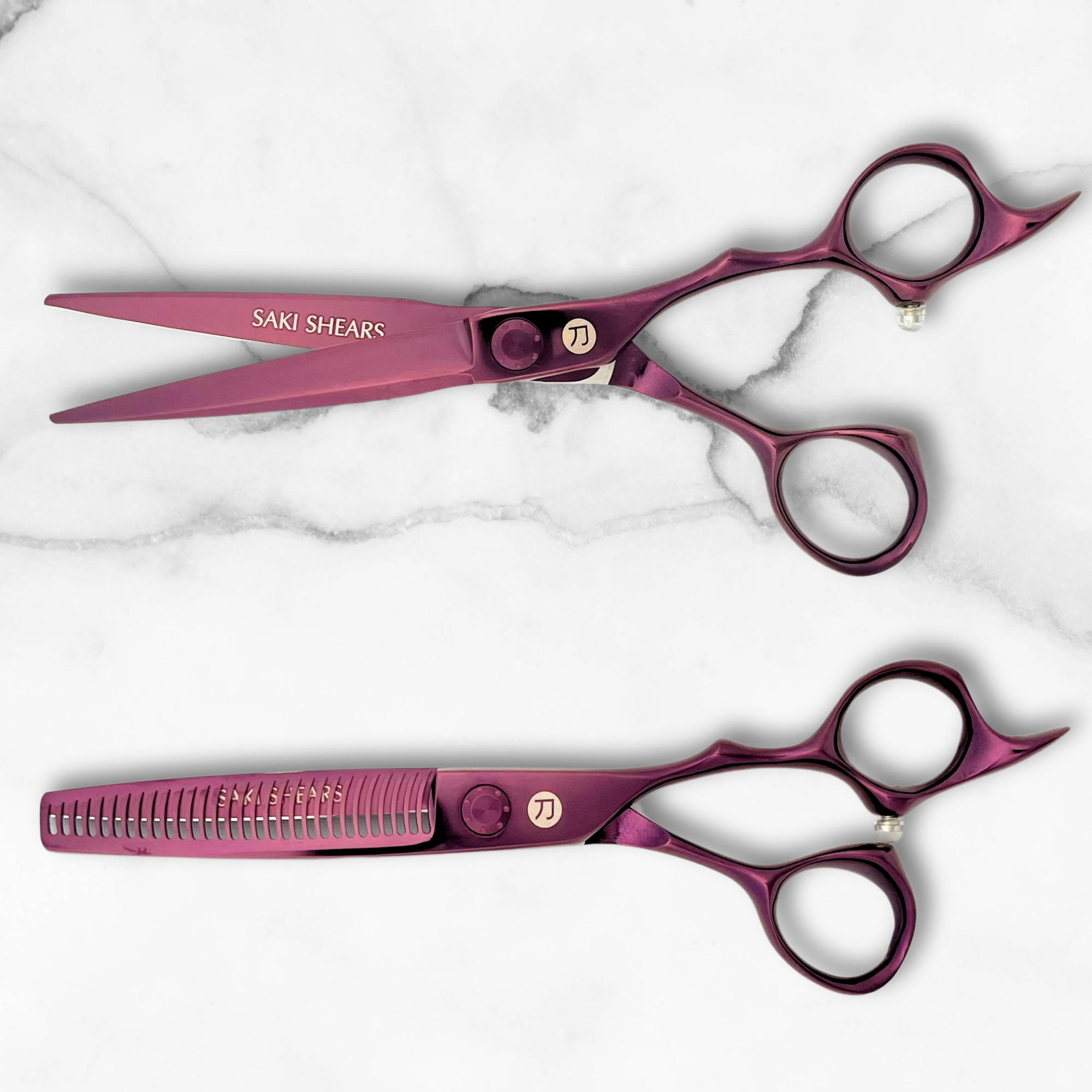
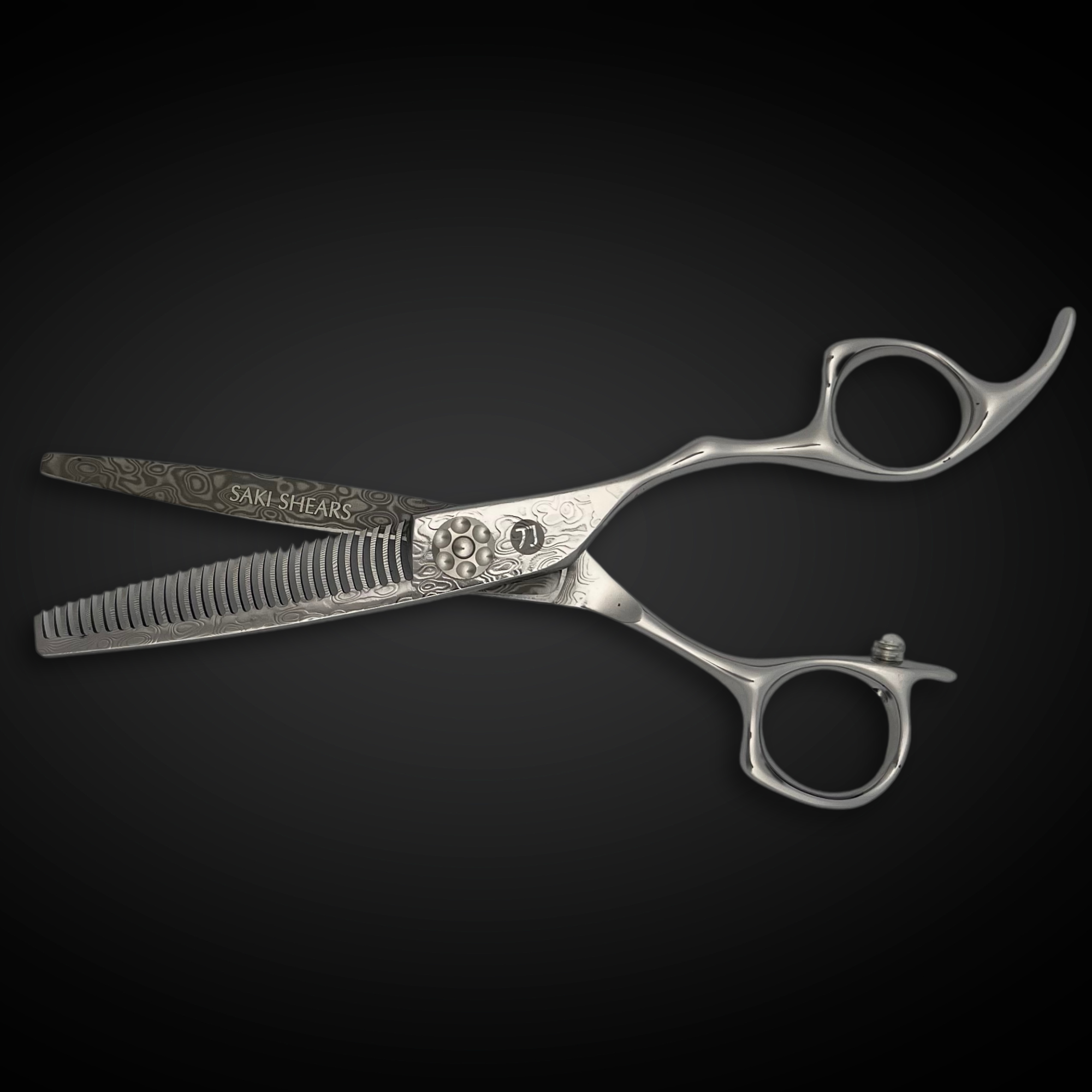
Precise, well-maintained tools remain the foundation of any finished look. Explore our hair cutting shears and thinning shears to round out the technical side of the service.

Written by Charles Harris