How to Choose Professional Hair Shears: A Buying Framework
Shears are the one tool a working stylist or barber touches on every single service, which makes them the highest-leverage purchase in your kit. A great pair speeds up your cutting, reduces hand and wrist fatigue over a ten-hour day, and holds an edge long enough to justify its price. A poor match does the opposite, even if the price tag looks similar. Here's how to actually evaluate a pair of hair shears before you buy, rather than going by size or looks alone.
Start With the Steel
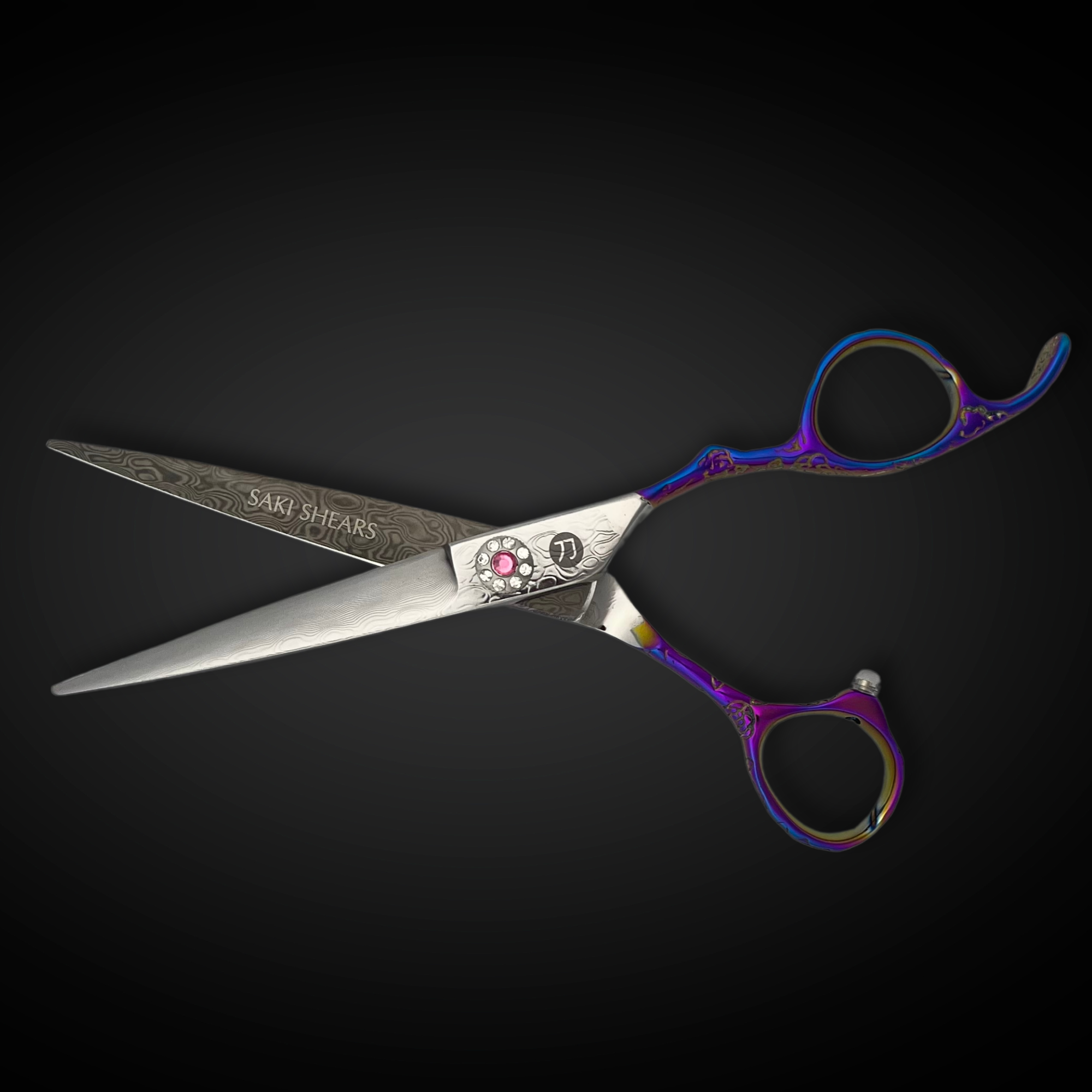
The steel determines how sharp the shear gets, how long it holds that edge, and how it responds to sharpening over the years. Japanese steel (often a high-carbon or cobalt alloy) is the standard for professional-grade shears because it takes a finer edge and holds it longer than lower-grade stainless steel. Cheaper shears often use a softer steel that dulls quickly and requires more frequent sharpening, which adds cost and downtime over time. If you're shopping in the mid-to-upper range, ask what steel a shear is made from and how it's hardened—those details tell you more about long-term performance than the brand name on the box.
Match the Weight and Balance to Your Hand
A shear that's too heavy will fatigue your hand, wrist, and forearm over a full day of cutting; one that's too light can feel unstable during detail work. Weight and balance are personal—there's no single "correct" spec, only what feels controlled and neutral in your own hand. When you can, hold a shear before buying: check where the weight sits when your fingers are in the handle, and see whether your wrist wants to compensate to keep the blades level. If you're buying online without a chance to test first, look for the shear's listed weight and handle offset, and compare them to a pair you already know works well for you.
Understand Tension and Pivot Adjustment
Tension is what keeps a shear's blades gliding smoothly against each other without slicing hair from friction alone or, on the other end, chewing through it because the blades are too loose. Shears with a stable, easily adjustable tension screw or pivot system let you fine-tune this as the shear breaks in or as humidity and use shift things slightly day to day. Cheap tension mechanisms tend to loosen quickly and unevenly, which shows up as hair catching or slipping mid-cut. If a shear has an adjustable tension system, learn how to check and reset it—it's one of the simplest habits for extending a shear's working life.
Choose a Handle Style That Fits Your Technique
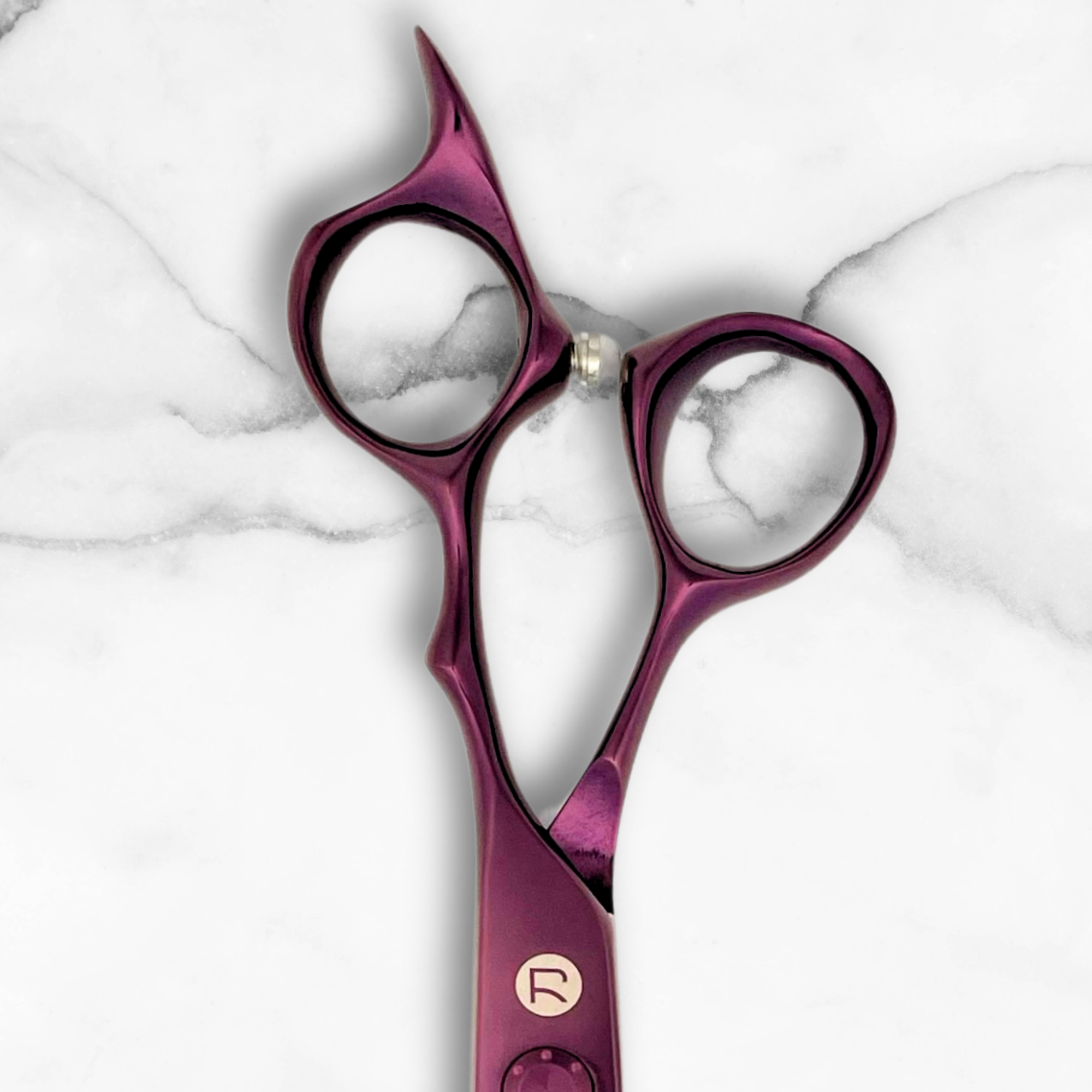
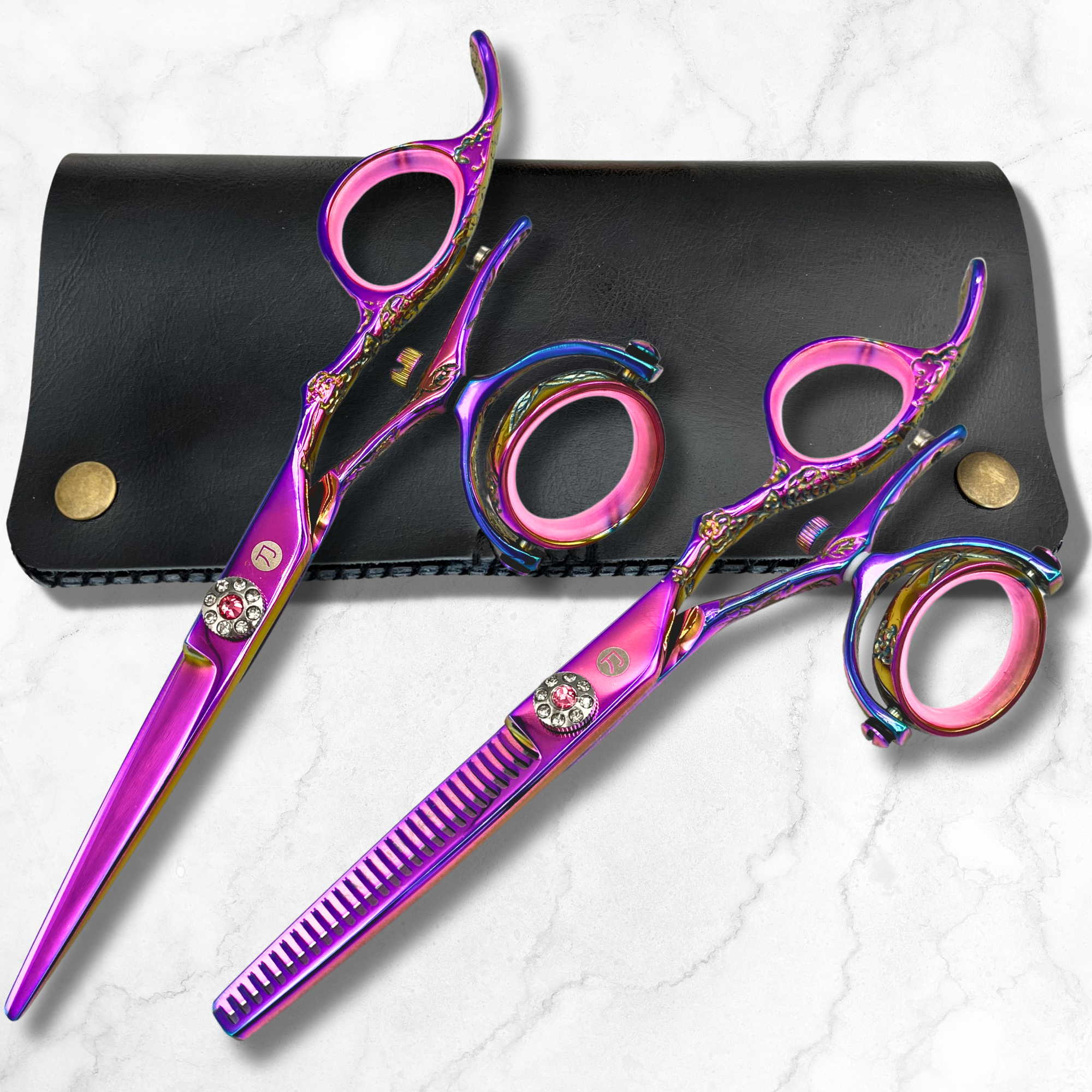
Handles generally fall into a few families: classic (offset) handles, opposing-thumb handles, and crane or swivel handles that let the thumb move more independently. Offset handles suit stylists who cut with a more traditional wrist position; swivel handles are often favored by those doing a lot of over-the-comb or slide-cutting work, since they reduce strain from repeated thumb rotation. Neither is objectively better—the right choice depends on your cutting style and any existing hand or wrist strain you're managing. If you're unsure, think about the techniques you use most in a typical week and choose a handle built around those movements.
Think About Your Full Kit, Not Just One Pair
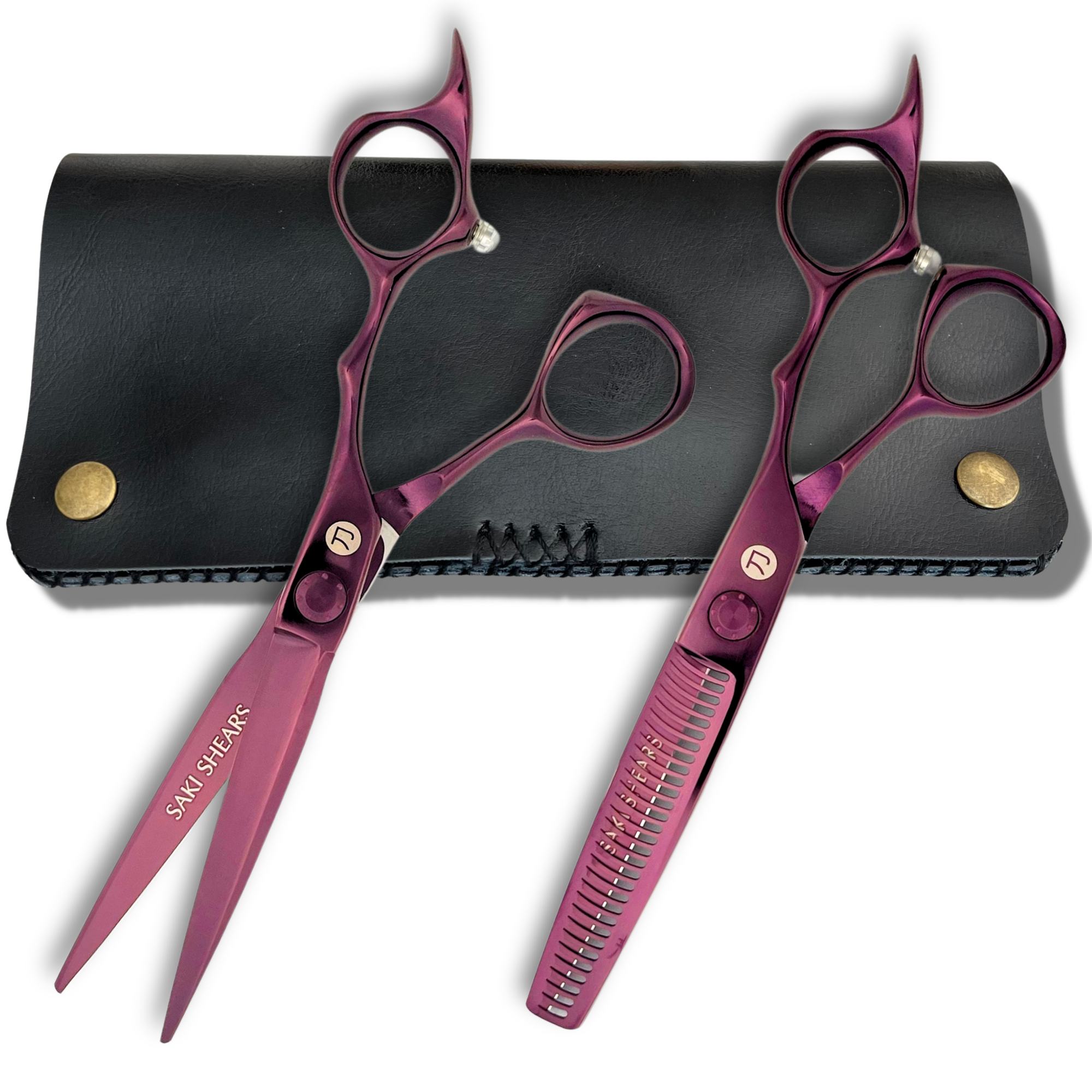
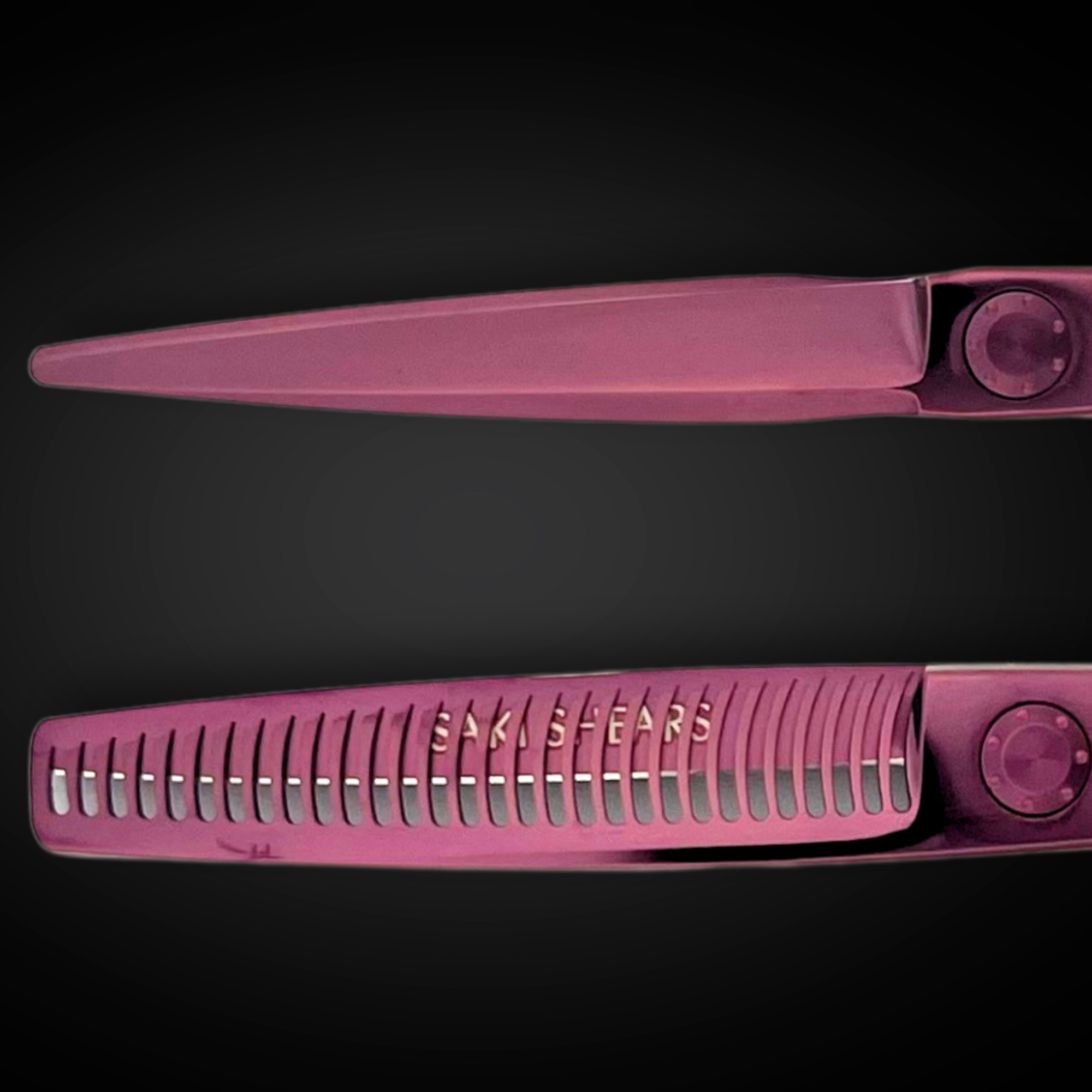
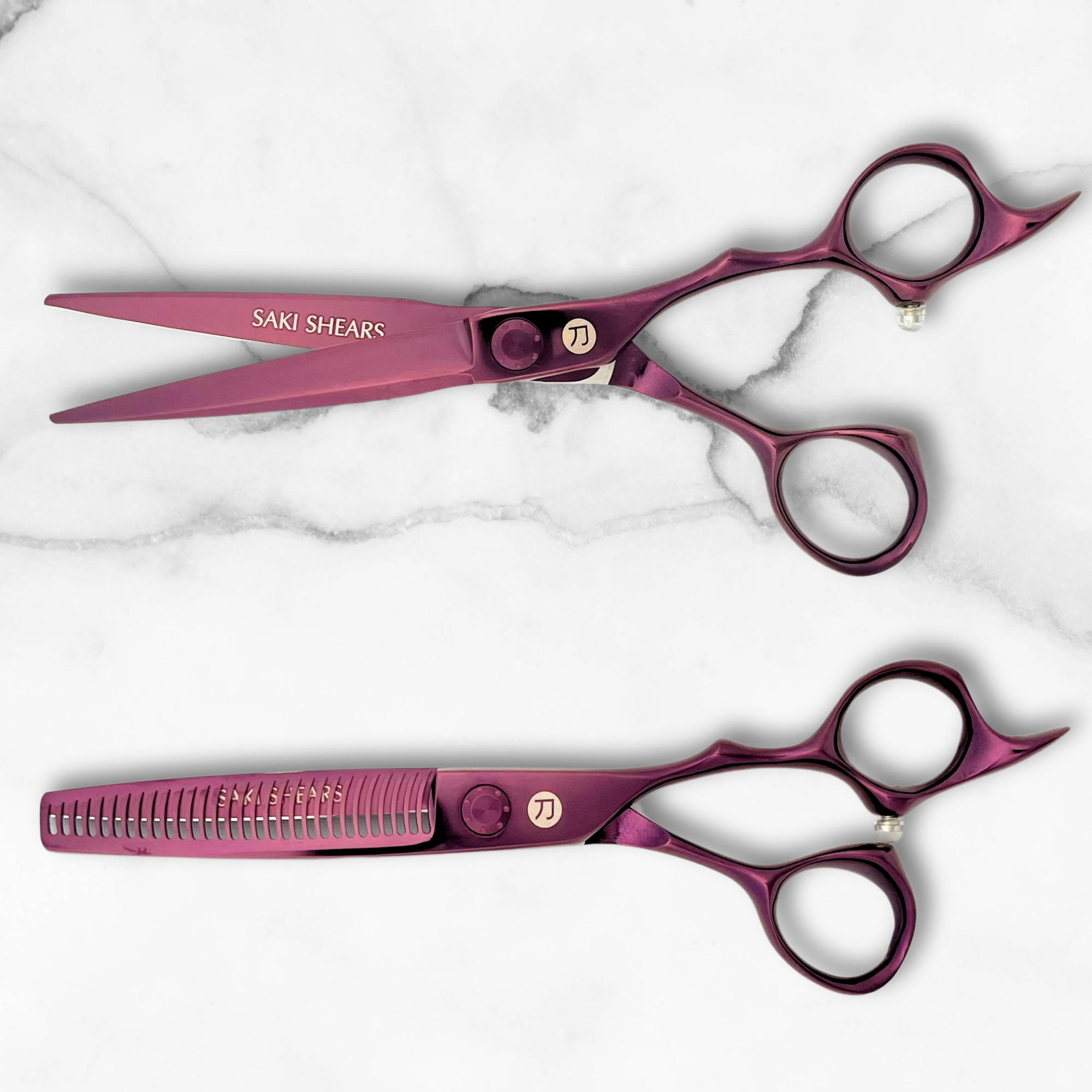
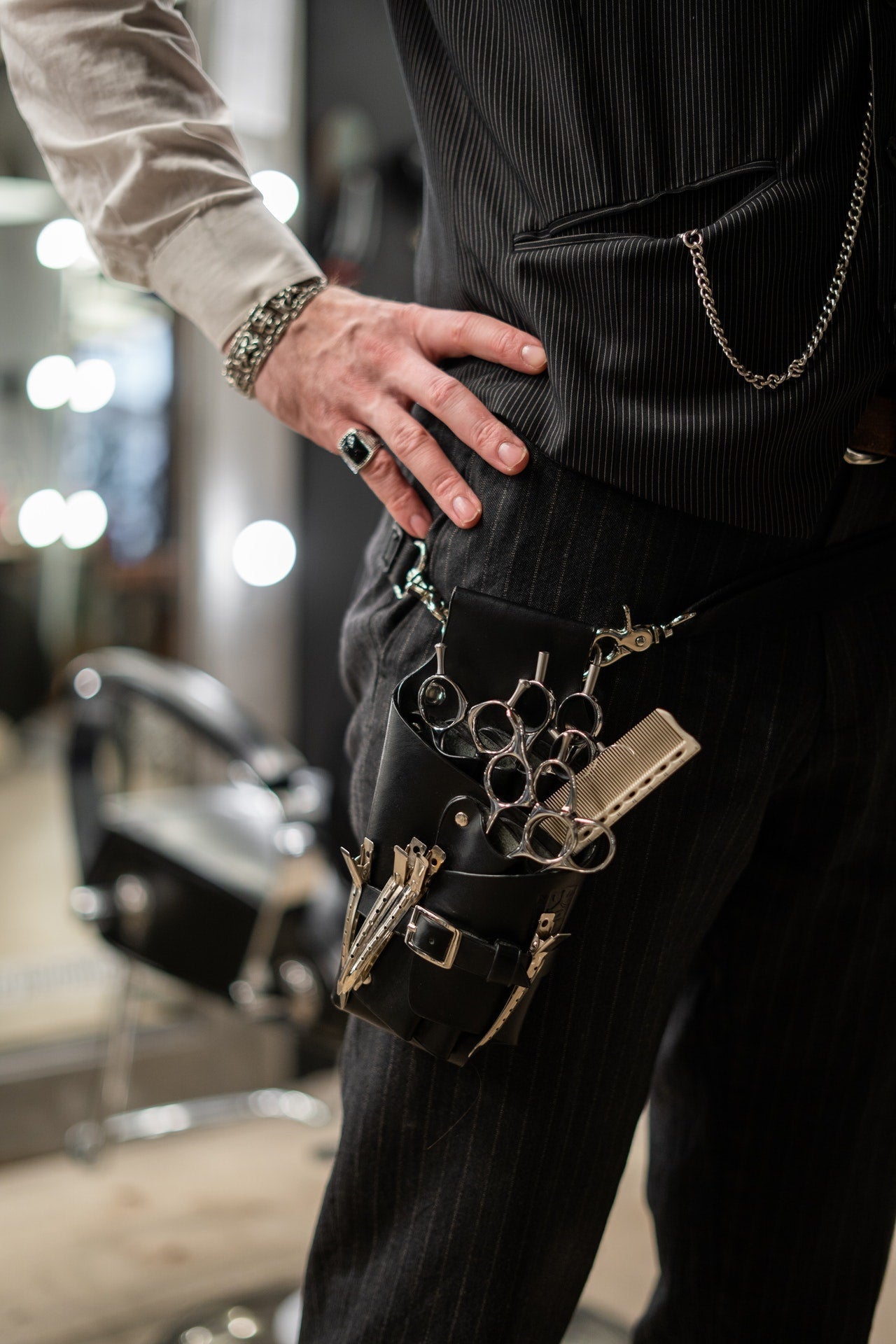
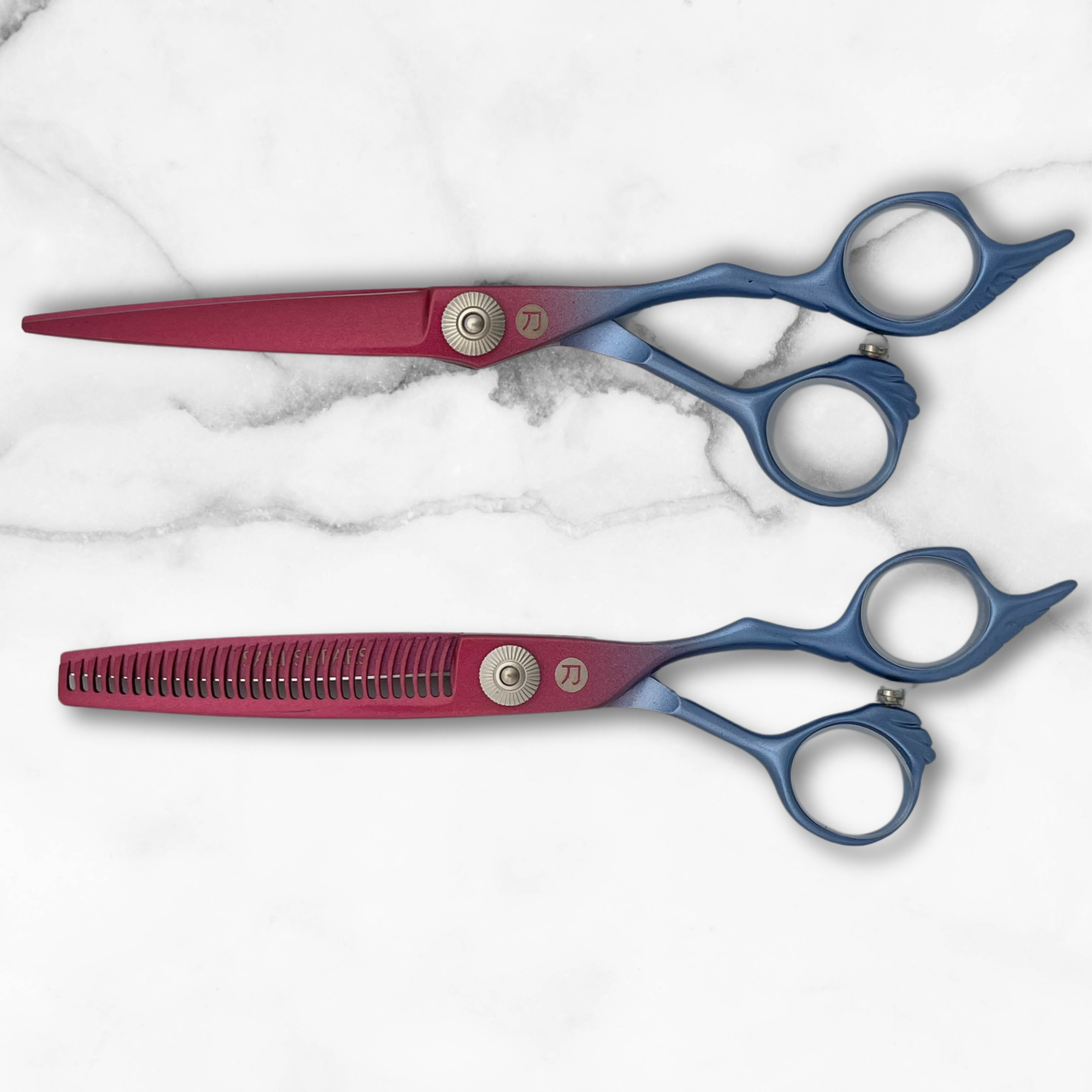
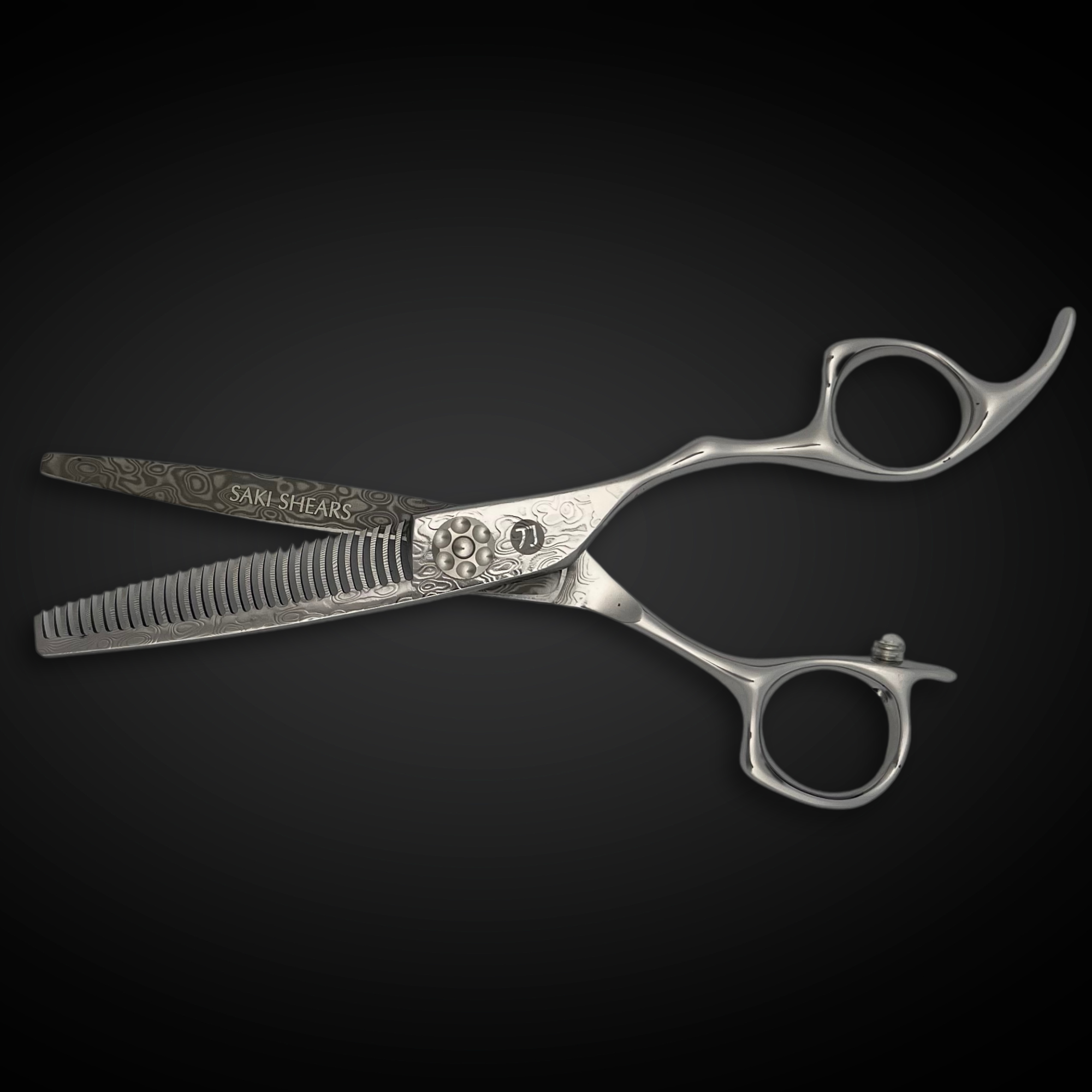
Most working stylists eventually carry more than one shear: a cutting shear for bulk work, a texturizing or thinning shear for blending, and sometimes a shorter pair for detail and finishing. Buying a matched set from the start can be more cost-effective than assembling pairs one at a time, and it usually means consistent steel quality and balance across your kit. If you're building out your collection, it's worth browsing cutting shears, thinning and texturizing shears, and complete shear sets to see what combination fits how you actually work.
Treat the Price as a Career Investment
Professional shears are a real expense, but they're also a tool you'll use thousands of times a year for as long as you're behind the chair. A well-made pair, properly maintained, can last for years and often gets resharpened rather than replaced. Rather than asking "what's the cheapest pair that will cut hair," ask "what pair will hold up to daily professional use and support the way I work." Set a realistic budget based on how much you cut, factor in occasional professional sharpening, and buy the best steel and fit you can reasonably afford—your hands will notice the difference long before your clients do.

Written by Charles Harris