The 3 Tools Every Working Stylist Should Invest In
Every professional builds their kit around a handful of tools that get used on nearly every client, every day. For most working stylists and barbers, that short list comes down to three items: a solid pair of cutting shears, a thinning or blending shear, and a quality comb (clippers take the comb's place for most barbers). Everything else in the kit is useful. These three are load-bearing. When one of them is wrong for your hand or your technique, it shows up in every haircut you do that day.
Cutting Shears: The Tool You Cannot Work Around
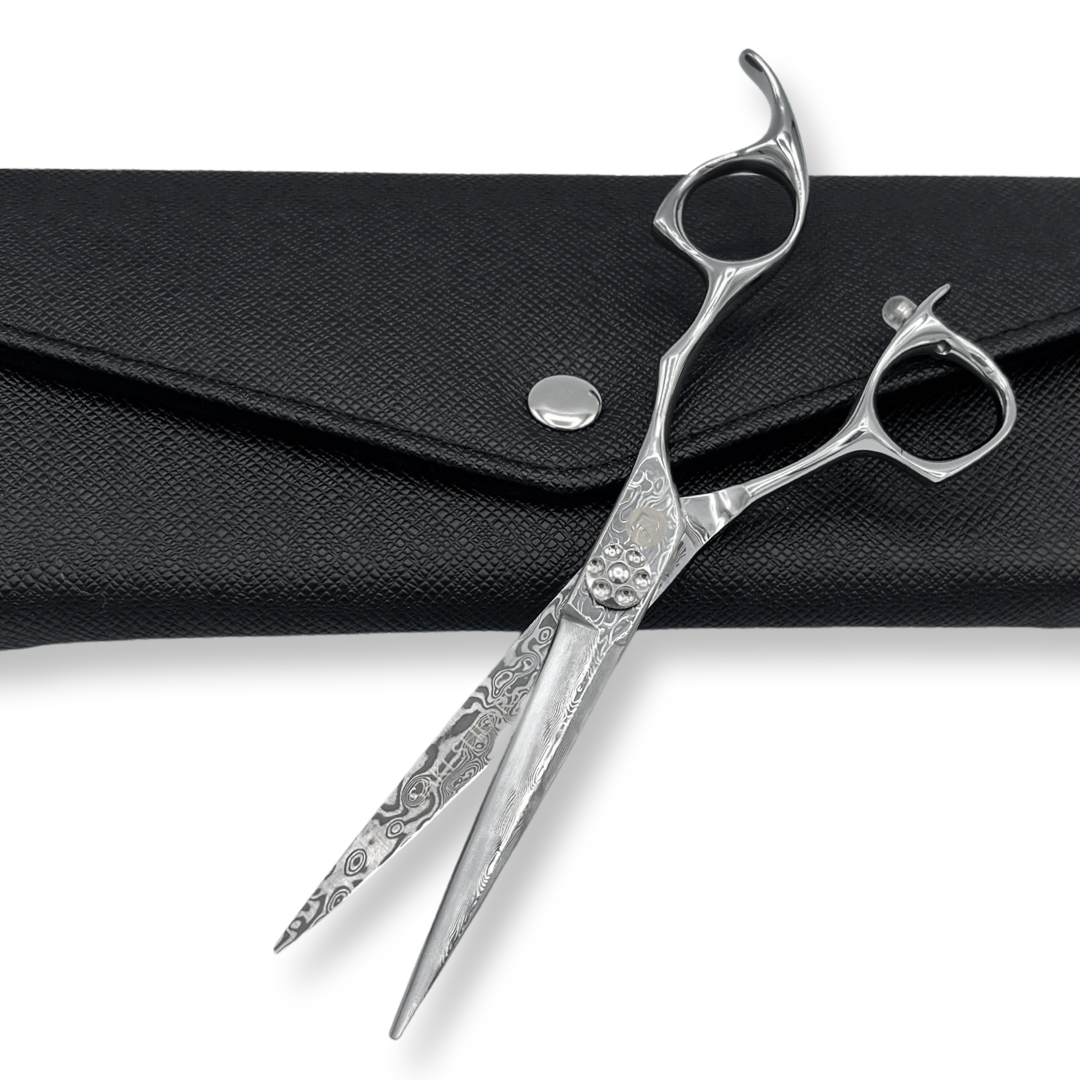
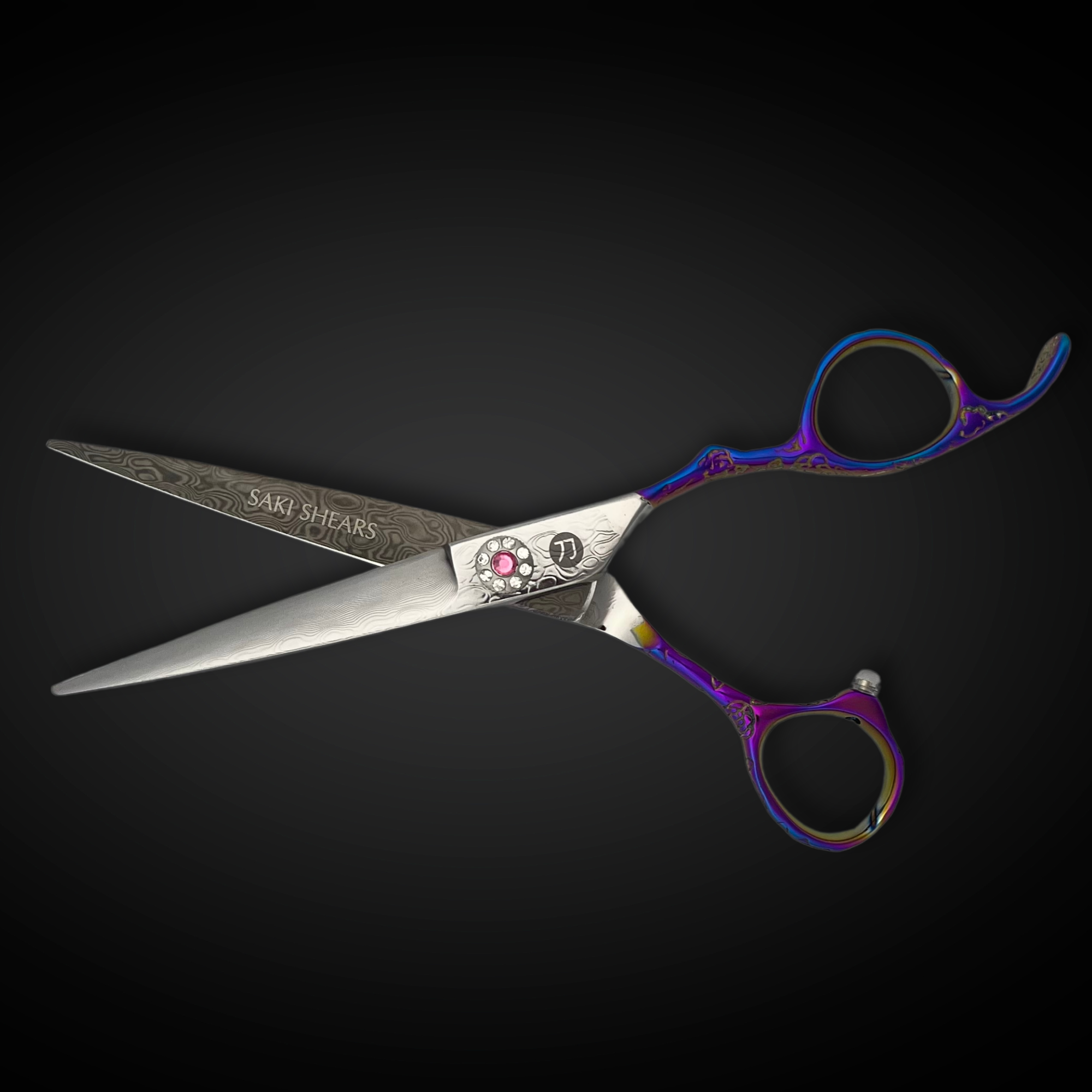
Your primary cutting shear does more work than any other single tool on your station. It is responsible for blunt cuts, point cutting, precision lines, and the bulk of the technical work that defines a haircut. Because it is used constantly and for extended stretches, small flaws compound fast. A blade that is even slightly out of alignment forces you to compensate with extra hand pressure, which shows up as fatigue by early afternoon and inconsistency in your line work by the end of a full day of bookings.
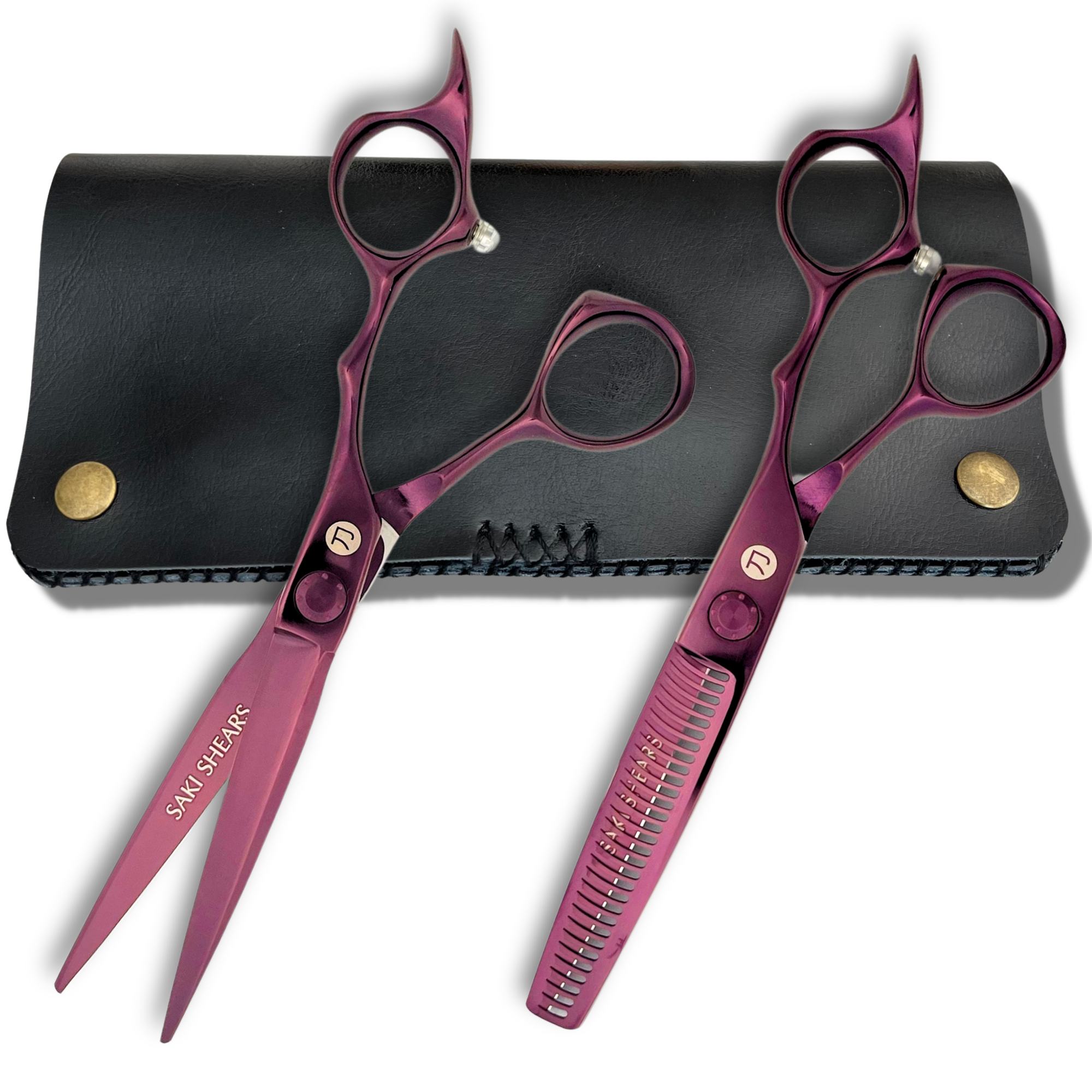
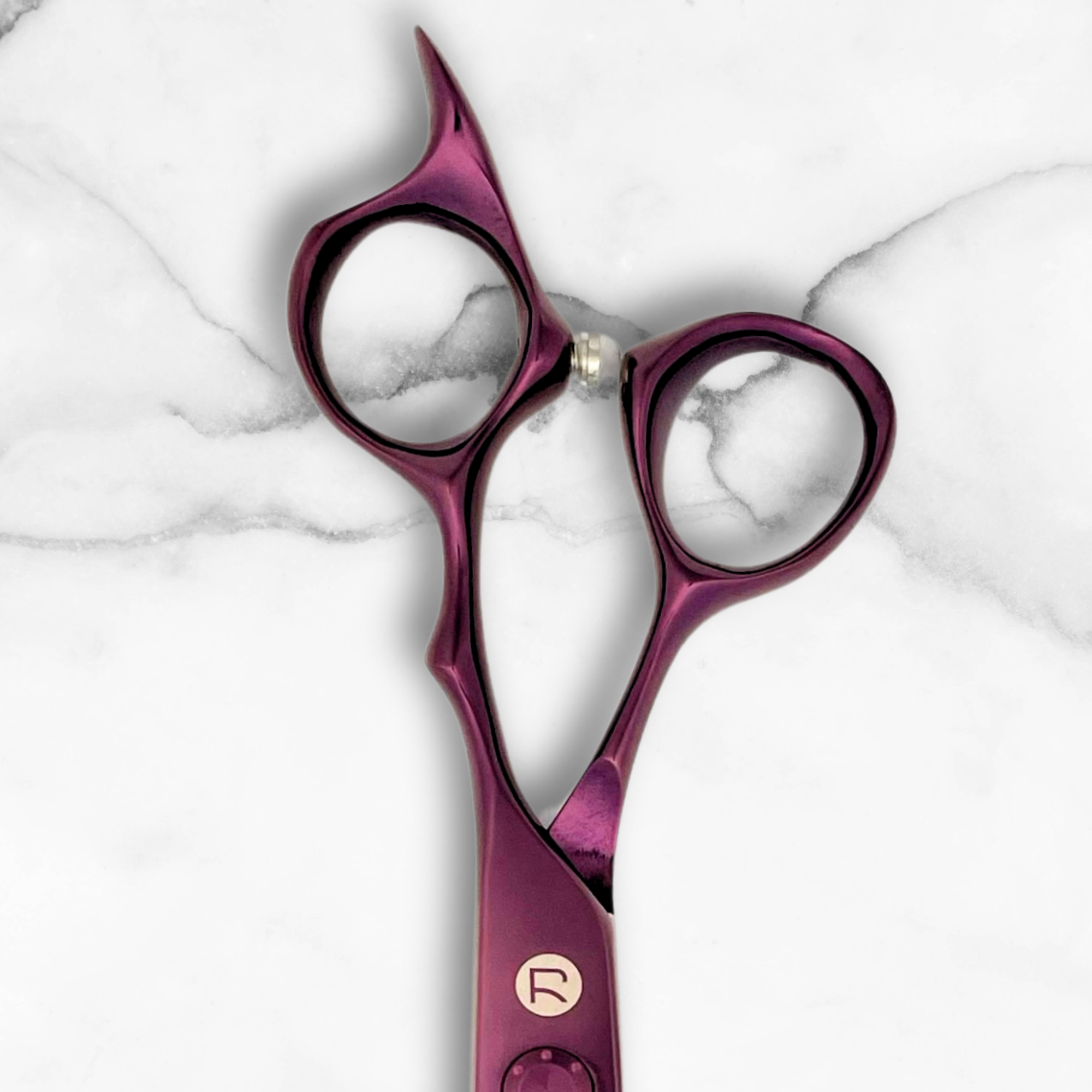
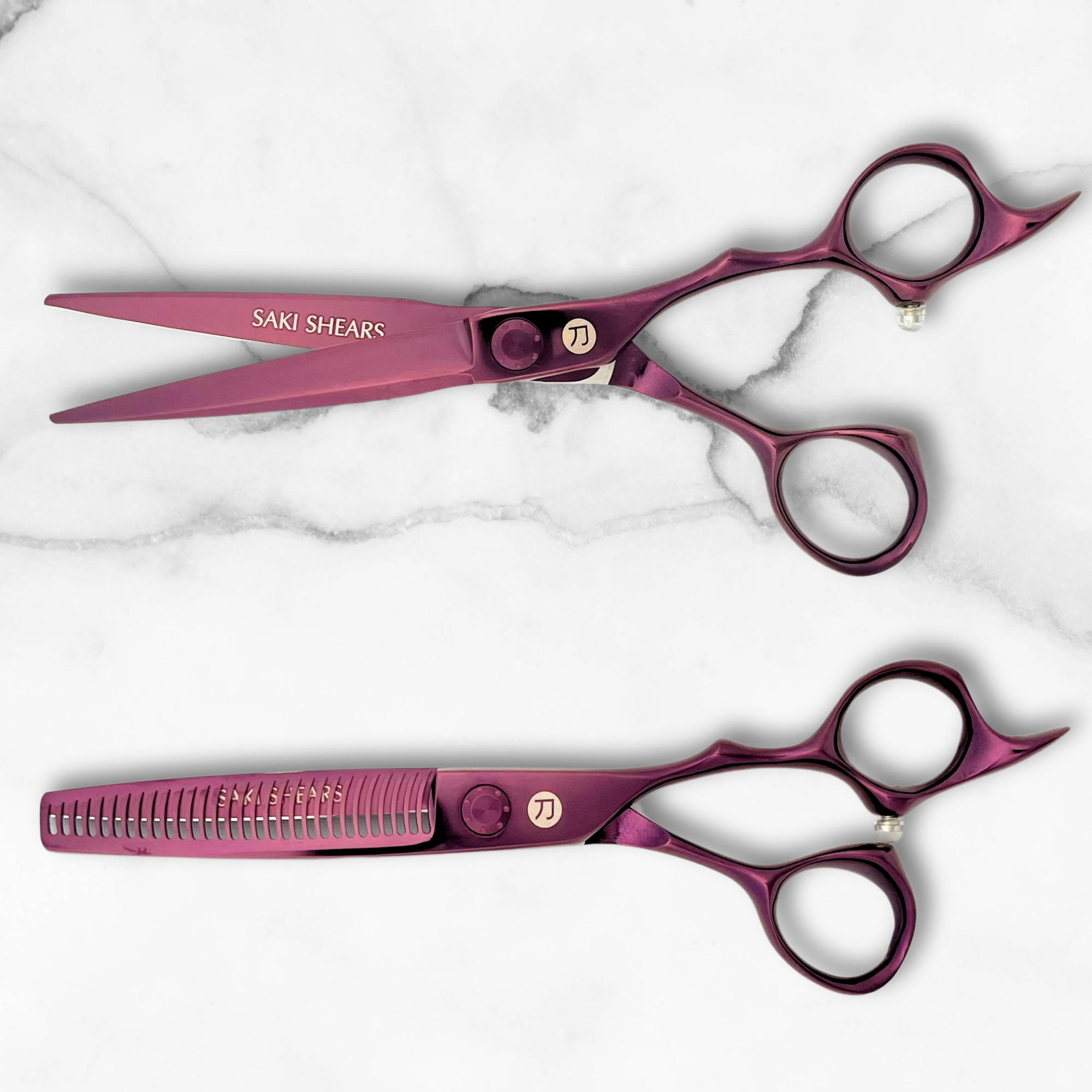
Quality in a cutting shear comes down to a few concrete things: steel that holds an edge through a full day of cutting instead of dulling by midday, a pivot that stays smooth and adjustable rather than loosening within a few months, and a handle geometry that matches how you actually hold the tool. Stylists who cut eight, ten, twelve heads a day are not looking for a shear that performs well in a five-minute test. They need one that performs identically on the fortieth cut of the week as it did on the first. That consistency is what separates a professional-grade shear from a general-purpose pair, and it is worth paying for. You can browse options built for this kind of daily use in our hair cutting shears collection.
Thinning and Blending Shears: Precision Where It Counts
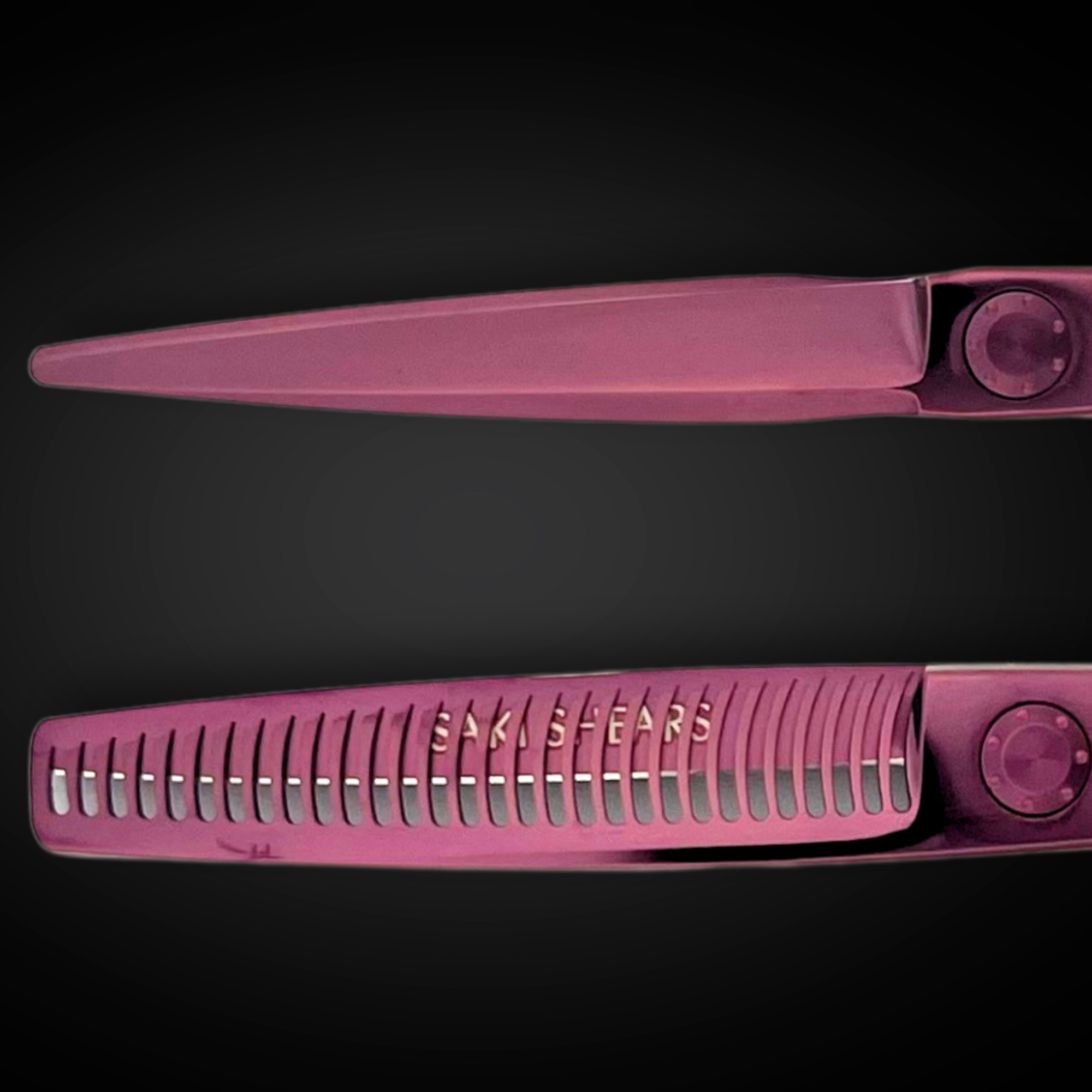
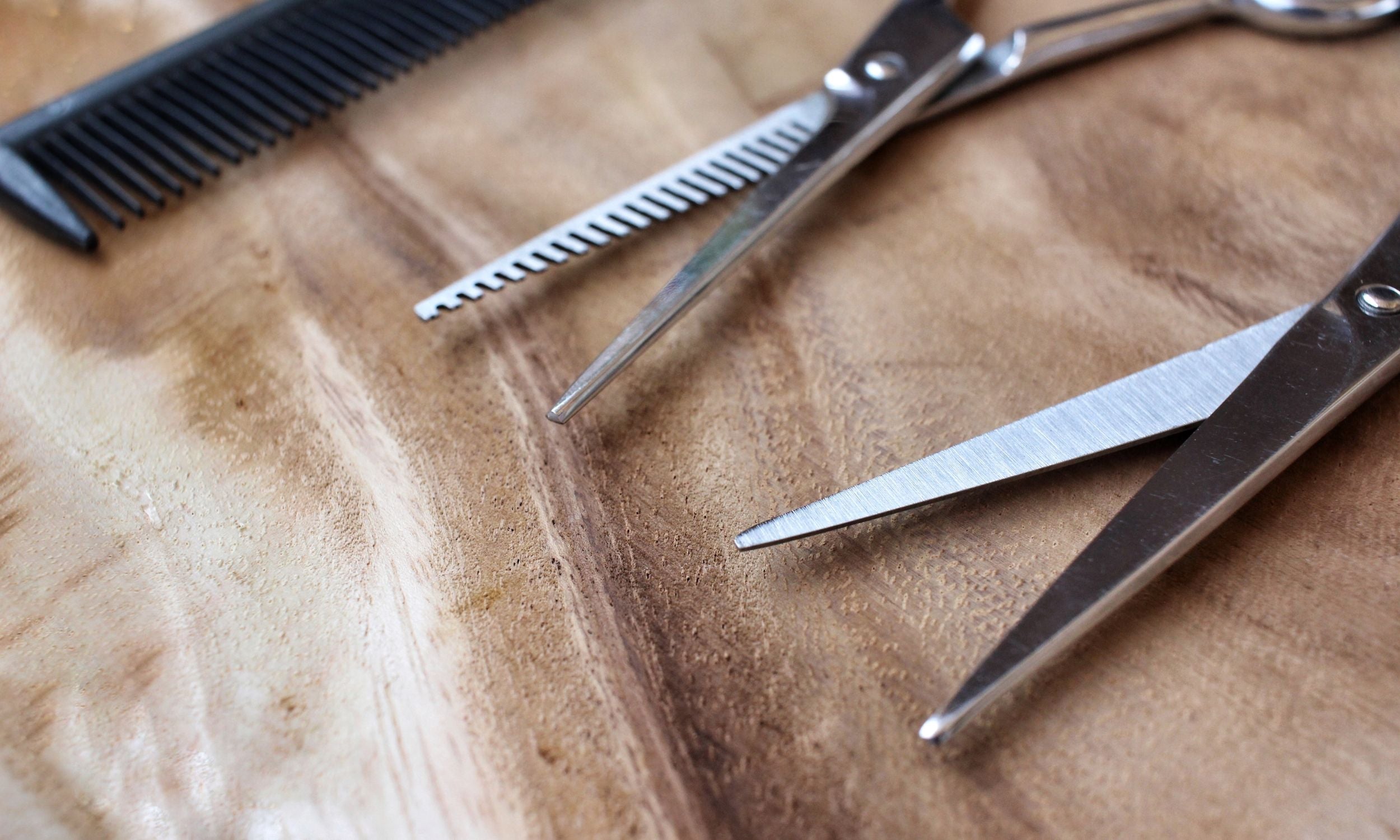
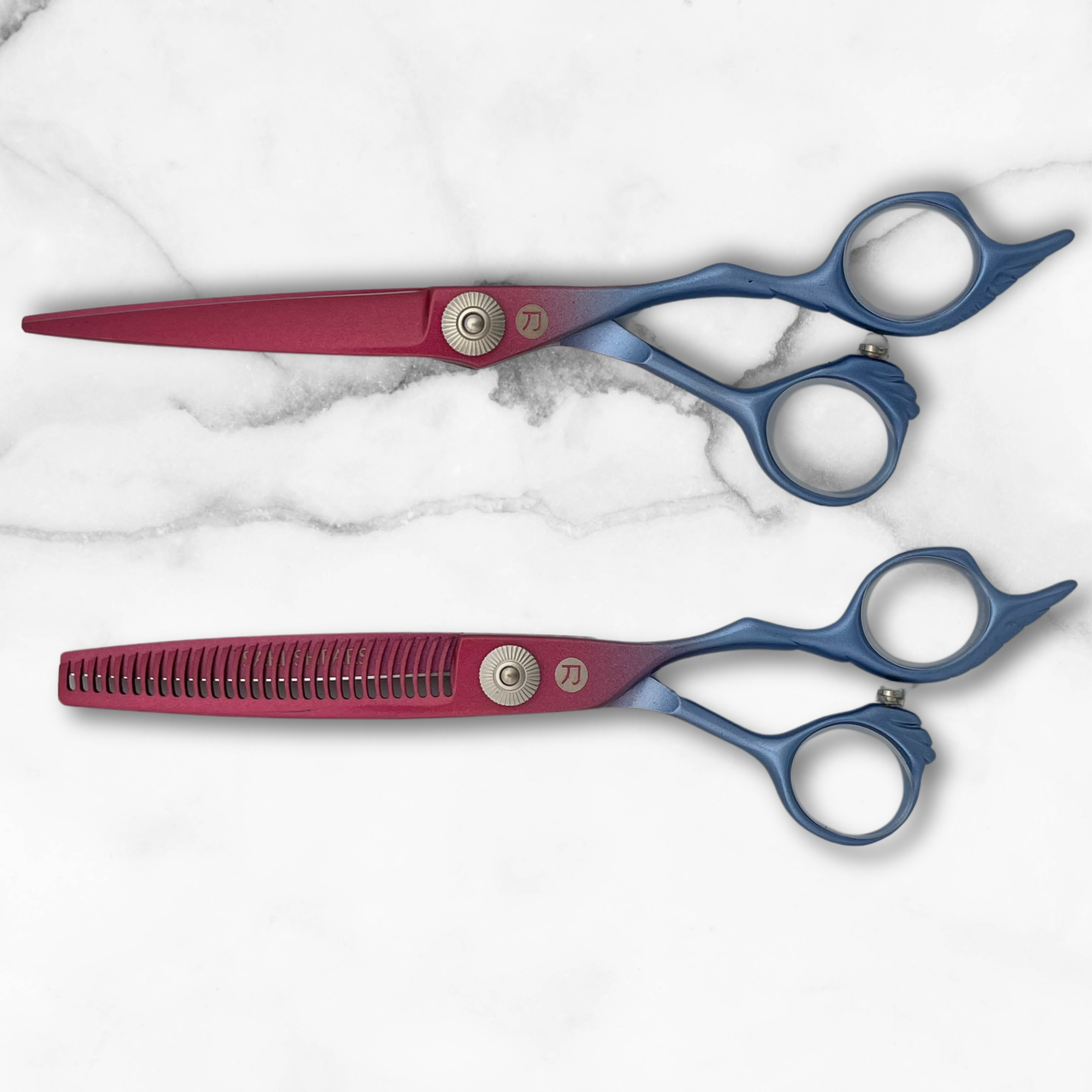
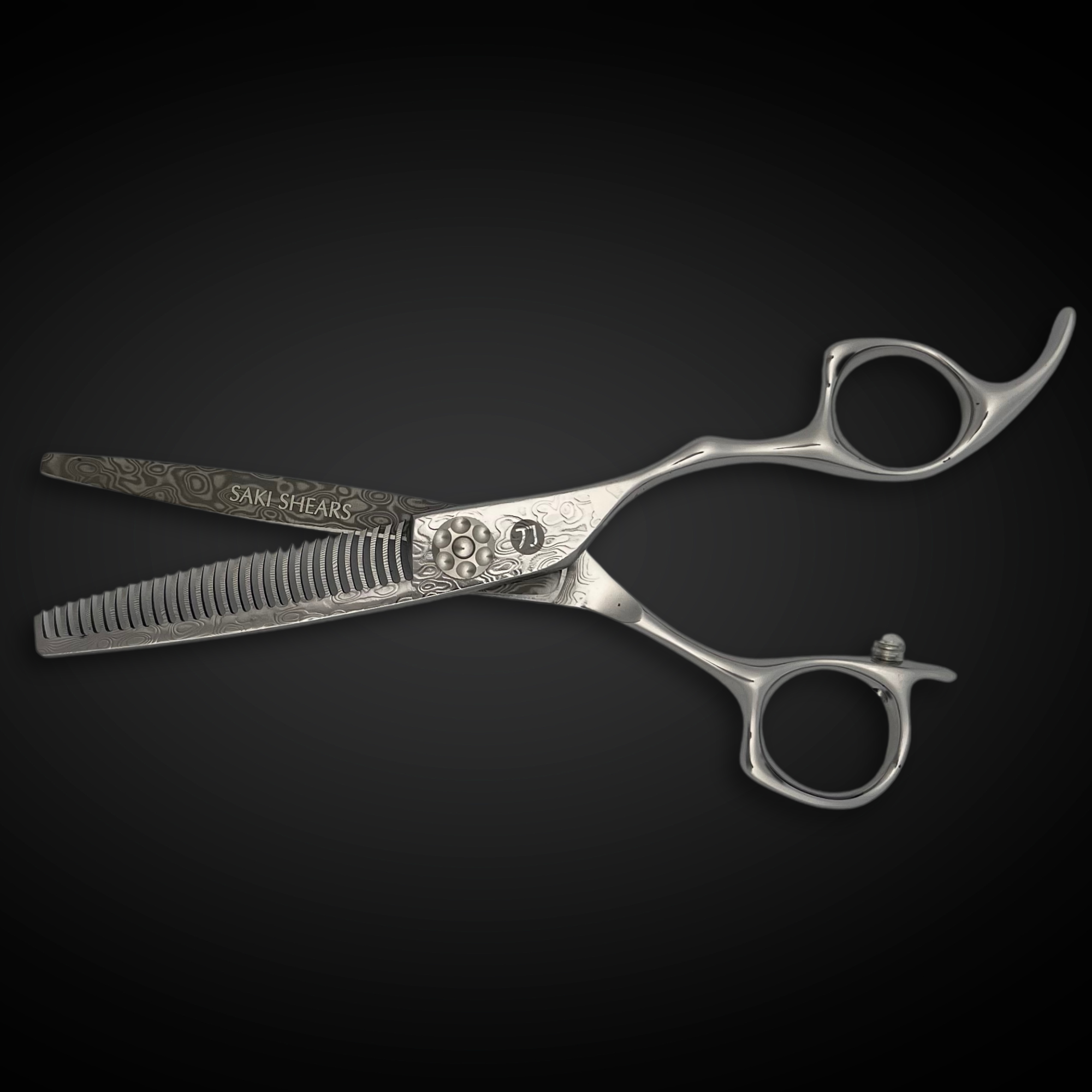
A thinning or blending shear does a different job than your primary cutter, and trying to make one tool do both is where a lot of inconsistent work comes from. Thinning shears remove bulk and soften lines without shortening length, and they are what make blended, textured, and layered work look intentional instead of choppy. The tooth count and tooth spacing on these shears matter more than most stylists think about day to day. Too few teeth and you remove too much hair at once, leaving visible gaps and steps in the cut. Too many, or badly finished teeth, and the shear tugs and snags instead of cutting cleanly, which clients notice immediately even if they cannot articulate why.
Cheap thinning shears tend to fail in exactly this way: uneven tooth spacing, teeth that were stamped rather than precision-ground, and pivots that do not hold adjustment. The result is a tool that pulls hair rather than slicing it, which means more passes to get the same result and more strain on your hand and wrist over a full shift. A well-made thinning shear should feel almost identical in your hand to your primary cutting shear, so you are not adjusting your grip or your angle every time you switch tools mid-cut. If blending and texturizing are part of your regular service menu, it is worth looking at shears designed specifically for that job in our thinning shears and scissors collection.
A Quality Comb, or Clippers for Barbers
The comb is the least glamorous tool in the kit and the most underrated. It controls tension, angle, and sectioning, all of which directly determine the accuracy of every cut you make with your shears. A warped comb, one with inconsistent tooth spacing, or one that generates static will fight you on every single pass, throwing off your sectioning and making even a good shear perform worse than it should. Stylists who upgrade their shears but keep using a worn-out five-dollar comb are often solving only part of the problem.
For barbers, clippers fill this role instead, and the same logic applies. A clipper with a motor that bogs down on thick or dense hair, blades that heat up and dull quickly, or inconsistent guard sizing will undercut even excellent shear and razor work elsewhere in the cut. Since clippers are used on nearly every client for outlines, fades, and bulk removal, they deserve the same investment mindset as your shears rather than being treated as a commodity purchase. If clipper work is a regular part of your day, it is worth looking at options built for continuous professional use in our electric clippers and trimmers collection.
Why These Three Deserve the Investment
Every tool in a stylist's kit matters, but not equally. Combs and clippers and shears used constantly, under sustained hand pressure, for a full working day, will always show wear and performance gaps faster than anything used occasionally. That is the real argument for spending more on these specific tools rather than across the board: it is not about having the most expensive kit, it is about matching quality to actual daily use.
A short list of what to prioritize when evaluating any of these three:
- Steel quality and edge retention under repeated daily use, not just out-of-the-box sharpness
- A pivot or motor that holds its adjustment and performance over months, not weeks
- A handle or grip geometry that matches your hand and cutting style, reducing fatigue over a full shift
- Consistent manufacturing tolerances, since uneven teeth or blades create uneven results no matter how skilled the stylist
Getting these three tools right does more for your daily work, your consistency, and your long-term hand health than any other purchase you will make for your station.

Written by Charles Harris