Talking Clients Through the At-Home Haircut Aftermath
When a client sits in your chair after attempting a haircut at home, the worst thing you can do is make them regret telling you. The best thing you can do is turn that appointment into the reason they never book anywhere else again. Self-cut corrections are becoming a routine part of the job, and how you handle the first five minutes of that conversation matters as much as the technical fix.
Why This Keeps Happening
Clients attempt DIY cuts for a mix of reasons: they are stretching time between appointments, they saw a tutorial that made it look simple, or they were trying to fix a small issue themselves and it snowballed. None of that is a reflection on you or your work. Walking in assuming the client did something wrong, rather than something understandable, sets the wrong tone before you have even looked at their head.
Assess Before You Say Anything
Resist the urge to react the moment you see the damage. Take the client to your station, get them under good light, and do a full assessment of the hair before you comment on it. Check for uneven lengths, over-thinned sections, nicked hairlines, and inconsistent layering. Run your fingers through dry hair first, then wet it if needed to see the true line. Knowing exactly what you are working with before you speak keeps you from making a promise you cannot keep or alarming a client over something that is actually a quick fix.
Leading the Conversation Without Judgment
Once you understand the scope of the correction, talk the client through it in plain terms. Avoid jokes at their expense, even lighthearted ones — many clients are already self-conscious about walking in with a DIY cut. A useful structure for this conversation:
- Acknowledge what they were trying to do and why, without commentary on the decision itself.
- Describe what you see in neutral, technical language rather than reacting emotionally.
- Explain what a full correction would involve versus a partial fix, and let them choose.
- Set a realistic timeline — some corrections happen in one visit, others need a second appointment once more length has grown in.
Asking direct questions helps you plan the correction: what tool did they use, how long ago did they cut it, and what result were they originally going for. That last question often reveals the easiest path back to a clean shape.
Building the Correction Plan
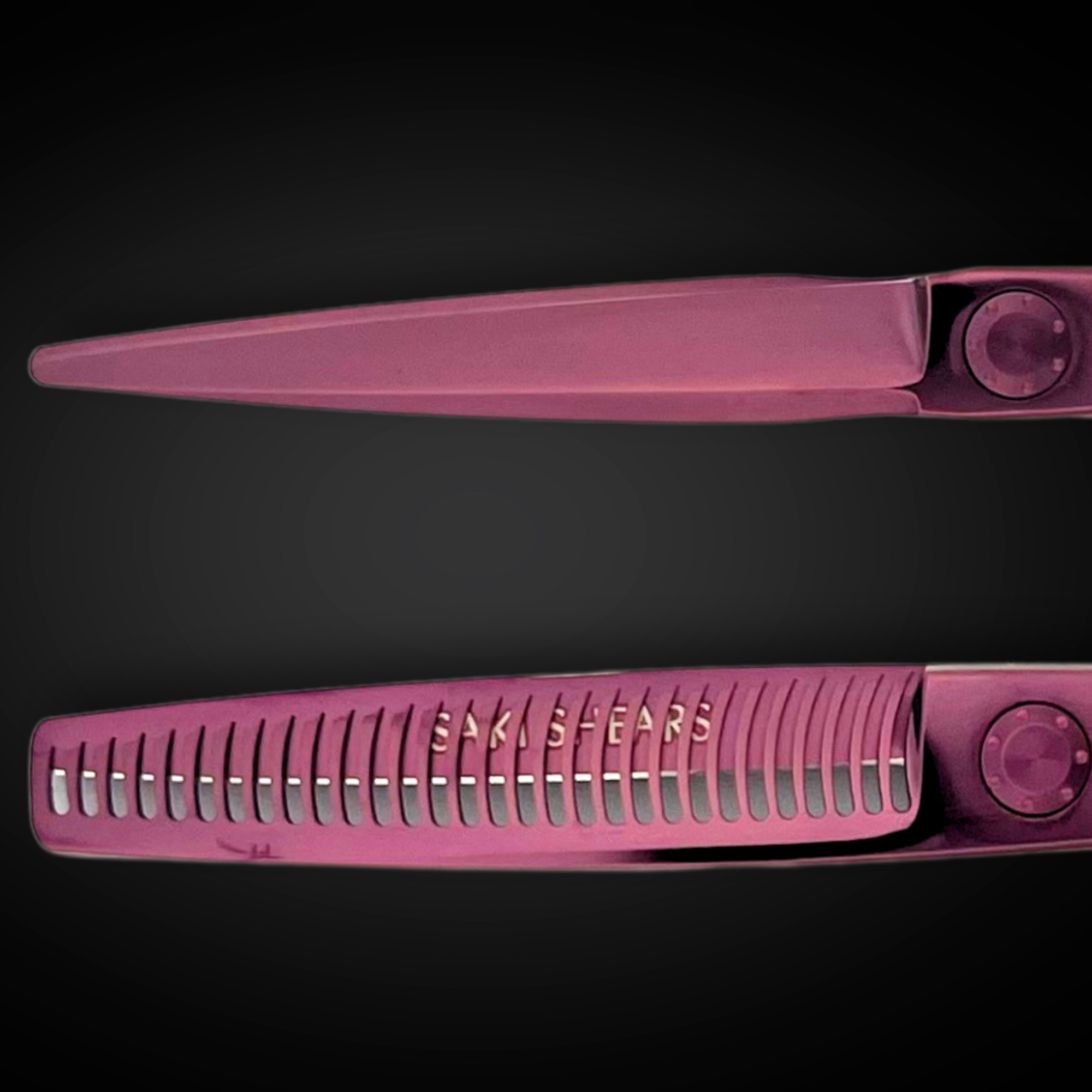
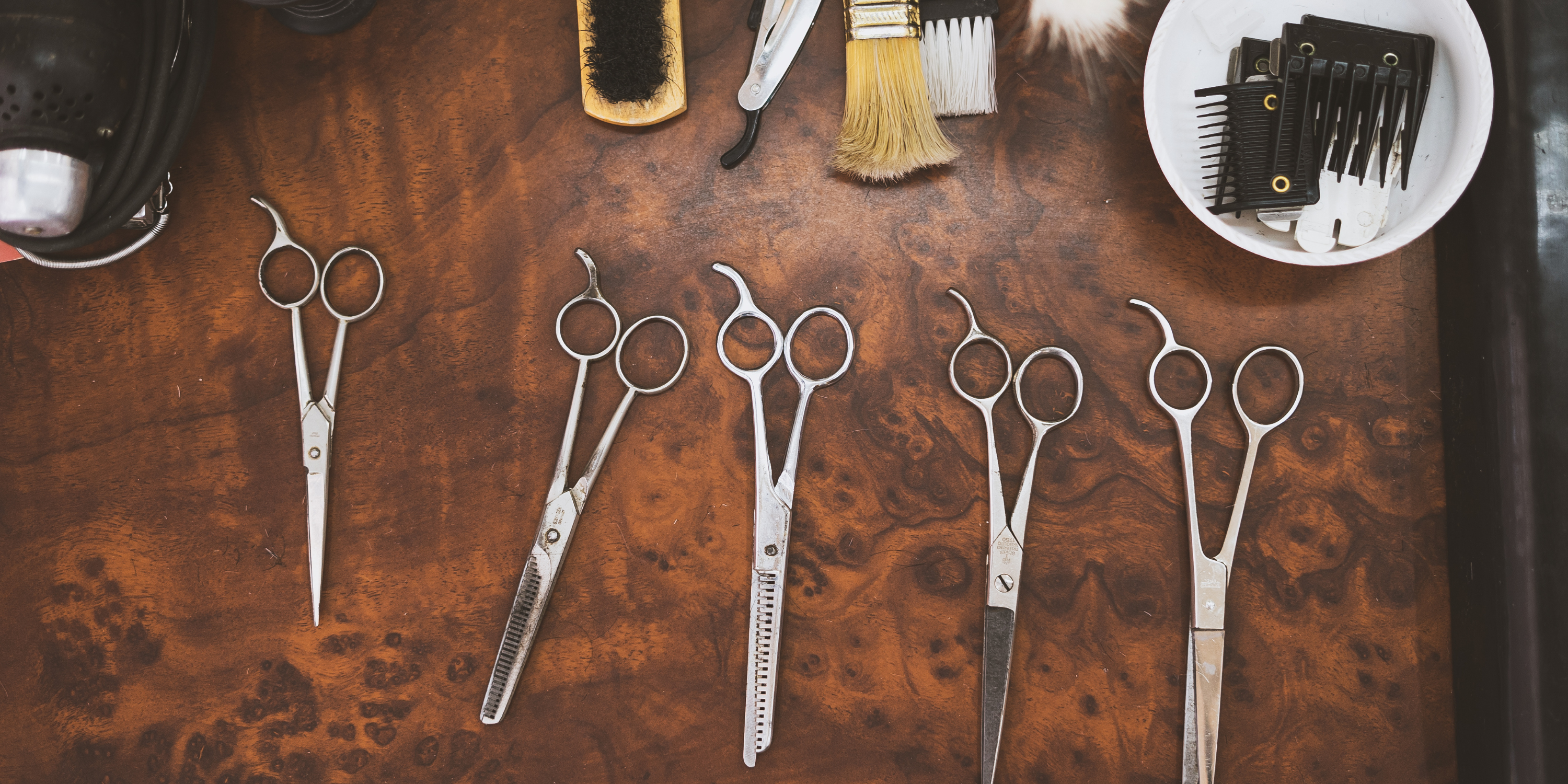
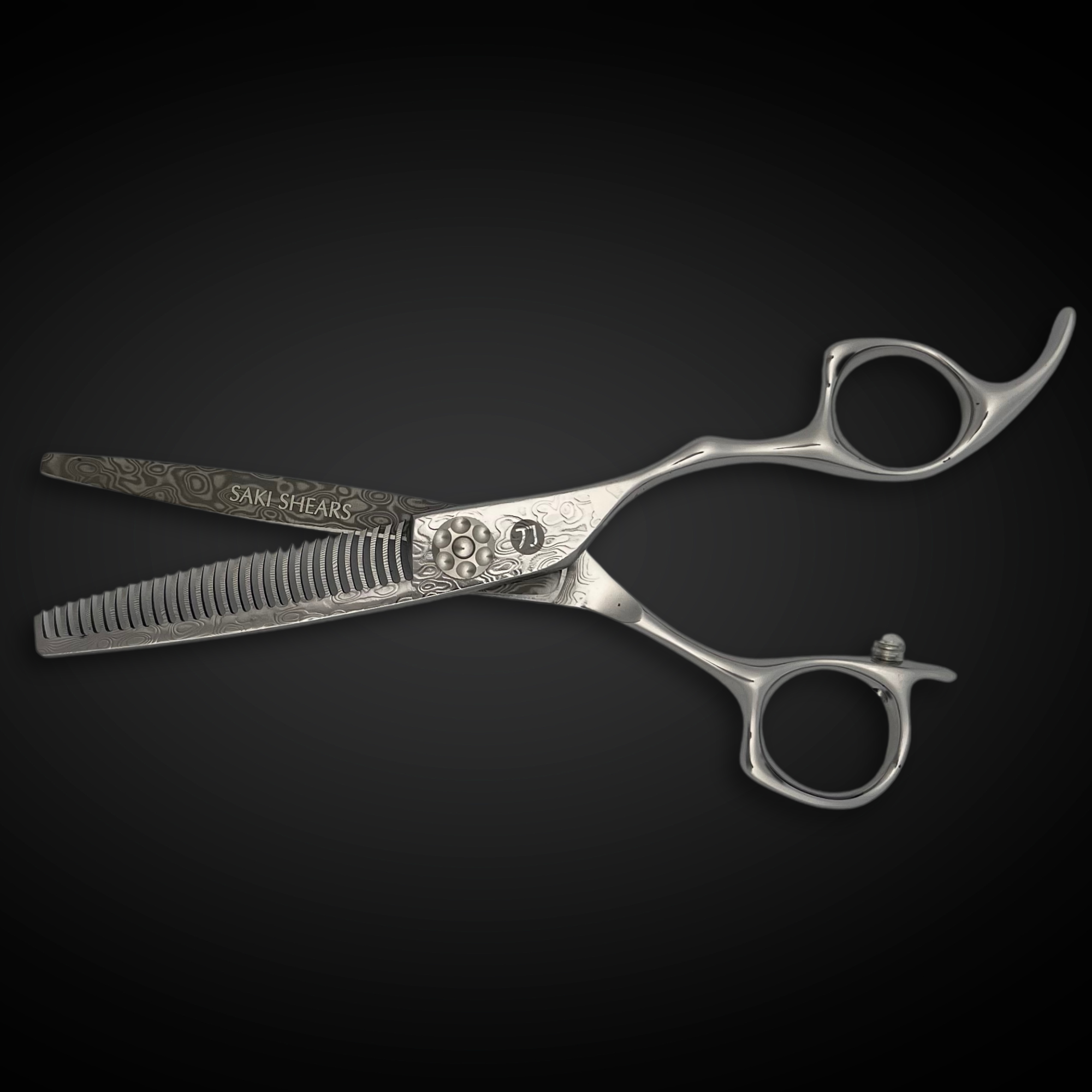
Most self-cut damage falls into a few categories: unevenness from cutting without sectioning, over-thinning from repeated passes with thinning shears or scissors, or a rushed clipper job that left visible tracking. Each calls for a different approach. Uneven ends usually need a conservative shape-up rather than an aggressive length cut, since clients are often already anxious about losing more hair than they intended. Over-thinned mid-lengths may need time to grow before a texturizing pass will look right again, so be honest if today's visit is step one of two. Clipper tracking is usually the fastest fix but requires clean, sharp guards and a precise blending shear to soften the transition — worn or mismatched blades will show every flaw instead of hiding them.
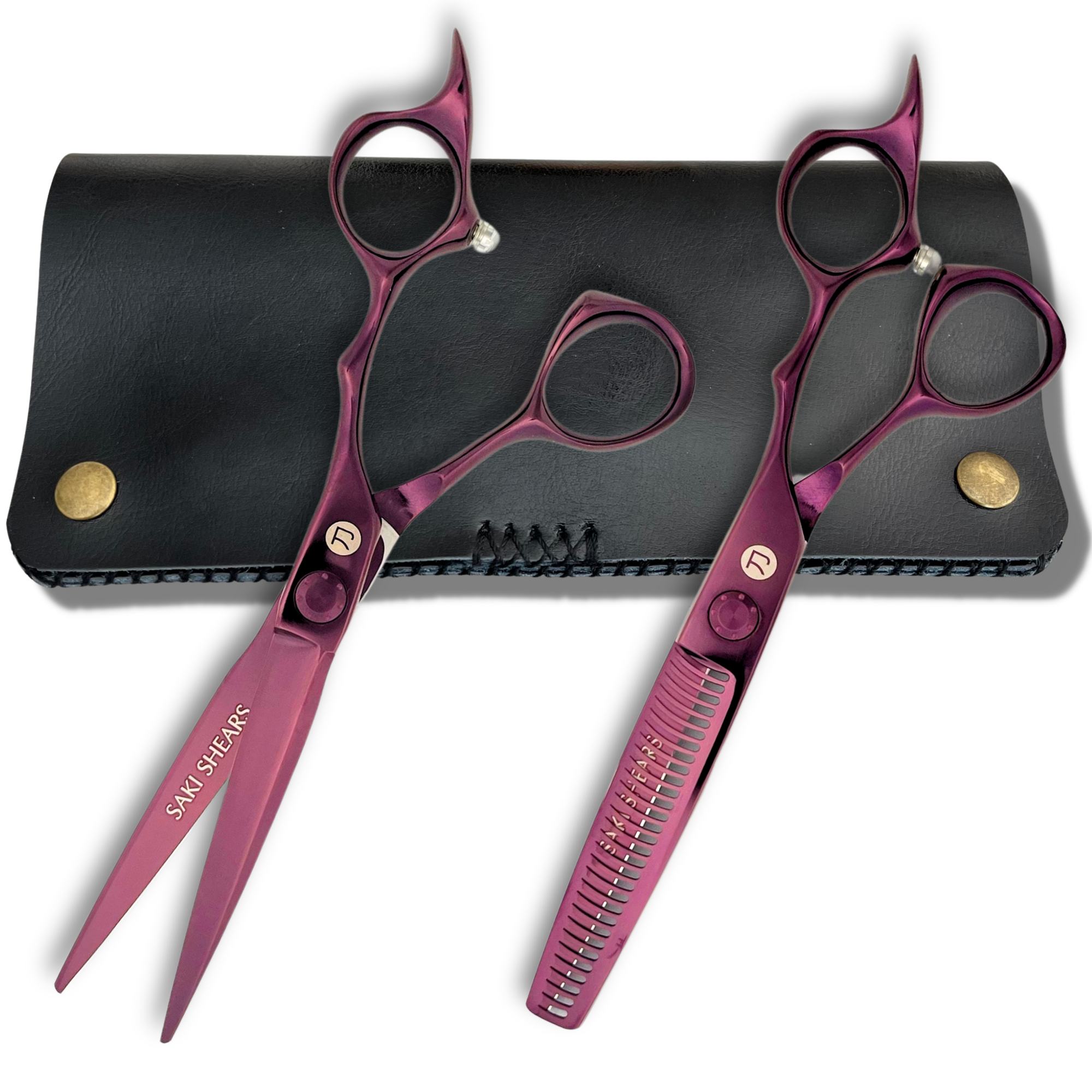
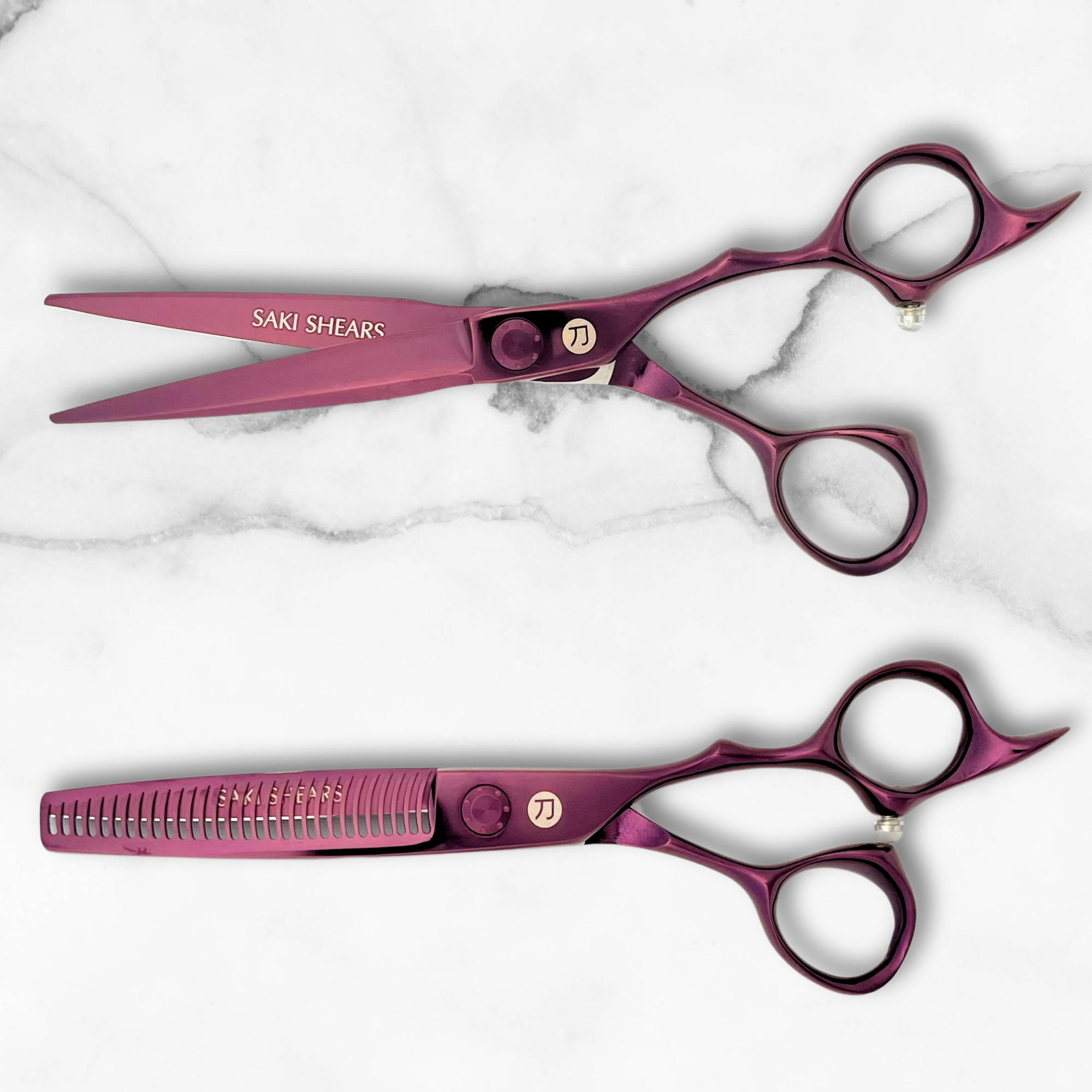
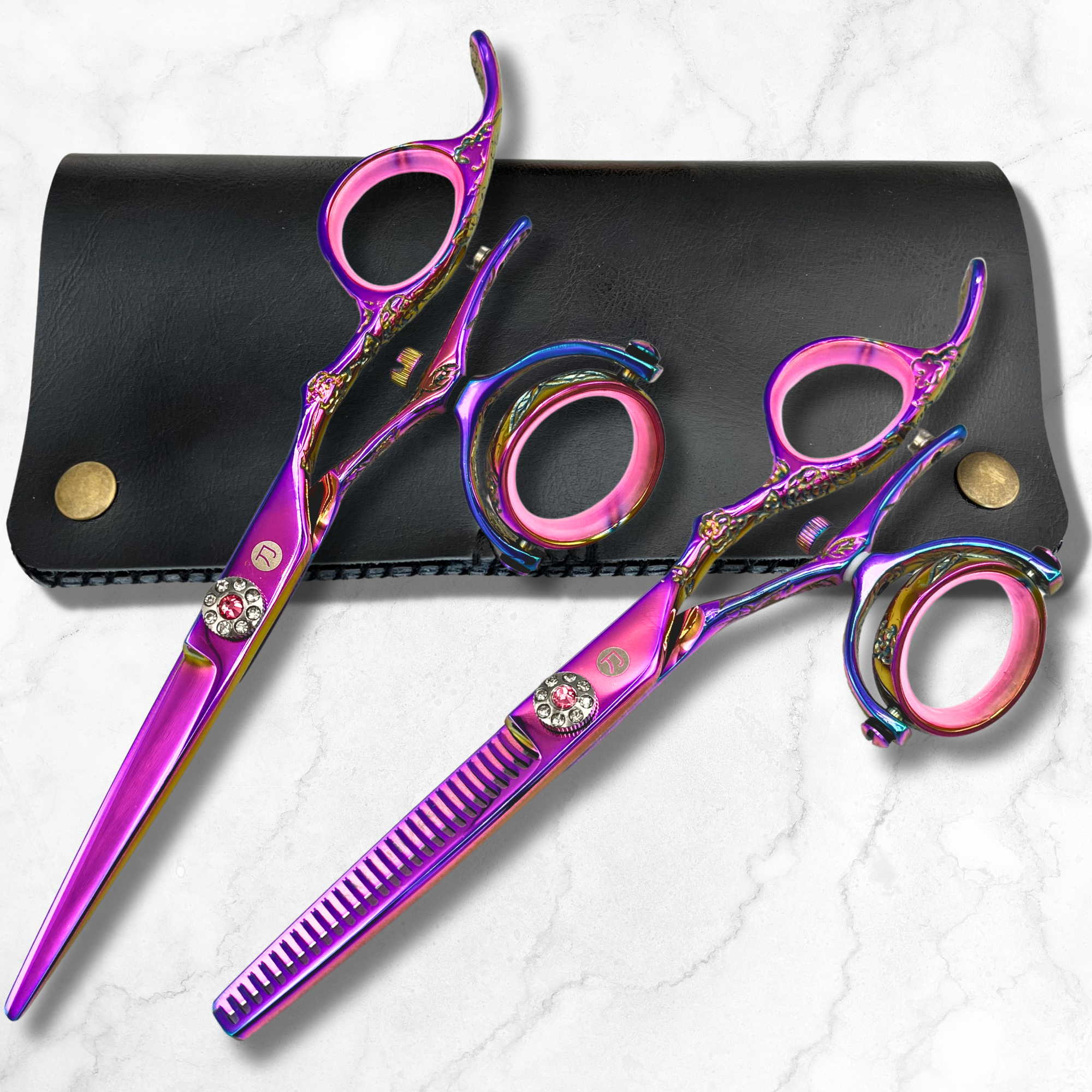
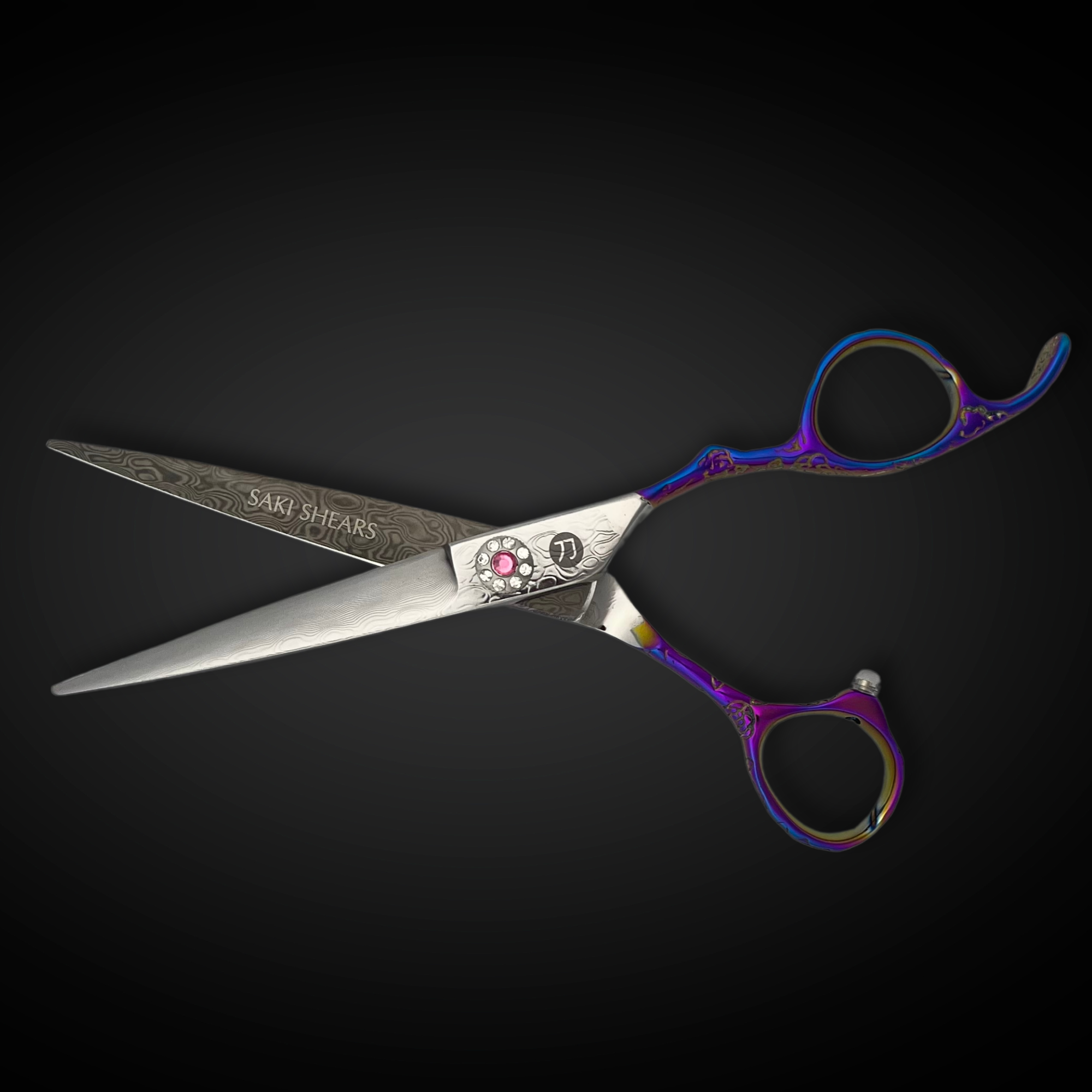
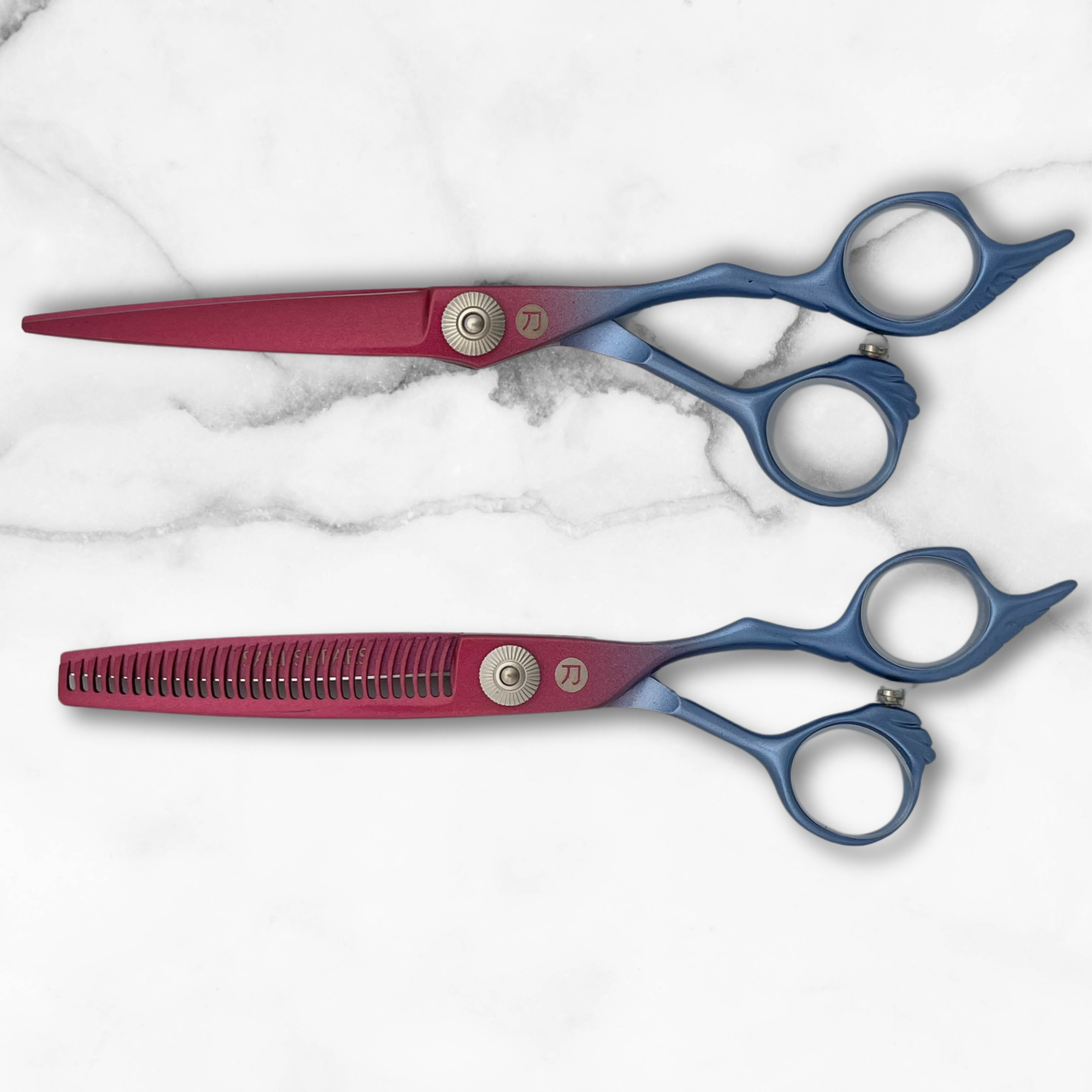
This is also a good moment to check your own kit. A correction is not the visit to work around a shear that is pulling or a clipper that is dragging — precision tools make the difference between a clean save and a second bad haircut. If anything in your kit is due for replacement, our hair cutting shears and clippers and trimmers collections are worth a look before a busy correction week.
Setting Expectations for Multiple Visits
Not every correction can be finished in one sitting, and saying so clearly is part of rebuilding trust. If a client needs to grow out an over-thinned section before you can even out the perimeter, tell them that up front, book the follow-up before they leave, and give them simple at-home guidance for the interim — how to style around the shortest pieces, and what to avoid touching until their next visit. Clients respond well to a plan with a timeline. What erodes trust is vague reassurance with no next step.
Turning a Bad Cut Into a Loyal Client
A client who comes to you embarrassed about a DIY attempt is, in a strange way, an easy client to win over — they already know they need a professional, and you are the one who fixed it without making them feel small. Document the before state with a quick note in their profile, walk them through what you did differently and why, and give them a light-touch reason to rebook, like a maintenance trim before the correction fully grows out. Most stylists find that self-cut correction clients become some of the most consistent repeat bookings, precisely because the experience proved the value of coming to a professional in the first place.

Written by Charles Harris