Whole-Body Ergonomics for Stylists: Posture, Setup, and Body Mechanics
Ergonomics in hairdressing is often reduced to a single question: does the shear fit your hand? That matters, but it is only one part of a much bigger picture. A stylist's body is in near-constant motion through a full shift - standing, reaching, rotating, and holding fixed positions for extended stretches. How you stand, how your station is set up, and how you position yourself relative to the client all affect how your body holds up over the course of a career, not just a single day.
Standing Posture Through a Full Shift
Most of a stylist's day is spent on their feet, which makes standing posture worth paying attention to on its own. A neutral stance - weight distributed evenly across both feet, knees soft rather than locked, shoulders relaxed rather than hunched forward - is generally easier on the body over hours of work than favoring one leg or leaning into the station. Locked knees and a forward-leaning stance tend to concentrate strain in the lower back, while a slouched upper back and forward head position add load to the neck and shoulders.
Small adjustments through the day help: shifting weight periodically, taking short breaks to stand upright and roll the shoulders, and being conscious of posture especially during long or repetitive services. Supportive, well-fitted footwear and an anti-fatigue mat at the station are also worth considering, since the surface you stand on for hours contributes to overall comfort.
Station and Chair Height Setup
The height relationship between the stylist, the client's chair, and the station itself has a direct effect on how much reaching, bending, or shoulder elevation a service requires. A chair that sits too low forces a stylist to hunch or bend at the waist for extended periods. A chair that sits too high can push the shoulders up and out for overhead work. Adjusting chair height for each client, rather than leaving it in a fixed position, is a simple habit that reduces awkward posture across a full day of varied services.
The same thinking applies to the station itself - tool trays, mirrors, and product placement within easy reach reduce unnecessary twisting and overreaching. A station arranged so that frequently used tools are close at hand, at a height that doesn't require repeated bending or stretching, cuts down on small movements that add up over dozens of clients a week.
Body Positioning Relative to the Client
Where a stylist stands or moves around the chair matters as much as how the chair itself is set. Working from a fixed position and twisting the torso to reach the far side of a client's head puts uneven, repetitive strain on the spine. Moving around the chair - repositioning your feet and body rather than rotating just the upper body - keeps the spine more neutral and distributes effort more evenly between both sides.
Keeping elbows closer to the body rather than fully extended, and working at a height where the hands can operate without raising the shoulders, also reduces strain on the shoulders and upper back. For close work, bringing the client's head or the area being worked on to a comfortable level, rather than bending or reaching to meet it, keeps the neck and back in a more neutral position.
General Habits That Add Up Over a Career
Ergonomics for a working stylist is less about a single perfect posture and more about a set of habits practiced consistently over years. A few that tend to make a meaningful difference:
- Alternating tasks and body positions where possible, rather than repeating the same motion for an entire shift
- Taking brief breaks between clients to stretch the neck, shoulders, and lower back
- Staying mindful of grip tension - a relaxed, controlled grip is generally less fatiguing than gripping tools tightly
- Building general strength and flexibility outside of work, which supports the demands of a physically active job
- Paying attention to early signs of discomfort rather than working through them repeatedly over time
These are general habits, not medical guidance - any persistent pain or discomfort is worth discussing with a qualified healthcare professional rather than working around it indefinitely.
Where Tool Fit Still Matters
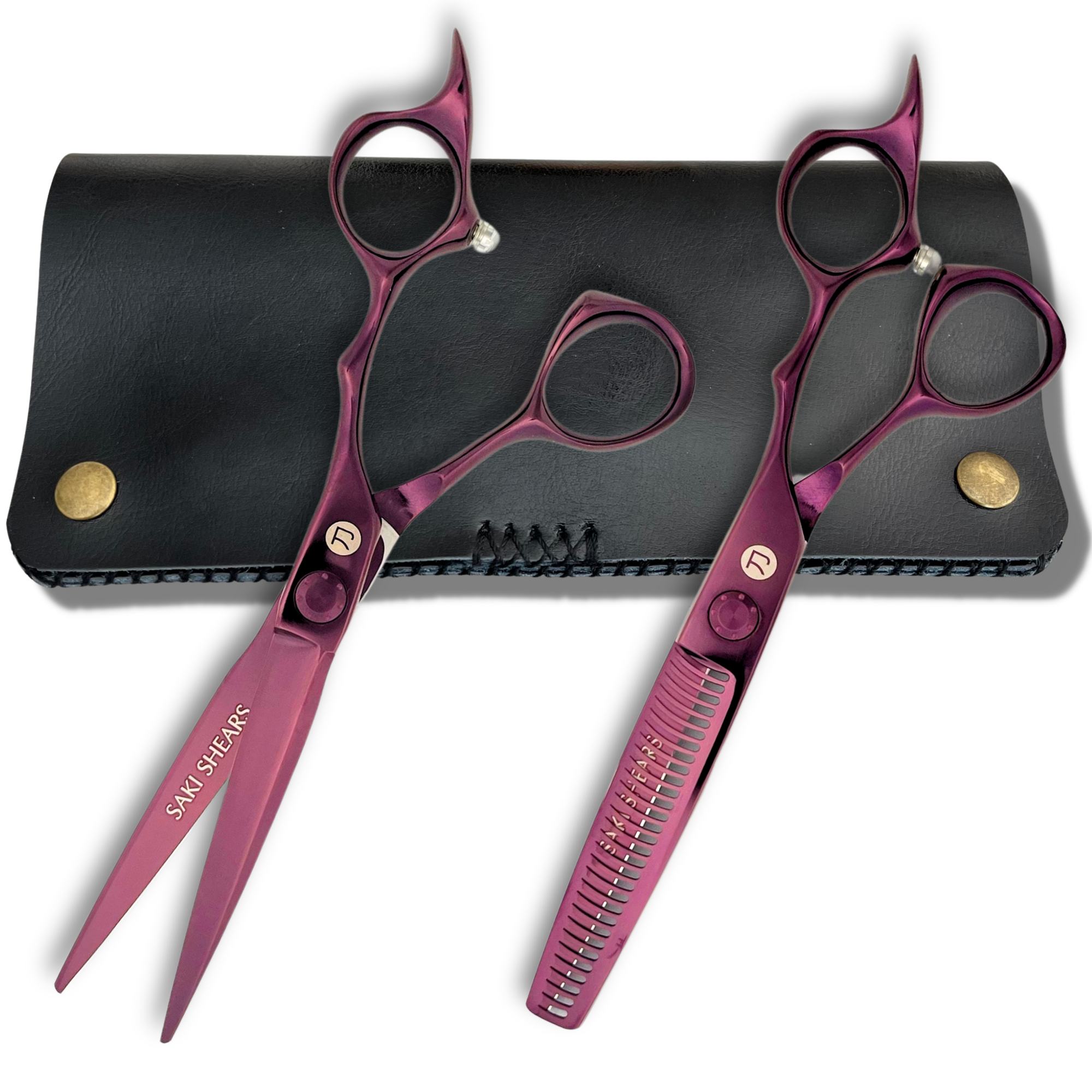
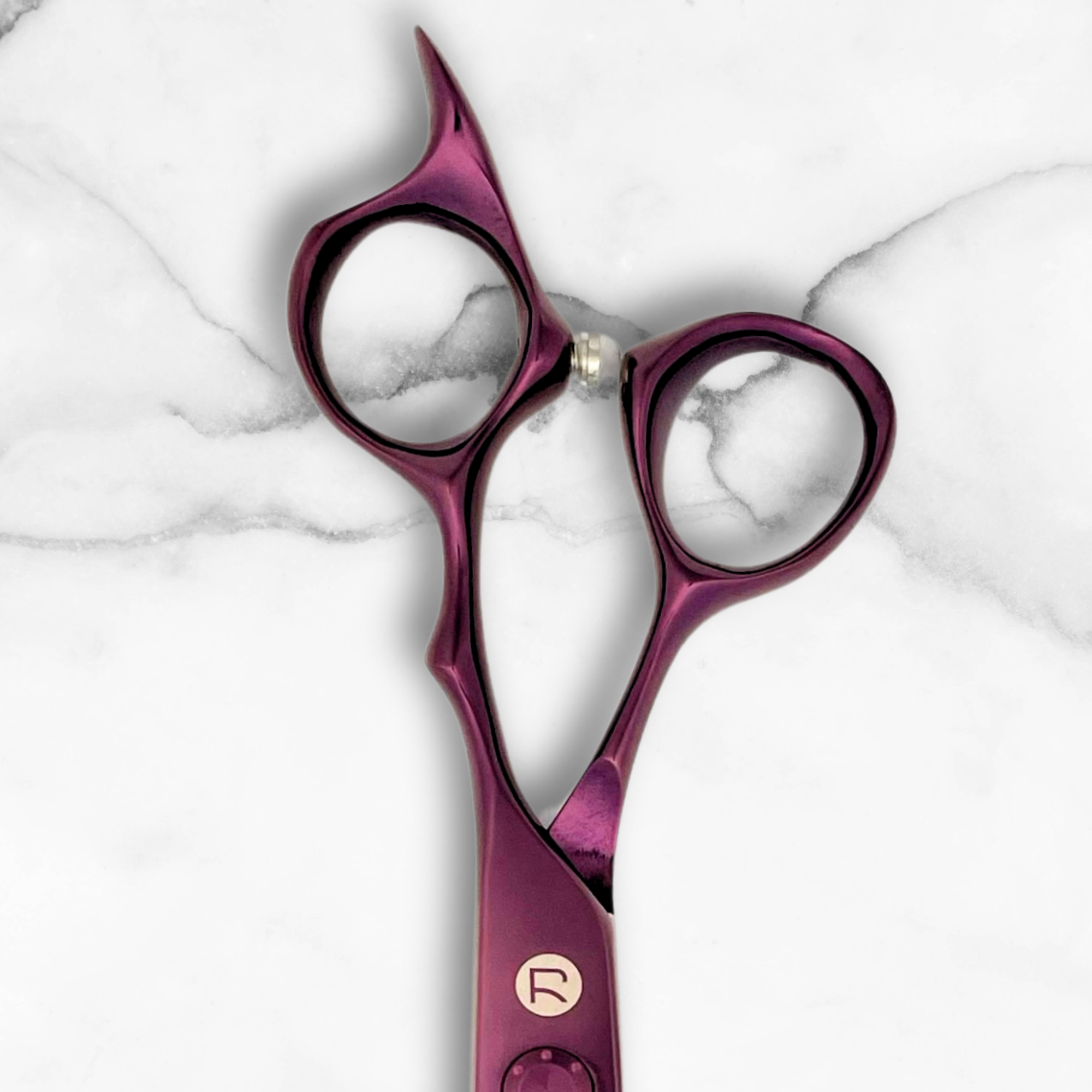
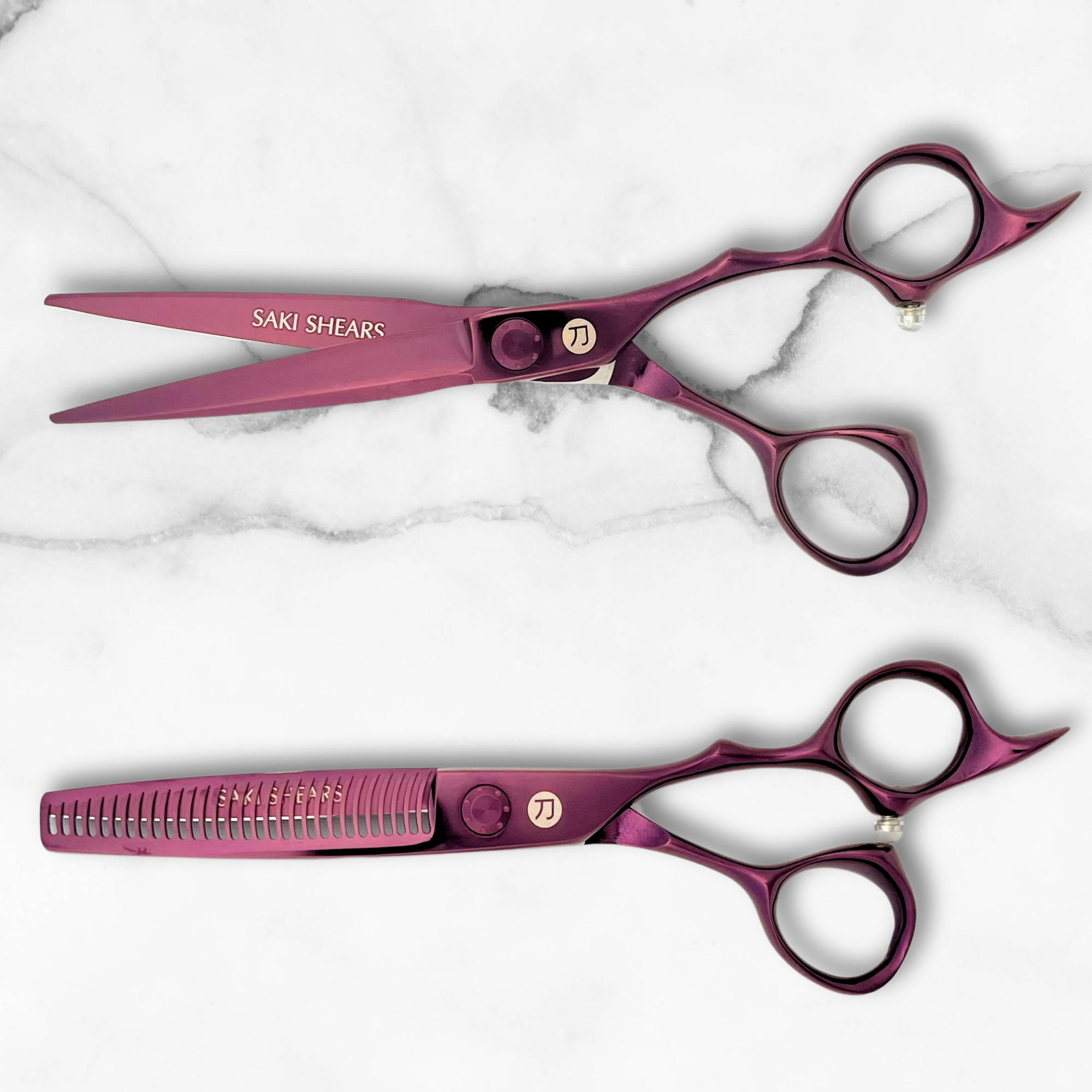
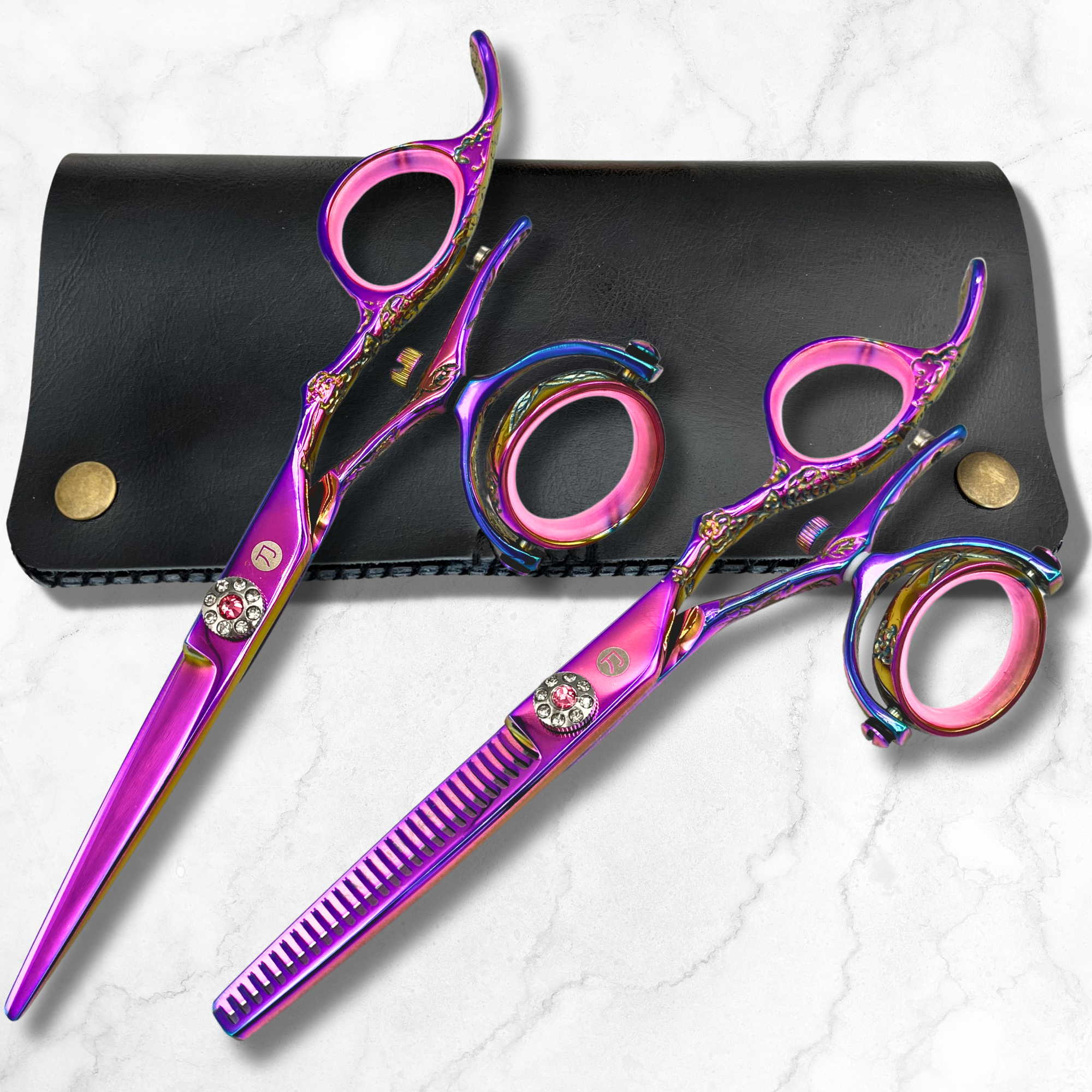
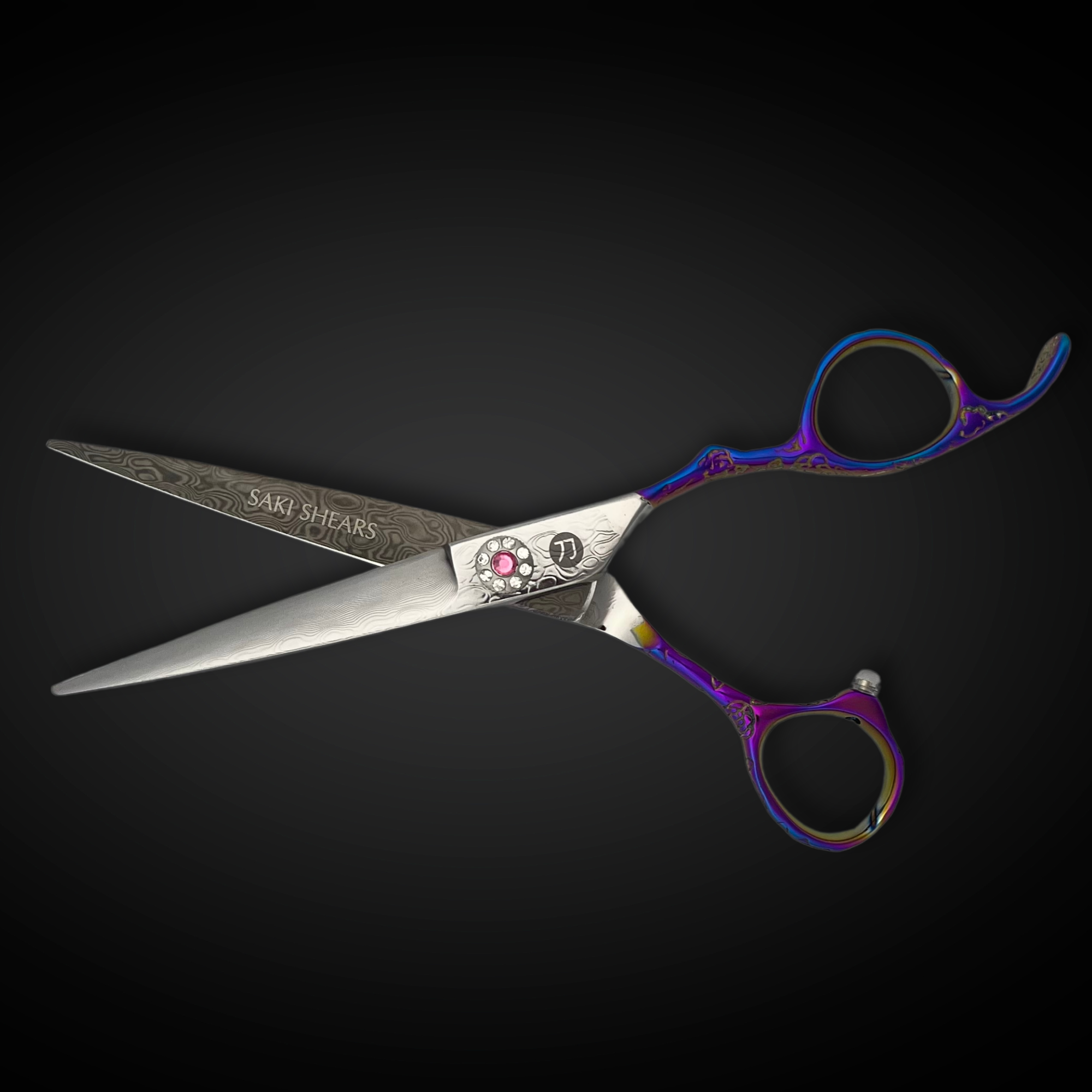
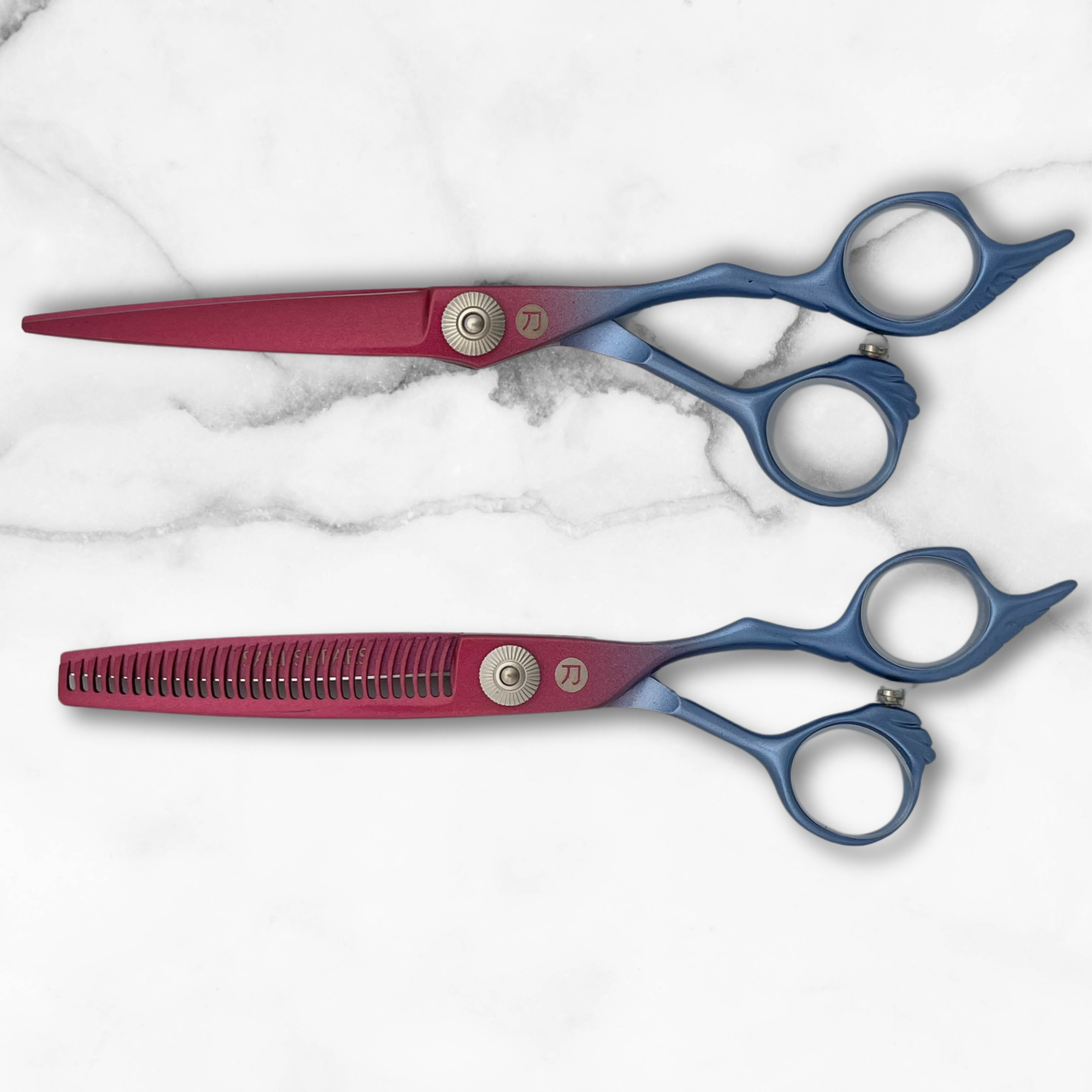
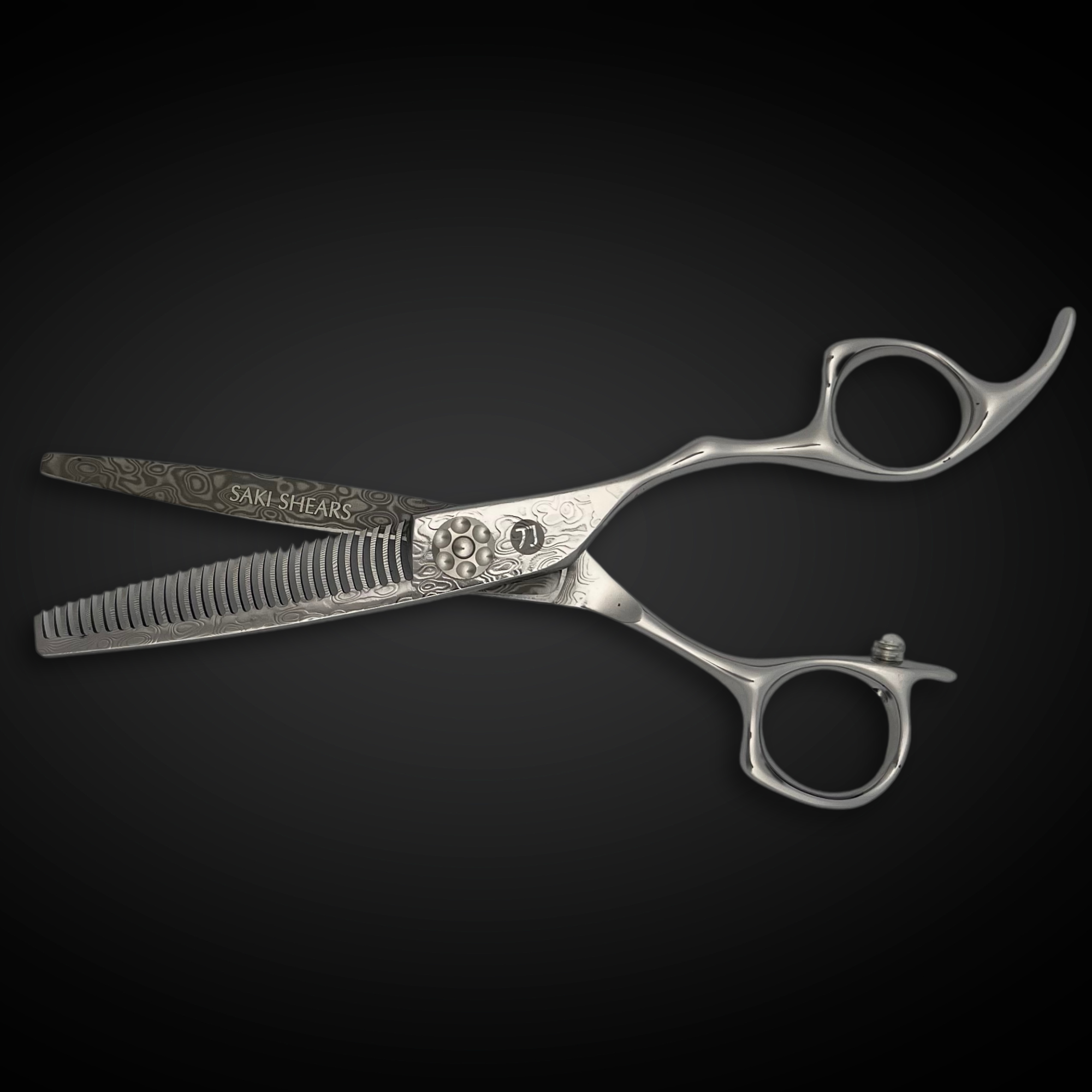
Body mechanics are the main driver of long-term comfort, but the tool in your hand is part of the equation too. A shear that's too heavy, too large for your hand, or set with tension that requires excess grip force adds unnecessary effort to every cut across a full day of services. Choosing a shear sized and weighted appropriately for your hand, and keeping it properly tensioned, removes one source of avoidable strain from the equation. Stylists reassessing their tools alongside their posture and station setup can review options in the hair cutting shears collection or browse ergonomic handle designs across the full shears range.
None of this replaces attention to posture, station setup, and body positioning - those remain the foundation of whole-body ergonomics for a career spent standing, reaching, and cutting. Treating the body as the primary tool, and the shear as a secondary factor, is the more complete way to think about ergonomics in this profession.

Written by Charles Harris