5 Ways to Improve the Client Consultation Before Every Cut
Start With Open-Ended Questions, Not Yes/No Ones
"Just a trim?" or "same as last time?" gives you almost nothing to work with, and it trains clients to give one-word answers instead of the detail you actually need. Open with questions that require a real answer: what do you like and dislike about your current cut, how much time do you spend styling it most mornings, and what's changed since your last visit - new job, different routine, growing it out, anything that affects what "good" looks like for them right now.
The goal is to get the client talking about their hair in their own words before you touch a comb. That's also when you'll catch the details that matter most - a cowlick they've been fighting, a part they secretly hate, a length they regret cutting too short last time.
Use Photo References to Close the Communication Gap
Verbal descriptions of length and shape are unreliable - "a couple inches" and "just above the shoulder" mean different things to different people, and the same words can describe very different results depending on how the client's hair currently falls. Ask the client to pull up one or two reference photos, ideally of hair with a similar texture and density to theirs, and use the photo to talk through specifics: where the weight sits, how much layering there is, where the perimeter falls.
Photos are also useful for managing texture mismatches. A reference photo on straight, fine hair will not translate directly onto thick, coarse, or curly hair, so use the photo to establish the client's intent, then explain in the consultation how you'll adapt the shape to their actual texture and density.
Set Realistic Expectations Before You Cut
Part of the consultation is professional judgment, not just taking direction. If a client's reference photo or request isn't realistic for their hair type, density, growth pattern, or the amount of length currently available, say so before you start - not halfway through the service. Explain what is achievable today and, if relevant, what a multi-visit plan toward their goal would look like.
This is also the moment to flag anything that affects longevity: how the cut will grow out, how it will behave between appointments, and any maintenance or styling commitment it requires. A client who understands what to expect leaves happier with the same haircut than one who was never told.
Confirm Length and Weight in Specific, Measurable Terms
Before the first cut, translate the conversation into specifics you can execute against and the client can verify: an exact reference point (collarbone, jawline, chin), how much length is coming off in inches, and where weight should be removed versus preserved. Repeat it back in your own words - "so we're taking it to just above the collarbone and removing weight underneath while keeping length on top" - and get a clear confirmation before the first cut.
- What's the exact length reference point, and where does it currently sit?
- How much total length is coming off?
- Where should weight be removed, and where should it stay?
- Any areas that are off-limits or need extra caution (bangs, previous chemical service, damage)?
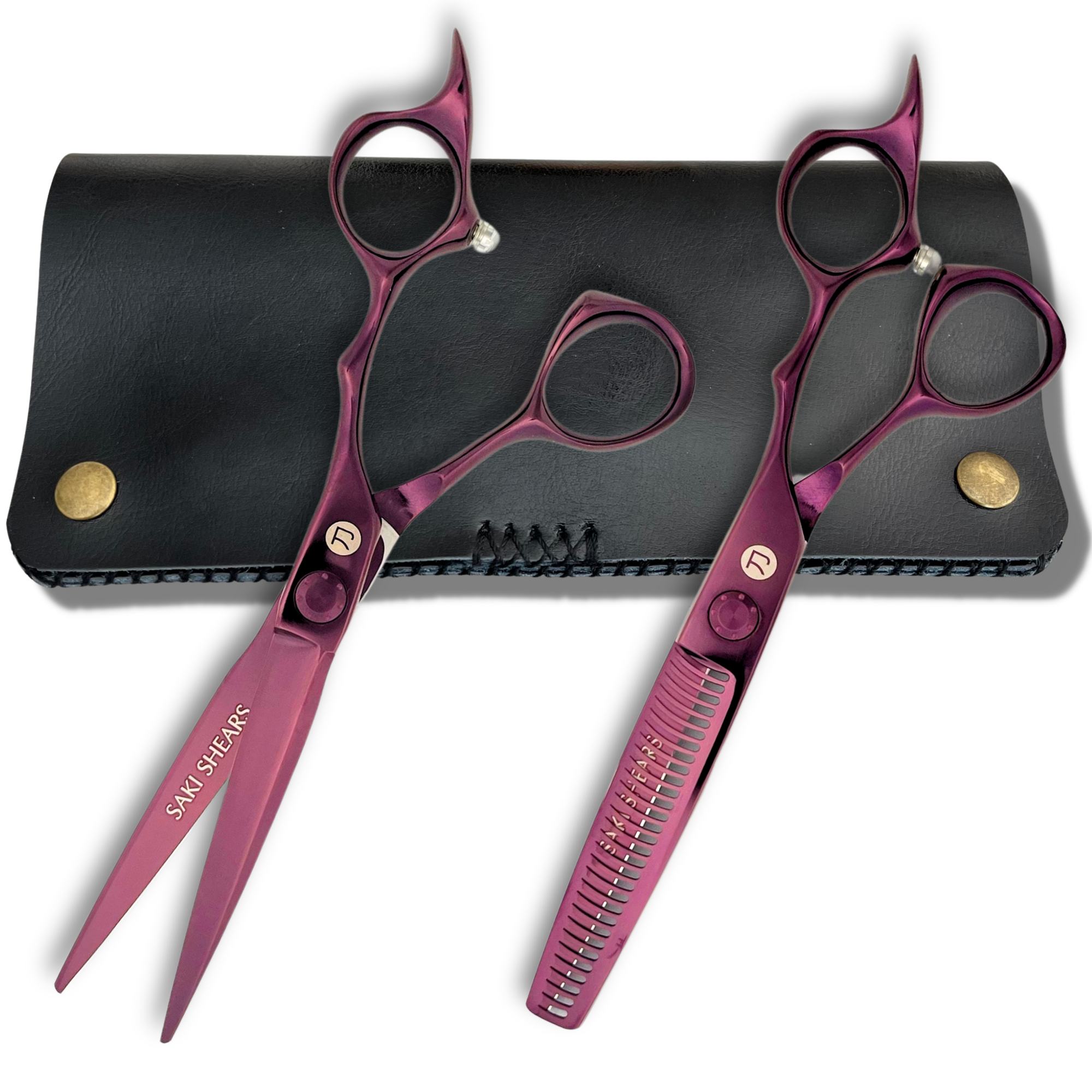
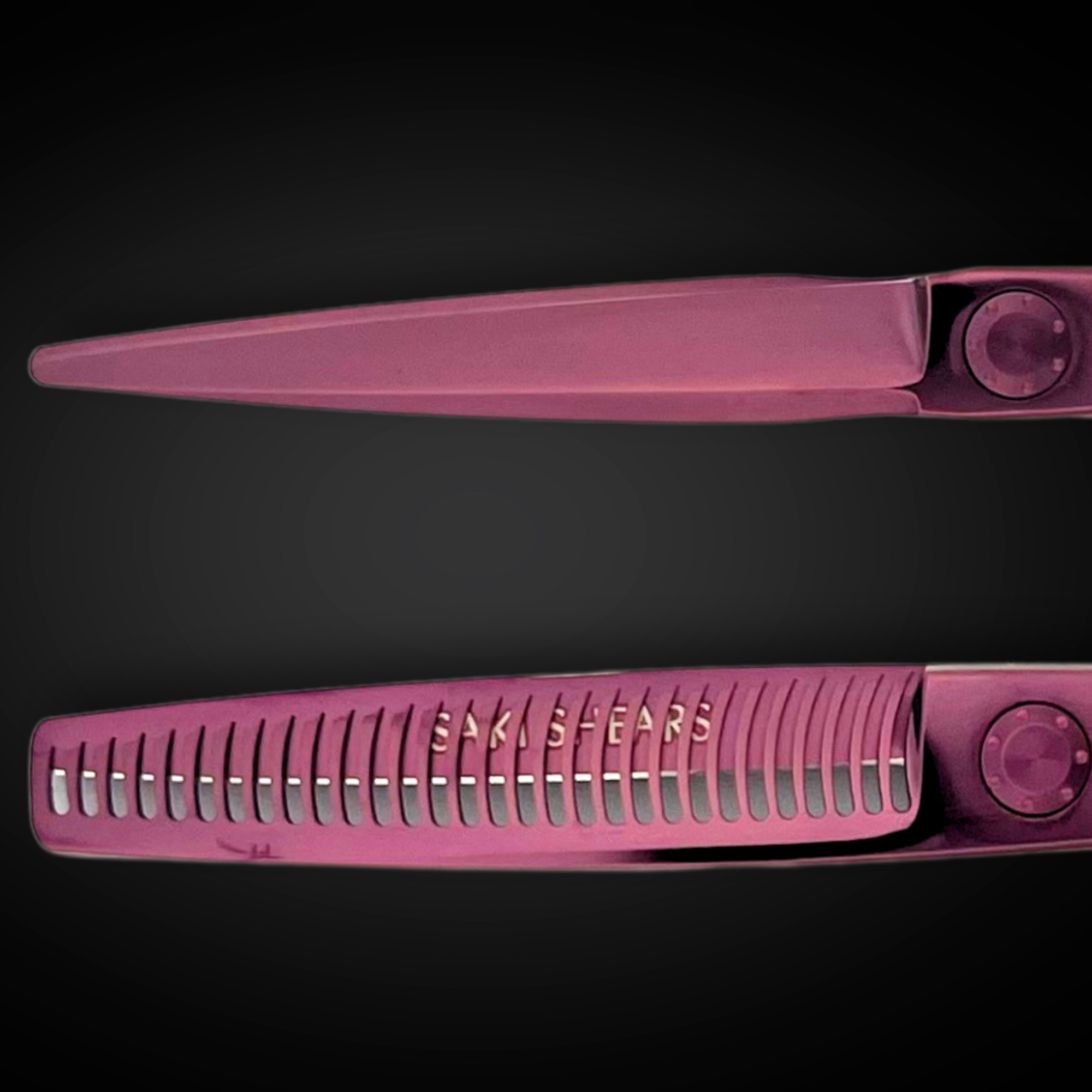
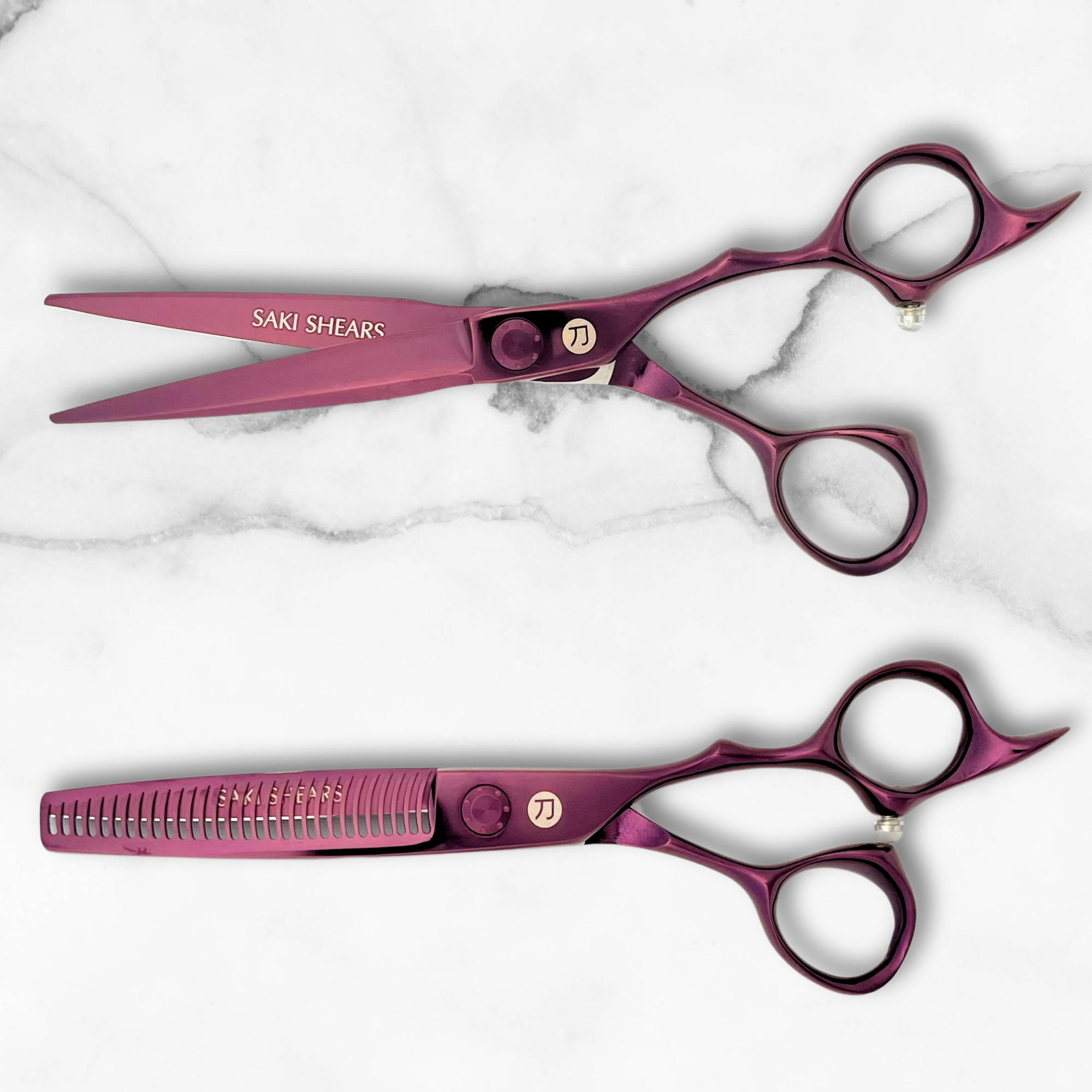
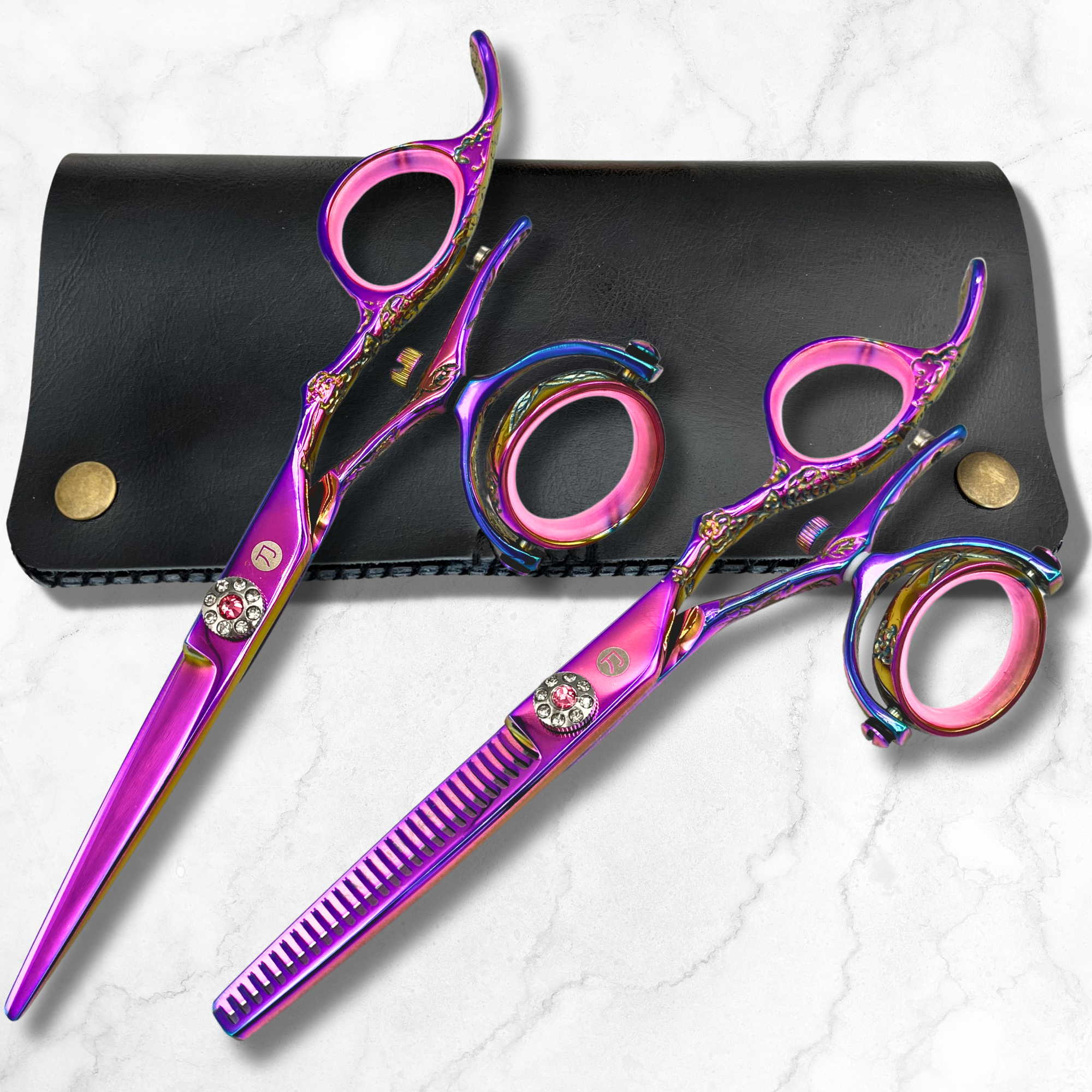
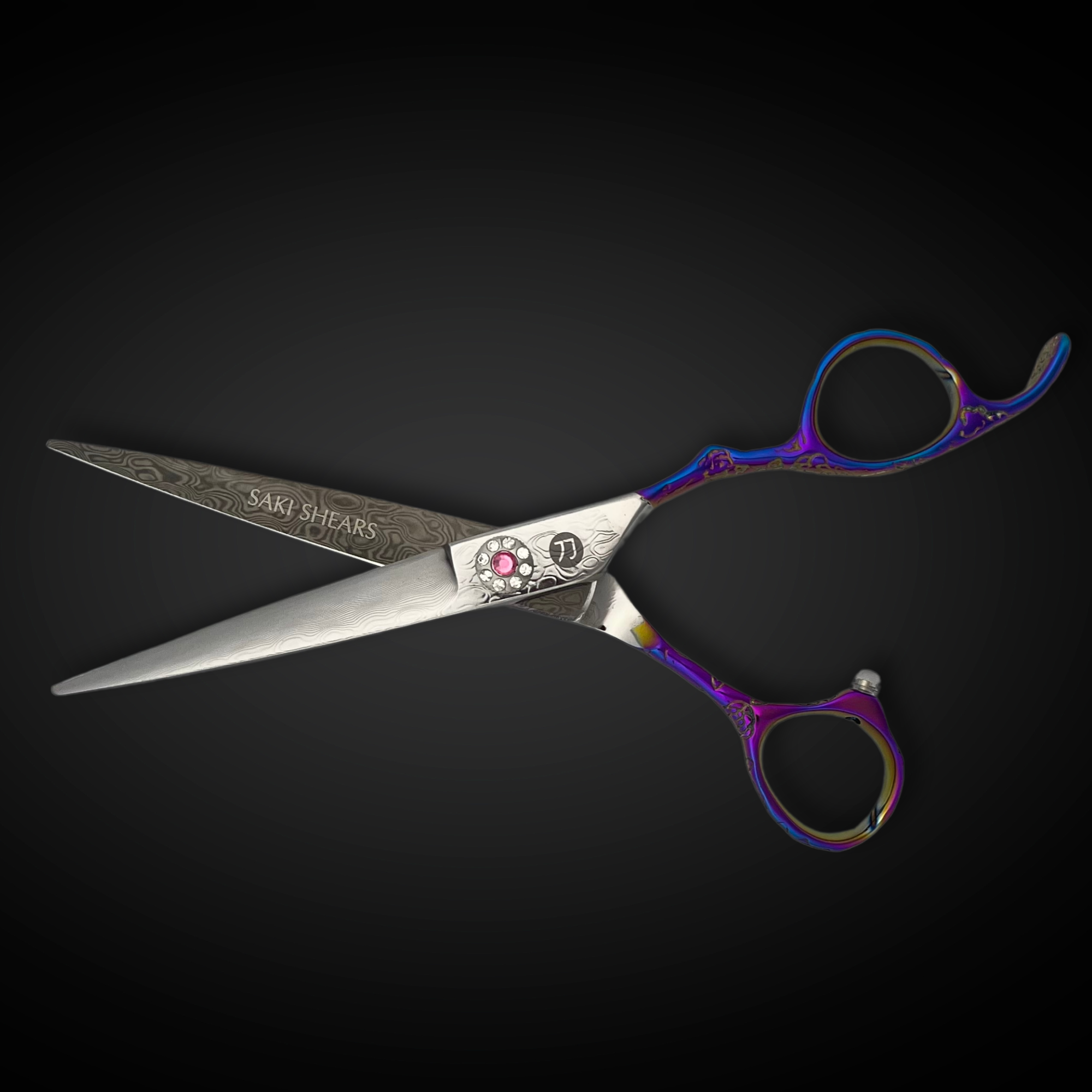
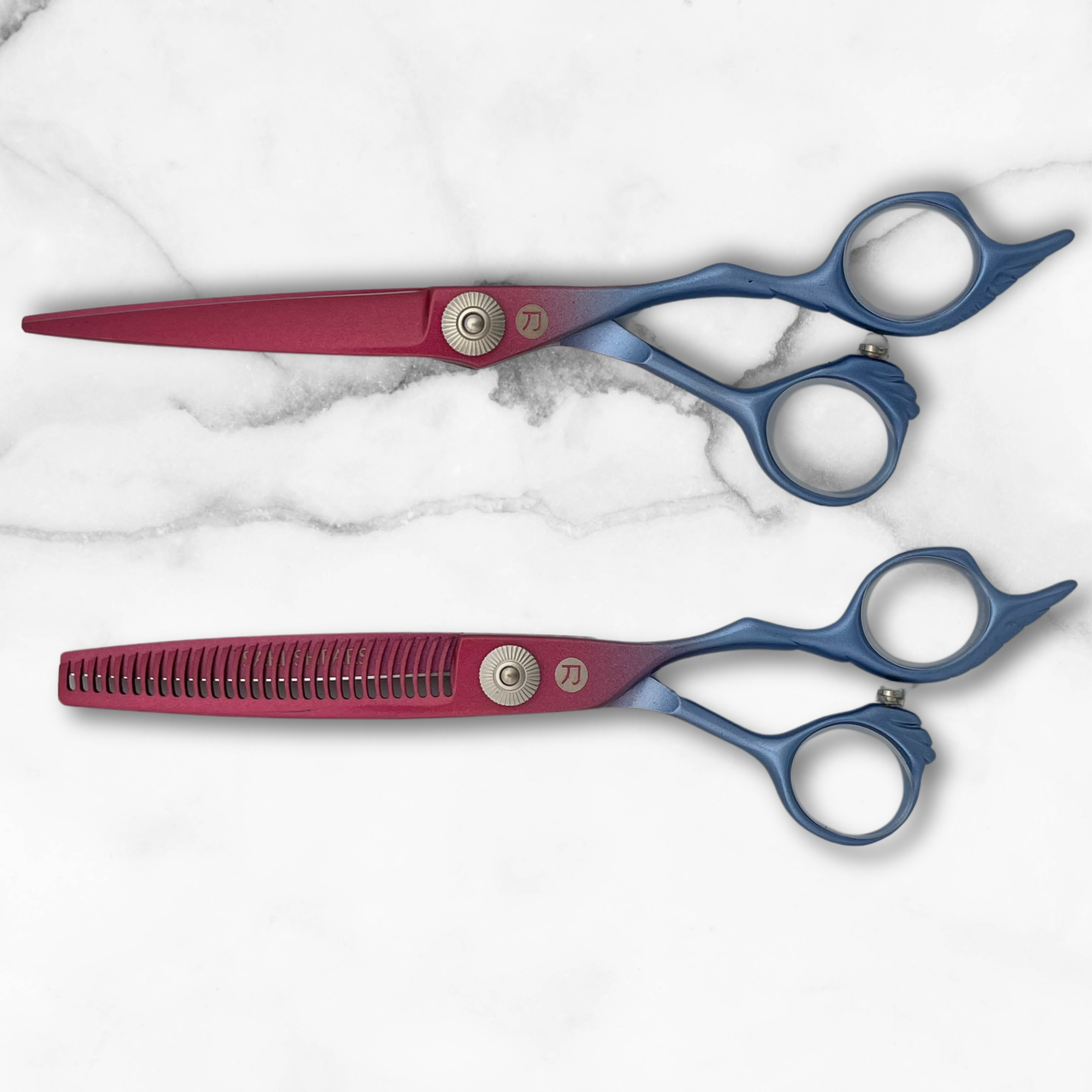
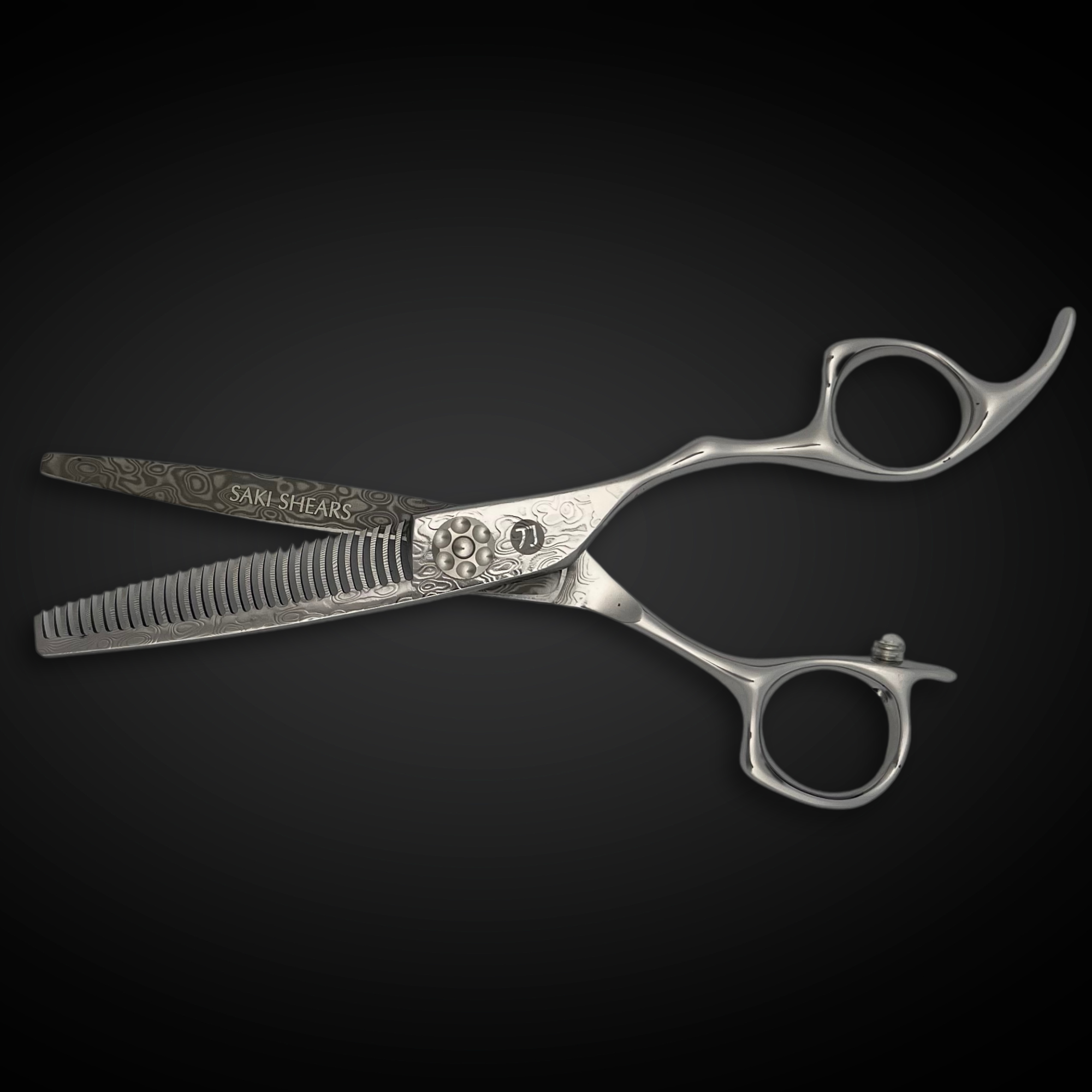
Well-maintained hair cutting shears make it easier to execute these specifics precisely - a shear that's slipping or dragging turns a confirmed plan into a guess. If weight removal is part of the plan, having the right thinning shears and scissors on hand means you can deliver exactly what you described instead of approximating it with the wrong tool.
Check In During the Cut, Not Just at the End
Don't wait until the final blow-dry to find out the client had a different picture in mind. Build in short check-in moments at natural break points - after the initial length is removed, before you start layering, once one side is roughed in - and ask directly whether it's tracking with what they expected. This gives you room to adjust early, when it's a small correction, instead of late, when it's a bigger fix or a disappointed client.
A quick check-in doesn't need to interrupt your flow. A simple "does this length feel right before I move to the other side" or "how does this weight look to you so far" takes a few seconds and prevents most of the surprises that turn into refund requests or lost repeat business. Consultation isn't a single conversation at the start of the appointment - it's an ongoing thread that runs through the whole service.

Written by Charles Harris