What Makes a Great Pair of Hair Cutting Shears
Every stylist develops opinions about shears through hours of use, not marketing copy. Still, it helps to name the specific variables that separate a shear that holds an edge and feels balanced after a full day of cutting from one that fatigues your hand and needs sharpening every few weeks. The following criteria are the ones that actually matter when evaluating hair cutting shears for professional use.
Steel Quality and Heat Treatment
The steel alloy and how it is heat-treated determine edge retention, corrosion resistance, and how the blade responds to sharpening. Japanese steels such as VG-10 and various cobalt alloys are common in professional-grade shears because they can be hardened to a high Rockwell rating, typically in the 60-62 HRC range, while still holding a fine edge without becoming brittle. Lower-grade stainless steels can be hardened to a similar number on paper, but inconsistent heat treatment means the edge rolls or chips faster in practice. If a shear line publishes steel specifications, that is a more useful data point than a general claim about "professional grade" material.
Blade Geometry and Edge Finishing
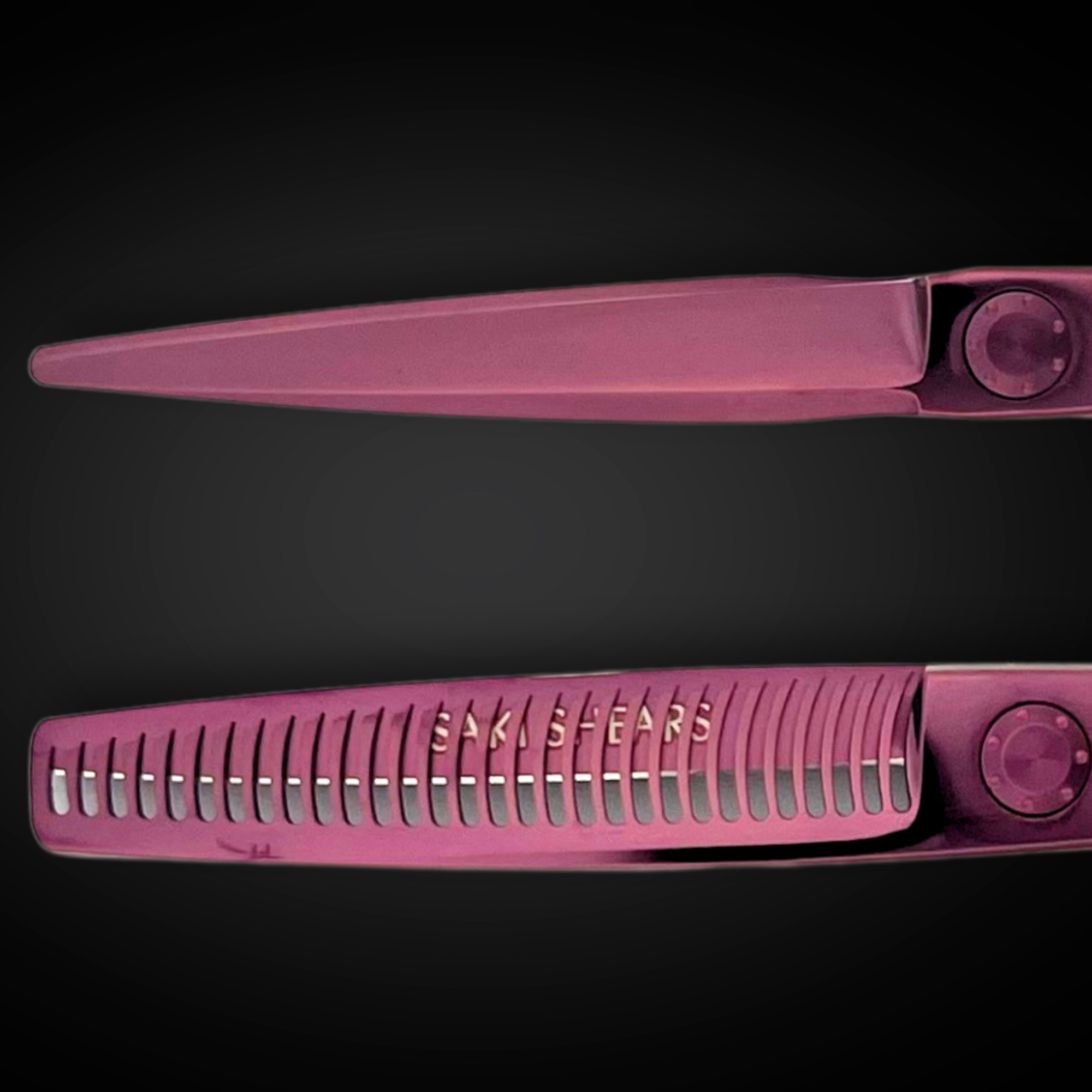
How the blade is ground affects both cutting feel and the type of technique it supports. A convex edge, ground to a fine taper without a secondary bevel, produces the cleanest slice with minimal push and is standard on higher-end cutting shears. Beveled edges are more common on lower-cost scissors and tend to push hair rather than slice it, which increases fatigue over a full column of clients. Serrated edges are built for control and reduced slippage rather than fine slicing work, and belong in a separate category of technique entirely. Knowing which edge type is on a given shear tells you what it is actually built to do.
Pivot Tension and Screw Mechanism
The pivot is where cheap and quality shears diverge most obviously in daily use. A well-machined pivot holds consistent tension across the full length of the blade, so the shear closes smoothly with no wobble at the tip and no binding near the pivot. Adjustable tension screws let you fine-tune that feel as blades wear in, and a quality screw mechanism stays put during use instead of loosening mid-cut. Loose tension causes hair to fold or get pushed rather than cut cleanly; over-tight tension accelerates edge wear and tires the hand faster.
Ergonomics and Handle Design
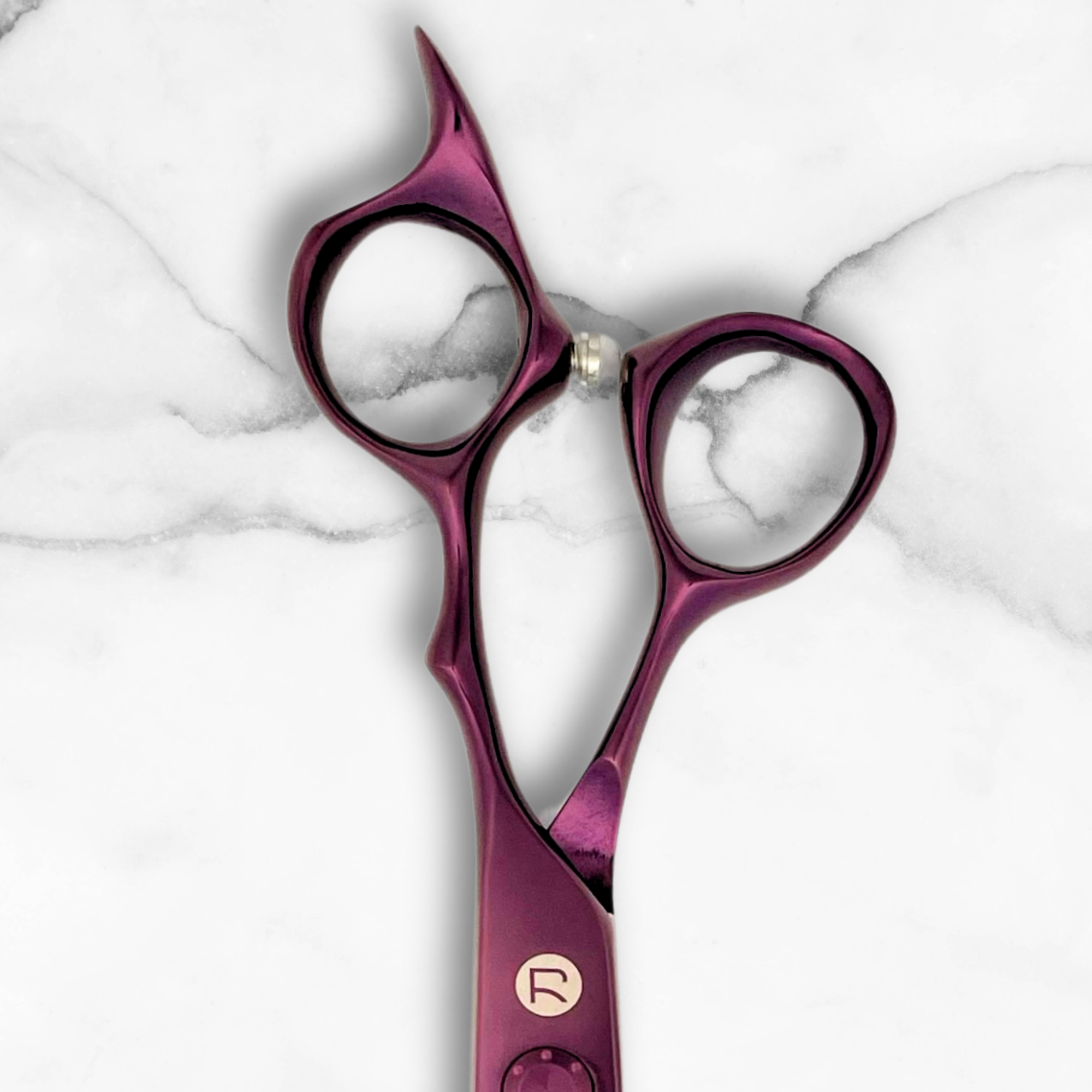
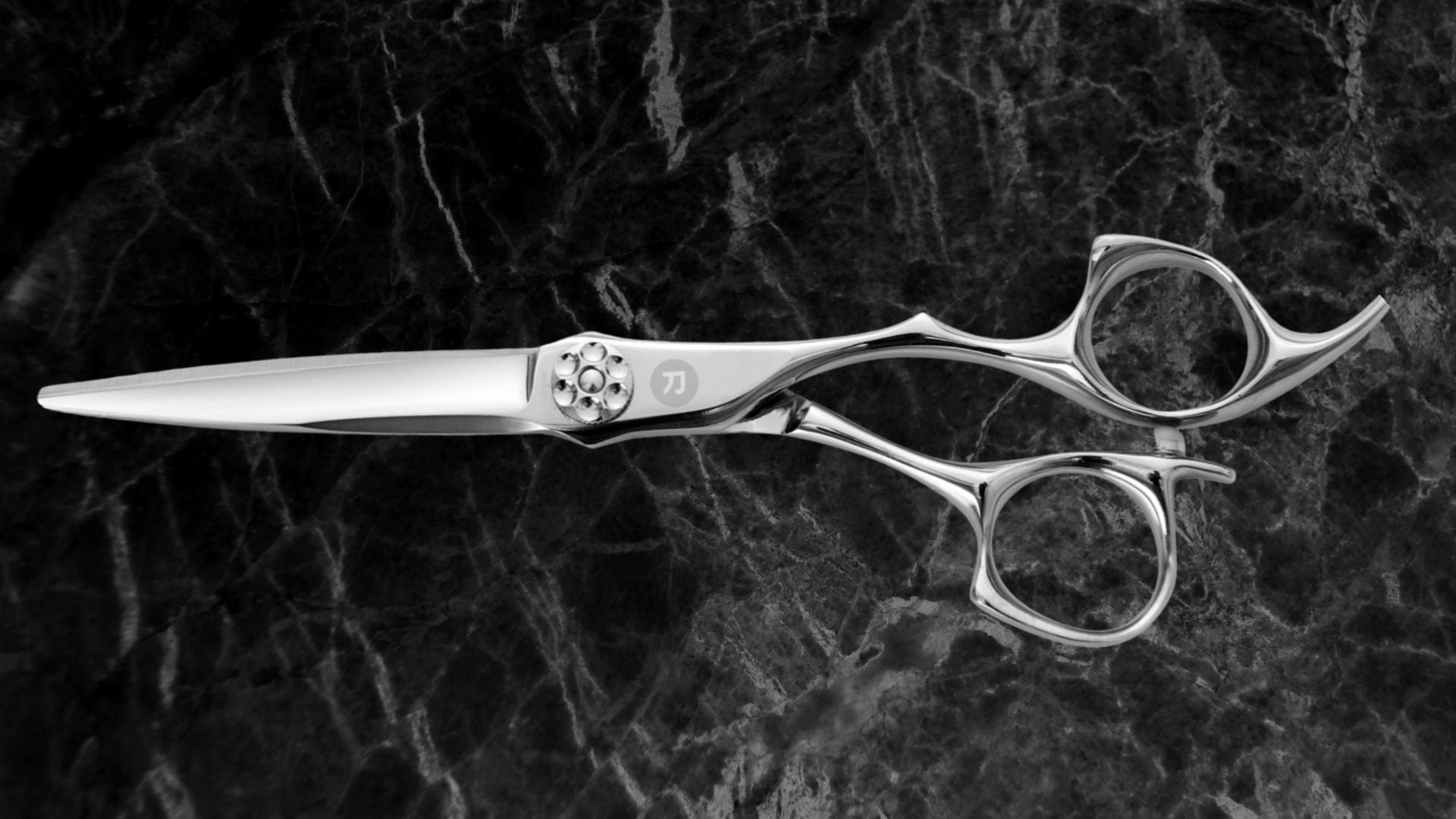
Handle design has a direct effect on hand and wrist strain over a full day of appointments. Offset handles, where the thumb ring sits lower than the finger ring, let you cut with the elbow down rather than raised, which reduces strain during repetitive sectioning work. Crane and semi-offset handles serve different grip preferences and cutting styles, but the underlying goal is the same: keep the wrist in a neutral position rather than forcing it into extension for hours at a time. Finger rest placement and size also matter more than most buyers expect, since an ill-fitting rest is a common source of hand cramping.
Weight and Balance
A shear's weight and where that weight sits along the blade affect control during detailed work. Lighter shears, generally in the 4.5 to 5.5 ounce range, are easier to maneuver for precision cutting and reduce fatigue during long sessions, while heavier shears can feel more stable for chunkier removal work but tire the hand faster over time. Balance point matters as much as total weight: a shear that is front-heavy toward the tip will feel less controllable than one balanced closer to the pivot, even at an identical overall weight.
Matching the Shear to the Work
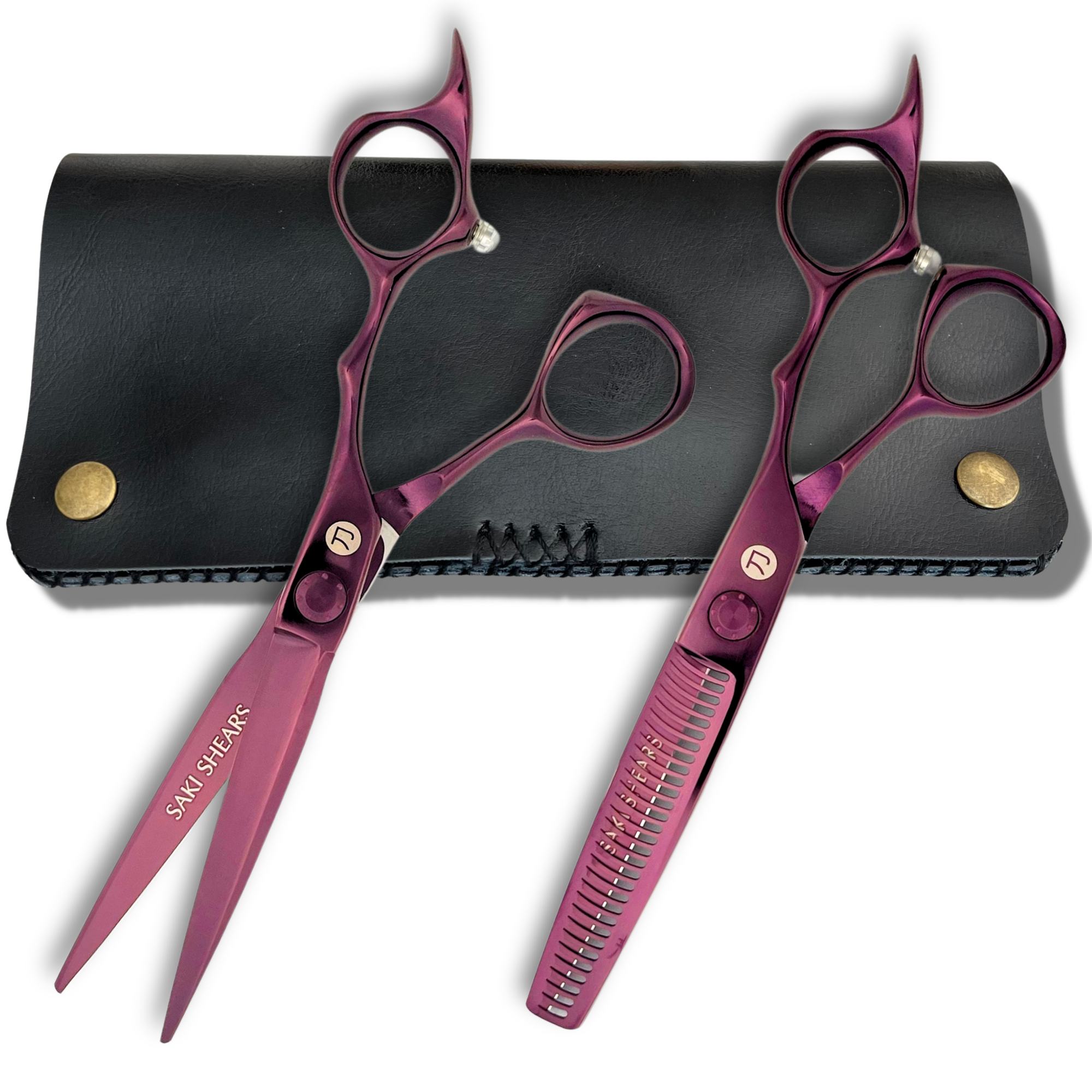
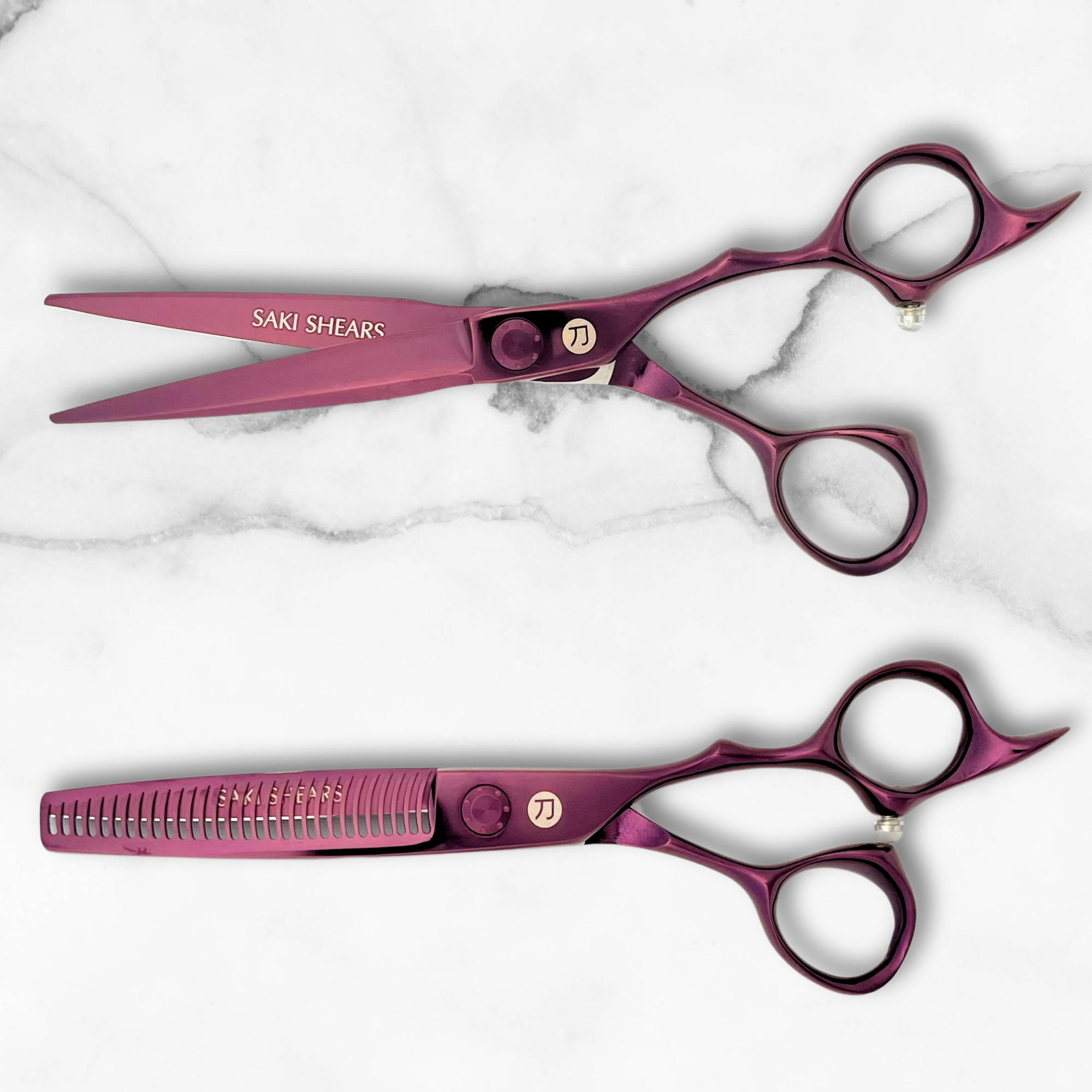
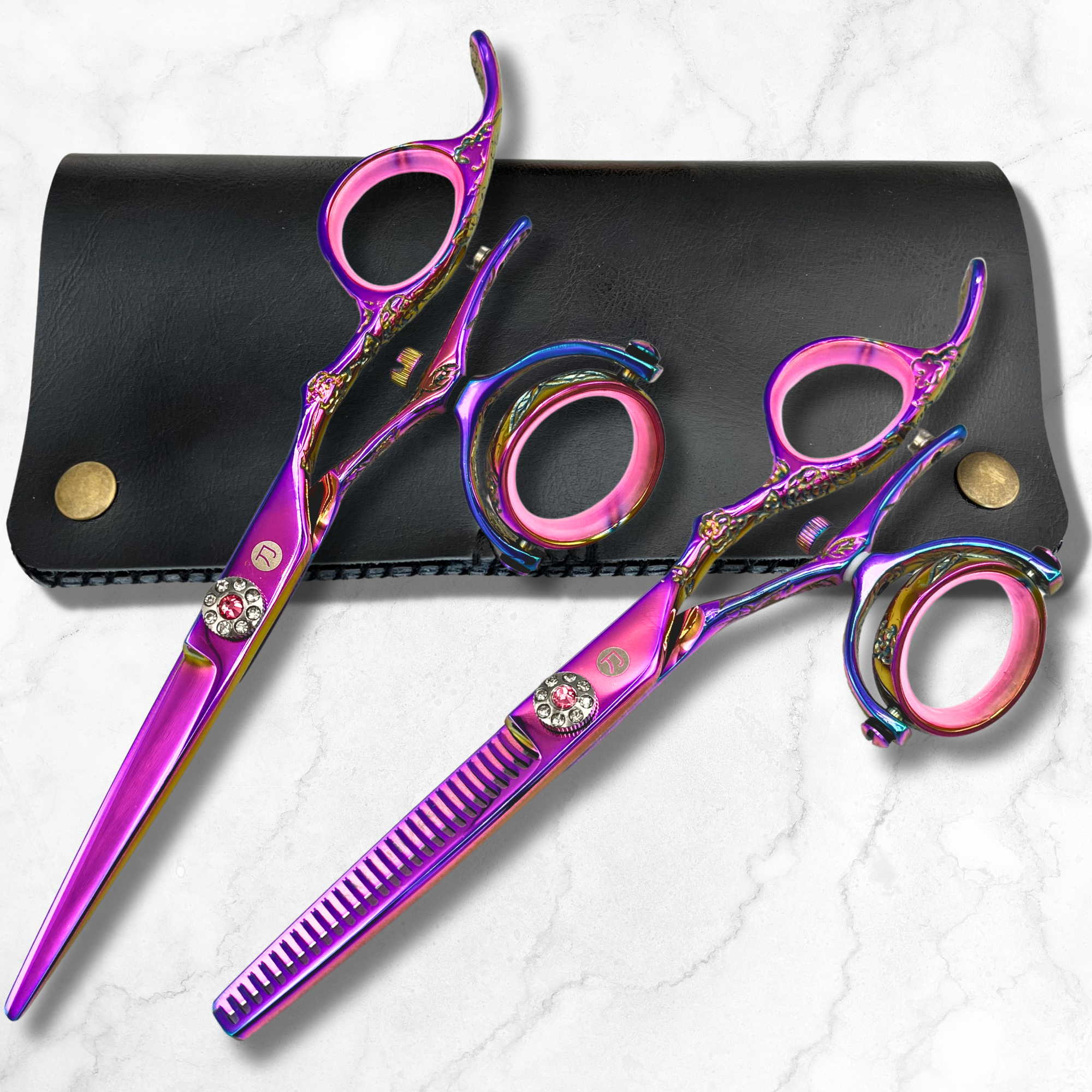
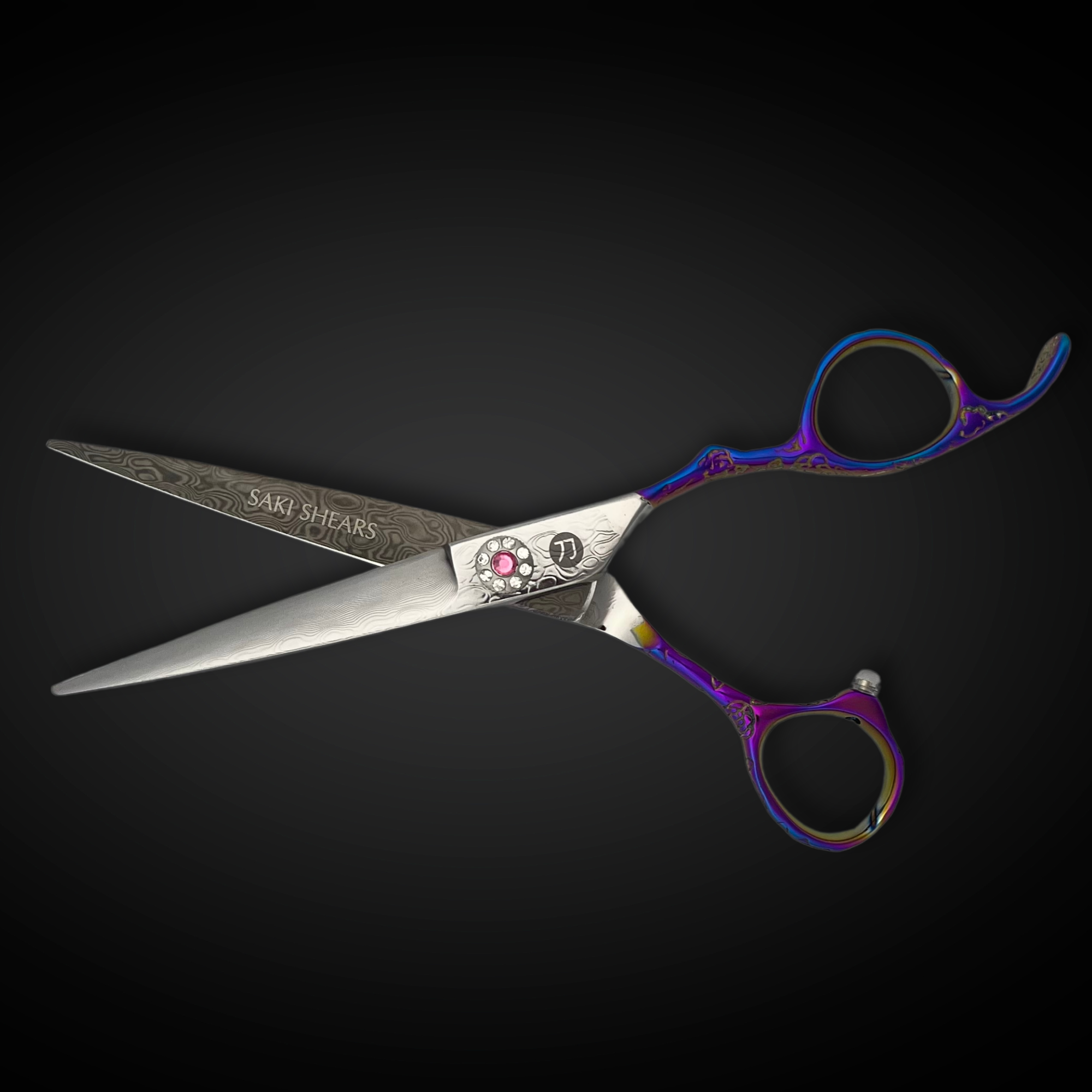
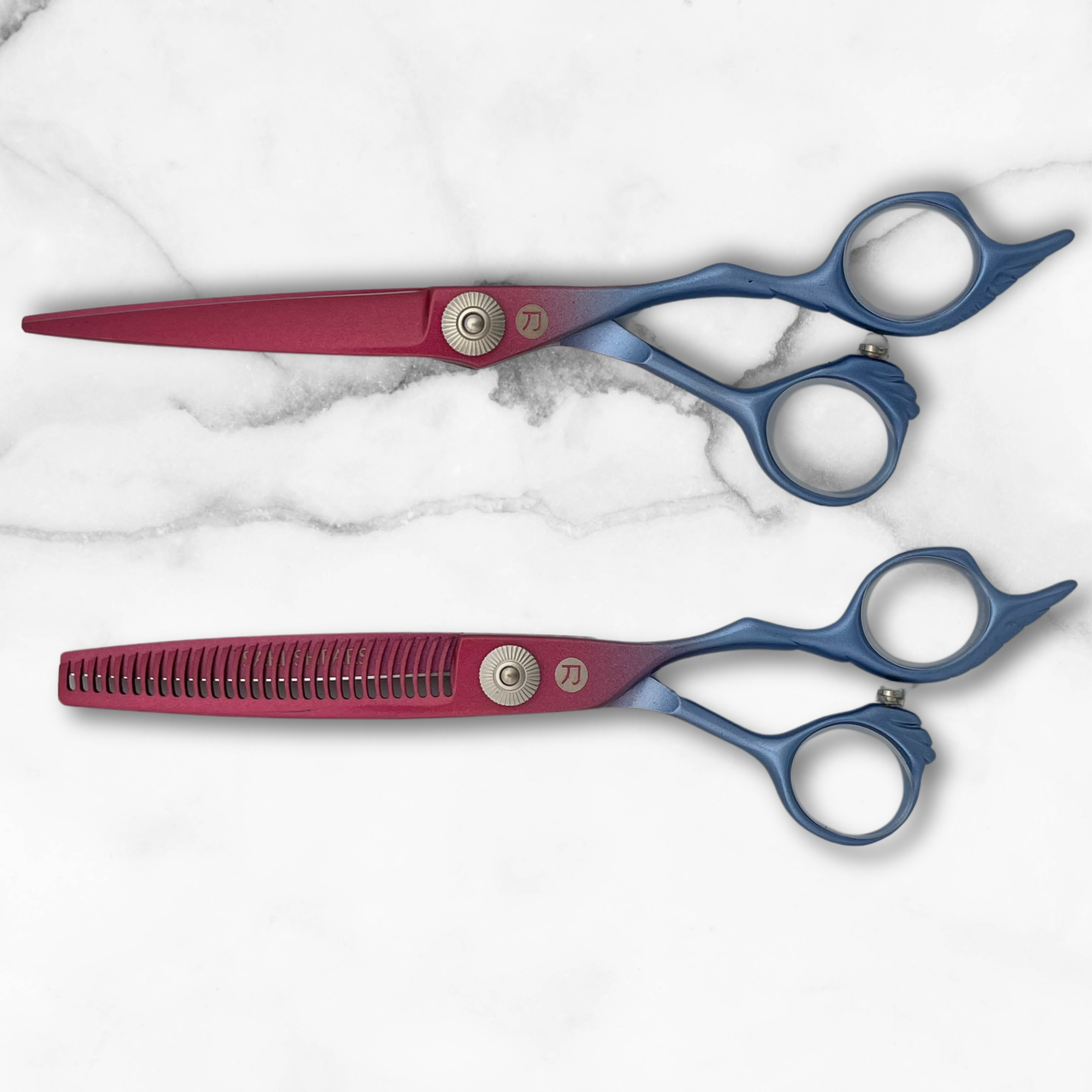
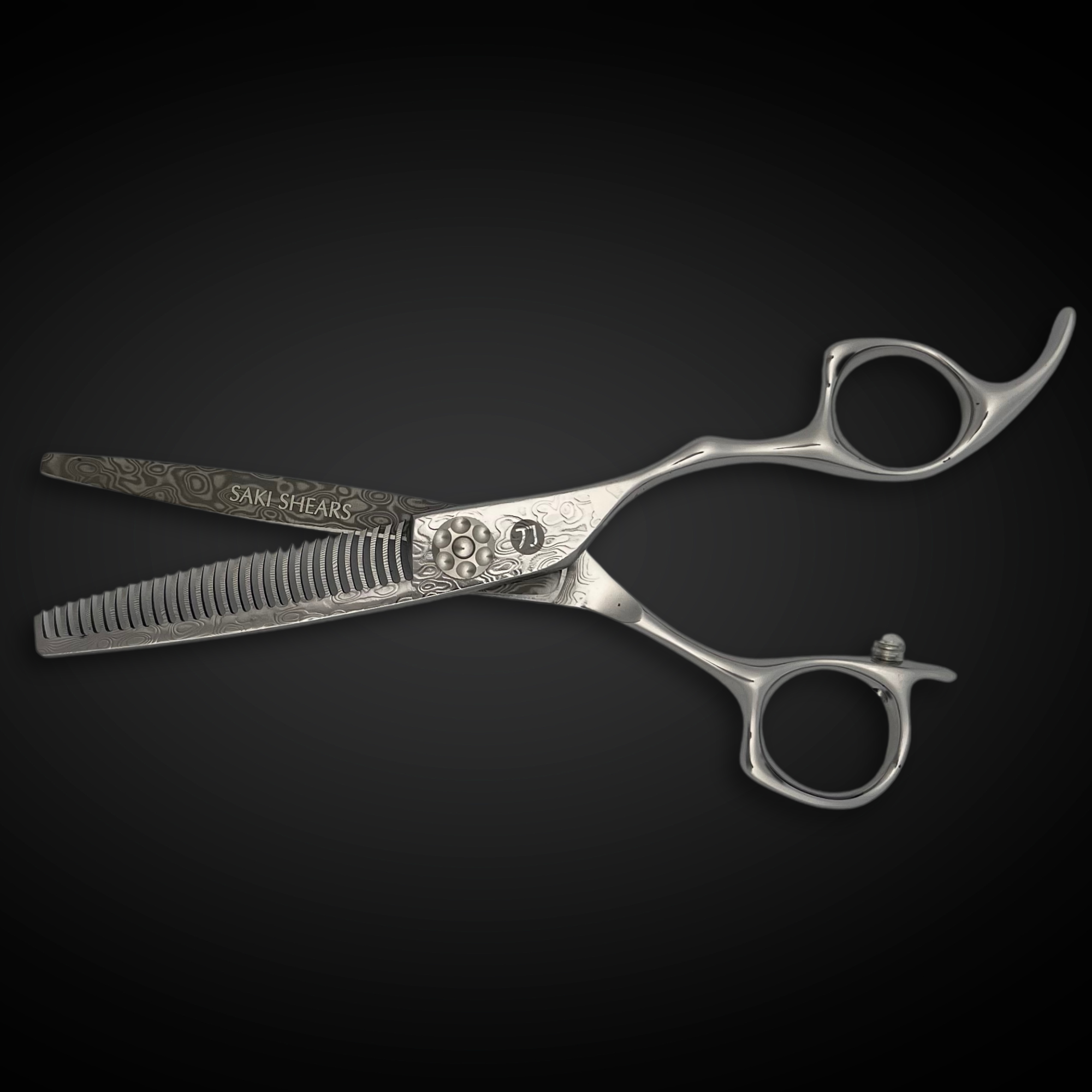
No single shear is right for every task on a service menu. A dedicated cutting shear with a fine convex edge is built for precision line work and slicing, while thinning shears and texturizing scissors use notched blades to remove bulk and blend without changing the overall shape. Stylists who do a high volume of texture work typically keep both in rotation. A well-curated hair cutting shears lineup and a separate thinning shears and scissors selection cover most of what a working stylist needs across a typical service menu.
When evaluating a shear, it helps to check for a short list of concrete details rather than relying on general impressions:
- Named steel type and stated hardness (Rockwell rating) rather than vague "surgical steel" claims
- Edge type - convex, beveled, or serrated - matched to the cutting technique you actually use
- Smooth, adjustable pivot tension with no wobble at the blade tips
- Handle style that keeps your wrist neutral during your most common cutting position
- Weight and balance that feels controllable through a full service, not just in a quick test cut
Why This Matters Long-Term
Shears are one of the few tools a stylist uses on nearly every client, every day, for years. Paying attention to steel, geometry, pivot construction, and ergonomics up front pays off in fewer sharpening cycles, less hand fatigue, and more consistent results over the life of the tool. These specifications are a more reliable guide than seasonal "best of" roundups, because they describe what a shear is actually made of and how it is built, not how it was marketed in a given year.

Written by Charles Harris