Building a Retail and Service Model That Works
A salon's business model is more than a price list and a retail shelf. It's the set of decisions that determine what clients experience, what your team spends its time doing, and where your revenue actually comes from. Owners who treat the service menu, the retail lineup, and the brand identity as three separate afterthoughts usually end up with a shop that feels disjointed to clients and hard to manage day to day. Owners who treat them as one connected system tend to build something clients trust and stylists want to work in.
Start With Service Menu Discipline
Every service on your menu should earn its place. That means knowing, for each service, how long it actually takes a stylist to perform well, what it costs in product and chair time, and whether clients are booking it often enough to justify keeping it. A long menu can look impressive on a website, but it often hides low-margin services that quietly drain stylist time and create scheduling friction.
A disciplined menu is also easier for clients to understand. When people can see clearly what a service includes and roughly what to expect, they book with more confidence and ask fewer clarifying questions at the chair. That clarity reduces awkward mid-appointment upsell conversations and lets your team focus on the work itself.
Build a Retail Philosophy, Not Just a Shelf
Retail only works when it reflects what your stylists actually use and believe in. A shelf stocked with products nobody at the salon can speak to with confidence sends a mixed signal to clients, and it shows in sell-through numbers. Before adding a new retail line, it's worth asking whether your stylists would recommend it even if there were no commission attached.
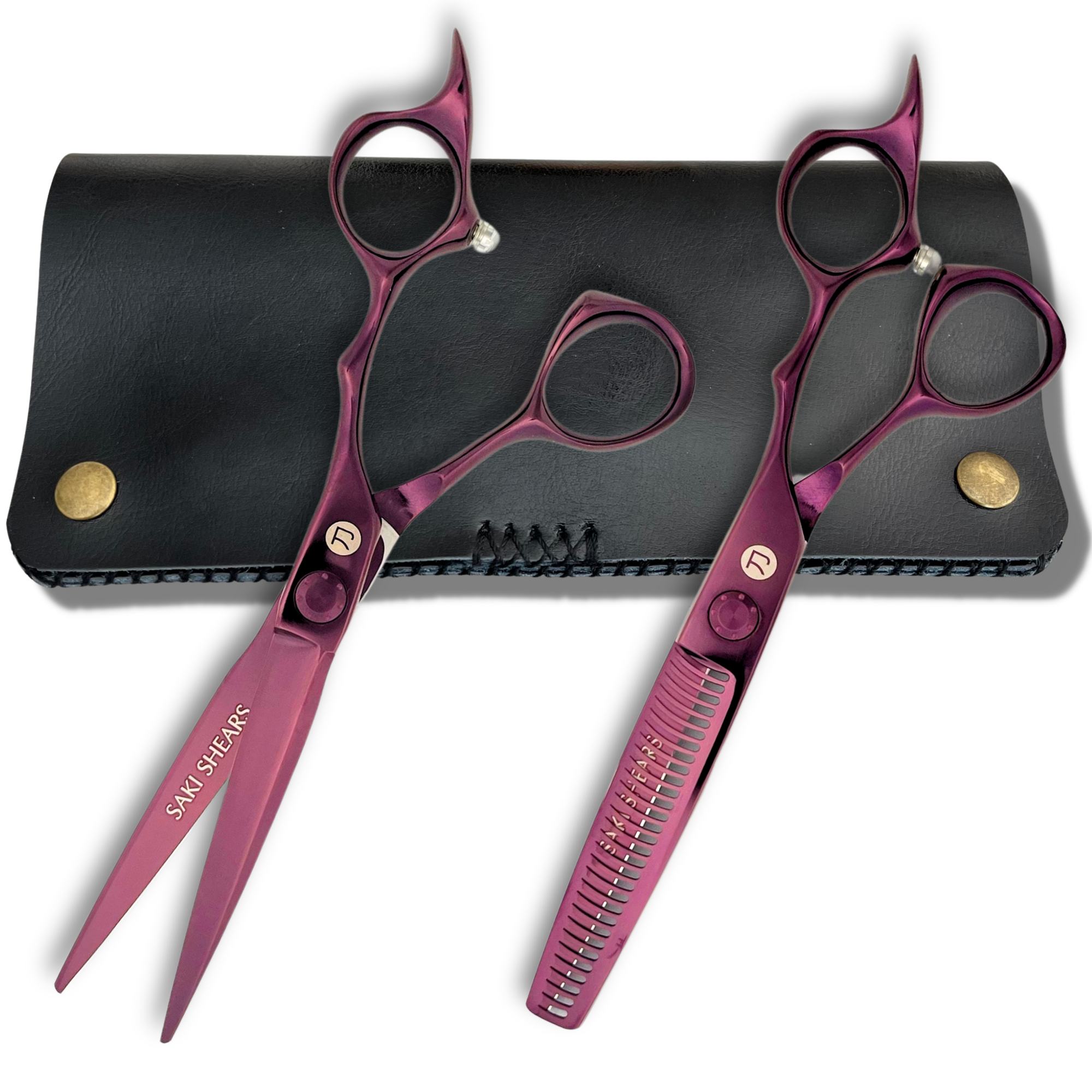
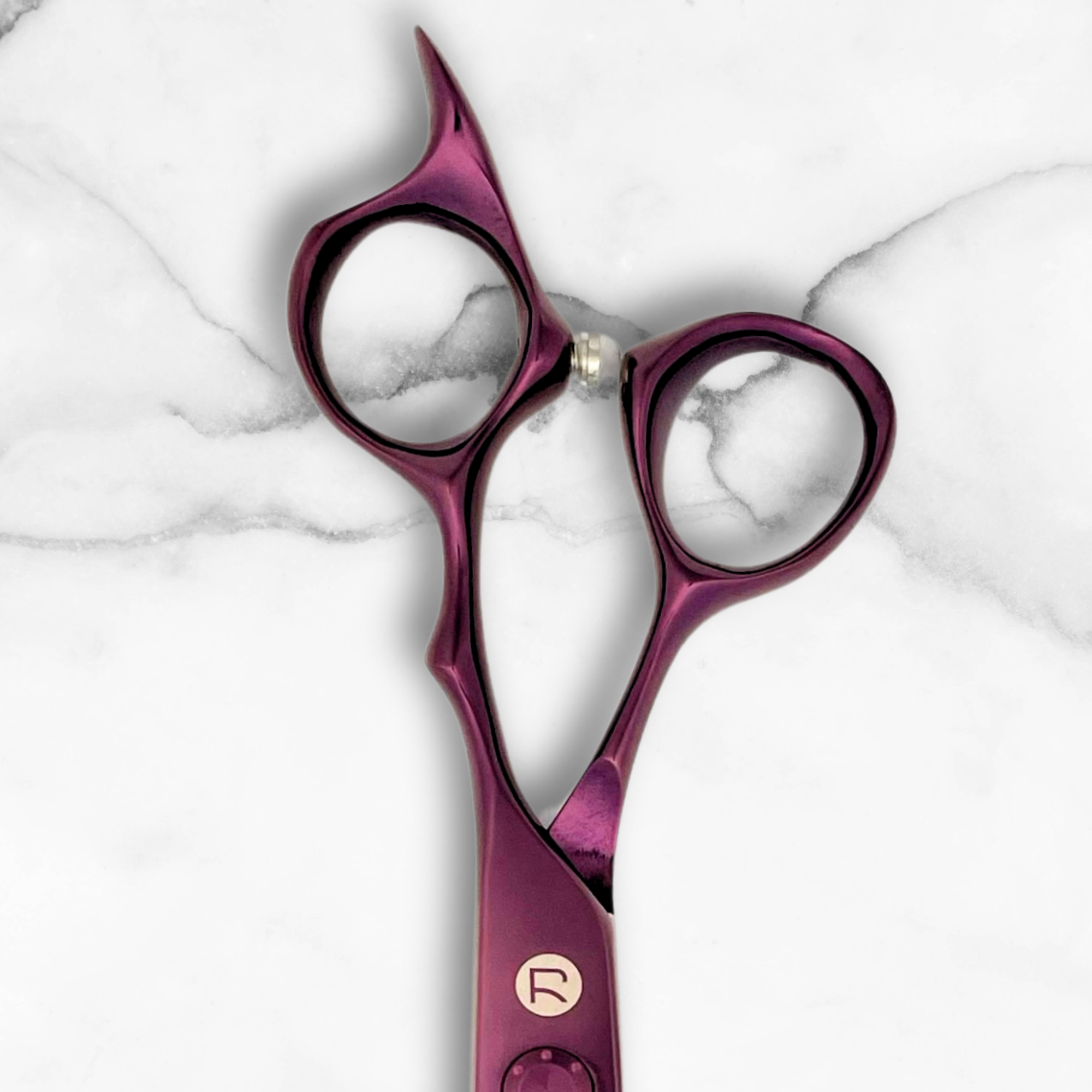
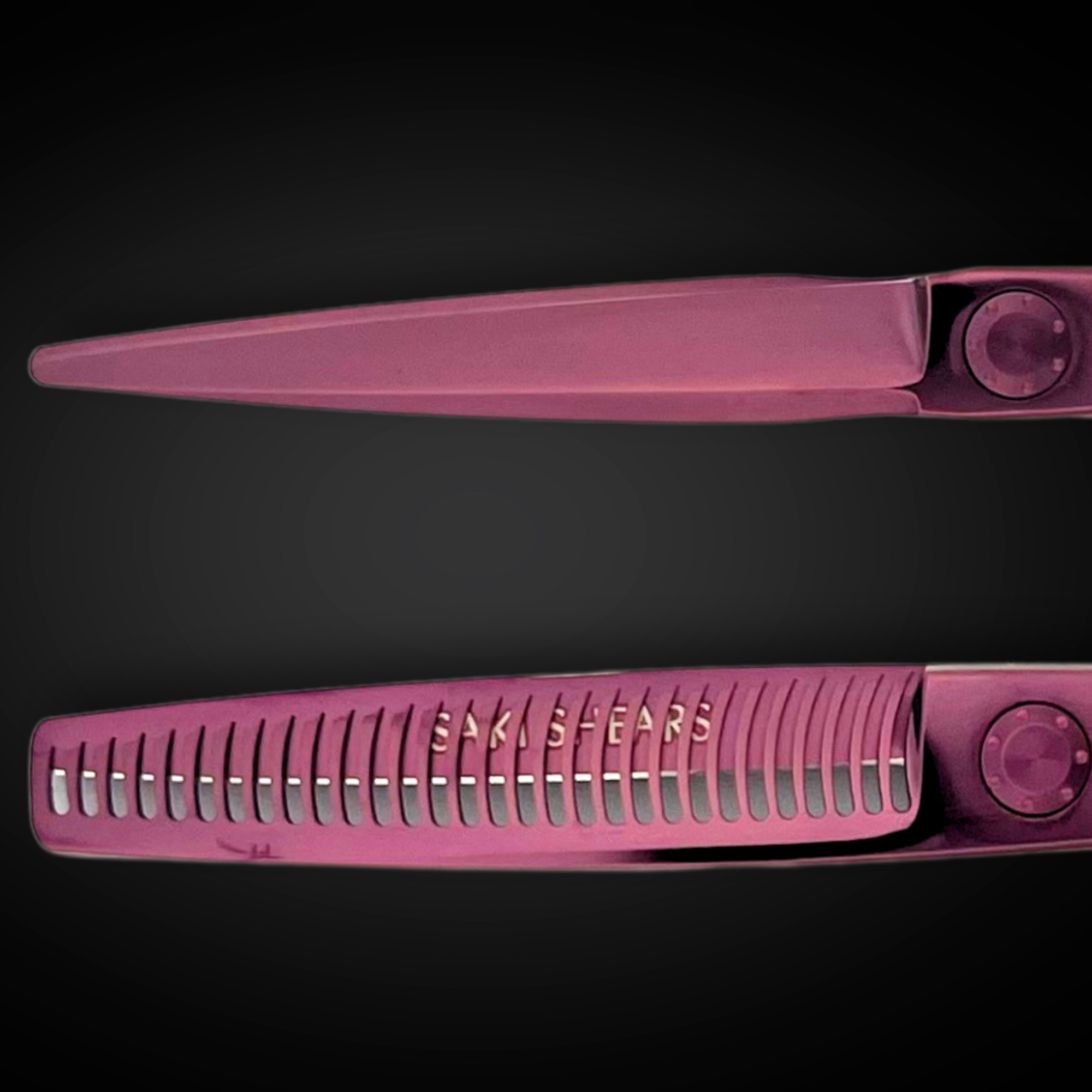
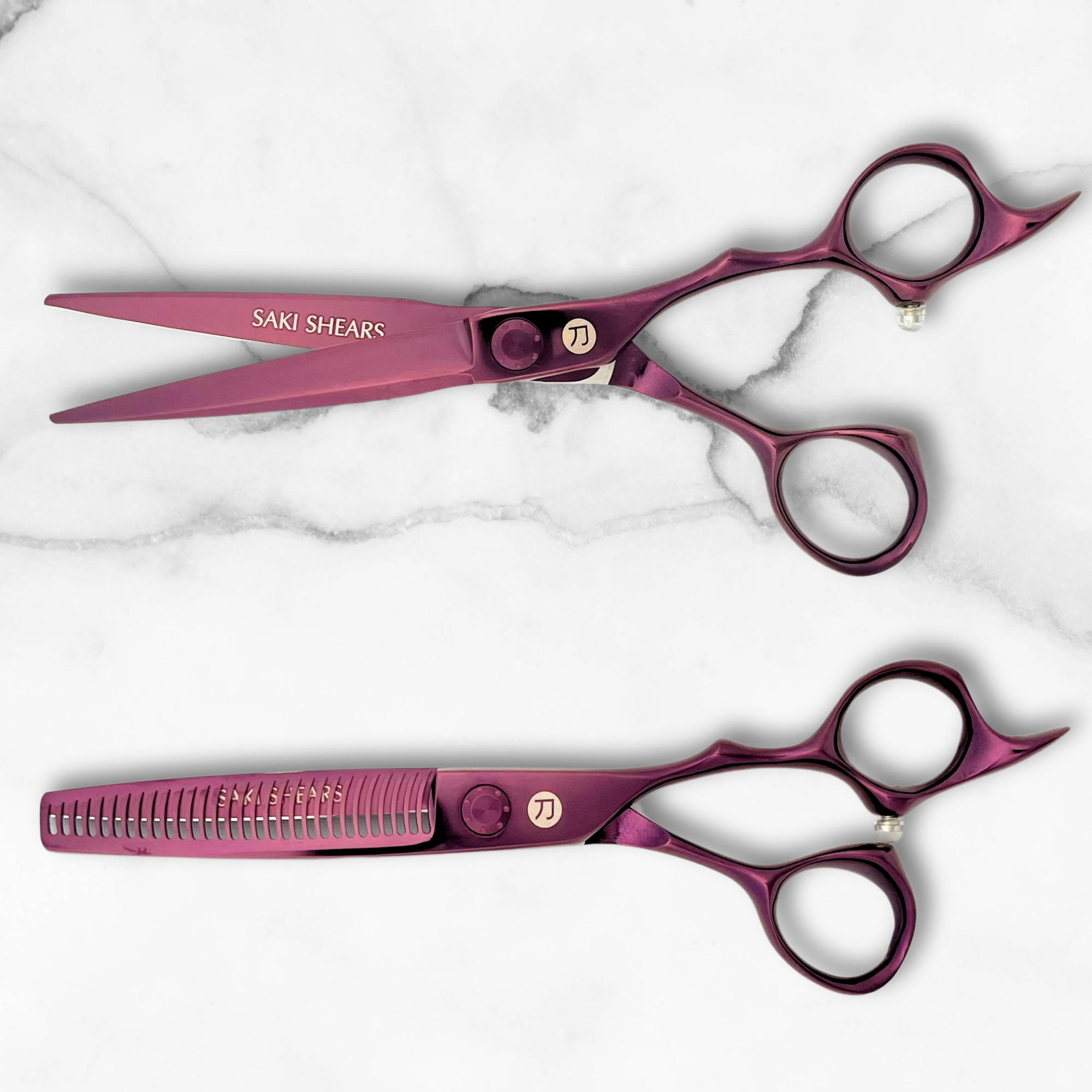
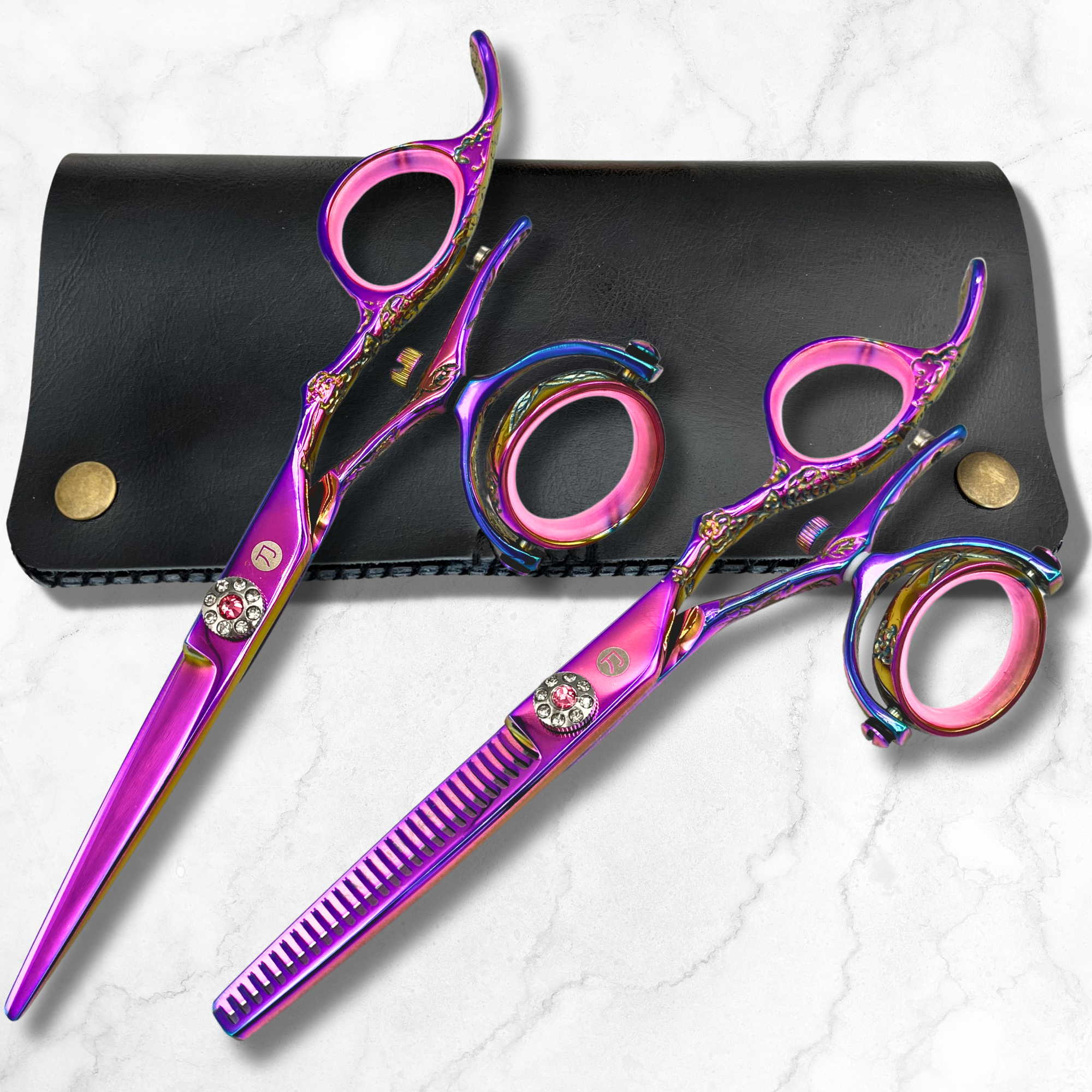
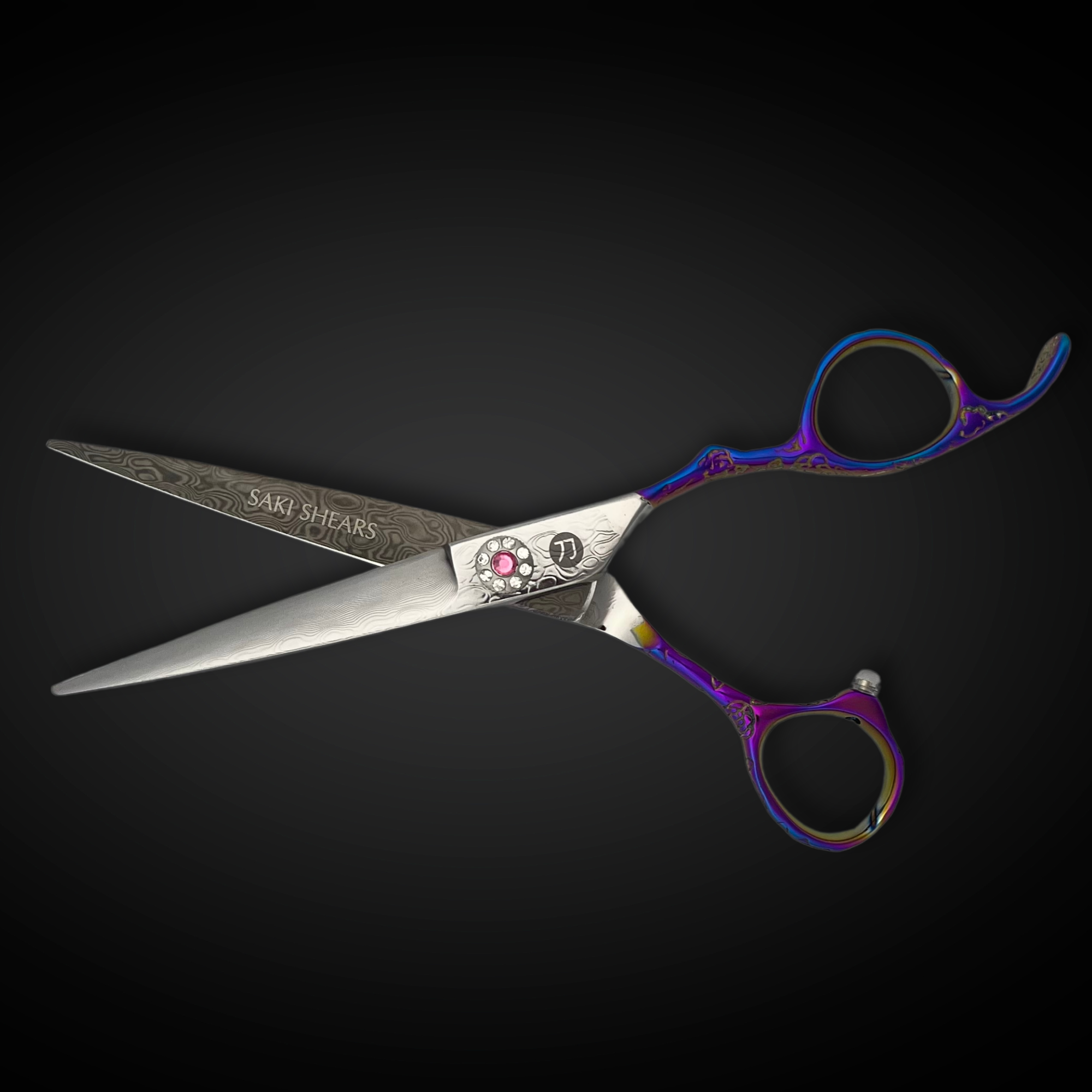
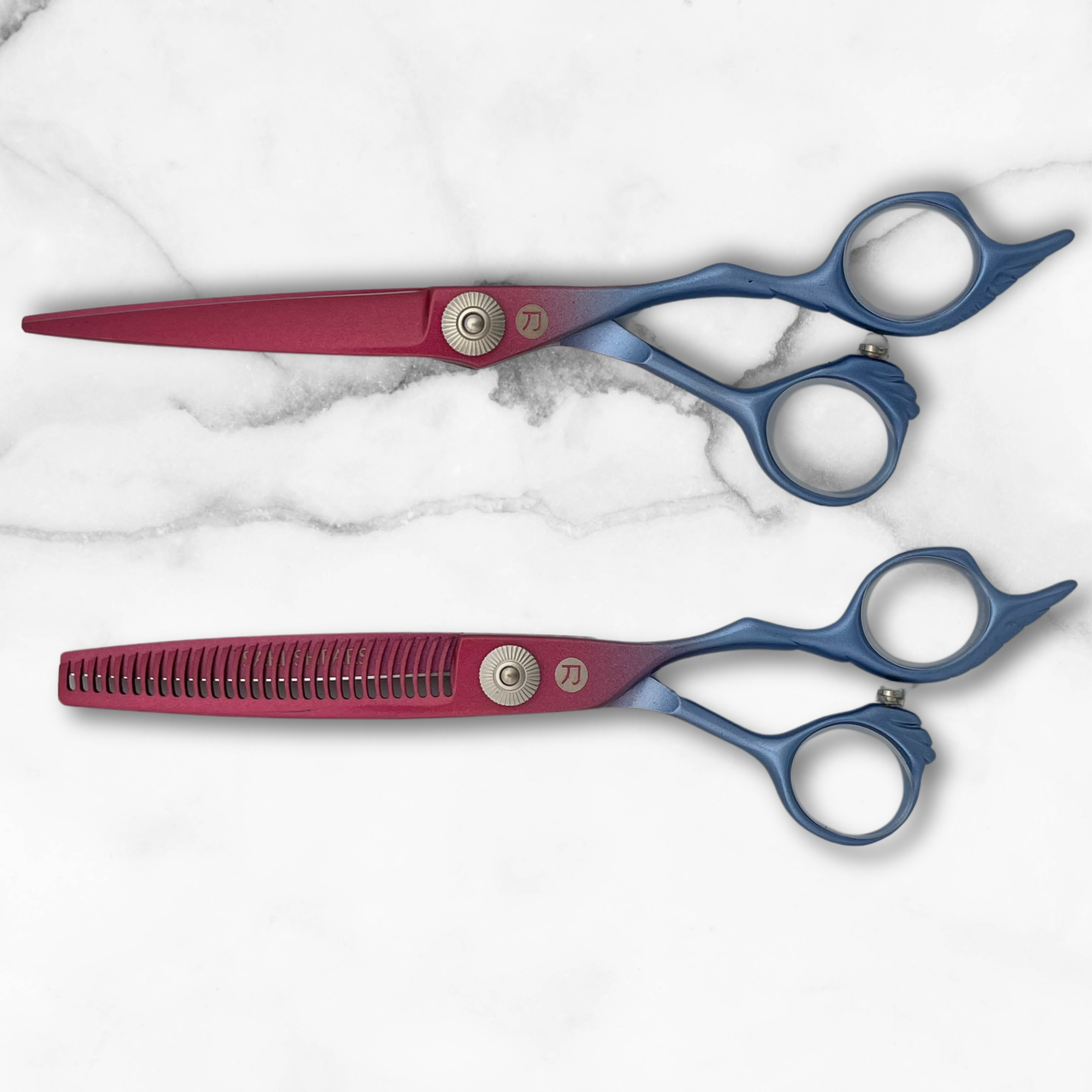
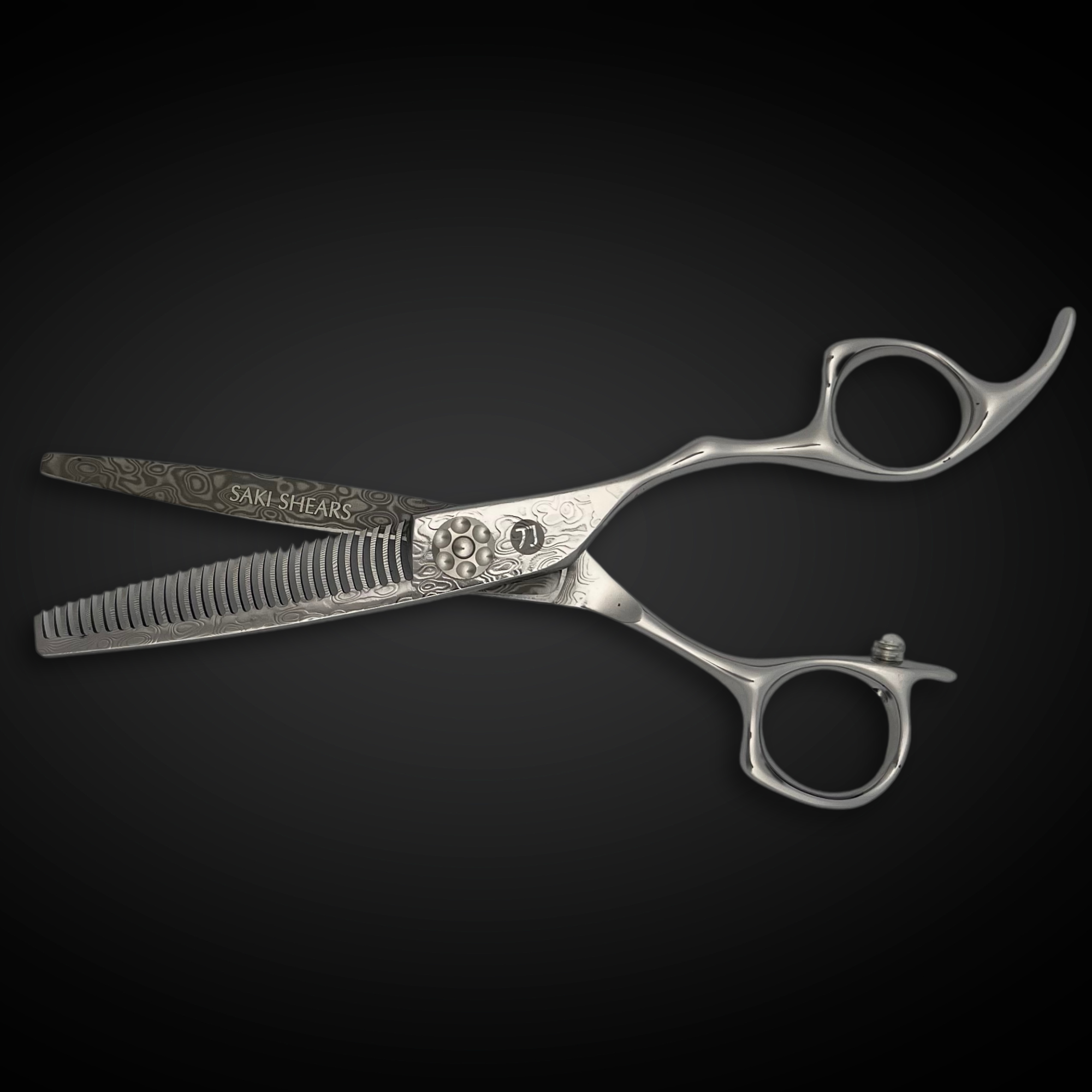
The same logic applies to the tools your team works with. Shears, clippers, and razors are not retail products in the traditional sense, but the quality and consistency of what a stylist uses at the chair shapes the finished result clients see in the mirror. Salons that invest in reliable, well-maintained tools tend to produce more consistent work, which is its own form of client retention. For salons sourcing shears and other cutting tools, a curated collection such as hair cutting shears or hair shear sets can simplify that decision without requiring every stylist to research vendors on their own.
Keep Brand Consistency Simple and Real
Brand consistency doesn't require an elaborate visual identity system. It requires that the experience a client has at the front desk, in the chair, and at checkout feels like it belongs to the same business. Inconsistent scheduling policies, mismatched communication styles between staff, or a retail area that doesn't match the tone of the service floor all chip away at that feeling, even when no single issue seems significant on its own.
The most reliable way to keep a brand consistent is to write down the handful of standards that matter most — how appointments are confirmed, how new clients are greeted, how services are explained — and revisit them with your team periodically. This doesn't need to be a formal manual. It just needs to be shared and referenced often enough that it actually shapes behavior.
Design the Client Experience Around What You Can Deliver Reliably
It's tempting to promise more than a salon can consistently deliver, especially when trying to compete for bookings. But a client experience built on realistic expectations — accurate appointment lengths, honest pricing, consistent quality regardless of which stylist is working — builds more durable loyalty than one built on ambitious claims that occasionally fall short.
This is where the service menu, retail philosophy, and brand standards come back together. If the menu is disciplined, the retail lineup reflects what stylists genuinely use, and the day-to-day standards are consistent, the client experience takes care of itself. Clients notice reliability more than they notice cleverness.
Review the Model on a Regular Cadence
A retail and service model isn't something to set once and leave alone. Client preferences shift, staff turnover changes what expertise is available at the chair, and new tools or techniques enter the trade. A useful habit is a quarterly review of which services are actually profitable, which retail items are moving, and whether your team still stands behind everything on the shelf.
- Audit service times against actual booking data, not assumptions
- Check retail sell-through and remove items that aren't earning shelf space
- Ask stylists directly what tools and products they'd recommend without a commission incentive
- Revisit front-desk and chairside standards with the full team
None of this requires reinventing the business every few months. It requires an honest, recurring look at whether the pieces still fit together. Salons that make this a habit tend to build something more resilient than one built on a single strong opening season.

Written by Charles Harris