Why Professional Associations and Continuing Education Matter
Trade associations and continuing education have been part of the hair and barbering trades for decades, and for good reason. A license gets a stylist or barber into the industry. Ongoing education and professional community are what keep a career moving forward once the basics are covered. For salon owners, understanding the general value of these resources — and being deliberate about which ones are worth the investment — is a useful part of managing a team's long-term growth.
What Trade Associations Typically Offer
Industry trade associations typically offer a mix of continuing education access, industry news, discounted event or trade show admission, and sometimes group discounts on insurance or supplies. The specific mix varies significantly from one organization to another, and membership fees, benefits, and eligibility requirements change over time, so it's worth reviewing what a given association currently provides before recommending it to staff or budgeting for team memberships.
Beyond the tangible perks, associations can offer something less quantifiable but still valuable: a sense of connection to a broader professional community. Stylists and barbers who spend most of their working hours with clients rather than peers often find that association events, forums, or local chapters are one of the few places to compare notes with people doing the same work elsewhere.
Why Continuing Education Matters
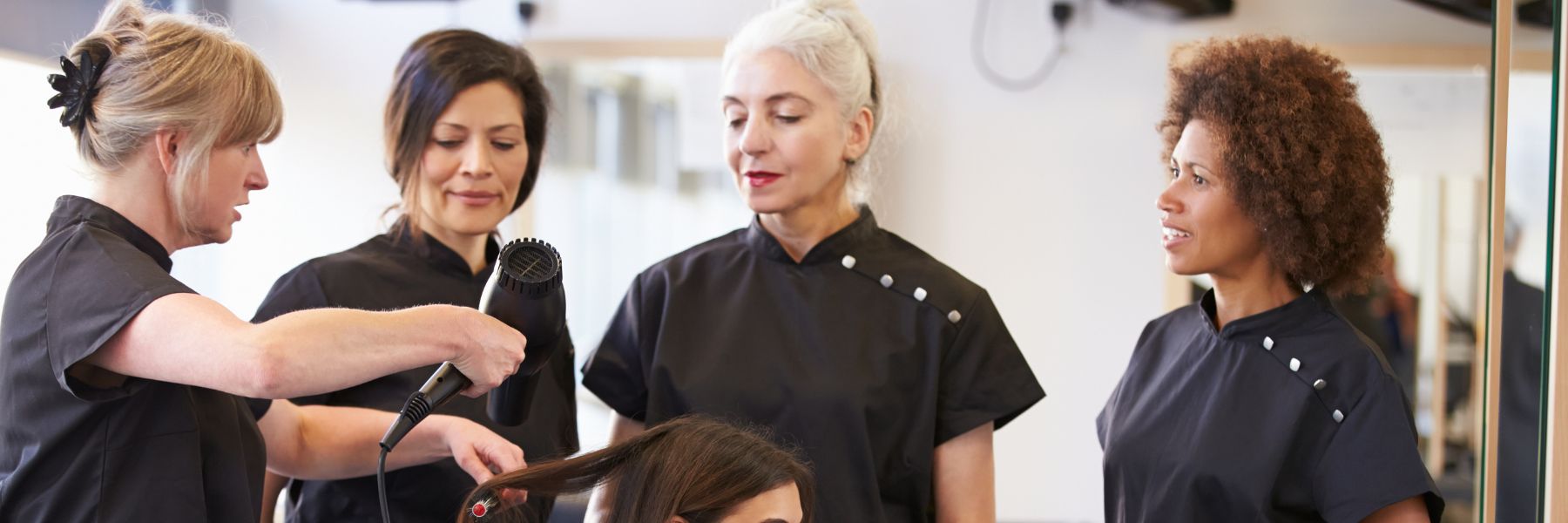
Cosmetology and barbering are technical trades that keep evolving. Cutting techniques, color chemistry, tool technology, and client expectations all shift over time, and a license earned years ago doesn't automatically keep pace with those changes. Regular continuing education — whether through formal coursework, manufacturer-led training, or peer mentorship — helps stylists stay current and gives clients confidence that they're working with someone who takes the craft seriously.
Many states also require a minimum number of continuing education hours to maintain licensure, which makes this less optional than it might first appear. But even where it isn't strictly required, treating education as an ongoing part of the job rather than a one-time credential tends to separate stylists who plateau early from those who keep growing their skill and their client base.
Credentialing and Its Limits
Industry credentials and certifications can be a useful signal of skill and seriousness, both to employers and to clients. They are not, however, a substitute for hands-on evaluation. A credential says someone completed a program; it doesn't fully capture how they perform at the chair, how they communicate with clients, or how they handle the unpredictable parts of a real service day. Owners are generally better served treating credentials as one data point among several — alongside a working interview, a trial period, or direct observation — rather than the deciding factor on their own.
Evaluating Associations and Programs for Your Team
Not every association or certification program is worth the cost for every salon. Before committing budget or time to one, it's reasonable to ask a few practical questions:
- What specific benefits does membership include this year, and do they match what your team actually needs?
- Is the continuing education content relevant to the services your salon actually offers?
- Does the organization have a track record in your region, or is its presence mostly national?
- Would the money and time be better spent on in-house training or one-on-one mentorship instead?
There is no single right answer, and the calculation looks different for a small independent shop than for a larger salon with a training budget. What matters is treating the decision with the same scrutiny as any other business expense, rather than assuming that any association or credential is automatically worth pursuing.
Building a Culture of Ongoing Learning
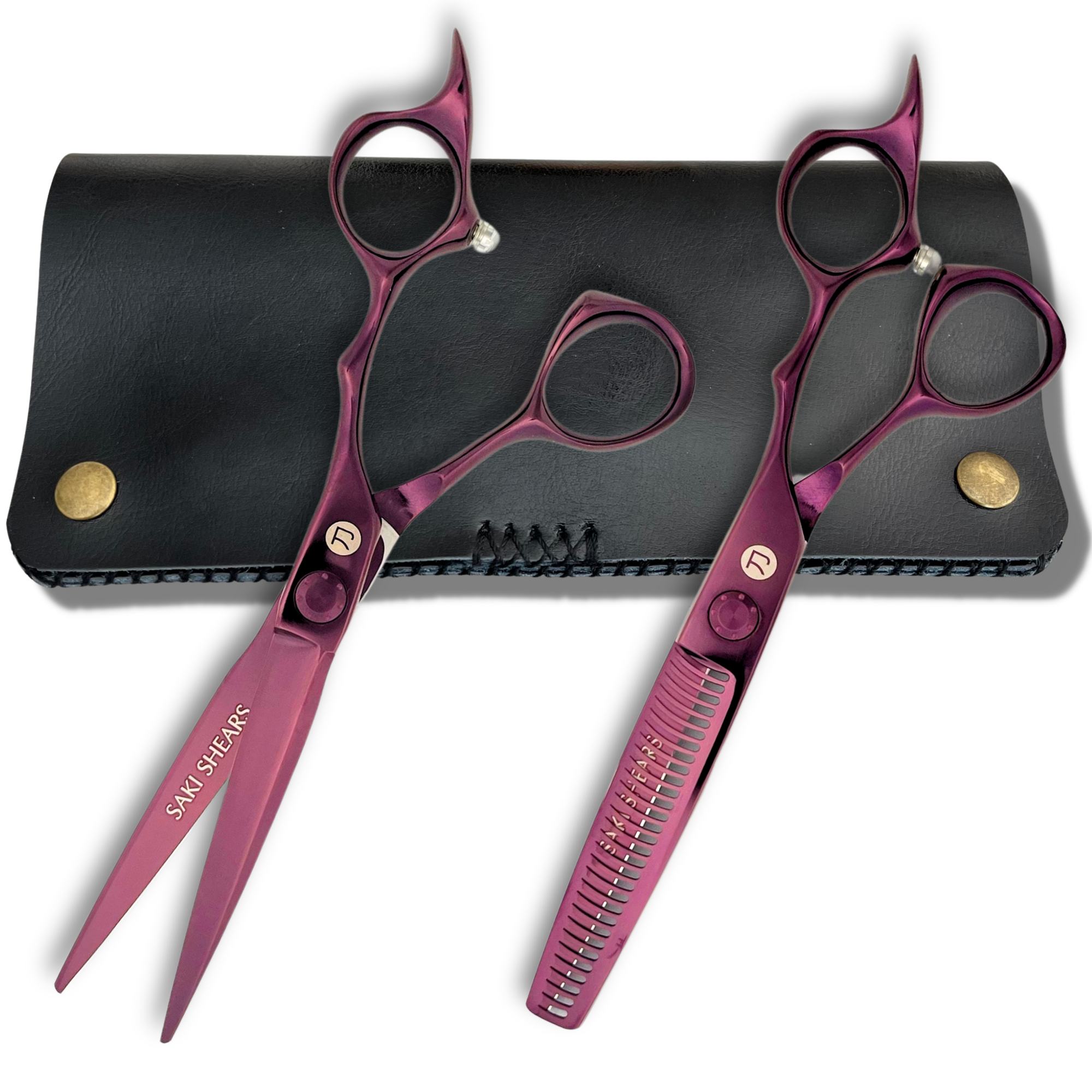
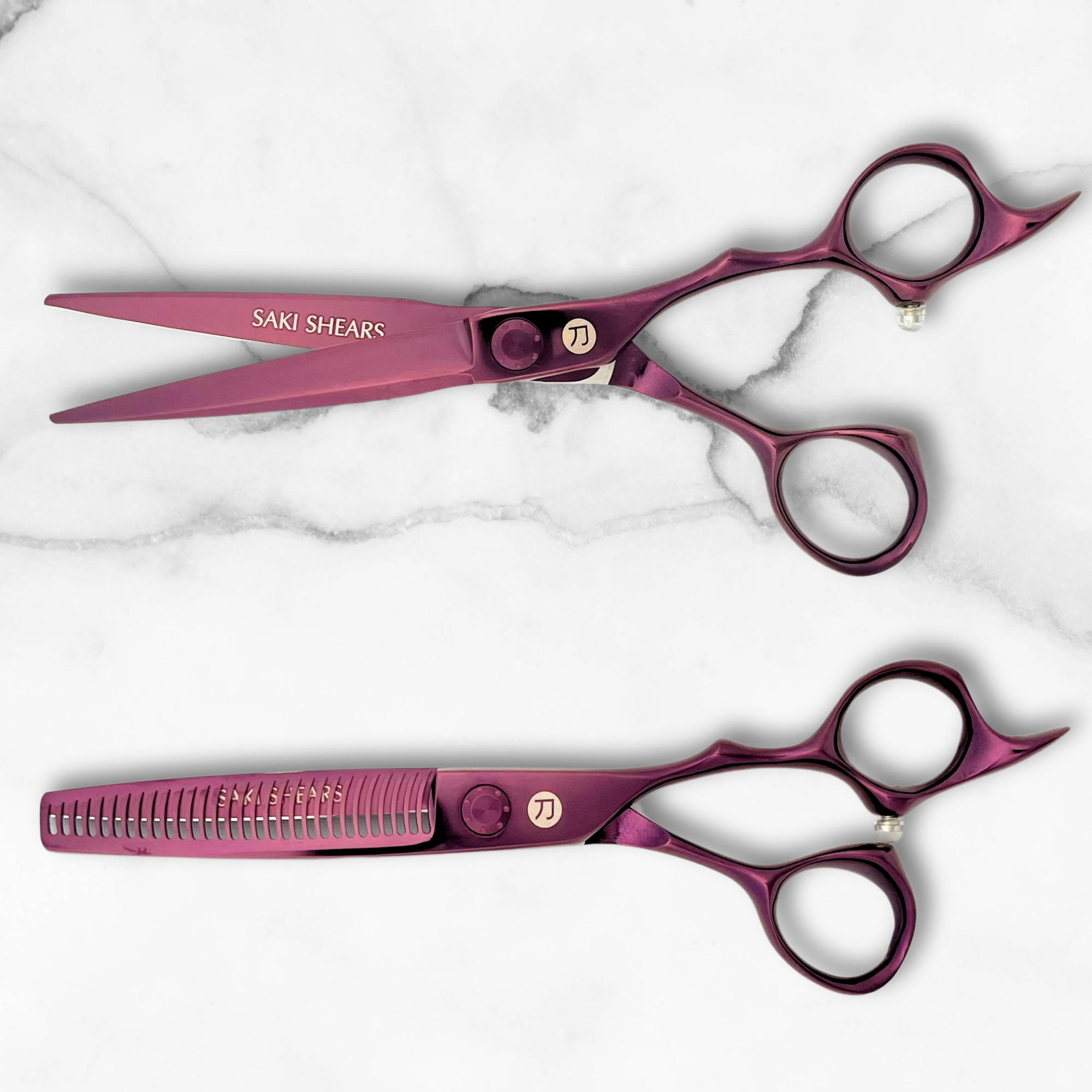
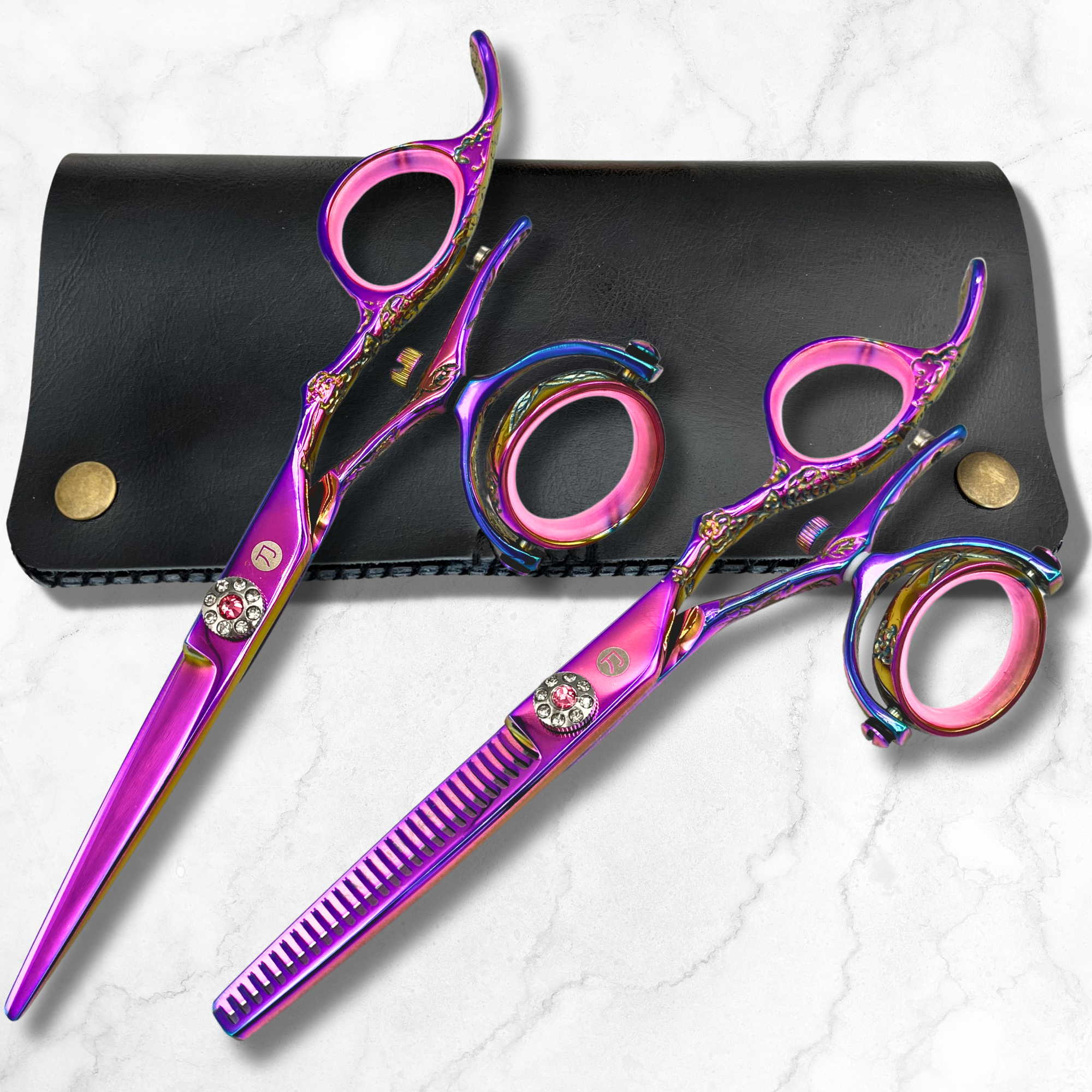
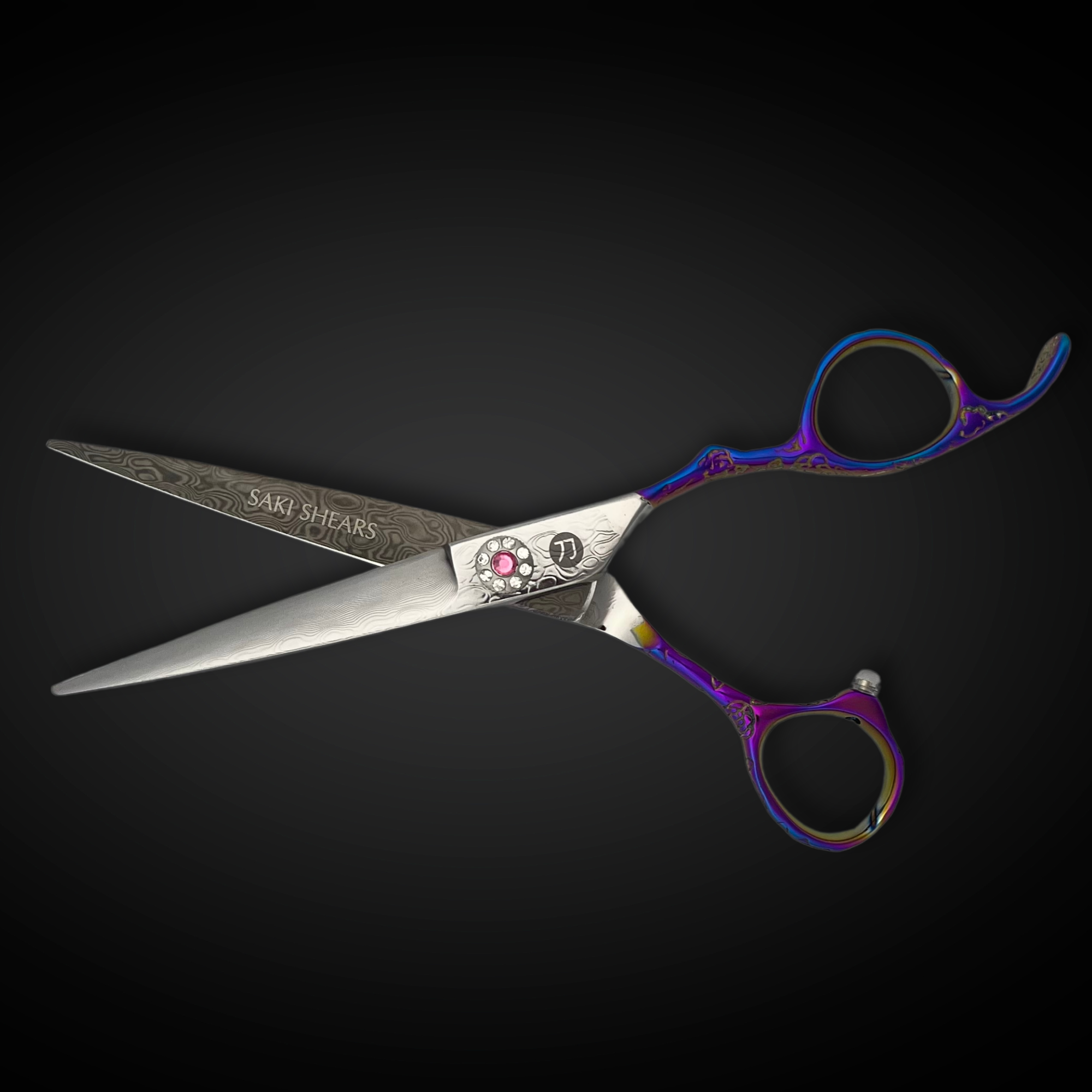
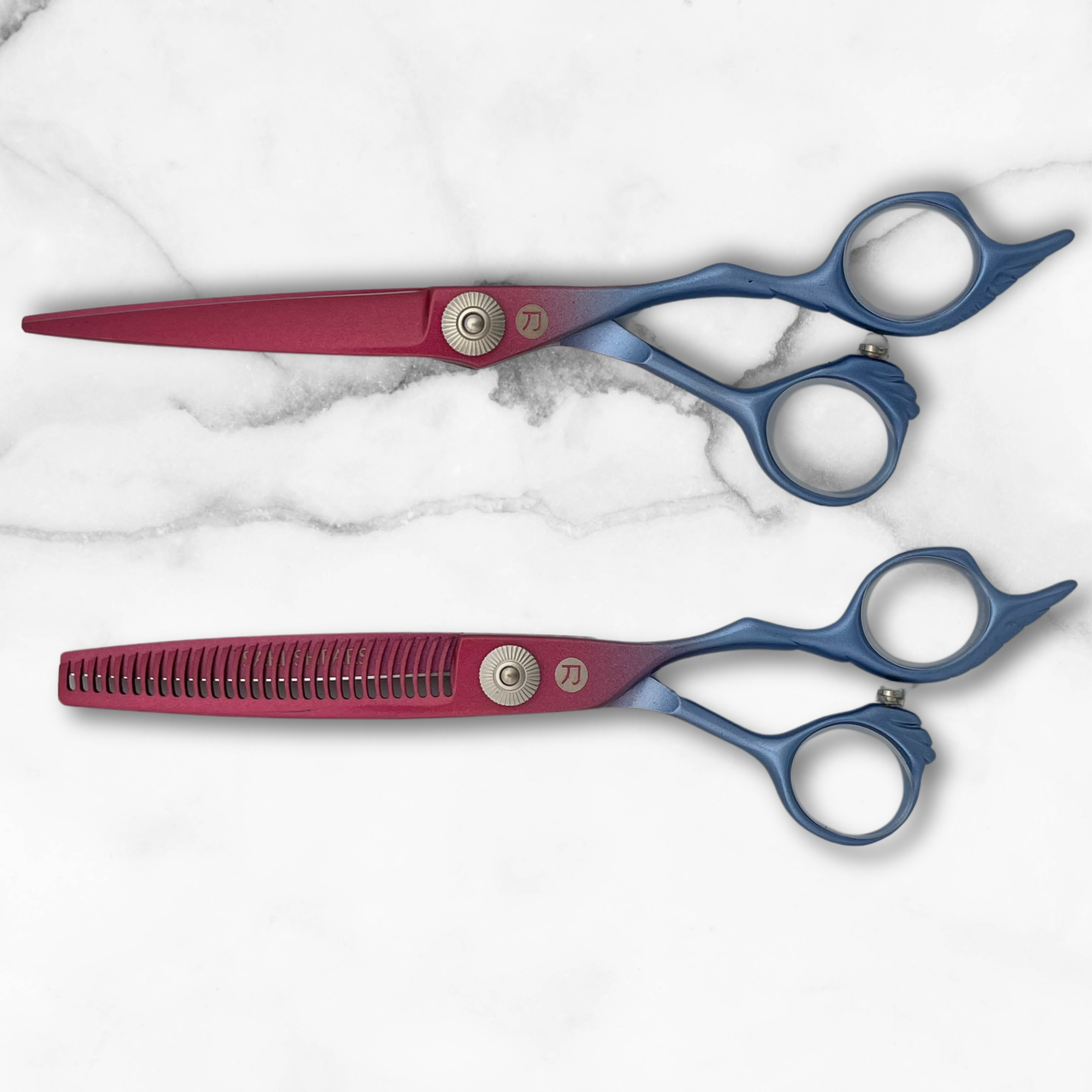
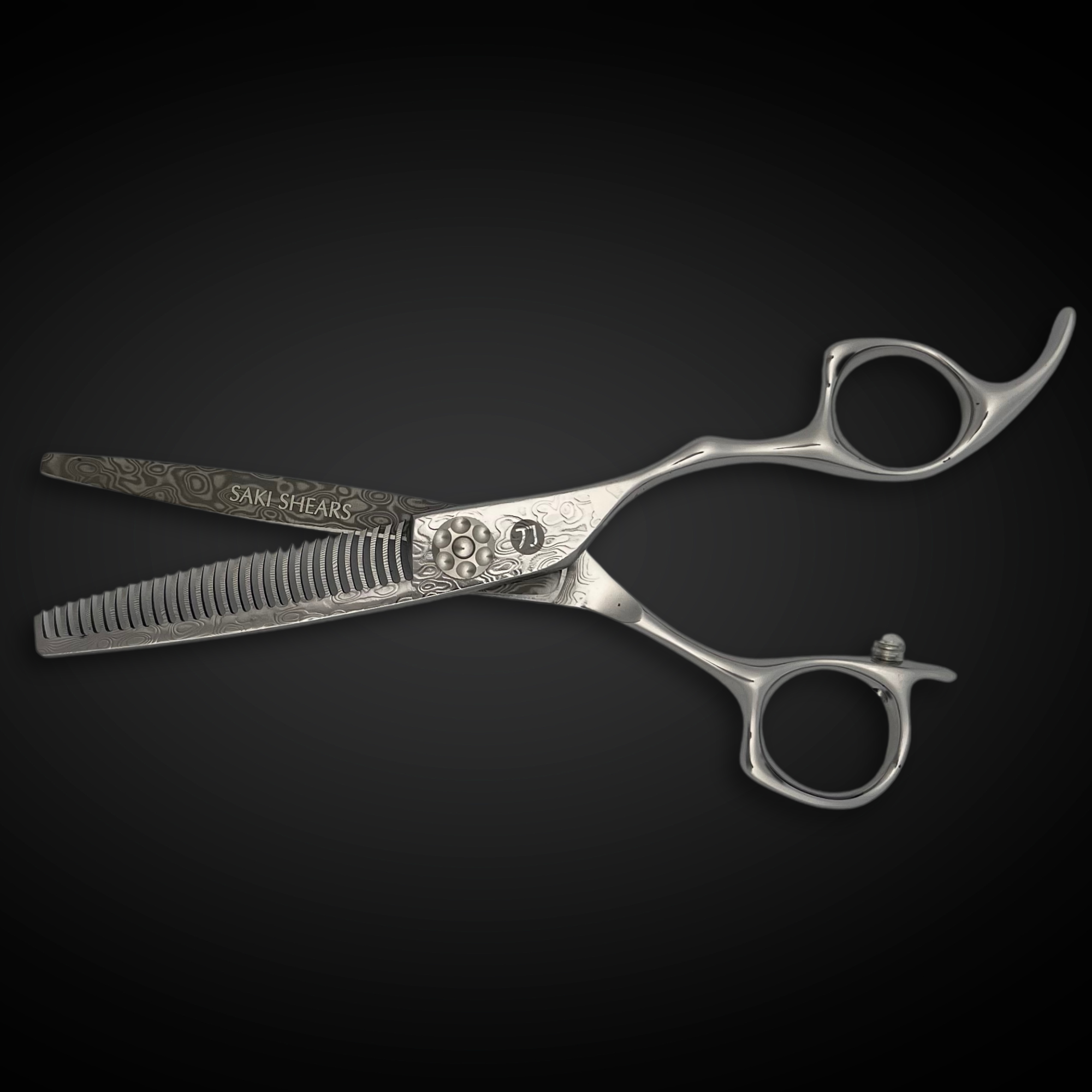
The salons that get the most value out of associations and continuing education tend to be the ones that treat learning as a normal, recurring part of the job rather than a box to check. That can mean setting aside time for staff to attend a class, rotating who goes to an industry event each year, or simply making it clear that bringing new techniques back to the team is welcomed and expected. Reliable tools matter too — a stylist can only apply new technique as well as the equipment allows, which is one reason many salons standardize on a consistent set of shears and clippers across their team, such as those found in a collection like hair cutting shears or electric clippers and trimmers. None of this requires a large budget. It requires consistency, and a willingness to treat professional development as an investment rather than an afterthought.

Written by Charles Harris