The revolutionary impact of Vidal Sassoon on the hair industry
Vidal Sassoon is one of the most widely credited figures in the history of modern hairdressing. Working out of London in the 1960s, he helped shift the industry away from the rigid, heavily set styles that had dominated for decades and toward cuts built on precision, geometry, and the natural way hair moves and falls. For working stylists, his influence is still worth understanding, not as nostalgia, but because the underlying technical philosophy still shapes how cutting is taught today.
From rollers and lacquer to the cut itself
Before Sassoon's rise to prominence, much of mainstream hairstyling relied on setting: rollers, pin curls, and heavy lacquer built a shape that lived on top of the hair rather than within it. The style required regular salon visits just to maintain the set, and it rarely survived a wash.
Sassoon's approach inverted that relationship. Instead of building shape after the fact with heat and product, he argued the shape should come from the cut itself. A well-executed geometric cut would fall back into place after washing, because the line was engineered into the haircut rather than layered on top of it. This is the origin of what's still commonly called "wash-and-wear" hair — a cut engineered to require minimal styling to look finished.
Precision cutting as a technical discipline
What set this approach apart technically was its treatment of cutting as an exact, repeatable discipline rather than an improvisational craft. Clean, geometric lines; careful attention to how a cut's shape interacts with head shape and hair fall; and cuts designed around the client's own hair texture and growth pattern rather than forced into a uniform style — these principles became foundational to how precision cutting is taught.
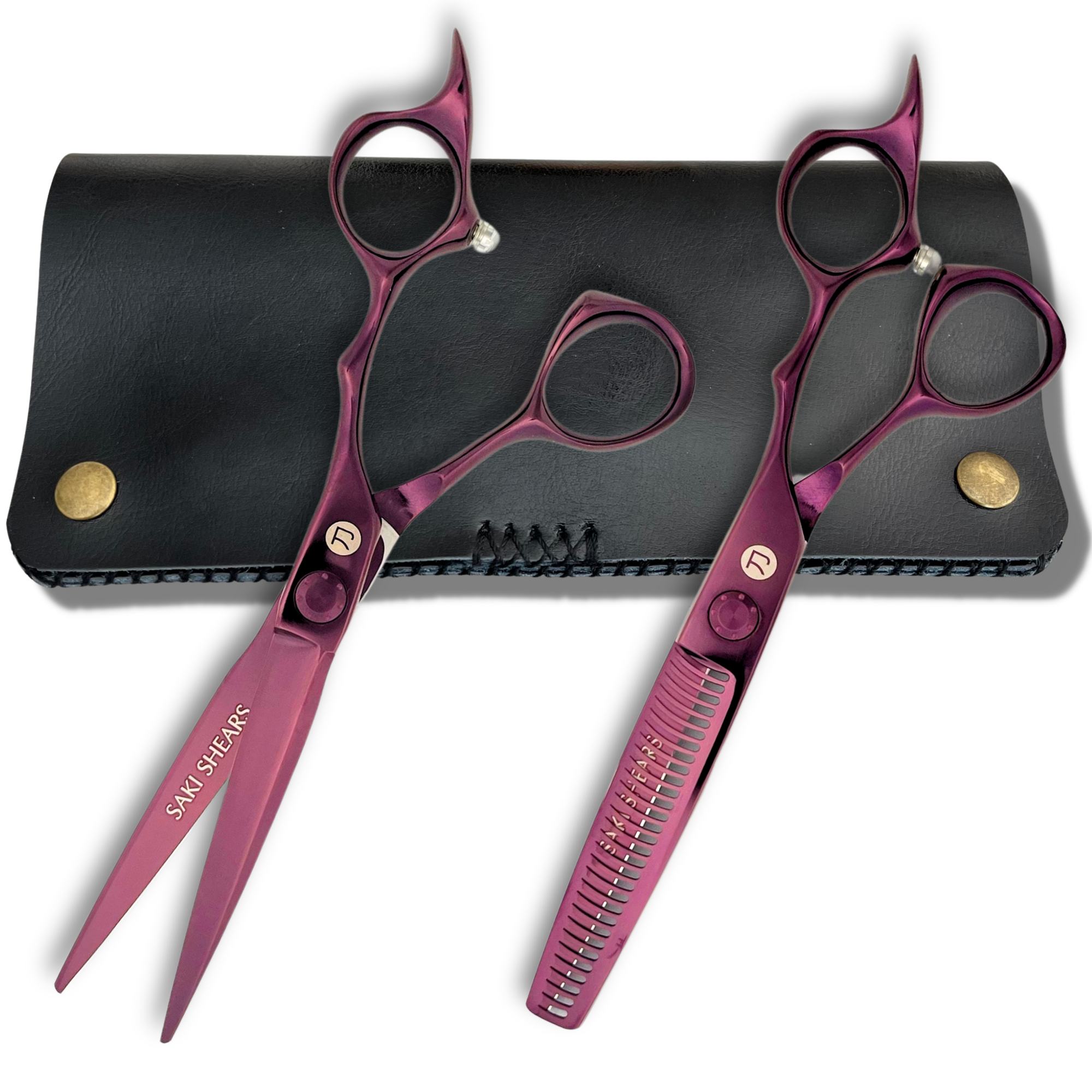
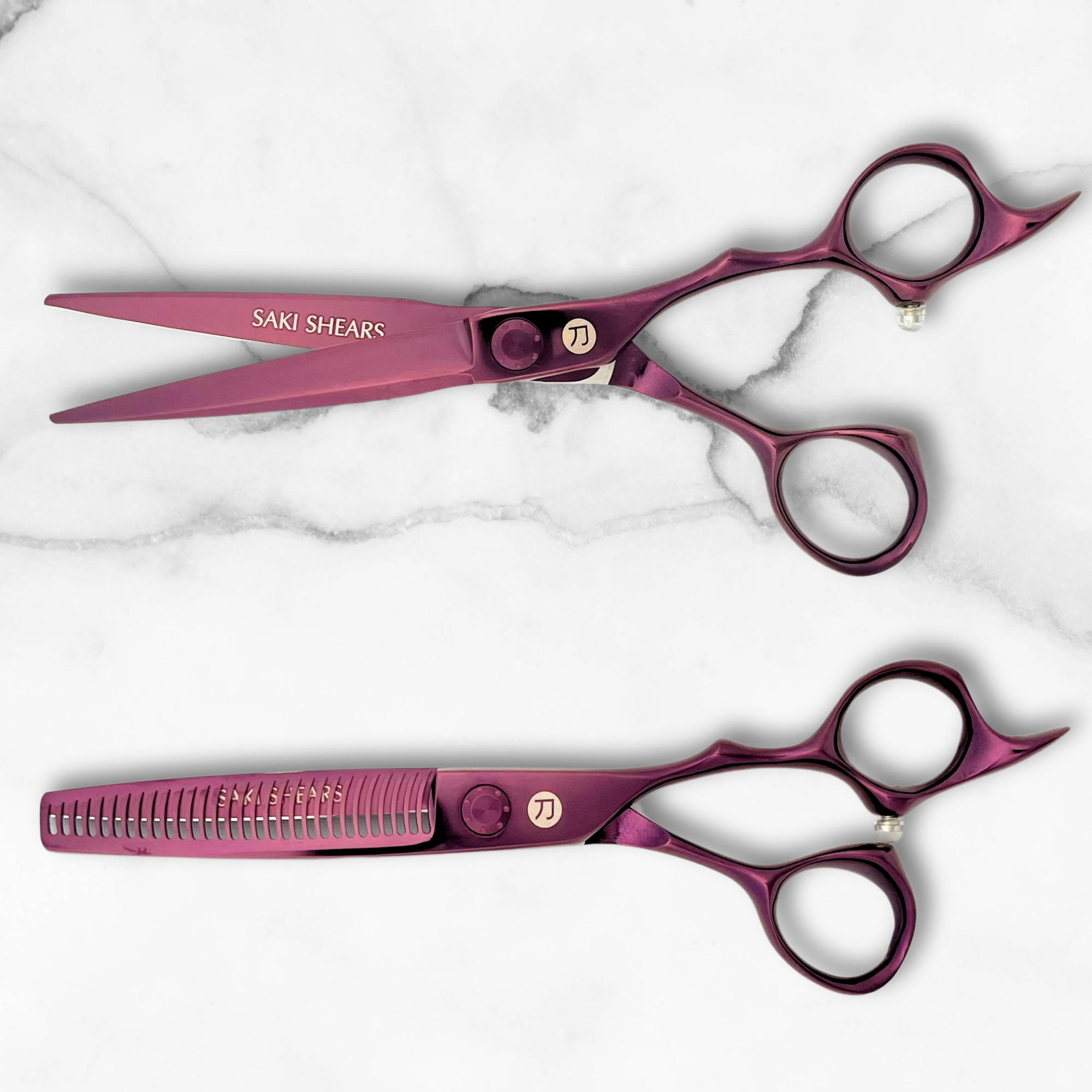
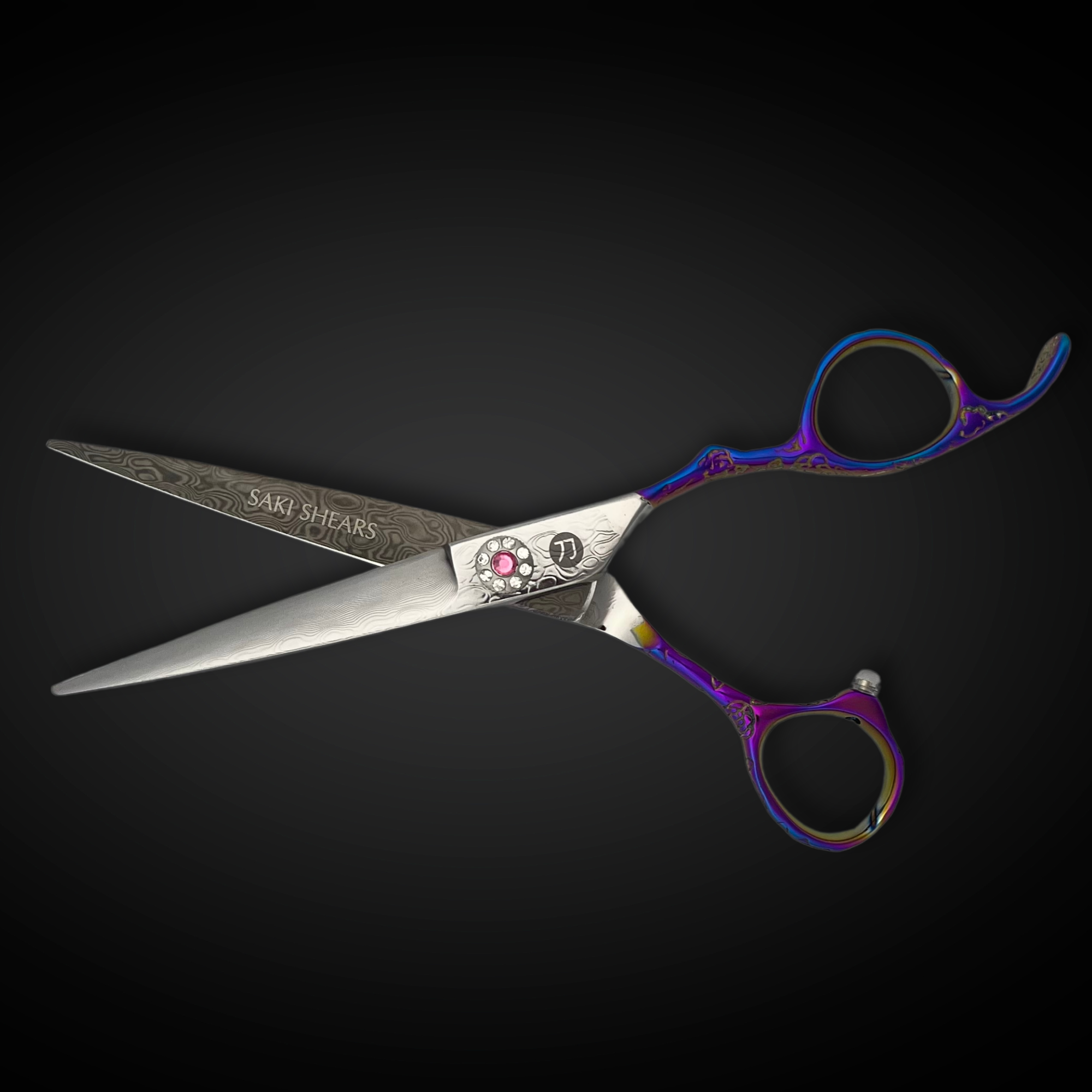
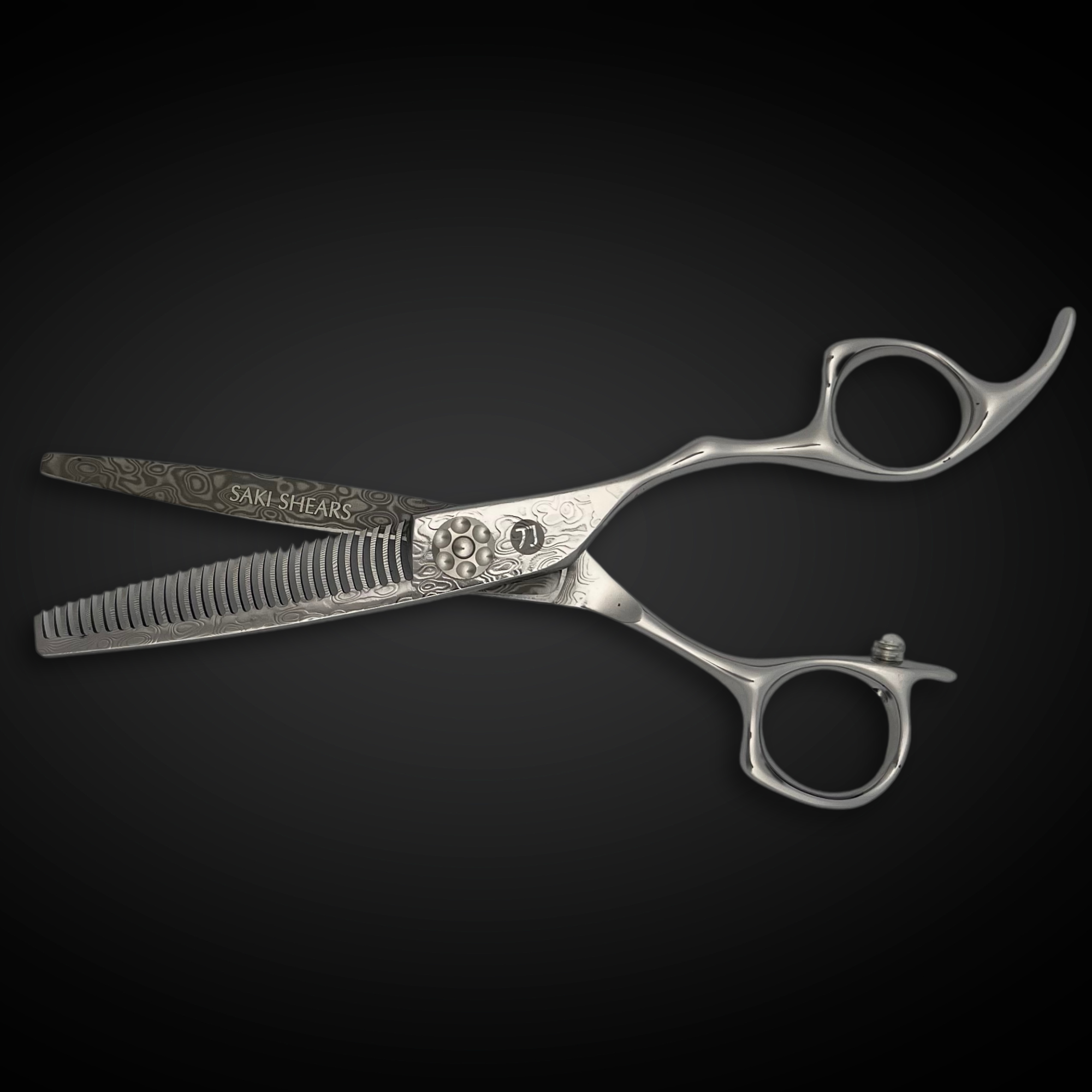
This is also where the philosophy connects directly to tool technique. A geometric, wash-and-wear cut depends on clean, consistent blade work — sections have to be even, lines have to be sharp, and the shear has to execute exactly what's planned, with no room for the touch-ups that a heavily set style could absorb. That kind of precision starts with well-maintained tools: a shear that's holding its edge and properly balanced for the cutter's hand. Stylists building this kind of technical cutting practice today typically keep a dedicated precision cutting shear for line work, separate from any shear used for texturizing or bulk removal.
A shift the whole industry absorbed
The move toward precision, wash-and-wear cutting didn't stay contained to one salon or one era. Over the following decades it became a standard reference point in cutting education generally, influencing how sectioning, elevation, and line are taught to new stylists. Many of the fundamentals now treated as basic technique — the idea that a cut's shape should be built into the cutting process itself, that sectioning consistency determines the outcome, that the finished look should hold up to the client's real washing and styling habits — trace back to this shift in the industry's thinking.
It also changed the working relationship between stylist and client. A cut designed to be low-maintenance and self-styling put more of the ongoing result in the client's hands, which meant the stylist's initial precision mattered even more. There was less room to rely on a follow-up blowout to fix an uneven line.
Why this still matters at the chair
For a working stylist today, the practical takeaway isn't a specific haircut from six decades ago — it's the underlying discipline. Treating each cut as an engineering problem: where the weight needs to fall, how the line should sit against the head shape, how the finished style needs to behave once the client washes and dries it at home without a stylist's help. That mindset, more than any particular silhouette, is what this era of the industry's history left behind.
It's a useful standard to check your own work against. When a client leaves the chair, does the cut still read clean after they've washed and air-dried it themselves, or does it depend on you being there to reset it with a blow-dryer and round brush every time? A cut that only looks finished immediately after a styling session, and falls apart the moment the client tries to recreate it at home, hasn't fully applied this principle. Building the shape into the cut, rather than into the finish, is what separates a style that holds up from one that doesn't.
It's also a reminder that technique and tools are inseparable. Precision cutting only works if the shear is actually capable of precision — sharp, correctly tensioned, and suited to the cutter's hand. Reviewing a current shear lineup is a reasonable exercise for any stylist auditing their own cutting fundamentals.

Written by Charles Harris