Article: The History of Hair Cutting Shears: From Ancient Egypt to Modern Japan
The History of Hair Cutting Shears: From Ancient Egypt to Modern Japan
Hair cutting shears are ancient tools with a long, layered history. While it is tempting to draw a straight line from a single ancient invention to the precision shears used in salons today, the real story is more gradual and less certain than that. Historians generally agree on a few broad developments, and it is worth separating those well-supported facts from the folklore that often surrounds the tools of any trade.
Early Cutting Implements
Simple cutting tools made from stone, bronze, and later iron have existed for thousands of years, used for everything from trimming hair and beards to processing textiles and food. Archaeologists have found early scissor-like devices, often of the spring-action type, in several ancient cultures across the Mediterranean, the Middle East, and Asia. These early spring shears were typically forged from a single piece of metal, bent into a U-shape so that the blades sprang apart after each cut. This design predates the pivoted scissor by a considerable margin and was used broadly across trades, not exclusively for hair.
It is widely believed that dedicated hair-cutting tools evolved alongside general-purpose cutting implements rather than as a separate invention. Groomers, barbers, and those who served early forms of what we would now call personal care professions likely adapted whatever cutting technology was available in their region and era. Precise dates, named inventors, and specific claims about which culture used shears "first" are difficult to verify and are often overstated in popular accounts, so we avoid asserting them here.
The Shift to Pivoted Scissors
The pivoted scissor design, with two blades crossing at a central pin, is generally understood to have developed later than spring shears and to have spread gradually through trade and craft networks over a long period. This design offered more controlled, repeatable cuts than spring-action tools, which is part of why it eventually became the standard for detailed work, including hair cutting. Exactly when and where the pivoted design first appeared is not something historians can pin down with confidence, and different regions likely developed or adopted similar designs independently or through contact with traveling craftspeople and traders.
What is better documented is that metalworking skill was the limiting factor in scissor quality for most of this history. Blacksmiths capable of producing hard, consistent, well-tempered steel could make sharper, more durable blades, and this connection between metallurgy and cutting tool quality is a thread that runs through the entire history of shears, right up to the present day.
Japanese Swordsmithing and Its Influence on Steel
Japan's reputation in cutting tool manufacturing is rooted in a much older tradition: bladesmithing for swords and other edged weapons. Japanese swordsmiths developed sophisticated methods for folding, forging, and heat-treating steel to balance hardness with resilience, producing blades that could hold a fine edge without becoming brittle. These techniques were refined over many generations by craftspeople working within long-standing apprenticeship traditions.
When Japan's period of feudal conflict wound down and demand for swords declined, many of these metalworking skills did not disappear. They are widely understood to have migrated into other trades, including the manufacture of knives, tools, and eventually scissors and shears. This is the historical basis for Japan's strong reputation in blade steel more broadly, and it is a reasonable, well-supported explanation for why Japanese manufacturers later became prominent in professional hair shear production. It should be read as a general pattern of skill transfer over time, not a documented, traceable line from a specific swordsmith to a specific shear maker.
The Emergence of Modern Hair Shears
The professional hair shear as stylists know it today, with a fixed handle, a finger-tensioned pivot, and blades ground for a clean shearing cut, is a product of industrial-era manufacturing combined with these older metallurgical traditions. As barbering and hairdressing became established professions with their own tools and standards, demand grew for shears that could hold an edge through repeated use and be resharpened reliably. Manufacturers in Japan, Germany, and other regions with strong metalworking industries competed on steel quality, grinding precision, and finishing craftsmanship.
Japanese manufacturers in particular built a reputation for combining traditional hand-finishing techniques with increasingly precise manufacturing processes over the twentieth century. This combination of craft tradition and manufacturing discipline is generally cited as the reason Japanese-made shears are so often associated with high-end professional tools today.
Why This History Matters to Working Stylists
Understanding this background is not just trivia. The reason Japanese steel and craftsmanship carry weight in the professional shear market today traces back to real, if loosely documented, historical continuity in metalworking skill. When you evaluate a pair of shears, the steel quality and the care put into grinding and finishing are the modern expression of a tradition that stretches back through centuries of bladesmithing.
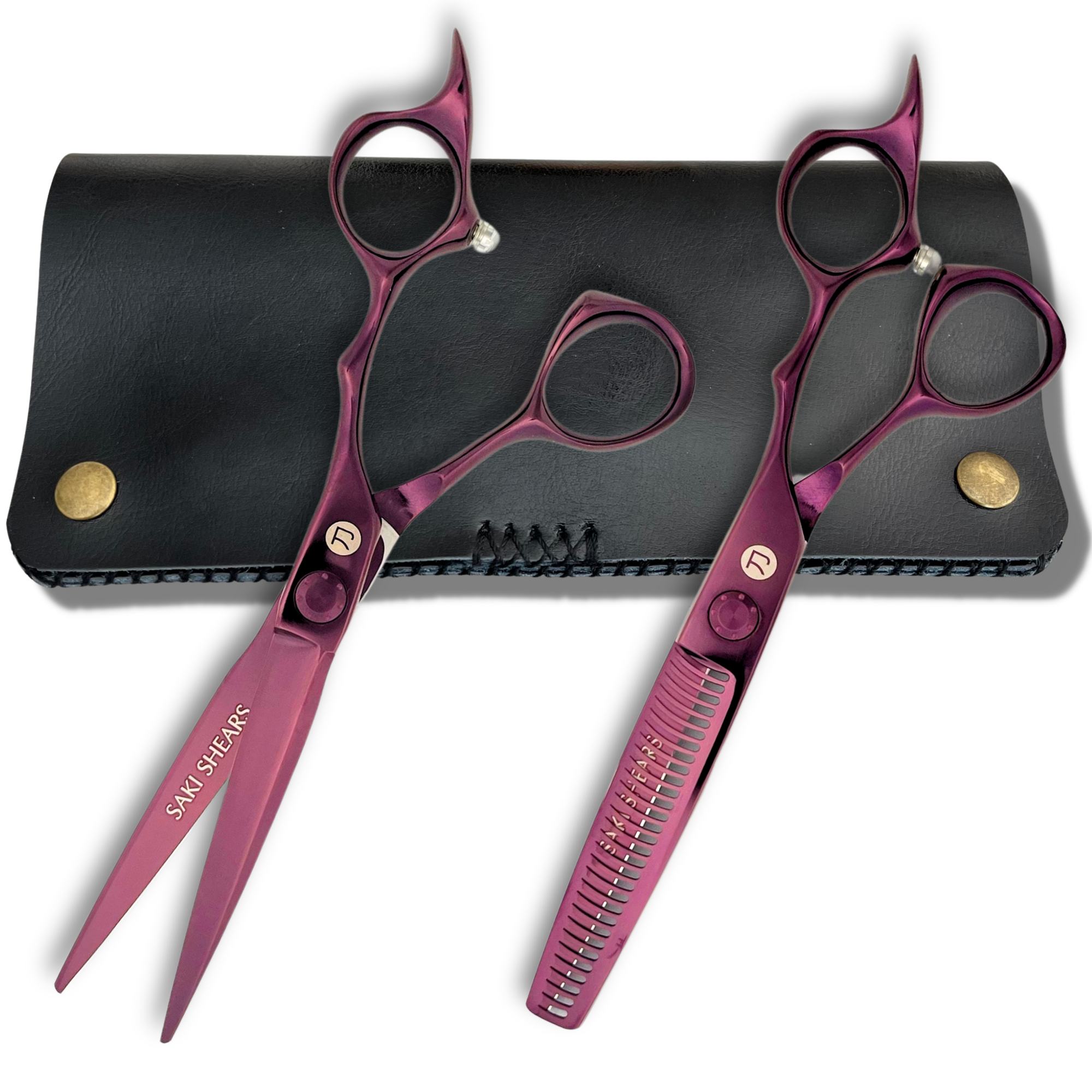
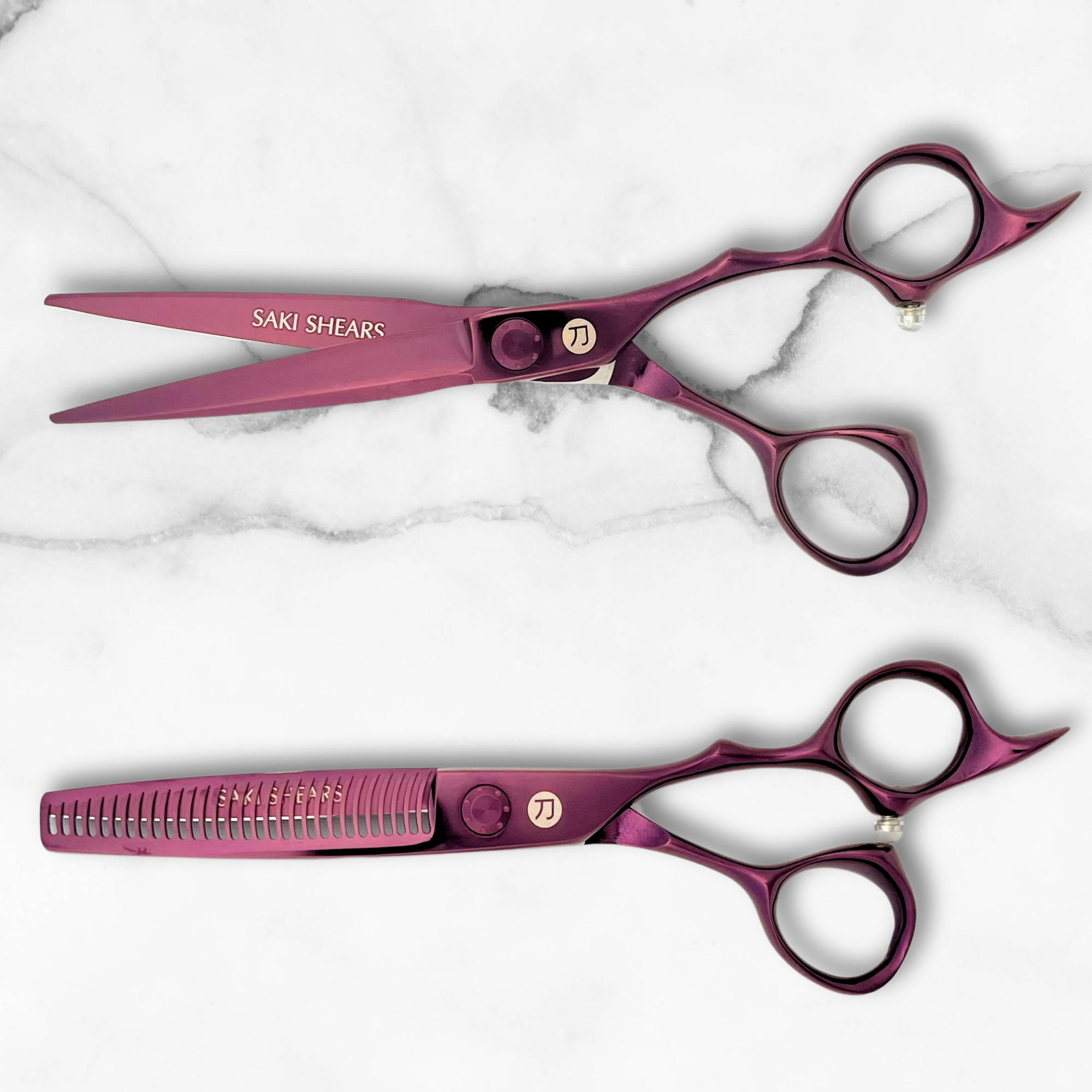
If you want to see that tradition reflected in a current product line, our hair cutting shears collection and our damascus hair shears collection both draw on these steel and craftsmanship traditions in their construction.
A Note on Historical Certainty
Much of what is written online about the "history of scissors" repeats the same unverified anecdotes, including specific invention dates and named figures that are difficult to substantiate. We have tried to stick to what is broadly supported: that cutting tools are ancient, that the spring shear predates the pivoted scissor, that pivoted scissors spread gradually rather than from a single point of origin, and that Japan's swordsmithing tradition is a credible and well-supported explanation for its later prominence in blade and shear steel. Stylists interested in tool history should treat more specific claims, including exact centuries, named inventors, or single "birthplace" narratives, with healthy skepticism.

Written by Charles Harris