Article: Fixing the Self-Cut: A Stylist's Guide to Correcting At-Home Haircut Mistakes
Fixing the Self-Cut: A Stylist's Guide to Correcting At-Home Haircut Mistakes
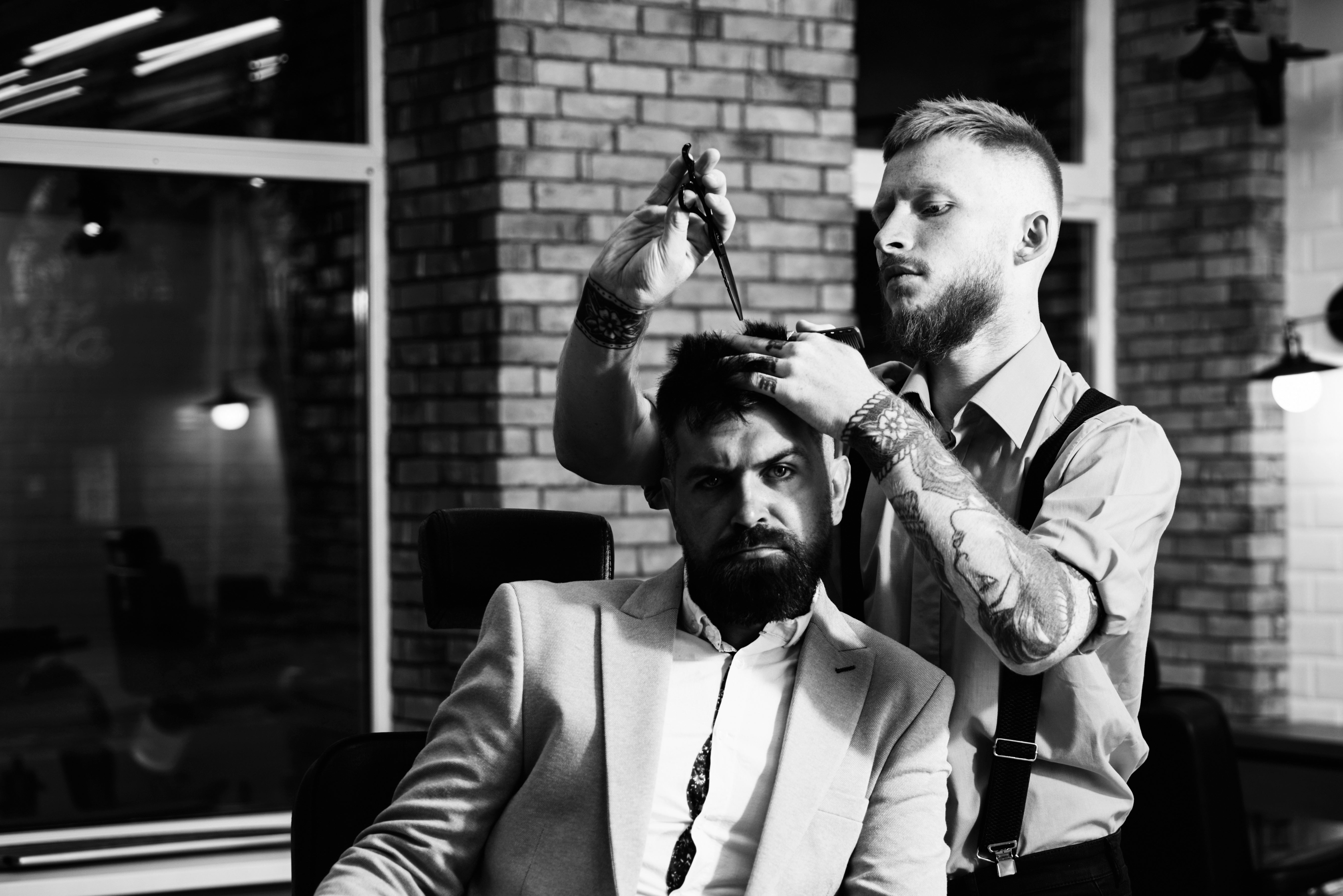
Walk-in requests to "fix" a haircut someone did themselves are no longer rare. Between phone cameras, ring lights, and an endless supply of tutorial videos, clients are more willing than ever to pick up a pair of kitchen scissors and go to work on their own hair — or a friend's — between appointments. Some of these cuts are harmless. Many are not. Either way, the client ends up in your chair, and it's your job to figure out what happened and how to correct it without turning the appointment into a lecture.
Understanding the mechanics of why self-cuts go wrong makes diagnosis faster, correction cleaner, and the client more confident in coming back to a professional instead of reaching for the scissors again.
Why At-Home Cuts Go Wrong
Almost every self-cut problem traces back to the same handful of structural errors, not a lack of effort:
- No consistent sectioning. Without clean partings and controlled tension, guide lines drift and layers stack unevenly.
- Cutting dry, curly, or compressed hair. Hair that isn't cut to its true fall length shifts dramatically once it dries or releases curl pattern, leaving lines that looked even and now aren't.
- Mirror confusion. Cutting your own hair in a mirror reverses left and right, which is a common cause of one-sided asymmetry and uneven bang lines.
- Wrong tool for the job. Craft or kitchen scissors have blunt, wide-angle blades that crush and split the hair shaft instead of shearing it cleanly, producing frizzy, uneven ends no matter how careful the cut.
The Self-Cut Mistakes You'll See Most Often
- Choppy, over-thinned ends from repeated "just a little more" freehand snipping in the same section.
- Bangs cut too short after curl or moisture shrinkage wasn't accounted for.
- Stair-stepped layers from cutting without a stable guide or reference section.
- Split, fuzzy ends from non-hair scissors crushing rather than cutting the cuticle.
Assessing the Damage Before You Touch a Blade
Start with a dry consultation, not a wet cut. Wet hair hides the real problem — you need to see where the shortest viable length actually sits before committing to a plan. Have the client show you how they normally wear it, part it, and dry it. Identify the shortest point in the damaged area first; that length typically dictates how much the rest of the cut needs to come down to restore a clean shape.
From there, decide whether this is a one-visit correction or a multi-visit rebuild. Aggressive self-cuts, especially uneven bangs or heavily over-thinned crowns, often need a conservative first pass with a follow-up in a few weeks once new growth gives you more to work with. Promising an instant full fix on hair that simply isn't long enough yet sets up a disappointed client.
Corrective Techniques That Actually Work
Point cutting into a blunt, choppy line softens harsh demarcation without removing more length than necessary. Vertical or diagonal sectioning re-establishes an even guide across a section that was cut freehand and without structure. Where thinning is uneven, blend surrounding sections down to match rather than trying to rebuild bulk that isn't there. Sharp, properly maintained shears matter enormously here — a clean, precise blade lets you make small corrective adjustments without additional shaft damage, which is exactly what already-compromised hair needs.
Turning a Correction Into a Returning Client
Skip the shaming — most clients already feel self-conscious about the cut before they sit down. Explain the "why" in practical terms: sectioning and tension control, why professional shears cut differently than household scissors, and how curl or texture changes length after drying. That explanation does more to prevent a repeat at-home cut than any warning would. It also naturally opens the door to talking about a regular maintenance schedule, so the next urge to trim bangs at midnight turns into a quick call to book an appointment instead.
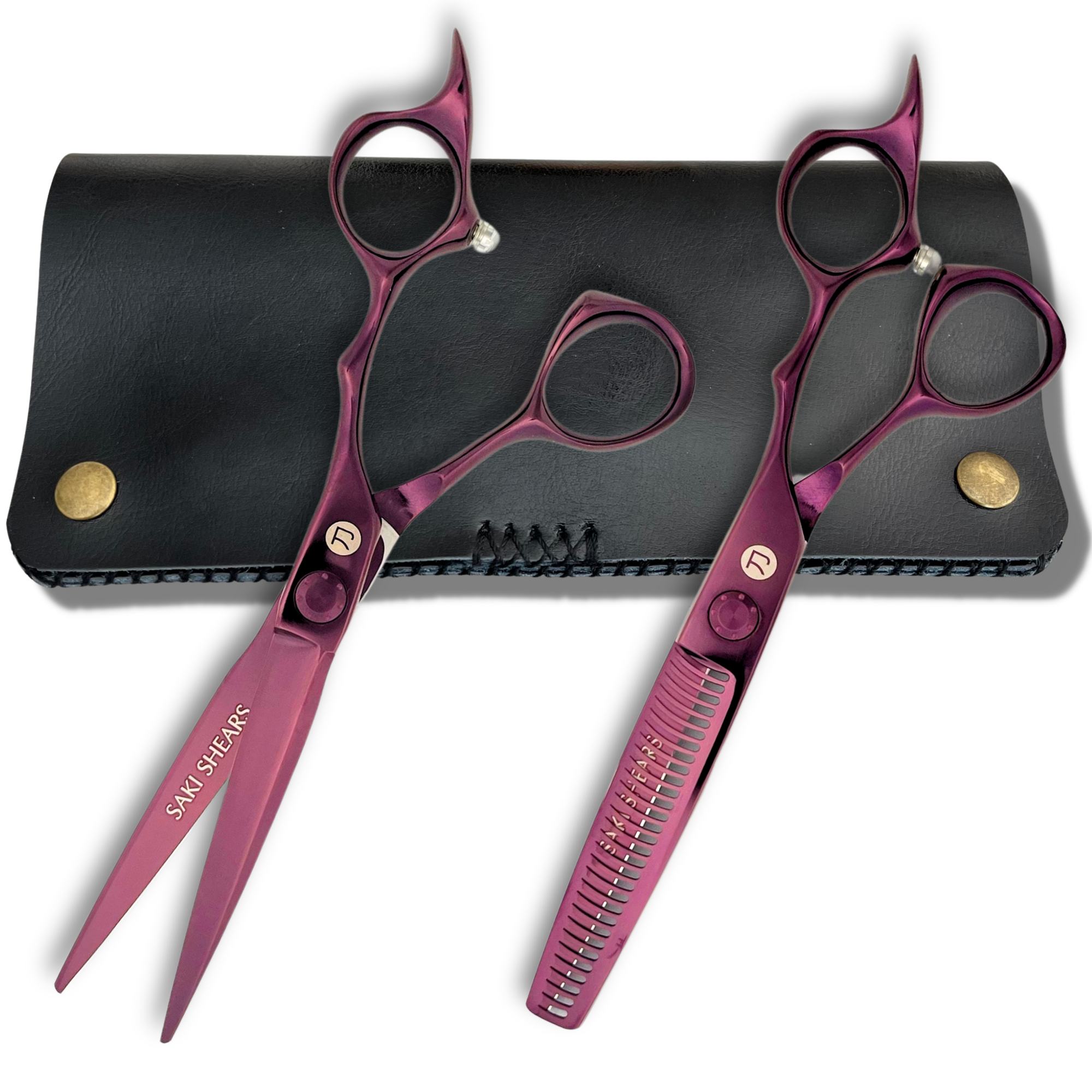
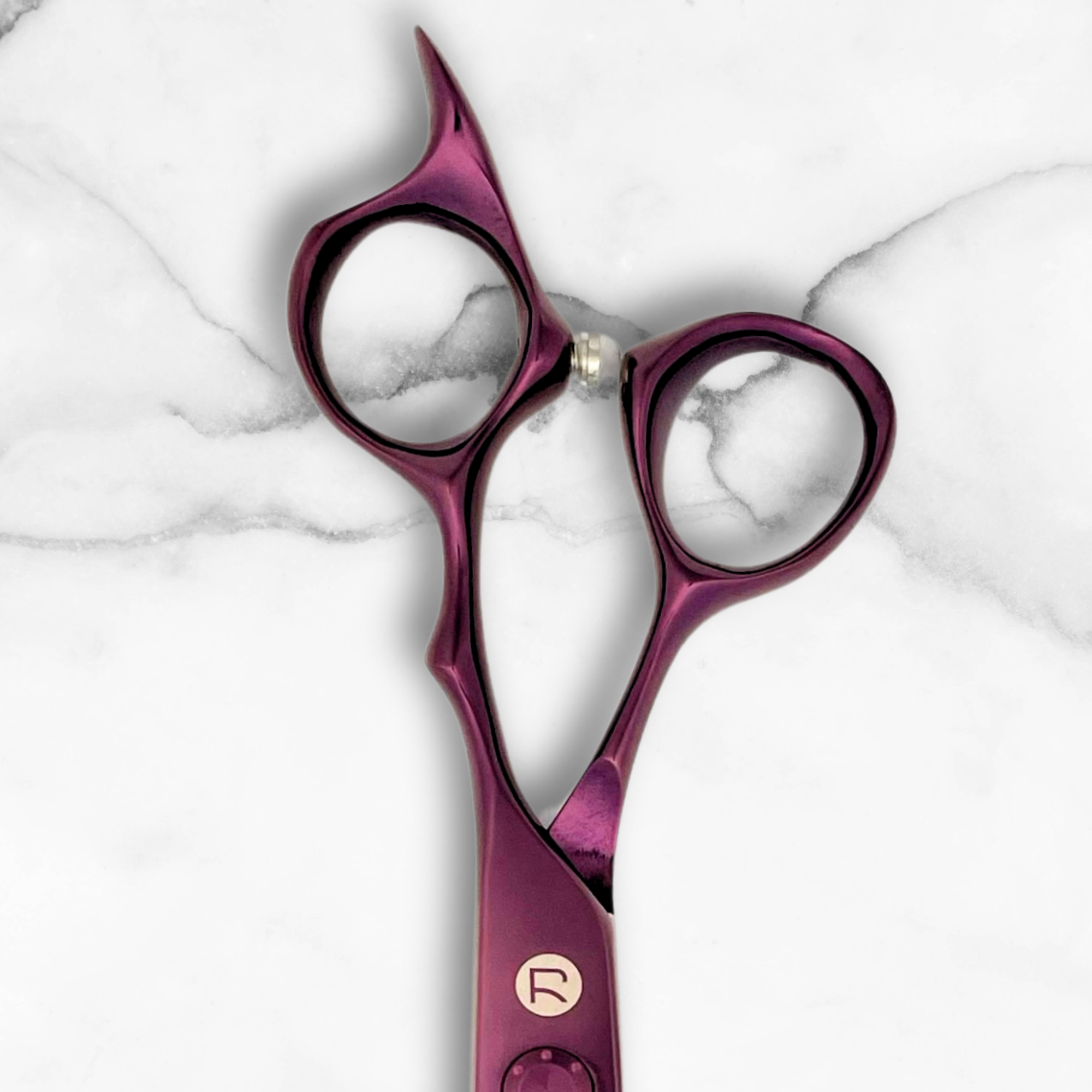
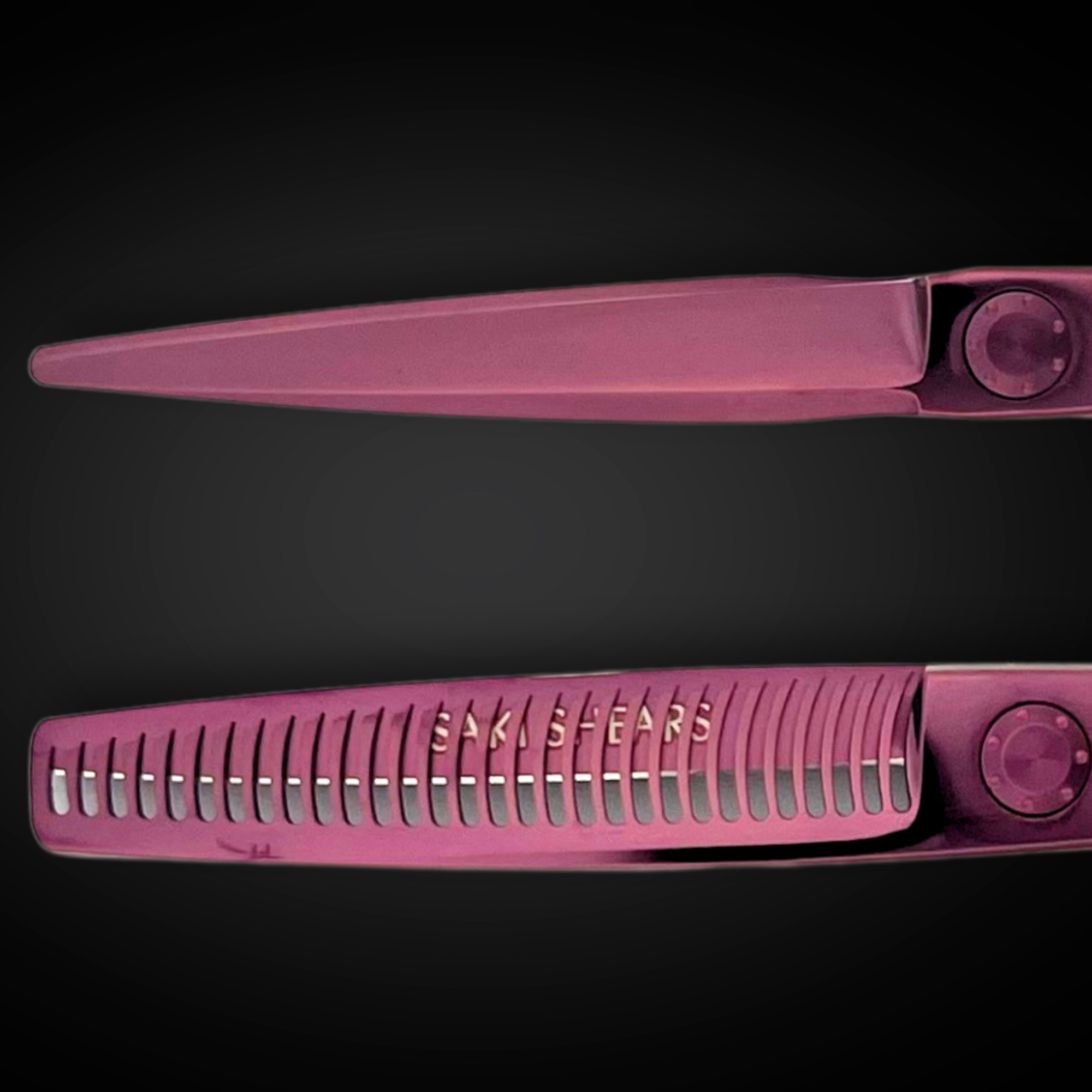
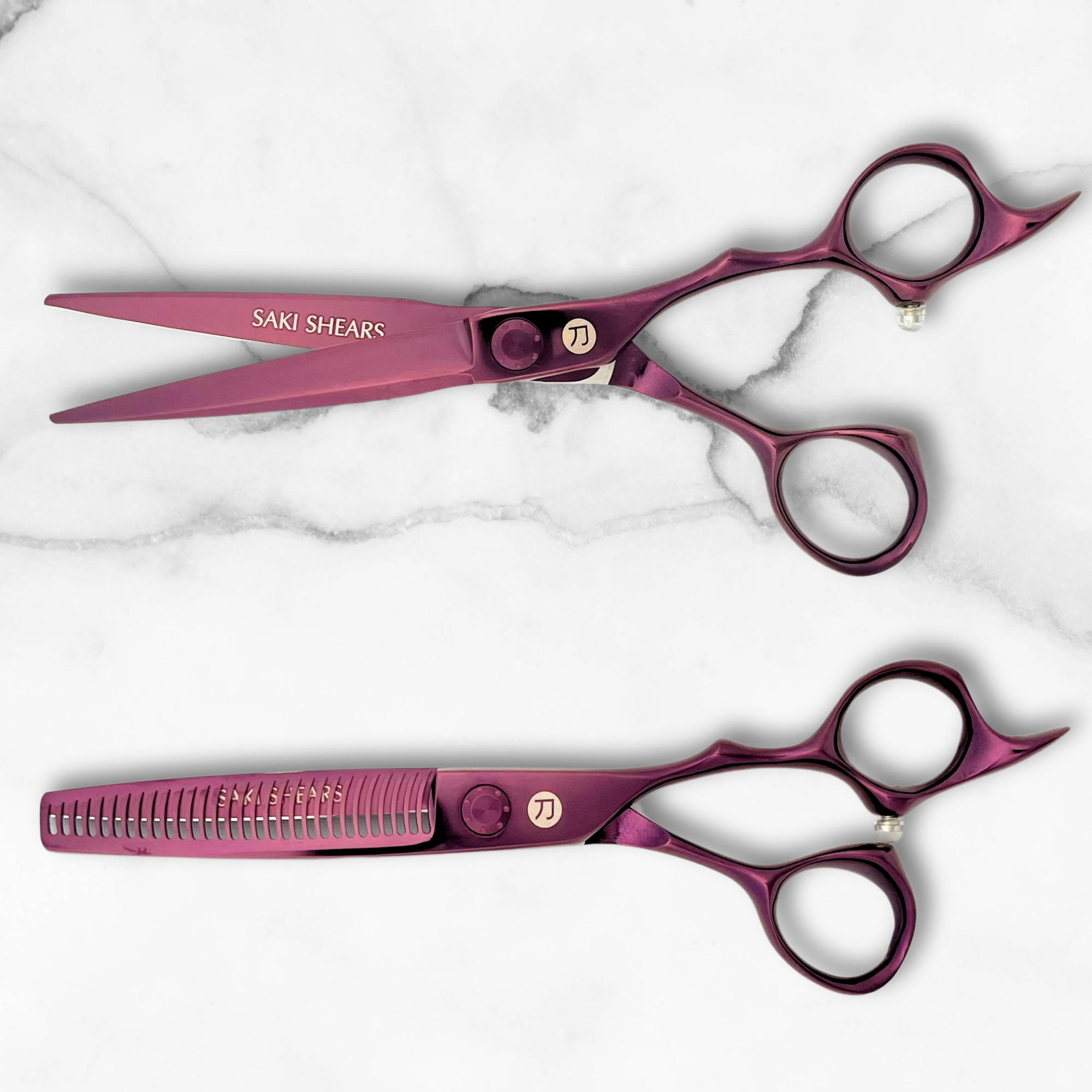
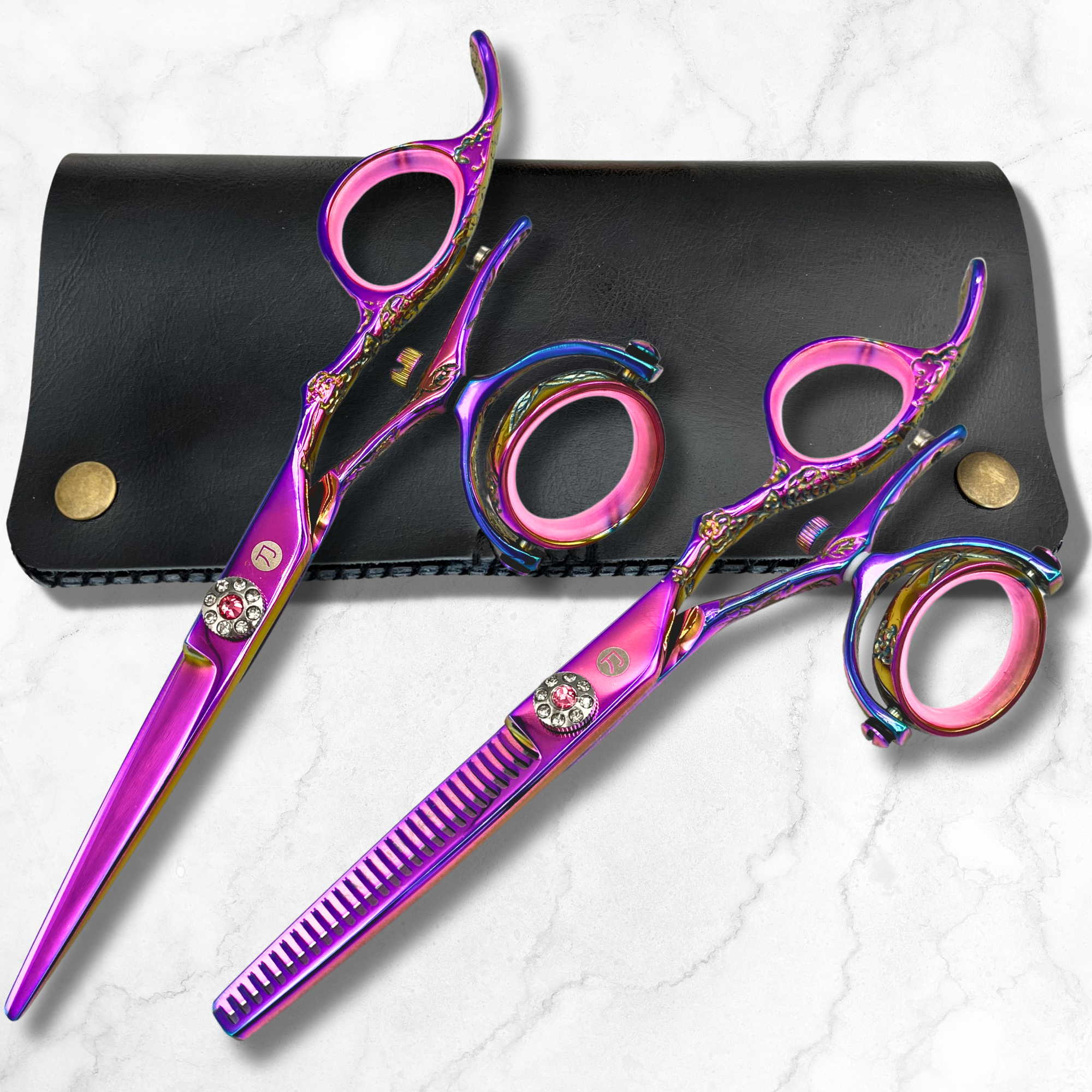
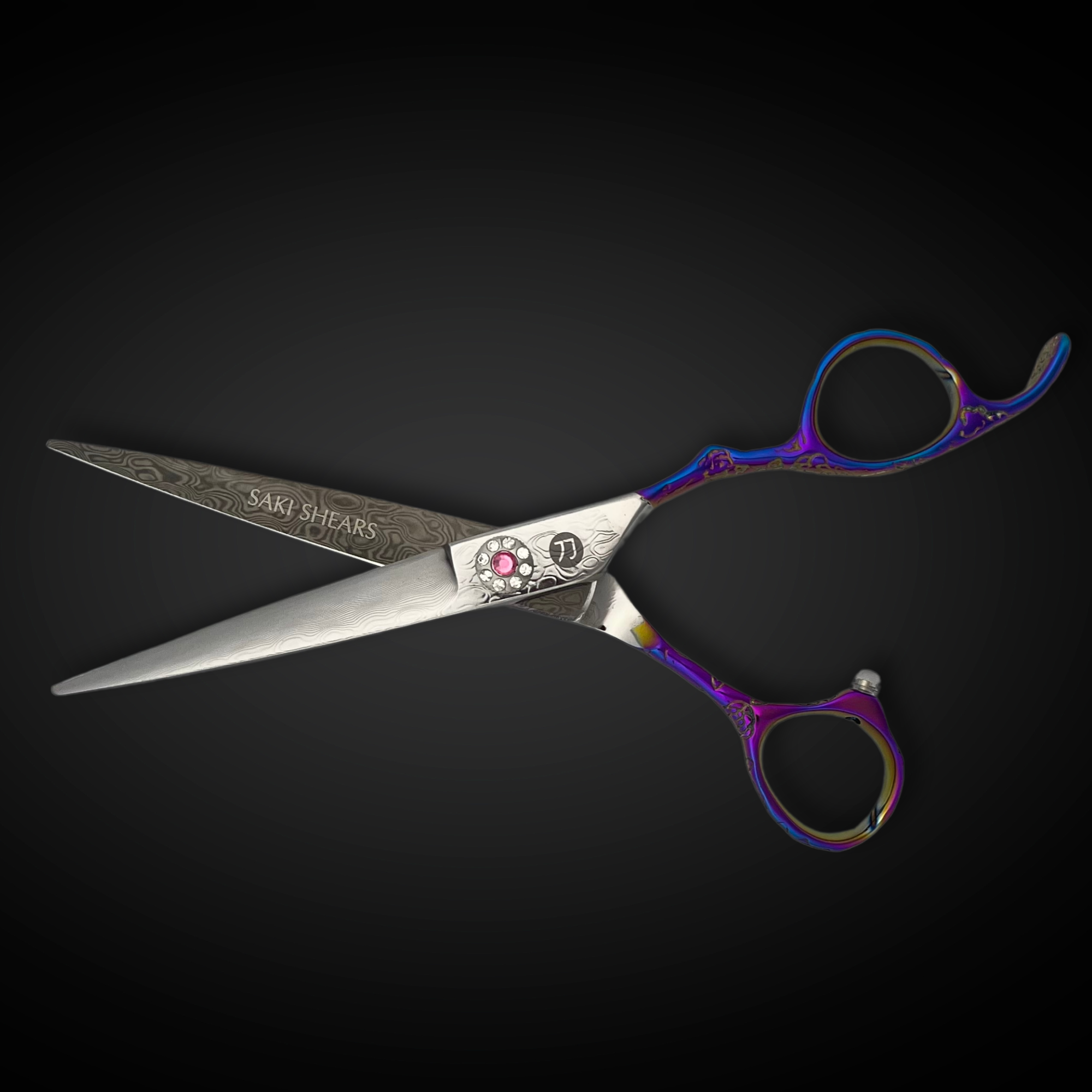
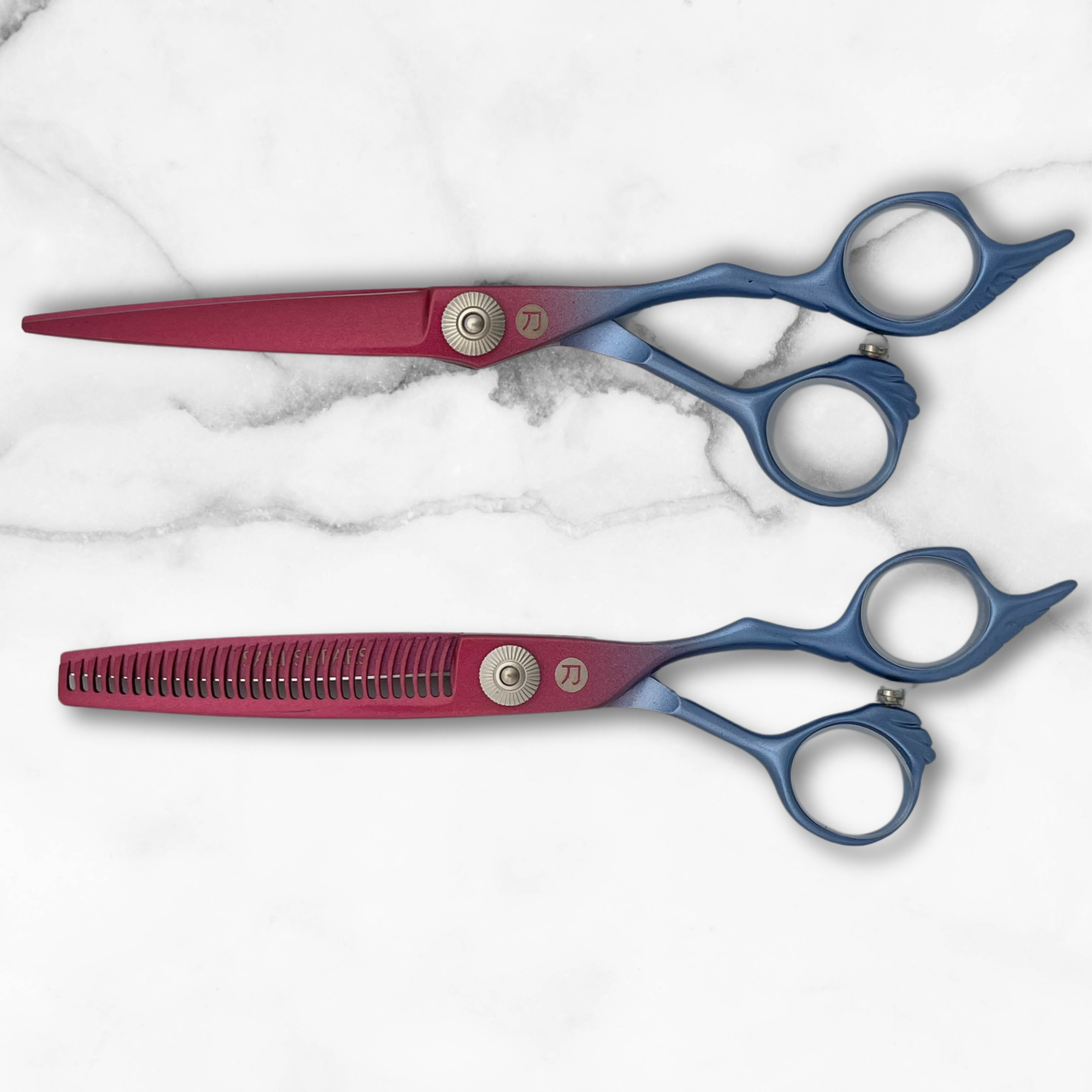
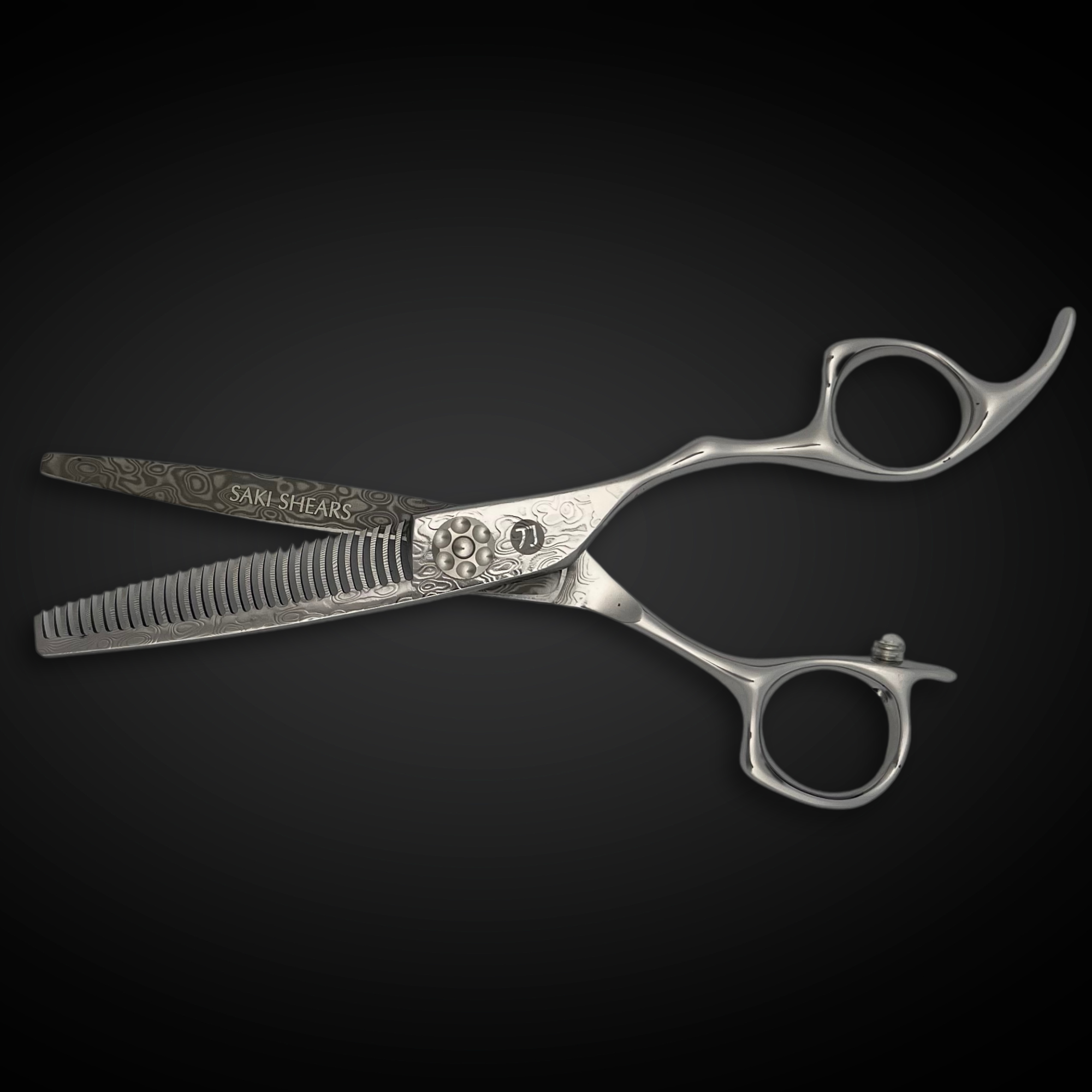
The tools you're cutting with matter just as much as the technique. A shear with a true convex or bevel edge and correctly tensioned pivot gives you the control these corrective cuts demand — browse professional cutting shears or thinning shears built for exactly this kind of precision blending work.

Written by Charles Harris