The Shear-Buying Decision Checklist for Stylists and Barbers
Most shear buying guides walk through blade types and steel grades in whatever order the writer thought of them. This one works differently: it is a decision checklist. Work through the four steps in order — primary use case, then hand fit, then budget tier, then maintenance commitment — and you will land on the right category of shear without having to compare every option on the market.
Step 1: Decide Your Primary Use Case
Before anything else, identify the cutting work that will make up most of your day. A shear chosen for occasional use does not hold up the same way as one built around your main service.
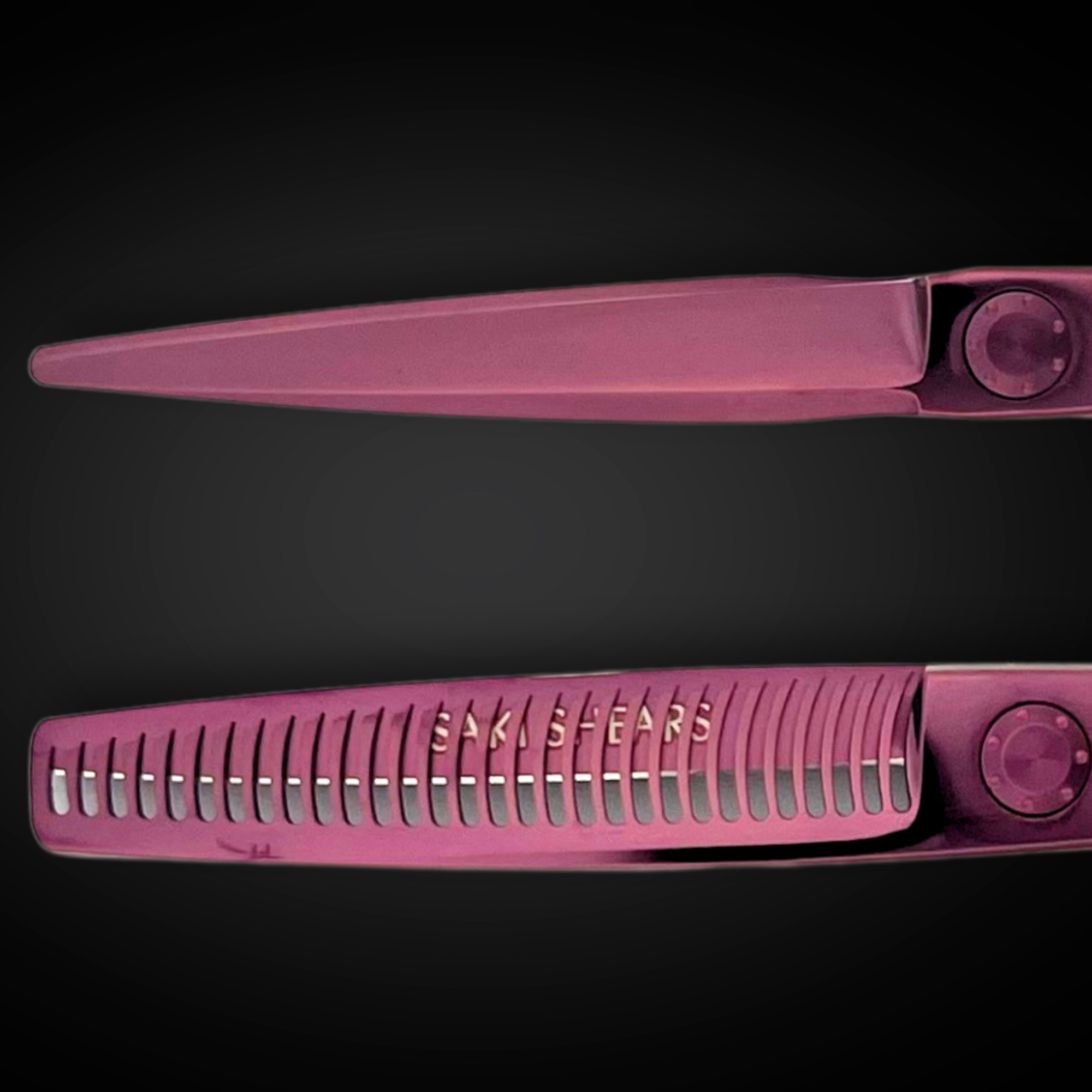
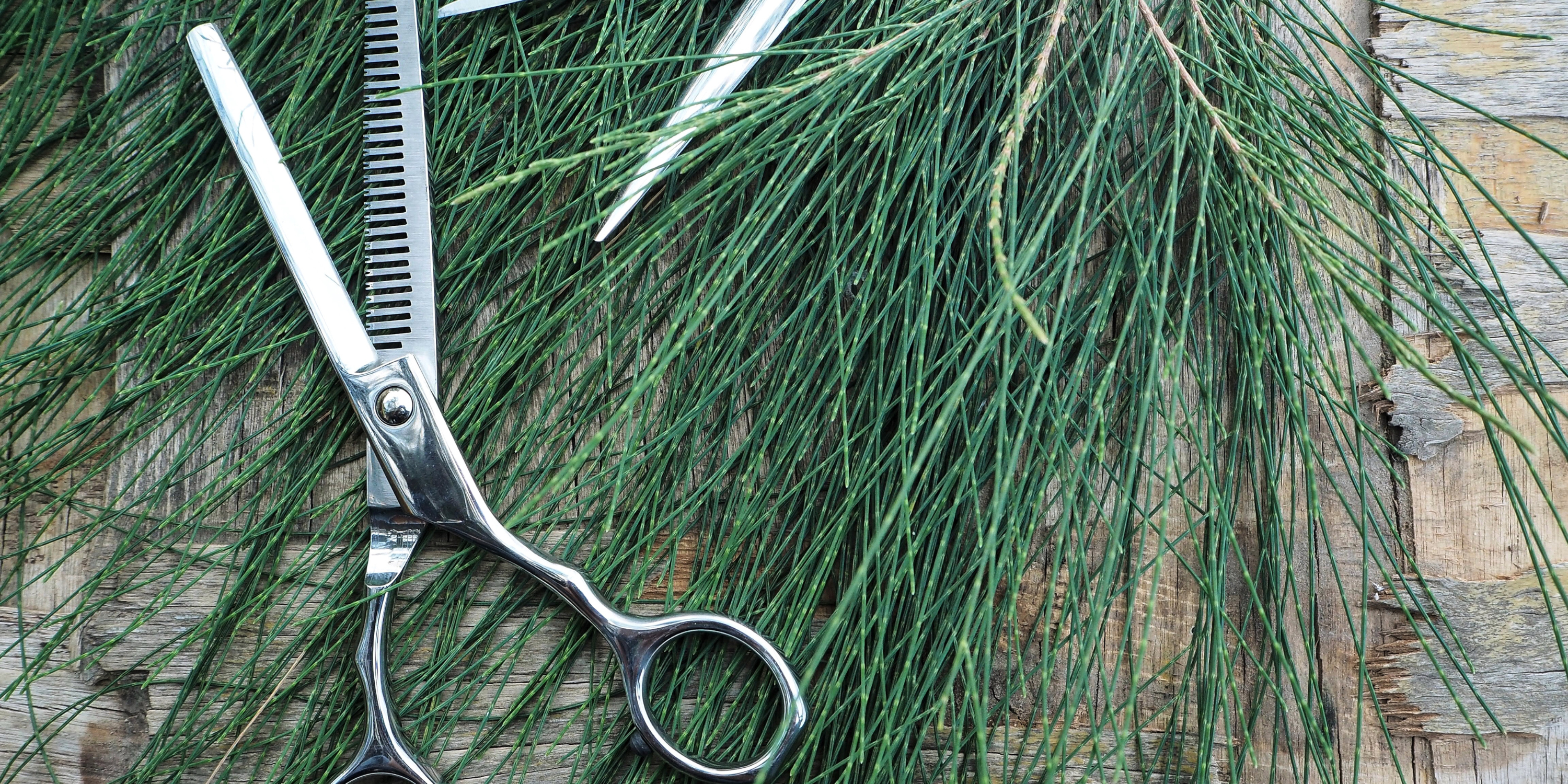
- If most of your work is dry cutting and texturizing on natural hair, prioritize a shear with a strong texturizing or thinning blade.
- If you do mostly precision, wet-cut styling, prioritize a straight-edge shear with a fine, polished convex edge.
- If you split time between clipper-over-comb barbering and scissor work, prioritize a mid-length all-purpose shear you can move between tasks without switching tools constantly.
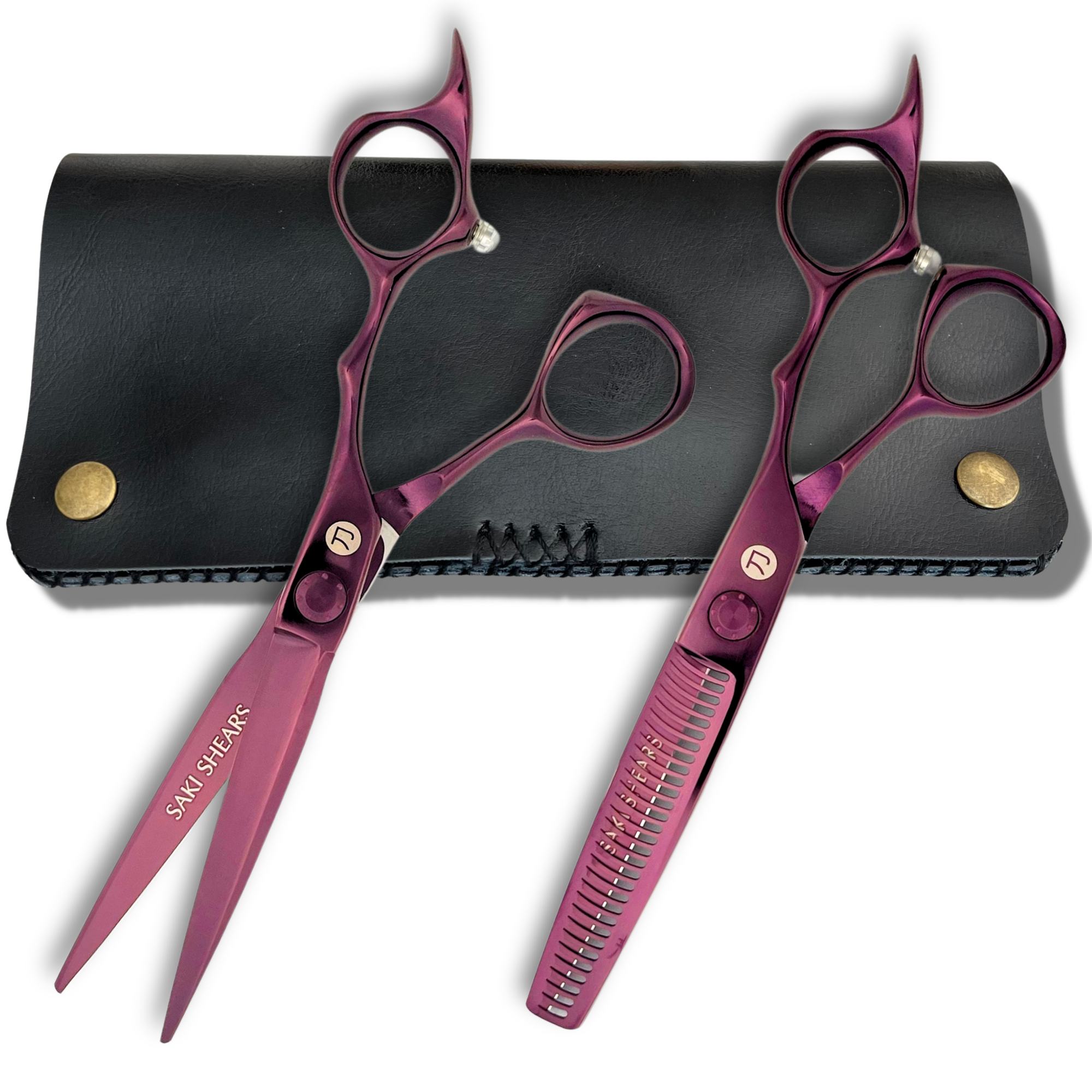
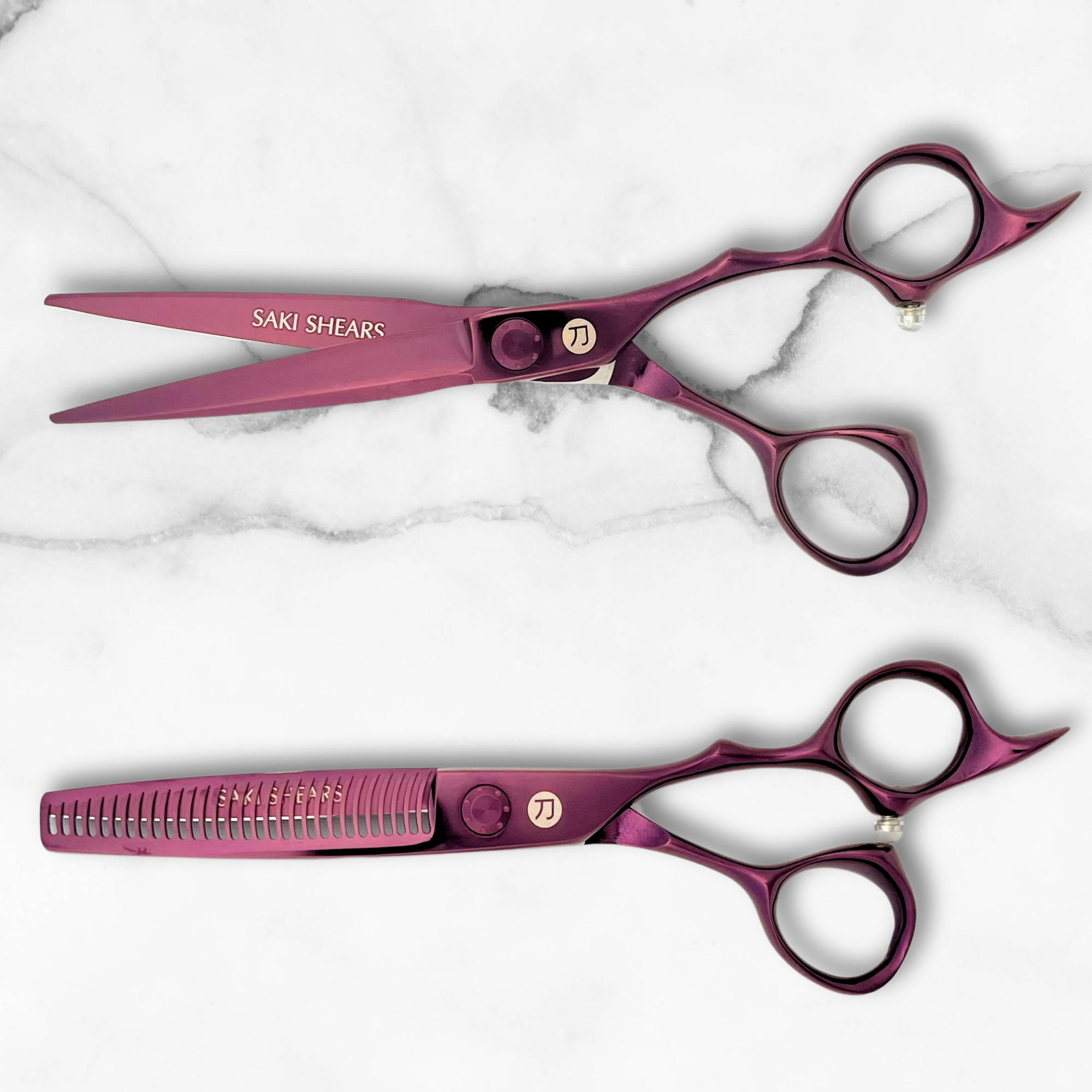
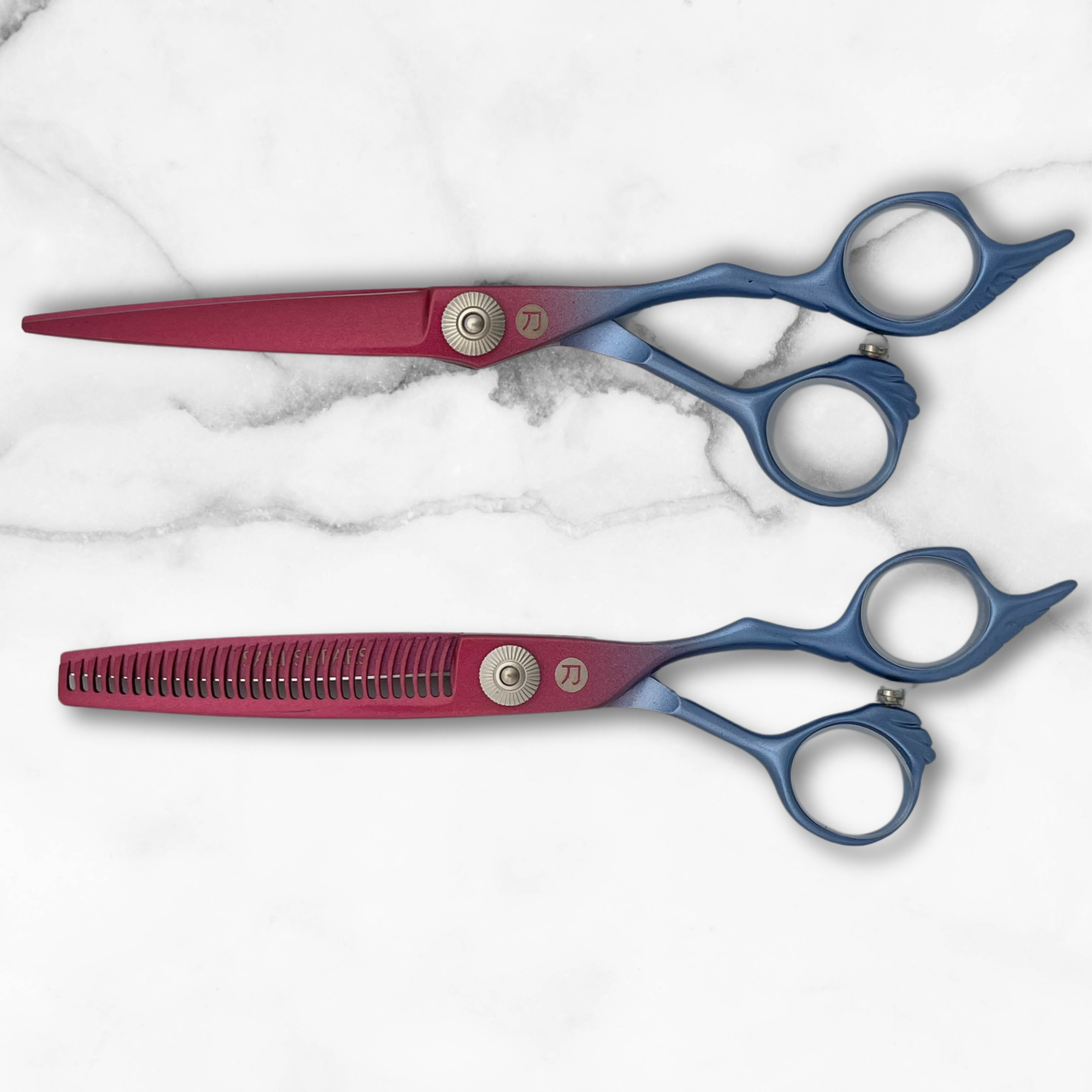
- If you regularly do both bulk removal and finishing work, plan on owning a set rather than a single shear — see our hair shear sets collection.
Write down which of these matches most of your bookings. That answer determines the blade category you should be shopping in before you look at a single price tag.
Step 2: Match the Shear to Your Hand and Grip
A shear that performs well on paper can still cause hand fatigue or poor control if it does not fit how you actually hold it. Work through these checks in order:
- Measure your hand size, or try shears on if possible — length and finger hole spacing should let your hand rest naturally without stretching.
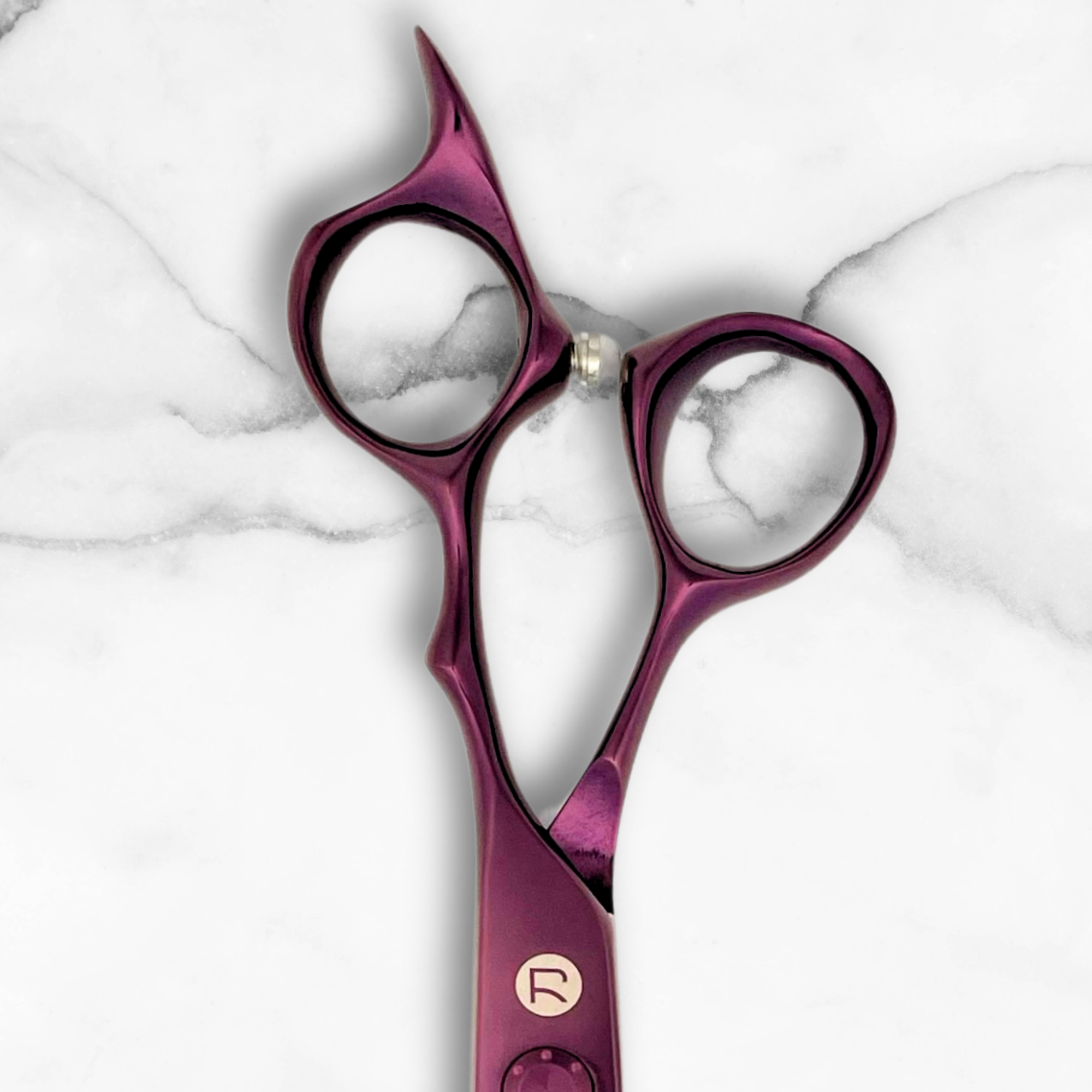
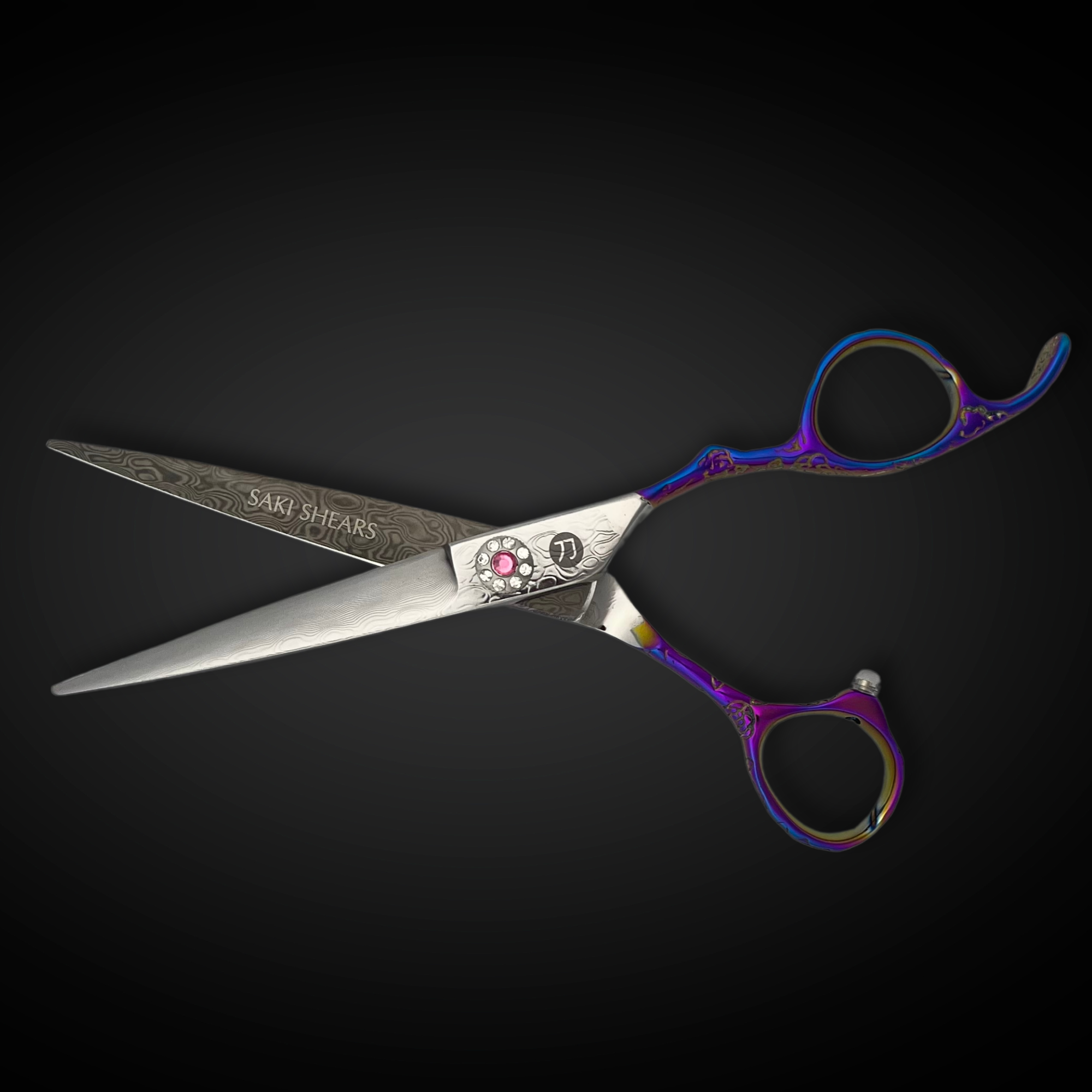
- Decide between a classic handle and an offset or crane handle. Offset handles reduce wrist strain during long shifts and are worth prioritizing if you cut more than six hours a day.
- Check the thumb hole — a swivel or rotating thumb ring reduces repetitive strain for stylists who do heavy daily cutting volume.
- Confirm weight. Lighter shears reduce fatigue on long days; slightly heavier shears can improve stability for bulk-removal work.
If you are unsure where to start, browse actual options in our hair cutting shears collection and compare handle styles side by side rather than guessing from specs alone.
Step 3: Set Your Budget Tier
Shear cost tracks fairly closely with steel quality, edge longevity, and how the blade is finished. Rather than picking a number first, decide which tier matches how the shear will be used:
- Entry tier: appropriate for a backup shear, a student kit, or a tool you expect to replace within a year or two.
- Mid tier: the right call for a primary daily-use shear where you want a durable edge without paying for premium materials you will not fully use.
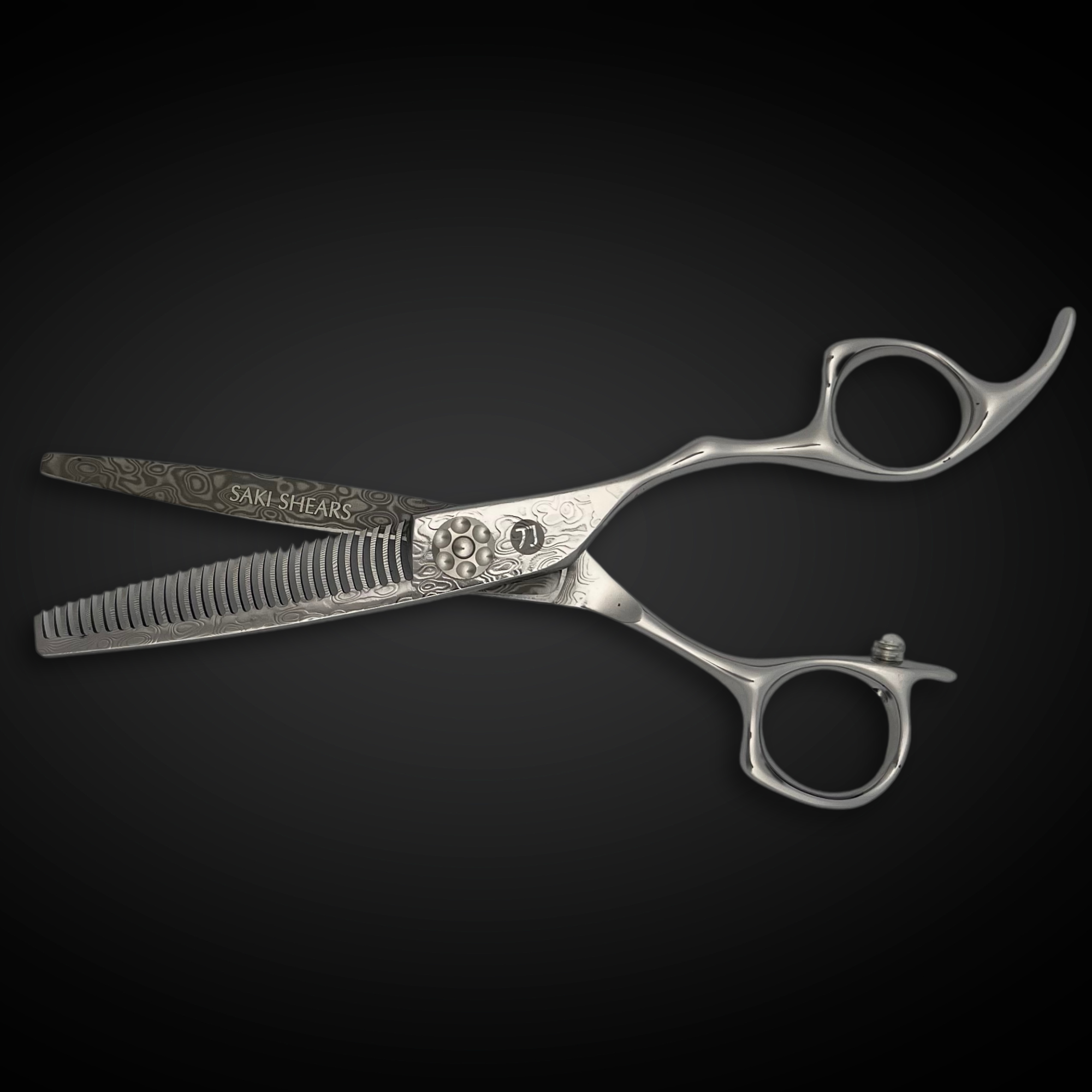
- Premium tier: justified for stylists doing high cutting volume who need an edge that holds longer between sharpenings, or who want Damascus-pattern steel for its edge retention and balance — see our Damascus hair shears collection.
Buying above your actual use case wastes money; buying below it means more frequent sharpening and earlier replacement. Match the tier to the workload from Step 1, not to what looks impressive in a kit.
Step 4: Confirm Your Maintenance Commitment
The last step is the one stylists skip and regret. A shear is only as good as its upkeep, and different blade types demand different maintenance routines.
- If you are not able to commit to routine professional sharpening on a set schedule, avoid premium steel — you will not get the return on the investment.
- If you cut chemically treated or color-damaged hair often, plan on more frequent cleaning and oiling to prevent buildup on the blade.
- If you already own thinning or texturizing shears, check whether your current maintenance routine covers them separately — texturizing blades wear differently than straight edges. Explore options in our thinning shears and scissors collection if you need to add or replace one.
- If you are not sure you will maintain a shear properly, choose a lower tier from Step 3 rather than risk a premium blade going dull from neglect.
Putting the Checklist Together
By the end of these four steps you should have a short profile: a use case, a handle style, a budget tier, and a realistic maintenance plan. That profile — not a brand name or a marketing claim — is what should guide the final purchase. If you want to compare the full range against your profile, our all shears collection is organized so you can filter by the same categories used in this checklist.

Scritto da Charles Harris