Hair Shear Ergonomics and Repetitive Strain Injury Prevention
Ergonomics and the Injury-Prevention Case
Hair shear ergonomics gets discussed a lot in terms of comfort during a single service, but the more important question for a working stylist or barber is cumulative: what does an eight-hour shift, five or six days a week, year after year, do to your hand, wrist, and forearm? A shear that feels fine for a twenty-minute trim can still contribute to strain when it's the tool you're gripping for most of your working day. This piece focuses specifically on the injury-prevention angle — the repetitive strain risk factors built into the cutting motion, and what to look for in a shear to reduce that risk.
Why Repetitive Strain Is an Occupational Risk in This Trade
Cutting hair is repetitive by nature. A single haircut can involve hundreds of individual open-close cycles of the shear, each one requiring the thumb, fingers, wrist, and forearm to coordinate a small but precise motion. Multiply that across a full column of clients in a day, and the joints and tendons involved are doing the same work far more times than almost any other manual trade requires in a comparable stretch.
This kind of repeated motion, sustained over a career, is a recognized general risk factor for hand and wrist fatigue and discomfort in professions built around fine repetitive movement. It doesn't mean every stylist will develop a problem, but it does mean the shear you use for that many repetitions matters more than it would for an occasional-use tool.
Grip Tension: The Factor Stylists Overlook
How hard you have to grip a shear to keep it stable and aligned is one of the biggest variables in cumulative hand fatigue. A shear that's poorly balanced — too heavy in the finger holes, too long past your hand, or with a tension mechanism that won't hold a consistent setting — forces you to compensate by gripping tighter than the cutting action alone requires.
That extra grip tension is muscular effort your hand is doing all day that has nothing to do with cutting hair. Over a full shift, it adds up. A shear that's properly weighted and balanced for your hand size lets you hold it with a lighter, more relaxed grip, which reduces the muscular load on your fingers and thumb across the day.
Wrist Angle Over a Full Shift
The second major factor is wrist position. Traditional shear handle designs — particularly straight, non-offset handles — can require the wrist to stay in a slightly bent or rotated position to keep the blades aligned with the cutting line, especially during over-comb and freehand work. Holding a joint in a deviated position repeatedly over a shift is a separate risk factor from grip tension, and the two often compound each other: a stylist gripping tighter to compensate for poor balance is also often doing so with the wrist in a less neutral position.
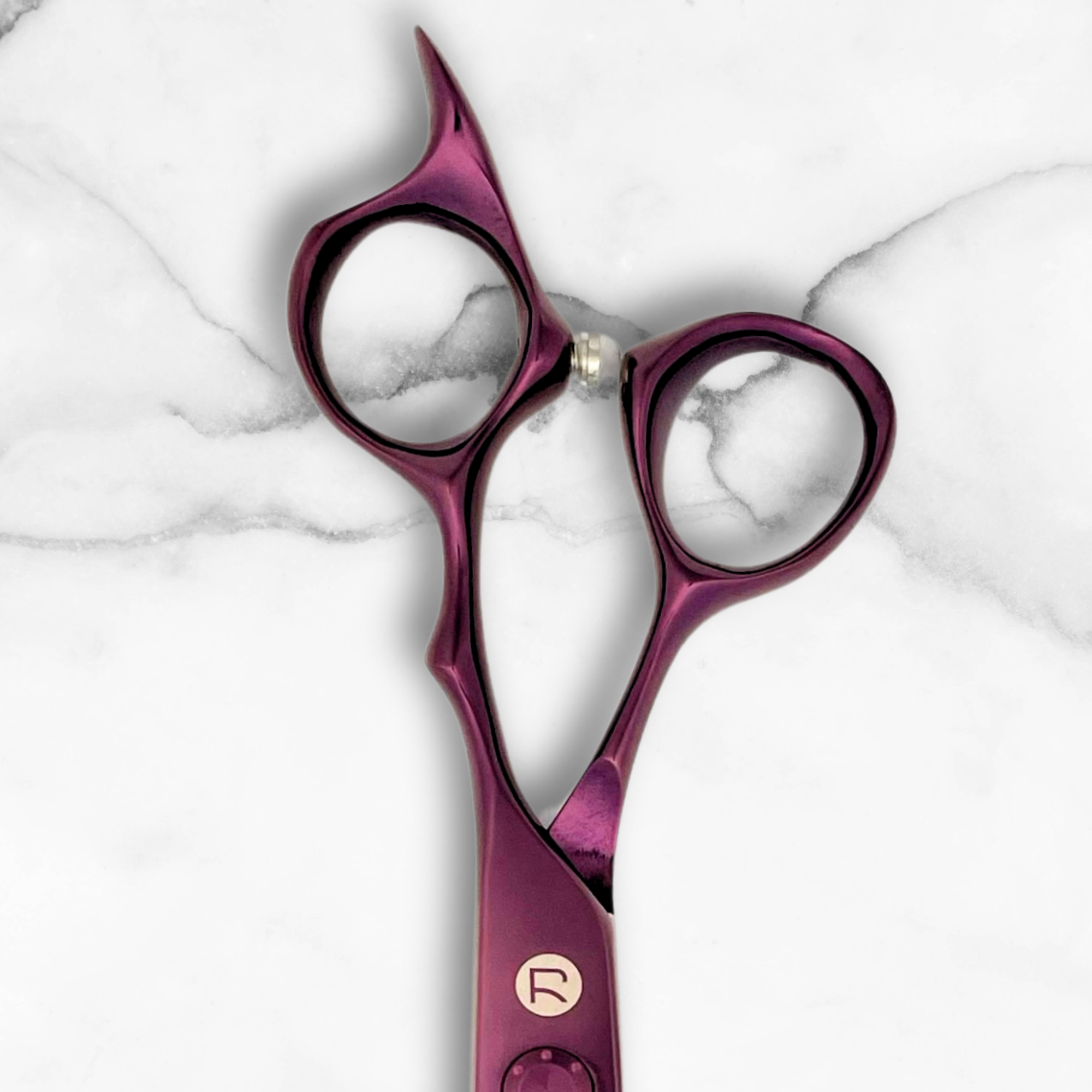
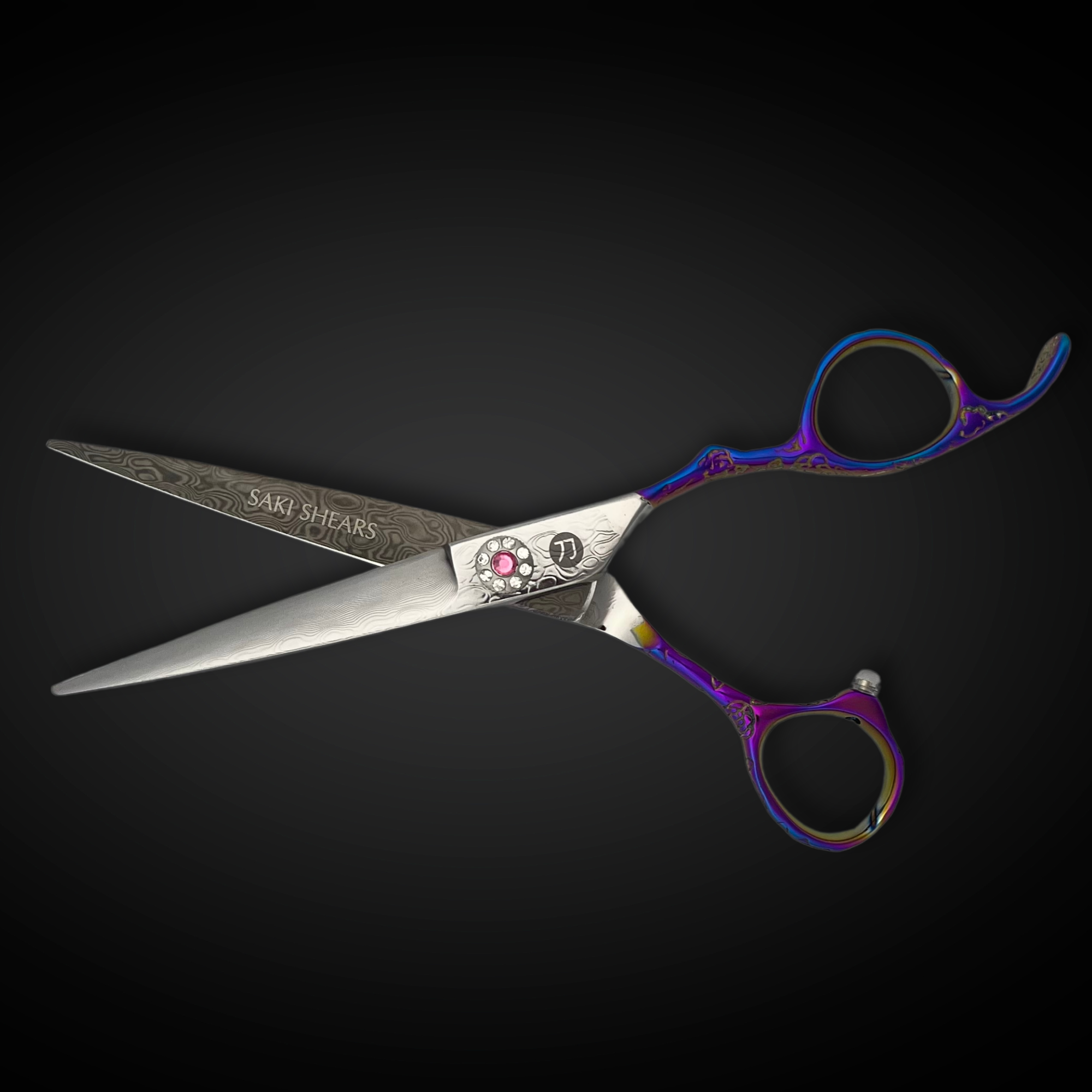
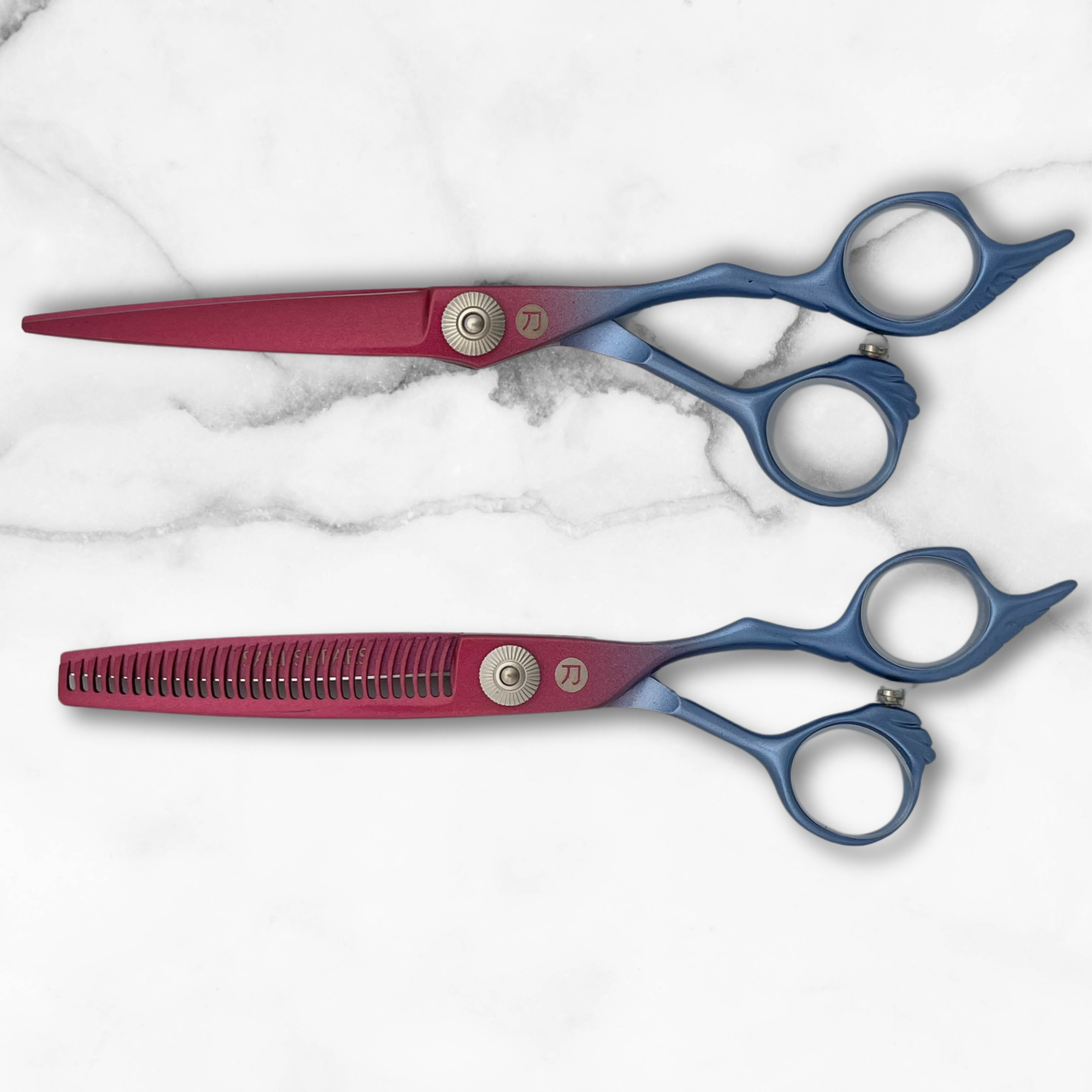
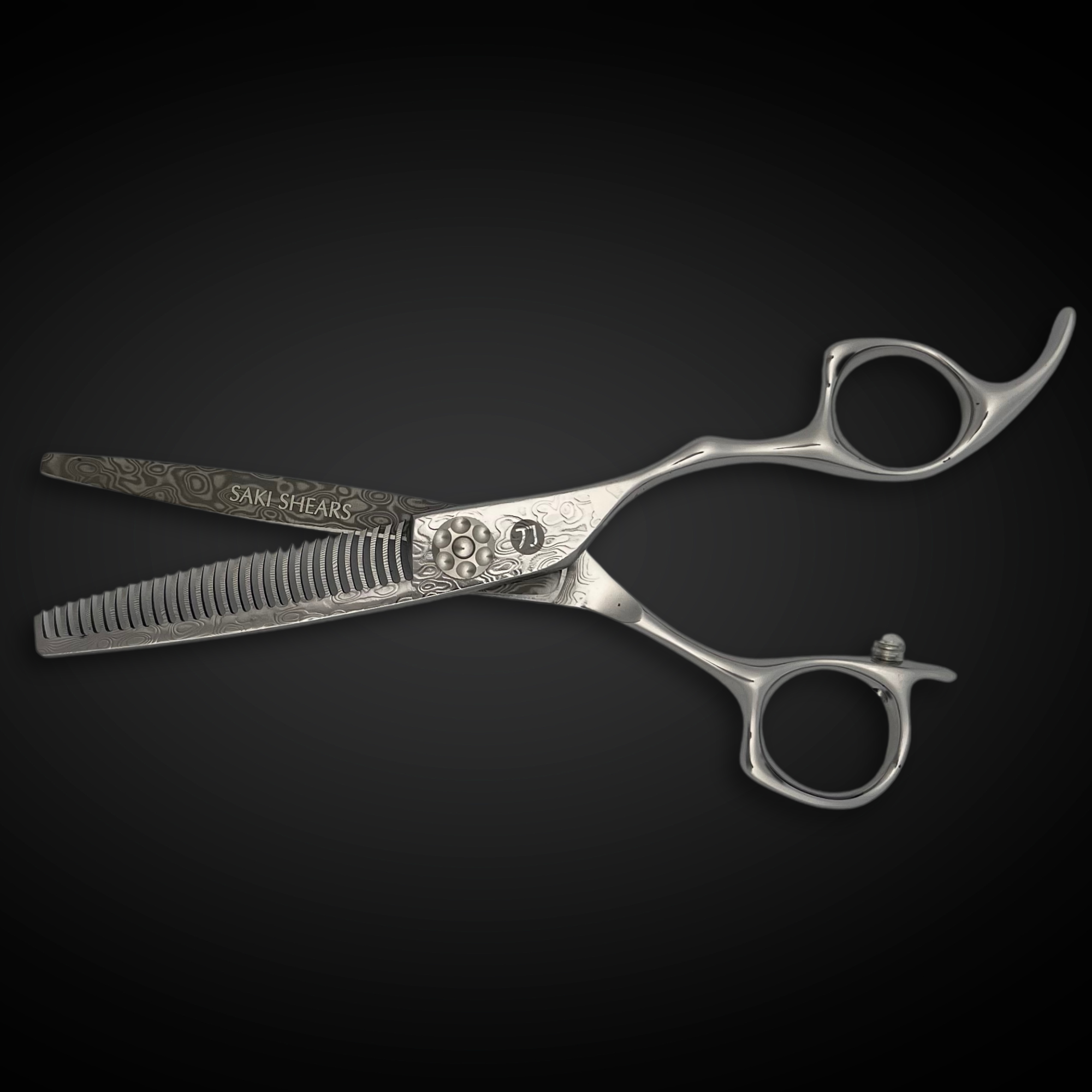
Offset and crane handle designs exist specifically to let the hand and forearm stay in a more neutral position during cutting, reducing how far the wrist has to bend or rotate to keep the blade angle correct. This is a design difference worth evaluating shear to shear rather than assuming all handle styles are interchangeable for your hand and technique.
General Principles for Choosing a Lower-Risk Shear
No single shear eliminates repetitive strain risk, and any claim to that effect should be treated with skepticism. What a well-fitted shear can do is reduce some of the mechanical load that contributes to hand fatigue over time. A few general principles to apply during a fitting:
- Check that the finger and thumb holes match your hand size without pinching or requiring an overly wide grip — either extreme increases muscular effort per cut
- Look for handle geometry (offset or crane style) that lets your wrist stay closer to a neutral position during your typical cutting technique
- Confirm the tension mechanism holds a consistent setting throughout a shift, since a shear that loosens or tightens unpredictably forces compensatory grip changes
- Weigh the shear in hand for a few minutes, not just seconds — fatigue from an imbalanced tool often isn't obvious until you've held it for a while
- Consider swapping between two shears of slightly different size or handle style across a day to vary the joint positions and muscles being used
Fit Is Individual
Hand size, finger length, and cutting technique all vary between stylists, which means there's no universal "correct" shear size or handle style. A shear that reduces strain for one stylist's grip and technique may not do the same for another. This is why an in-person or trial fitting matters more than specifications on a page — the same shear can feel neutral in one hand and awkward in another.
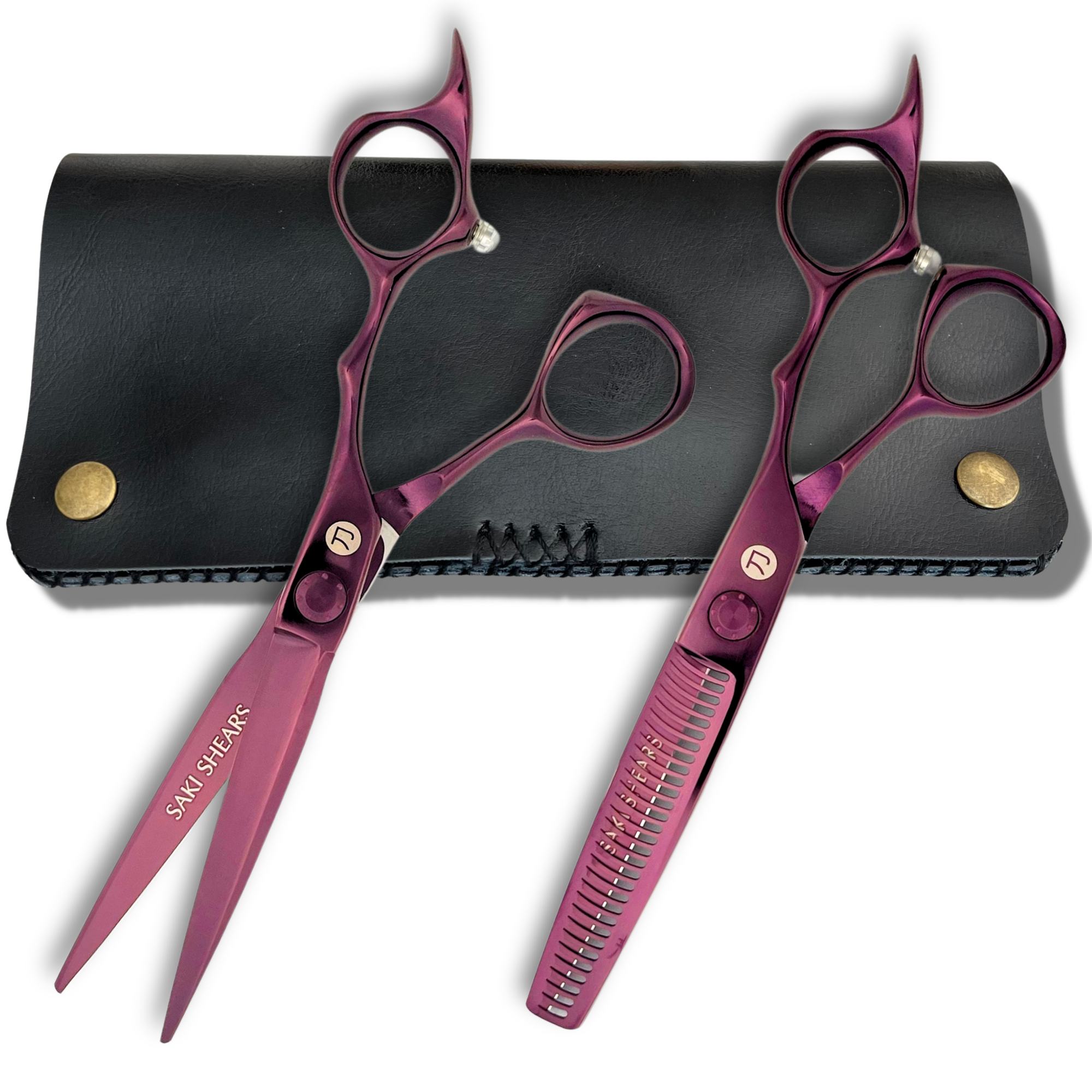
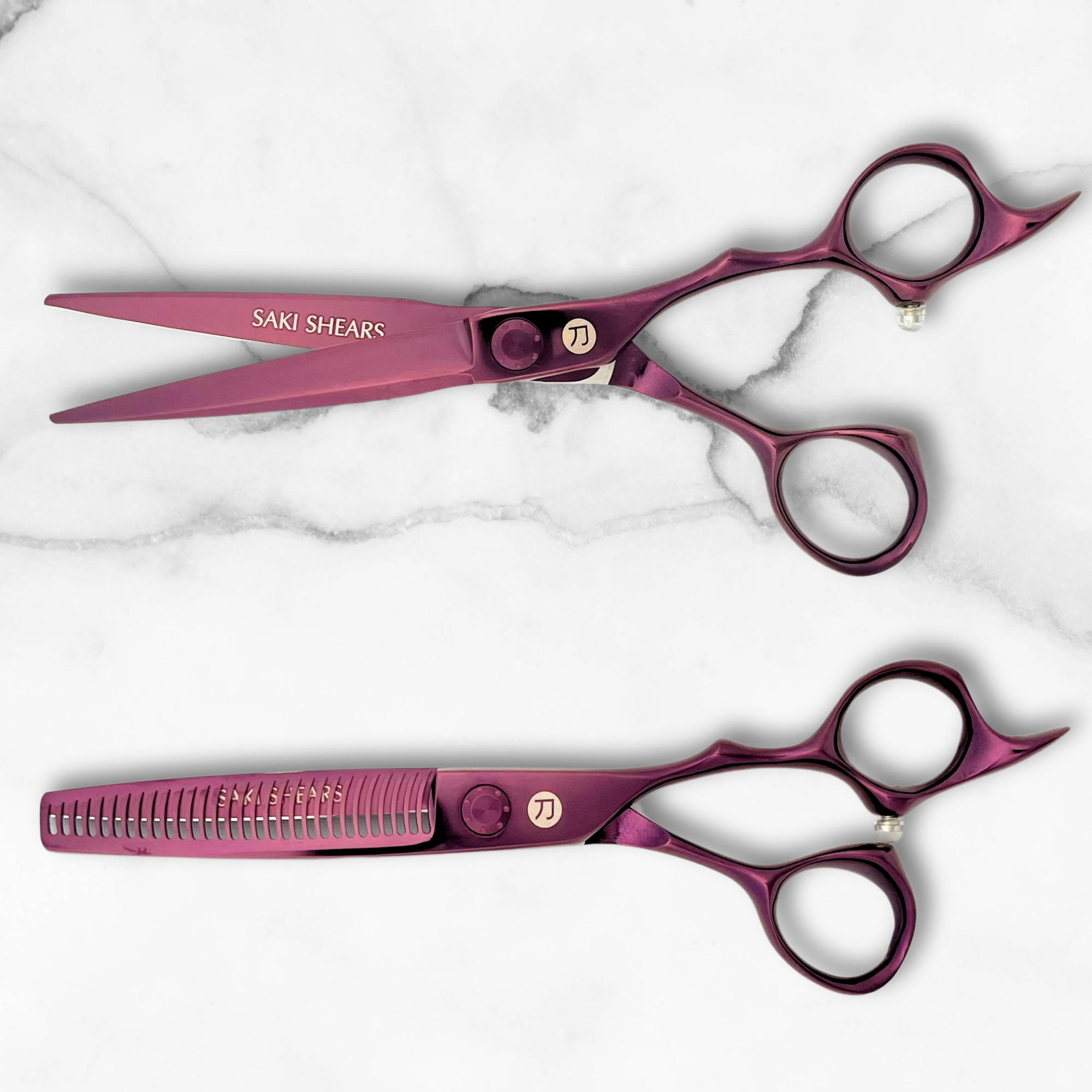
If you're evaluating new shears with injury prevention in mind, it's worth testing a few different handle styles and sizes against your own typical cutting motion rather than defaulting to whatever you've always used. Our hair cutting shears collection and hair shear sets include a range of sizes and handle configurations to compare against your own hand and technique.
Maintenance Also Plays a Role
A shear that's out of adjustment or dull adds resistance to every cut, which means more force — and more grip tension — for the same result. Keeping tension properly set and blades sharp is a simple, ongoing way to keep the mechanical demand on your hand as low as the tool allows, on top of whatever ergonomic design choices you've made.
Ergonomic fit, grip habits, and maintenance together form a more complete picture of injury-prevention practice than any one factor alone. None of this is a substitute for medical guidance if you're already experiencing persistent hand, wrist, or forearm discomfort — but choosing tools and habits that reduce unnecessary strain is a reasonable, practical step for anyone doing this work day after day.

Scritto da Charles Harris