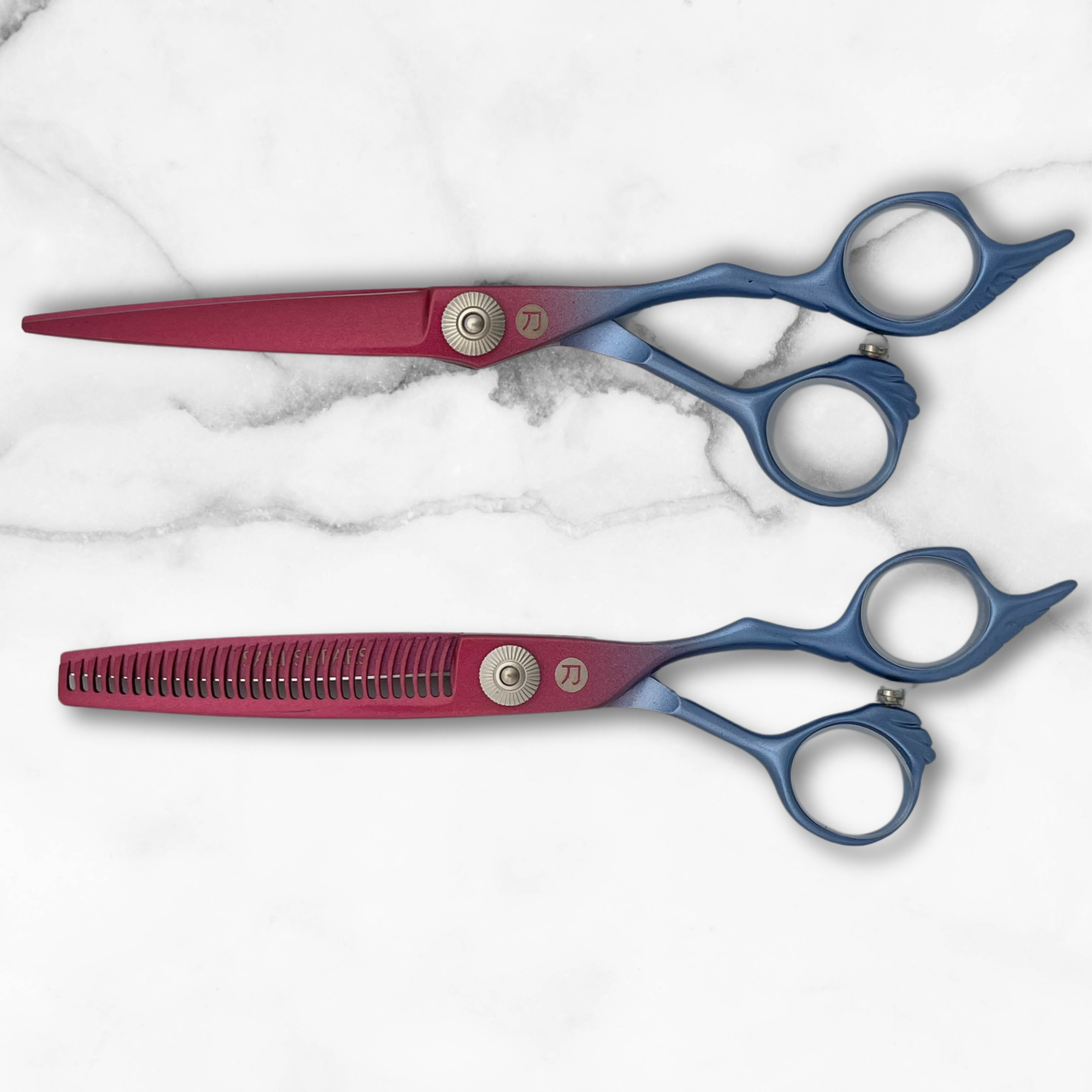
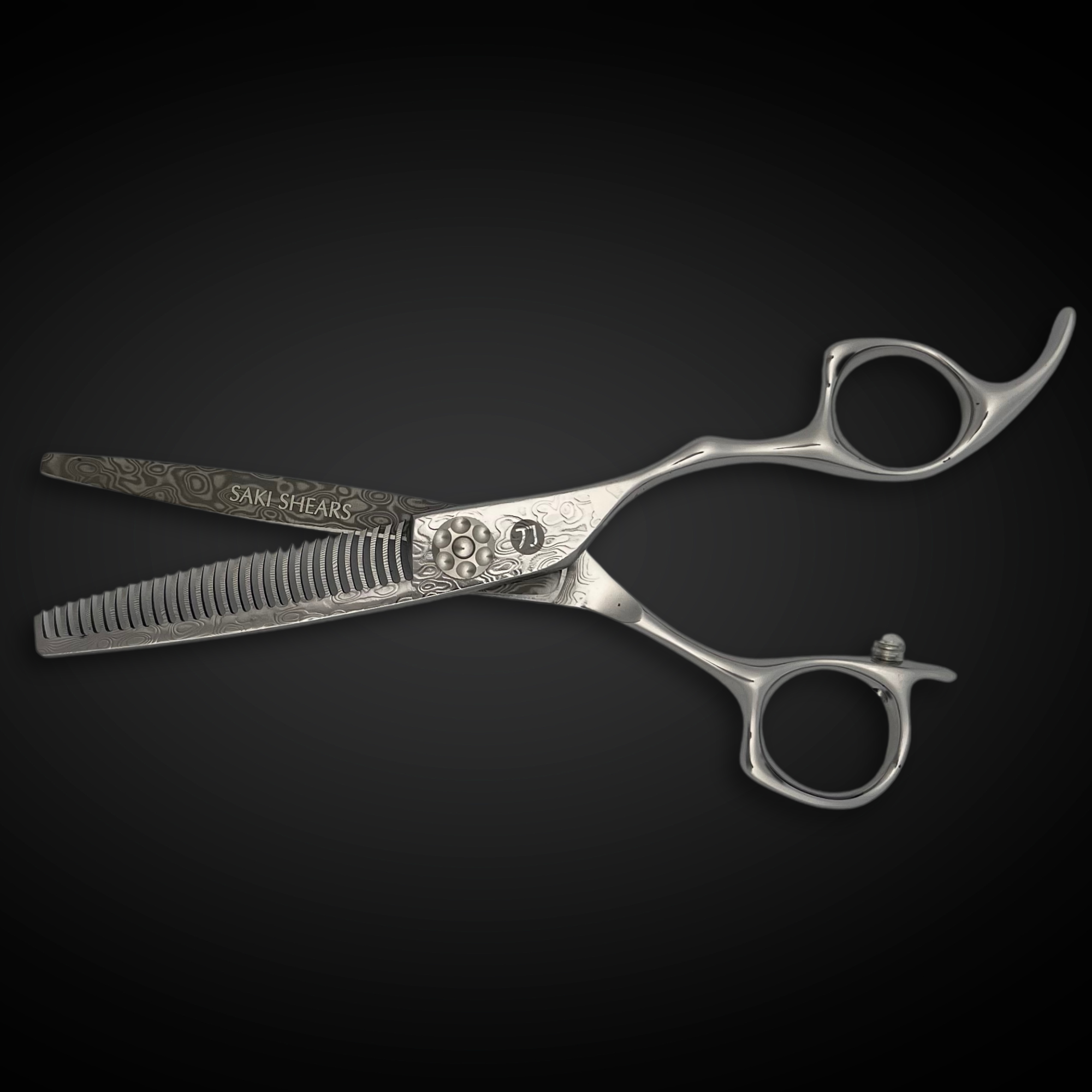
VG10 Cobalt Steel vs 440C Steel: Which Makes Better Hair Shears?
Every professional stylist eventually faces the same question when shopping for their next pair of shears: what steel actually matters? The two names you'll see most often on Japanese hair shears are VG-10 (also called V-Gold 10 or cobalt steel) and 440C stainless steel. Both are legitimate professional-grade materials — but they behave differently at the edge, age differently over years of daily use, and justify very different price points. If you've been eyeing the Saki Gold VG-10 Cobalt Steel shears or comparing them against 440C options, this breakdown will give you the metallurgical context to make a confident decision.
Understanding what's happening at the molecular level of your blade isn't just academic. It directly affects how often you sharpen, how clean your sections fall, and how your shears perform three years from now versus the day you bought them. Let's get into the specifics.
What Is 440C Stainless Steel?
440C is a high-carbon chromium martensitic stainless steel that has been the backbone of the Japanese hair shear industry for decades. It contains approximately 0.95–1.20% carbon and 16–18% chromium, which gives it an excellent combination of hardness, corrosion resistance, and edge retention. When properly heat-treated, 440C reaches a Rockwell hardness of 58–61 HRC — the sweet spot for hair shears where the blade is hard enough to hold an edge but not so brittle that it chips under lateral stress.
The reason 440C became the industry standard is straightforward: it's forgiving. It sharpens well on conventional whetstones, responds predictably to convex edge geometry, and resists the moisture and chemical exposure that comes with salon life. Shears like the Saki Katana are built on 440C specifically because the steel allows for an extremely thin, smooth convex edge that excels at blunt, wet, and dry cutting. The Katana's 59–61 HRC hardness rating sits at the upper end of what 440C can achieve, which speaks to the quality of Saki's heat treatment process.
For most working stylists, 440C delivers everything they need. The Saki Kotaro, another popular 440C shear, demonstrates this well — its offset handle and convex blade provide clean slide cutting and wet cutting performance that satisfies stylists from student level through master barber. At the $189 price point, 440C shears represent strong value because you're getting genuinely professional steel without paying for metallurgical properties you may not need.
What Is VG-10 (Cobalt) Steel?
VG-10 — short for V-Gold 10 — is a higher-end Japanese stainless steel originally developed by Takefu Special Steel Co. for premium cutlery. What sets VG-10 apart from 440C is its chemical composition: it contains approximately 0.95–1.05% carbon, 14.5–15.5% chromium, 1.0% molybdenum, 0.2% vanadium, and critically, 1.5% cobalt. That cobalt addition is the key differentiator.
Cobalt does something specific at the crystalline level: it refines the grain structure of the steel during heat treatment, producing a finer, more uniform carbide distribution. In practical terms, this means VG-10 can be sharpened to a thinner, more acute edge than 440C while maintaining that edge longer under use. The molybdenum and vanadium add toughness and wear resistance, respectively, creating a steel that achieves 60–61 HRC hardness with better edge stability than 440C at the same hardness rating.
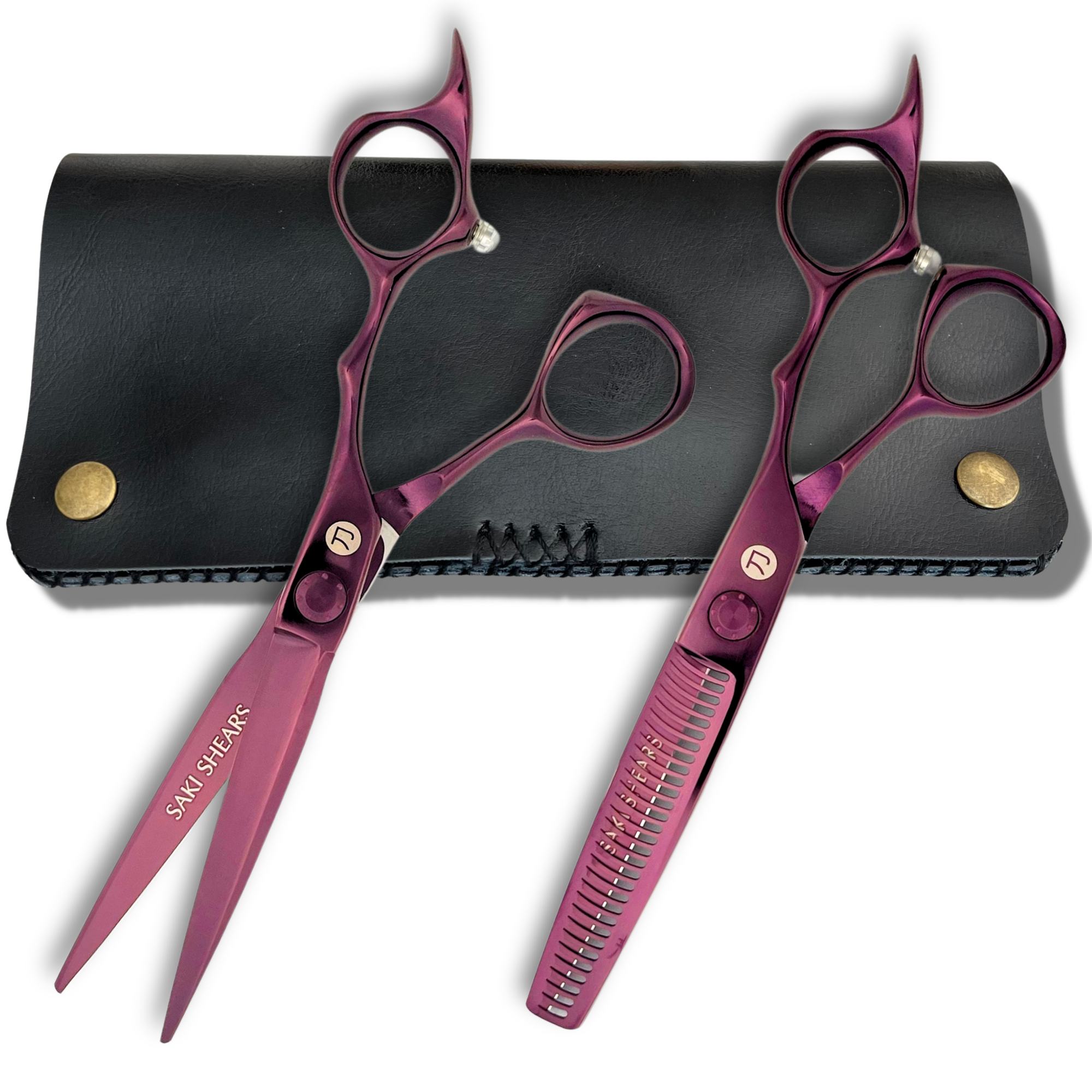
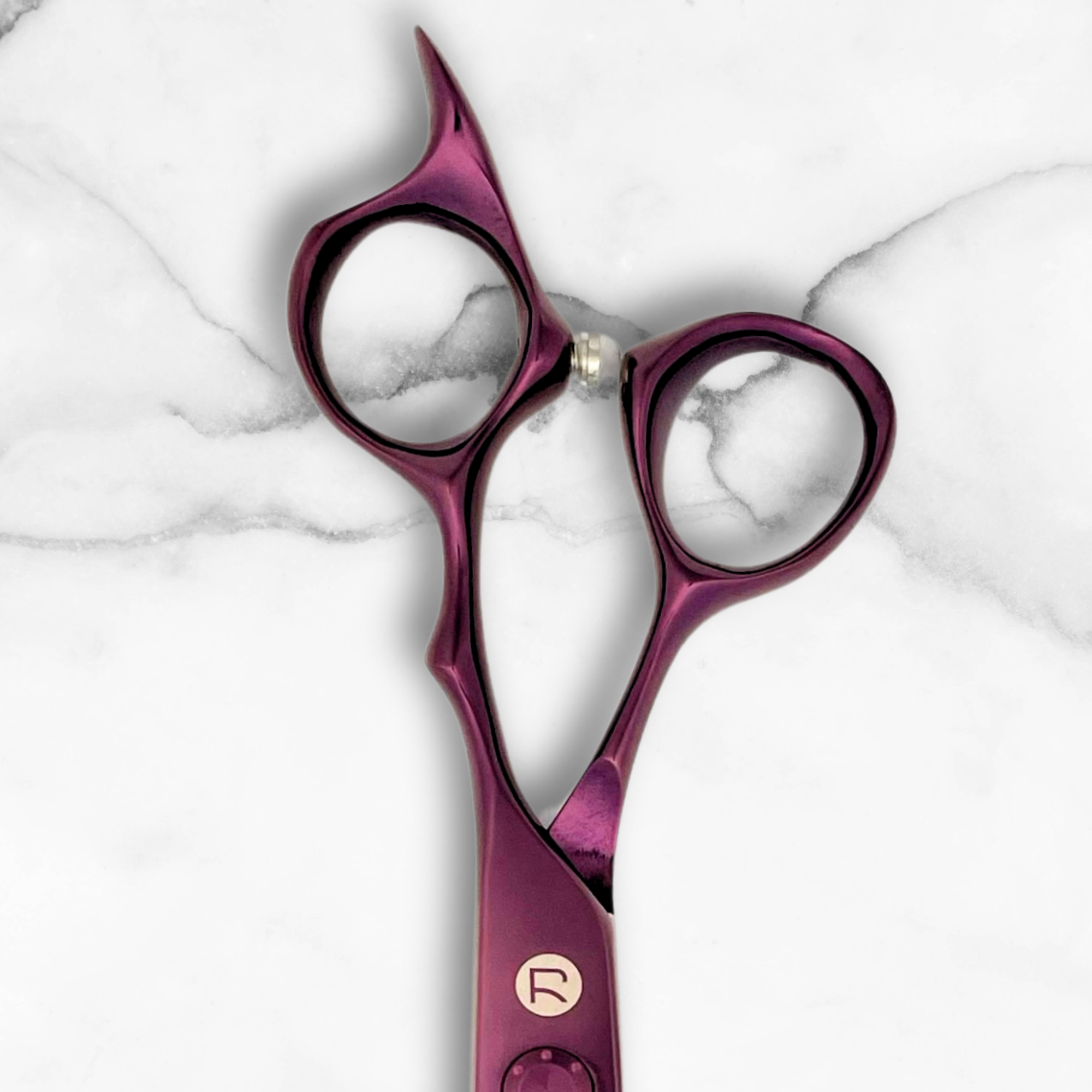
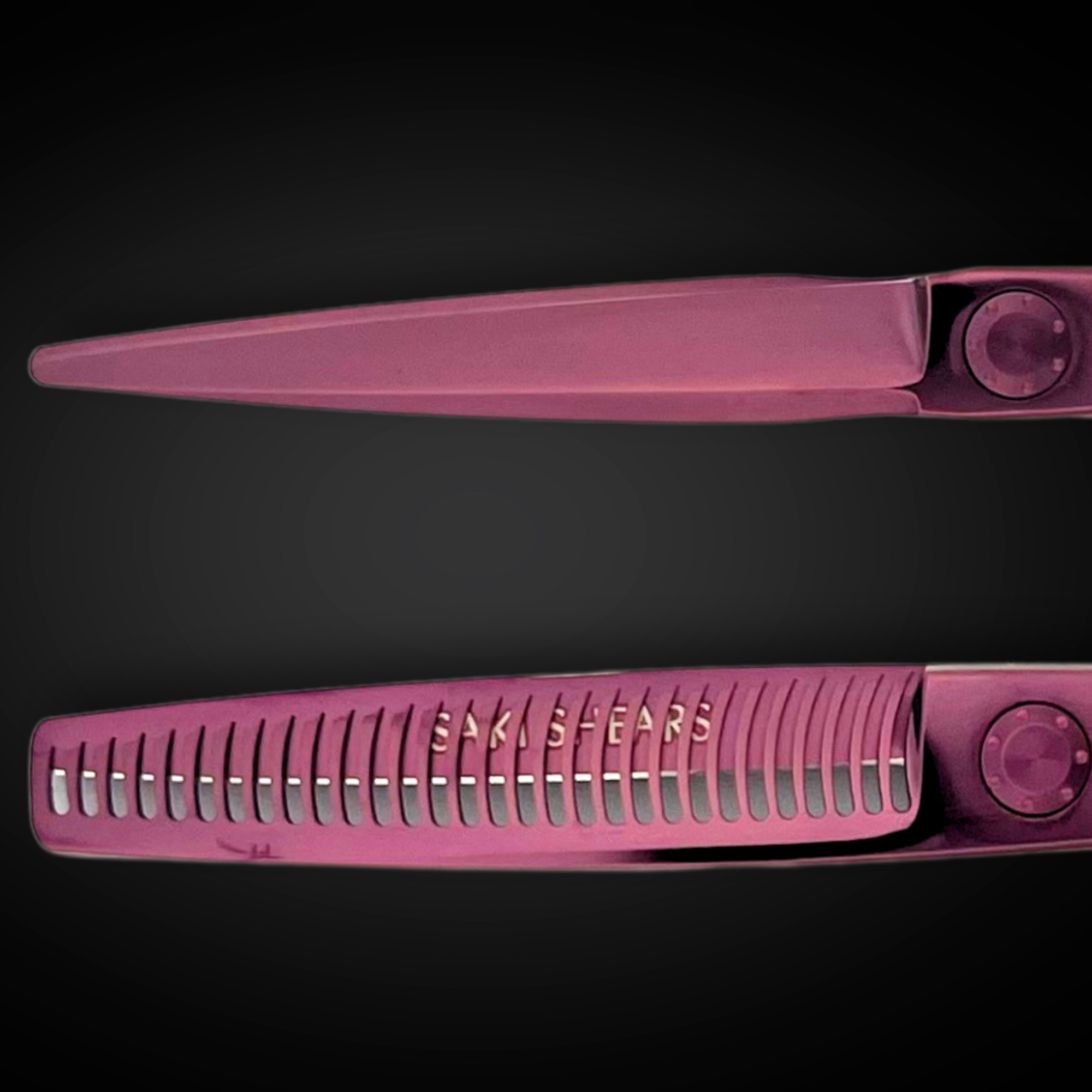
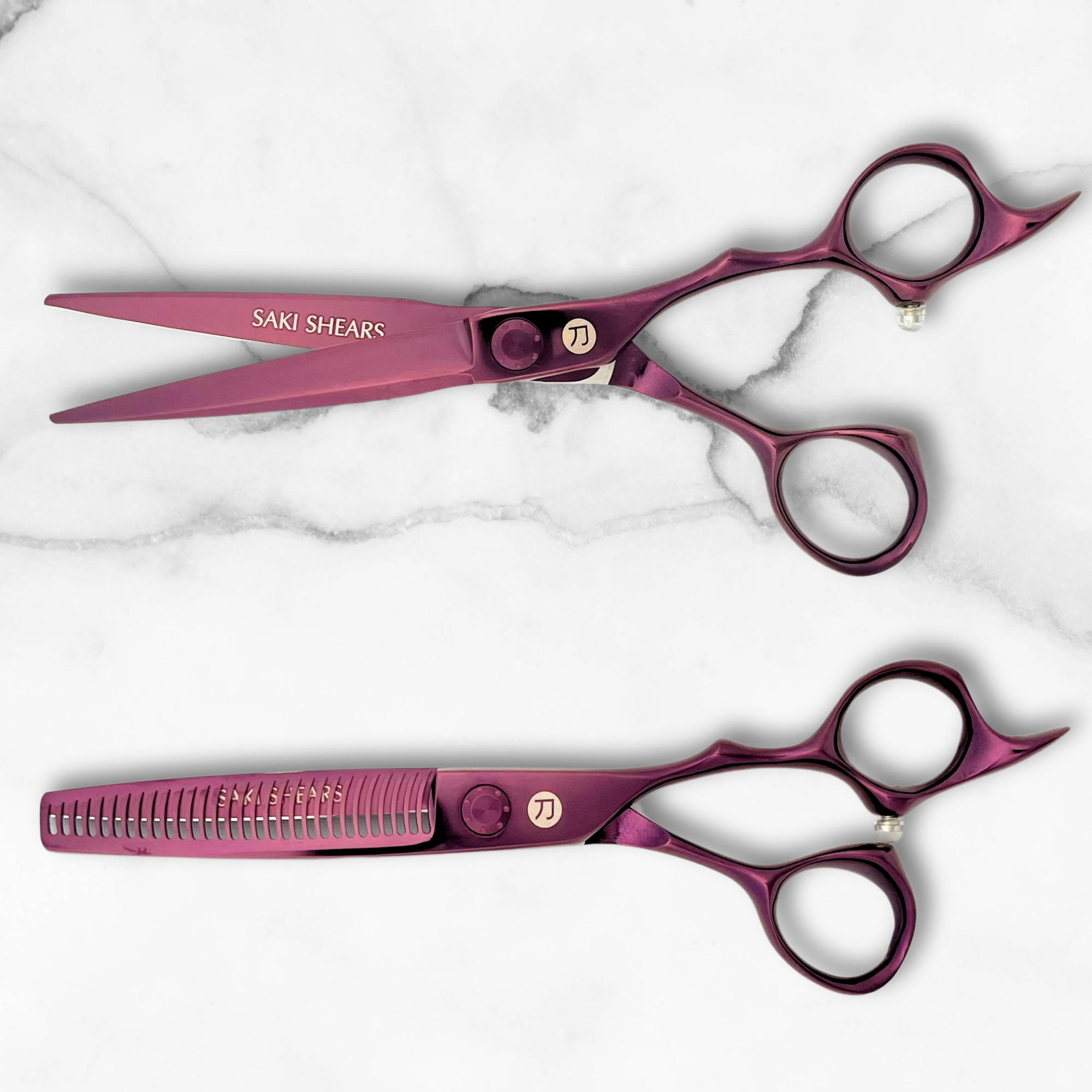
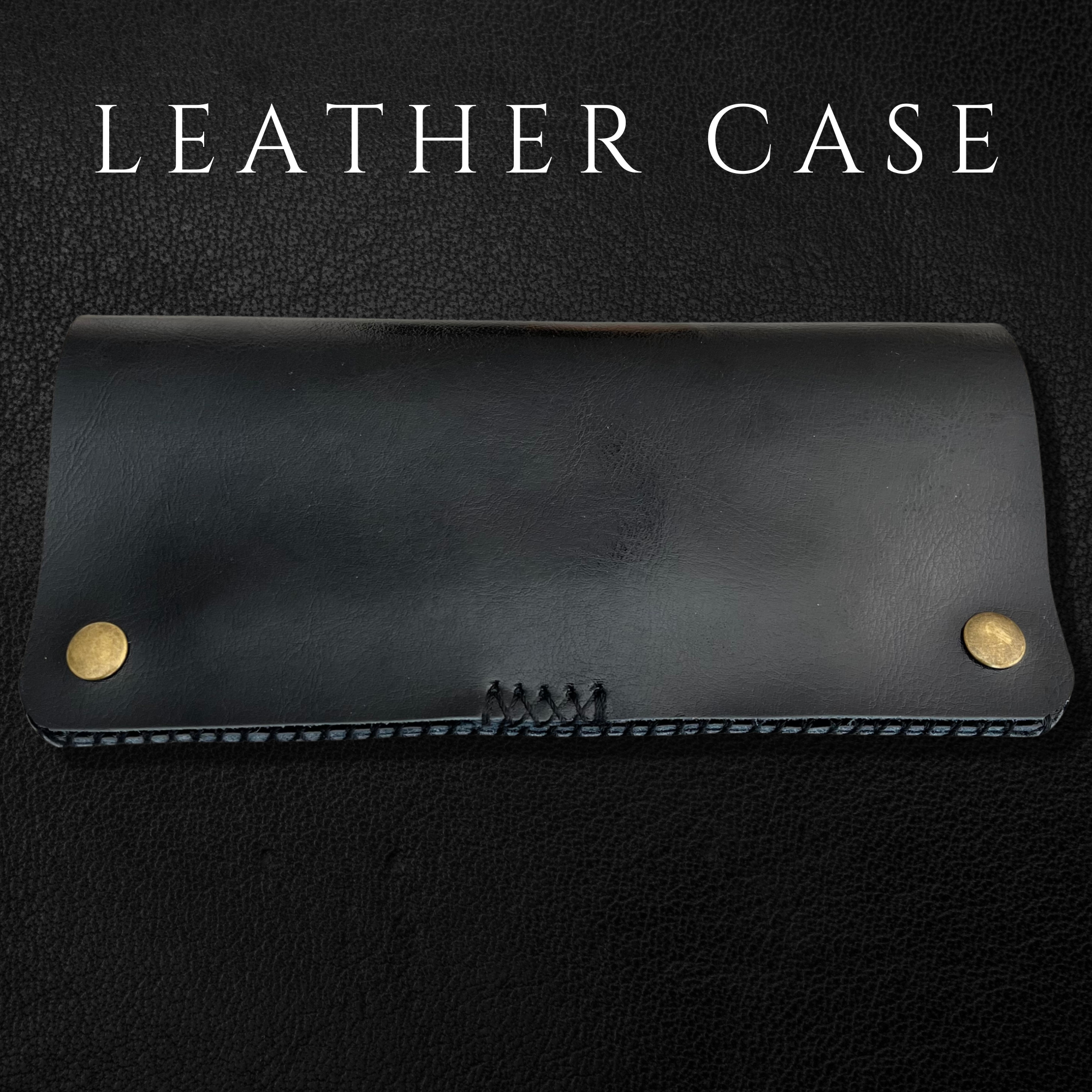
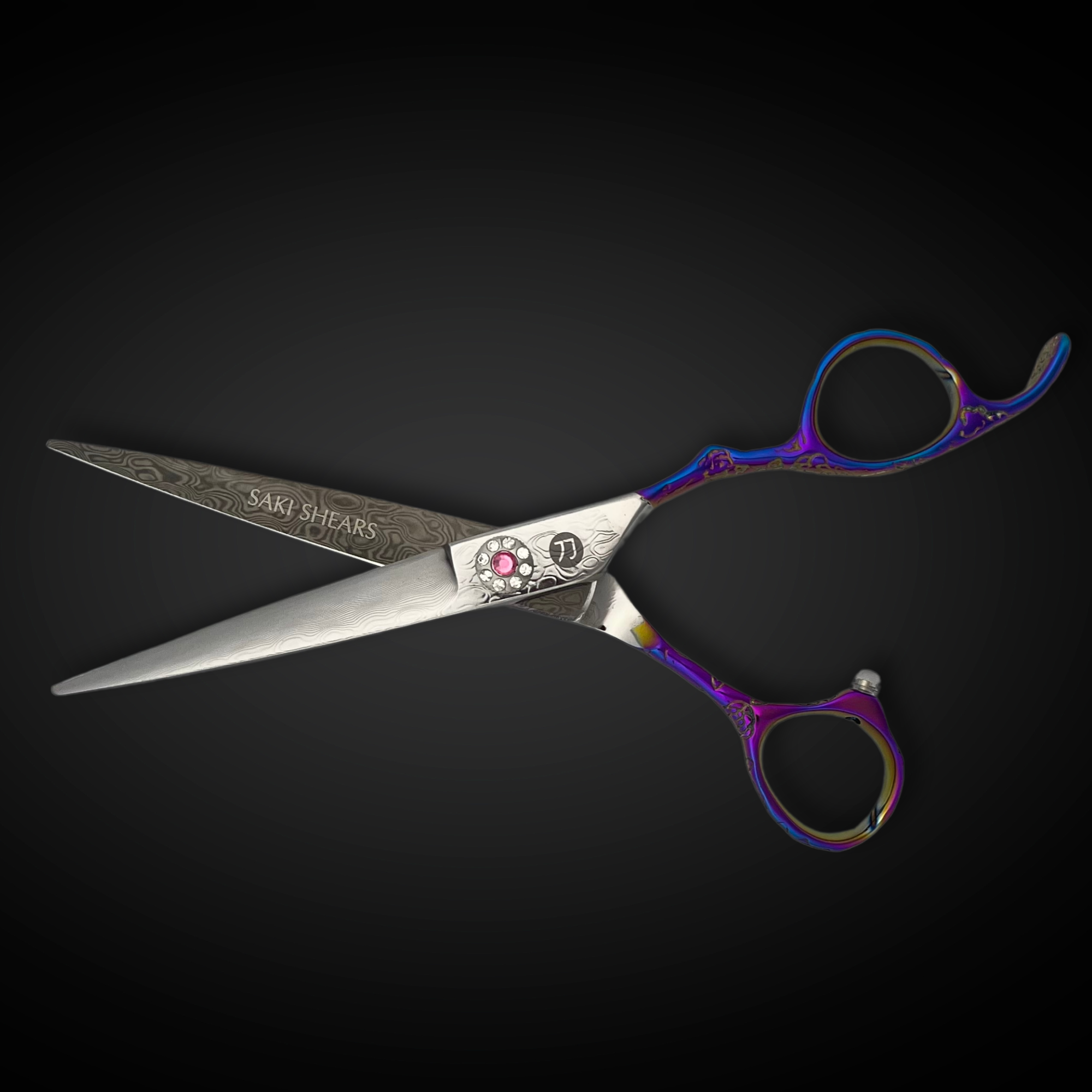
The Saki Gold shears are crafted from VG-10 cobalt steel with an ergonomic offset handle and camel grip design. At $350 for the complete set (cutting shears, thinning shears, razor, and leather case), they represent Saki's premium tier — and the steel is the primary reason for the price difference over 440C models. The 60–61 HRC hardness rating, combined with VG-10's finer grain structure, means the Gold shears arrive with a sharper factory edge and maintain that sharpness through more haircuts before requiring professional sharpening. For a complete working review of the set — edge geometry, ergonomics, and the payback math — see our Saki Gold hair shears deep dive.

Head-to-Head: The Five Factors That Actually Matter
1. Edge Retention
This is where VG-10 pulls ahead most clearly. Because of its cobalt-refined grain structure, a VG-10 blade maintains its working edge approximately 20–30% longer than a comparable 440C blade under identical use conditions. For a busy stylist doing 8–12 cuts per day, that translates to fewer sharpening trips per year — potentially two to three fewer professional sharpenings annually. Given that quality convex-edge sharpening typically runs $30–$75 per session, the long-term cost difference partially offsets VG-10's higher upfront price.
That said, 440C's edge retention is not poor by any means. A well-maintained pair of Saki Katana shears with proper tension and regular oiling will hold a working edge for weeks of daily salon use. The difference between VG-10 and 440C in edge retention is real, but it's incremental — not transformative.
2. Sharpness Ceiling
VG-10's finer carbide structure allows it to take a slightly thinner edge than 440C. Under microscopic examination, a VG-10 convex edge will show fewer micro-serrations and a smoother cutting surface. In practice, this means VG-10 shears can produce marginally cleaner cuts with less hair bending or pushing, particularly on fine or damaged hair where blade drag becomes noticeable.
For most cutting techniques — blunt cuts, layers, even texturizing — the difference in absolute sharpness between VG-10 and 440C is subtle enough that technique matters far more than steel. Where VG-10's sharpness ceiling becomes most apparent is in precision work: graduating very fine sections, creating seamless blends, or performing detailed razor-like cuts where any blade resistance shows in the finished result.
3. Corrosion Resistance
Here, 440C has a slight edge. Its higher chromium content (16–18% vs. 14.5–15.5% in VG-10) provides marginally better resistance to the moisture, chemical sprays, and color products that salon shears encounter daily. In practice, both steels perform well against corrosion when properly maintained — wiped after each client, oiled regularly, and stored dry. Neither will develop rust issues under normal professional use.
If you work in a high-humidity environment or frequently cut color-treated wet hair, 440C's extra chromium provides a small insurance policy. But this is not a significant differentiator for most stylists who follow basic shear care practices.
4. Toughness and Durability
Toughness — the steel's resistance to chipping, cracking, or deforming under stress — is where the conversation gets nuanced. VG-10's molybdenum content gives it better impact toughness than 440C at equivalent hardness levels. This means a VG-10 blade is slightly less likely to chip if it encounters a bobby pin, clip, or other obstruction during a cut.
However, both steels at 60+ HRC are hard enough that improper use (dropping, cutting wire, using as a general-purpose scissors) will damage them. The toughness advantage of VG-10 shows up in edge-line durability — the edge itself is more resistant to rolling or micro-chipping over time, which contributes to its superior edge retention. The Saki Kotaro set, built from 440C, remains an extremely durable option; the difference in toughness between these steels is measured in laboratory testing rather than catastrophic failures in the salon.
5. Sharpenability
This is where 440C earns back some ground. Because 440C's carbide structure is slightly coarser, it responds more readily to standard sharpening methods. Most professional shear sharpeners are highly experienced with 440C and can restore a factory-quality convex edge quickly and affordably. VG-10, with its harder, finer grain, requires a sharpener with experience working premium steels — and the sharpening process takes slightly longer.
This doesn't mean VG-10 is difficult to sharpen. It simply means you'll want to verify that your sharpener has worked with VG-10 or equivalent premium steels before handing over your investment. A skilled sharpener will have no trouble; an inexperienced one could potentially damage the edge geometry.
Cost Analysis: Is VG-10 Worth the Premium?
Let's put real numbers to this. A pair of Saki Katana 440C cutting shears runs $199. The Saki Gold VG-10 cutting and thinning set comes in at $350, which includes both cutting and thinning shears, a razor, and a leather case. That's roughly a $200 premium for the VG-10 steel upgrade (comparing set to set, the Katana set at $299 vs. the Gold at $350 puts the gap closer to $100).
If VG-10 saves you two to three professional sharpenings per year at $50 each, you're recovering $100–$150 annually. Over a five-year ownership period — reasonable for a well-maintained professional shear — the total cost of ownership between VG-10 and 440C converges. Factor in VG-10's slightly longer functional lifespan (the finer edge geometry experiences less cumulative steel loss through repeated sharpenings), and the premium effectively pays for itself within three to four years for a full-time stylist.
For part-time stylists, students, or those building their collection, 440C shears like the Saki Tomika at $180 deliver professional performance at a price point that makes sense for lower volume use. There's no shame in choosing 440C — it's genuinely excellent steel that professionals worldwide rely on every day.
Which Steel Matches Your Cutting Style?
Your cutting style should influence your steel choice more than marketing claims. Here's how the two steels map to common specializations:
Choose VG-10 if you primarily do: precision cutting, graduated bobs, fine detail work, high-volume salon days (10+ clients), or if you prefer to minimize maintenance intervals. Stylists who specialize in editorial or competition work often prefer VG-10 for its superior edge consistency across a long cutting session.
Choose 440C if you primarily do: versatile salon cutting (wet, dry, blunt, slide), barbering, texture work, or if you want excellent performance with easier maintenance. Stylists who work across multiple shear sizes and techniques often find that 440C's forgiving nature and lower replacement cost make it practical to own multiple pairs for different applications.
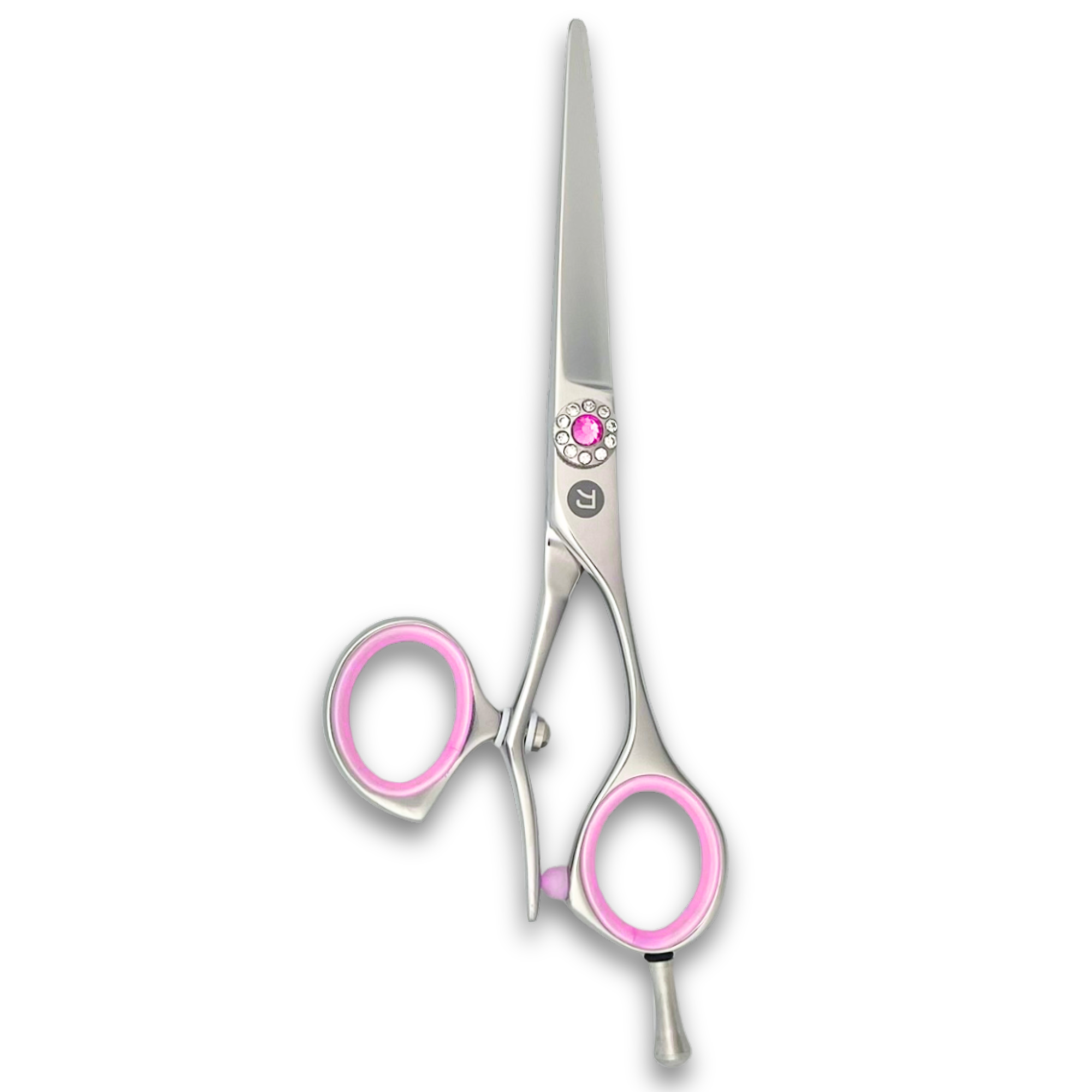
Many experienced professionals own both. A VG-10 shear for their primary precision cutting work and a 440C shear for texture, training assistants, or as a reliable backup. The Saki Sakura swivel shears in 440C make an excellent secondary pair for stylists dealing with repetitive strain, while the Gold set handles their bread-and-butter cutting.
Heat Treatment: The Hidden Variable
Steel composition tells only half the story. Two shears made from identical VG-10 steel can perform dramatically differently depending on how that steel was heat-treated. The heat treatment process — austenitizing temperature, quench rate, tempering cycles — determines the final grain structure, hardness, and toughness of the blade.
This is where manufacturer quality matters more than raw steel grade. Saki Shears uses a multi-stage heat treatment process that achieves consistent 60–61 HRC hardness across their VG-10 Gold line and 59–61 HRC across their 440C Katana and Kotaro lines. Both ranges sit at the top of what each steel can achieve, which indicates a well-controlled heat treatment process. Cheaper manufacturers using the same steel grades but inferior heat treatment may produce shears that test at 56–58 HRC — technically the same steel, but meaningfully worse performance.
When evaluating any shear, the Rockwell hardness rating is a more reliable indicator of cutting performance than the steel name alone. A well-heat-treated 440C at 61 HRC will outperform a poorly heat-treated VG-10 at 57 HRC every time. According to research published by the ASM International (the world's largest materials science association), consistent hardness within the 59–62 HRC range is the primary predictor of edge retention in fine cutting instruments.
The Handmade Factor
Both the Saki Gold and Saki Katana lines are handmade — and this matters more than most stylists realize. Handmade production allows for individual blade inspection, precise hollow grinding, and the triple-honing process that creates Saki's characteristic smooth convex edge. Machine-made shears can use identical steel but often lack the hand-finished edge geometry that separates a good cut from a great one.
The two-piece welded construction used across Saki's lineup (both VG-10 and 440C models) provides a mechanical advantage as well: the weld joint between blade and handle is independently optimized, meaning blade steel selection doesn't compromise handle ergonomics. This is why the Saki Katana's crane handle can be extra-long for comfort without affecting the blade's convex edge geometry.
Real-World Longevity: What to Expect
With proper care — daily wiping, regular oiling, proper tension adjustment, and professional sharpening as needed — here's what realistic longevity looks like:
440C shears (Katana, Kotaro, Sakura, Tomika): 5–8 years of professional daily use before the blade geometry has been sharpened down to the point where replacement becomes practical. Many stylists get a full decade from their 440C shears, though cutting performance in the final years will depend heavily on sharpening quality.
VG-10 shears (Gold): 7–12 years of professional daily use. VG-10's harder, finer structure means less steel is removed with each sharpening cycle, and the edge geometry maintains its designed profile longer. The Gold set's thumb-adjustable tension screw also contributes to longevity by allowing precise tension control as the pivot wears over years of use.
Both lifespans assume the shears are used exclusively for cutting hair (not tape, foils, or other materials) and are sharpened by a qualified professional using convex-edge technique. All Saki shears are covered by a lifetime warranty, which provides additional peace of mind regardless of which steel you choose.
Frequently Asked Questions
Is VG-10 steel better than 440C for hair shears?
VG-10 offers superior edge retention, a higher sharpness ceiling, and better impact toughness than 440C due to its cobalt-refined grain structure. However, 440C provides excellent professional performance at a lower price point with easier sharpenability. The "better" choice depends on your cutting volume, specialization, and budget. High-volume precision stylists benefit most from VG-10, while versatile salon stylists get outstanding value from 440C.
How much longer do VG-10 shears hold their edge compared to 440C?
Under comparable use conditions, VG-10 shears maintain their working edge approximately 20–30% longer than 440C shears. For a stylist doing 8–12 cuts daily, this typically translates to two to three fewer professional sharpenings per year. The exact difference depends on cutting technique, hair types, and maintenance habits.
Can any sharpener work on VG-10 steel shears?
While VG-10 is not difficult to sharpen, it requires a sharpener experienced with premium Japanese steels. The finer grain structure and higher hardness mean standard techniques used for softer steels may not achieve optimal results. Before having VG-10 shears sharpened, verify that your sharpener has worked with VG-10 or equivalent cobalt steels and uses proper convex-edge sharpening technique.
The Bottom Line
Both VG-10 and 440C are proven, professional-grade steels that produce excellent hair shears. The choice between them isn't about good versus bad — it's about matching the steel's characteristics to your working reality. VG-10 rewards high-volume stylists who value maximum edge retention and are willing to invest upfront for lower long-term maintenance costs. 440C rewards practical-minded professionals who want reliable, high-performance steel with broad sharpener compatibility and a more accessible price point.
If you're currently working with mid-range or entry-level shears, upgrading to either steel will be a noticeable improvement. If you're already using quality 440C shears and wondering whether VG-10 is worth the step up, the answer depends on whether the incremental gains in edge retention and cutting precision justify the price premium for your specific workload. For many full-time stylists, they do. For others, investing that difference into a second pair of 440C shears for different techniques may be the smarter play.
The best shear is the one that fits your hand, matches your technique, and performs reliably through your workday. Steel is one important variable — but it works alongside handle ergonomics, blade geometry, tension systems, and build quality to create the total cutting experience.