Choosing the Right Shear for Every Cutting Task
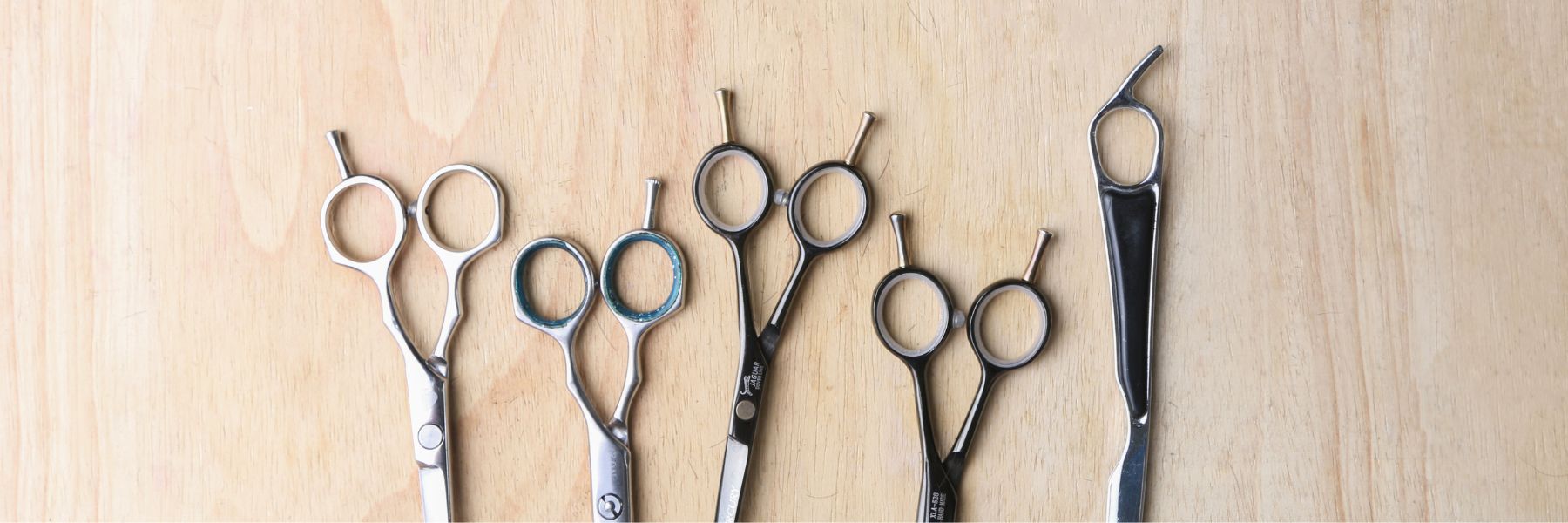
Different cutting tasks call for different tools. Using the same shear for blunt cutting, texture removal, and finishing work is a common source of inconsistent results and unnecessary wear on the blades. Matching shear type to the task at hand, and using the right technique for that shear, is one of the simplest ways to improve precision and efficiency behind the chair.
Cutting Shears for Blunt, Precision Work
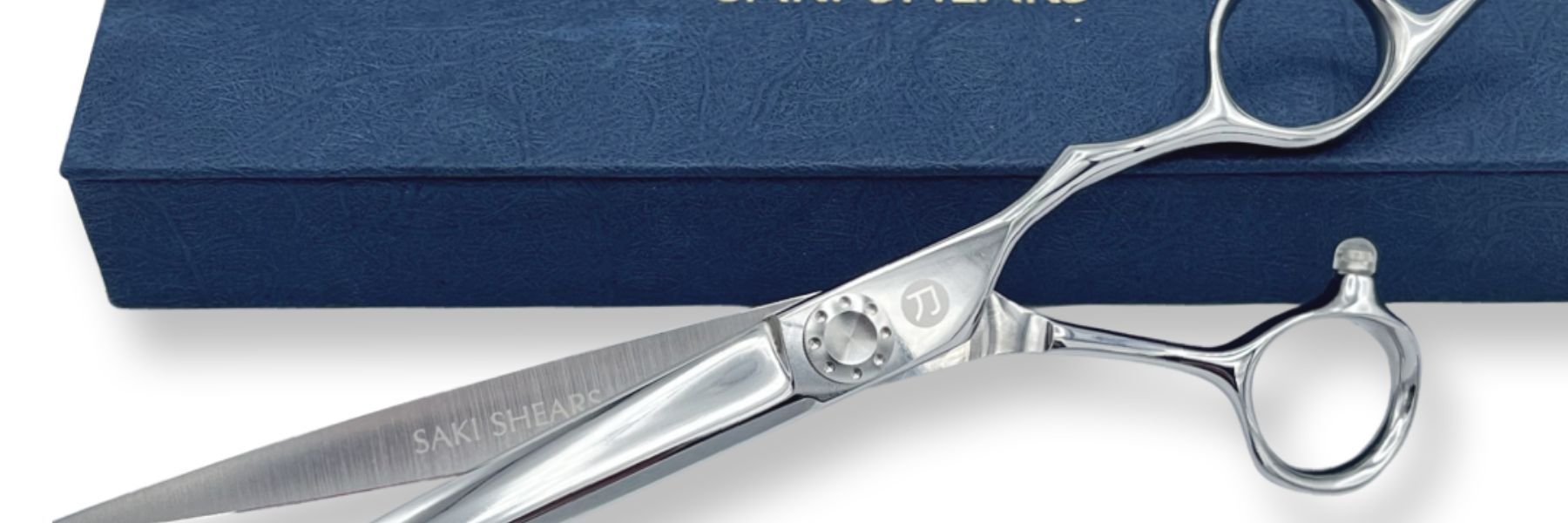
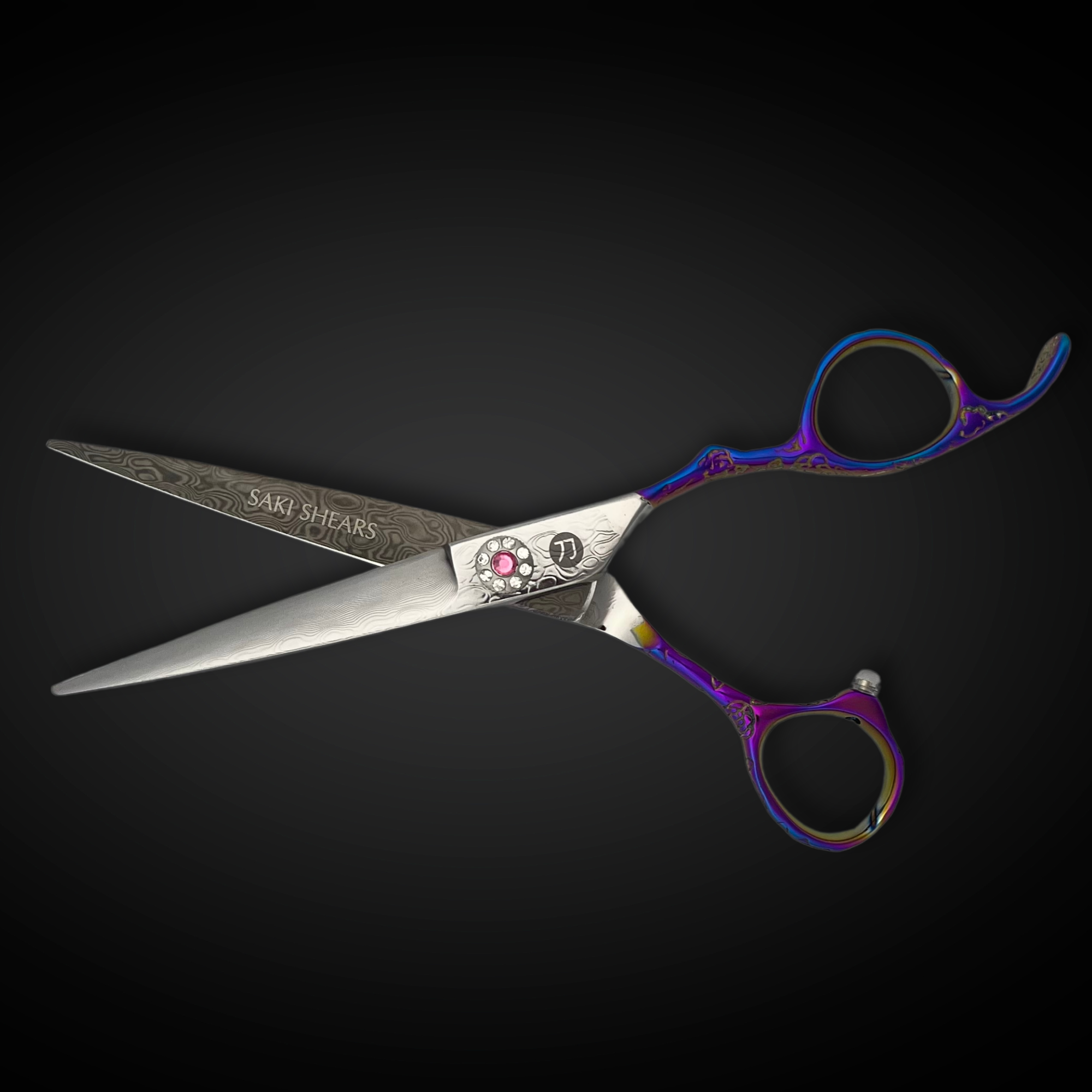
Standard cutting shears, sometimes called straight shears, have two smooth-edged blades and are built for clean, defined lines. They are the right choice for blunt cuts, structured bobs, precision graduation, and any work where the line itself needs to read as sharp and intentional. A well-balanced pair of cutting shears should feel stable in the hand and hold an edge through a full day of blunt work, since any flex or dullness shows up immediately in a straight line.
Thinning and Blending Shears for Texture Removal
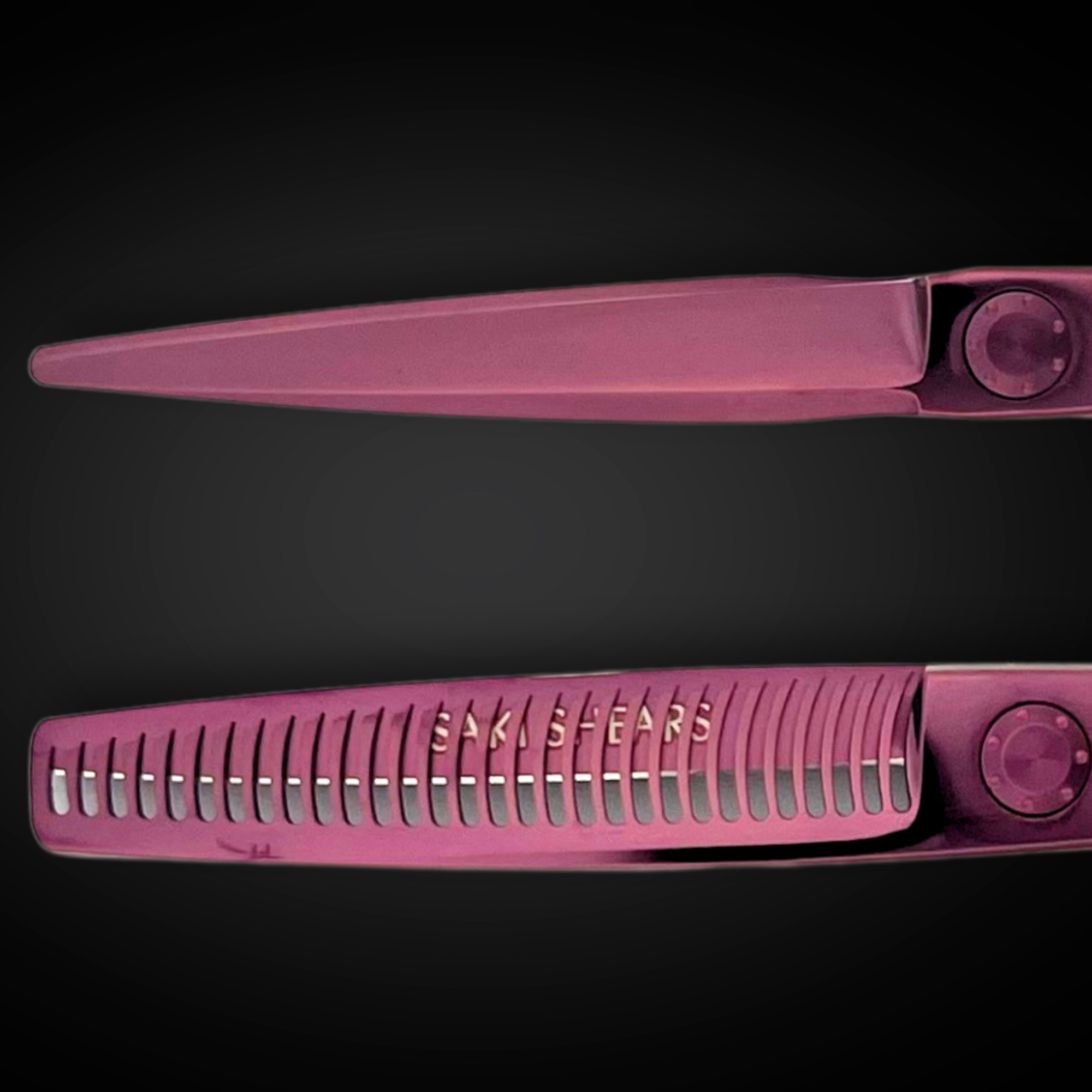
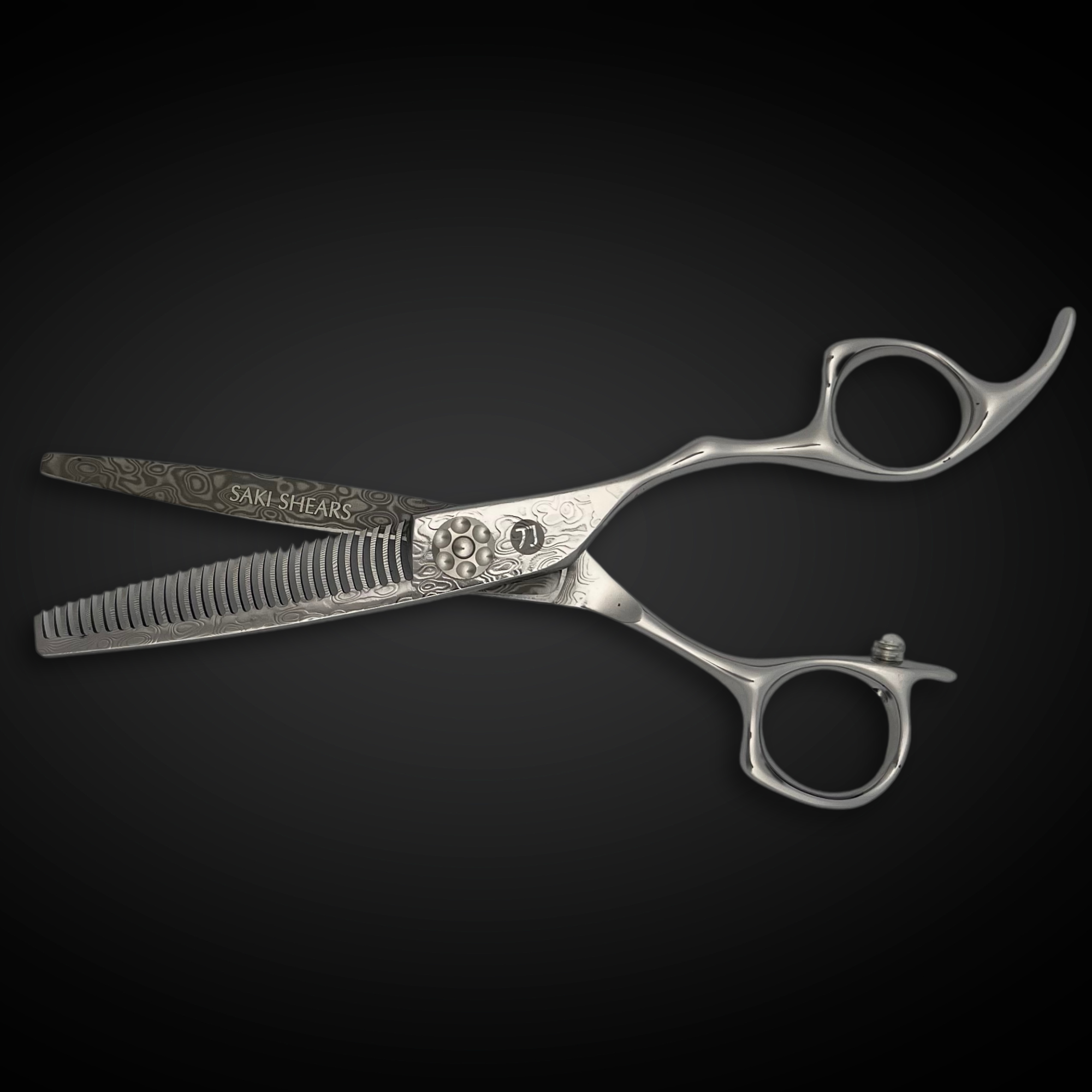
When the goal is to remove bulk rather than length, thinning shears do the job that cutting shears are not designed for. These have one or both blades notched with teeth, which let them remove a controlled amount of hair from a section without shortening it. Thinning shears are useful for softening thick sections, reducing weight at the ends, and blending the transition between length layers so cuts do not look stacked or blocky. Tooth count and spacing matter here: fewer, wider teeth remove more bulk per pass, while finer teeth remove less and give more control on delicate work. A dedicated pair of thinning shears kept separate from cutting shears will hold its notched edge longer and stay predictable in how much hair it removes.
Texturizing Shears for Soft, Natural Blending
Texturizing shears are a step beyond thinning shears, typically with finer, more closely spaced teeth designed for subtle, natural-looking movement rather than bulk removal. These are the right tool for finishing work: softening a hard edge, adding movement to the ends of a layered cut, or blending short pieces around the face without creating visible steps. Because the teeth are finer, texturizing shears remove less hair per pass than standard thinning shears, which gives more control when the goal is a soft result rather than a dramatic reduction in weight.
Slide-Cutting Technique Considerations
Slide cutting, where the shear is moved along the hair shaft while opening and closing the blades, is a technique rather than a shear type, but the tool still matters. It works best with a sharp, smooth-edged cutting shear that can move cleanly through the hair without snagging or pulling, since any resistance disrupts the slide and can create uneven results. Blade weight and handle balance become more noticeable in slide cutting than in stationary cutting, because the technique relies on a controlled, continuous motion rather than a single closed cut. Stylists who slide cut regularly often keep one shear reserved for the technique so the edge stays consistent and predictable.
Fit and Handle Considerations
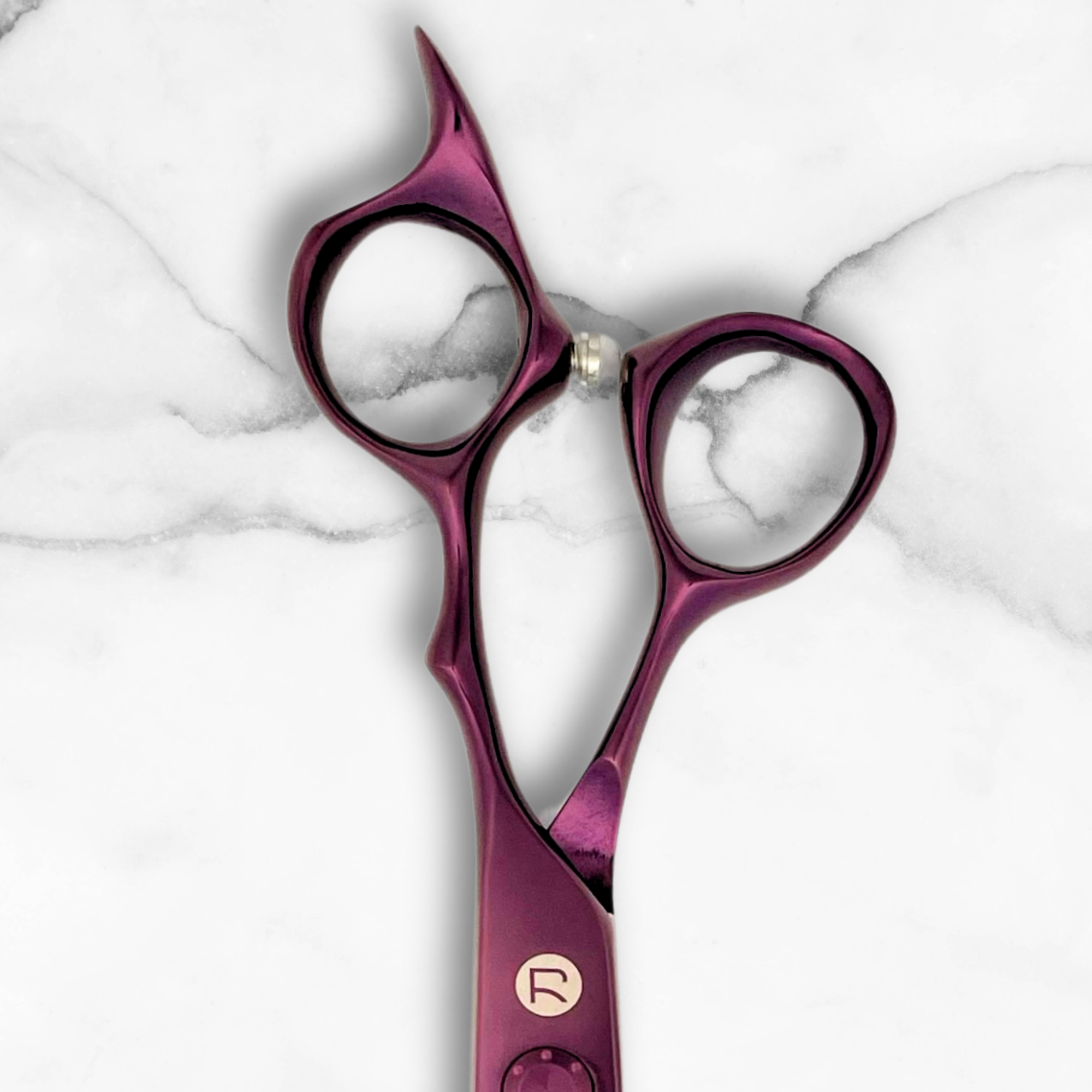
Task-matching goes beyond blade type. Handle style and shear size affect how much control a stylist has during precision work, which is why they are worth considering alongside blade geometry. A shear that is too large for your hand can make fine, controlled movements harder to execute cleanly, particularly on detail work like point cutting around the hairline or texturizing near the face. Offset and crane handle styles, which position the thumb and finger holes at different heights, are generally easier on the wrist during long sessions than fully symmetrical handles, since they let the hand rest in a more neutral position. Trying a shear in hand, rather than choosing based on blade type alone, is the most reliable way to confirm it will hold up for the tasks you use it for most.
Building a Practical Shear Kit
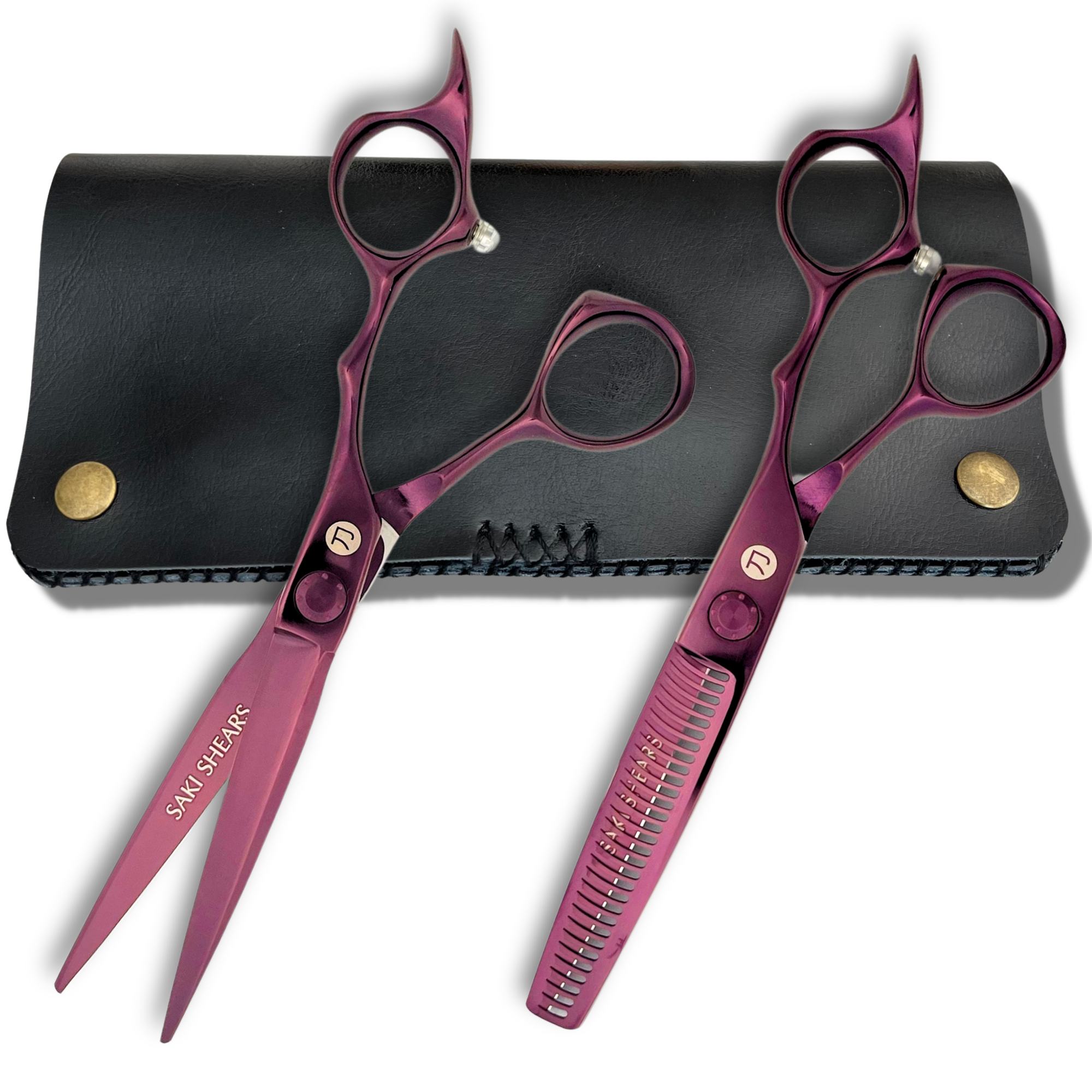
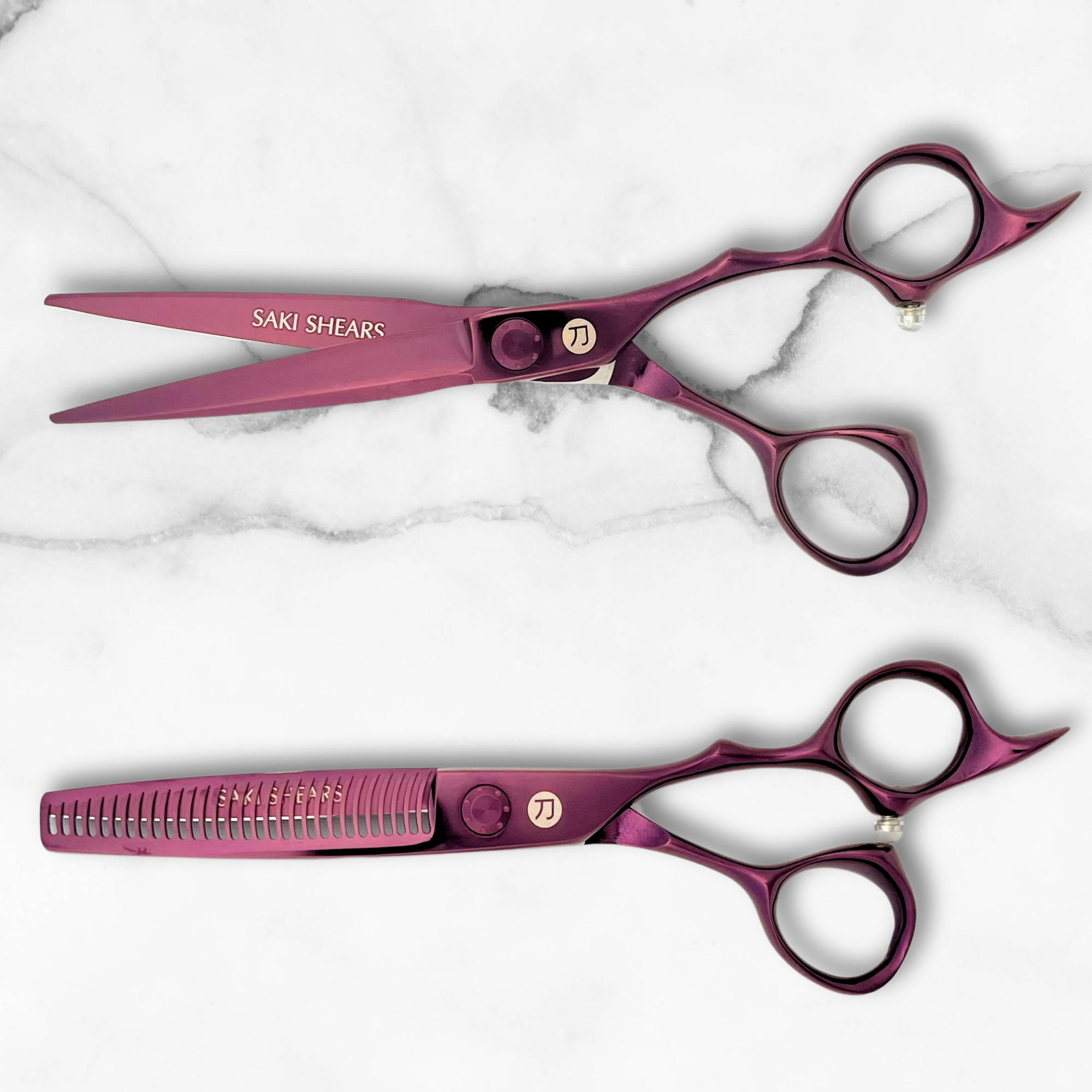
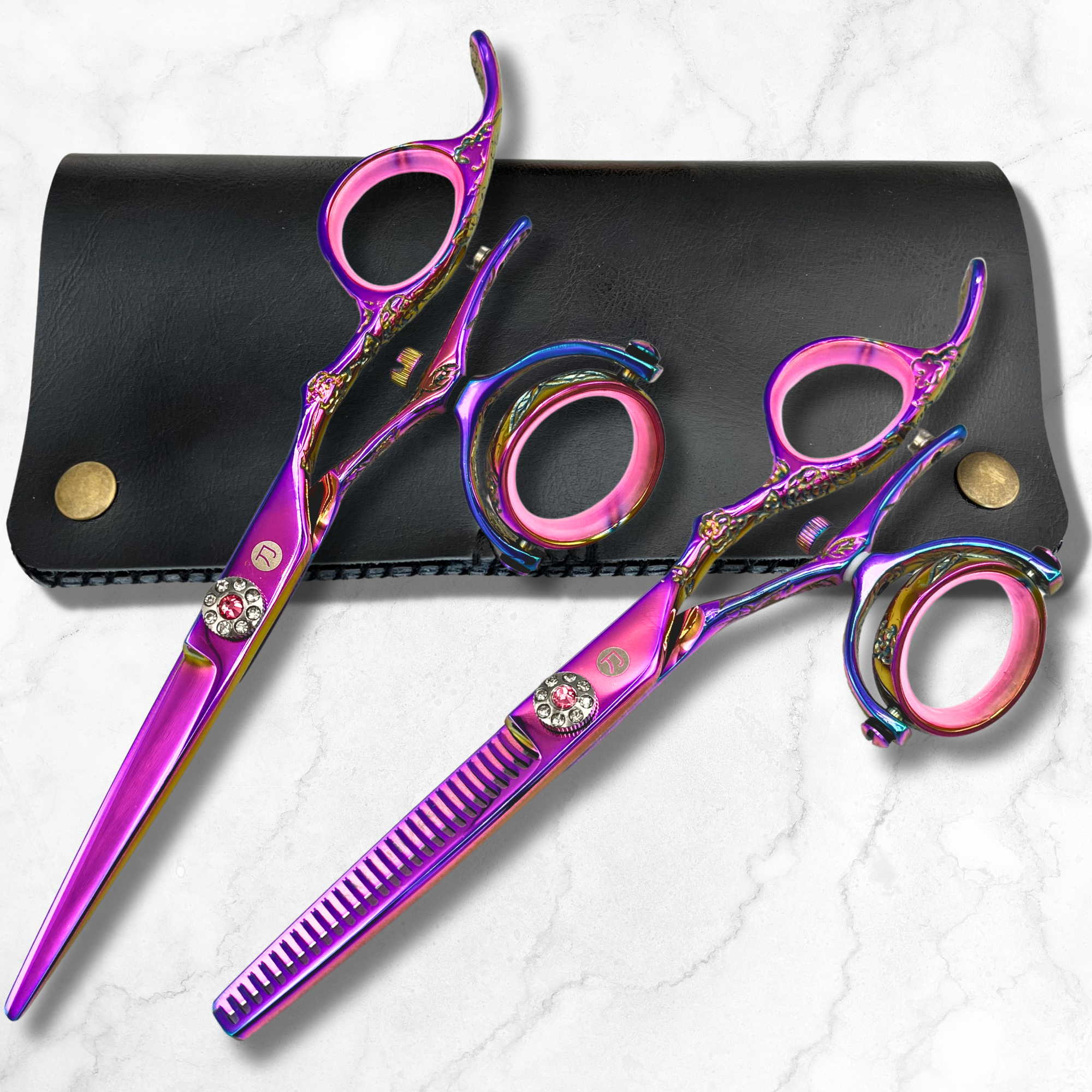
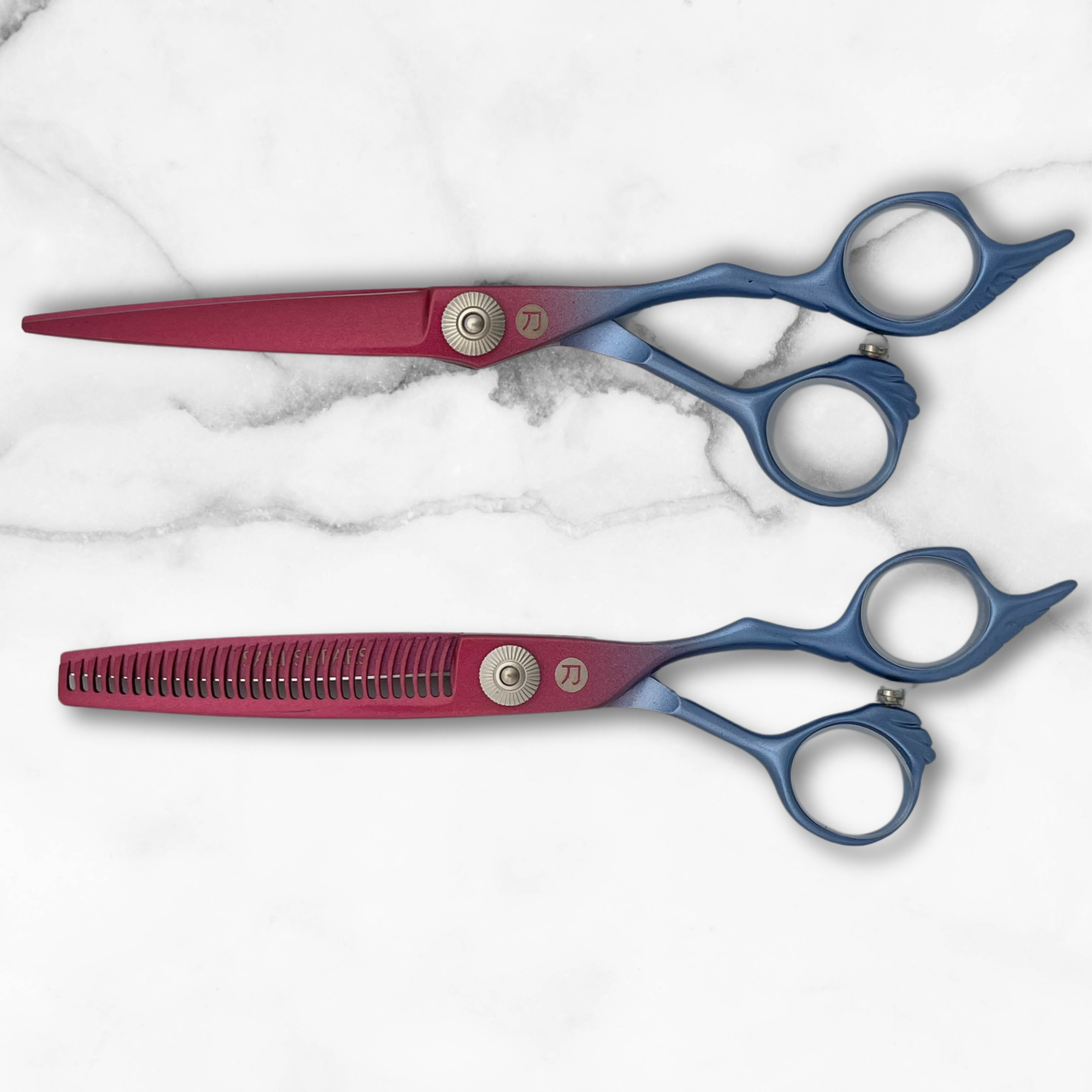
Most working stylists end up needing more than one shear type to cover a full range of services. A practical kit typically includes a primary cutting shear for blunt work and slide cutting, a thinning or blending shear for bulk removal, and often a texturizing shear for finishing. Buying these as a coordinated shear set can simplify this, since the tools are designed to complement each other in weight and handle feel. Whichever route you take, the underlying principle stays the same: pick the tool built for the task, rather than trying to make one shear do every job.
Maintenance Affects Task Performance
A shear that is well suited to a task will still underperform if it is dull, loose at the pivot, or corroded. Regular honing, proper pivot tension, and drying blades after each use all affect how cleanly a shear performs its intended job, whether that is a blunt line, controlled texture removal, or a smooth slide cut. Building a simple maintenance routine into your day protects both the tool and the consistency of your results.

Written by Charles Harris