Shear Length Guide: Matching Size to Technique and Hand Size
Shear length isn't a style preference or a status symbol — it's a lever that changes how much control you have over every cut you make. A shear that's too long for your hand and technique will fight you on precision work. A shear that's too short will slow you down on volume removal and clipper-over-comb work. Matching shear size to technique and hand size is one of the most overlooked fundamentals in a working stylist's or barber's kit.
Why length changes what a shear can do
Every additional half-inch of blade changes two things: how much hair the blade contacts per stroke, and how much leverage you have at the pivot. Longer blades cover more hair per pass, which is efficient for straight, blunt lines and for backing up a clipper. Shorter blades cover less hair per stroke but let you close the shear faster and pivot around tighter shapes, which is what point cutting, slicing, and detail work actually require.
Hand size and finger length matter here too. A shear that's proportioned for a large hand will feel unstable in a small one — the ring finger struggles to control the moving blade, and fatigue sets in fast. A shear that's too small for a large hand forces a cramped grip and reduces the leverage you'd otherwise have on thick, dense sections. Sizing a shear to your hand first, then to your technique, is the right order of operations.
5.0"–5.5": precision and point cutting
Shears in this range are built for control, not speed. The shorter blade and lighter overall weight make them easier to open and close quickly, which is exactly what you need for point cutting, texturizing, slide cutting, and short layered work. If most of your day is precision cutting on shorter styles, pixies, or detail work around the face and neckline, a 5.0"–5.5" shear will feel faster and more accurate than a longer one. The tradeoff is efficiency on bulk removal — you'll take more passes to clear the same amount of hair as a longer blade would in one stroke.
5.75"–6.25": the all-purpose middle
This is the range most working stylists reach for as a primary shear, because it balances control with coverage. It's long enough to move through mid-length haircuts efficiently, but still short enough to manage point work and layering without excessive wrist movement. If you're building a one-shear kit, or you're newer and still developing technique across multiple cutting styles, this is the size to start with.
6.5" and up: blunt cutting and clipper-over-comb
Longer shears exist for reach and coverage. A 6.5"–7.0"+ blade clears more hair per stroke, which matters on blunt, one-length cutting where you're removing large, even sections in straight lines. It's also the preferred length for clipper-over-comb and scissor-over-comb work, where the extra blade length lets you follow the comb's path in fewer strokes and keep the line consistent across a wider section. Barbers doing heavy scissor-over-comb tapering, and stylists cutting a lot of blunt bobs or one-length looks, tend to gravitate here. The tradeoff is maneuverability — a longer shear is slower to reposition for detail work and can feel unwieldy in a smaller hand.
Matching the shear to the technique, not the other way around
The mistake we see most often is a stylist trying to make one shear do every job. A 5.5" precision shear will get you through a blunt bob, but it will take longer and tire your hand faster than a 6.5" shear would. A 7.0" shear will get you through point cutting, but you'll lose control and accuracy compared to a 5.5". If your service menu is genuinely mixed — precision work and volume removal in the same day — the better long-term answer is two shears sized for their respective jobs, not one shear stretched across both.
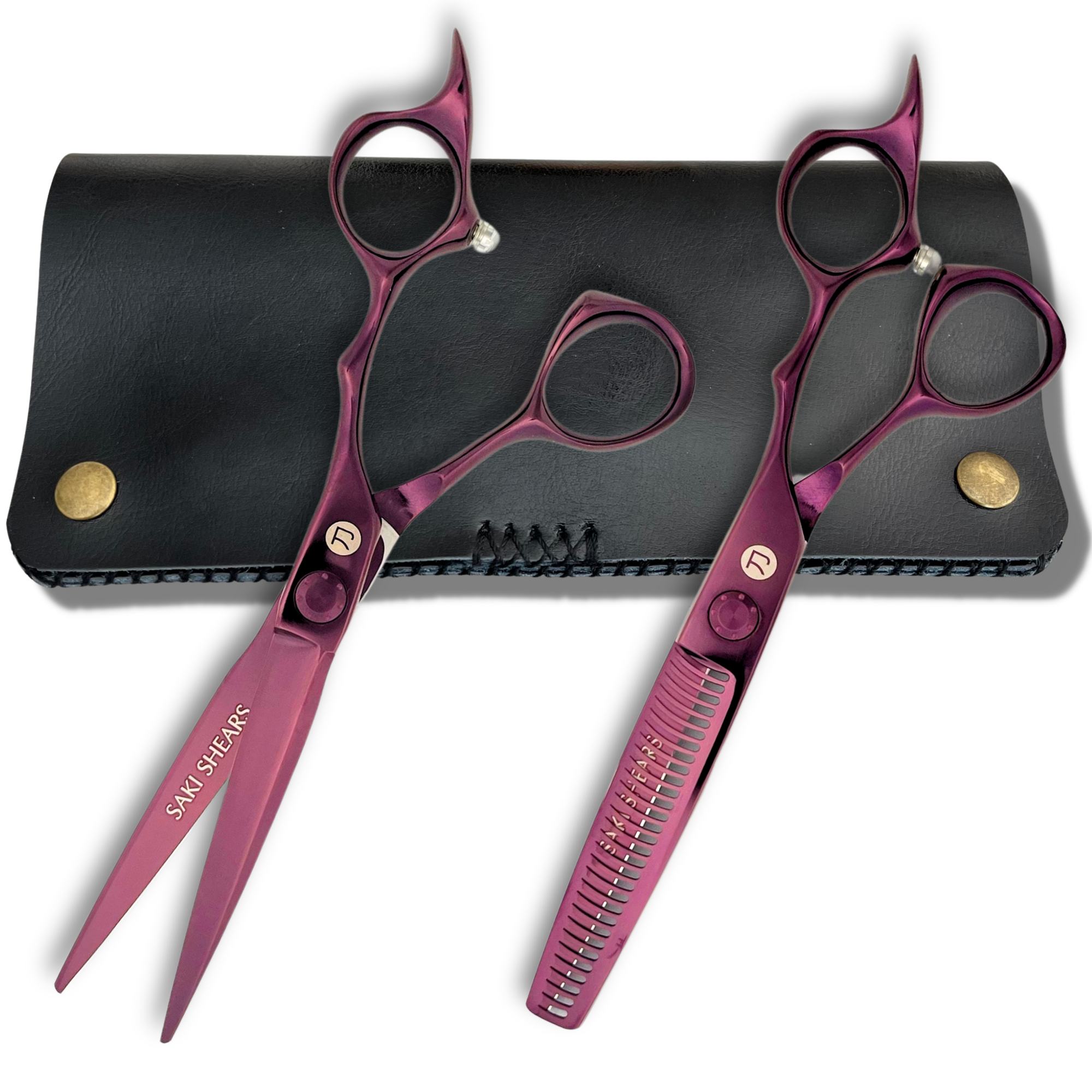
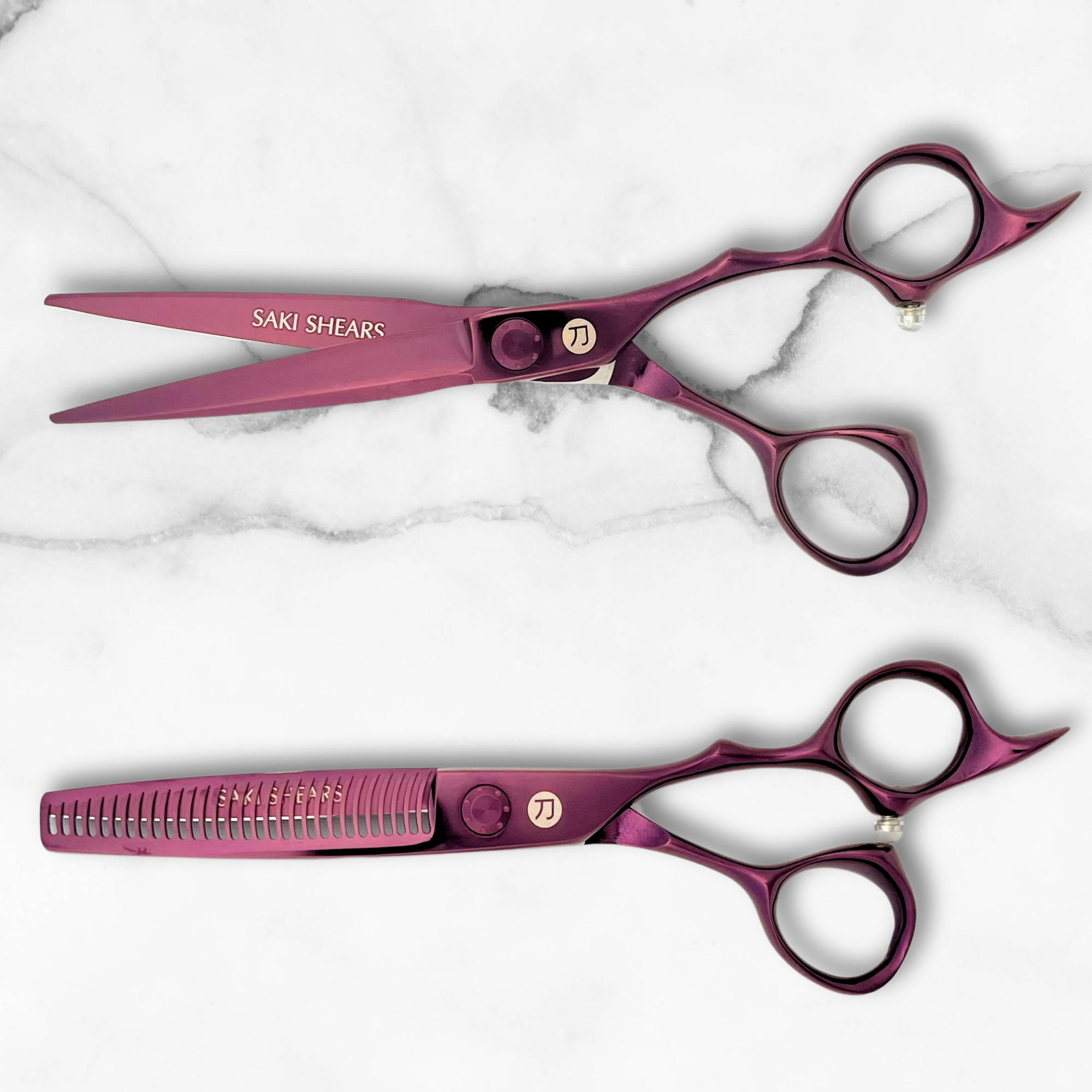
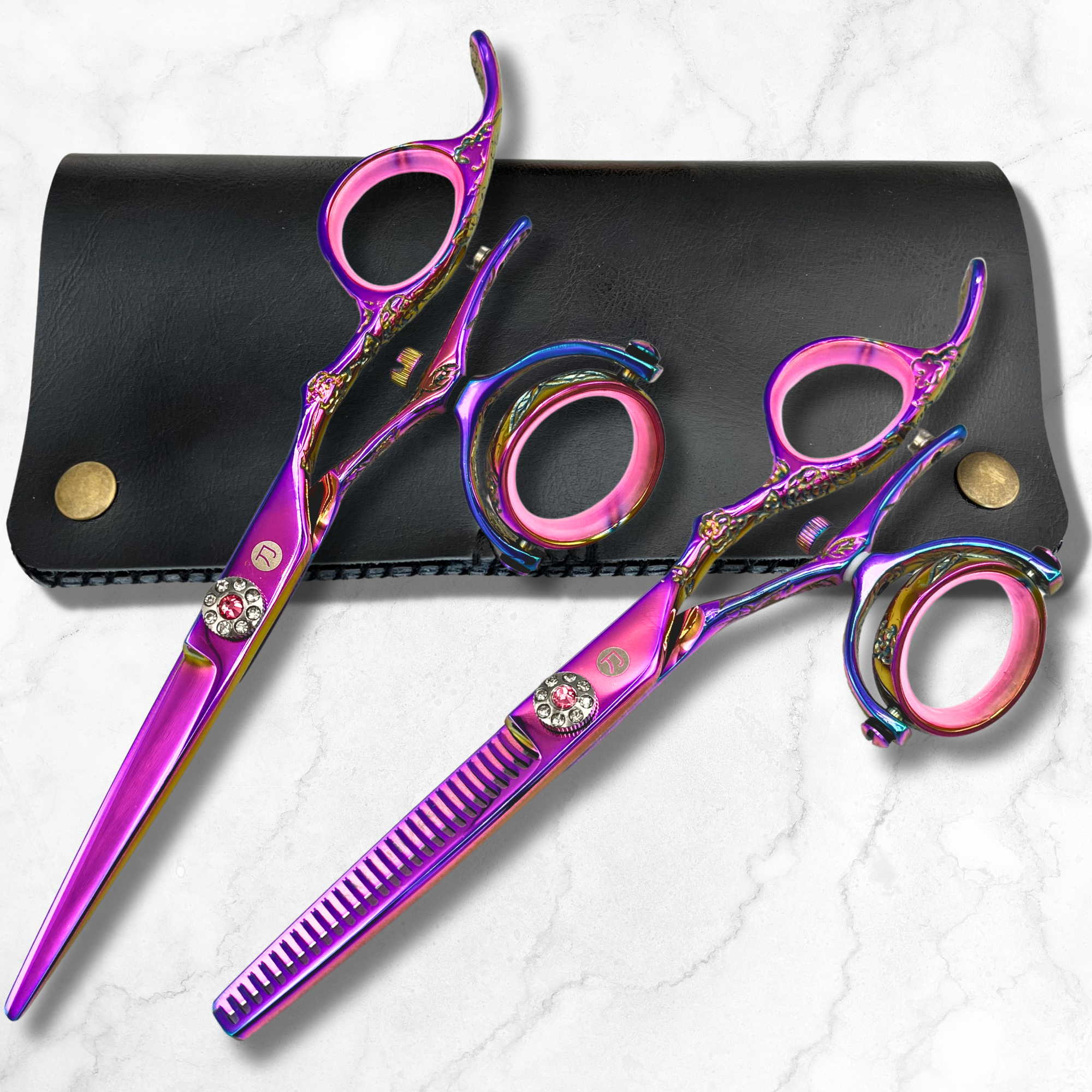
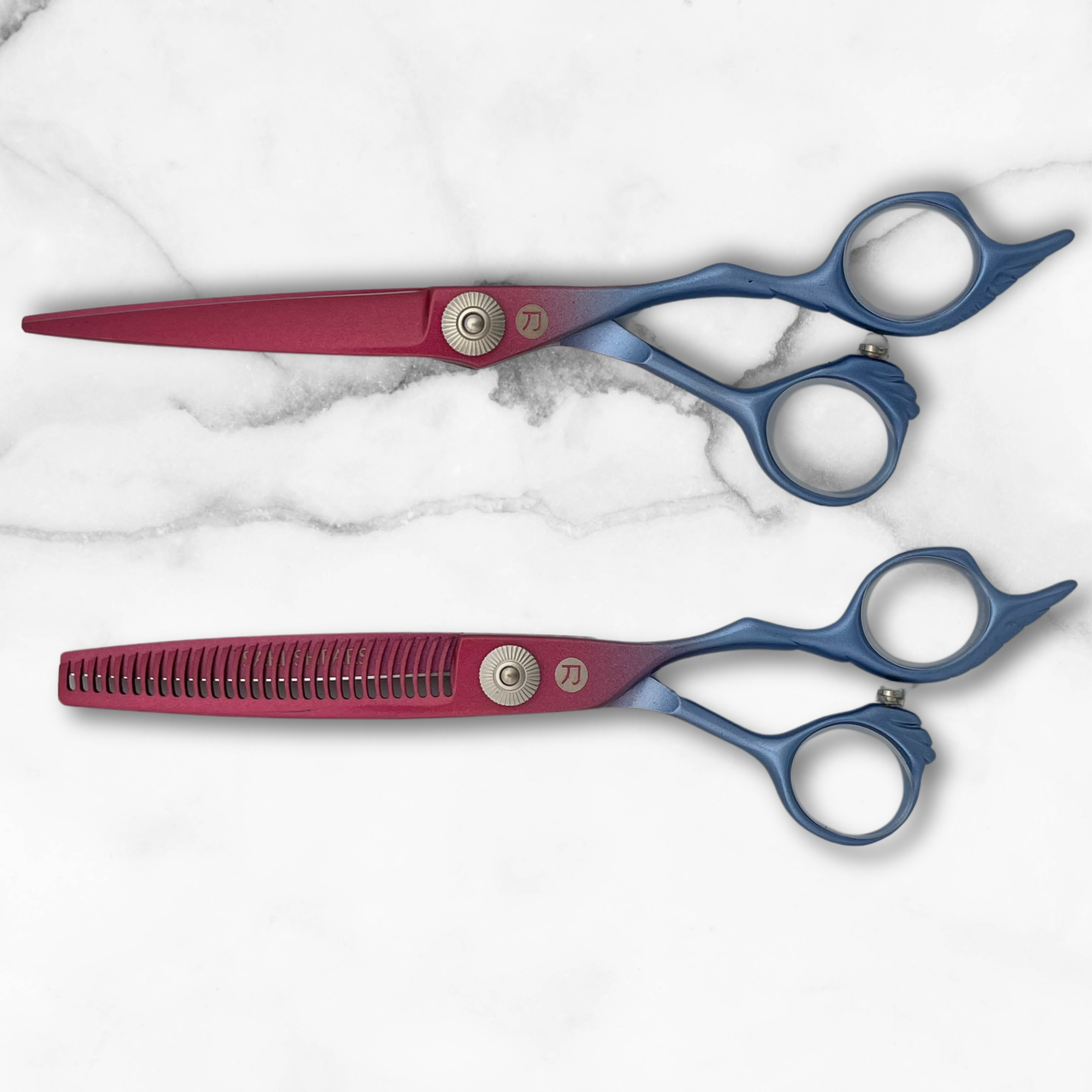
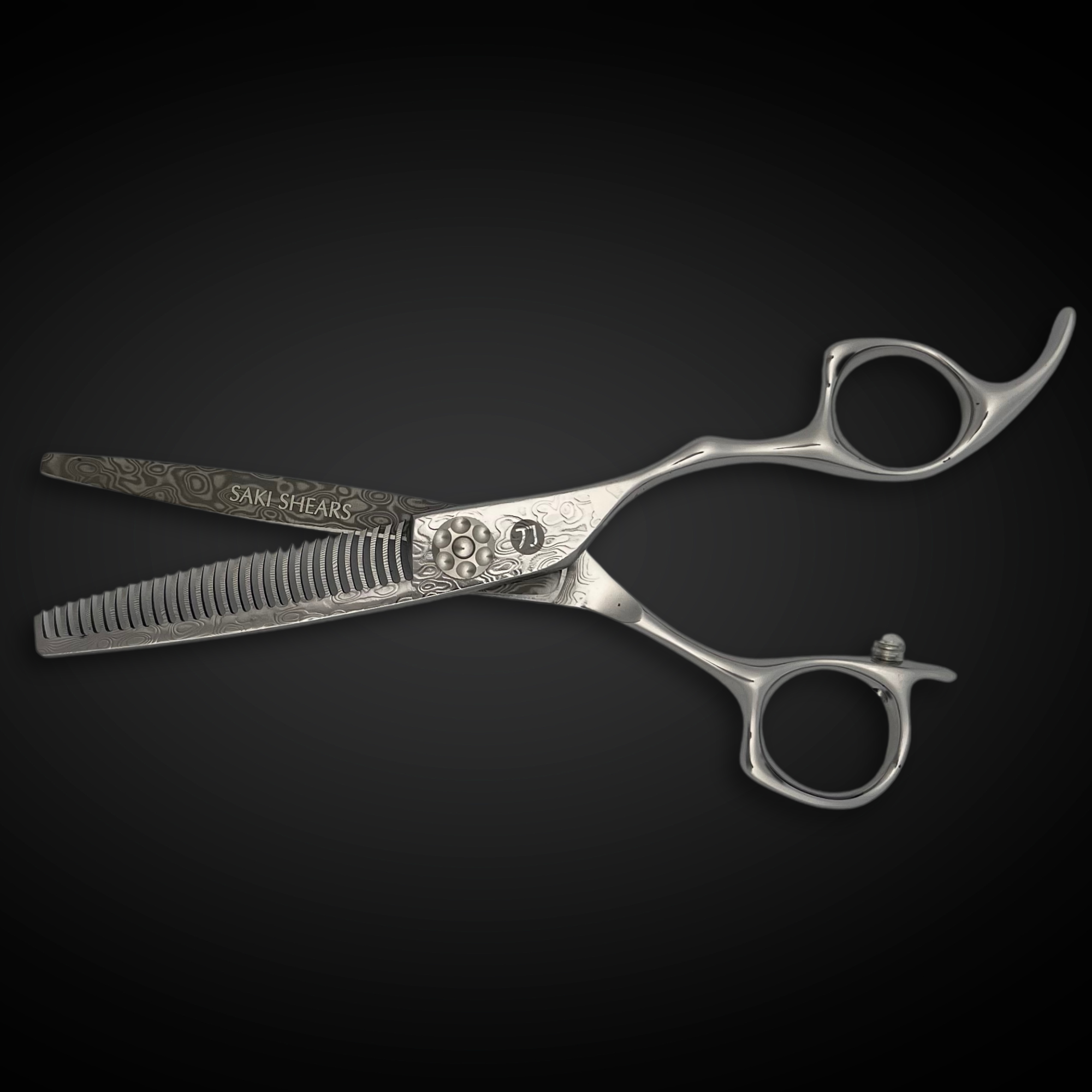
When you're ready to compare options by length and edge type, our full range is in the hair cutting shears collection, and if your kit also needs a thinning shear for blending and texture removal, see the thinning shears and scissors collection. For stylists who want a precision shear and a texturizing shear sized to match each other, a matched shear set is worth a look.

Written by Charles Harris