Straight Razor Fundamentals: Blade Types, Stropping, and Safety for Barbers
Ask ten barbers why they still keep a straight razor in rotation and most will give you the same two reasons: nothing cuts a cleaner neckline, and nothing finishes an edge-up as sharply. The straight razor isn't nostalgia — it's a precision tool that clippers and shears can't fully replace for certain finishing work. Here's what every barber should understand about blade types, edge maintenance, and safe use before putting one to a client's skin.
Traditional blade vs. shavette
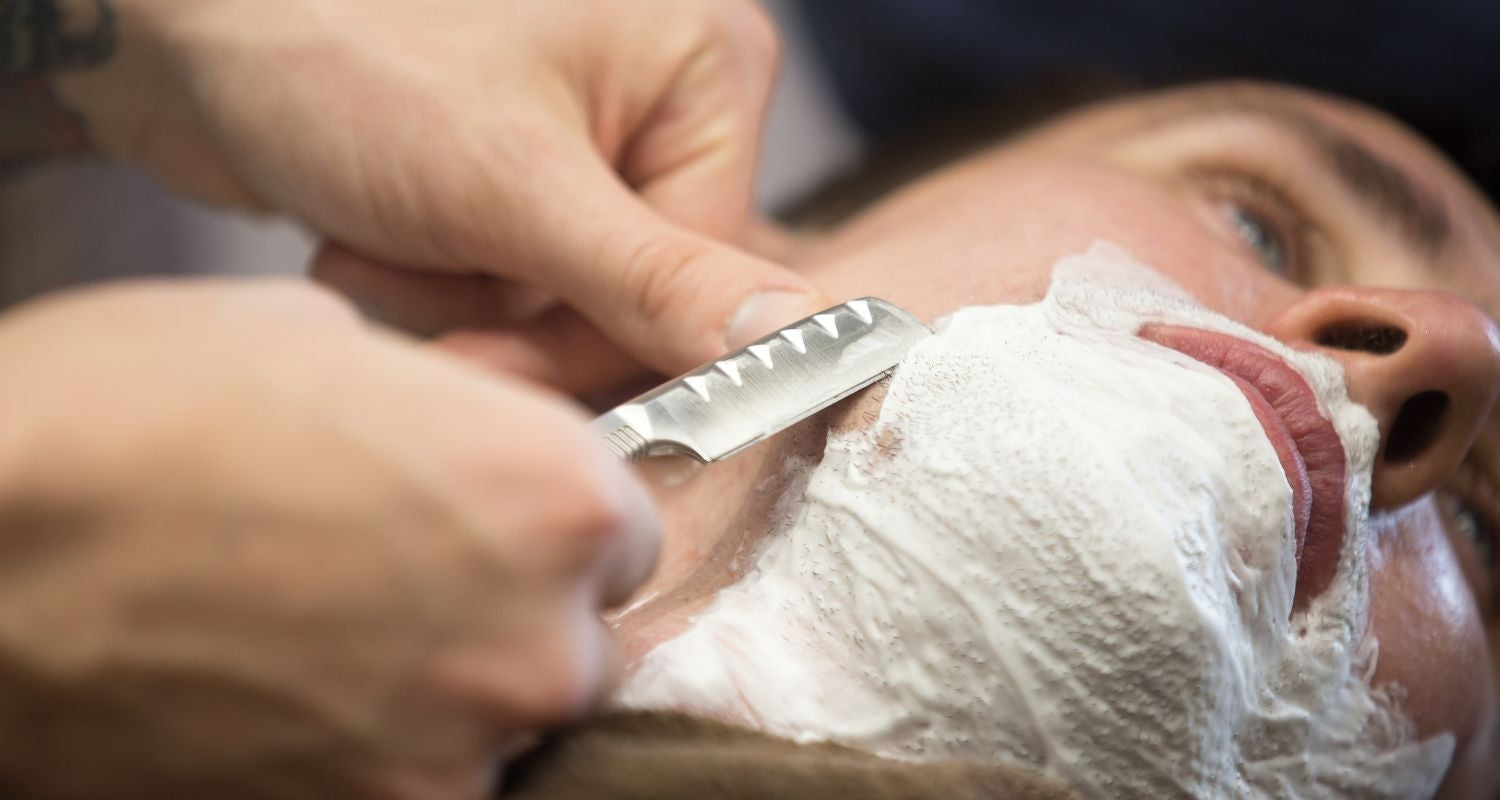
There are two practical categories of straight razor in a modern shop. A traditional straight razor has a fixed, honable edge ground into a single piece of steel; it holds an edge for a long time but requires periodic honing and regular stropping to stay sharp between uses. A shavette, or replaceable-blade razor, holds a disposable single- or double-edged blade in a holder shaped like a straight razor. Shavettes solve the sanitation question outright — a fresh blade every client, no honing required — which is why many state boards and shops favor them for guest-facing work. Traditional razors reward the barber willing to maintain an edge, and plenty still prefer the feel and control of a full blade, especially for extended outline and shave work.
Stropping and honing aren't the same thing
These two terms get used interchangeably and they shouldn't be. Honing removes metal to create or restore an edge — it's what you do on a whetstone when a blade has gone dull or developed a rolled edge. It's infrequent, typically every few weeks to months depending on use, and it's easy to overdo if you're not experienced with the angle and pressure involved. Stropping doesn't remove metal at all; it realigns the microscopic edge of the blade on leather and should happen before every single use. A blade that's honed but never stropped will shave rough. A blade that's stropped constantly but never honed will eventually stop responding to stropping and need a full resharpening. Shavette users skip both steps, since the blade is disposable and comes pre-honed — it's simply replaced when it dulls.
Safety habits that matter more than technique
Cross-contamination is the real risk with any blade that touches skin. If you're running a traditional razor, that means a dedicated, cleaned, and disinfected blade or razor per client per your local board's requirements, or a shavette with a fresh blade broken out in front of the client. Beyond sanitation: always cut away from your guide hand, keep the skin taut with your non-cutting hand rather than relying on blade angle alone to manage it, and go slower around the temple, jaw, and behind the ear, where there's less give and more risk of nicking. A dull or improperly stropped blade is more dangerous than a sharp one — it takes more pressure to cut, and more pressure means less control.
Where the razor still earns its place
Clippers and shears leave a soft, slightly textured line no matter how tight the guard or how sharp the blade — that's simply how a cutting edge moving through hair against a comb or guard behaves. A razor against stretched skin leaves a crisp, defined line with none of that texture, which is why most barbers reach for one specifically for necklines and the outline around the ears, not for cutting hair on the head. It's also standard for finishing detail work: sharpening a part line, cleaning up a beard edge, or taking down stray hairs a clipper can't reach without regrading the whole area. Used this way, the razor isn't competing with clippers and shears — it's doing the small percentage of the job neither of them can do as cleanly.
Building the habit
If you're new to straight razor work, start with a shavette while you build hand control and comfort with the angle. It removes the honing and stropping learning curve and the sanitation question at the same time, and it's the more forgiving option to practice necklines on. Once the motion is second nature, decide whether a traditional razor's maintenance routine is worth it for how you work. Either way, the fundamentals don't change: keep the edge properly maintained, keep the skin taut, and treat every pass with the same care you'd want used on your own neck. Browse our razor and blade options to find the setup that matches your workflow.