How to Choose the Right Hair Cutting Shear Length
Shear length affects everything from wrist fatigue to how cleanly you execute a technique. A shear that is too long for your hand forces you to open the blades wider than necessary, which slows your cutting rhythm and strains your thumb and wrist over a full day of appointments. A shear that is too short can limit your reach on bulkier sections, forcing extra passes to clear the same amount of hair. Length is not just a matter of preference; it is a working tool decision that affects speed, consistency, and long-term hand health.
Matching Shear Length to Hand Size
Most hair cutting shears fall between 5.0" and 7.0", with 5.5" and 6.0" covering the bulk of daily use for most stylists and barbers. As a starting point, measure from the tip of your middle finger to the base of your palm:
- Smaller hands (under 7") typically pair best with 5.0"-5.5" shears
- Average hands (7"-7.5") usually handle 5.5"-6.0" comfortably
- Larger hands (over 7.5") often prefer 6.0"-7.0" for better leverage
These ranges are a starting point, not a rule. Two stylists with identical hand measurements can prefer different lengths depending on grip style, finger insert placement, and how much finger extension they use while cutting. The most reliable test is holding the shear and running it through open-and-close motions for several minutes; fatigue and control issues show up quickly if the fit is wrong.
Length and Cutting Technique
The technique you use most often should weigh as heavily as hand size when choosing length.
Slicing benefits from a longer blade, typically 6.0" and up, because slicing relies on a longer, continuous blade path through the hair to remove weight gradually. A shorter shear forces more frequent repositioning mid-slide, breaking up the smoothness of the cut.
Blunt cutting, where you are working across a clean horizontal or diagonal line, works well with mid-length shears (5.5"-6.5"). The extra blade length lets you cut a longer section in a single closure, keeping the line consistent without excessive re-sectioning.
Precision and detail work, such as texturizing around the ears, cutting fringe, point cutting, or working close to the skin, calls for a shorter shear, usually 5.0"-5.5". Short shears give tighter control in small movements and reduce the risk of over-cutting in tight areas.
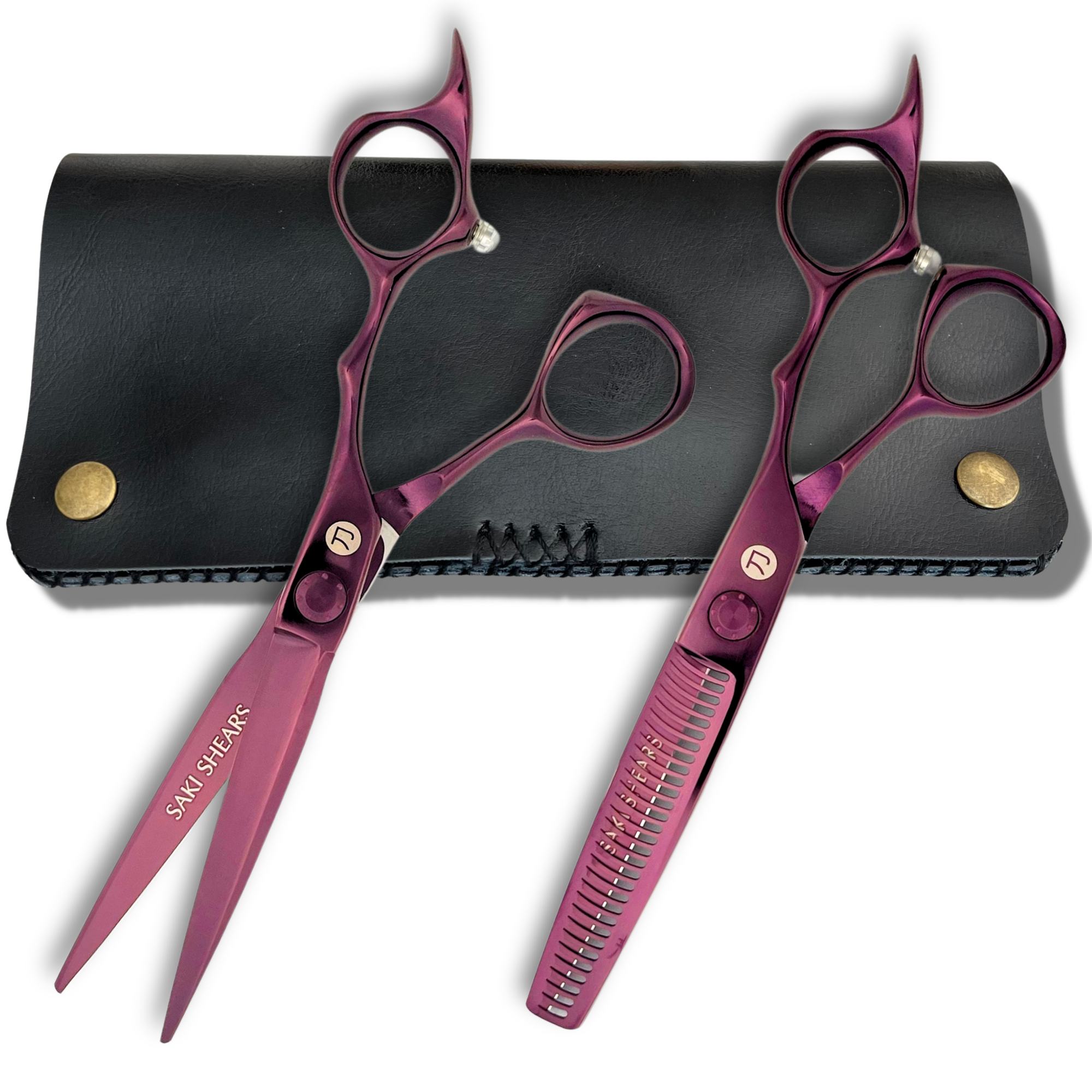
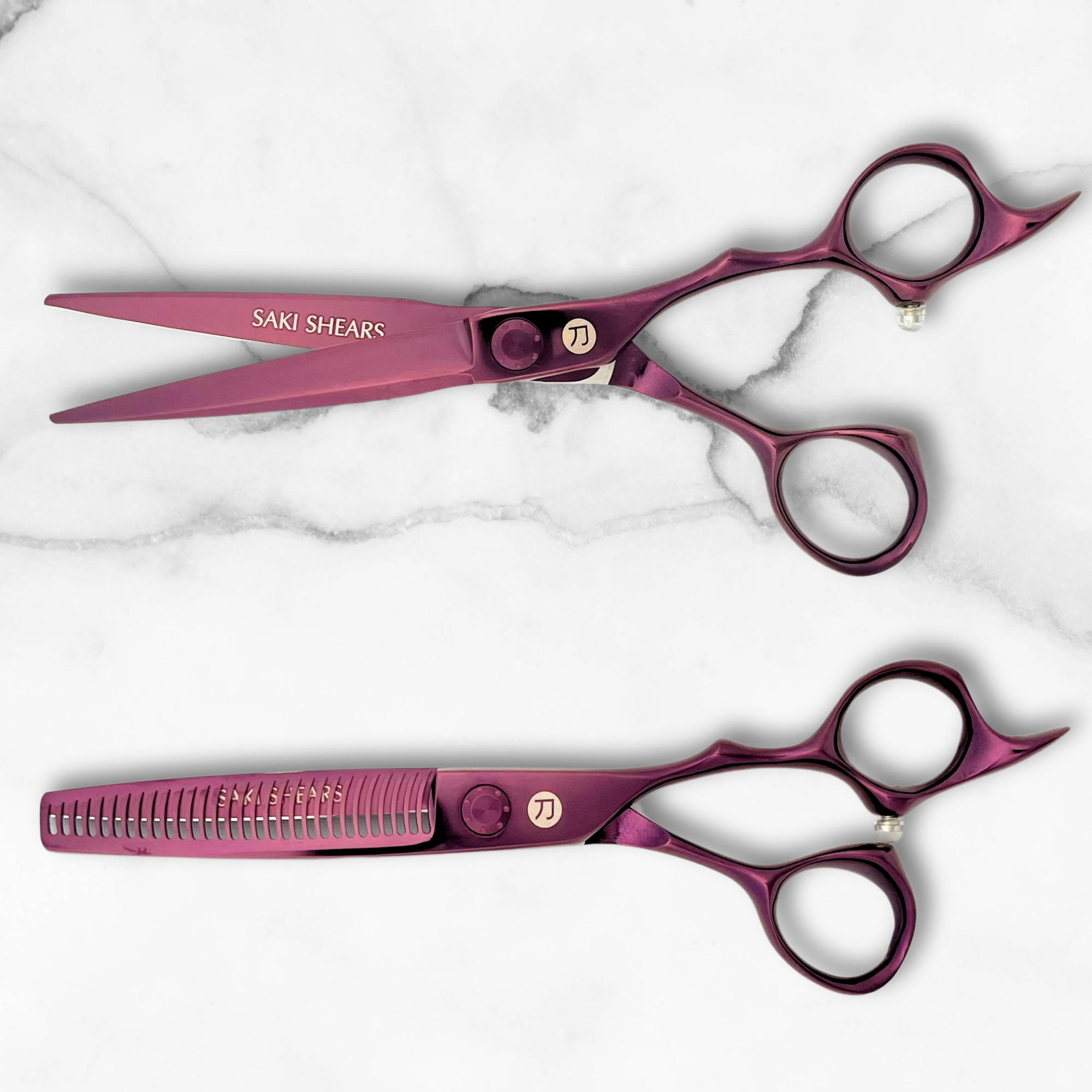
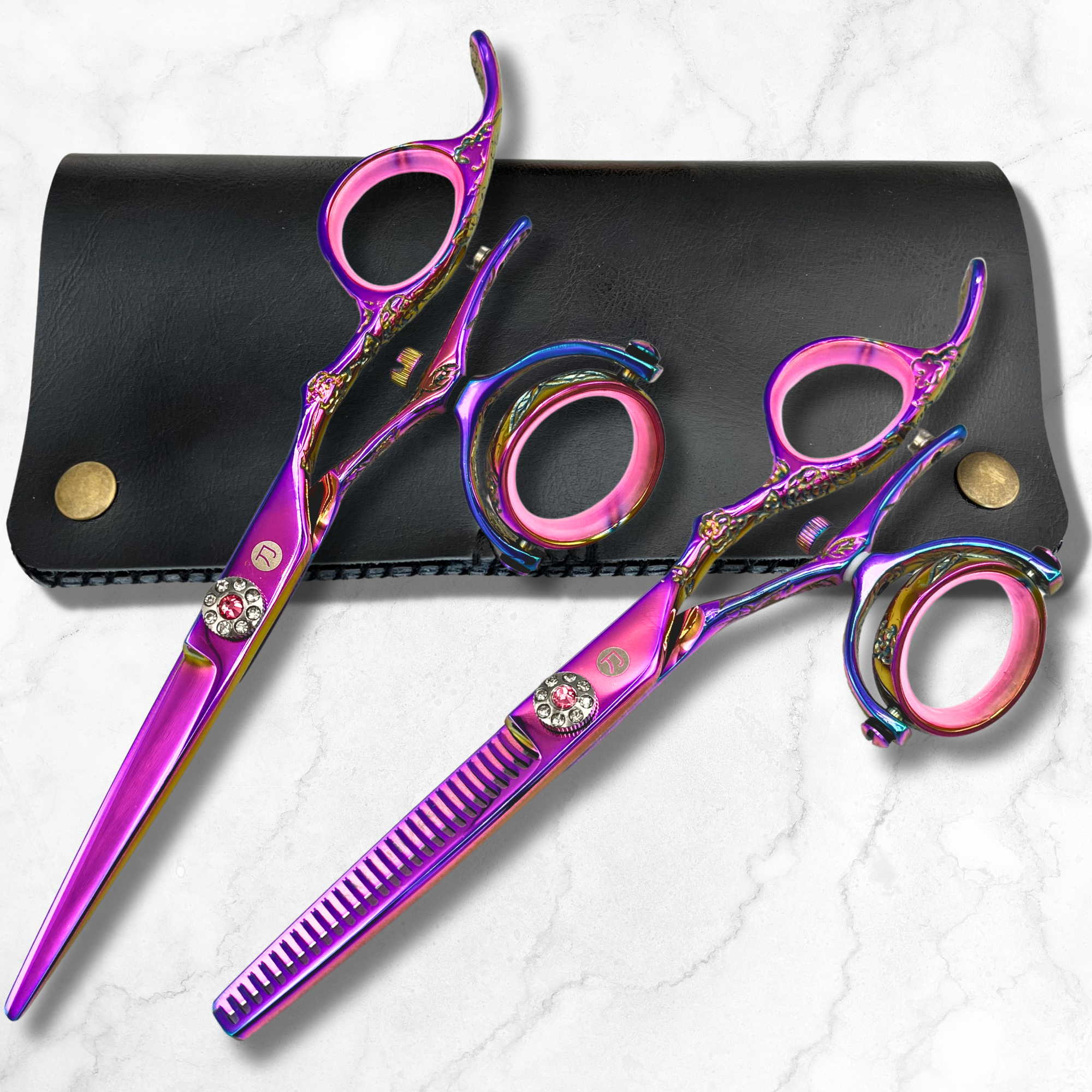
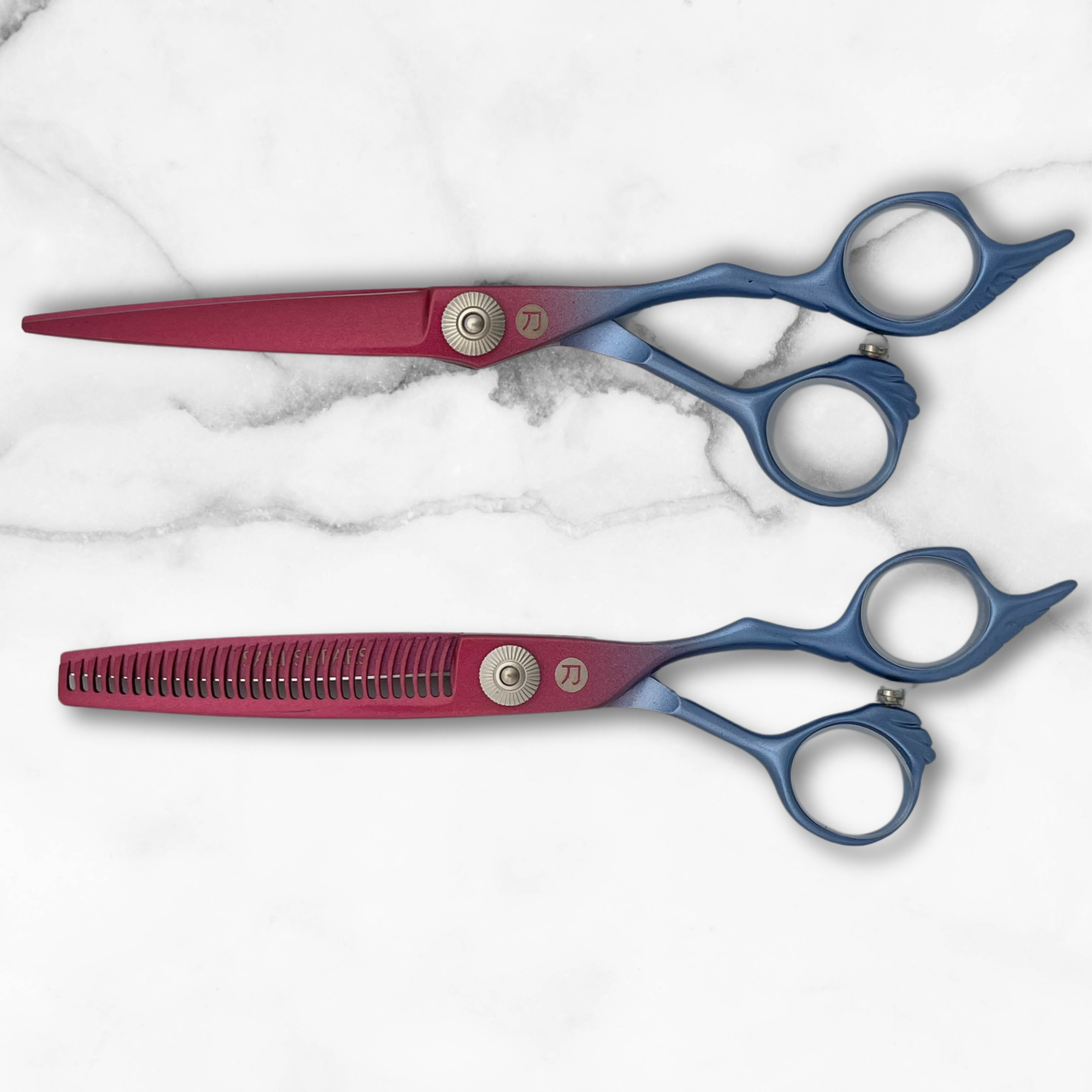
Many working stylists keep at least two lengths in rotation for this reason: a longer shear for bulk removal and slicing, and a shorter one for finish work. If you are building out a kit rather than buying a single all-purpose shear, a shear set that pairs two complementary lengths can cover both ends of a service without a large investment in separate purchases.
Barber vs. Salon Use
Barbering work, including fades, tapers, clipper-over-comb, and a high volume of short cuts, tends to favor shorter shears in the 5.0"-5.5" range, since most of the cutting happens in tight spaces around the head and neck where control matters more than reach. Barbers also cut more often alongside clippers and combs, so a compact shear that does not crowd the working hand is usually the more practical choice.
Salon work covers a wider range of services, including long-layer haircuts, slicing, blunt bobs, and extension work, and salon stylists often gravitate toward 5.5"-6.5" shears that can handle longer sections without repositioning. Stylists who do heavy volume or updo work may also keep a longer shear specifically for slicing through extended lengths.
Neither environment locks you into one length. The deciding factor is still the mix of services you perform most, not the setting itself.
Finding Your Fit
If you are unsure where to start, try a few lengths from a colleague's kit or test shears in person before buying; length preference is genuinely personal and depends on grip, hand size, and the techniques you rely on most. Once you know your range, browse a full hair cutting shears lineup to compare lengths side by side rather than guessing from a spec sheet alone.

Written by Charles Harris