How to Care and Maintain Your Hair Cutting Scissors
Hair cutting shears are a significant investment, and the difference between a shear that lasts for years and one that wears out early usually comes down to daily habits rather than the quality of the steel. The practices below focus on longevity: what to do after every cut, how to store your shears between clients, and when to hand them off to a professional rather than trying to fix a problem yourself.
Dry your shears after every cleaning
Wipe the blades down after each client to remove hair, product residue, and moisture, and never put a shear away wet. Moisture left on the blade — even the thin film left behind by a damp towel or alcohol wipe — is one of the fastest ways to introduce corrosion and pitting on the cutting edge. Use a clean, dry cloth to wipe both blades from the pivot toward the tip after wiping them down, and let them air-dry fully before closing them into a case. If you use an alcohol or disinfectant wipe between clients, follow it with a dry cloth pass; disinfectant left to evaporate on its own can leave residue that affects the edge over time.
Protect shears from drops and impact
A drop onto a hard floor is one of the most common ways a shear's edge gets chipped or its pivot gets knocked out of alignment, and both problems can be expensive or impossible to fully correct. Keep a wrist strap or finger tether in the habit of use when you're cutting, especially during fast sectioning work, so a shear can't slip out of your hand. Set shears down on a stable, flat surface rather than balancing them on the edge of a station, and keep them off the floor entirely — even a case sitting on the ground is more likely to get kicked or stepped on.
Store shears properly between uses
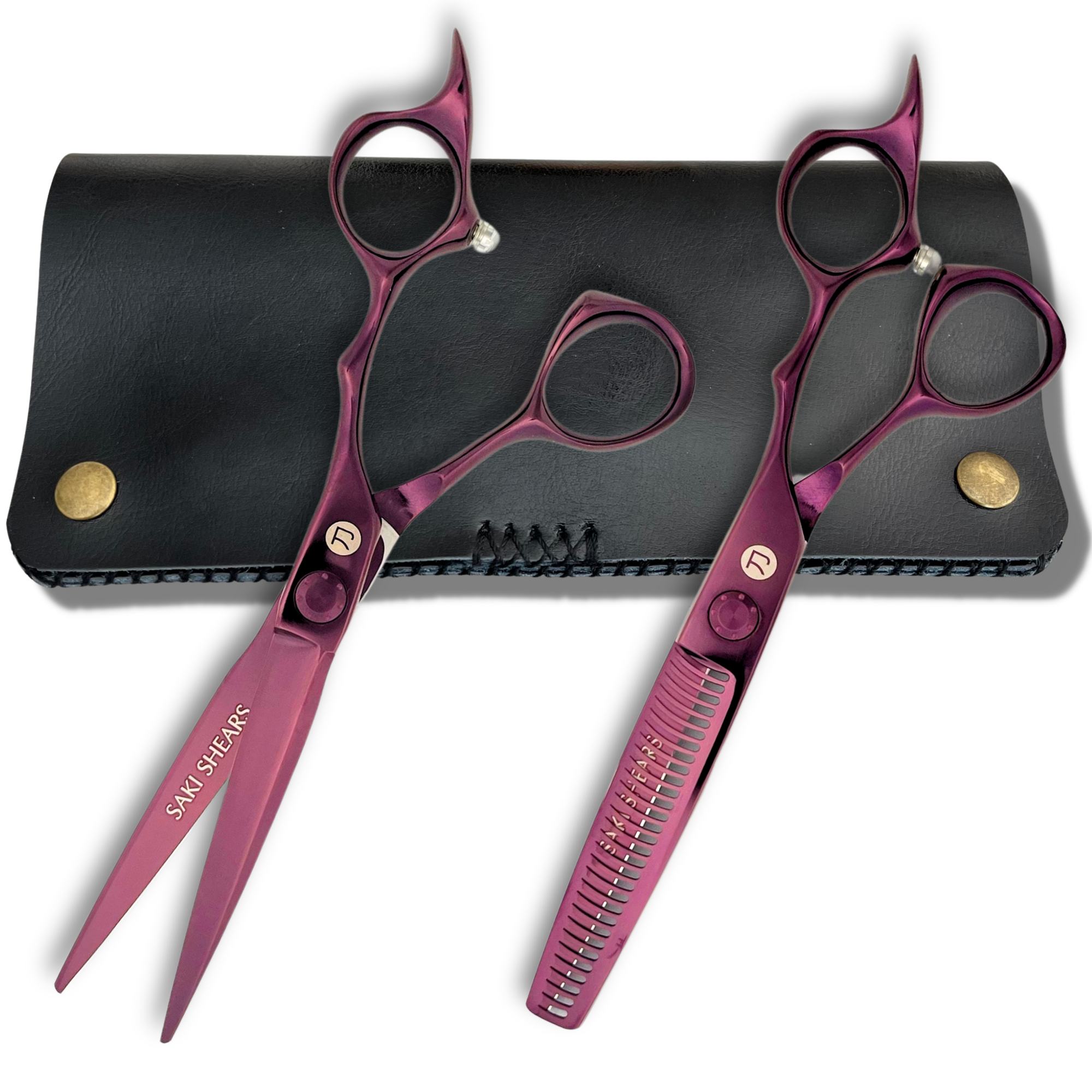
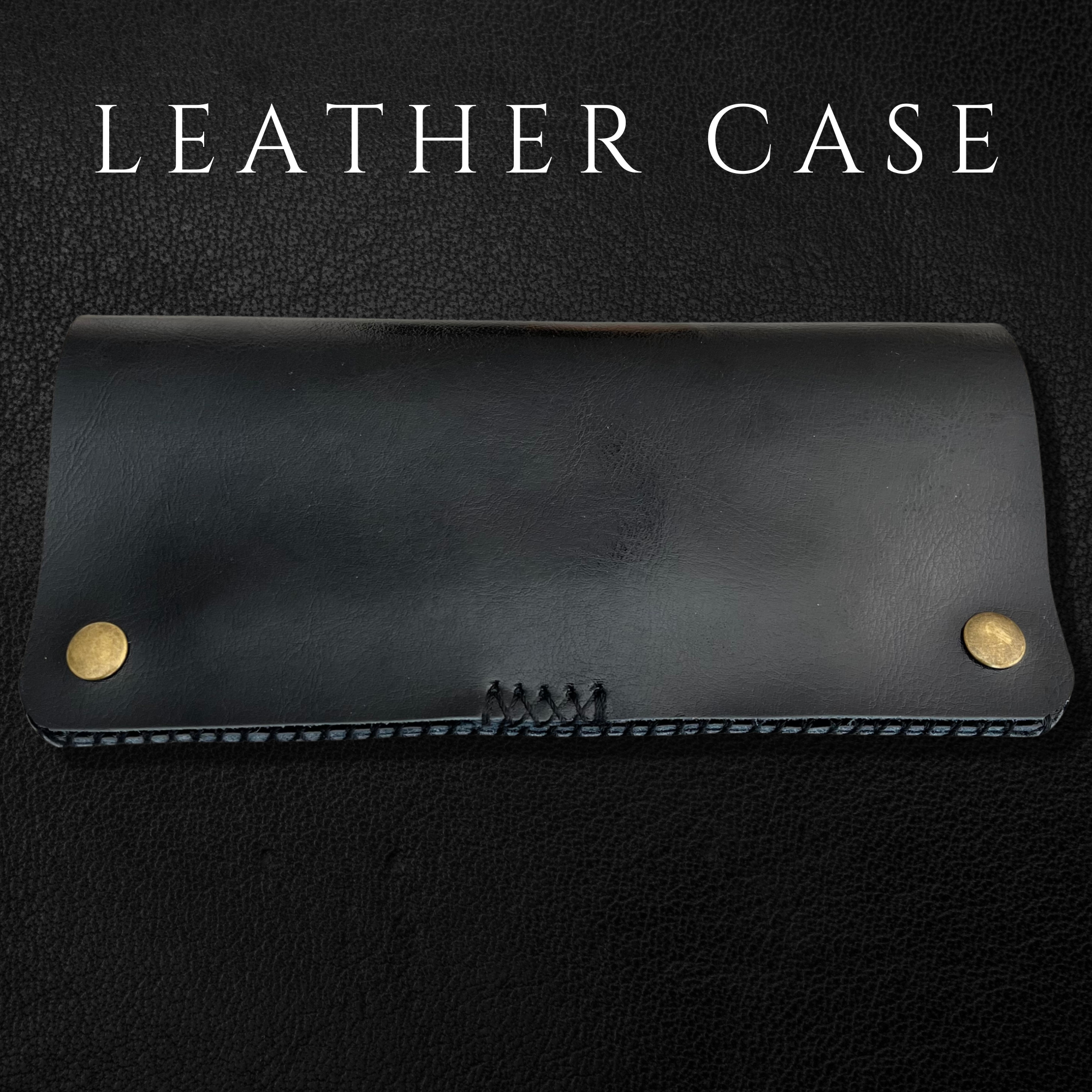
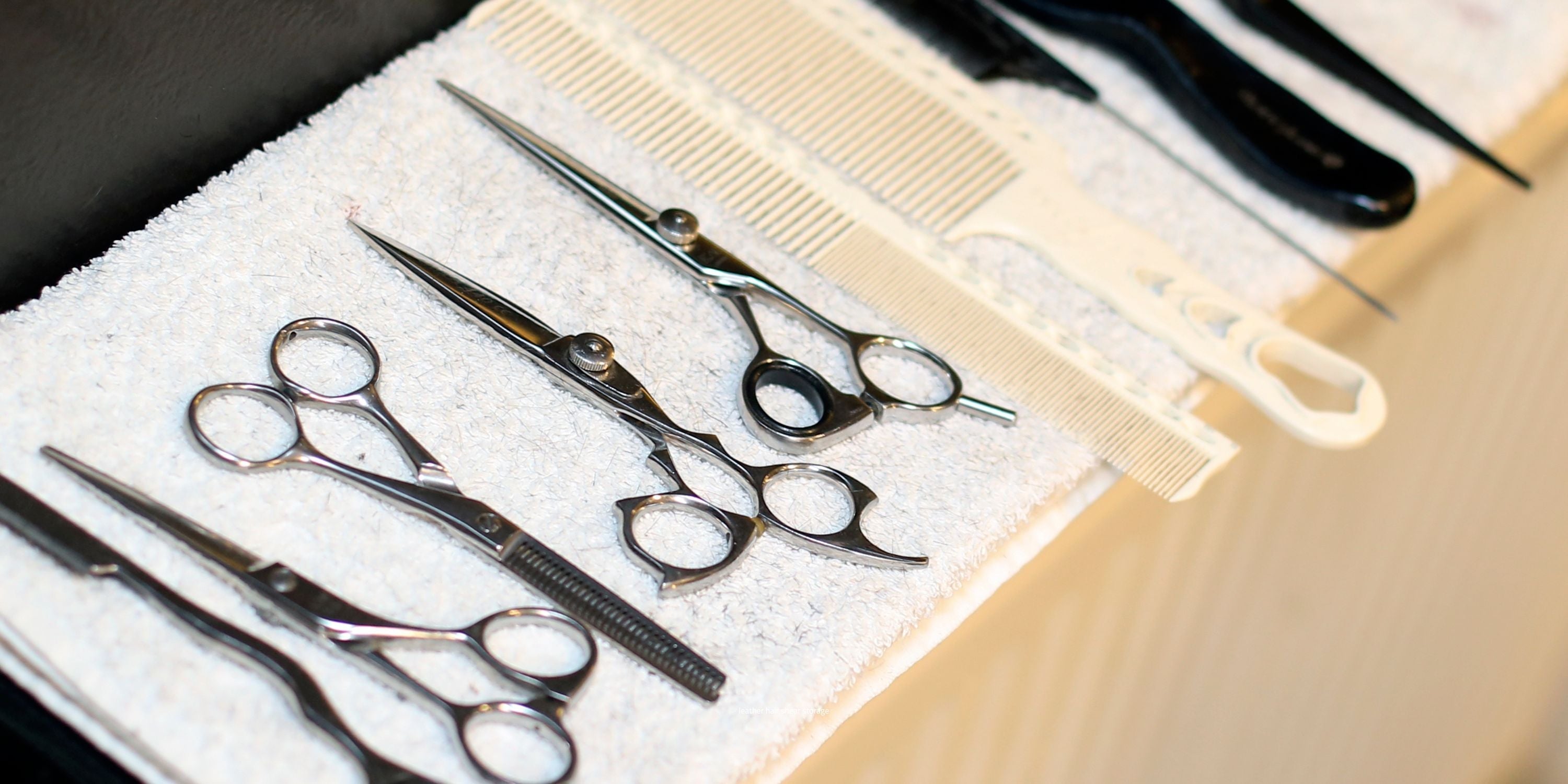
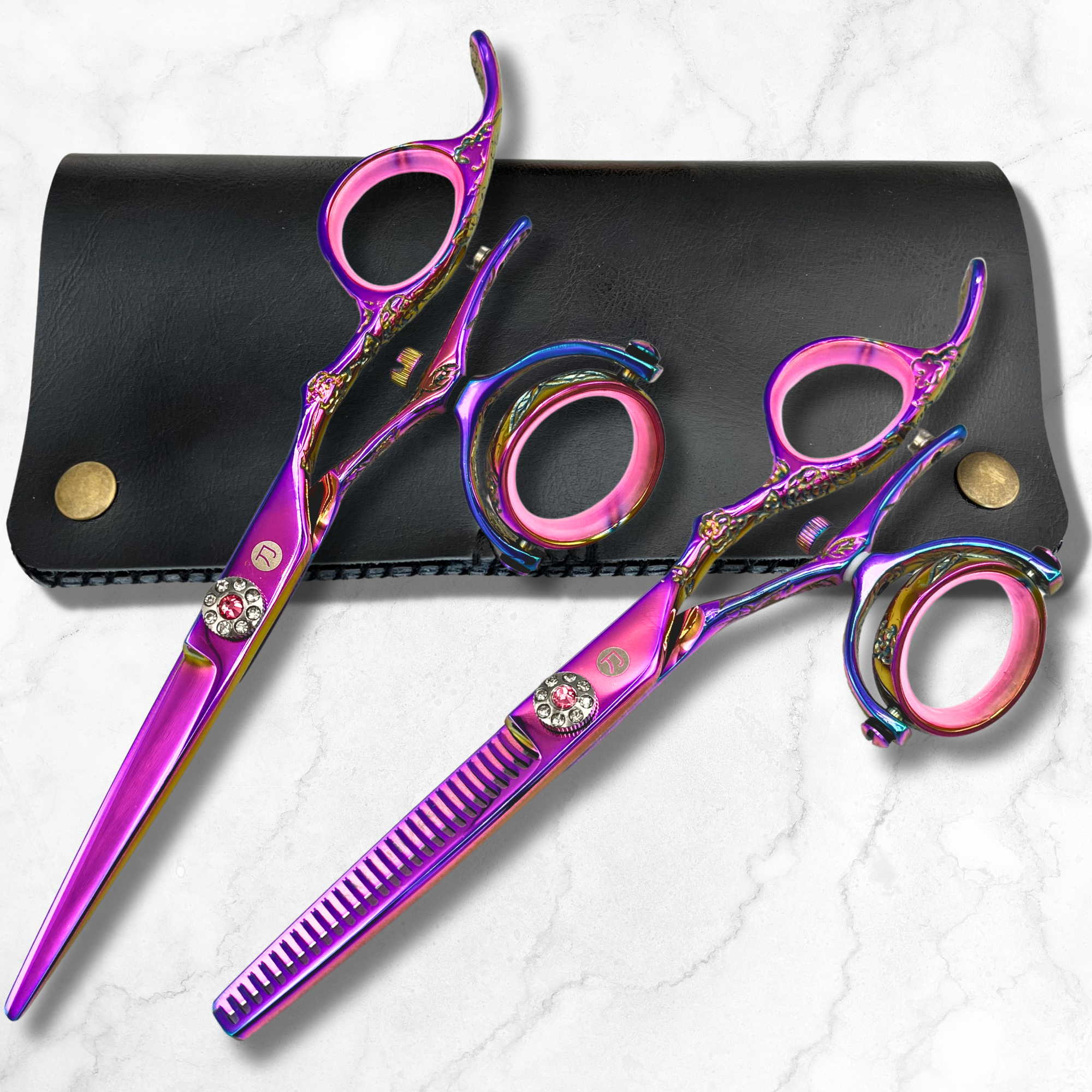
A dedicated case or shear roll protects the blades from dust, from contact with other tools, and from the kind of incidental scratching that happens when shears are tossed loose into a drawer. Store each shear separately from other metal tools so the blades don't rub against each other or against clippers and combs. If your case has individual slots, use them — shears sliding around loose in a bag are far more likely to nick each other's edges. Keep the case somewhere with stable humidity; damp environments accelerate corrosion even on shears that are otherwise well maintained.
Know when to send shears out for sharpening
Trying to restore a dull or damaged edge yourself, without the right equipment and experience, more often does harm than good — an improperly sharpened shear can lose its factory bevel angle, which permanently changes how it cuts. Watch for the signs that it's time to send a shear to a qualified sharpening service: pushing or bending hair instead of slicing cleanly through it, an audible dull or crunching sound during dry cuts, or visible nicks along the edge. Establishing a routine sharpening schedule with a trusted service, rather than waiting until performance clearly suffers, keeps the edge geometry consistent and extends the shear's working life. Between professional sharpenings, a honing stone or strop can help maintain the edge, but it isn't a substitute for periodic sharpening by someone with the right tools.
Use shears only for hair
It's tempting to reach for the nearest pair of scissors on the station, but cutting anything other than hair — paper, tape, foil, extensions with metal or synthetic fibers, or clothing tags — will dull or chip a hair shear far faster than normal use. Foil and extension work in particular can introduce materials your shear wasn't designed to cut, so keep a separate utility pair on hand for anything that isn't hair. This single habit is one of the most effective ways to protect an edge between sharpenings.
Daily maintenance checklist
- Wipe and fully dry blades after every client
- Apply a drop of shear oil at the pivot regularly so the mechanism moves freely
- Store in a dedicated case or slot, away from other metal tools
- Use a wrist strap and a stable surface to avoid drops
- Reserve shears for hair only — keep a separate pair for foil, tape, or extensions
- Send shears to a professional sharpening service at the first signs of dulling
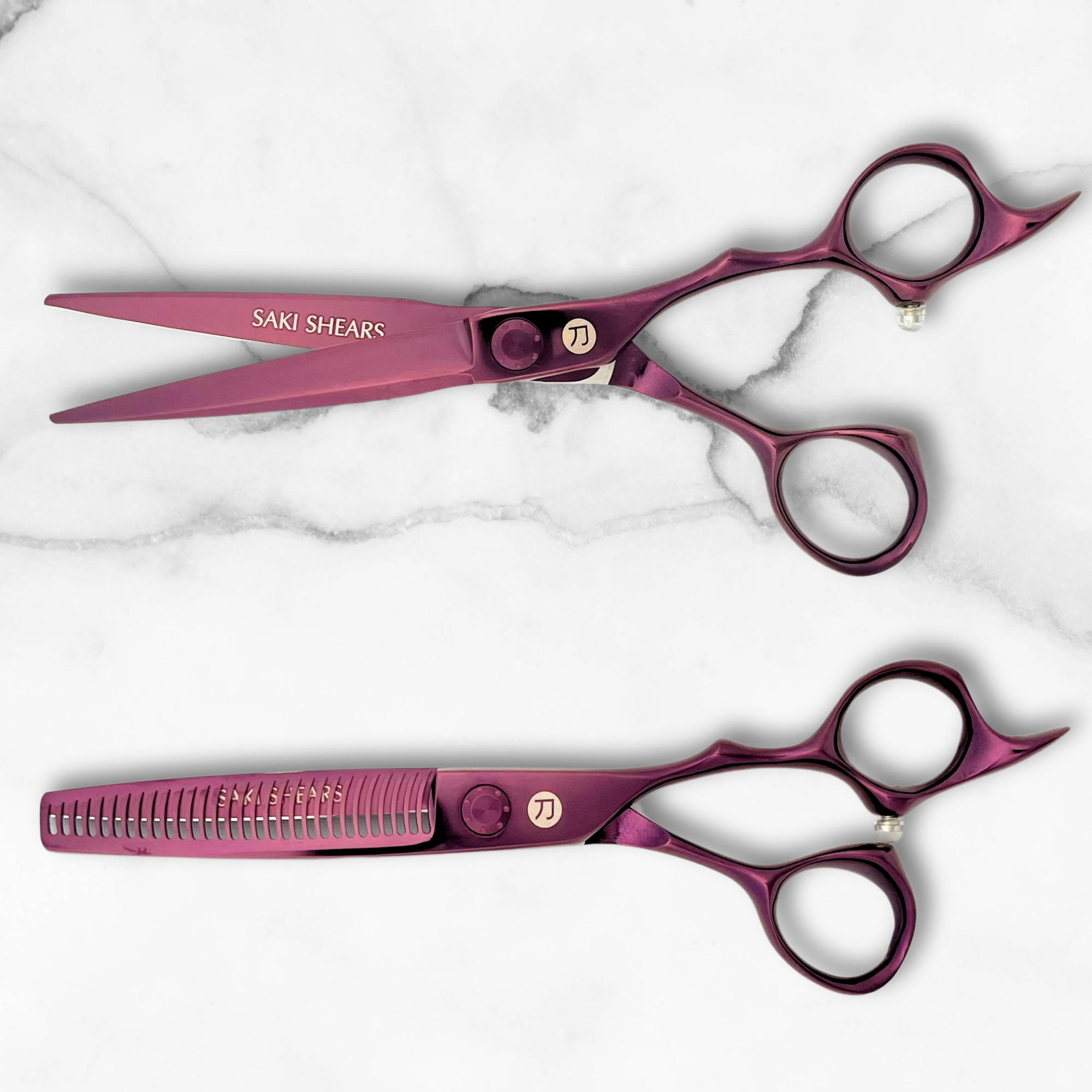
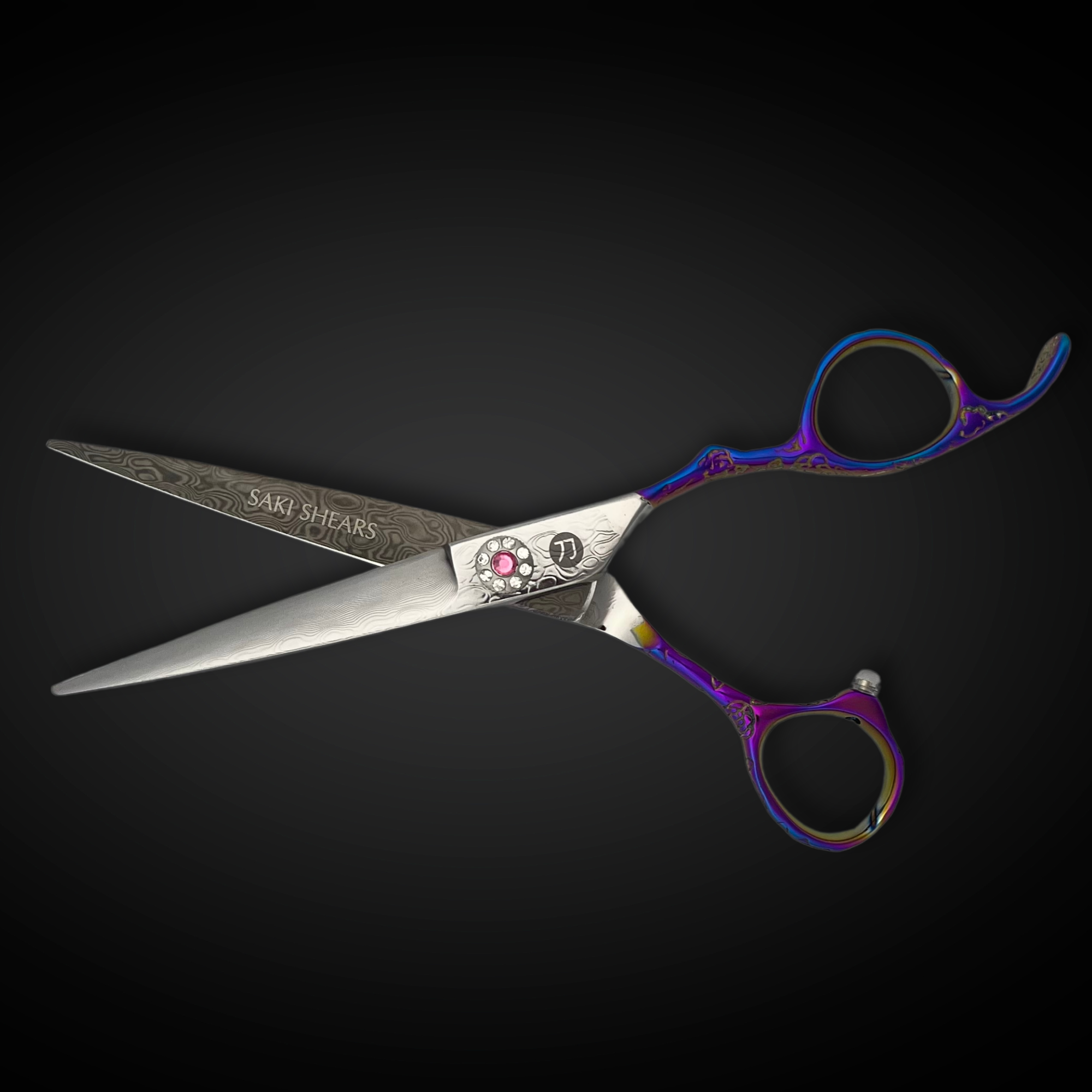
None of these habits take more than a few extra seconds per client, but together they're what separates a shear that performs well for years from one that needs early replacement. If you're evaluating your current kit or looking to add a well-built option, Saki Shears' hair cutting shears and full shear collection are organized by blade length and steel type to help you compare options suited to daily professional use.

Written by Charles Harris