Hair Shear Terminology FAQ: Quick Answers for Working Stylists
Shear Anatomy and Handle Types
What is the difference between offset and straight handles?
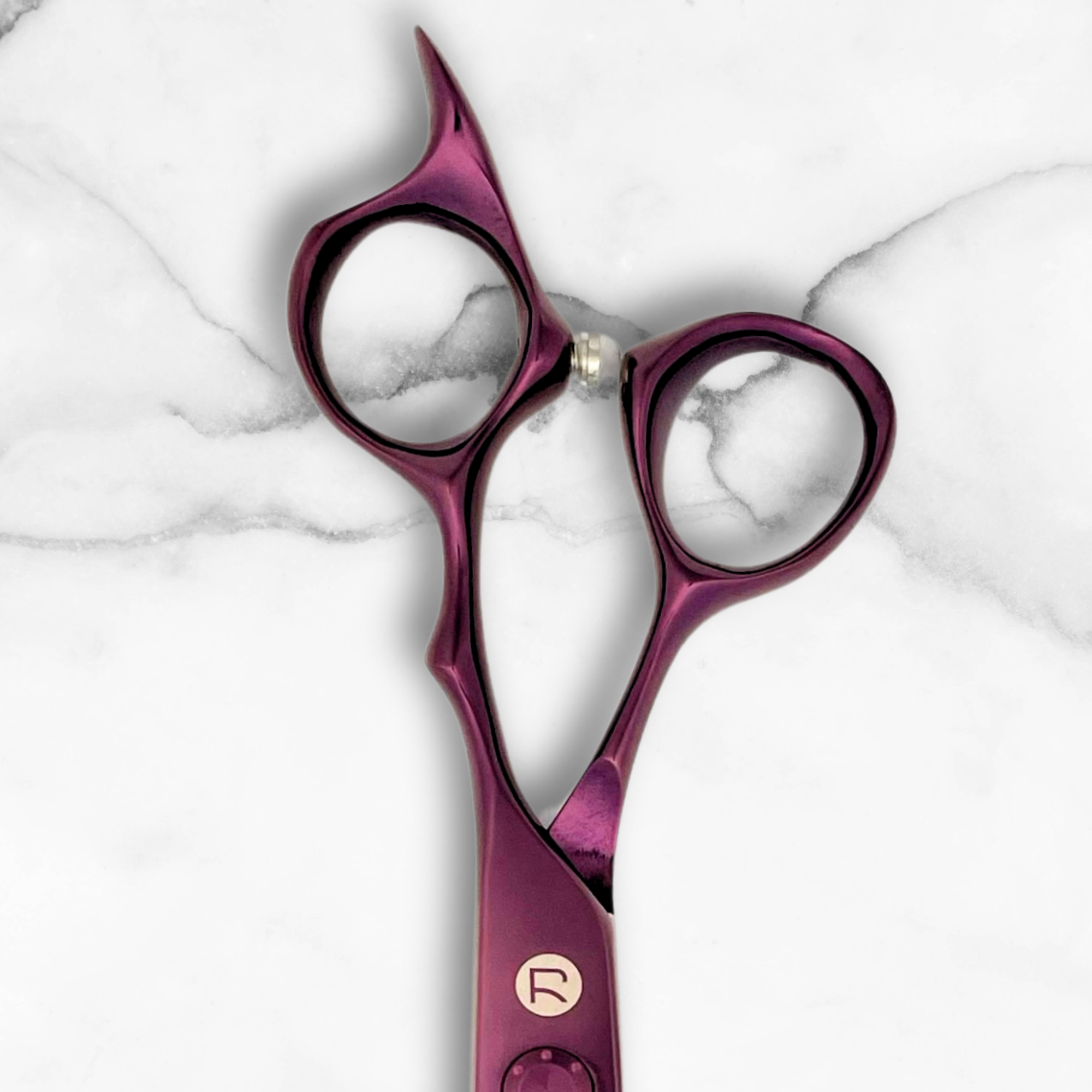
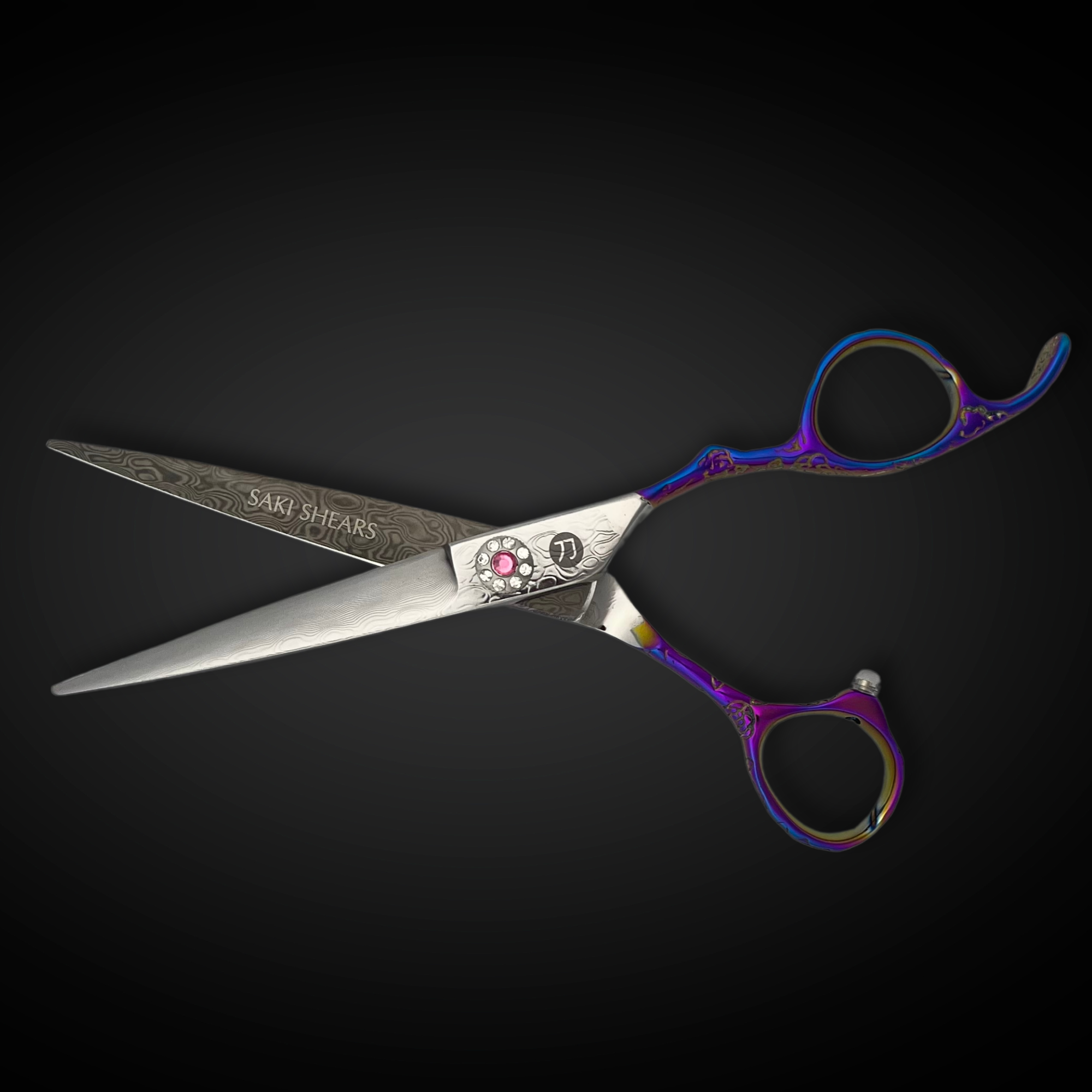
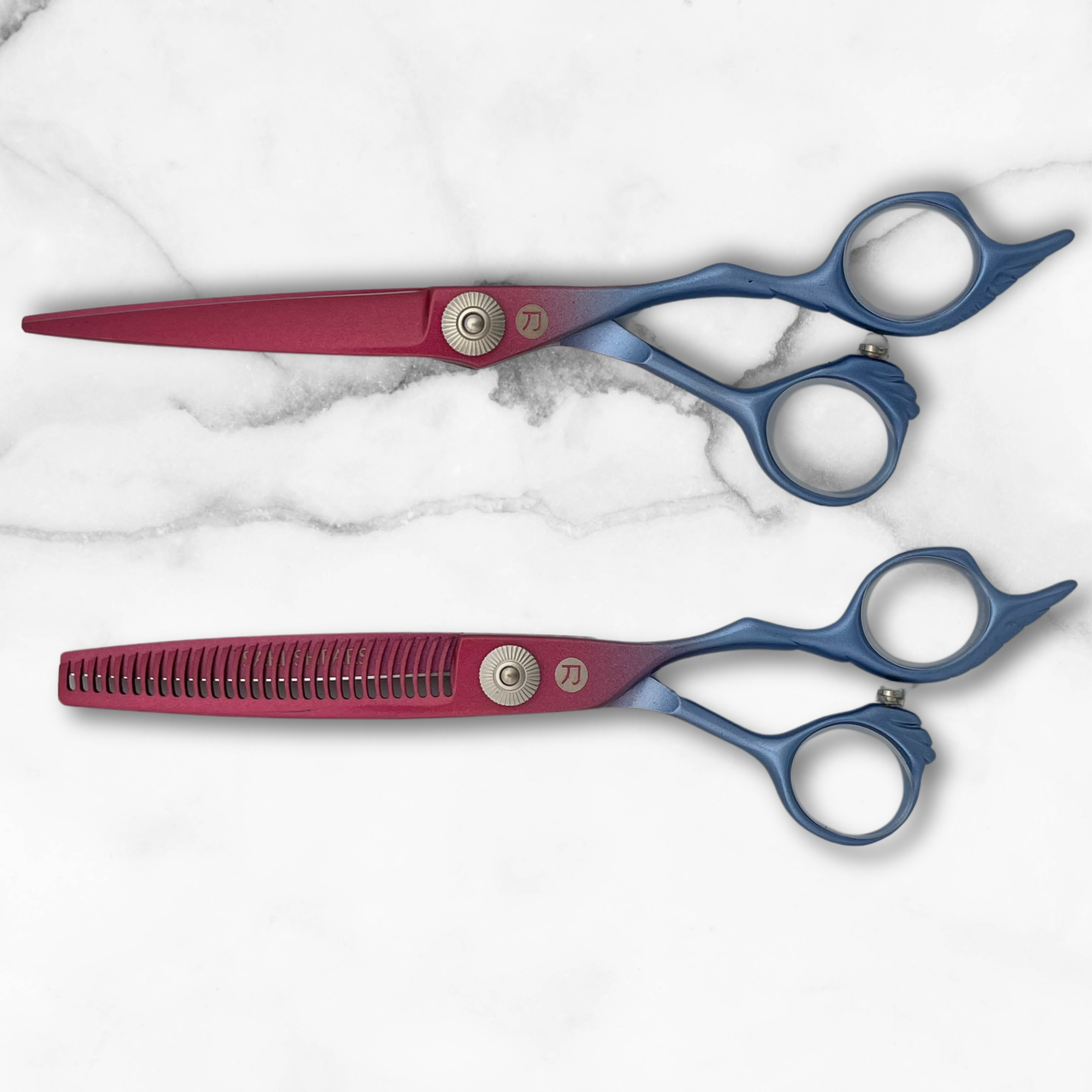
A straight handle has both finger holes aligned on the same axis, forcing the thumb up and back to meet the fingers. An offset handle shortens the thumb-side shank so the thumb sits lower and more forward, which keeps the wrist and forearm in a more neutral position during cutting. Most working stylists find offset or semi-offset handles reduce fatigue over a full shift compared to straight handles, though straight handles remain common in classic scissor-over-comb technique.
What does "crane handle" mean?
A crane handle is an exaggerated offset design where the thumb shank curves out and down more sharply, further reducing thumb elevation. It is popular for slicing and texturizing work where extended wrist rotation is common.
What is a swivel or rotating thumb, and who needs one?
A swivel thumb ring rotates independently of the shear body, allowing the thumb to move without twisting the whole hand. It is most useful for stylists doing heavy over-directed or slice-cutting work, or anyone managing existing wrist or thumb strain, since it removes some of the repetitive rotation load from the joint.
Blade Geometry and Edge Types
What does "convex edge" mean?
A convex edge is ground to a single continuous curve down to the cutting edge, rather than a flat beveled edge. This produces an extremely sharp, thin edge that shears through hair cleanly with less pushing or bending of the strand. Convex-edge shears require more specialized sharpening equipment and are generally considered higher maintenance but higher performance than beveled edges.
What is a beveled edge, and when is it preferable?
A beveled edge has a flatter angled grind rather than a curved one. It is more durable, easier to resharpen with standard equipment, and generally more forgiving of everyday wear — a reasonable choice for a heavy-use daily driver shear or for stylists newer to shear maintenance.
What is the difference between a serrated and a straight-edge shear?
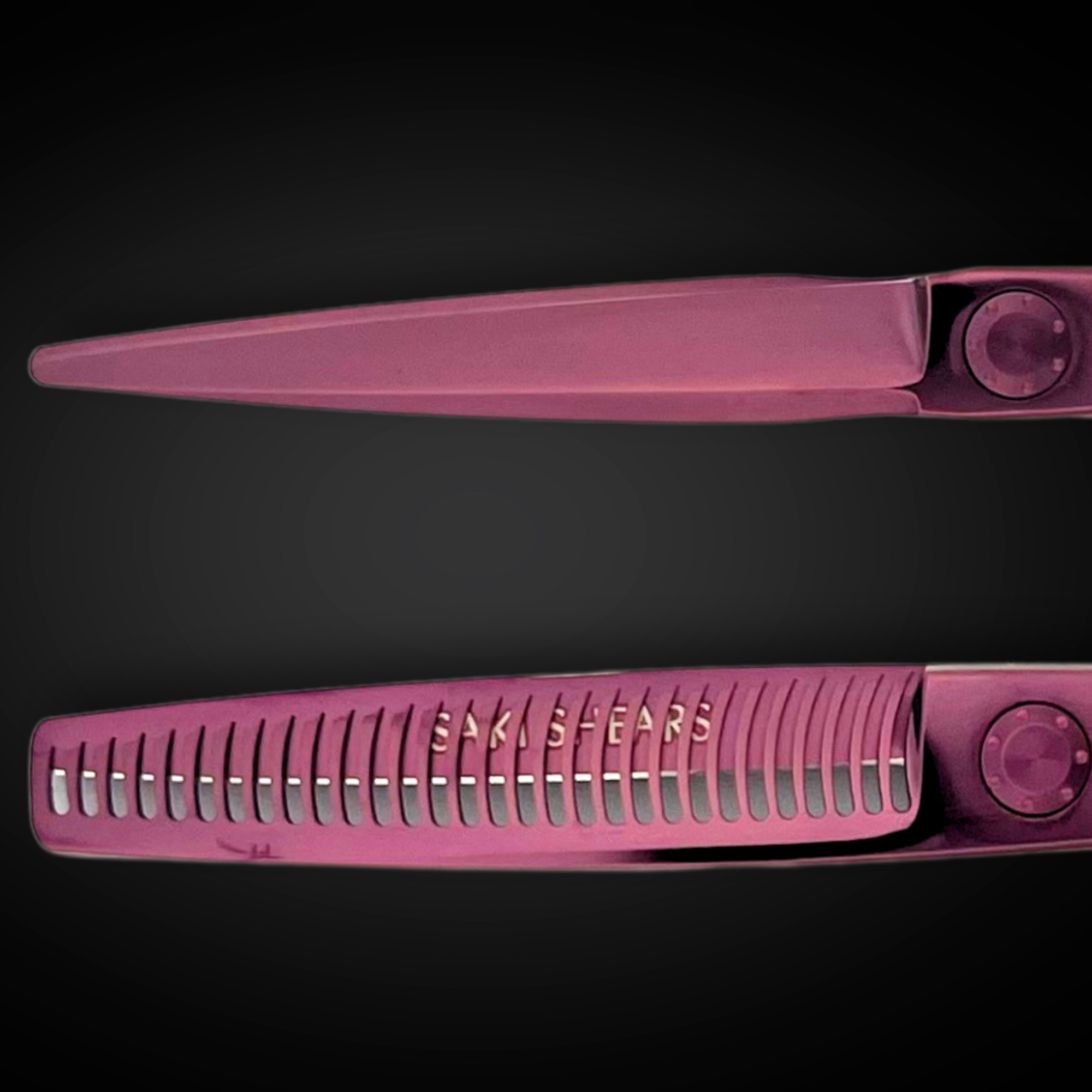
A serrated (micro-toothed) edge grips hair as it cuts, reducing slippage — useful for texturizing or for stylists who want more control at slower cutting speeds. A straight edge produces a cleaner, more precise line and is preferred for blunt cutting and precision work, but offers less grip on the hair during the cut.
Tension, Balance, and Fit
How should shear tension be set?
A simply reliable check: hold the shear vertically by the finger hole only, open to about a 45-degree angle, and let it fall closed under its own weight. It should close slowly and evenly, stopping just before fully shut, without snapping shut or stalling partway. Tension that is too loose causes the blades to bend hair rather than cut it cleanly; tension that is too tight accelerates edge wear and causes hand fatigue.
What shear length is appropriate for what work?
Shorter shears (around 5.0-5.5") generally offer more control for precision and detail work close to the head. Longer shears (5.75"-7") cover more surface area per stroke and suit blunt cutting, scissor-over-comb, and larger sectioning work. Many stylists keep at least one shear in each length range rather than relying on a single all-purpose size.
Thinning and Texturizing Shears
How is a thinning shear different from a texturizing shear?
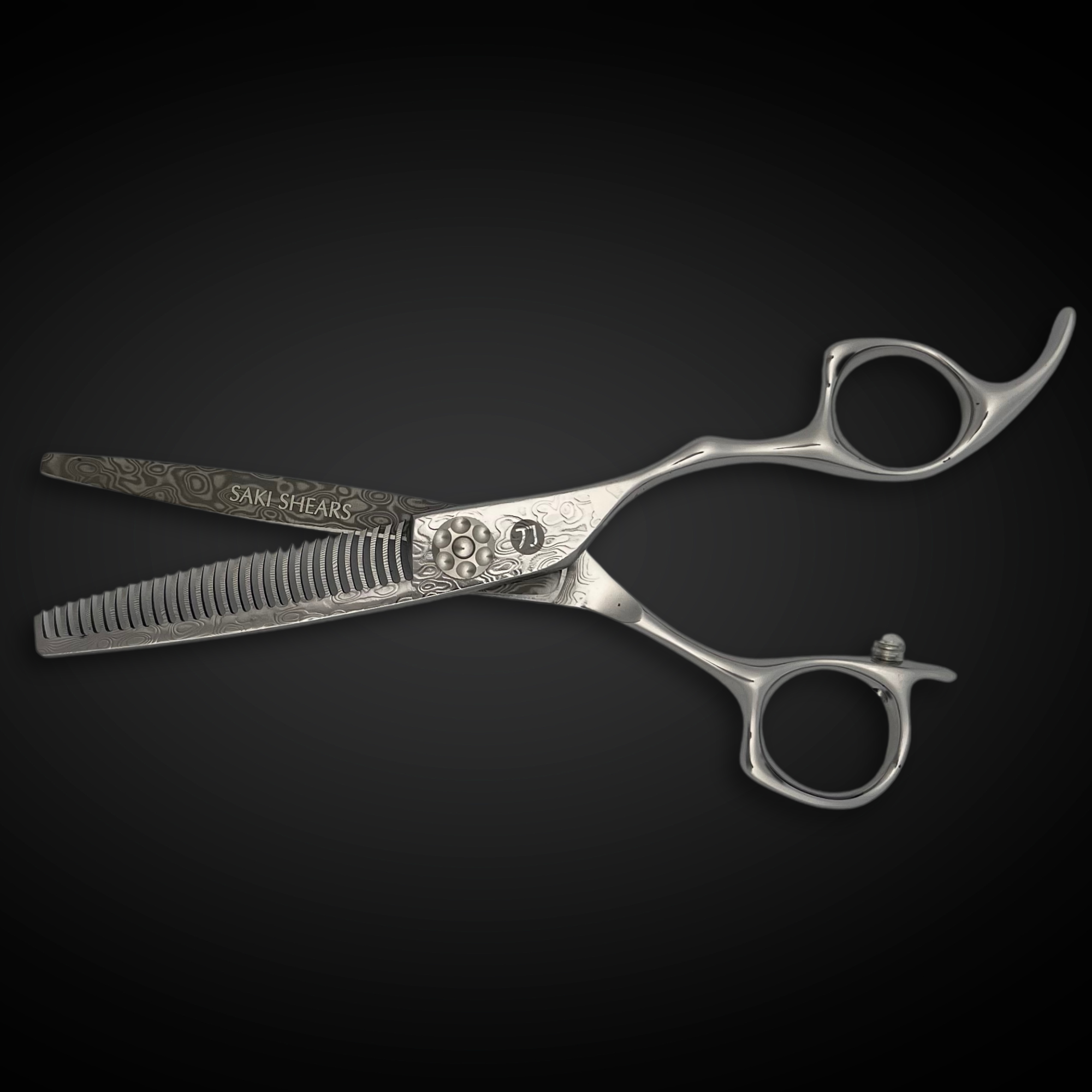
Both have one solid blade and one toothed blade, but tooth count and spacing differ by intended use. Thinning shears typically have more, finer teeth and remove less bulk per pass, used for blending and softening density. Texturizing shears have fewer, wider-spaced teeth and remove more hair per stroke, used for creating visible texture and movement. Tooth count is usually printed on the shear or listed in the product specification.
What percentage of hair does a thinning shear typically remove?
This varies by tooth count and spacing, but most thinning shears remove somewhere in the range of 20-40% of the hair caught between the blades per pass. Higher tooth counts sit toward the lower end of that range and are better suited to fine or fragile hair.
Maintenance and Lifespan
How often should shears be professionally sharpened?
For a shear in daily professional use, every three to six months is a reasonable baseline, though this depends heavily on cutting volume, technique, and how the shear is cared for between sharpenings. A shear that starts pushing or bending hair instead of slicing through cleanly, or that requires noticeably more hand pressure, is due for sharpening regardless of the calendar.
What is a reasonable working lifespan for a quality pair of shears?
A well-made shear that is properly maintained — cleaned after each use, oiled regularly, and professionally sharpened rather than ground down aggressively — can reasonably last many years of daily professional use. Cheaper shears with lower-grade steel tend to lose their edge faster and tolerate far fewer sharpening cycles before the edge geometry is compromised.
What steel types come up most often in shear descriptions?
Japanese steel (often a variant of stainless steel alloyed with cobalt or molybdenum) is common in professional-grade shears for its edge retention and corrosion resistance. Damascus-pattern steel refers to a layered forging process that produces a distinctive banded pattern along with a hard, durable edge; stylists specifically interested in that construction can browse the Damascus hair shears collection.
Building Out a Kit
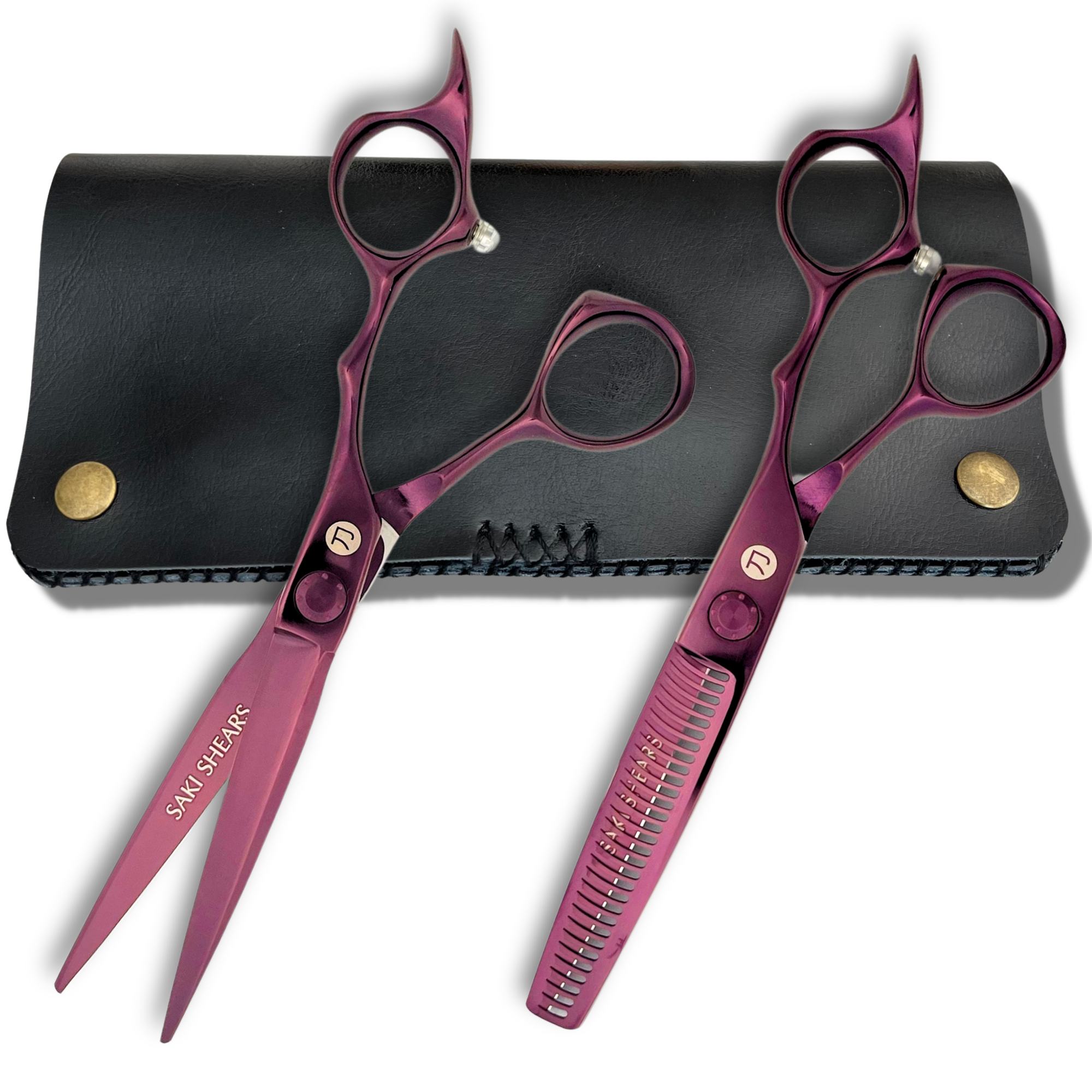
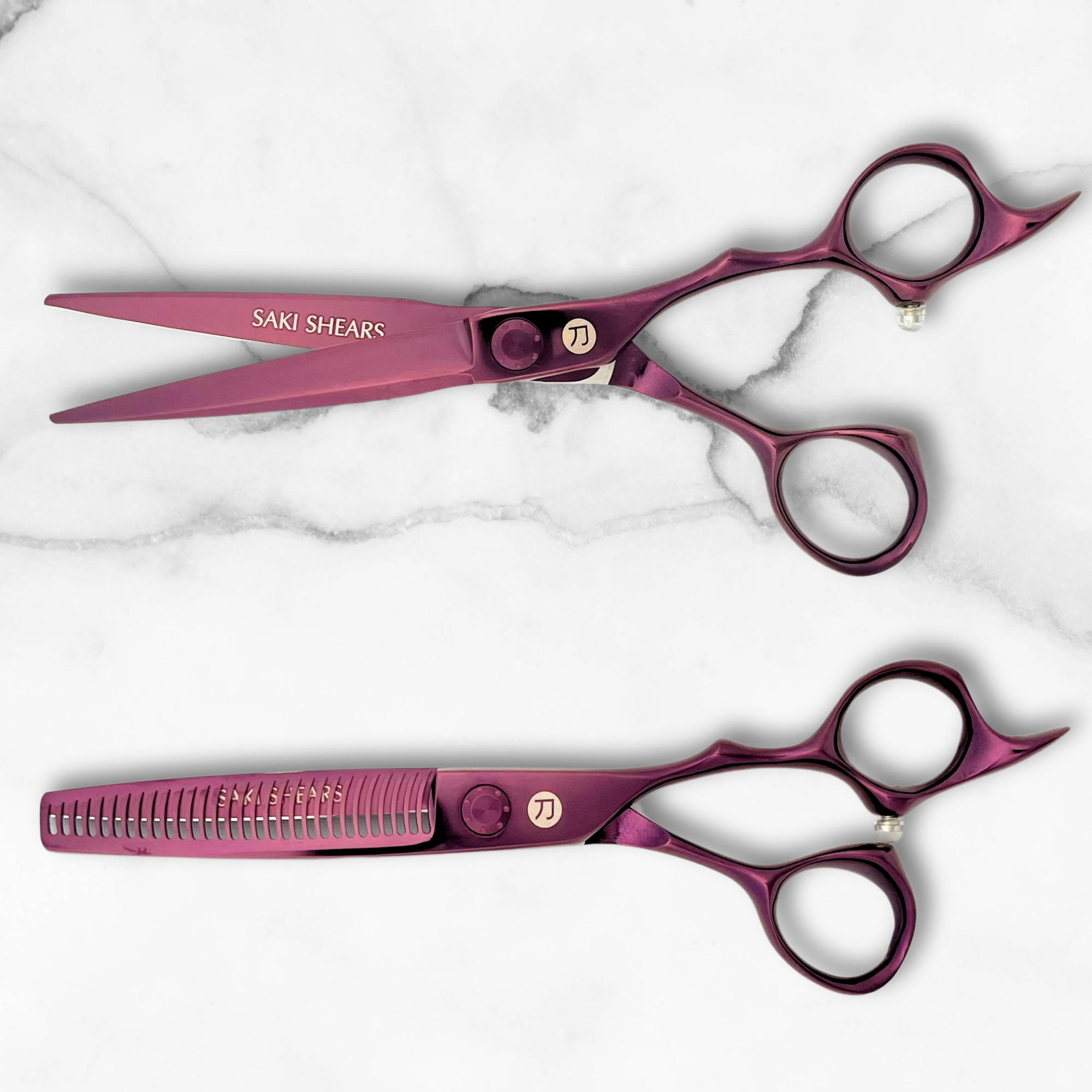
Stylists assembling or replacing a personal kit generally want at minimum one primary cutting shear and one thinning or texturizing shear, sized and balanced to their own hand. Full setups, including matched cutting and thinning pairs, are available in the hair shear sets collection, and the complete range of current stock can be browsed in all shears.

Scritto da Charles Harris