Fitting Hair Shears to Your Hand: A Stylist's Guide
A shear that isn't fitted to your hand will slow you down and wear on your joints, no matter how good the steel is. Fit is determined mostly by three things: finger-hole size, handle style, and how the tool sits in your hand during a real cutting motion. This guide walks through how to evaluate each one before you commit to a shear.
Start With Finger-Hole Sizing
The thumb and finger holes need to let your digits move freely without the shear rocking or requiring a death grip to control. Holes that are too small pinch and restrict blade travel; holes that are too large force you to over-grip, which fatigues the thumb and forearm over a shift.
A quick way to check: insert your thumb and ring finger (or your working fingers, if you use a different hold) into the holes and open and close the blades slowly. You should feel light contact against the sides of each hole with no gap, and no pinching at the top or bottom of the hole when the blades are fully open or closed. If you have to shift your grip to reach full extension, the holes are undersized for you.
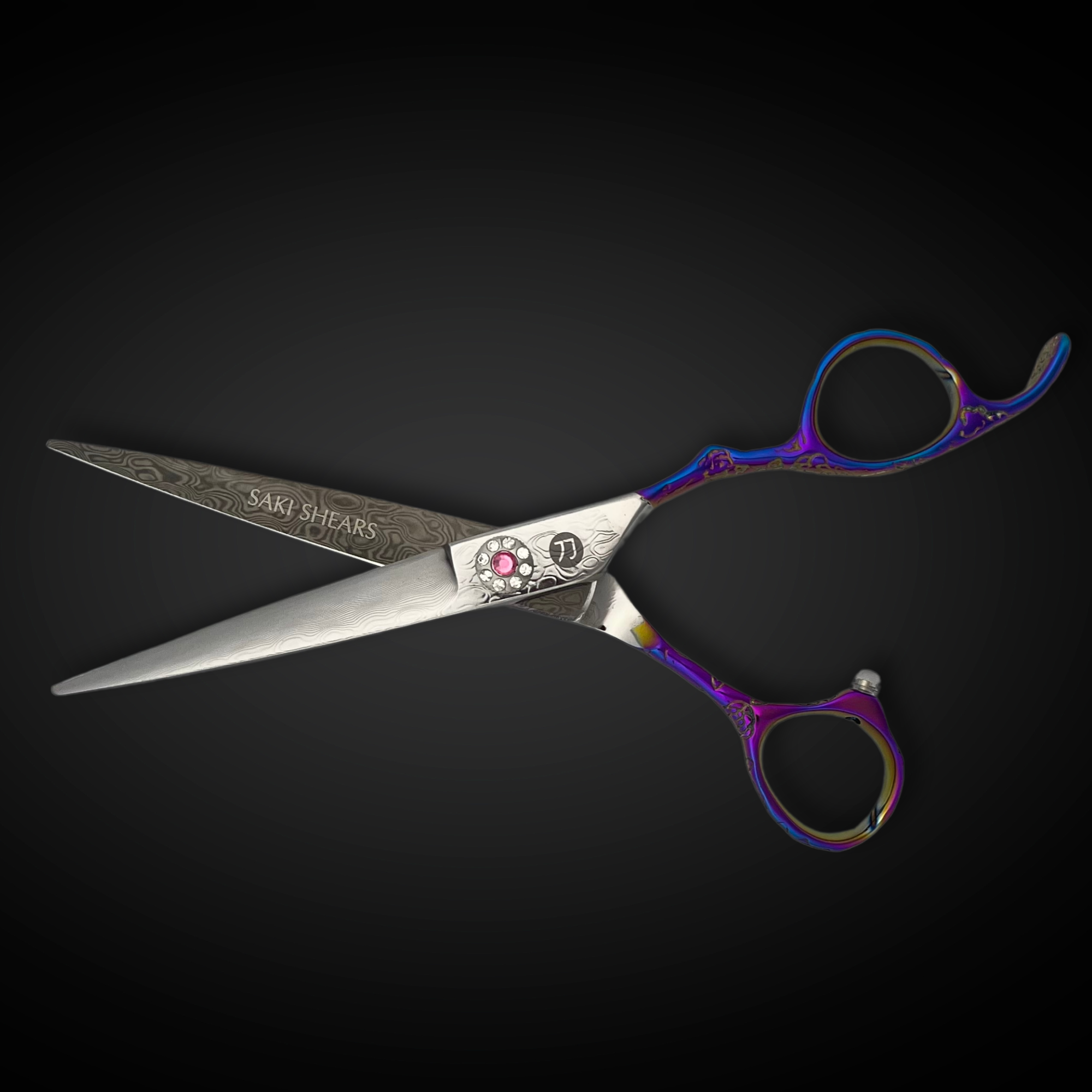
Handle Styles and What They Do for Grip Angle
Handle geometry changes the angle of your wrist and forearm relative to the cutting line. The three common styles each solve a different problem:
- Straight handle — thumb and finger holes are aligned on the same axis. This is the most neutral, traditional layout and works well for stylists who cut with a fairly straight wrist. It offers the least built-in accommodation for wrist angle, so it rewards good posture but can strain a wrist that's already compromised.
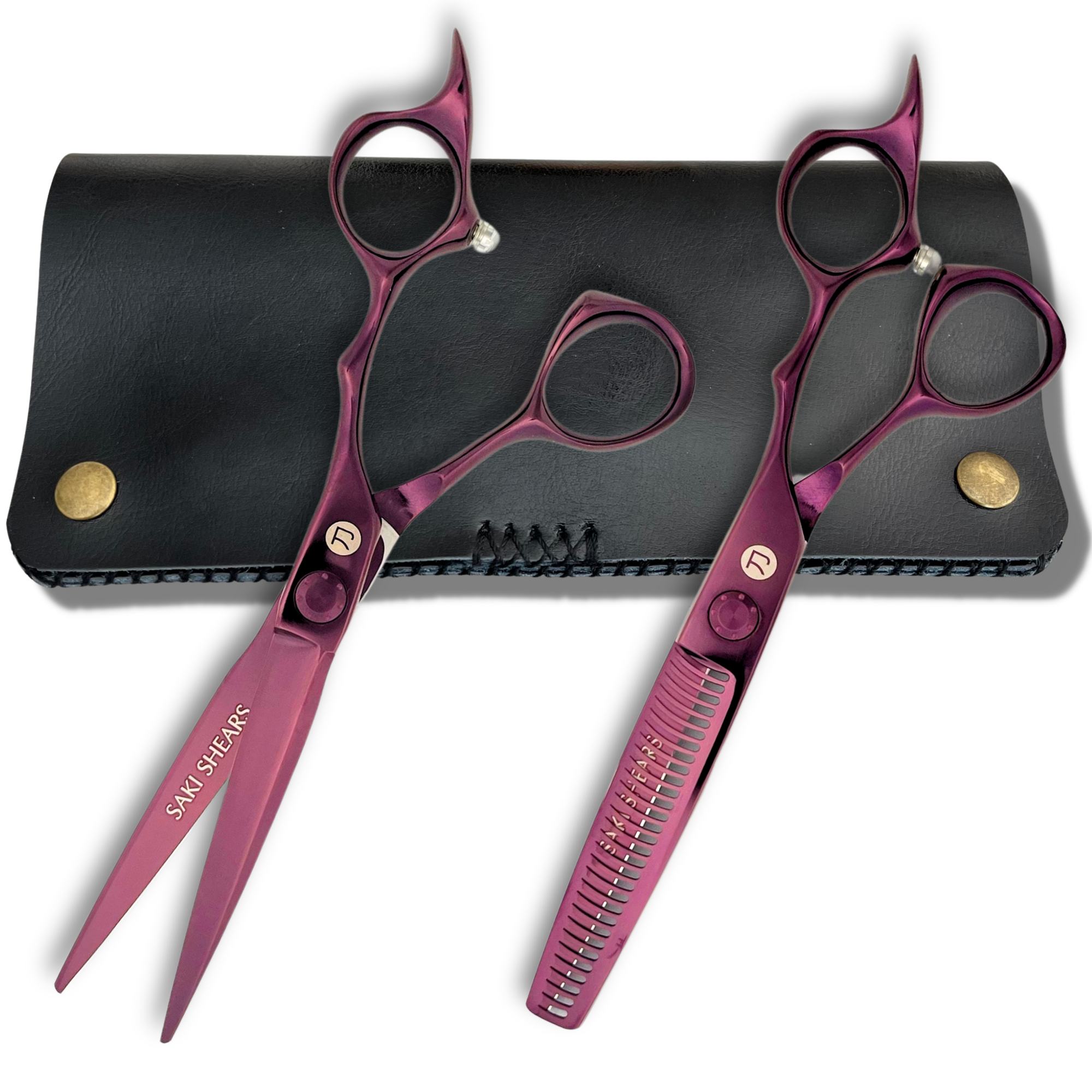
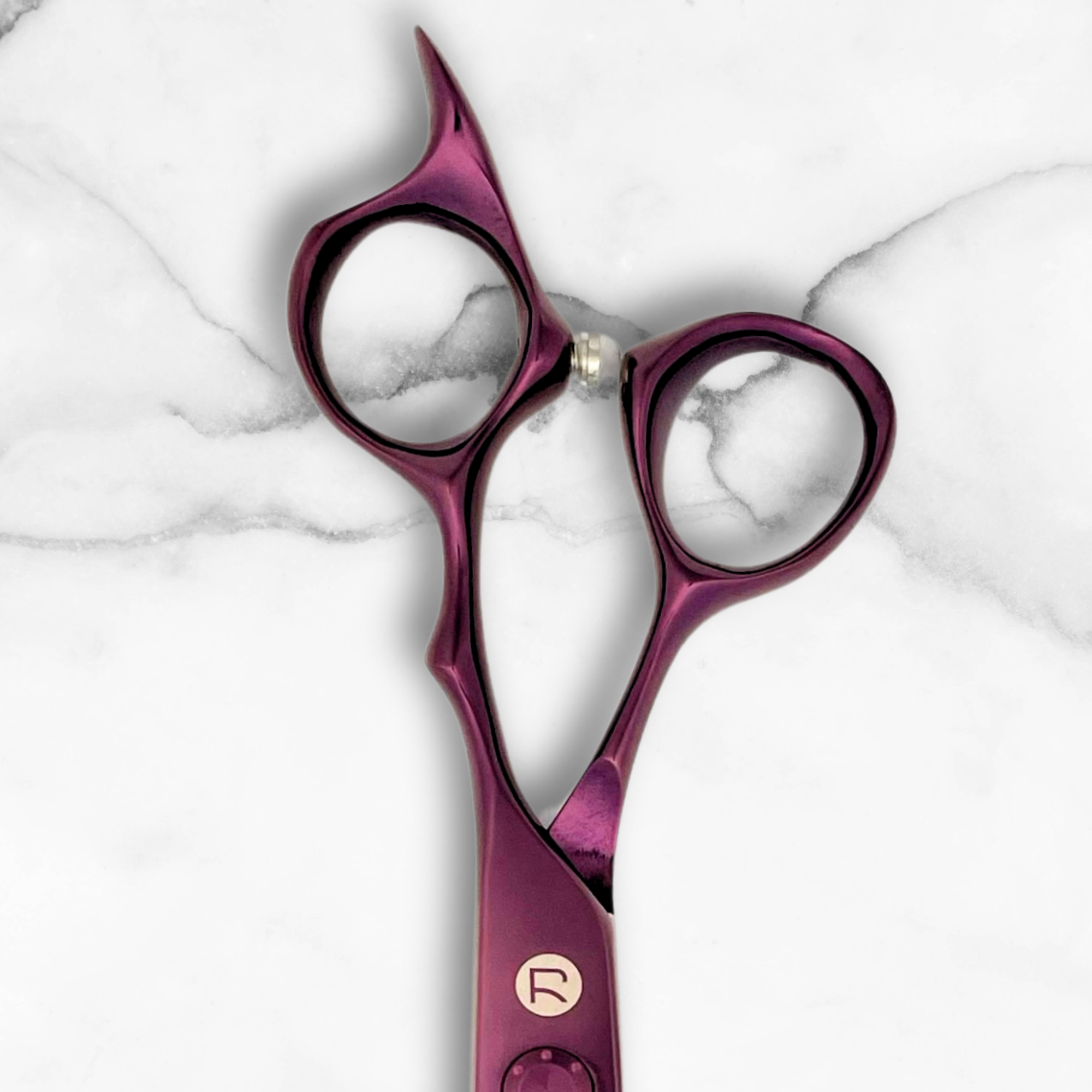
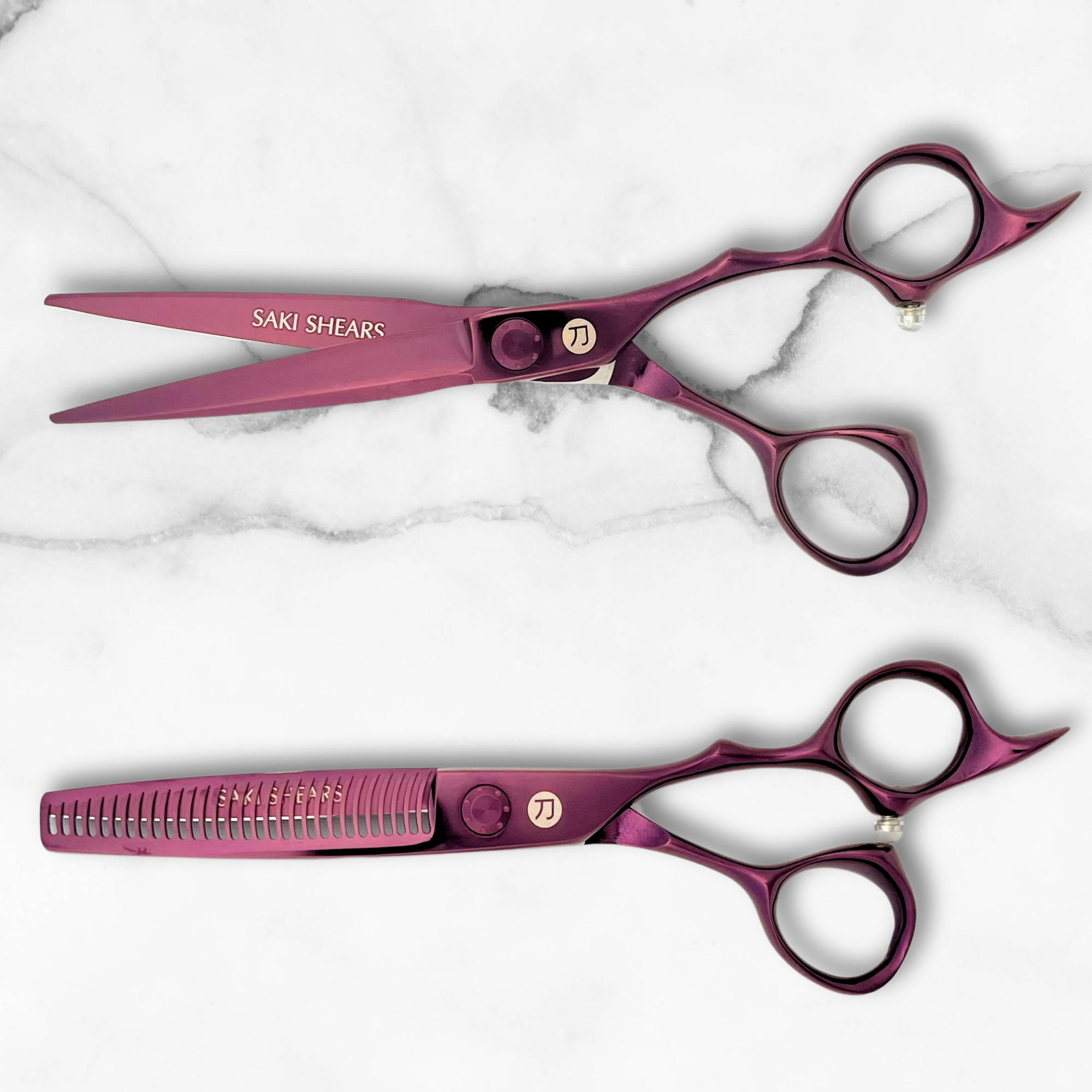
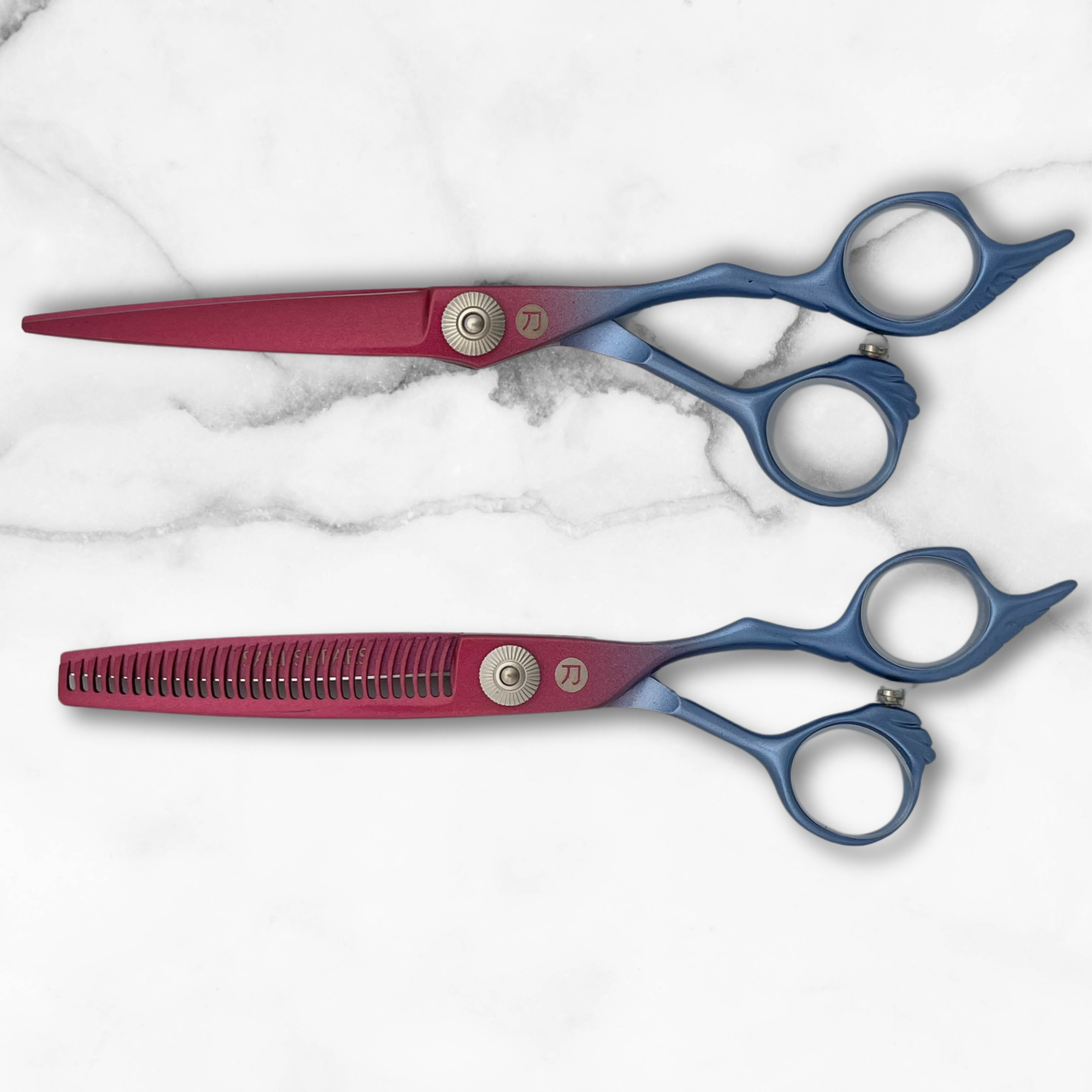
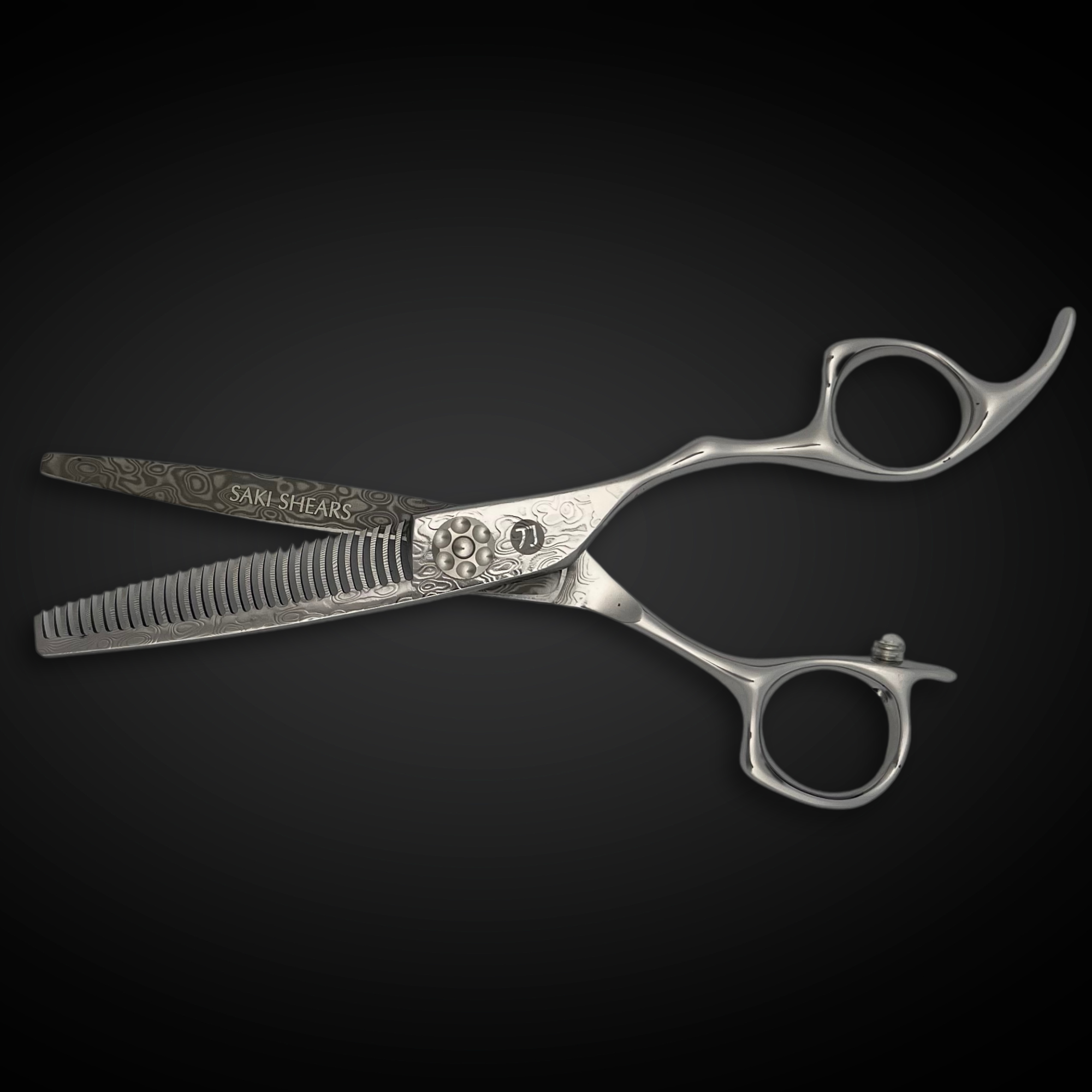
- Offset handle — the thumb ring sits lower than the finger ring, which shortens the reach for the thumb and lets the hand rest in a more relaxed, angled position. This is generally easier on the wrist and shoulder during long stretches of over-comb or point cutting, since it reduces how far the thumb has to travel.
- Crane (semi-offset) handle — a middle ground between straight and offset, with a moderate bend in the thumb shank. It keeps more mobility than a full offset while still easing wrist strain compared to a straight handle, which is why it's a common choice for stylists who switch between cutting techniques through the day.
None of these is universally "correct" — the right one depends on your hand size, the angle you naturally hold a shear at, and any existing wrist or thumb strain. If you already have thumb or wrist discomfort, an offset or crane handle is worth trying before a straight one.
Weight, Balance, and Blade Length
Beyond the handle, overall weight and where that weight sits matter for fatigue over a full shift. A shear that feels fine for thirty seconds in a shop can feel heavy after two hours of continuous cutting. Balance point (whether the weight sits toward the tip, the pivot, or the handle) affects how much effort it takes to control the blades through repetitive motion — a tool that's tip-heavy will make small, precise cuts more tiring.
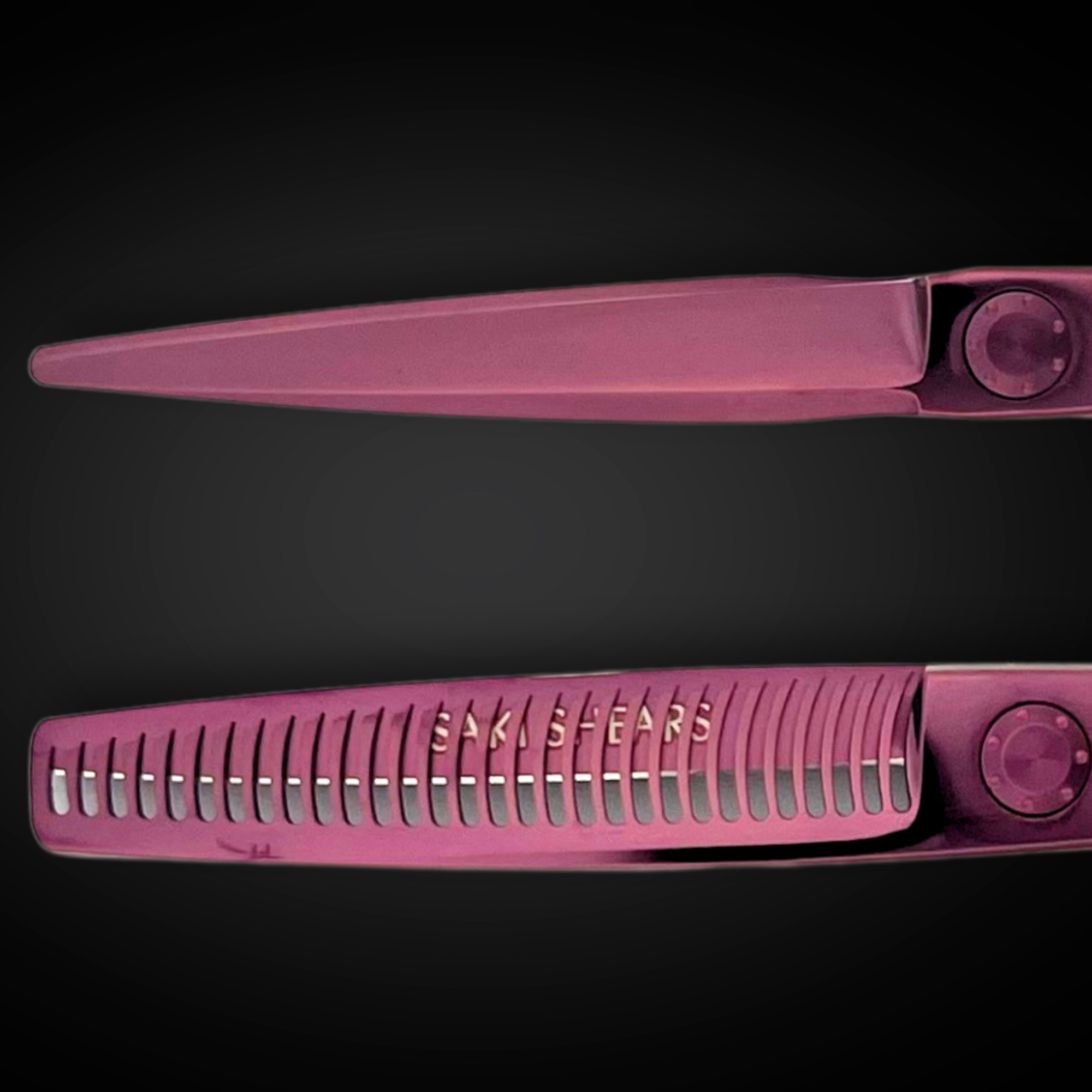
Blade length should match the technique you use most. Shorter blades (around 5–5.5 inches) give more control for precision and texturizing work; longer blades (6 inches and up) cover more hair per stroke and suit blunt cutting and larger sections. Choosing a length that matches your dominant technique reduces the number of extra strokes — and extra hand motions — needed to finish a cut.
A Practical In-Hand Trial Checklist
Before buying, or before committing to a shear you're testing, run through this checklist with the tool in hand:
- Insert your fingers into the holes and open/close the blades fully. Check for pinching, gaps, or the need to shift grip mid-motion.
- Hold the shear in your normal cutting position and check where your wrist sits — is it neutral, or bent at an angle that feels strained after a few reps?
- Do a slow, repeated open-close motion (20–30 reps) to simulate a few minutes of continuous cutting, and note whether your thumb or forearm starts to fatigue faster than usual.
- Check the balance by holding the shear loosely and noting whether it tips toward the blade tip or stays level — a tip-heavy feel will show up quickly during precision work.
- Test your actual technique (point cutting, over-comb, slide cutting, whatever you use most) rather than just opening and closing the blades in the air.
- If possible, compare against your current shear side by side, switching hands between the two to feel the difference in grip angle and hole fit directly.
Fit is specific to your hand and your technique, so what works for a colleague may not work for you. If you're shopping our lineup, browse hair cutting shears or, if you're building out a full setup, our hair shear sets to compare handle styles and sizes side by side.
When to Get a Professional Fitting
If you're experiencing ongoing thumb, wrist, or shoulder discomfort that doesn't resolve with a handle-style change, it's worth having a hand specialist or occupational therapist assess your grip and technique directly — a shear can reduce strain, but it can't fully correct an underlying repetitive-motion issue. Treat the checklist above as a starting point for narrowing your options, not a substitute for that kind of evaluation if symptoms persist.

Scritto da Charles Harris