What Separates Skilled Barbers From the Rest: Technique, Consistency, and Client Trust
Technical Fundamentals Come First
Every experienced barber will say the same thing in different words: technique is not optional, and it is never finished. Section control, consistent hand angles, and steady tension on the hair determine whether a cut holds its shape as it grows out. Barbers who deliver reliably clean results tend to over-invest in the basics — clipper-over-comb precision, symmetrical fades, and clean line work — long after they could technically "get by" without practicing them. Muscle memory built from repetition is what allows a stylist to execute a fade in low light, on a moving client, at the end of a twelve-hour day, with the same accuracy as the first cut of the morning.
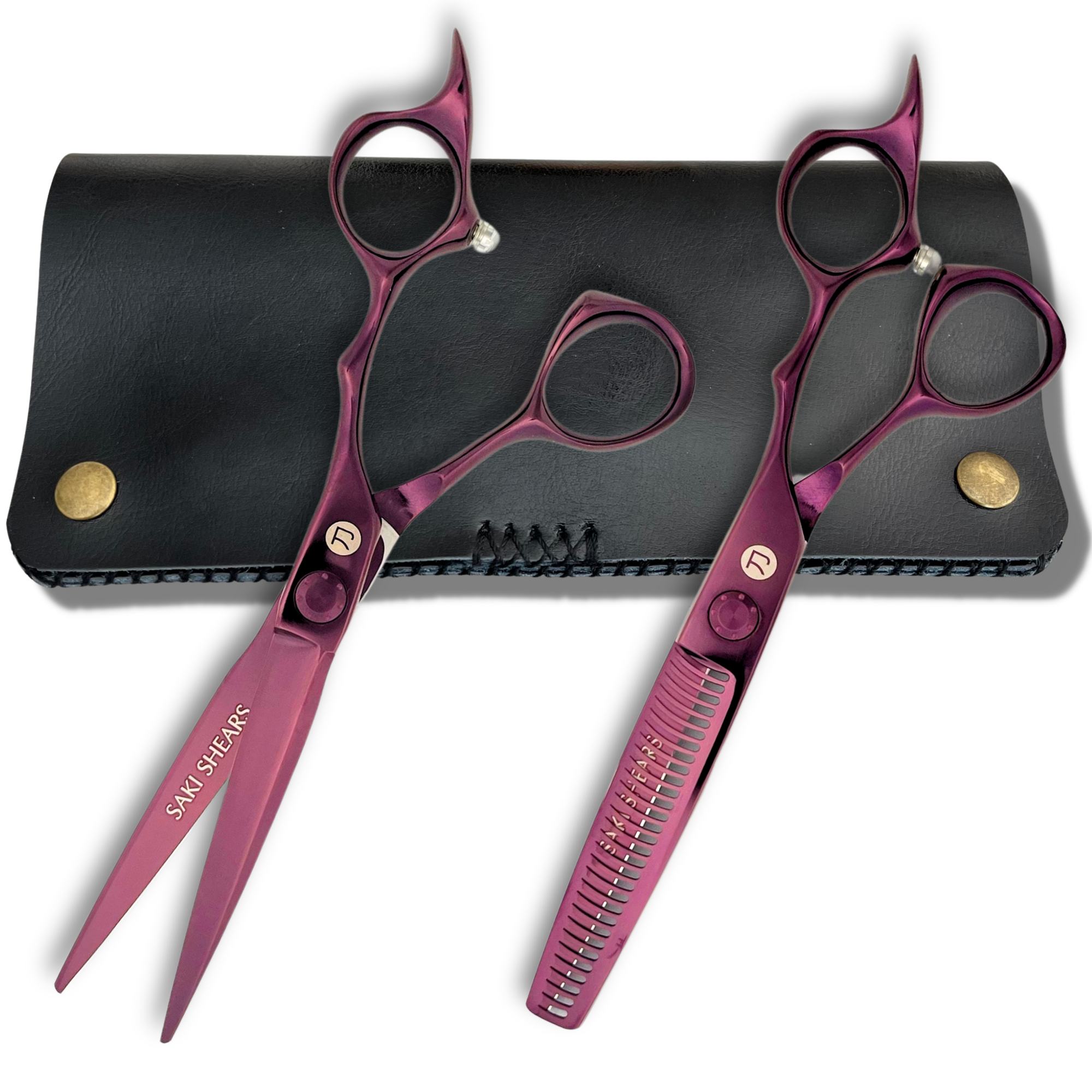
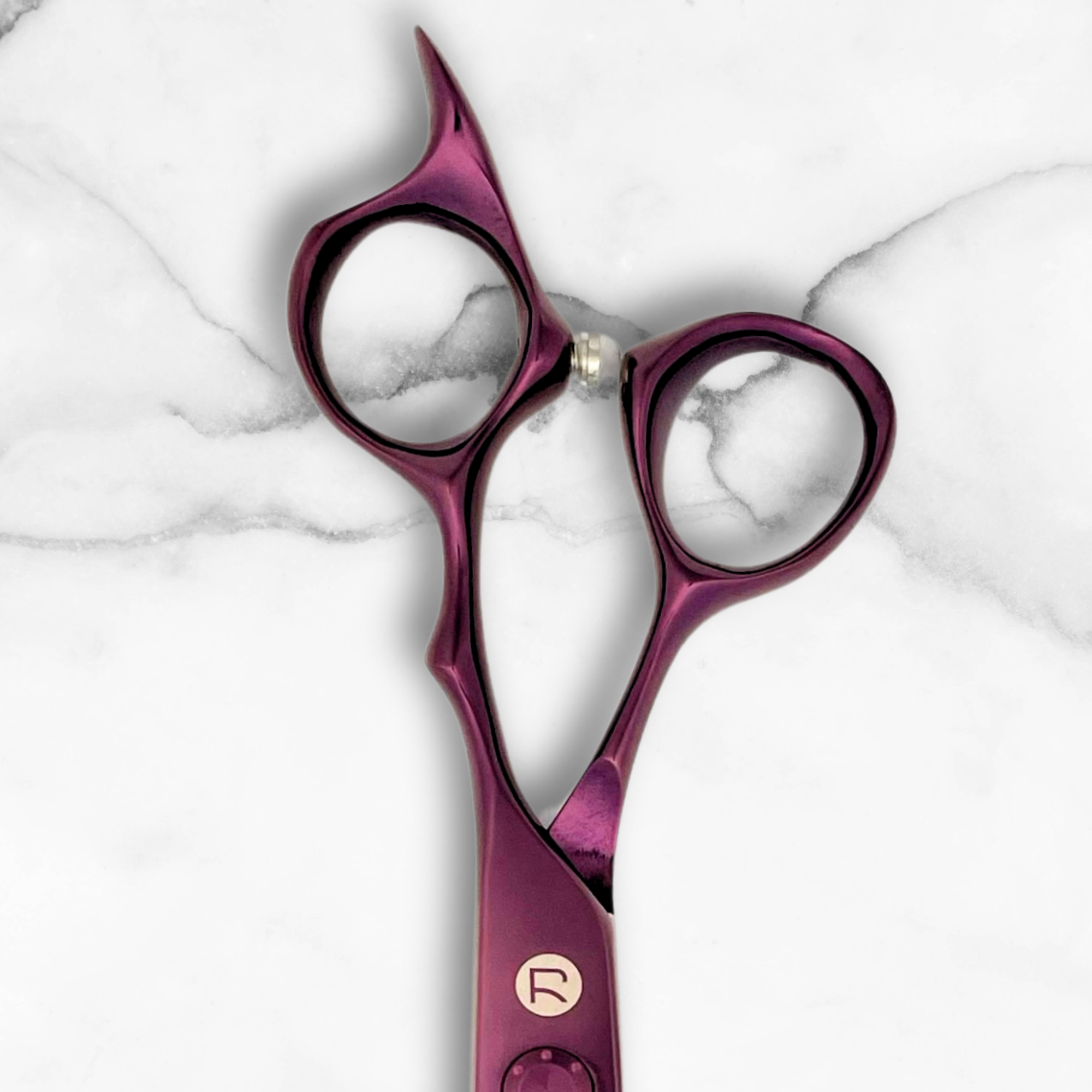
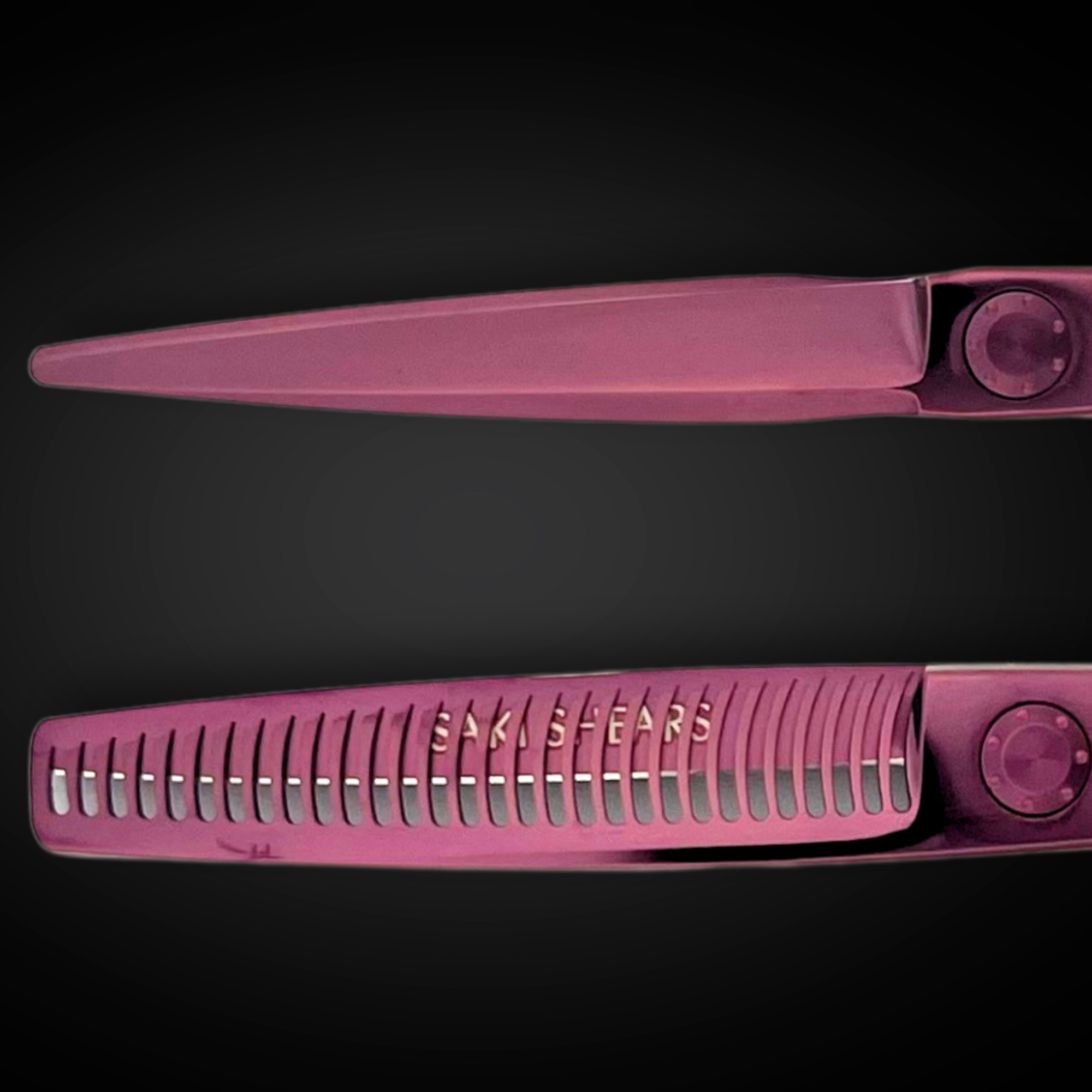
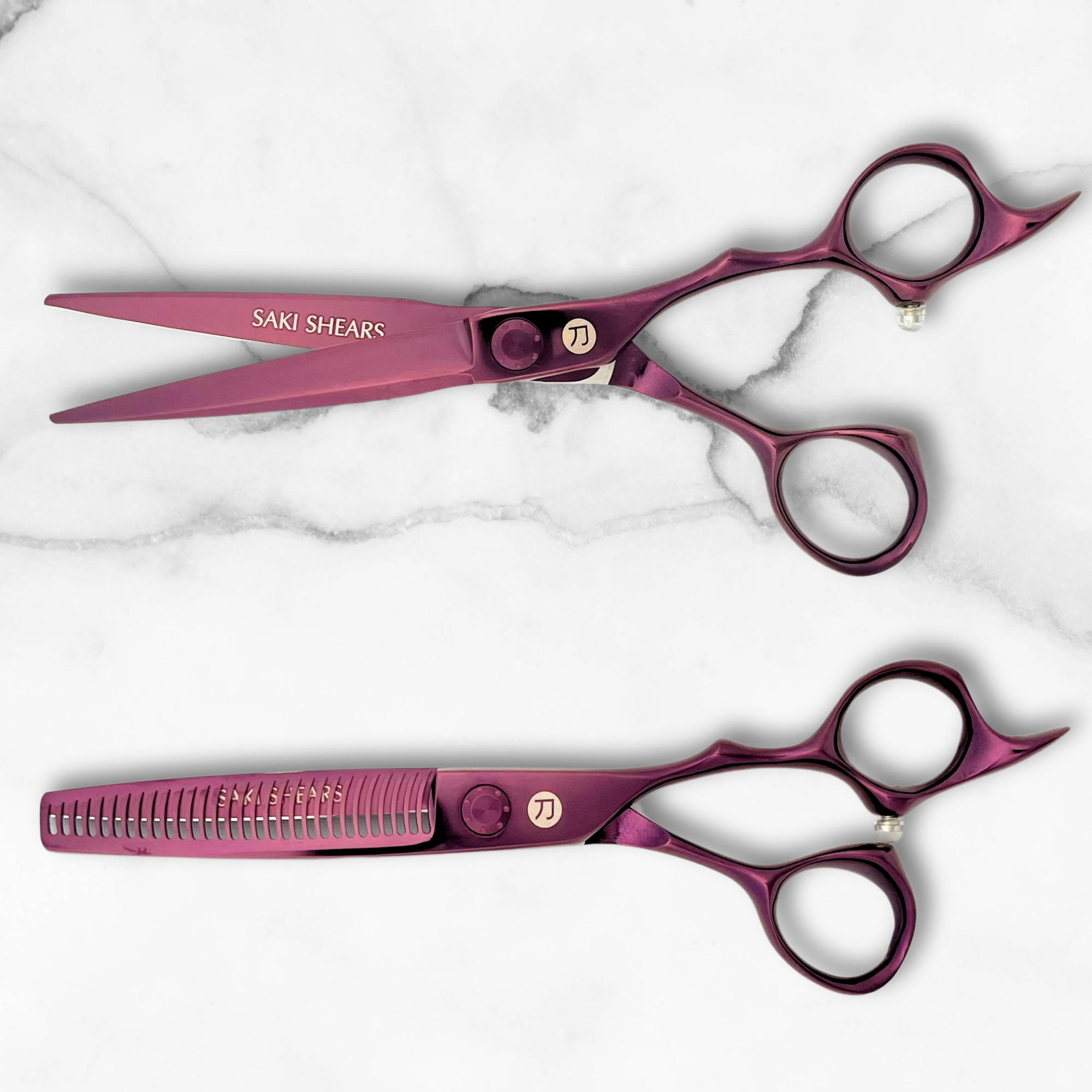
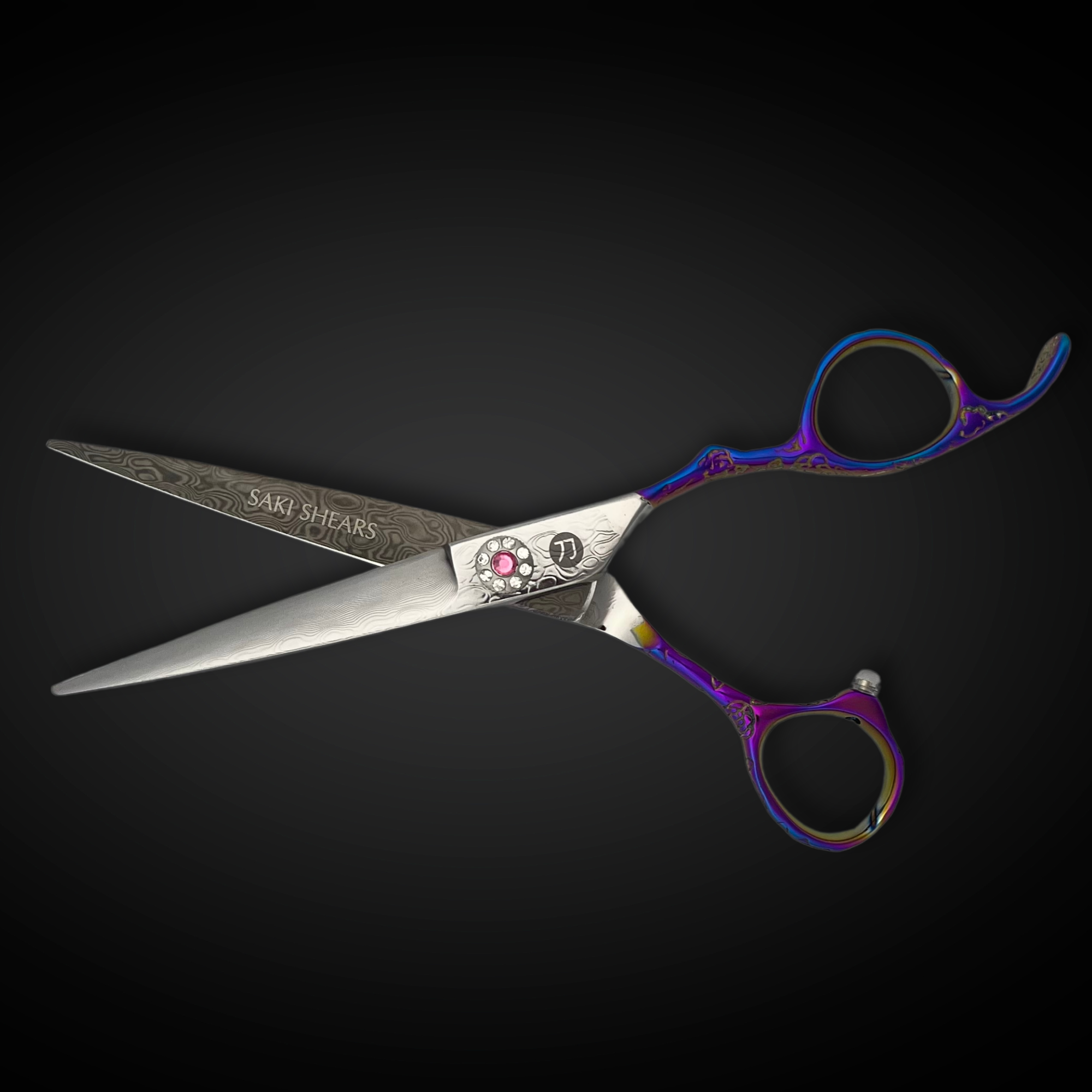
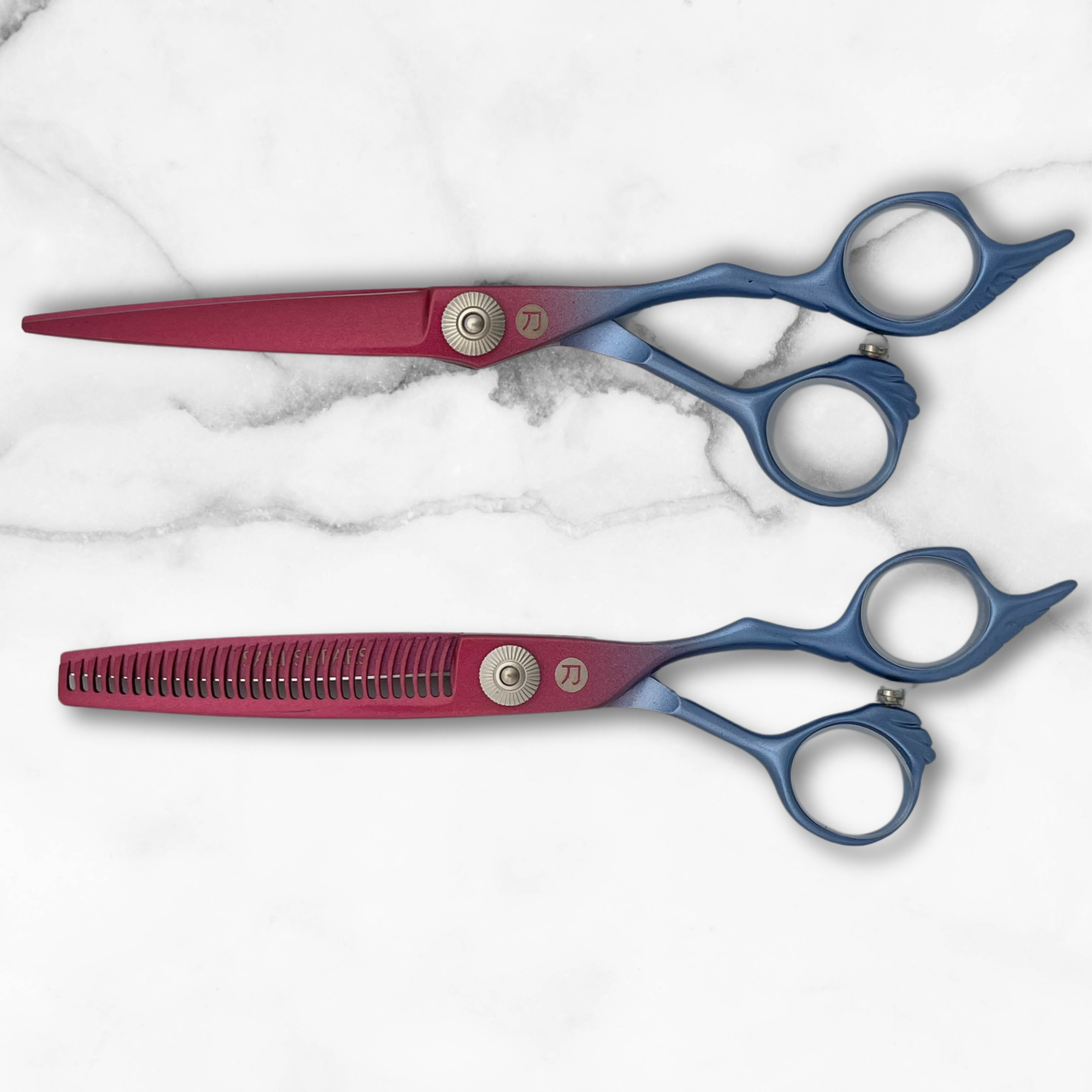
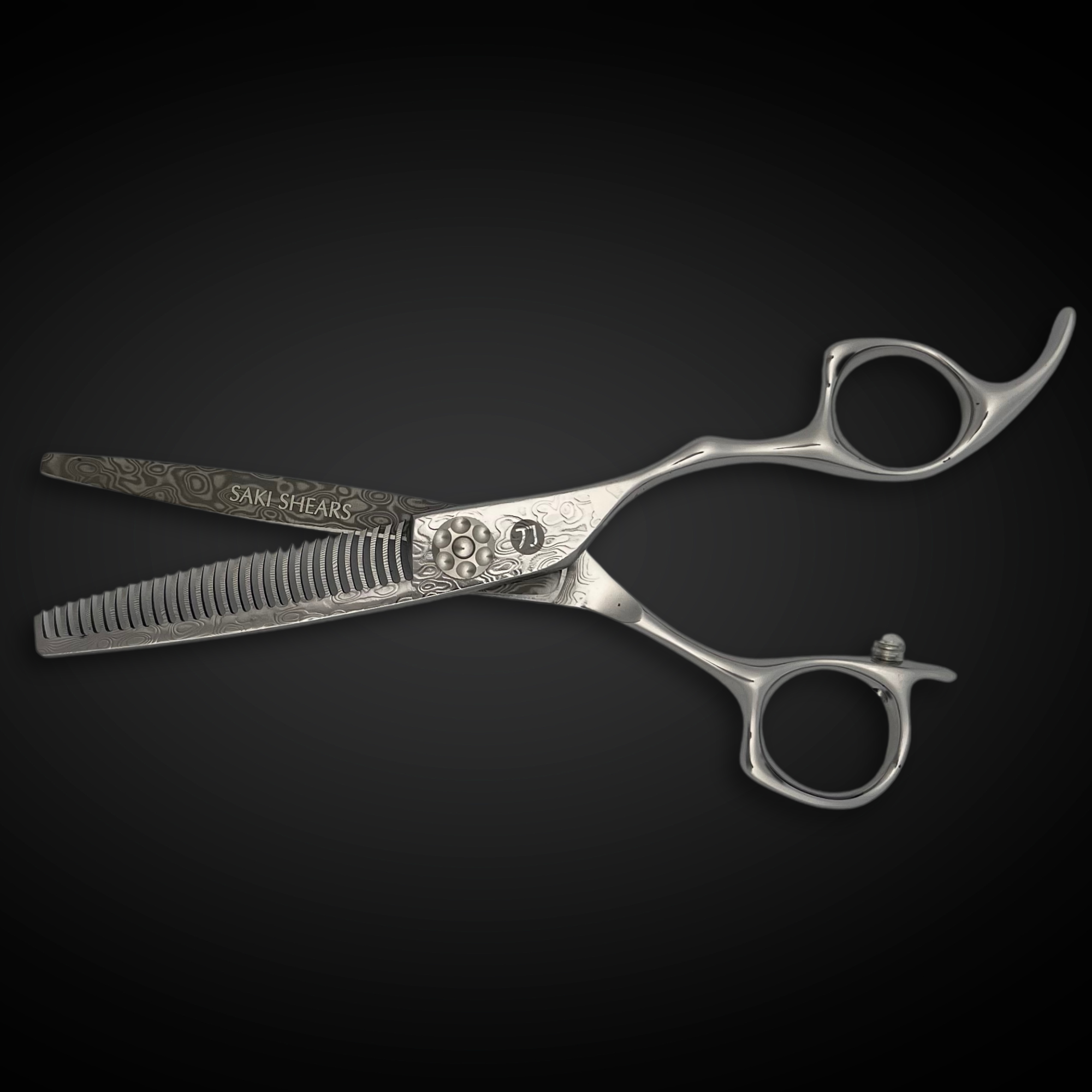
Tool control matters as much as technique itself. A shear that has lost its edge, or that does not match a barber's hand size and cutting style, forces compensation through wrist angle and grip pressure that shows up as fatigue and inconsistency by the end of a shift. Many working barbers keep a primary cutting shear and a dedicated thinning or texturizing shear, and treat both as precision instruments rather than commodity tools. Anyone assembling or upgrading a personal kit can review current options in the hair cutting shears collection or the thinning shears and scissors collection.
Consistency Is the Real Differentiator
Clients rarely evaluate a barber based on their single best haircut. They evaluate based on whether every visit delivers the same result. This is a harder standard than it sounds, because it requires a barber to reproduce quality regardless of mood, schedule pressure, or how busy the shop is that day. Barbers who build long-term client relationships tend to treat every appointment — rushed or not — with the same attention to section symmetry, neckline cleanup, and finishing detail.
Consistency also extends to maintenance habits. A barber who cleans, oils, and adjusts the tension on their shears on a set schedule, rather than only when a tool starts performing poorly, avoids the slow drift in cut quality that comes from a dulling or misaligned blade. The same discipline applies to clippers and trimmers: blades that are not kept sharp and properly aligned create uneven fades and unnecessary pulling, no matter how skilled the barber using them is.
Listening Is a Technical Skill, Not Just a Soft Skill
The consultation is where a large share of client dissatisfaction gets created or avoided. Vague requests — "just clean it up," "not too short" — require a barber to ask specific follow-up questions about length, guard sizes, and how the client styles their hair day to day, rather than guessing. Skilled barbers translate ambiguous language into concrete technical decisions before the first cut, and they check in during the service rather than only at the end.
This matters more with certain services than others. Fades, in particular, expose the gap between an average consultation and a thorough one, because a client's idea of "high" or "low" varies enormously and has direct technical consequences for guard selection and blend placement. A few extra seconds of clarification at the start of an appointment routinely prevents a much longer correction later.
Client Trust Is Built Through Predictability
Trust in this profession is earned slowly and lost quickly. It is built through small, repeated signals: starting on time, remembering a client's preferences without being reminded, being honest when a requested style will not suit their hair texture or growth pattern, and standing behind a cut if something about it does not sit right. None of this requires charisma — it requires reliability.
Barbers who maintain trust over years of client relationships also tend to be transparent about limitations. If a client's hair type makes a particular style impractical to maintain at home, saying so directly — and offering a realistic alternative — does more for long-term retention than agreeing to attempt something that will look poor within a week.
Investing in the Right Tools Supports the Work
None of the above happens in a vacuum. Technique, consistency, and communication all rely on tools that perform the same way every time they're picked up. That means shears with a stable edge and correctly set tension, clippers and trimmers that hold a charge and cut cleanly through a full shift, and a razor that is properly maintained for detail work. Barbers building or refreshing a kit can browse:
- Hair cutting shears — primary cutting tools for everyday work
- Electric clippers and trimmers — for fades, blending, and detail work
- Safety razors — for line-ups and finishing
Skill separates barbers over the long run, not any single tool or technique in isolation. But the barbers who are consistently trusted with repeat business tend to share the same pattern: disciplined fundamentals, steady consistency under pressure, real listening at the consultation, and tools maintained well enough to never be the reason a cut falls short.

Scritto da Charles Harris