How Precision Cutting Philosophy Changed the Industry
From Rigid Sets to Cut-Based Shape
For much of the mid-twentieth century, a great deal of hairdressing skill was invested in styling rather than cutting. Hair was set on rollers, teased for volume, and lacquered into place, with the underlying cut serving mainly as a base for that construction. The style lived or died on how well it was set that day, not on the geometry of the cut underneath it.
Starting in the 1960s, a different philosophy took hold: cut the hair itself into a precise shape that would fall into place with minimal styling. This is widely credited to Vidal Sassoon, whose geometric cutting technique used angles and weight distribution in the cut to create shape, rather than relying on rollers and heavy product to hold it. The technical shift mattered more than any single haircut — it changed what the cut itself was responsible for.
The Geometric Haircut: Cutting for Movement, Not Just Length
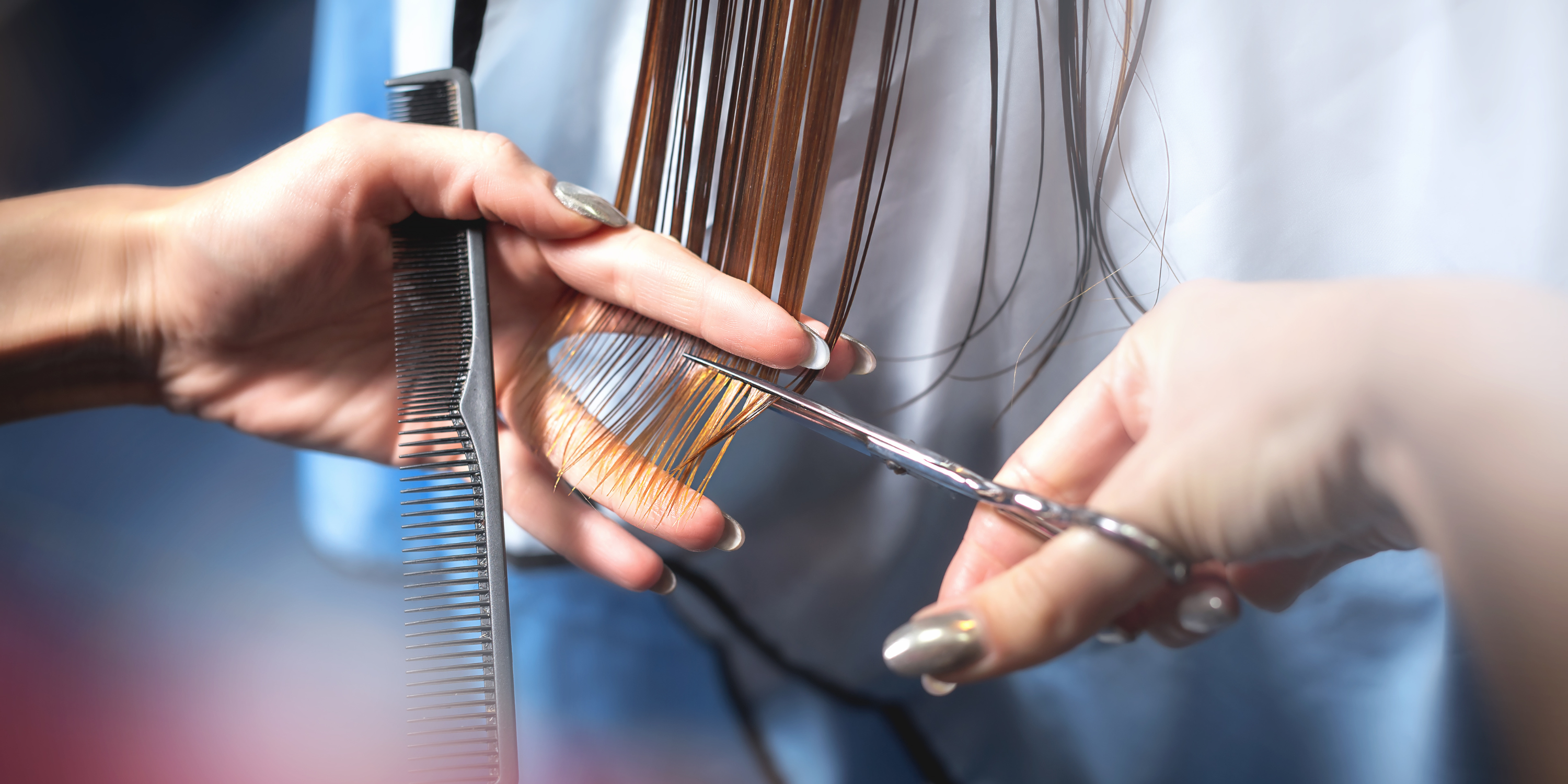
Geometric cutting treats hair as a three-dimensional form rather than a flat surface to trim. Sectioning, elevation, and angle determine how each layer falls relative to the ones around it, and a well-executed geometric cut moves and falls back into shape on its own after washing. This is a fundamentally different technical exercise than cutting to a uniform length, and it requires precise sectioning and consistent tension control across the whole head, since an error in one section is visible in how the surrounding hair falls.
This approach also changed how cuts related to face shape and hair texture. Instead of a style being imposed through setting and product, the cut itself is shaped to the individual head, which means the same base technique produces different results on different clients depending on density, growth pattern, and natural fall.
Wash-and-Wear: Why Cut Quality Replaced Styling Dependency
The practical consequence of precision, geometric cutting was a style that a client could wash and let dry with minimal intervention — commonly described as "wash-and-wear" hair. That shifted the burden of a haircut's success away from daily styling effort and back onto the quality of the cut itself. A haircut that only looks finished immediately after a blowout, and falls apart the next morning, reflects a cut that is doing less structural work than it should.
This standard raised the bar for cutting technique industry-wide. A stylist working in this tradition has to get the underlying structure right the first time, because there's no heavy styling routine to compensate for weak sectioning or inconsistent elevation. It also changed client expectations: results were increasingly judged on how a cut behaved over the following days, not just how it looked leaving the chair.
What This Shift Demands From the Cutting Tool
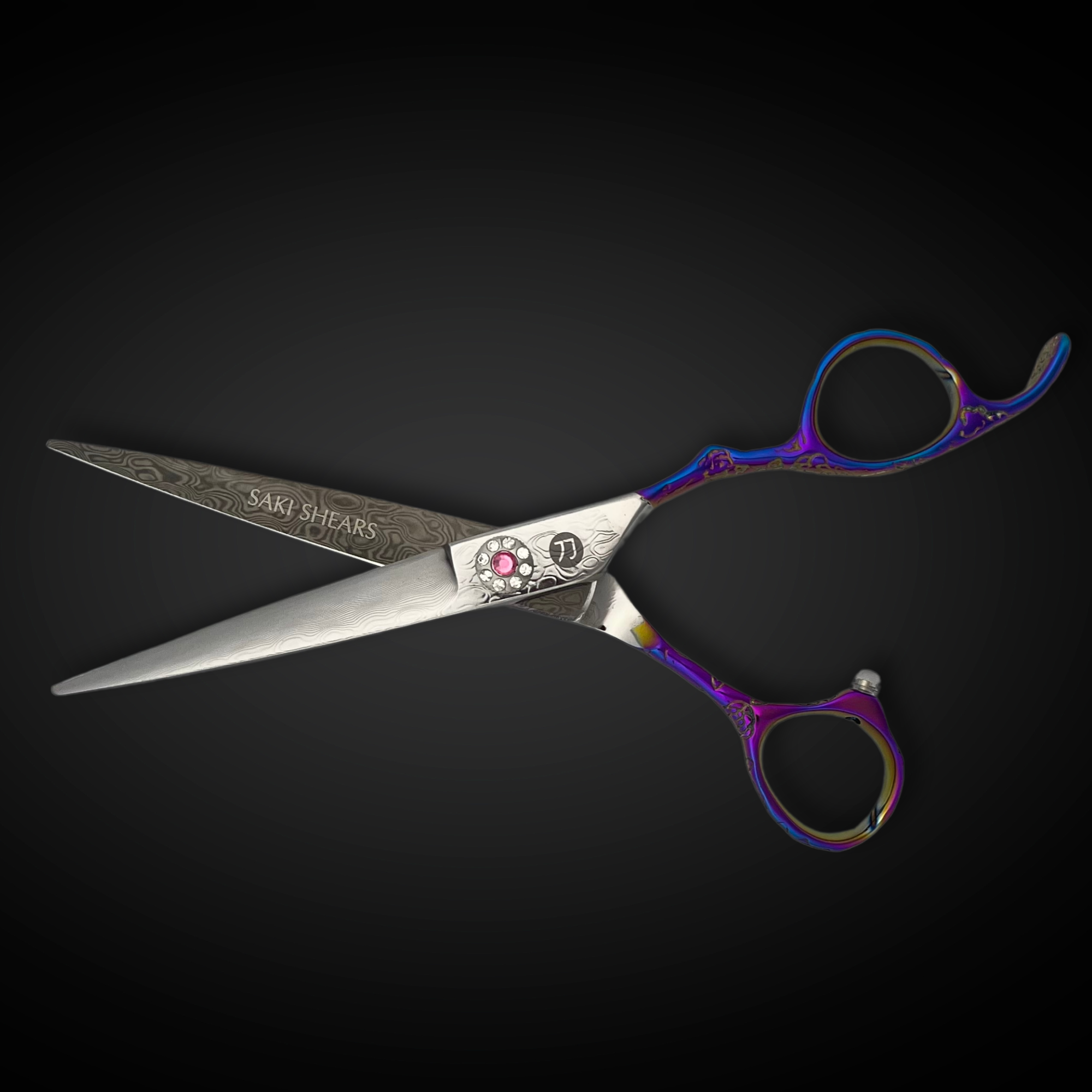
Precision, geometry-driven cutting places real demands on the shear itself. Clean, consistent blade contact is what produces sharp, even lines at each angle and elevation — a shear that snags, drags, or has inconsistent tension will show up directly in uneven layer transitions. Weight distribution within a geometric cut also depends on control over how much hair is removed at each pass, which is harder to execute with a dull or poorly balanced tool.
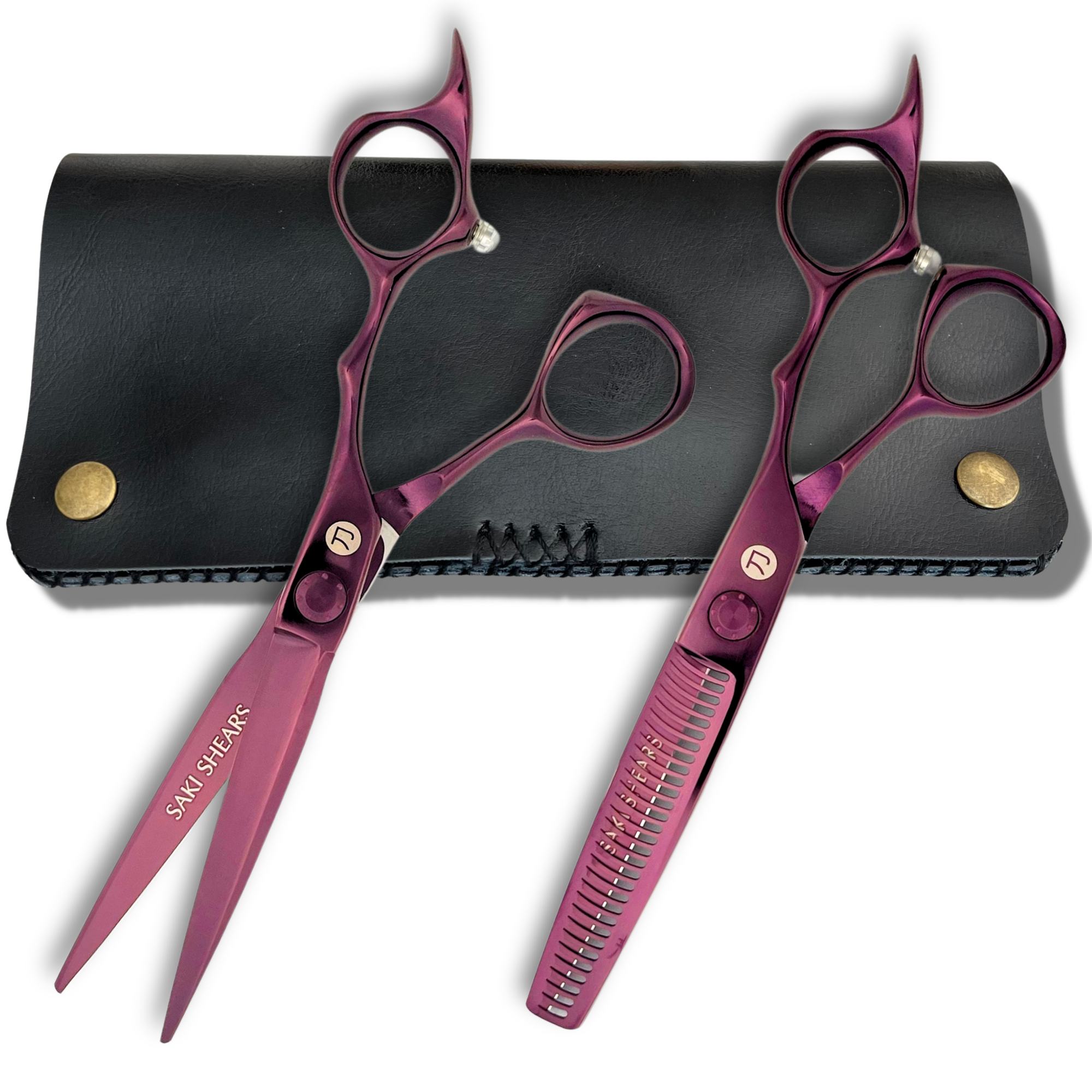
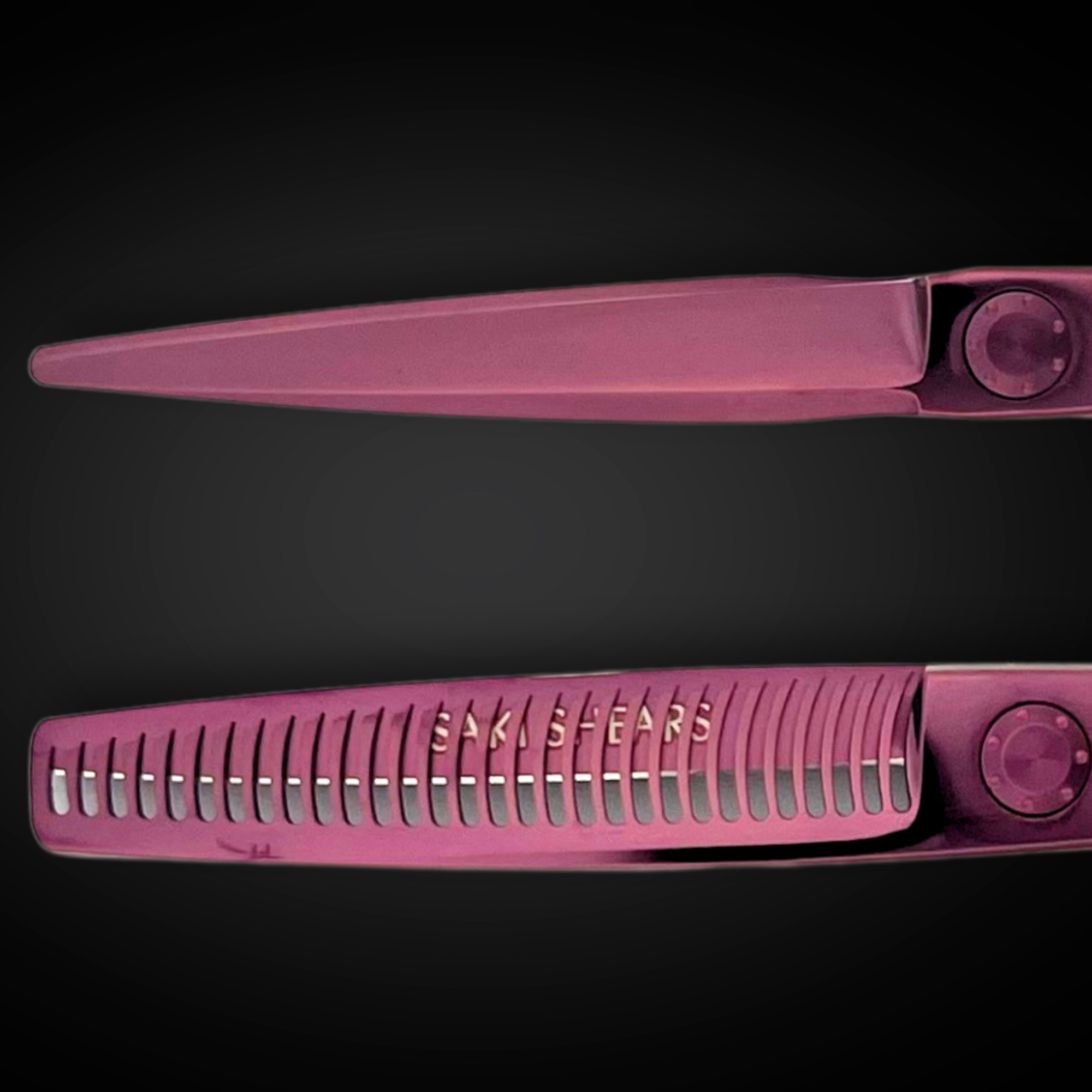
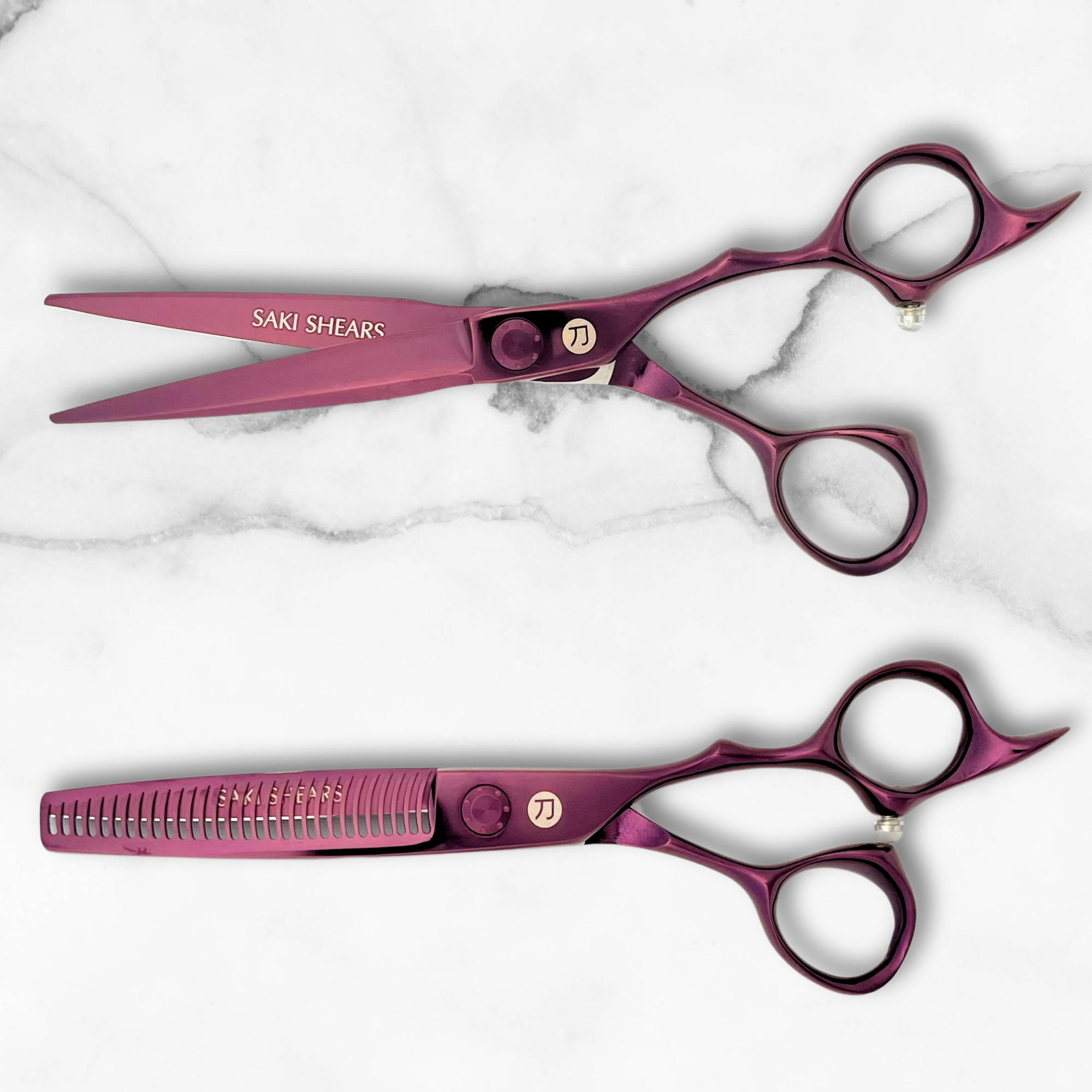
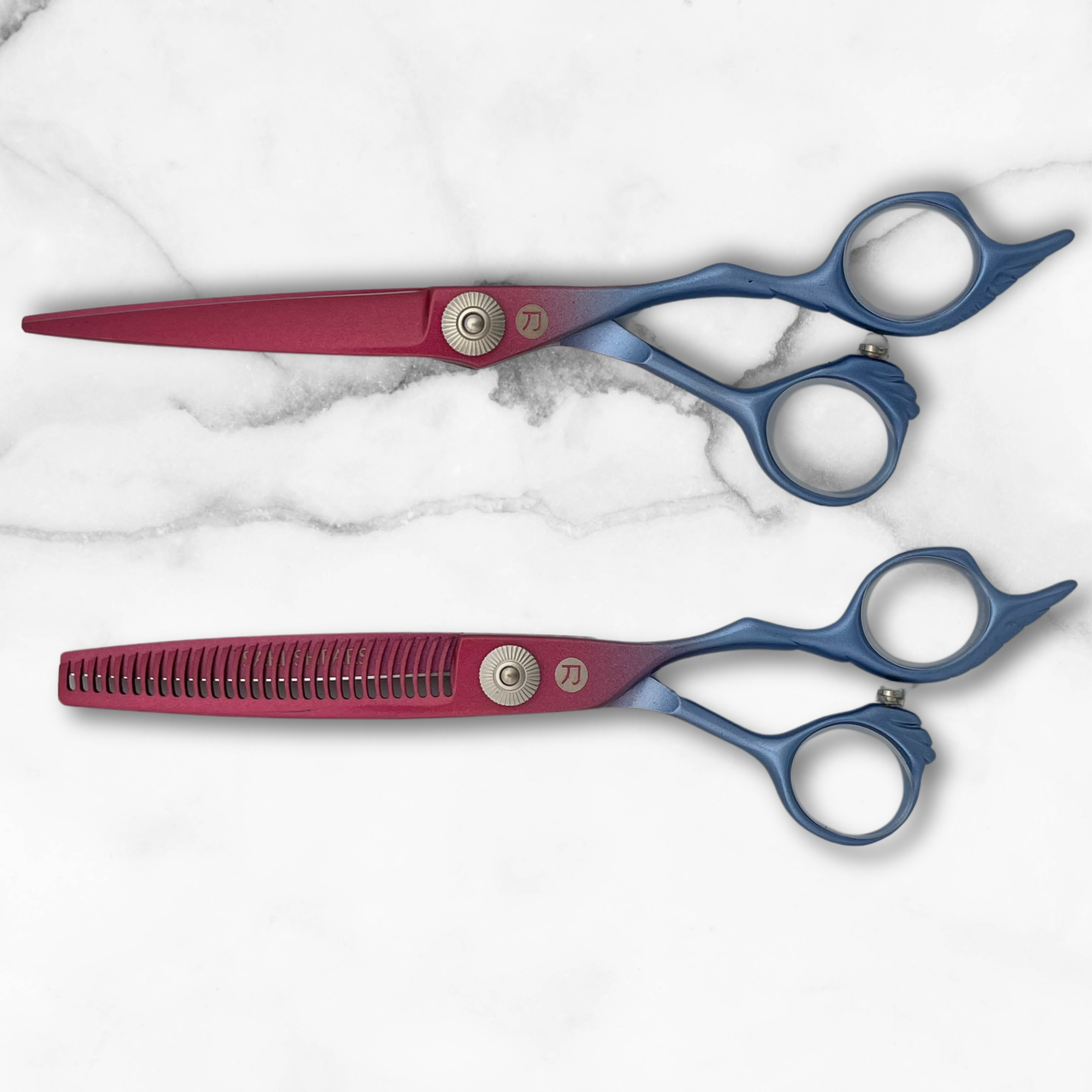
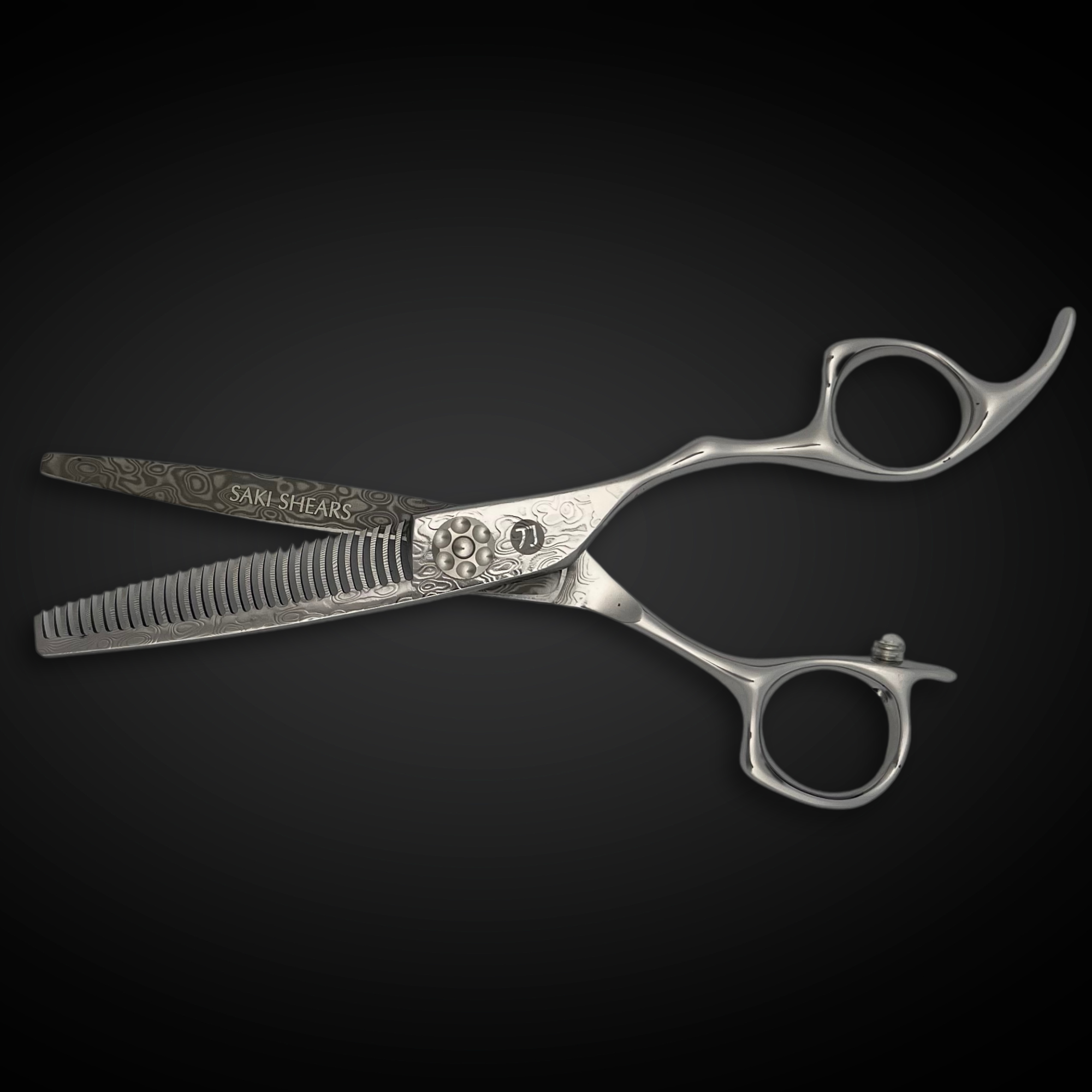
For barbers and stylists working in this style, a primary cutting shear needs a stable edge and correct tension far more than it needs to be exotic or heavily marketed. Thinning and texturizing shears play a supporting role, softening transitions between sections without disrupting the overall geometry established by the primary cut.
Applying the Principle in a Modern Practice
The core lesson from the geometric cutting era holds up regardless of current trends: a well-built cut should require less from daily styling, not more. A few practical takeaways for applying that standard today:
- Evaluate a cut on how it looks after a normal wash and air-dry or minimal styling, not only fresh out of the chair
- Prioritize consistent sectioning and elevation over speed, especially on layered or graduated cuts
- Keep a primary cutting shear in stable, well-maintained condition, since geometric precision depends on clean, consistent blade contact
- Use thinning shears to refine weight and movement without undermining the base shape
Why the Philosophy Still Matters
Trends in length, texture, and finish have shifted many times since the 1960s, but the underlying principle — that a precisely cut shape should hold its own structure — remains a core standard in professional cutting. It's a useful benchmark for any stylist or barber refining technique: judge a cut by how it behaves after the client leaves the chair, not only by how it looks under salon lighting.
Stylists and barbers building or maintaining a cutting kit around this standard can review options in the hair cutting shears collection and the thinning shears and scissors collection.

Scritto da Charles Harris