What Sets Apart the Stylists and Barbers Who Build Lasting Careers
Talent gets a stylist in the door. It rarely explains why some barbers and stylists build a loyal client base and a decades-long career while others with equally strong technical skills stall out or burn out within a few years. The difference usually comes down to a handful of habits that have nothing to do with how well someone can cut hair on a given Tuesday, and everything to do with how they treat the craft as a long-term practice.
Consistency Matters More Than Peak Performance
Clients don't remember your best haircut of the year. They remember whether they can count on the same quality every single visit. A stylist who delivers a solid, reliable result on a rushed Saturday afternoon builds more trust over time than one who occasionally produces something spectacular but is unpredictable the rest of the time. Consistency requires discipline: sticking to a repeatable consultation process, double-checking sections before you cut, and not letting a bad morning show up in your work. It also means maintaining your tools. A shear that's gone dull or slightly misaligned will quietly erode the precision that consistency depends on, so regular maintenance and periodic sharpening are part of the job, not an afterthought.
Communication Is a Technical Skill, Not a Personality Trait
The stylists who keep clients for years are rarely the most talkative people in the shop. What sets them apart is that they ask specific questions before they pick up shears, translate vague requests ("just a trim, but shorter") into concrete lengths and shapes, and check in during the service instead of only at the end. This prevents the single biggest cause of lost clients: a haircut that technically matches what was said but not what was meant. Learning to communicate clearly under time pressure, and to say no to a request that won't work for someone's hair type or face shape, is a skill that can be practiced and improved like any other.
Continuing Education Isn't Optional
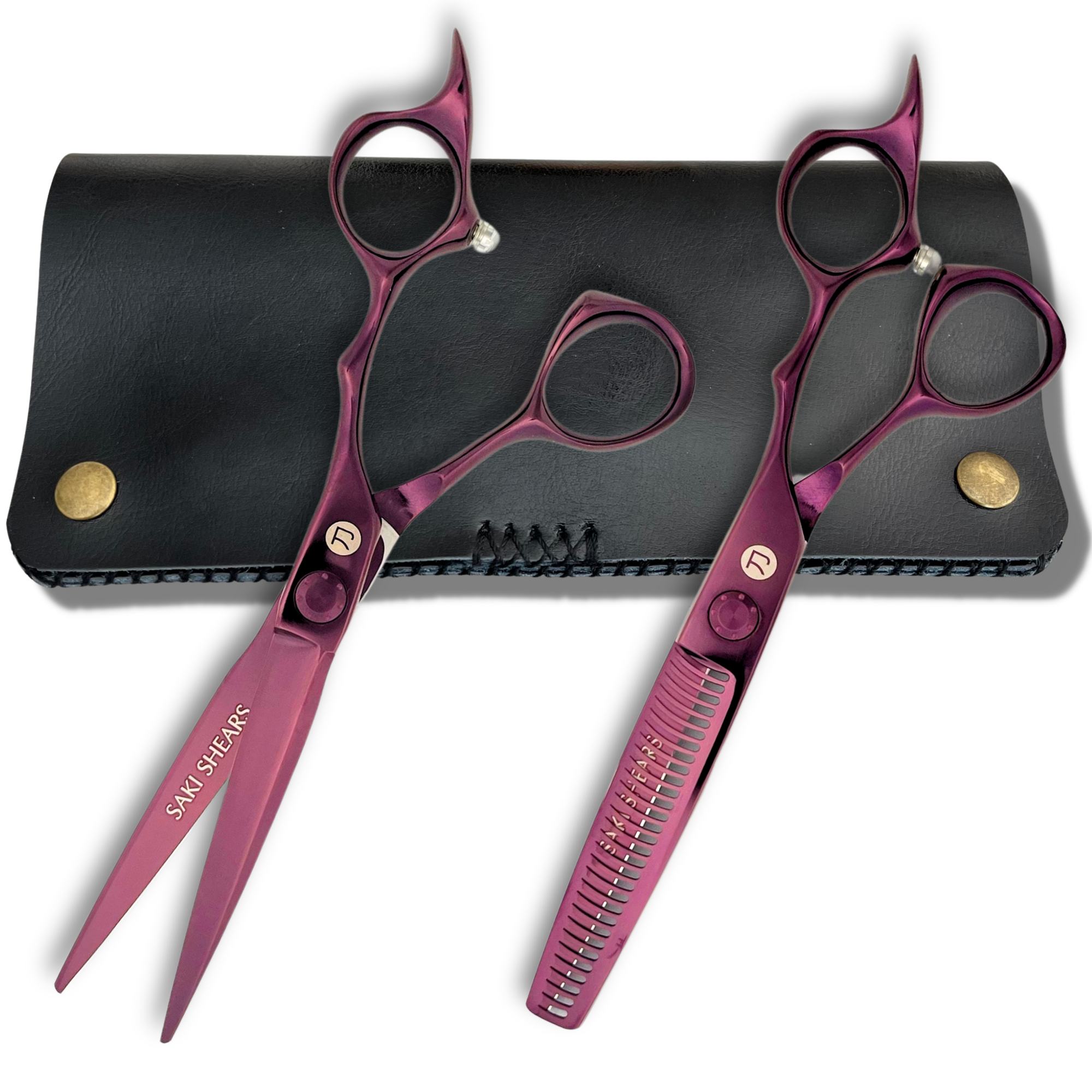
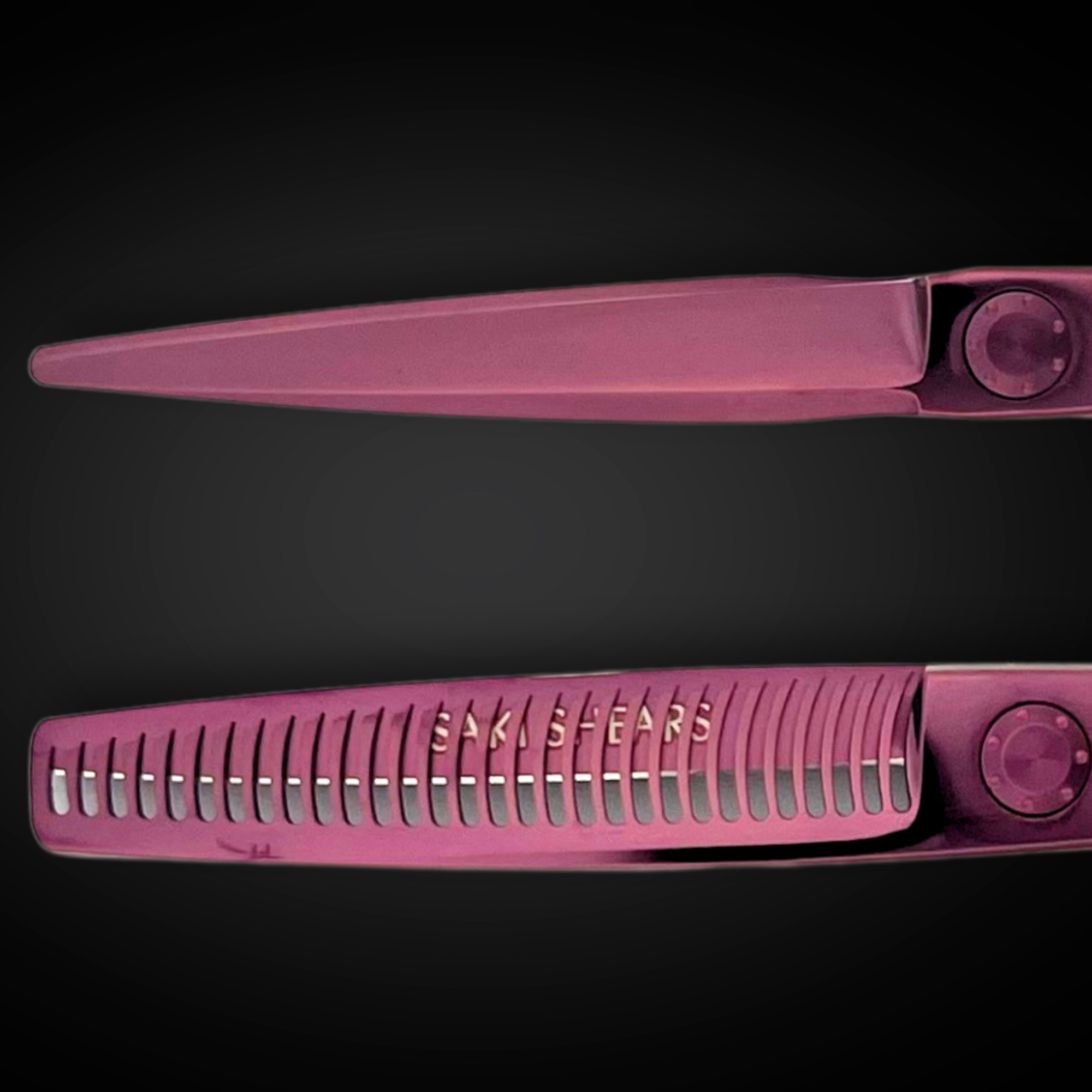
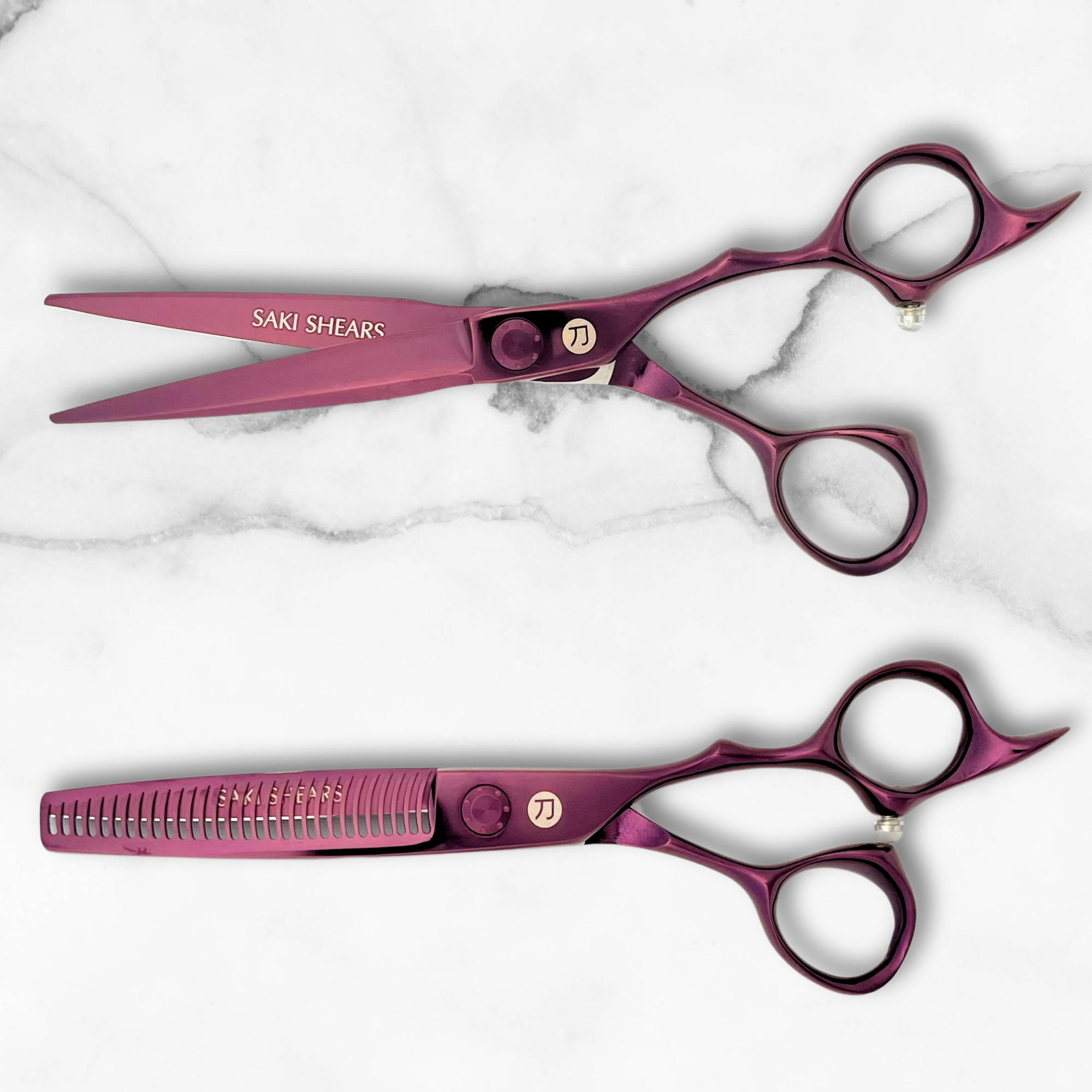
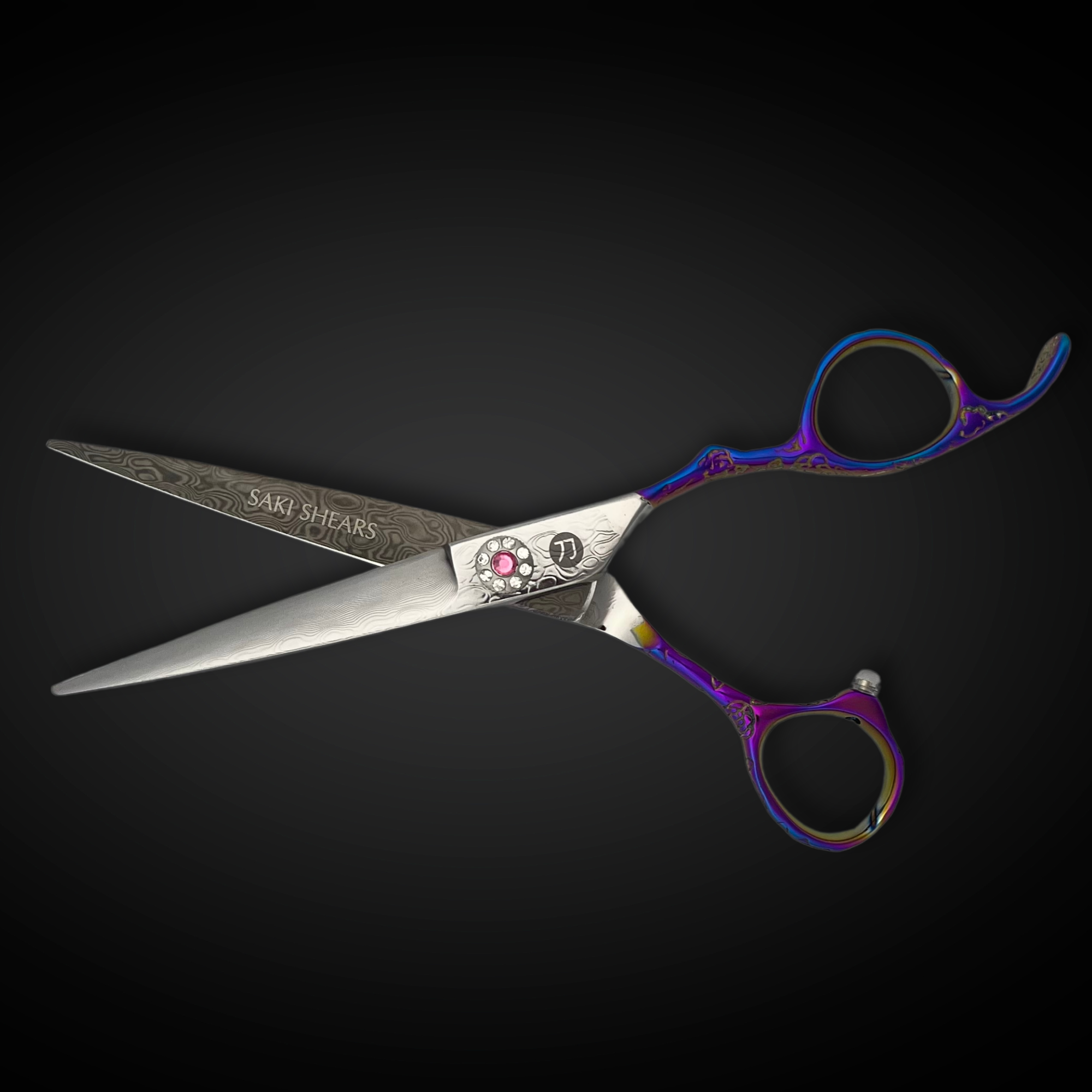
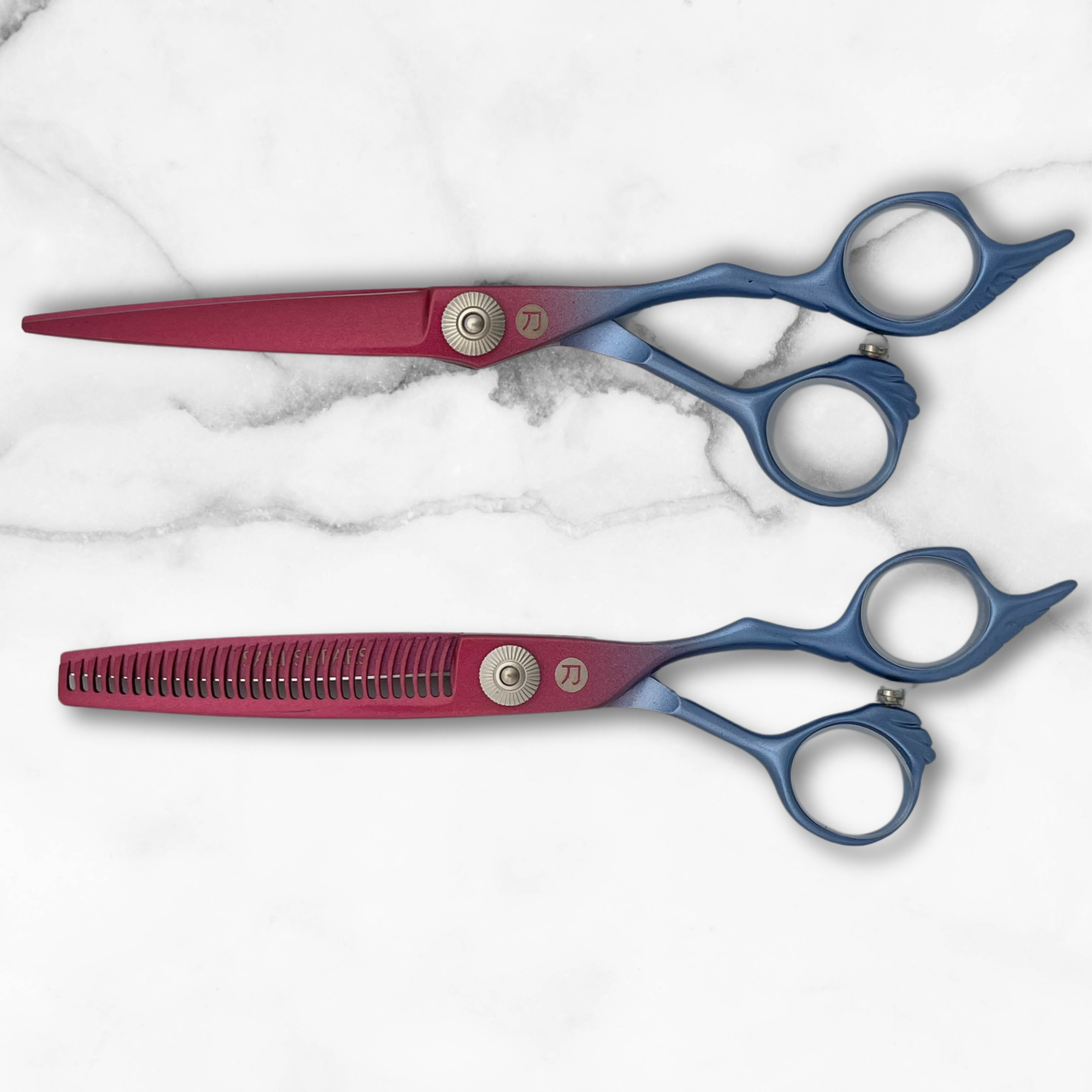
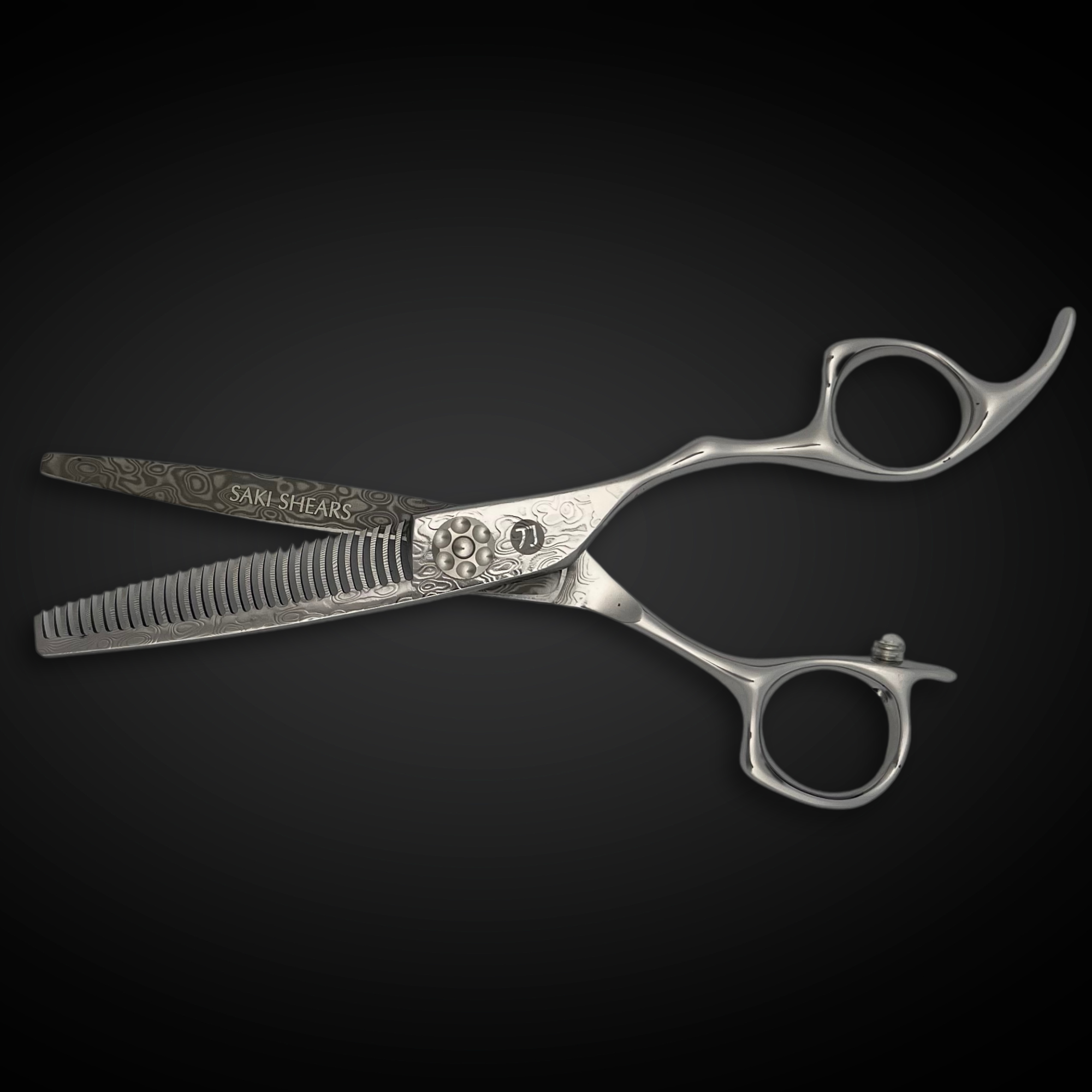
Cutting and coloring techniques, tools, and client expectations all shift over time. Stylists who built their skill set once and stopped updating it tend to plateau, both in the quality of their work and in what they can charge for it. The ones who keep building long careers treat education as ongoing: taking classes on new techniques, watching how other professionals approach a cut, and staying current on the tools of the trade, including the shears and clippers they use daily. A stylist who understands the difference between a standard shear and a thinning shear for the right texture work, or who invests in a well-balanced pair from a shear set suited to their range of services, is making a decision that pays off in both speed and precision over years of use.
Reliability Beats Charisma
Being pleasant to be around helps, but it's not what keeps a book full. Reliability does: showing up on time, running appointments close to schedule, confirming bookings, and following through on what was promised at the last visit. Clients build their routines around their stylist's availability, and a pattern of cancellations or chronic lateness erodes trust faster than almost anything else. The stylists with the strongest retention tend to run their chair like a small business, because in most respects, it is one. That includes protecting appointment time, communicating proactively when something changes, and treating every client's schedule with the same respect they'd want for their own.
Building a Client Base Takes Patience
A strong book of clients is built one satisfied visit at a time, not through a single standout haircut that goes viral. New stylists sometimes chase quick wins instead of the slower work of retention: following up after a color service to see how it's holding, remembering details from previous conversations, and being upfront about maintenance schedules and realistic timelines for growing out or correcting a style. Referrals still come primarily from clients who trust that they'll get the same dependable experience every time, not from clients who were merely impressed once.
Taking Care of the Tools of the Trade
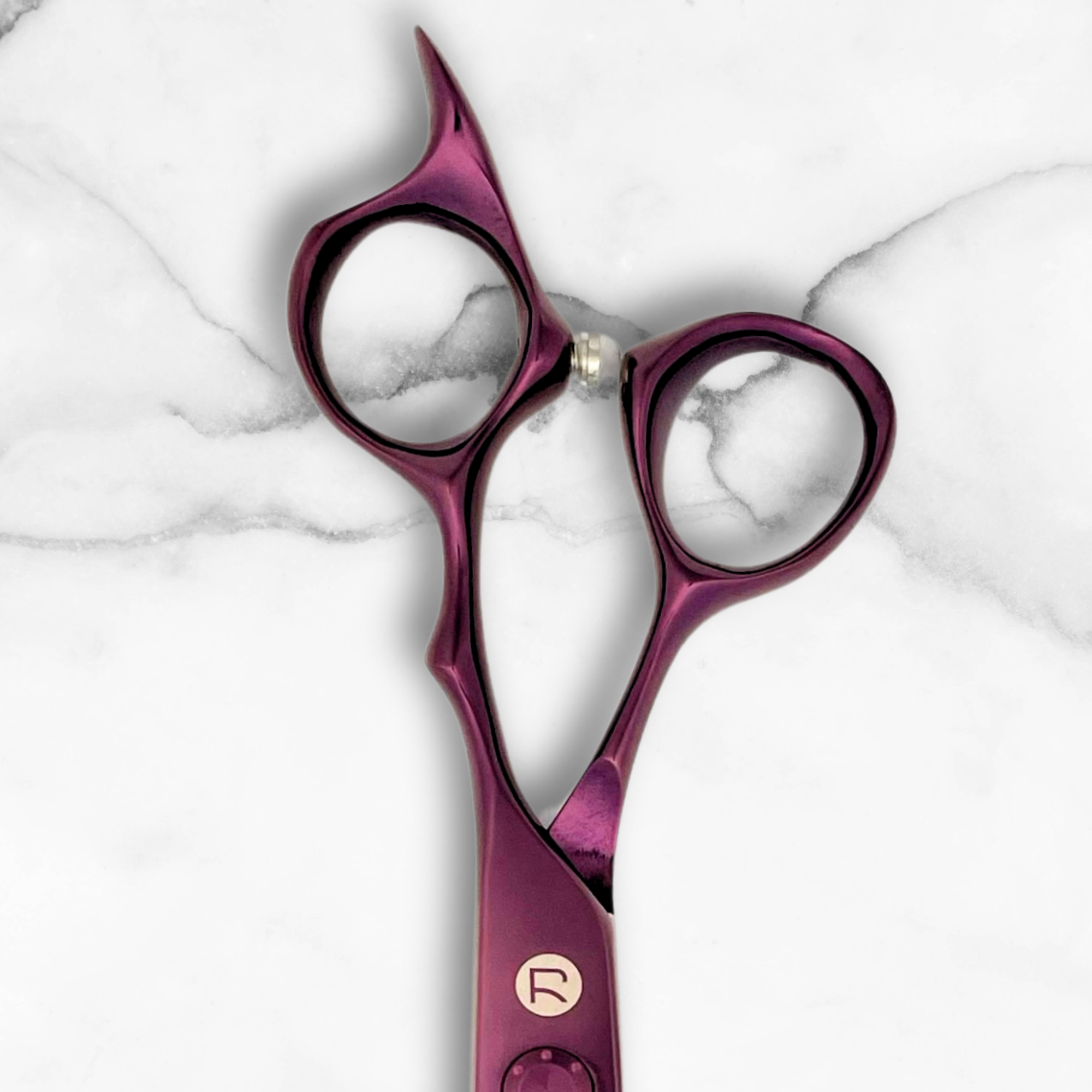
Long careers are also built on protecting the physical tools that make consistent, precise work possible. Shears that are properly maintained, and eventually replaced or upgraded as a stylist's technique and specialization evolve, make a measurable difference in comfort and hand fatigue over a full day of appointments. Stylists moving into more advanced texturizing or dry-cutting work often find that upgrading to a higher-grade pair, such as those in a Damascus steel shear line, or expanding their kit with a dedicated clipper or trimmer, supports the kind of precision that keeps clients coming back.
What Ties It Together
None of these traits are flashy, and none of them show up in a portfolio photo. But collectively, they explain why some stylists and barbers are still building strong client relationships fifteen or twenty years into their career while others with comparable raw talent never get past the early, unstable years. The traits worth developing are:
- Delivering the same quality of work on every visit, not just the good days
- Communicating clearly and specifically before, during, and after a service
- Treating technique and product knowledge as an ongoing education, not a one-time credential
- Running appointments and client relationships with genuine reliability
- Playing the long game on client retention rather than chasing one-off wins
- Maintaining and upgrading tools as skills and specialization grow
None of this happens overnight. But stylists who commit to these habits early tend to look back years later and find they didn't just survive in the industry, they built something durable.

Scritto da Charles Harris