Article: Saki Katana Hair Shears Review: Why Stylists Choose 440C Japanese Steel
Saki Katana Hair Shears Review: Why Stylists Choose 440C Japanese Steel
After spending years behind the chair with dozens of different shears, most professional stylists reach the same conclusion: the steel matters more than anything. The Saki Katana hair cutting shears have earned a reputation among working professionals for delivering the kind of edge retention and cutting smoothness that only genuine Japanese 440C stainless steel can provide. At $199, these handmade shears sit in a category that balances professional-grade performance with accessible pricing — and that combination has made them one of the most popular models in the Saki Shears lineup.
This isn't a surface-level overview. We're going to break down exactly what makes the Katana perform the way it does, from the metallurgy of its blade to the ergonomics of its crane handle, so you can decide whether these shears belong in your rotation.
What Sets 440C Japanese Steel Apart
The conversation around professional hair shears always circles back to steel composition, and for good reason. The type of steel determines how sharp a blade can get, how long that edge lasts, and how the shear feels during a full day of cutting. The Saki Katana uses Japanese 440C stainless steel — a high-carbon chromium alloy that has become the industry standard for professional-grade shears at this price point.
Japanese 440C differs from generic 440C in how it's refined. Japanese steel mills produce 440C with tighter tolerances on carbon content (typically 0.95–1.20%) and chromium levels (16–18%), which translates into a more consistent grain structure across the blade. According to research published by the ASM International (the world's largest association of materials engineers), the precise carbon-to-chromium ratio in 440C creates an ideal balance between hardness and corrosion resistance — two properties that tend to work against each other in most alloys.
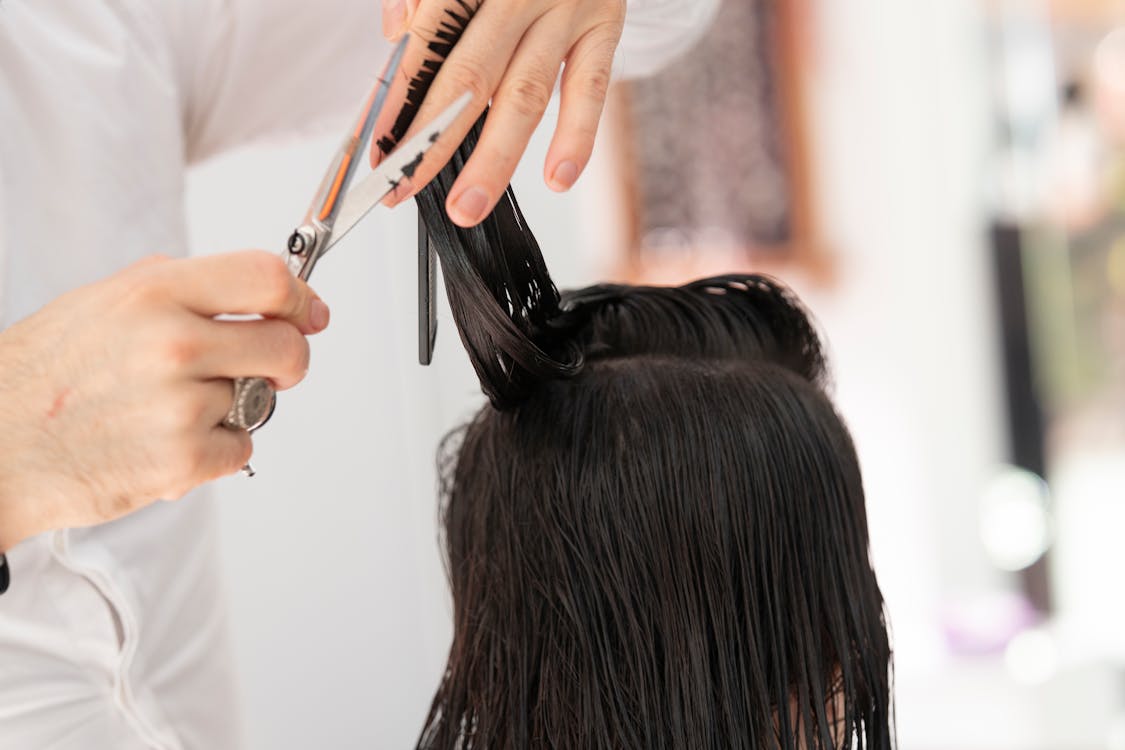
What does this mean in practical terms? The Katana's blades are hardened to 59–61 HRC (Rockwell Hardness Scale). That range is significant. Below 58 HRC, blades tend to dull quickly and struggle with clean cuts on dry or coarse hair. Above 62 HRC, you gain edge retention but the steel becomes brittle and more susceptible to micro-chipping. The 59–61 HRC sweet spot gives the Katana enough hardness to hold a razor-sharp convex edge through weeks of heavy use, while maintaining the toughness needed to handle everything from fine baby hair to thick, resistant texture.
If you've been working with shears made from mystery-grade steel or lower-quality 420-series alloys, the difference you'll feel with the Katana is immediate. Cuts that used to require two or three passes happen cleanly in one. The blades don't push or fold the hair — they slice through it. That's the 440C advantage at work.
Convex Edge and Triple-Honed Blades: The Cutting Experience
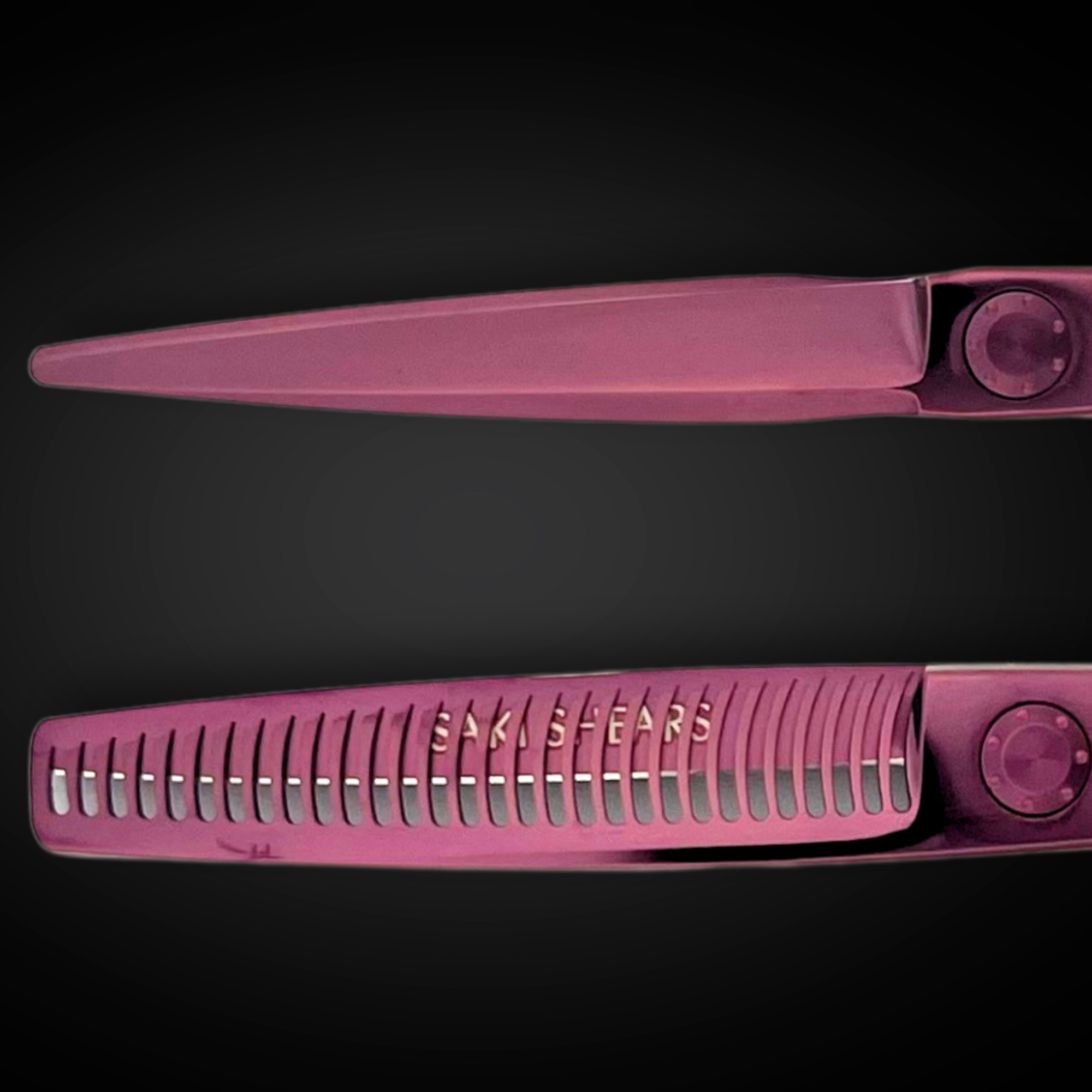
Steel quality only tells part of the story. The Saki Katana features a convex edge — the same blade geometry used in traditional Japanese swords and the gold standard for professional hair shears. Unlike beveled edges, which create a V-shaped cutting surface, convex blades taper smoothly to an incredibly fine point. This design produces less friction as the blades close, which means smoother cuts with less effort.
Saki takes the convex edge further with their hollow-ground and triple-honed finishing process. Each Katana blade goes through three separate honing stages before it leaves the workshop. The result is an edge that's not just sharp out of the box — it's uniformly sharp across the entire length of the blade, from pivot to tip. You won't find dead spots or uneven tension when you close these shears for the first time.
For stylists who rely on slide cutting, the Katana's convex edge is particularly valuable. The smooth blade geometry allows hair to glide along the edge without catching or bending, which produces the seamless, graduated results that slide cutting demands. If you haven't explored the Katana shears collection, the cutting performance is where you'll notice the biggest difference from entry-level alternatives.
The Crane Handle: Designed for All-Day Comfort
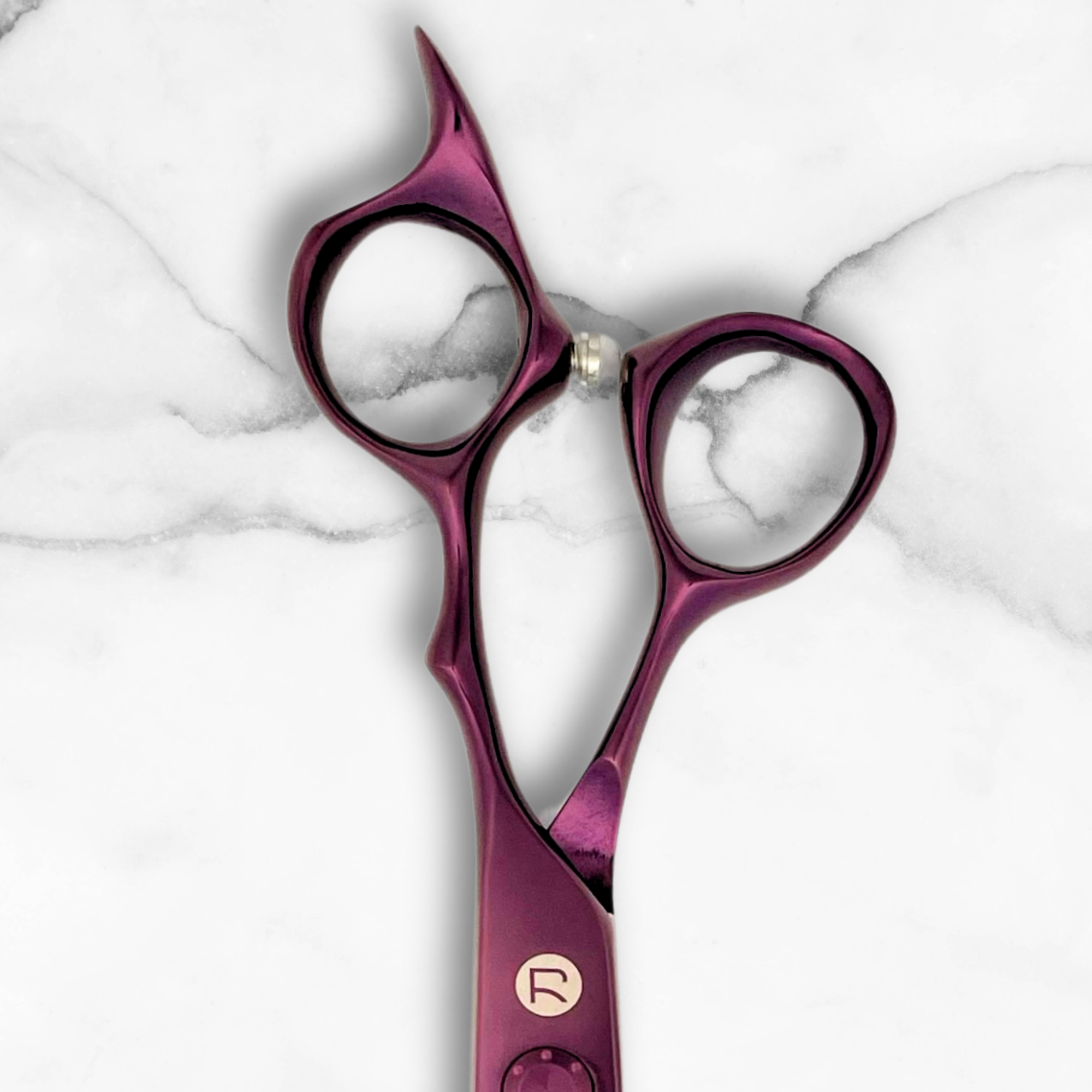
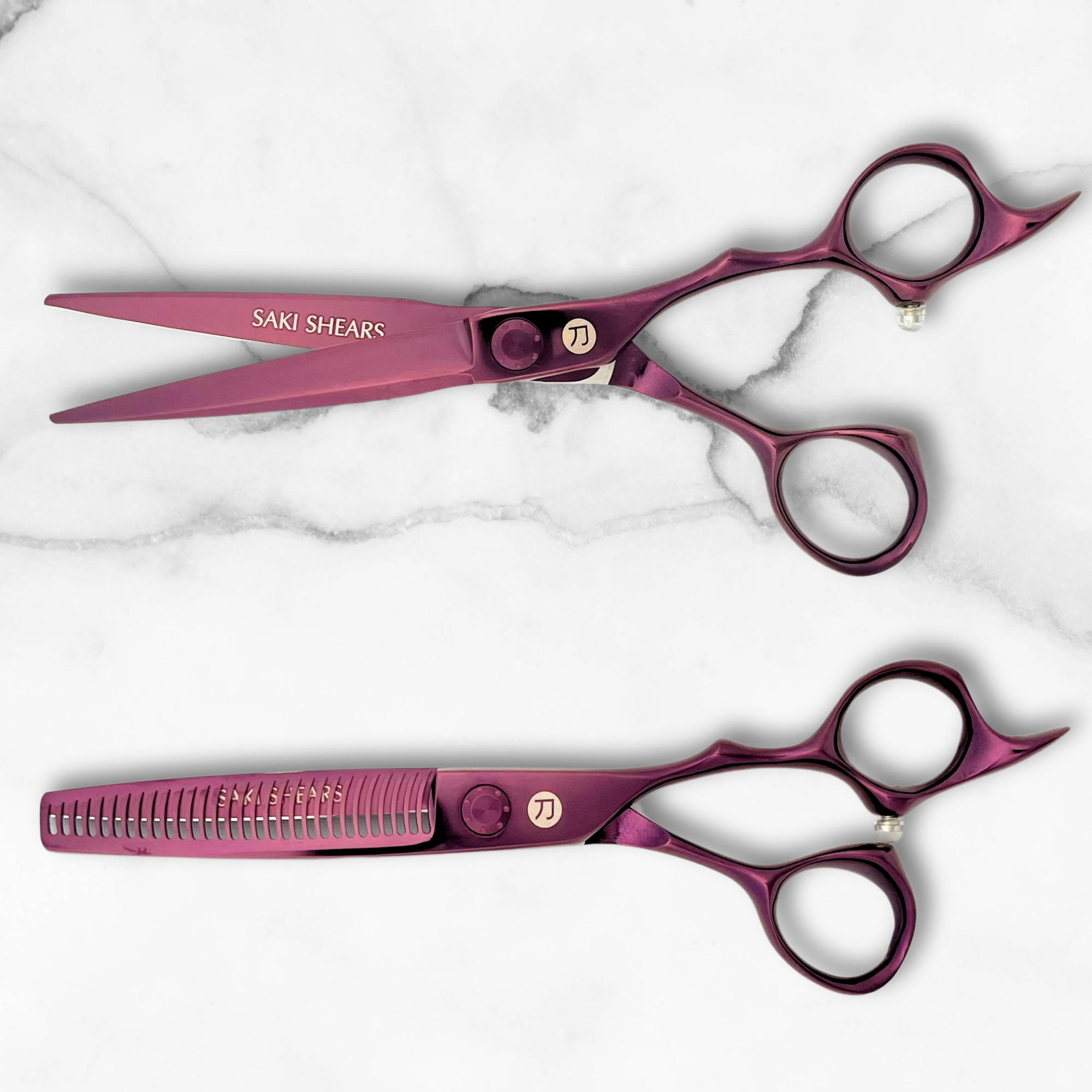
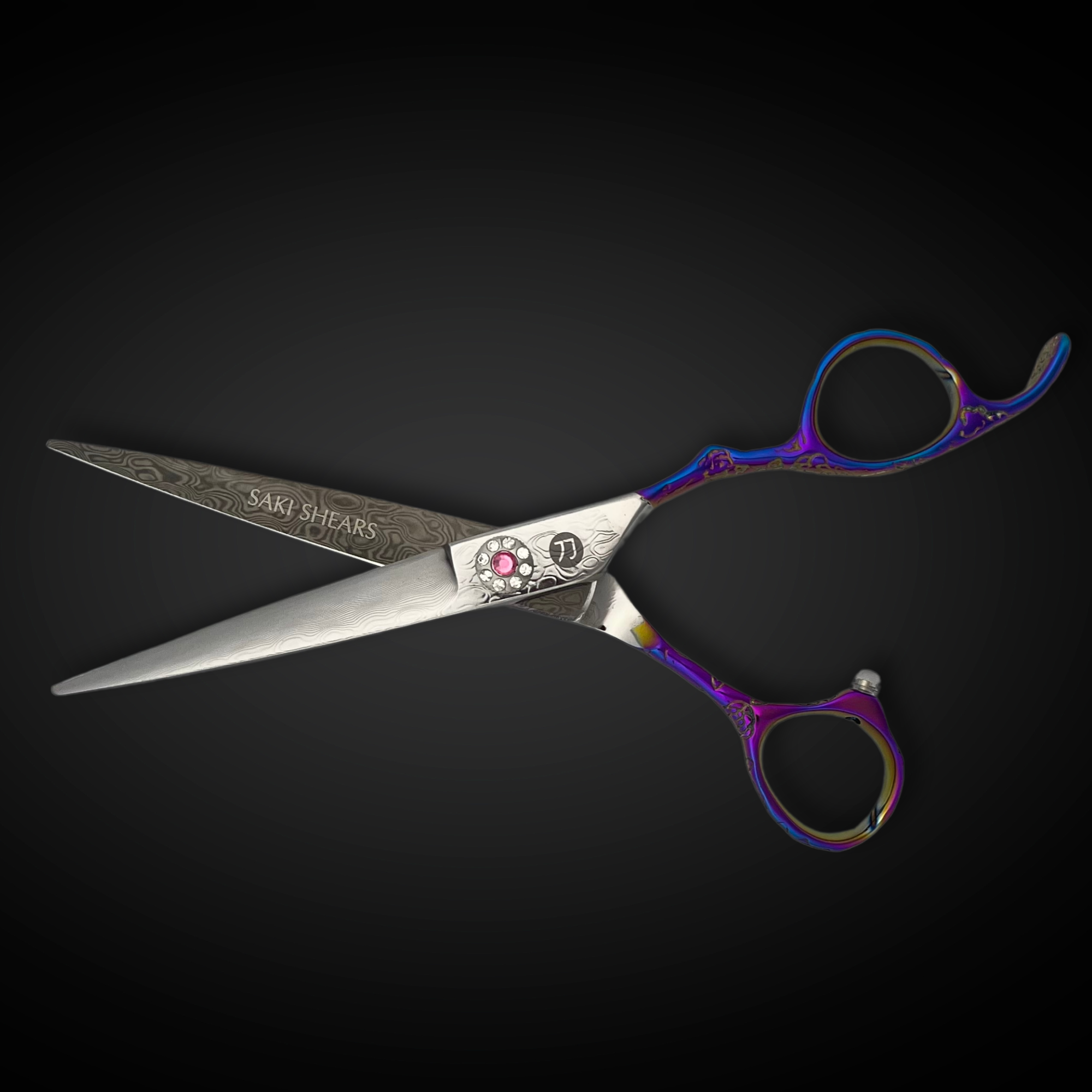
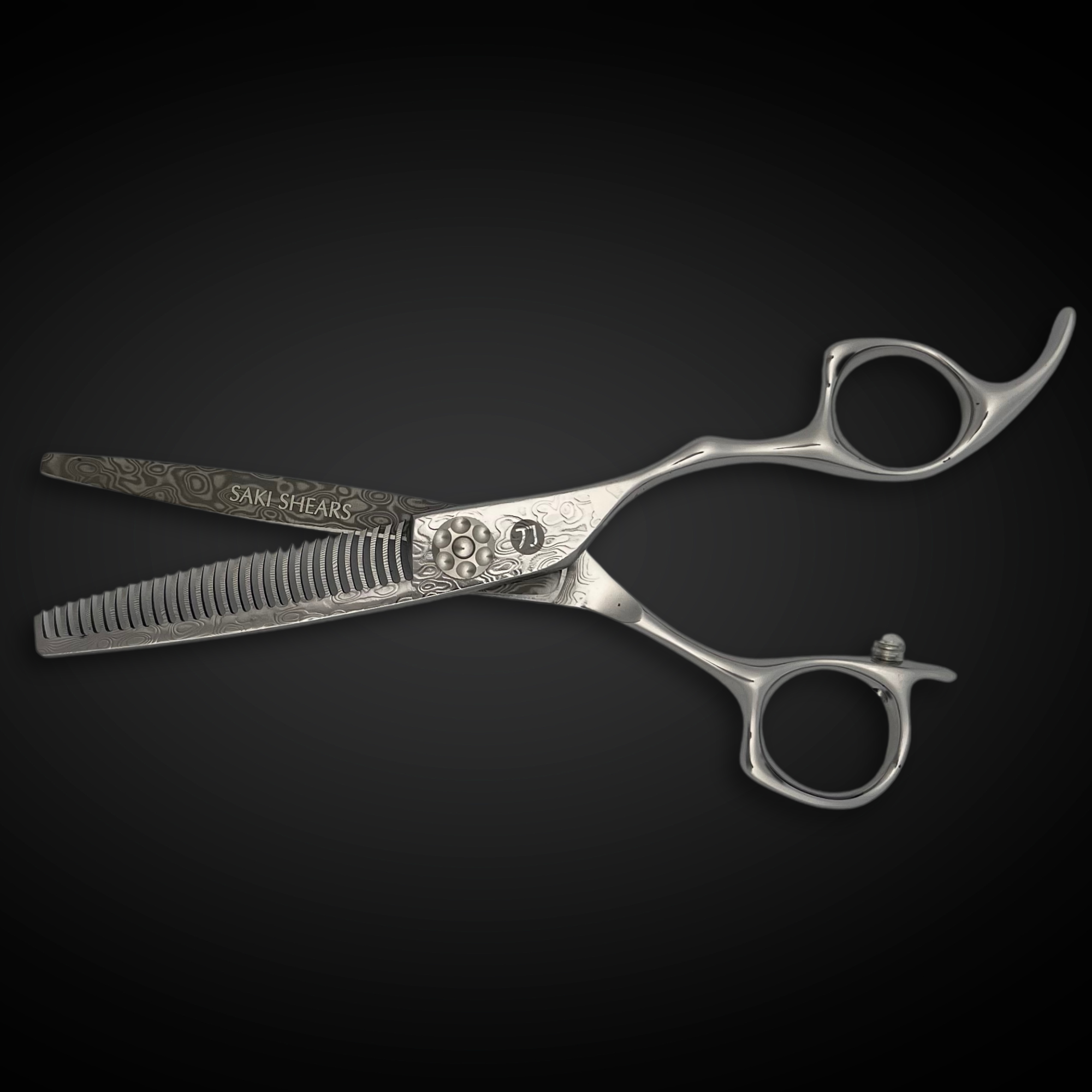
The Katana's extra-long crane-style offset handle is one of its most distinctive features, and it's not just about aesthetics. The crane handle positions your thumb lower than your fingers during cutting, which naturally drops your elbow and shoulder into a more relaxed position. Over the course of a 10-hour day with back-to-back clients, that ergonomic difference adds up significantly.
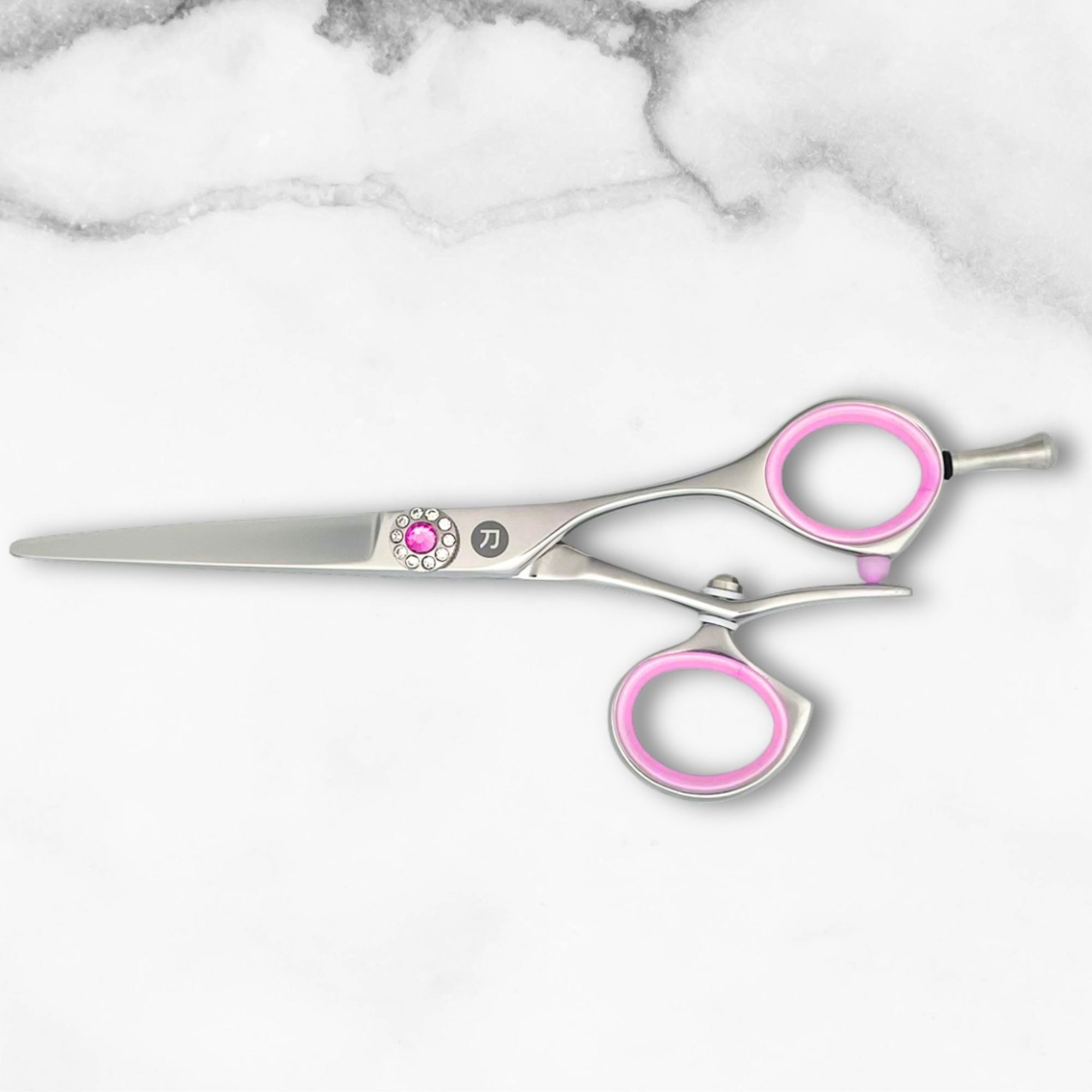
Traditional even-handle shears force your elbow to stay elevated, which places sustained stress on the shoulder, trapezius, and forearm muscles. The offset crane design on the Katana redistributes that load, reducing strain on the very muscle groups that contribute to repetitive stress injuries. If you're dealing with wrist discomfort or early signs of fatigue-related issues, the handle geometry is worth paying attention to. For stylists who need even more ergonomic relief, the Saki Sakura swivel shears take this concept further with a 360-degree rotating thumb.
The Katana's handle also includes adjustable ring sizing, so you can fine-tune the fit to your fingers rather than relying on silicone inserts that shift during use. This might seem like a small detail, but proper ring fit is one of the biggest factors in cutting control and fatigue prevention. Shears that don't fit your hand force you to grip harder, which accelerates muscle fatigue and reduces precision.
Ball-Bearing Pivot System
Open and close a pair of budget shears, and you'll feel the friction. That gritty, resistant motion isn't just annoying — it forces you to apply more pressure with each cut, which tires your hand faster and reduces your control over the blade. The Saki Katana eliminates this problem with a ball-bearing screw system at the pivot point.
Ball-bearing pivots use tiny steel balls to reduce friction between the two blade halves as they move. The result is an exceptionally smooth, almost effortless open-and-close action. When you pick up a Katana for the first time, the fluidity of the pivot is one of the first things you'll notice. It feels buttery — not loose or sloppy, but genuinely frictionless.
The pivot also includes a transparent screw-in silencer, which dampens the "click" sound that some shears produce when the blades close. It's a minor touch, but it speaks to the level of detail in the Katana's construction. The Professional Beauty Association has noted that noise fatigue from repetitive tool sounds is an underrecognized issue among salon professionals working long shifts.
Two-Piece Welding: Why Construction Method Matters
One of the specifications that often gets overlooked in shear reviews is the construction method. The Saki Katana uses two-piece welding — each blade half is forged from a single piece of steel, then the two halves are joined at the pivot. This differs from cast or stamped construction, where blades are punched from flat sheet metal.
Two-piece welded shears offer better blade alignment and more consistent tension over time. Because each blade maintains its integrity as a single forged unit, there's less chance of warping or misalignment as the shears age. This translates into a shear that cuts as well in year three as it did on day one, assuming proper maintenance.
The handmade aspect of the Katana's construction also means that each pair receives individual attention during assembly. Blade alignment, tension, and edge quality are checked by hand rather than relying solely on automated quality control. It's one of the reasons why two handmade shears from the same production run can feel slightly different — each one has been individually tuned. If you're comparing construction quality across the Saki lineup, the Saki Kotaro uses the same two-piece welded construction at a similar price point, making it another strong option for stylists who prioritize build quality.
Size Options: 5.5-Inch vs 7-Inch
The Katana is available in two sizes — 5.5 inch and 7 inch — which covers a wide range of cutting styles and hand sizes. Choosing the right size isn't just about personal preference; it directly affects what techniques you can perform comfortably and how much control you have during the cut.
The 5.5-inch Katana is the more versatile option for most stylists. It offers excellent control for detail work, precision cutting around the ears and neckline, and works well for both wet and dry cutting on medium-length to short hair. The shorter blade length gives you more control over each cut, which is why it's the preferred size for texturizing, point cutting, and any technique that demands precision over reach.
The 7-inch Katana is designed for stylists who work frequently with long hair, do a lot of blunt cutting, or need the additional blade length for scissor-over-comb work. The longer blade covers more hair per cut, which speeds up your workflow on long, one-length styles. Barbers often gravitate toward the 7-inch for this reason. For a more detailed breakdown of how shear length affects your work, our guide on choosing the right hair shear size covers the nuances in depth.
Both sizes are priced at $199, so the decision comes down to your cutting style and clientele rather than budget.
Who the Katana Is Built For
Saki positions the Katana for "master barbers, advanced hair stylists, and professional hairdressers," but that description undersells the shear's accessibility. The Katana is absolutely appropriate for intermediate stylists who are ready to graduate from entry-level tools to something with genuine professional performance. If you're currently cutting with shears in the $50–$120 range and wondering whether the upgrade is worth it, the answer is almost certainly yes.
That said, the Katana excels in certain contexts more than others. Its convex edge and smooth pivot action make it particularly well-suited for:
- Blunt cutting — The sharp, consistent edge produces clean lines without pushing or bending hair
- Wet cutting — 440C steel handles moisture without accelerated corrosion, and the convex edge slices through wet hair cleanly
- Dry cutting — The blade's hardness maintains performance on dry, resistant hair that would dull lesser shears
- Slide cutting — The hollow-ground convex edge lets hair pass smoothly along the blade
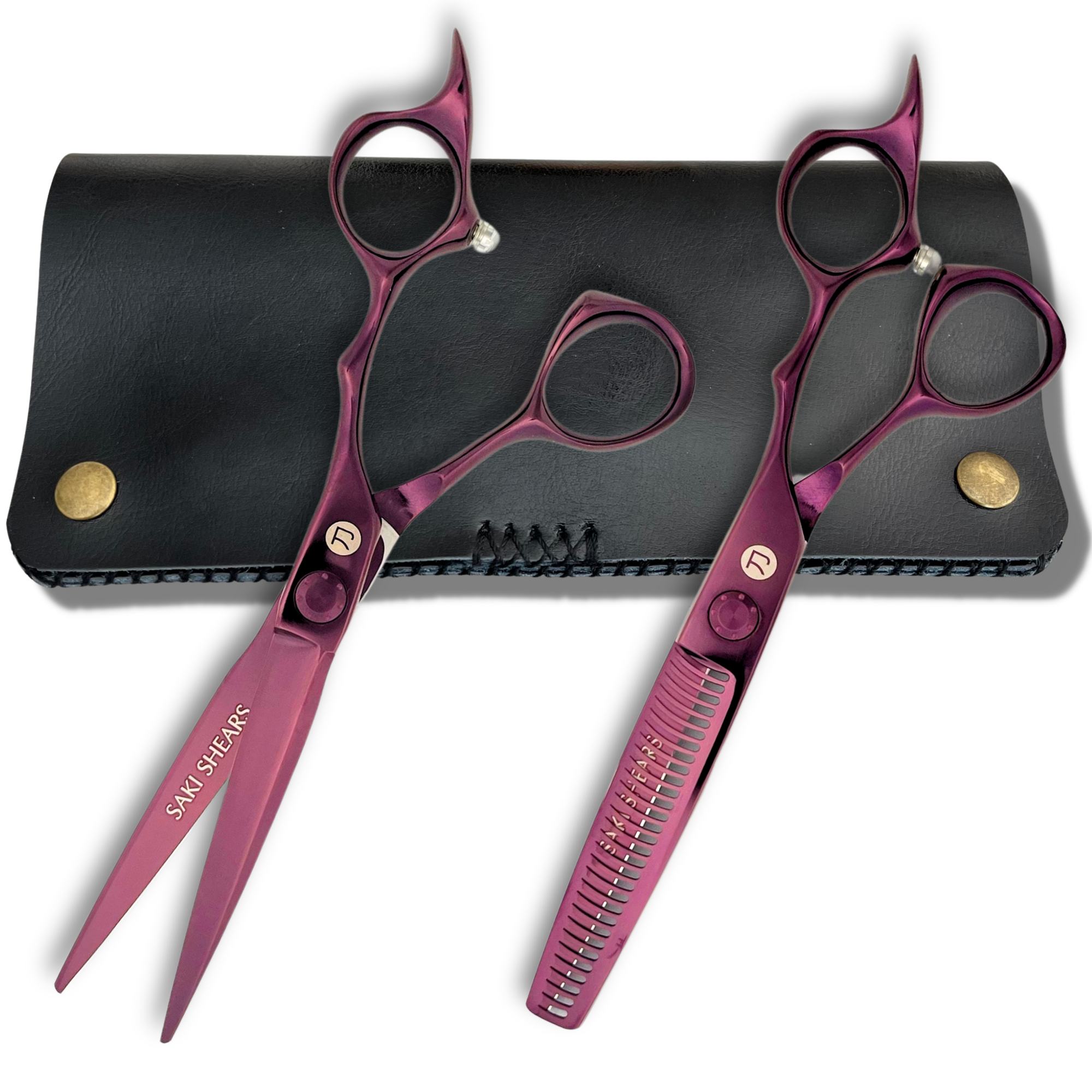
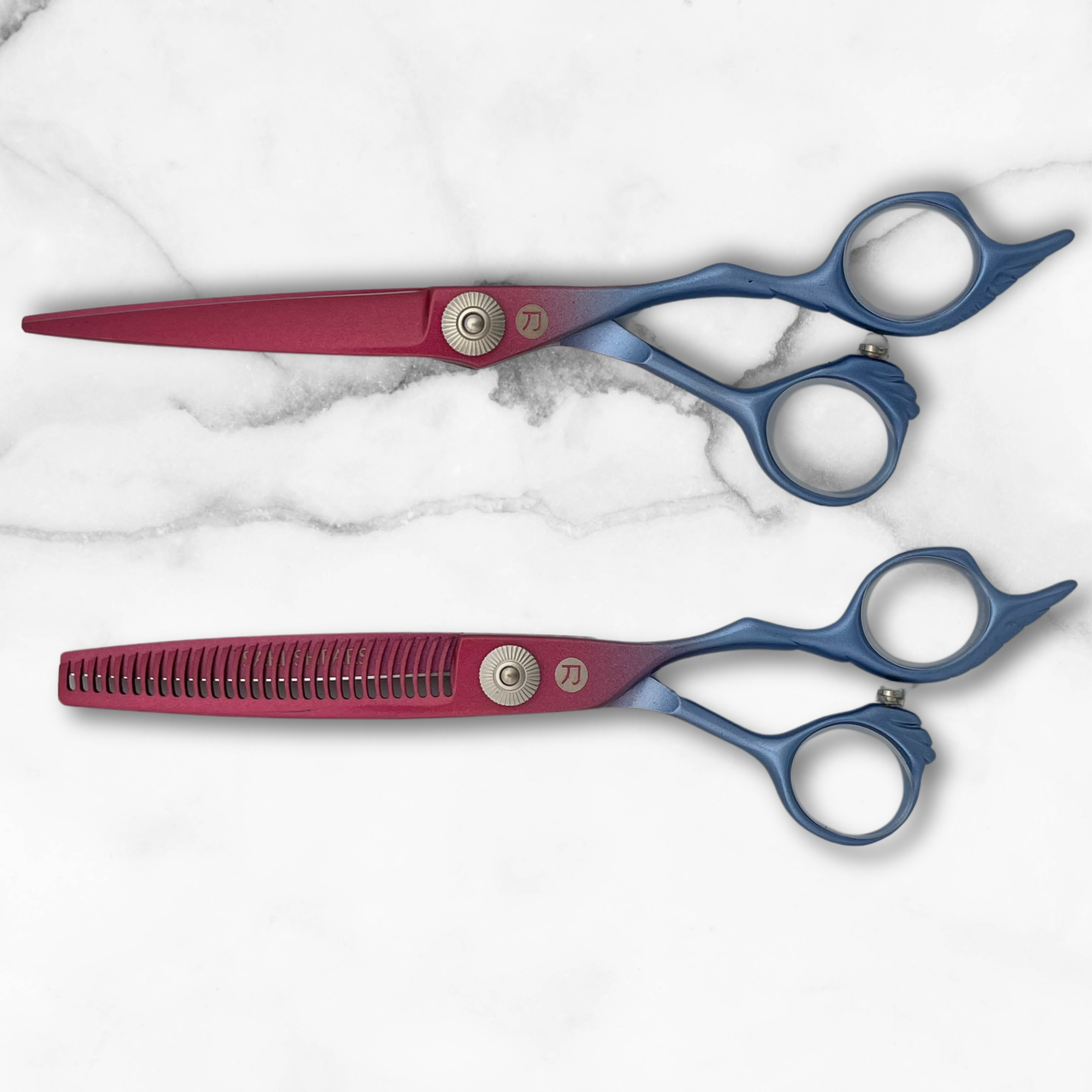
For stylists who focus heavily on texturizing and thinning work, the Katana thinning shears share the same steel and construction quality, and pairing the two gives you a matched set that handles every aspect of a haircut. If you want both in one package with a razor and carrying case, the Katana shears collection at $299 is the most cost-effective path.
Katana vs. Other Shears in the Saki Lineup
Understanding where the Katana fits relative to other Saki models helps clarify whether it's the right choice for your specific needs.
The Saki Gold ($395) is Saki's premium offering, built from VG10 cobalt steel rather than 440C. VG10 is a step up in terms of edge retention and overall hardness, making the Gold the better choice for stylists who want the absolute best steel available and don't mind the higher price. Our article on the best Japanese hair cutting shears for 2026 compares these models in more detail.
The Saki Kotaro ($189) is the Katana's closest sibling — same 440C steel, same convex edge, same two-piece welded construction. The key difference is the handle design. While the Katana uses an extra-long crane handle, the Kotaro features a standard offset handle with a removable finger rest. Some stylists prefer the Kotaro's more compact feel, especially for detailed work around the face and hairline.
The Saki Tomika ($180) is the entry point in the professional lineup, using the same 440C steel but with a more streamlined feature set. It's an excellent first professional shear, but the Katana's ball-bearing pivot, extra-long crane handle, and refined finishing make it the better long-term investment for stylists who are cutting full-time.
Maintenance and Longevity
A $199 shear is an investment, and the Katana's longevity depends on how well you maintain it. The good news is that 440C steel is relatively low-maintenance compared to higher-carbon alloys. Here's what a practical care routine looks like:
Daily: Wipe the blades with a soft cloth after each client to remove hair fragments and product residue. A quick spray of shear oil on the pivot point at the end of each day keeps the ball-bearing system running smoothly.
Weekly: Open the shears fully and clean the pivot area with a soft brush to remove accumulated debris. Check the tension by holding one handle and letting the other drop — a properly tensioned shear should close about halfway before stopping. Adjust using the tension screw if needed.
Annually: Have your Katana professionally sharpened by a certified shear sharpener. Convex edges require specialized equipment (not the same flat honing used for beveled edges), so make sure your sharpener has experience with Japanese convex blades. According to the Beauty and Barber Supply Institute, having shears sharpened once or twice per year is standard for full-time professionals.
With proper care, the Katana's 440C blades and two-piece welded construction should deliver consistent performance for five to ten years. That's backed by Saki's lifetime warranty, which covers manufacturing defects and gives you confidence that the company stands behind its product. For a deeper dive into shear care practices, our guide to professional thinning shears includes maintenance tips that apply equally to cutting shears.
The Bottom Line on the Saki Katana
The Saki Katana occupies a smart position in the professional shear market. At $199, it's priced well below premium VG10 models while delivering performance that competes with shears costing significantly more. The genuine Japanese 440C steel, convex triple-honed edge, ball-bearing pivot, and ergonomic crane handle combine to create a shear that feels like it belongs in a higher price bracket.
Is it the right shear for every stylist? No — if you need a swivel thumb for severe ergonomic issues, the Sakura is the better fit. If you want the absolute pinnacle of steel quality, the Gold's VG10 cobalt steel is worth the premium. But for the vast majority of professional stylists and barbers who want a reliable, well-built, smooth-cutting shear that won't punish their hands during long days, the Katana delivers.
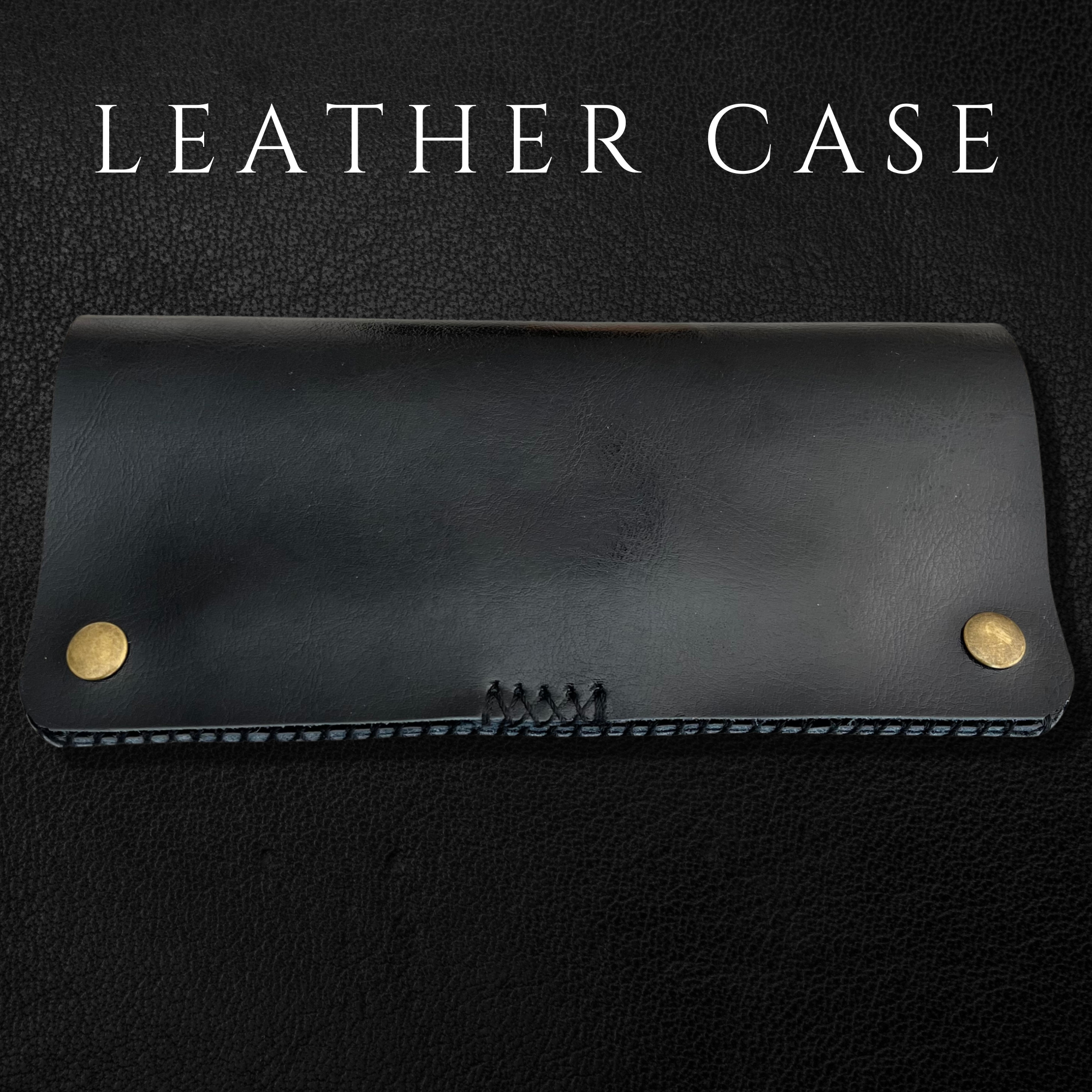
The fact that it comes in both 5.5-inch and 7-inch sizes, includes a leather carrying case, and is backed by a lifetime warranty makes the value proposition even stronger. This is a shear you buy once and use for years — and that's exactly what professional tools should be.