Techniques and Movements That Reshaped Hairstyling
Why Technique History Matters to Working Stylists
Every cutting technique on today's floor - point cutting, slide cutting, precision bobs, razor texturizing - has a lineage. Understanding where a technique came from helps you use it with intention rather than treating it as a trend you picked up from a video. This is a look at the innovations and movements that reshaped hairstyling and barbering into the technical craft it is today, and what they still mean for the way you work with your shears and clippers.
The Shift from Setting to Cutting
For much of the twentieth century, hairstyling was built around setting: rollers, pin curls, and heat were used to create shape, and the cut itself was often secondary to how the style was dressed. That changed in the 1960s, when a wave of stylists began treating the cut as the style. The most famous example is Vidal Sassoon, whose geometric, precision-cut bobs let hair fall into shape on its own instead of relying on daily sets. This is well documented and remains foundational: it shifted the industry's center of gravity from the roller set to the shear, and it is the reason precision cutting is taught as a core discipline rather than a specialty technique.
The practical lesson for a working stylist is that a cut built on solid geometry - clean sectioning, consistent tension, an accurate baseline - holds its shape with minimal styling. That principle underlies nearly every modern dry-cutting and texturizing method, even ones that look nothing like a classic bob.
Unisex Cutting and the Rise of the Barber-Stylist Hybrid
The 1970s and 1980s saw the boundary between "barbering" and "hairstyling" blur. Unisex salons became common, clipper work started showing up in high-fashion editorial cuts, and barbers began adopting shear-over-comb and texturizing methods that had previously lived mostly in salon settings. This cross-pollination is part of why a modern barber's kit typically includes both clippers and a full shear set, and why salon-trained stylists are expected to understand fades and tapers even if they rarely cut them. The professional who can move fluidly between clipper work and shear work has more range with clients and more resilience when trends shift.
Punk, New Wave, and the Democratization of Bold Color and Cut
Street-level movements in the late 1970s and 1980s pushed asymmetry, shaved sections, and high-contrast color out of the avant-garde and into mainstream barbershops and salons. Techniques that had been reserved for editorial work - disconnection, undercuts, hard parts - became requests any working stylist needed to be able to execute cleanly. This era is a good reminder that trends born on the street or on stage tend to eventually land on your appointment book, and that technical fluency across a wide range of cutting styles is what lets you say yes to them.
The 1990s: Texture Takes Over
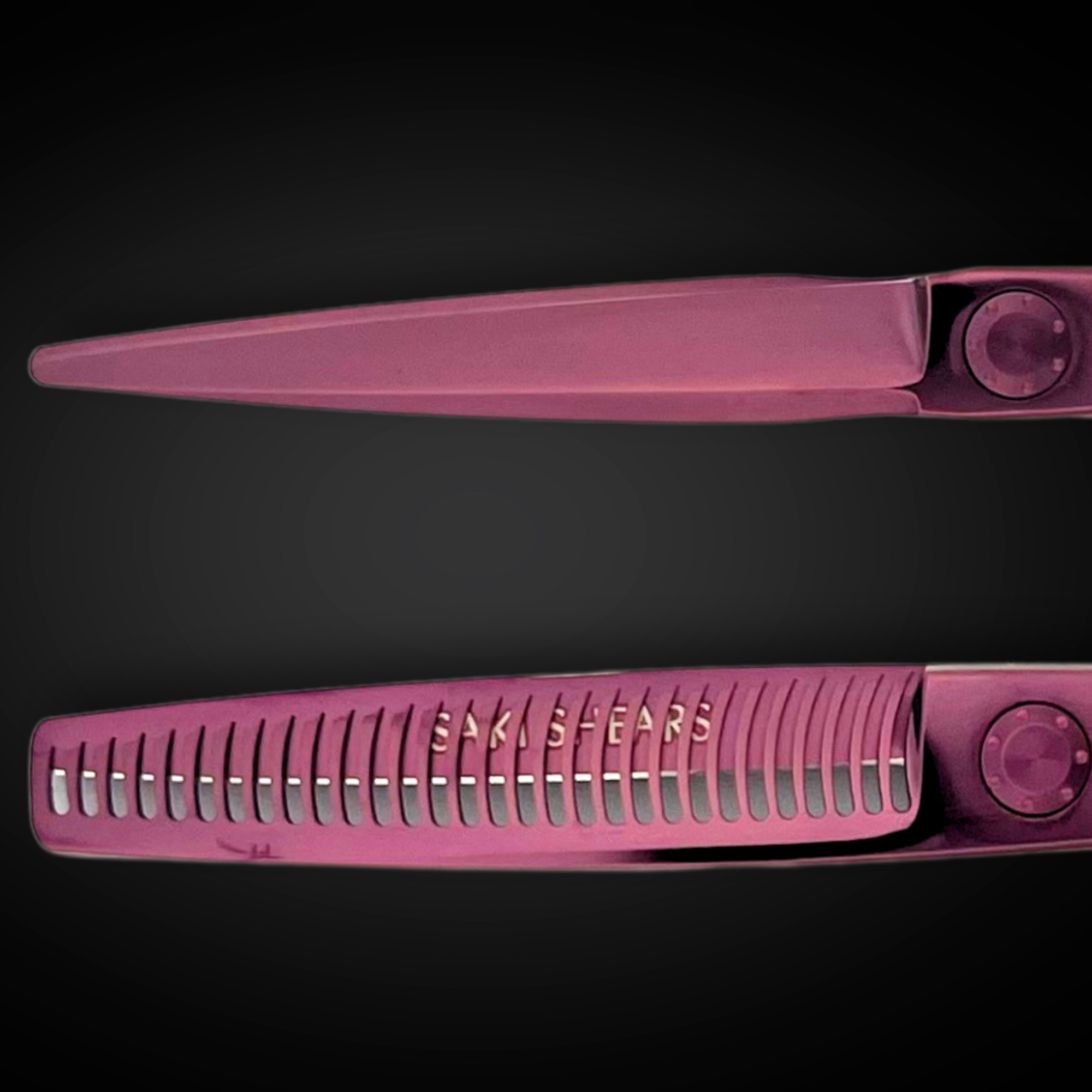
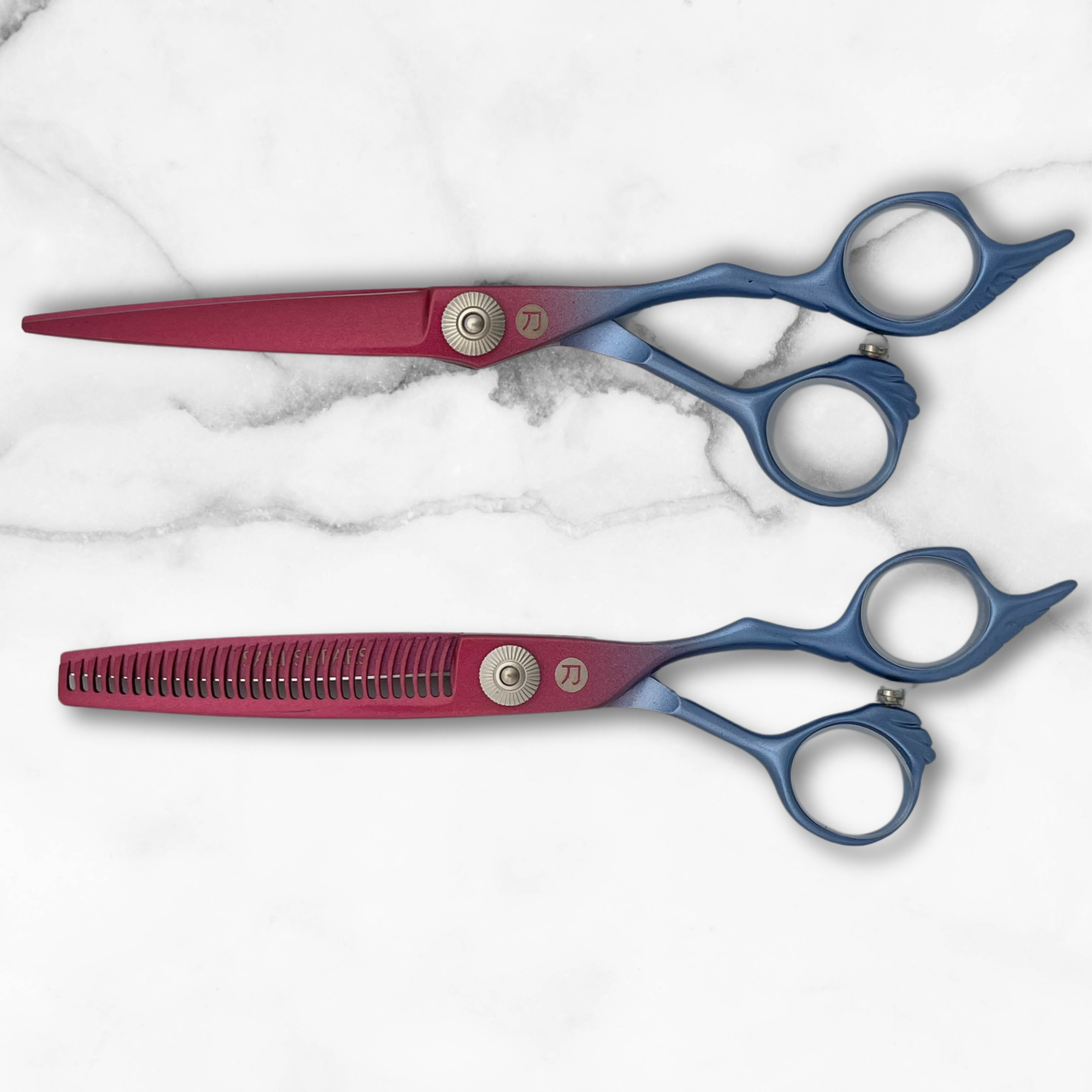
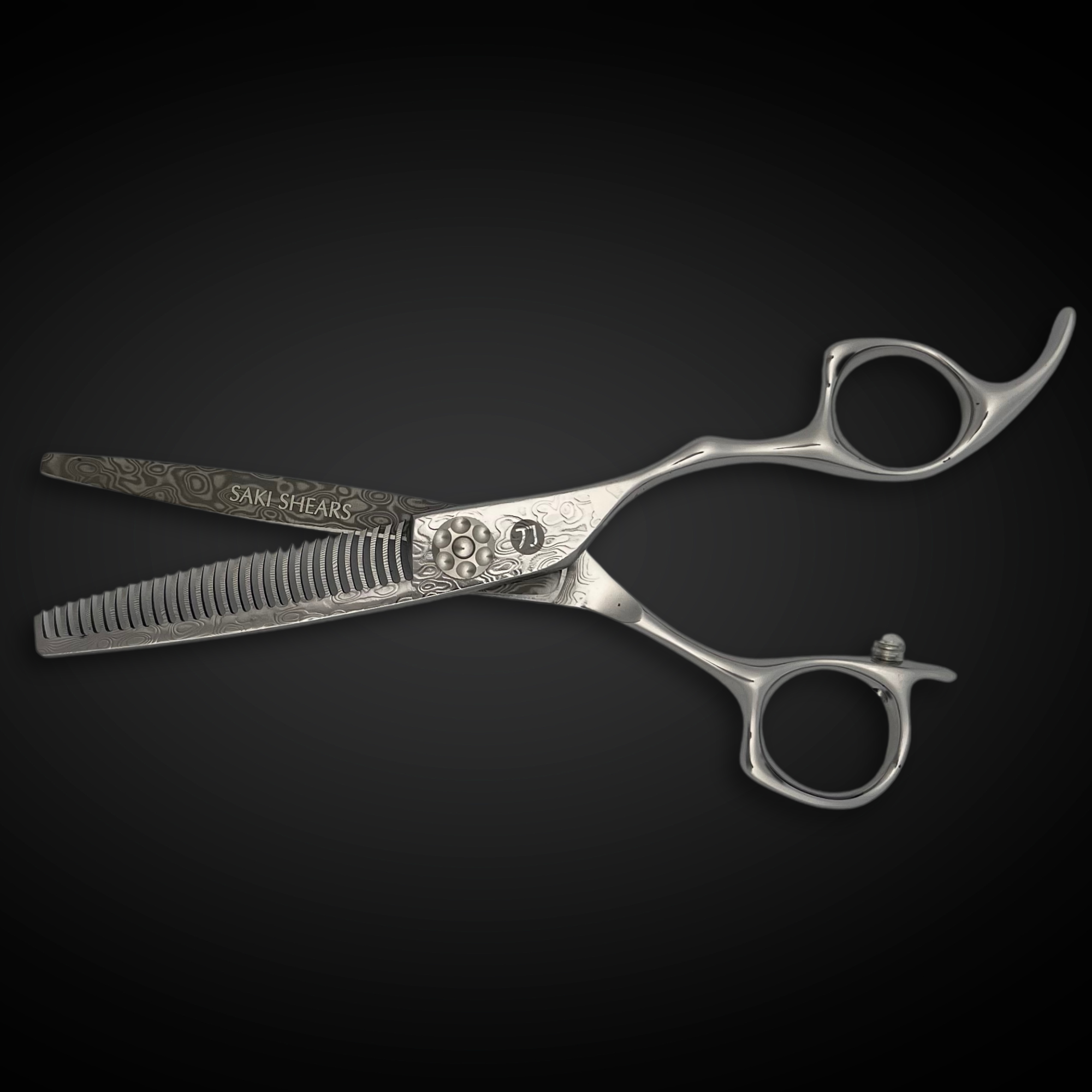
As blowouts and heavy styling products lost ground to more natural-looking finishes, texturizing shears and slide-cutting techniques moved from niche tools to everyday essentials. Layering became less about uniform stacking and more about creating movement and separation within the cut itself. This is the point at which thinning and texturizing shears became a standard part of a stylist's kit rather than an optional add-on, a shift that still shapes how shear sets are built and sold today.
Precision Barbering's Comeback
Traditional barbering - straight razors, tight fades, sharp lineups - never disappeared, but it saw a strong resurgence as classic barbershop culture regained popularity. This revival raised the bar for precision at the neckline and hairline and brought renewed attention to blade maintenance and technique, since a clean fade leaves no room for a dull edge or an inconsistent guard. It is also why safety razor work has remained a relevant, teachable skill rather than a relic, even in shops that are otherwise dominated by clippers.
What This History Means for Your Kit
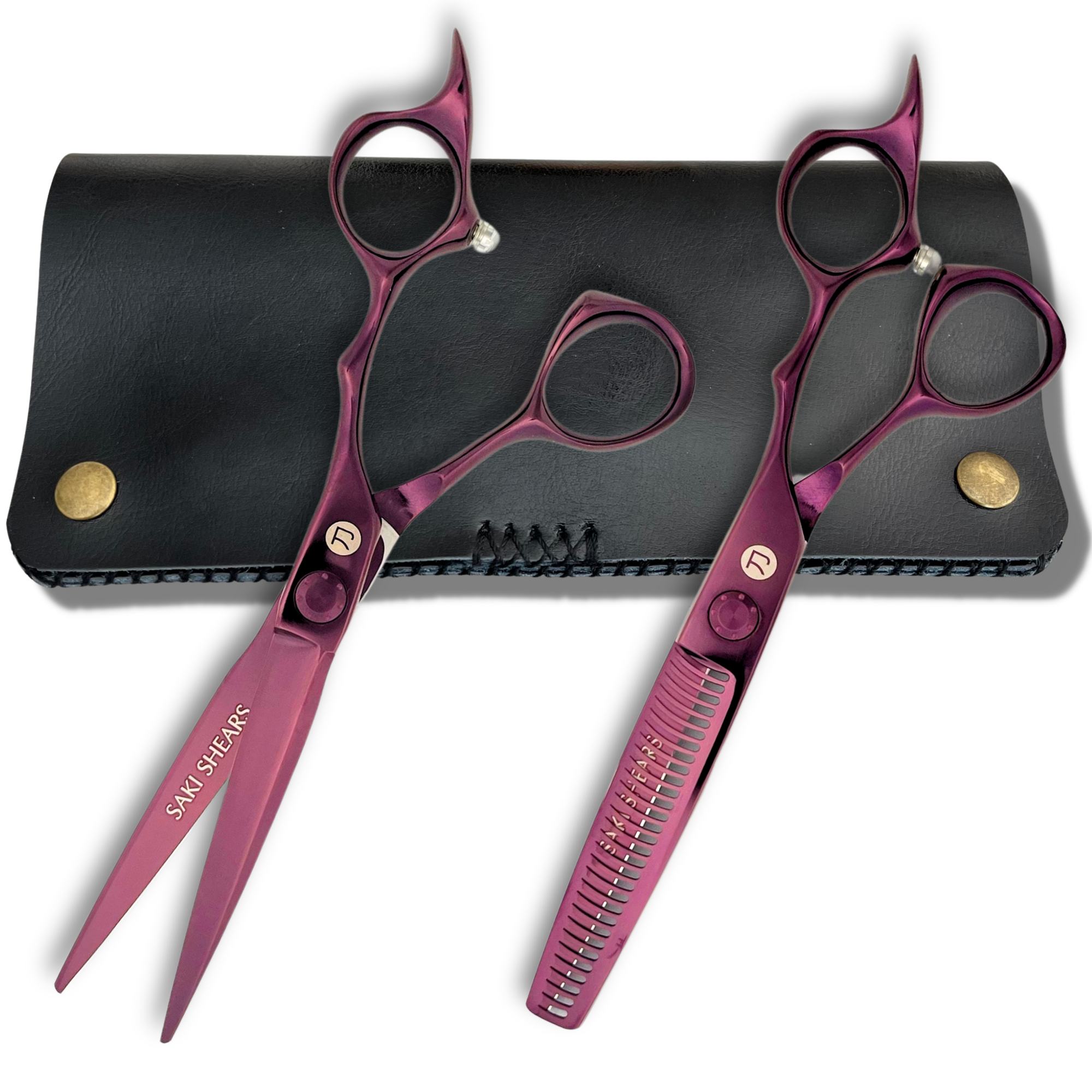
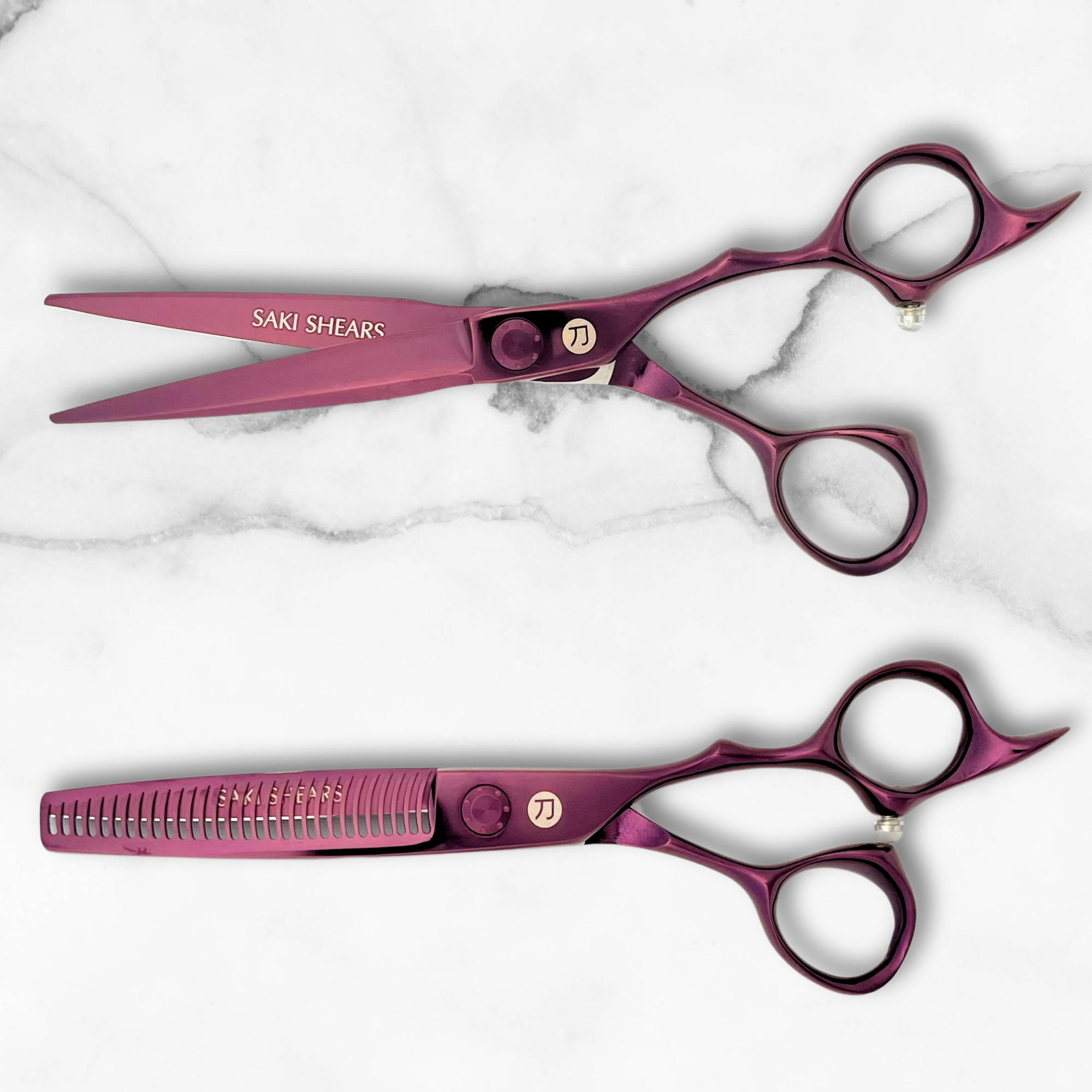
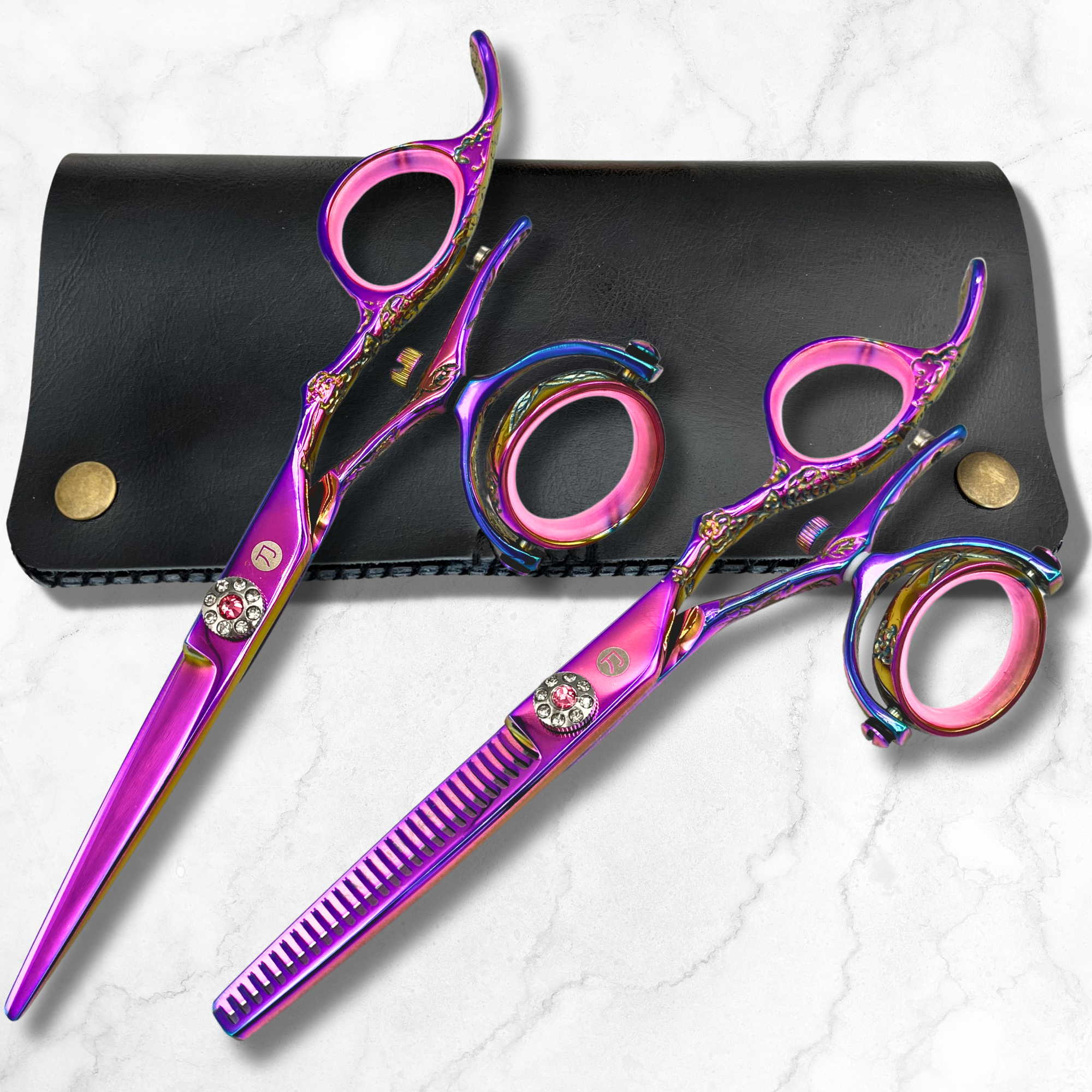
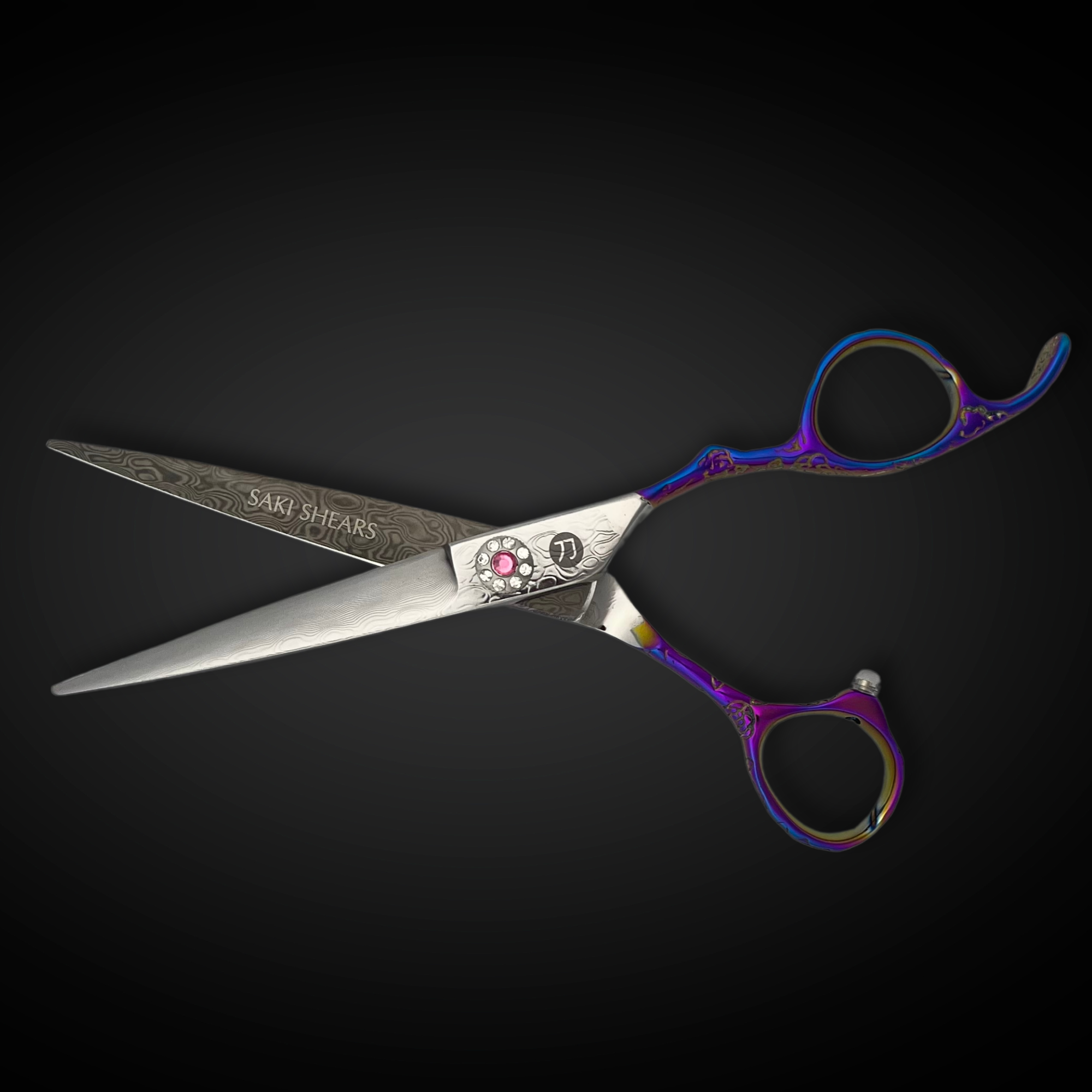
None of these shifts happened because of a single tool, but each one raised the technical bar for the tools professionals rely on: shears that hold an edge through heavy daily use, texturizing shears that create movement without over-thinning, and blades precise enough for barbering-level detail work. If your kit has fallen behind your technique, it is worth reviewing what you are working with. Saki Shears' hair cutting shears collection is built around the same principle that drove the precision-cutting movement in the first place: a clean, well-maintained edge does more for a cut than any amount of extra styling.
Closing Thought
The through-line across all of these movements is simple: the stylists and barbers who changed the industry did it by treating the cut itself as the craft, not an afterthought to styling. That standard hasn't lowered. Whether you're doing precision bobs, disconnected fades, or heavily textured layers, the tools and technique behind the cut are still what separate good work from forgettable work.

Written by Charles Harris