Article: Men's Hairstyle Guide for the French Crop
Men's Hairstyle Guide for the French Crop
What Defines a French Crop
The French crop is a short, textured cut built around a blunt, horizontal fringe sitting just above the brow, tight clipper work on the sides and back, and enough length left on top to create movement and texture. It reads as clean and low-maintenance for the client while giving the barber several places to add personal style through the taper, the fringe line, and the amount of texturizing on top. It works on most face shapes and hair types, though very fine hair will show less textured detail and very curly hair needs a softer fringe line to avoid looking blocky.
Tools and Setup
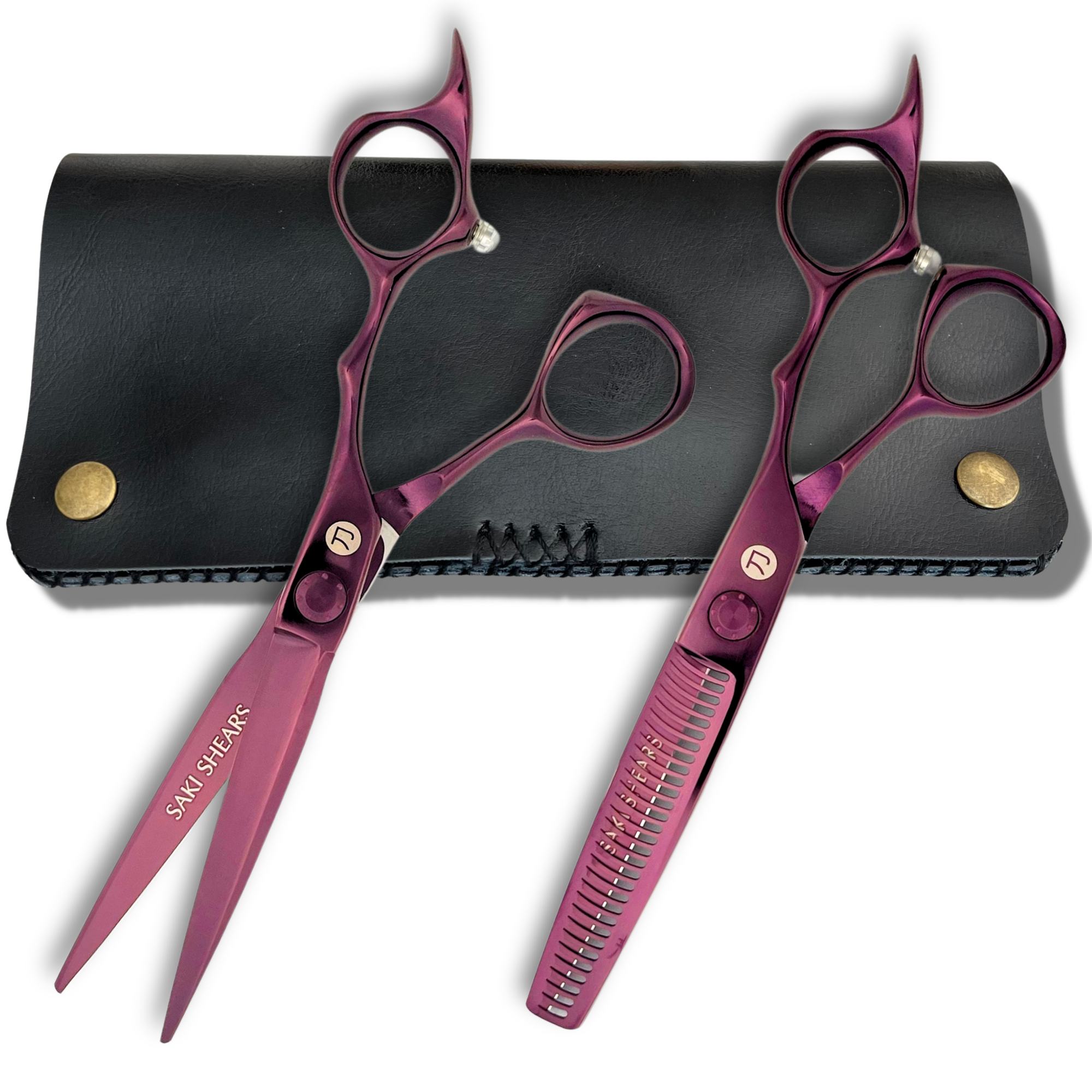
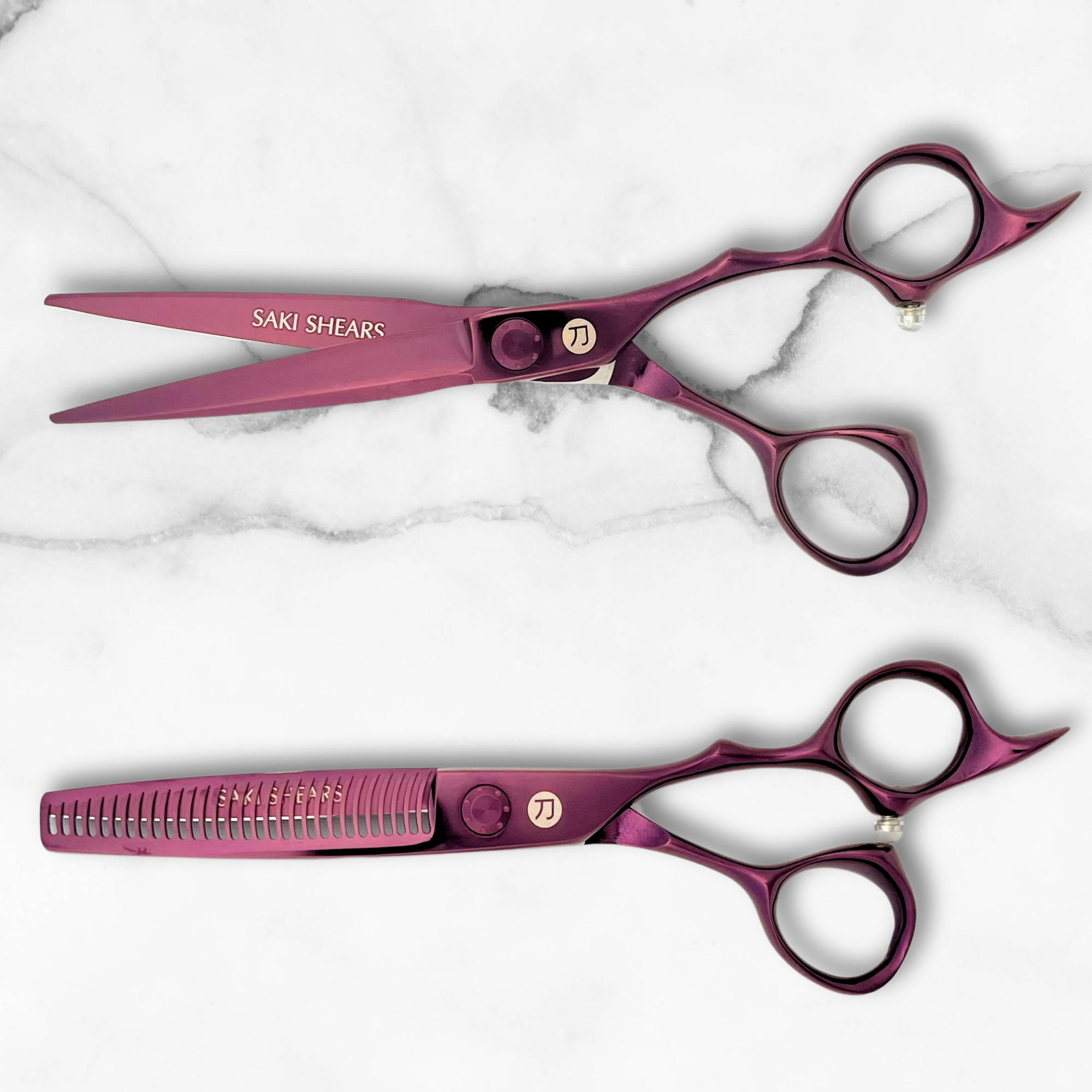
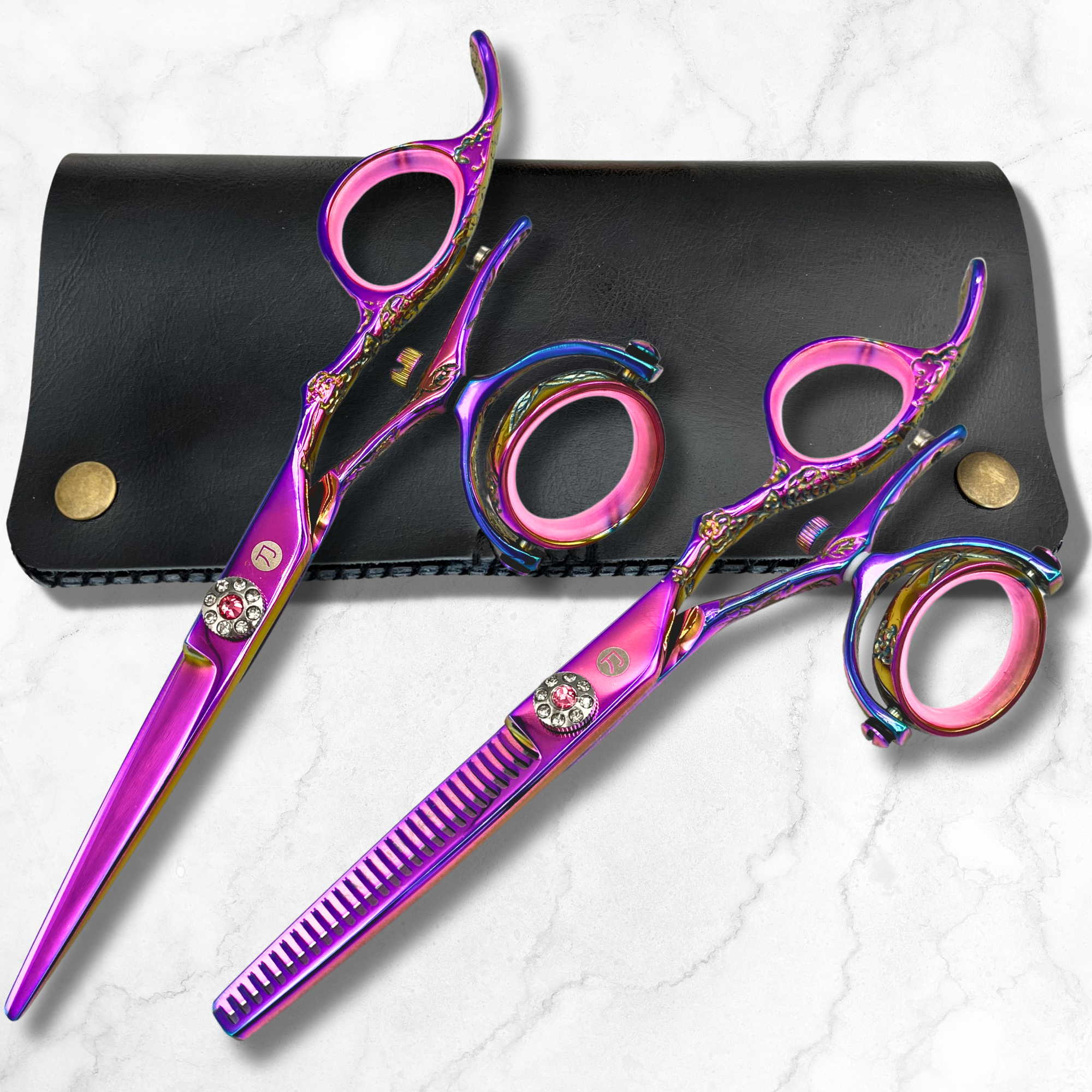
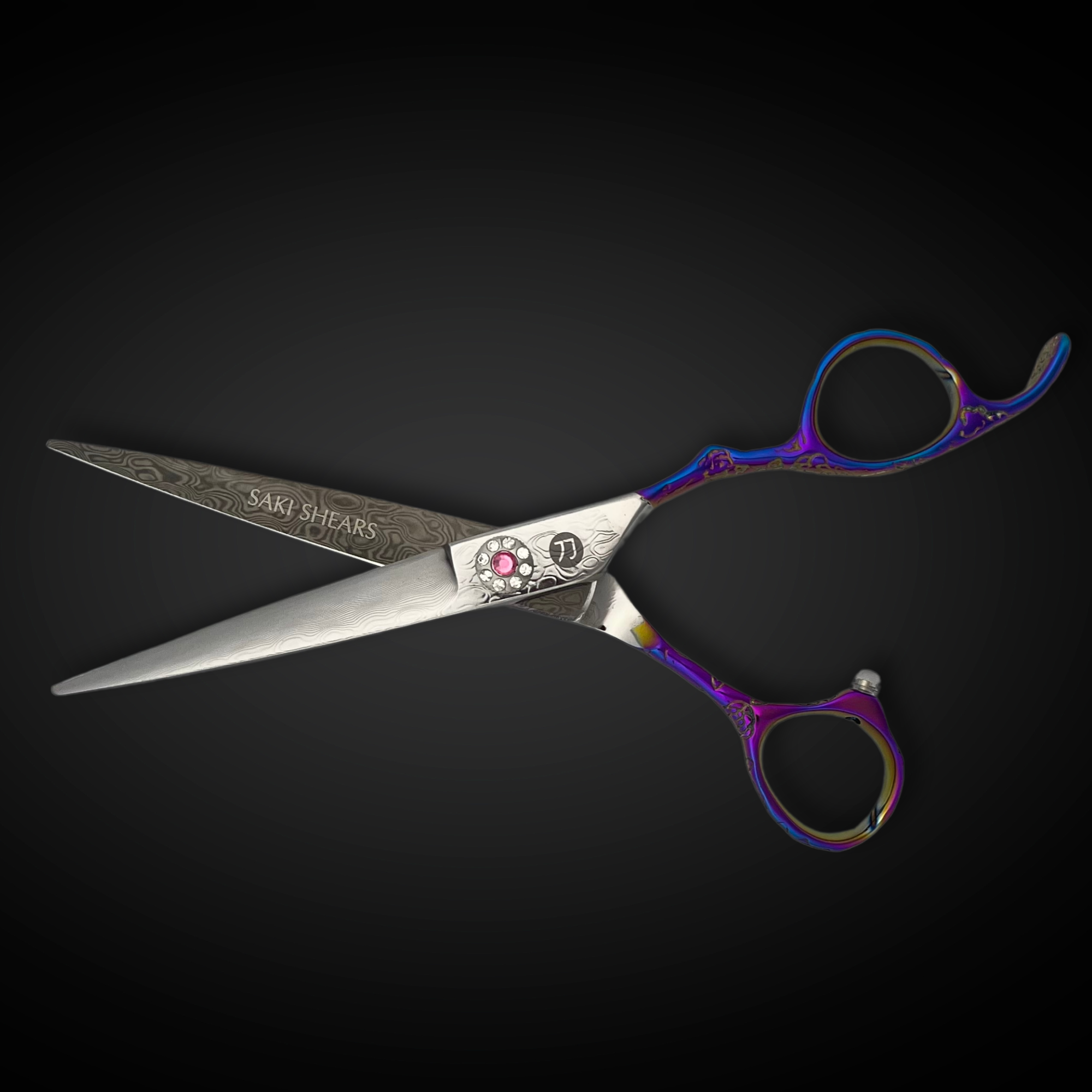
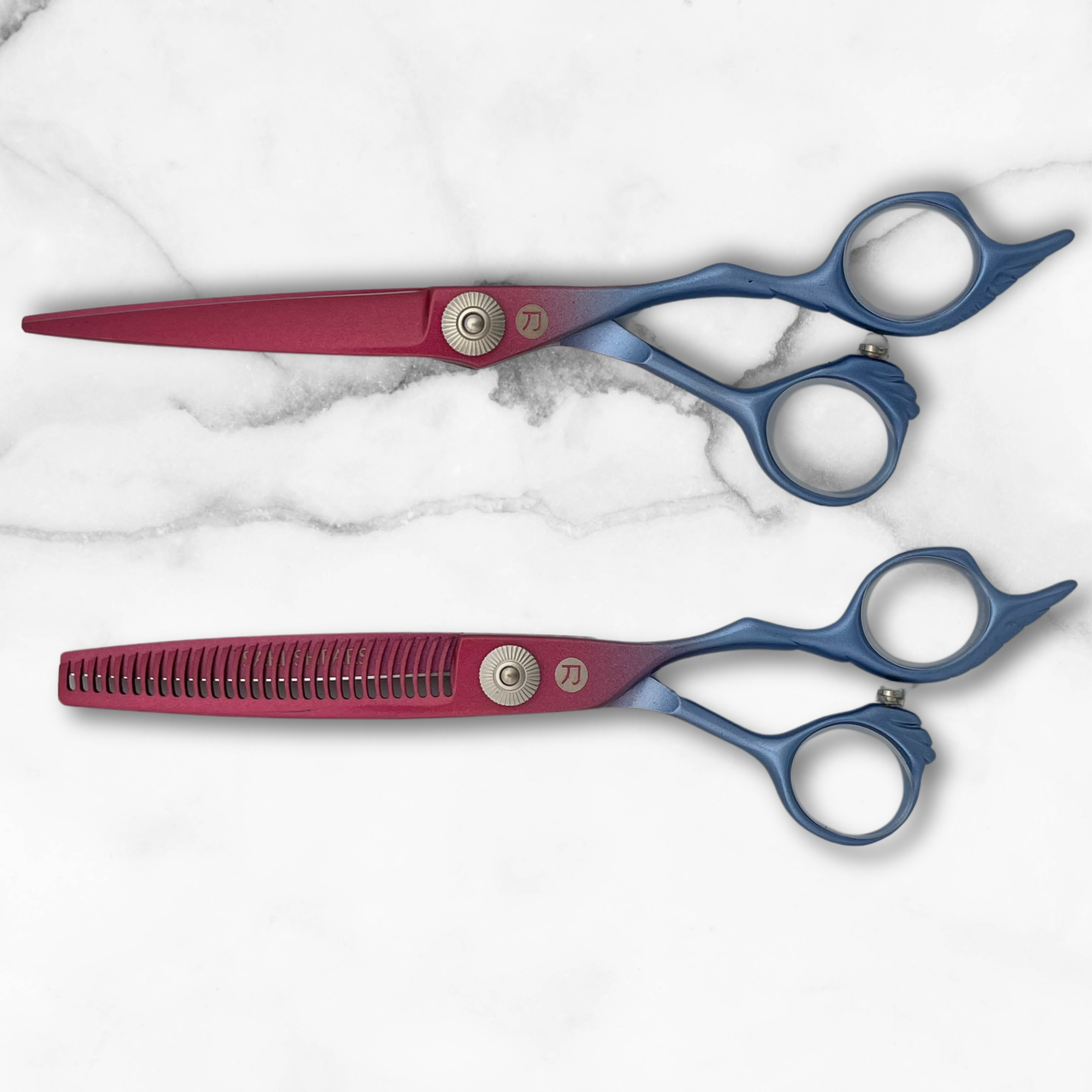
You'll need clippers with a full guard set, a trimmer for lineup work, thinning or texturizing shears for the top, and straight-edge shears for the fringe and any scissor-over-comb work on the sides. Section the hair before you start: part off the top section using a diagonal line from the crown down to just above each ear, and clip it out of the way so it doesn't interfere with the clipper work below. Work on dry or towel-dried hair — the French crop depends on seeing how the hair naturally falls, and cutting it soaking wet makes it easy to misjudge the fringe length. A well-maintained shear set matters here more than on longer styles, since the top texturizing and fringe blunt-cut both show tool wear immediately; a dull or loose-tension shear will push hair rather than cut it cleanly. Barbers restocking their kit can browse cutting shears at sakishears.com/collections/hair-cutting-shears.
Clipper Guard Progression on the Sides and Back
Start low and build up. A common progression is a 0 or 1 guard at the nape and around the ears, moving to a 2 partway up the side, then a 3 blending into the parietal ridge where the sides meet the top section. Work against the grain in overlapping vertical strokes, checking the guard lines from both the front and back before moving up a length. The goal is a gradual step, not a hard line, so slow down through the transition zones and use the clipper's flat edge (guard off, blade flat to the head) to soften the top edge of each guard length before moving to the next.
Texturizing the Top
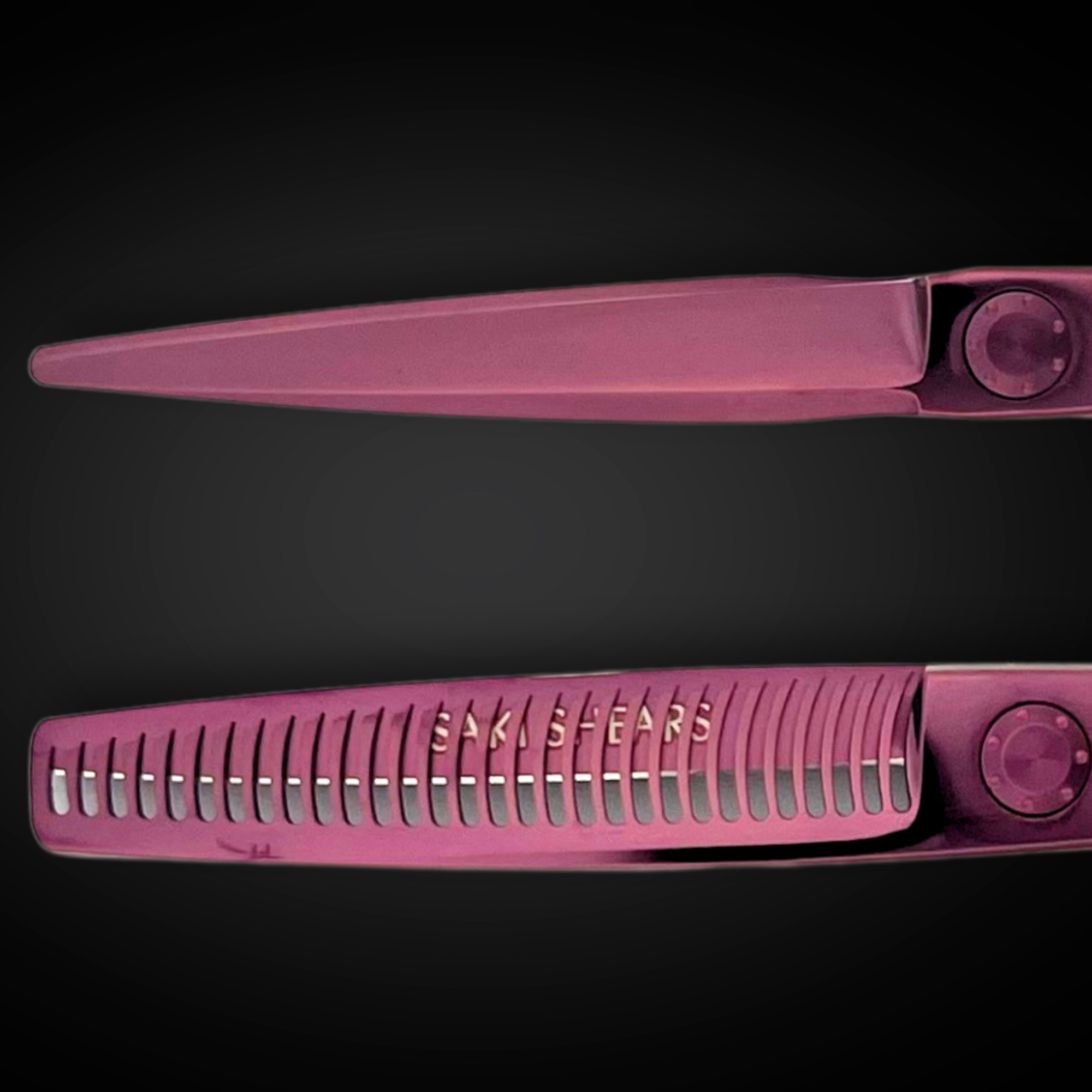
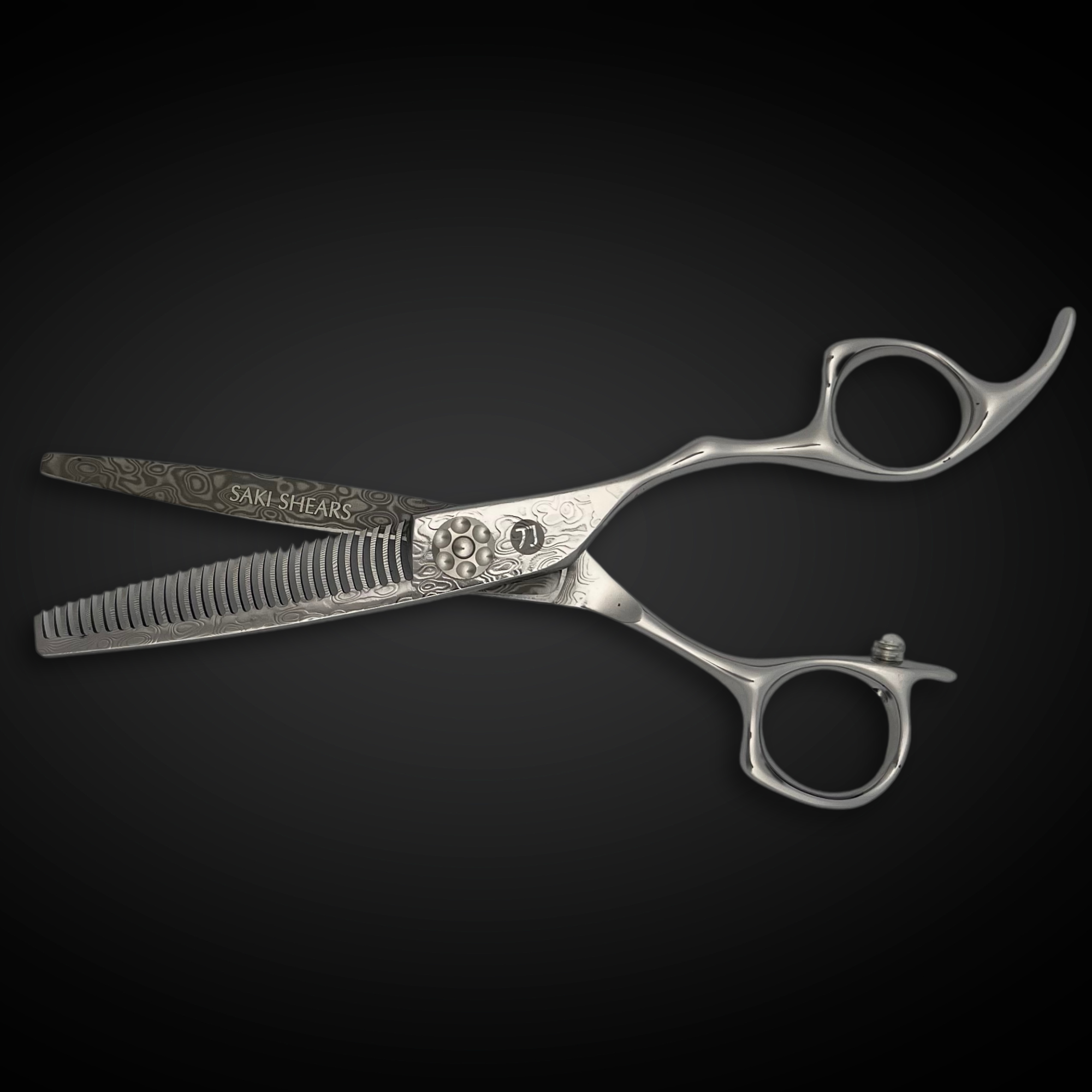
Drop the top section down and comb it flat to check length — most French crops carry one to two inches on top, tapering slightly shorter toward the front hairline where it meets the fringe. Point-cut vertically into the length to remove bulk and break up the line the clipper work left underneath, working in small sections so you can control how much weight comes out. Texturizing or thinning shears are useful here for softening thick or dense hair without shortening it — run them through the mid-lengths rather than close to the scalp so you don't create thin patches. If you're building out a texturizing kit, thinning shears are listed at sakishears.com/collections/thinning-shears-and-scissors.
Creating the Fringe
The fringe is what separates a French crop from a standard crop or textured fringe cut, so take it slow. Comb the front section straight down and cut a horizontal line just above the eyebrows, holding the shears level and cutting with the hair at natural fall rather than pulling it taut — pulled hair springs back longer than intended once released. Cut the initial line slightly longer than the final target, then point-cut into the blunt edge to soften it and remove the "cut with scissors" look while keeping the line horizontal and even. For clients with a cowlick or strong natural part at the front hairline, adjust the fringe's center point to work with that growth pattern rather than against it, or the fringe won't sit flat.
Blending and Finishing
Check the connection between the texturized top and the clipper-cut sides with the client's head in a neutral, upright position — texturizing while the head is tilted will read wrong once they straighten up. Use scissor-over-comb along the sides just above the guard transition to soften any remaining hard lines, and clean up the perimeter — hairline, sideburns, and the nape — with the trimmer. Comb through and check the fringe symmetry one more time under direct light before you call the cut finished.
Styling Notes for the Client
The French crop styles best with a matte or low-shine product worked through damp hair to build texture, then dried with fingers or a brush to push volume up and slightly back from the fringe. It's a low-maintenance cut day to day, but the fringe and taper both grow out visibly within three to four weeks, so a rebooking window of three to five weeks holds the shape well. Talk clients through home maintenance — trimming the fringe themselves is not recommended between visits, since an uneven fringe is the fastest way this cut looks unkept.
- Section top from sides before clipper work to protect the length you're keeping.
- Cut the fringe on dry, naturally fallen hair, slightly long, then refine.
- Blend guard transitions with the clipper's flat edge rather than jumping lengths.
- Recheck symmetry with the head upright before finishing.