A Stylist's Guide to Low-Maintenance Cuts and Styles
Clients frequently ask for a style that looks polished for weeks without repeat trips to the chair. Meeting that request well is a technical skill, not just a consultation talking point. The cuts and shapes below hold their line, grow out cleanly, and stay manageable with minimal client-side styling effort — which makes them the right recommendations when low upkeep is the client's stated priority.
Reading the Client Before You Cut
Before recommending any low-maintenance style, confirm three things during consultation: natural texture and density, how much time the client actually spends on styling (not what they say they want to spend), and hair growth pattern at the nape and crown. A cut that looks effortless on fine, straight hair can require daily attention on coarse or highly textured hair if the internal shape isn't built correctly. Low maintenance is a function of the cut's structure, not the finished blowout you send them home with.
Long Layers
Long layering remains one of the most forgiving structures for clients who wash-and-go or air-dry. The key is where you place the first layer and how you connect it to the perimeter.
- Start layers no higher than the cheekbone unless the client has heavy density — starting too high creates a "step" that becomes obvious as the cut grows out.
- Use a low elevation (0–20 degrees) through the interior to keep weight and avoid triangulation, which is what makes long layers look unkempt at the four- to six-week mark.
- Point cut or slide cut the ends rather than blunt-cutting the full perimeter — this softens the line so regrowth doesn't read as an obvious edge.
Long layers grow out gracefully because there's no hard demarcation line for new growth to disrupt. That's the technical reason this style outlasts a fresher-looking but more rigid cut between visits.
Blunt Bobs
A blunt bob reads as high-maintenance to some stylists because of its precision, but on the right hair type it's actually low-effort for the client day to day — the structure itself does the styling work. The trade-off is that it demands more precision from you at the cutting stage and a tighter recommended visit interval than long layers.
- Cut on dry, natural texture when possible, or account for shrinkage/expansion between wet and dry states so the line sits correctly once the client styles it themselves.
- Keep the baseline as close to zero elevation as the client's density allows for a true one-length line; this is what lets the cut air-dry into shape without a round brush.
- For finer hair, a slight graduation at the nape (5–10 degrees) prevents the back from looking thin or scraggly as it grows.
Set expectations with the client up front: a blunt bob looks intentional even with a rougher regrowth pattern, but the geometric line will soften noticeably by week six, so this is a "low daily effort, moderate visit frequency" recommendation rather than a "low effort across the board" one.
Textured Lobs
The textured lob (long bob with interior texturizing) is arguably the most versatile low-maintenance recommendation for clients with wavy to curly texture, since it removes bulk without removing length, and disguises regrowth better than either of the styles above.
- Point-cut or notch the interior rather than using heavy thinning shears throughout — over-thinning fine to medium hair creates flyaways that increase, not decrease, daily styling time.
- Where thinning shears are appropriate (coarser or higher-density hair), stay away from the top third of the length near the root to avoid weakening the silhouette.
- Angle the perimeter slightly forward for clients who wear their hair straight, or leave it more horizontal for clients relying on natural wave pattern to do the shaping.
Because the texturizing is distributed through the interior rather than concentrated at a single line, growth is far less noticeable, which is exactly why this shape extends comfortably between salon visits.
Tool Considerations for Precision Low-Maintenance Cuts
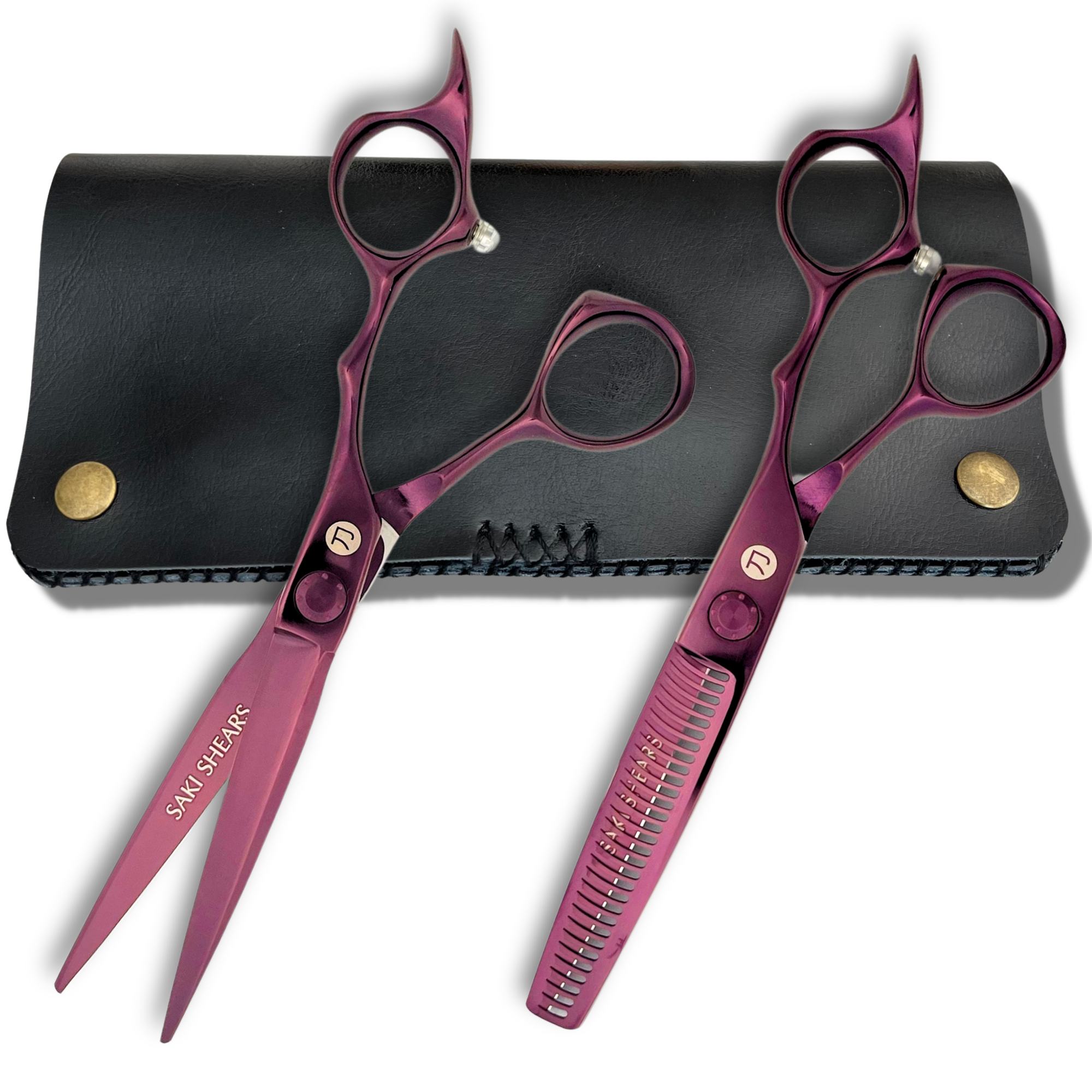
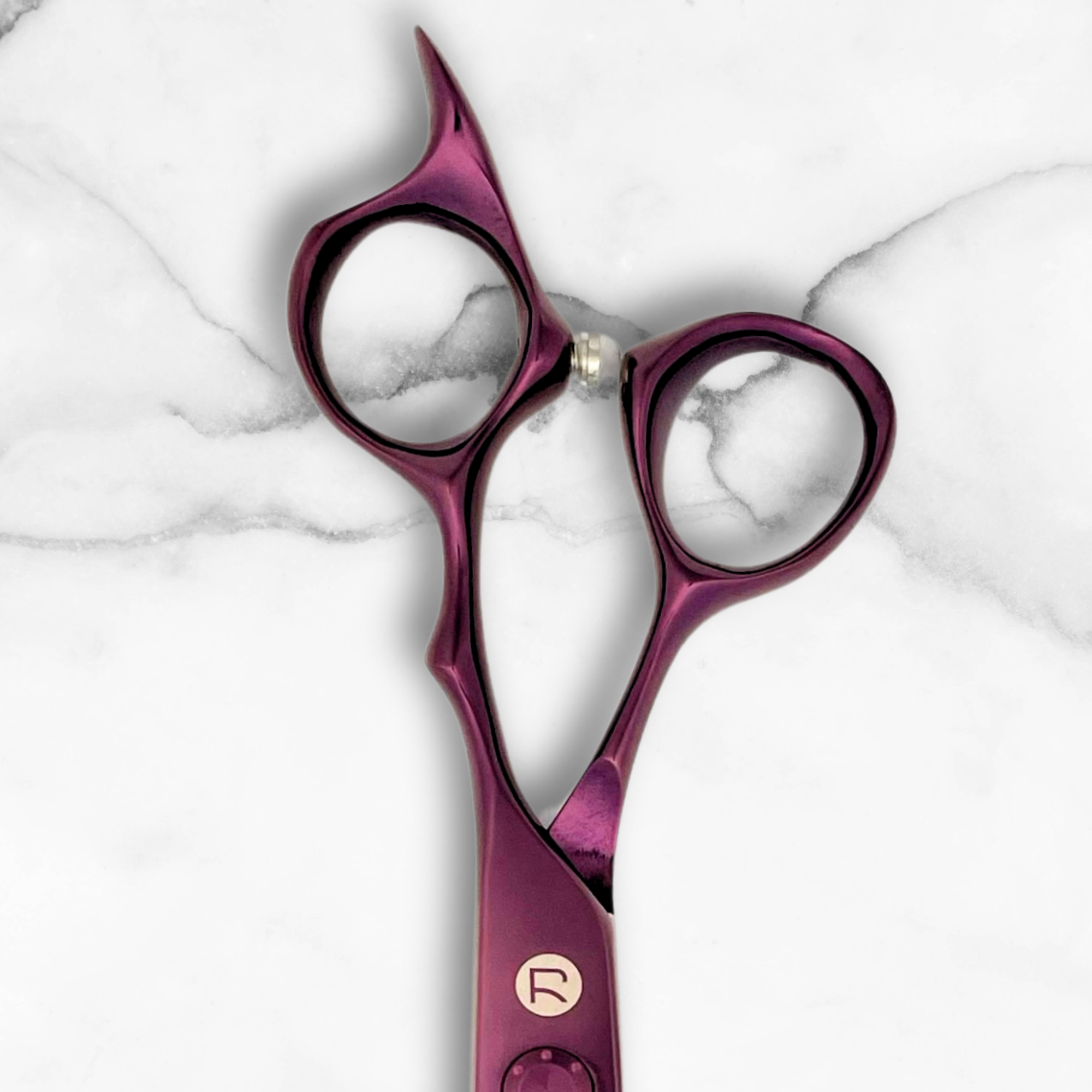
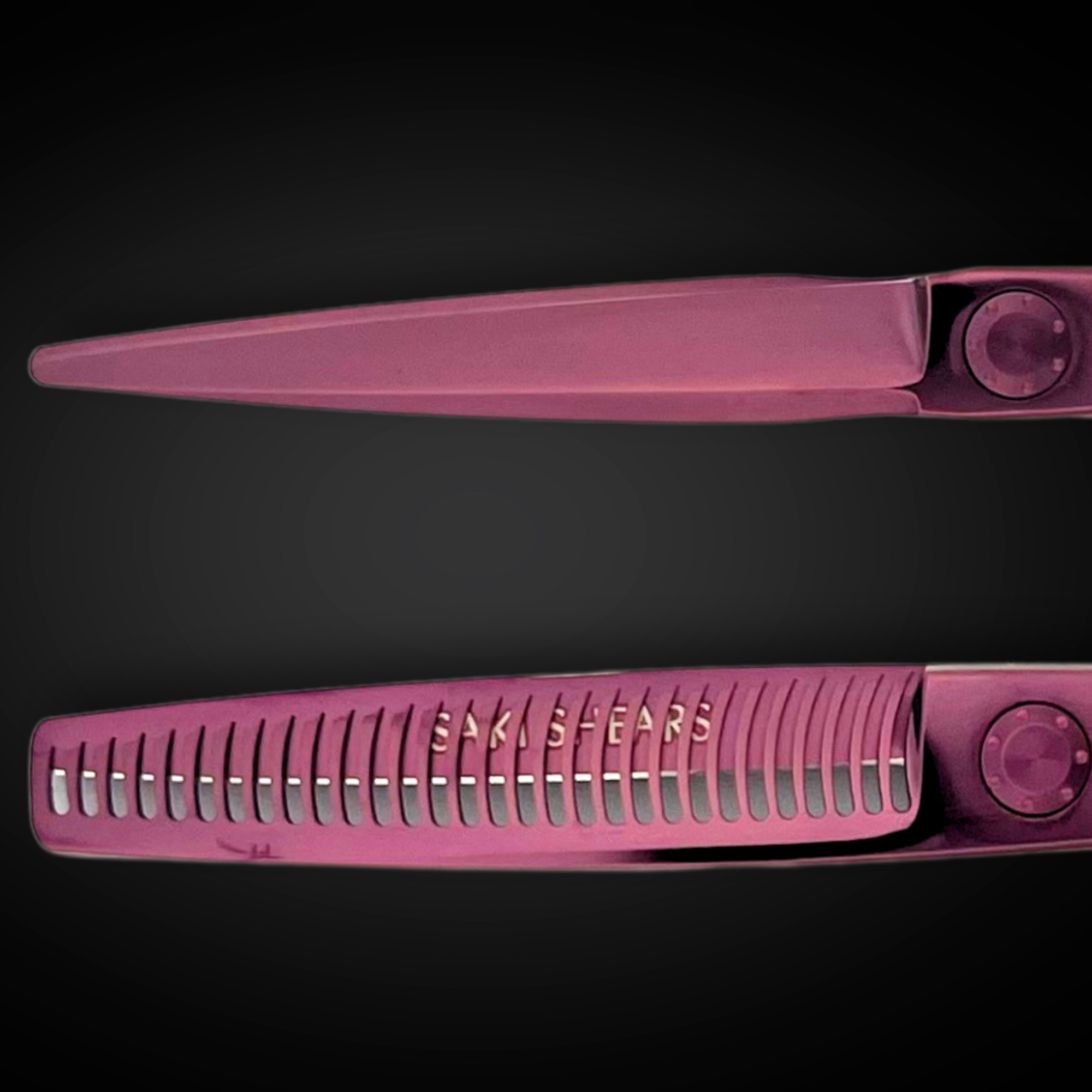
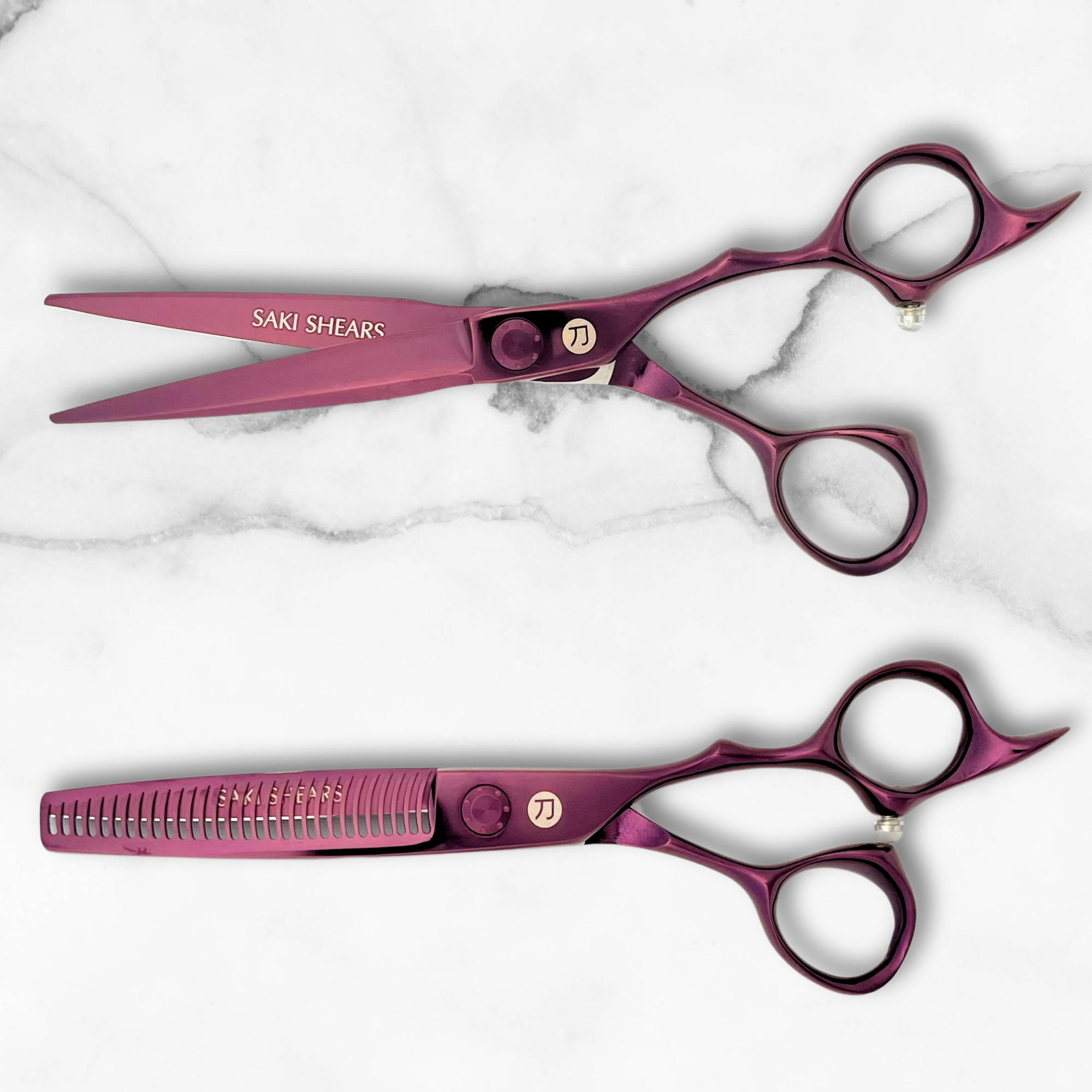
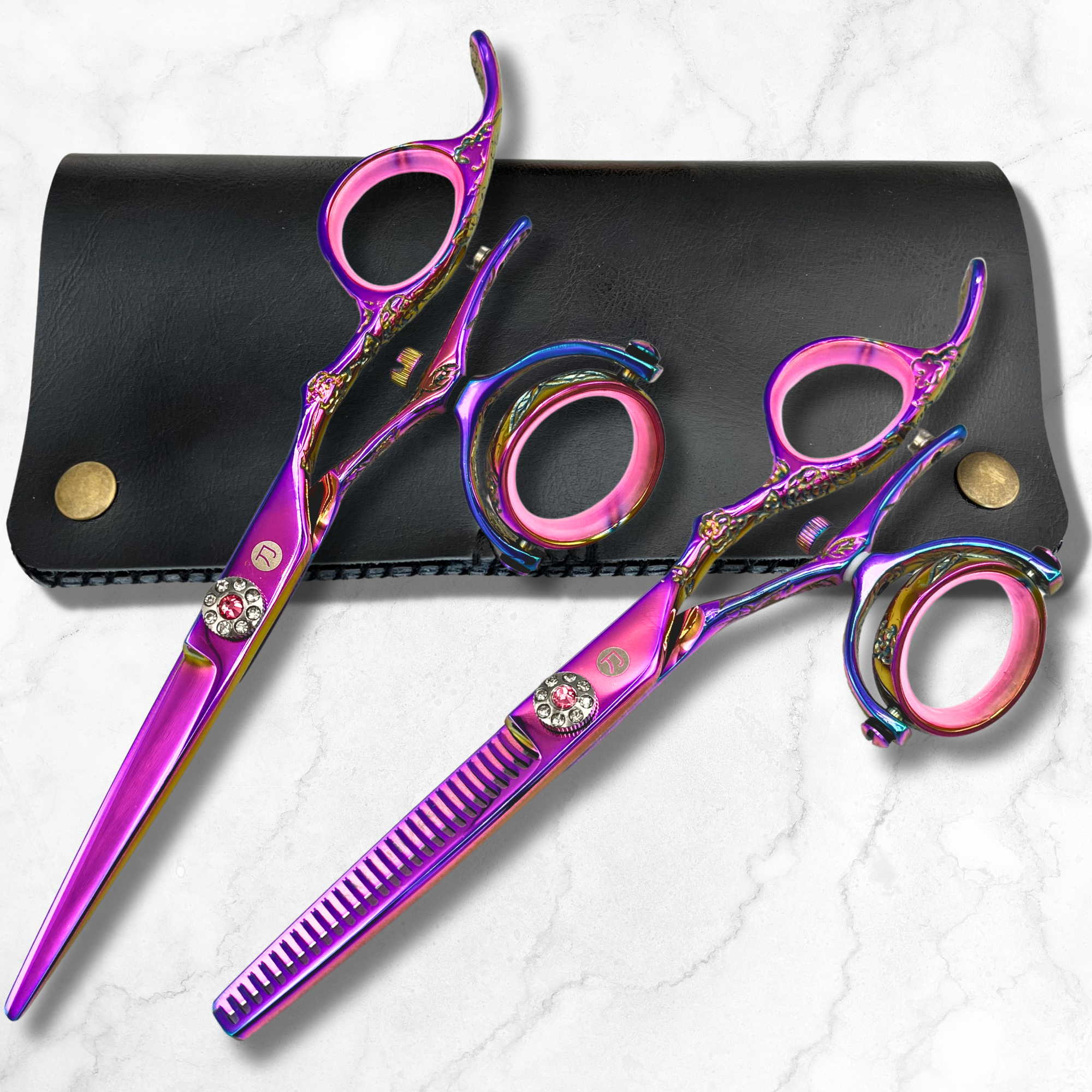
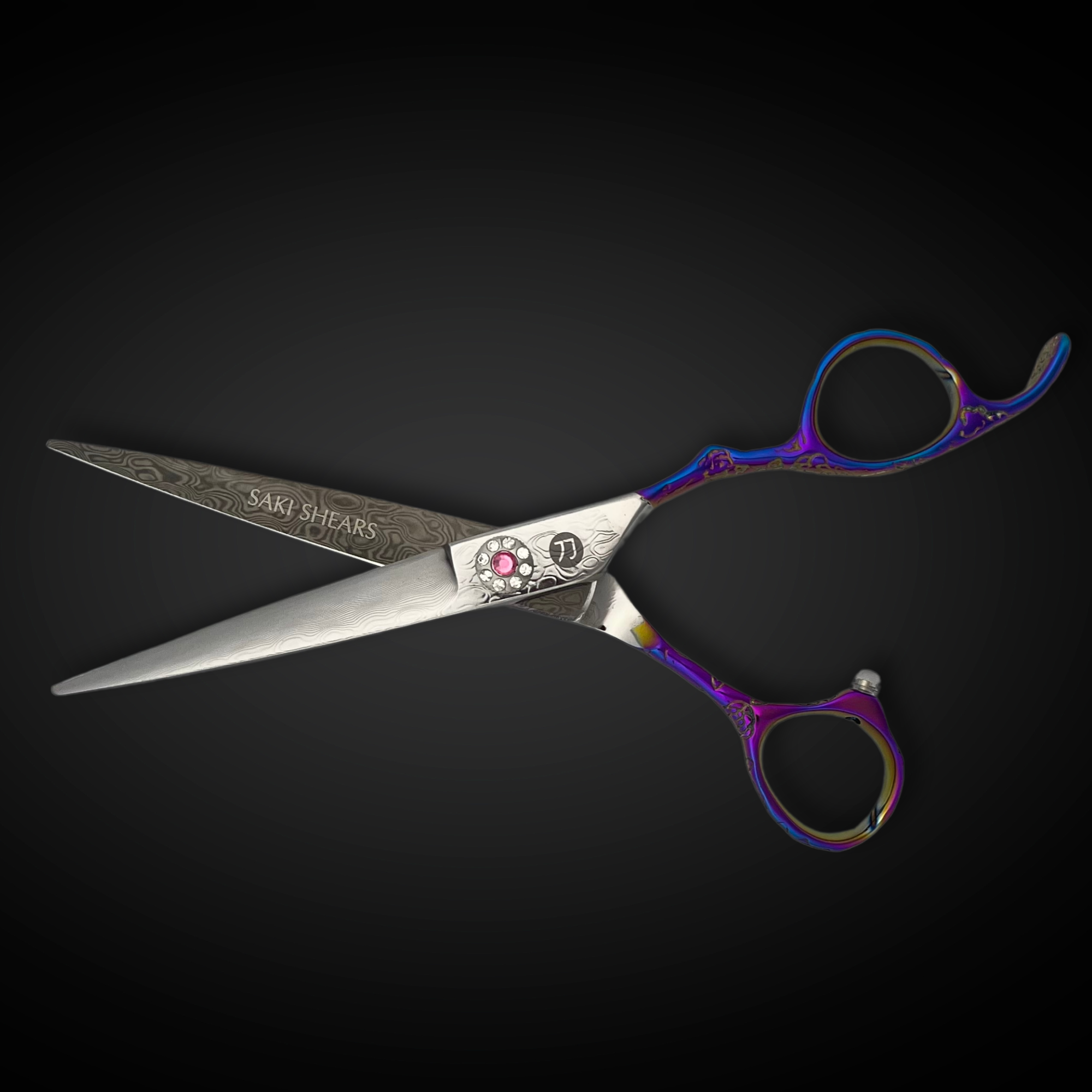
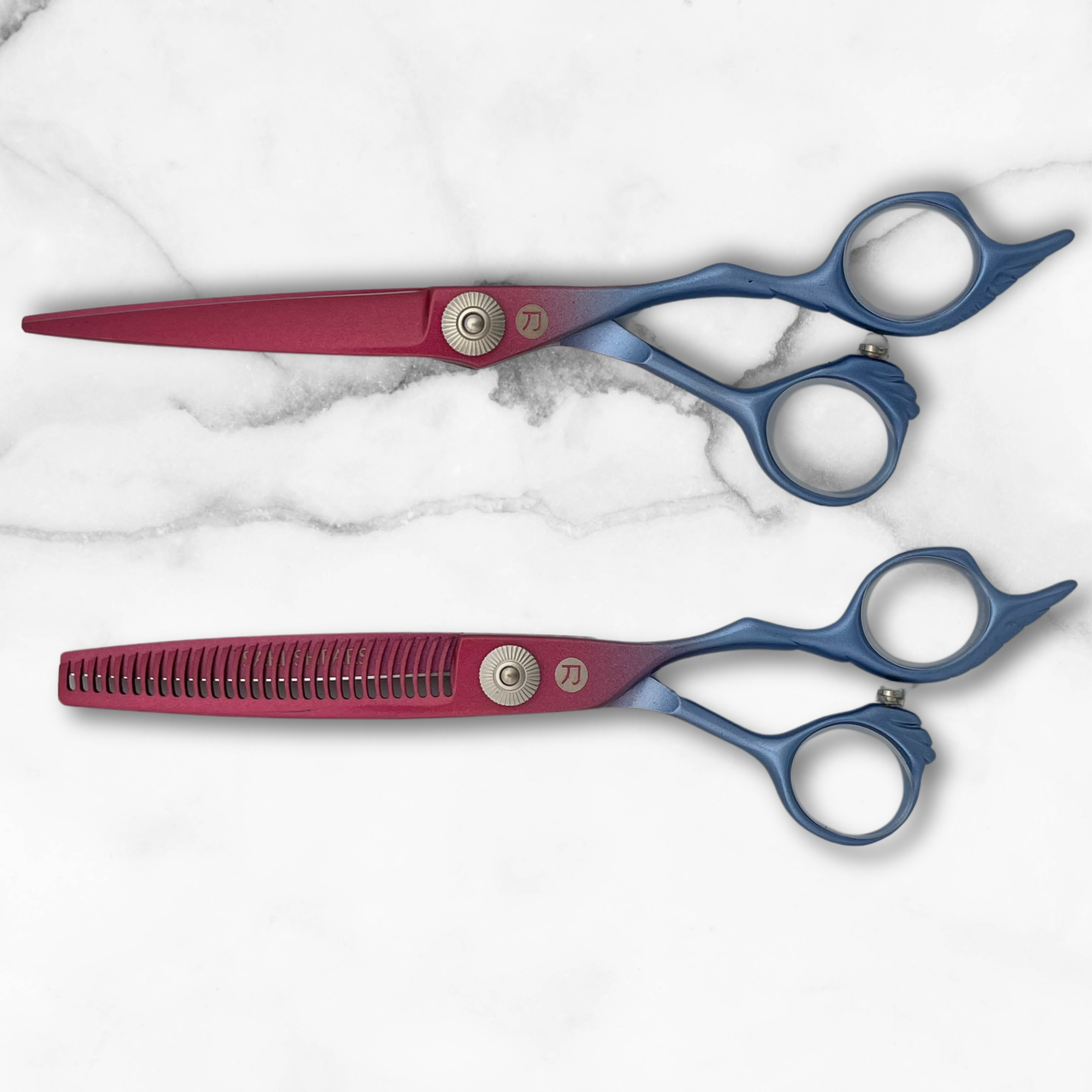
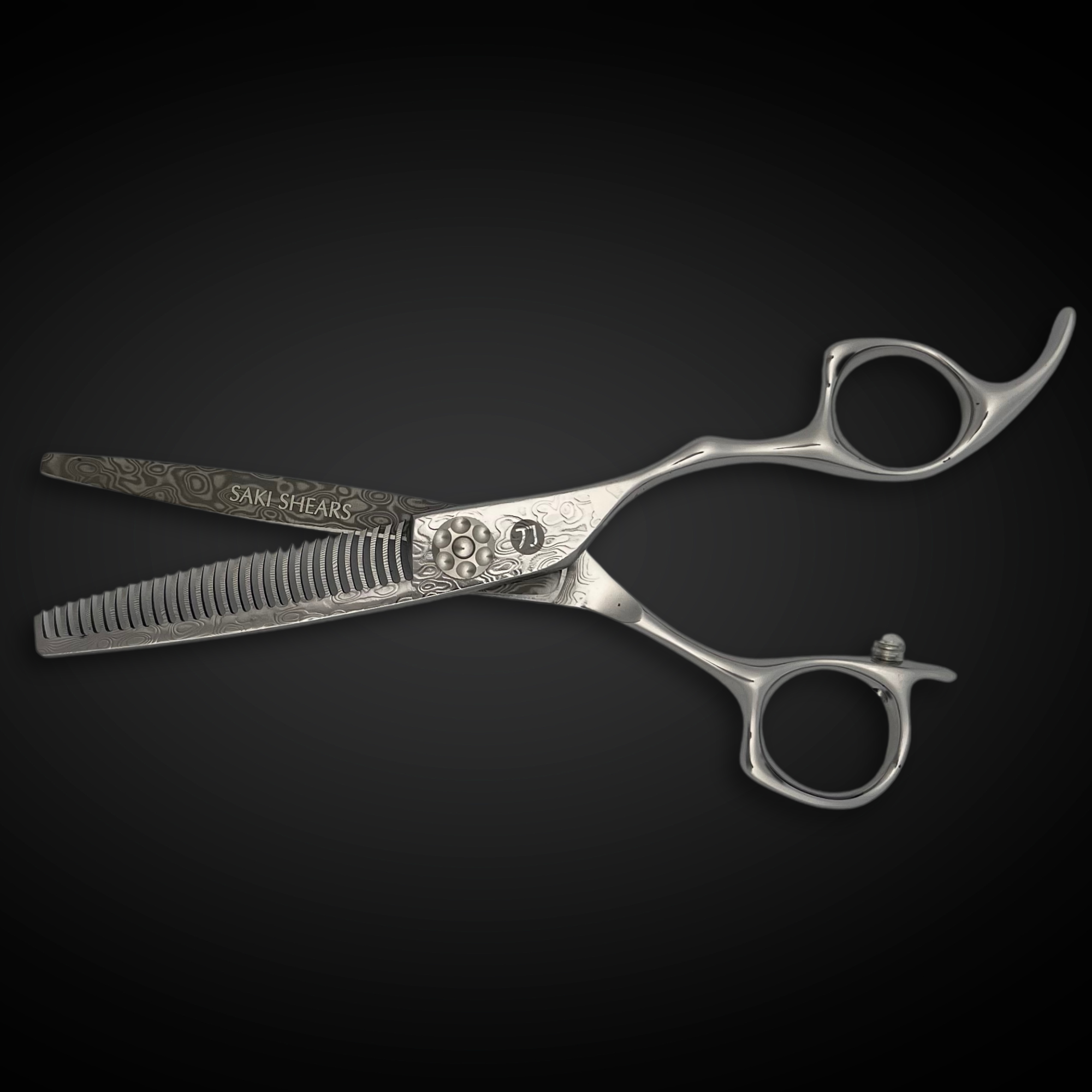
All three of these styles depend on a clean, controlled line at the point of cutting — a dull or poorly balanced shear forces compensating technique that undermines the low-maintenance result you're trying to build in. A sharp, well-maintained hair-cutting shear makes it easier to execute the point cutting and slide cutting these styles rely on, and matched shear sets simplify switching between blunt and texturizing work during the same appointment. Reference options are available at Saki Shears hair-cutting shears and, for interior texturizing work, thinning shears and scissors.
Setting Client Expectations at the Chair
Low-maintenance is a relationship between the cut you deliver and the realistic visit interval you recommend. Long layers can typically stretch 8–10 weeks between visits, textured lobs 6–8 weeks, and blunt bobs 5–7 weeks before the shape starts to lose integrity. Communicating this range at the consultation, rather than leaving it open-ended, is what turns a good cut into a client who returns on schedule and refers others for the same reason.

Written by Charles Harris