Guiding Principles for Consistent, Confident Haircutting
Every stylist develops a personal code over time, usually forged through thousands of client interactions, and no shortage of mistakes worth learning from. Below are twenty working principles for cutting, consulting, and building a sustainable chair — organized not as inspiration, but as practical reminders for the days when the fundamentals need reinforcing.
Consultation and Communication
Nothing that happens with the shears matters if the consultation was rushed. These first principles keep the conversation honest before the first section is cut.
- Listen for what the client means, not just what they say — "a little shorter" means something different to every person in the chair.
- Confirm the cut in the client's own words before you start. Restating the plan catches misunderstandings while they're still cheap to fix.
- Photos set expectations better than adjectives. Ask for a reference image whenever the verbal description feels ambiguous.
- Be honest about what a client's hair type and density can realistically support. A trusted "no" builds more loyalty than an obliging "yes."
Precision and Technique
Technical discipline is what separates a cut that looks good in the mirror from one that holds its shape for six weeks.
- Cut dry sections last to confirm the finished line — wet hair lies to you about where the perimeter actually falls.
- Work from a consistent guide. Sloppy guides compound error across every section that follows.
- Check your work from multiple angles, standing and seated, before calling a cut finished.
- Elevation and tension change the result more than the angle of the shears. Keep both consistent within a section.
- Sharp tools are not a luxury. A dull edge crushes the hair shaft instead of cutting it, and clients can feel the difference even if they cannot name it.
Craft as an Ongoing Practice
The best technicians treat their skill as unfinished. These principles are about staying sharp between the big breakthroughs.
- Practice on mannequins even after years behind the chair — muscle memory degrades faster than confidence does.
- Watch other stylists work when you get the chance. Technique you didn't ask for is often the technique you needed most.
- Keep a mental (or written) log of cuts that didn't go as planned. Patterns in your mistakes are more instructive than patterns in your successes.
- Invest in your tools before you invest in anything else in the salon. Shears are an extension of the hand, and the hand can only be as precise as what it's holding.
Client Care and Trust
A haircut is a service delivered to a person, not a technical exercise performed on hair. These principles keep that relationship intact.
- Explain what you're doing as you go, briefly and without jargon. Clients relax when they understand the plan.
- Respect the chair time of the person after your current client. Efficiency is a form of professionalism, not a shortcut in quality.
- Never make a client feel judged for how they've maintained their hair between visits. Meet people where they are.
- Give aftercare guidance that's actually specific to their hair — generic advice gets ignored, specific advice gets followed.
Running a Sustainable Career
Longevity behind the chair depends on habits that have nothing to do with cutting hair at all.
- Protect your hands and posture. A career built on repetitive precision work needs a body that can sustain it for decades, not years.
- Say no to appointments you don't have the time or energy to do well. A rushed cut costs more in reputation than the empty slot would have cost in revenue.
- Keep learning new techniques even when your current ones are working — client expectations and hair trends shift faster than any single skill set can keep up with.
- Treat every client relationship as a long game. The stylists who last are the ones people return to for ten years, not ten weeks.
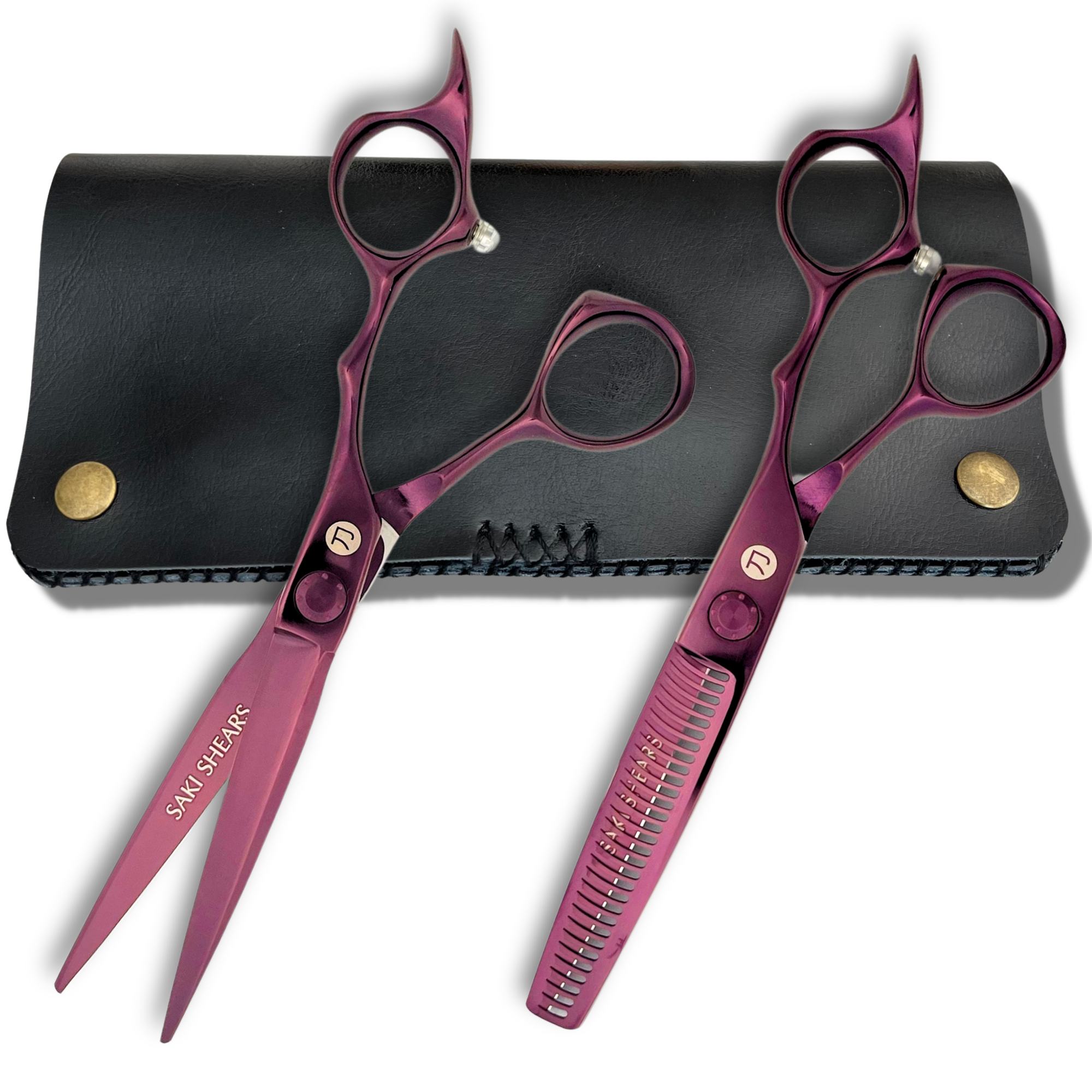
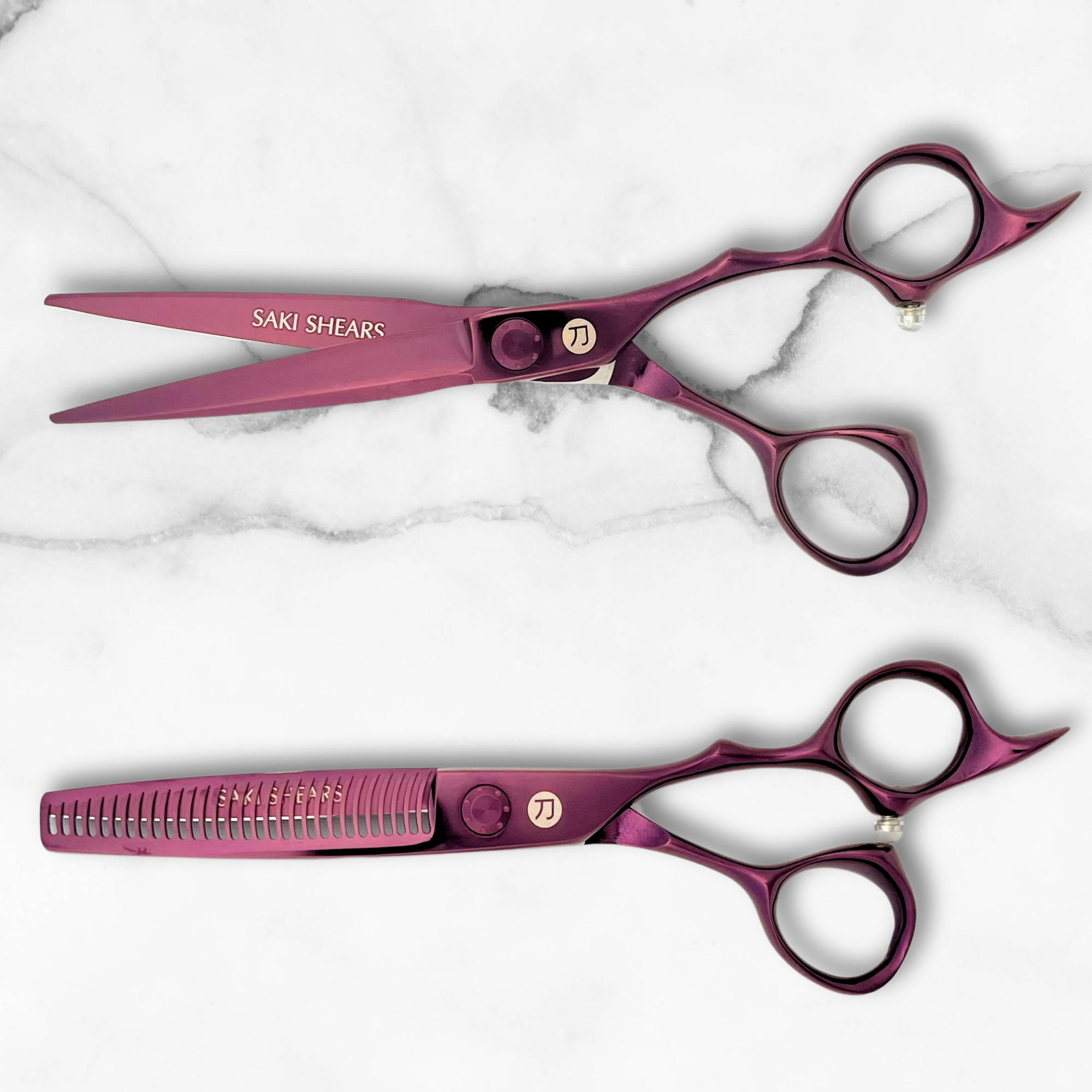
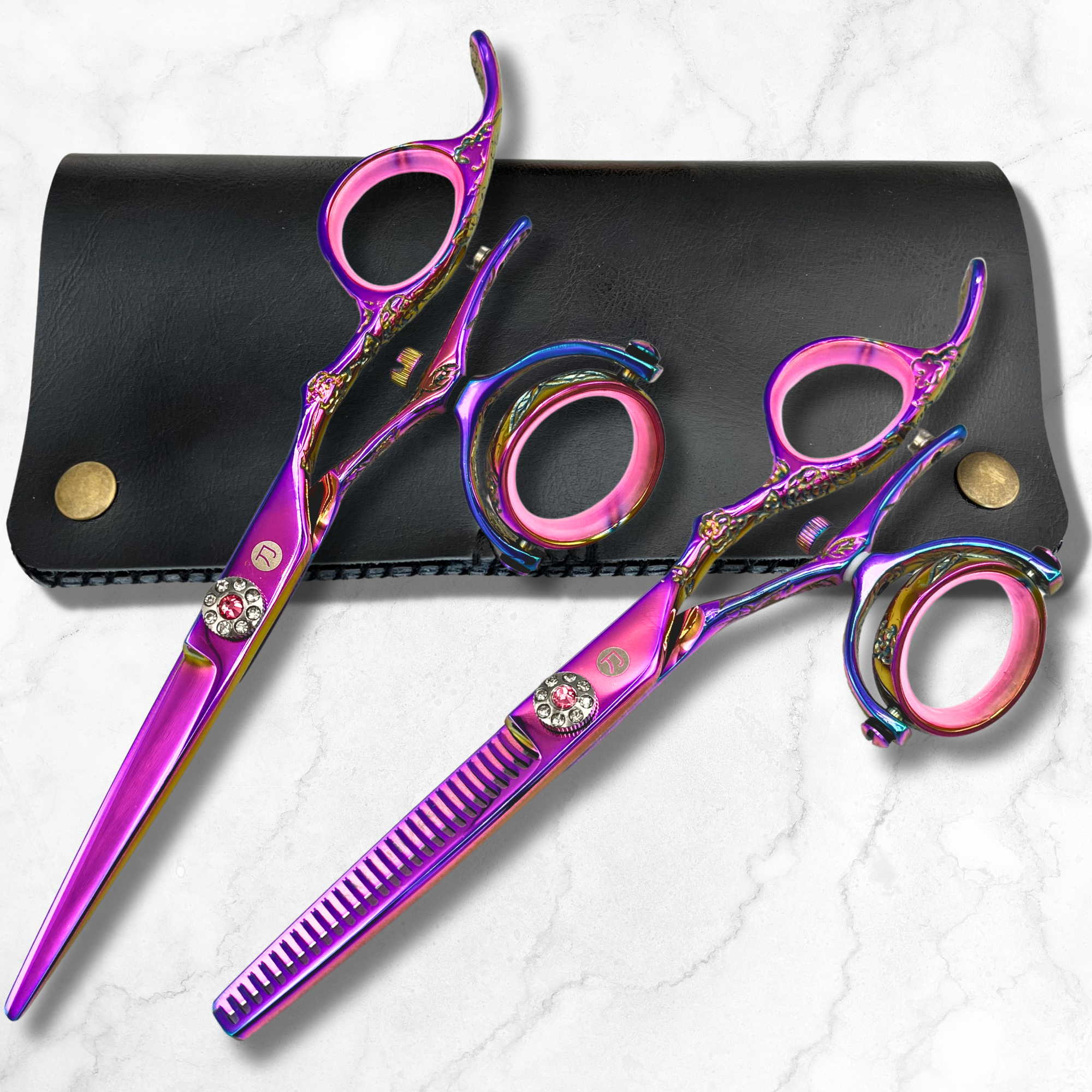
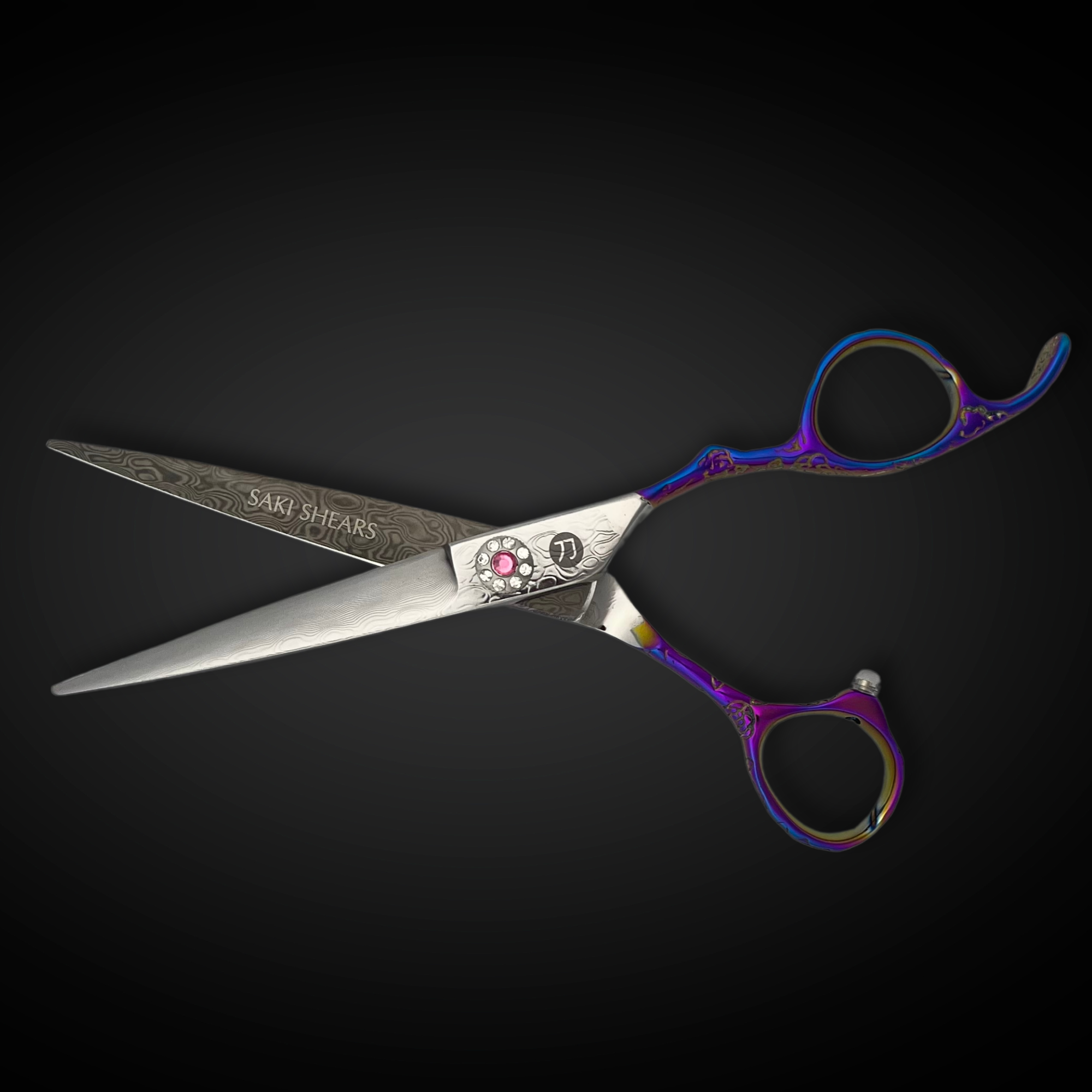
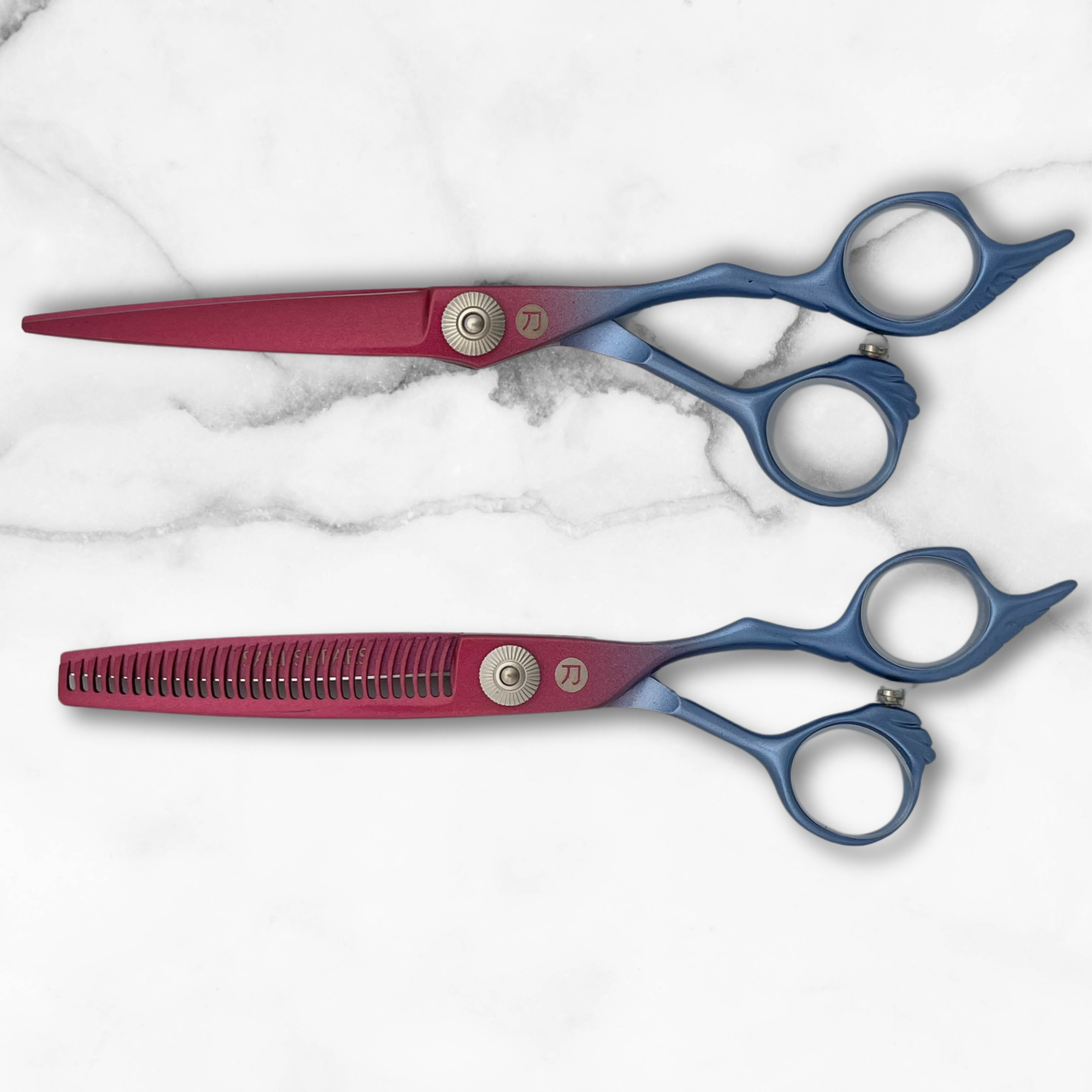
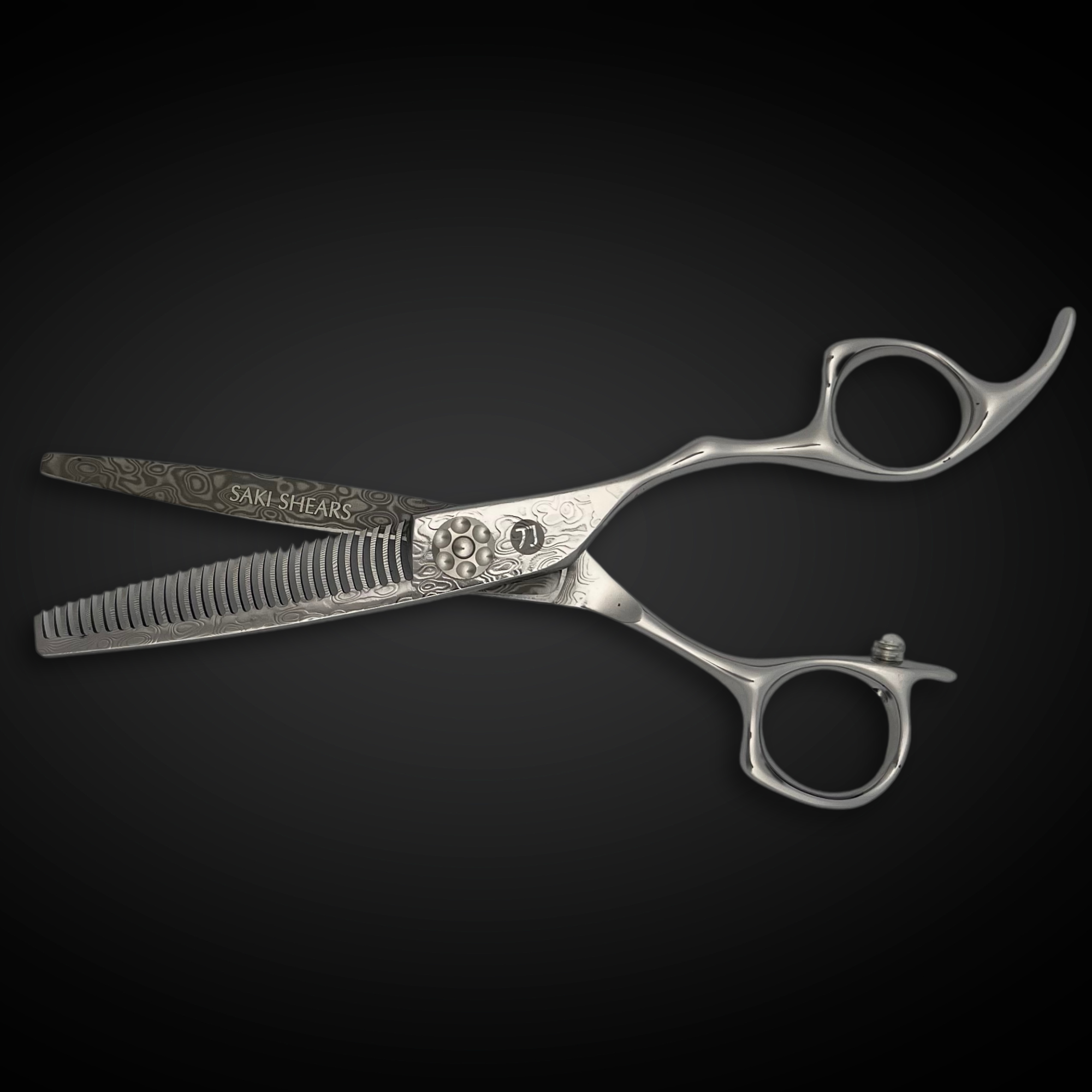
None of these principles are complicated, and that's rather the point — consistency, not novelty, is what clients notice most. A well-maintained set of hair cutting shears or a properly matched shear set makes it easier to apply these principles cut after cut, but the discipline behind them is what actually shows up in the finished work.

Written by Charles Harris