How to Use Hair Shears: Grip, Technique, and Blade Care for Working Stylists
Hair shears are the one tool you touch on nearly every client, all day, every day — which means bad habits in grip or technique don't just slow you down, they compound into hand fatigue, inconsistent lines, and shears that dull faster than they should. Whether you're a few months into your career or just tuning up fundamentals, proper shear technique comes down to three things: how you hold them, which cutting method fits the result you want, and how you protect the edge while you work.
Grip and Hand Position
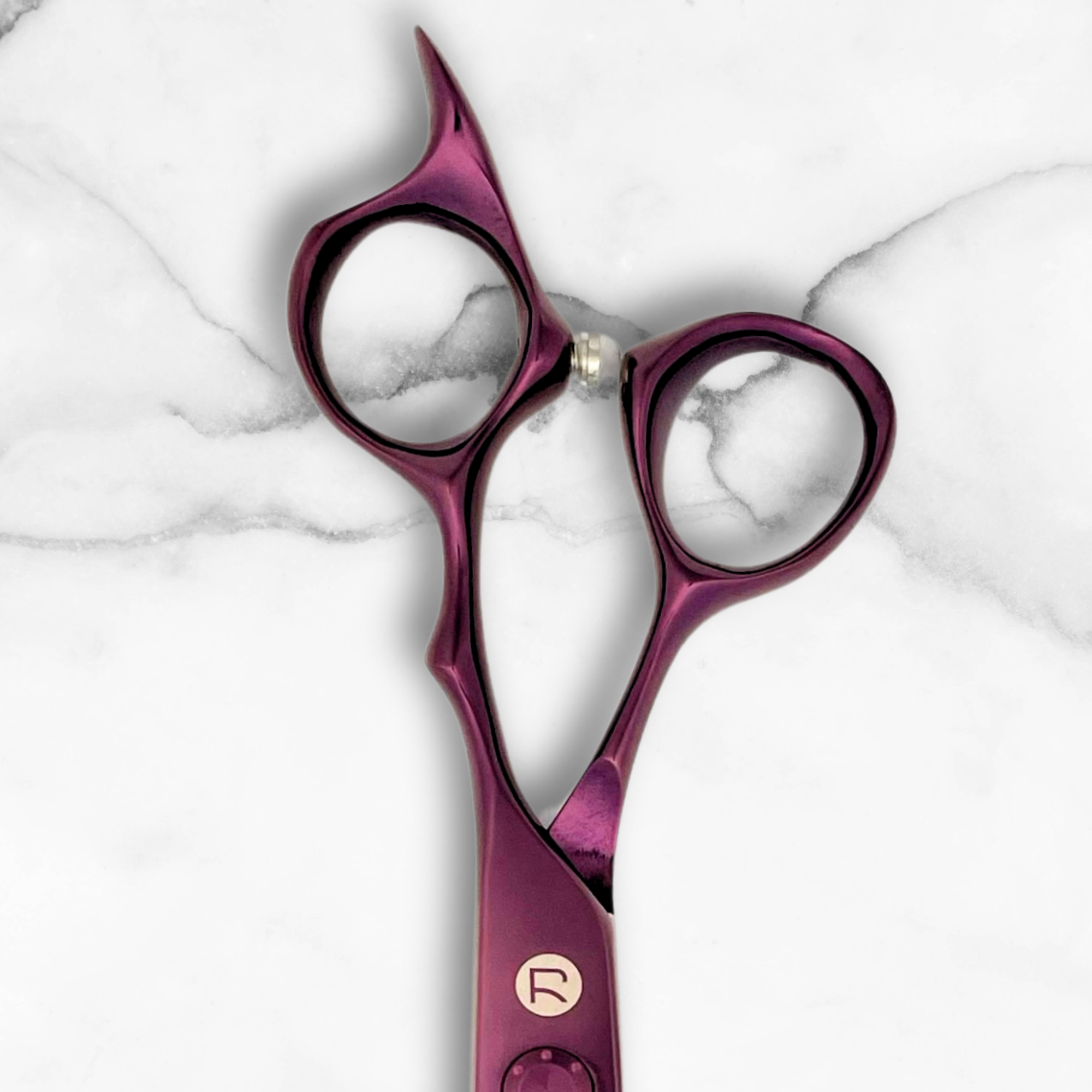
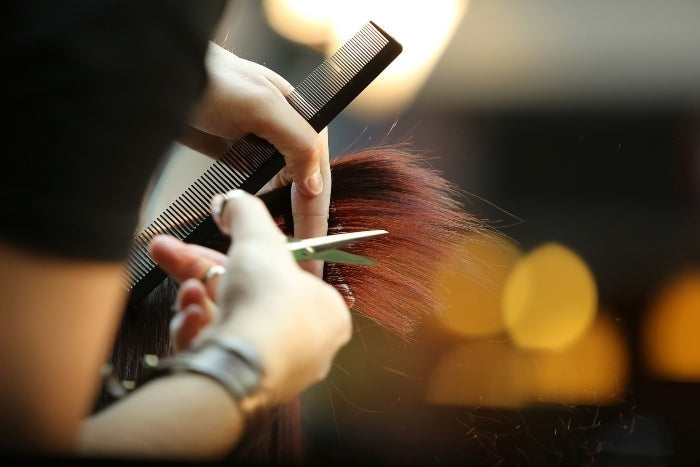
Most technique problems start at the grip, not the cut. A correct hold uses only the thumb and ring finger inserted into the finger rests — the thumb drives the moving blade while the ring finger anchors the still blade. The pinky rests on the tang or finger brace for stability, and the index and middle fingers rest lightly along the shank to guide, not grip.
- Keep your wrist neutral. Rotate your elbow and shoulder to change cutting angle instead of bending the wrist — wrist-driven cutting is the leading cause of repetitive strain over a career.
- Only open the thumb. The ring finger and shear stay still; the thumb does the opening and closing motion. This keeps your cutting line stable and repeatable.
- Match shear size and handle style to your hand. Offset handles reduce wrist elevation compared to opposing handles and are worth trying if you're cutting long hours.
Core Cutting Techniques
Every haircut is built from a small set of core techniques. Knowing when to reach for each one is what separates a controlled result from a guess.
- Blunt (club) cutting — a straight, perpendicular cut across the section that creates a solid, weighted line. This is your baseline technique for building strong shapes and one-length perimeters.
- Point cutting — the blades enter the ends at an angle, removing small triangular pieces to soften a blunt line, add texture, or break up heavy weight without changing overall length.
- Slide cutting — the shears glide along the hair shaft while opening and closing, removing bulk and adding movement, most useful on longer layers and curly or wavy textures.
- Freehand cutting — cutting without a comb for guidance, typically used for finishing touches, fringe work, and finalizing a shape after the primary sections are cut.
Scissor-Over-Comb
Scissor-over-comb lets you taper and blend without clippers, and it rewards patience. Hold the comb at a low, consistent angle against the head, feeding hair up through the teeth in small, even passes. Let the shear blades close right at the edge of the comb in short, controlled strokes — don't force the shear through a thick pass, since that's what causes chatter, uneven tapers, and unnecessary blade wear. Keep the comb moving continuously rather than pausing mid-stroke, and work in thin sections until the taper reads clean at a distance.
Protecting the Edge While You Work
Shears lose their edge faster from what happens between cuts than from cutting hair itself:
- Never cut through foils, clips, or bobby pins. Metal contact is the fastest way to chip or roll an edge.
- Wipe blades between sections. Product buildup and cut hair trapped near the pivot accelerate dulling and throw off tension.
- Check pivot tension regularly. A screw that's too loose causes the blades to bend hair instead of shearing it; too tight adds strain to your hand and the mechanism.
- Never let shears drop. Even a short fall onto a countertop can misalign the blades enough to affect every cut afterward.
- Keep a sharpening schedule based on how much you use them, not just when they start pulling — a shear that's already snagging hair has been dull for a while.
Building Long-Term Habits
Technique is only half the equation — the shear itself has to be suited to your hand and your day. A poorly balanced or oversized pair forces compensation through the wrist and shoulder, and that compensation shows up as fatigue by mid-afternoon and inconsistency in your lines by the end of the week. If you're feeling strain after a full column of clients, it's worth reassessing shear weight, handle style, and blade length before assuming it's just part of the job.
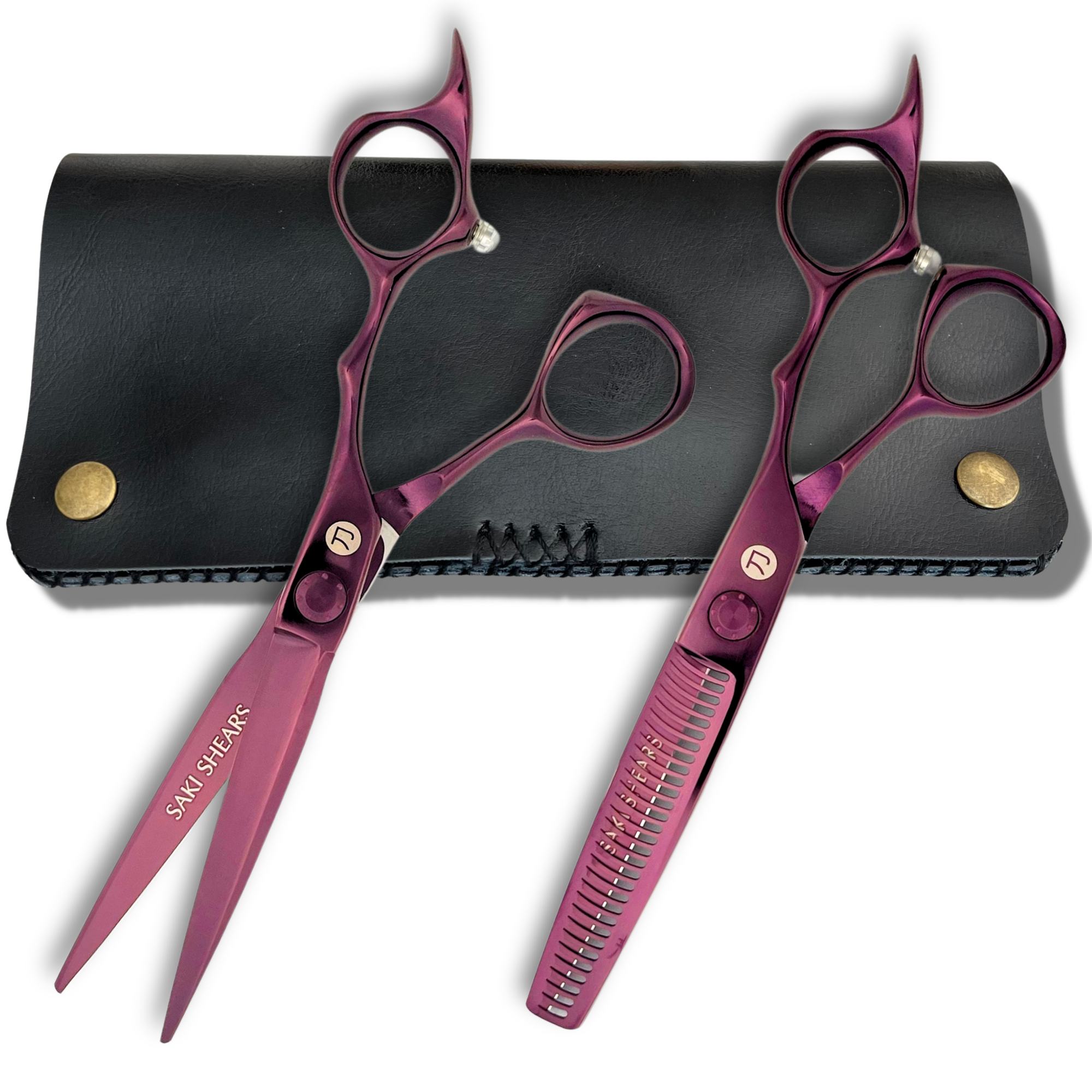
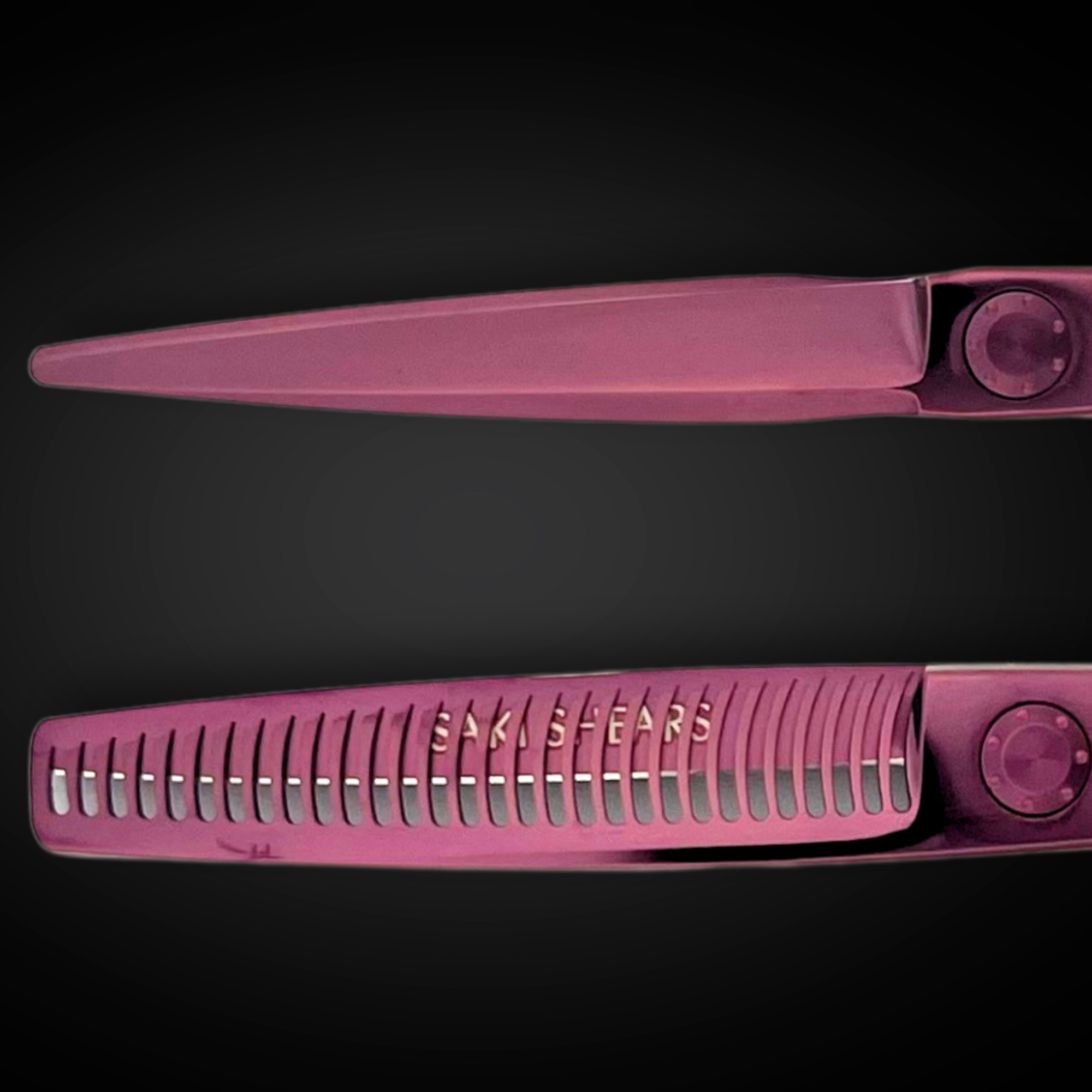
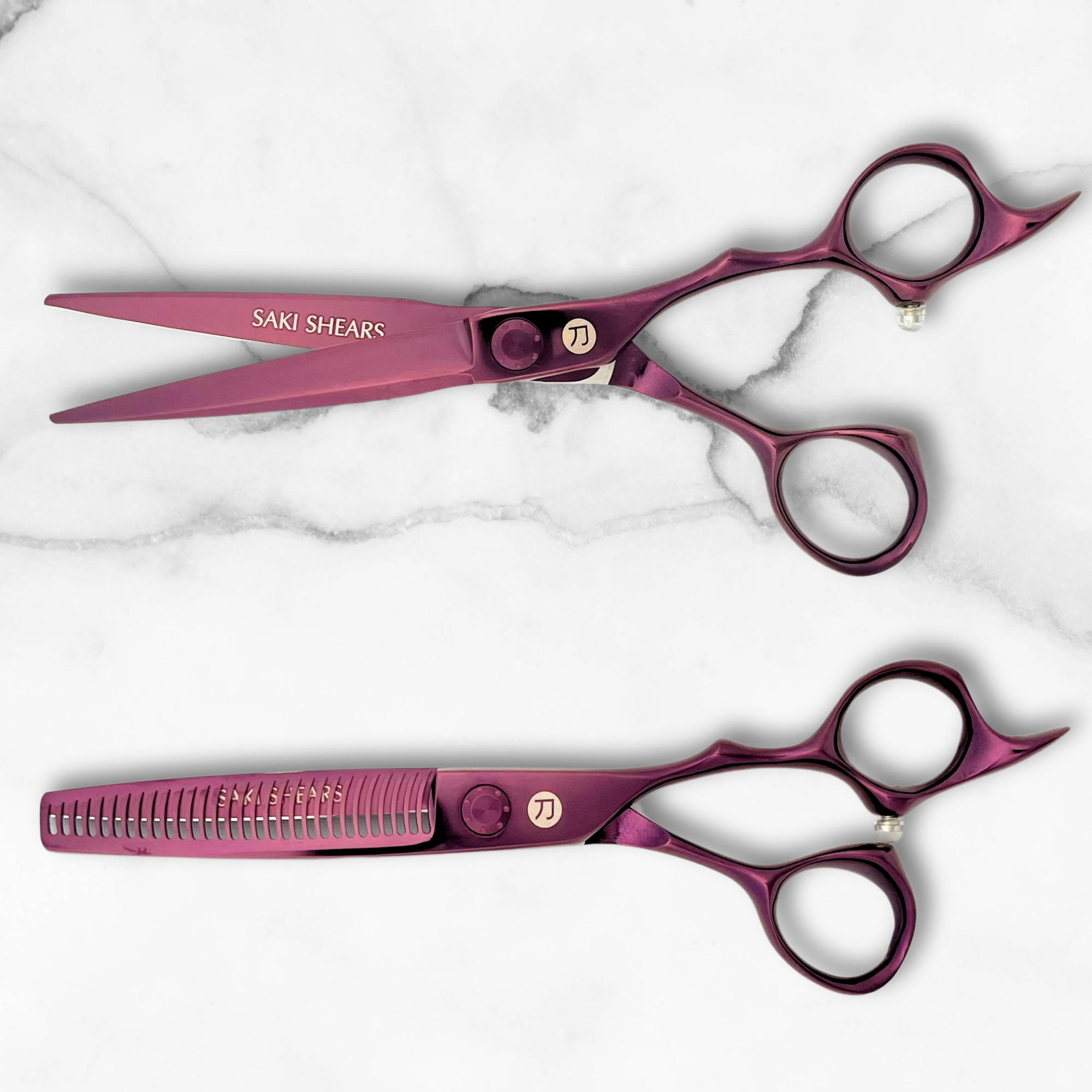
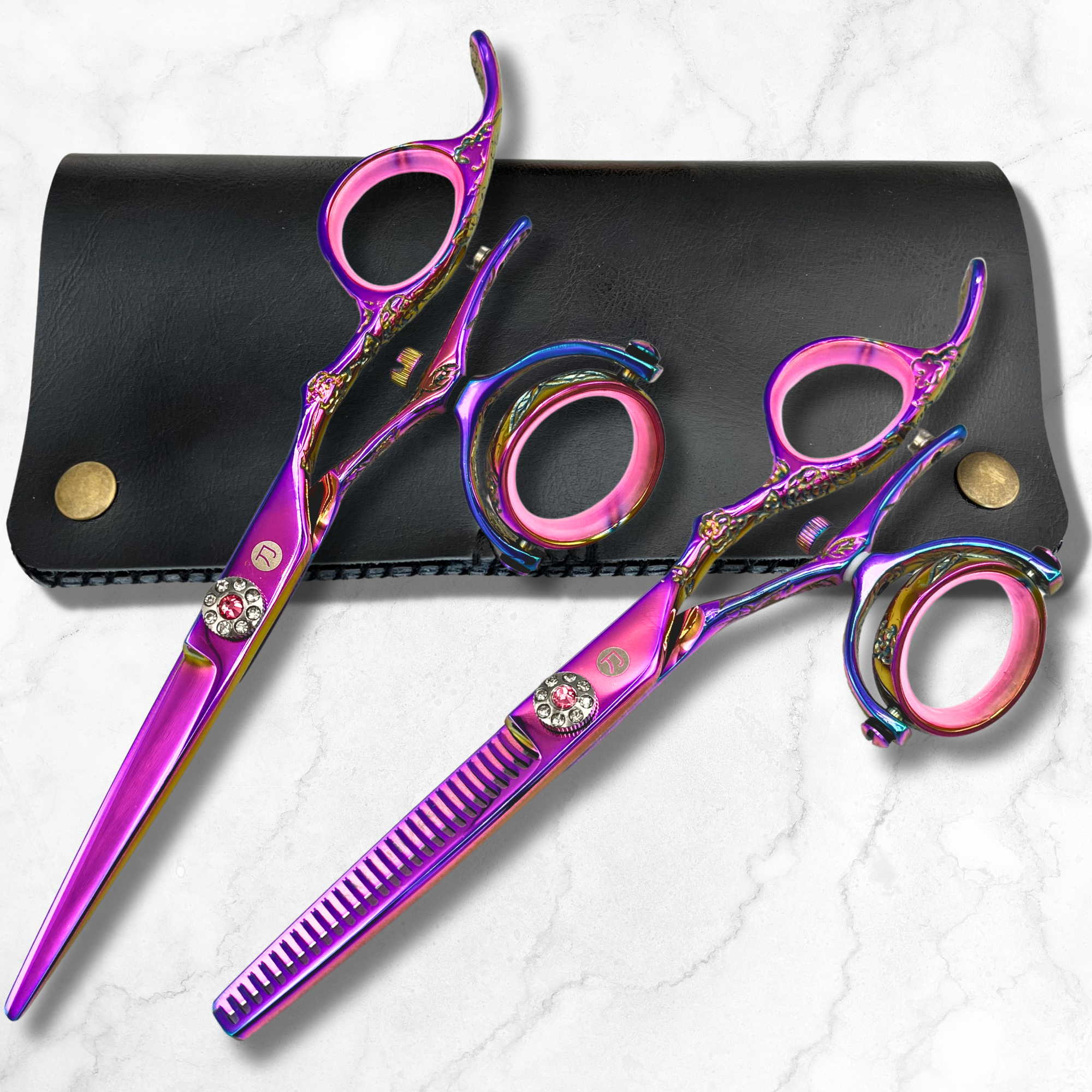
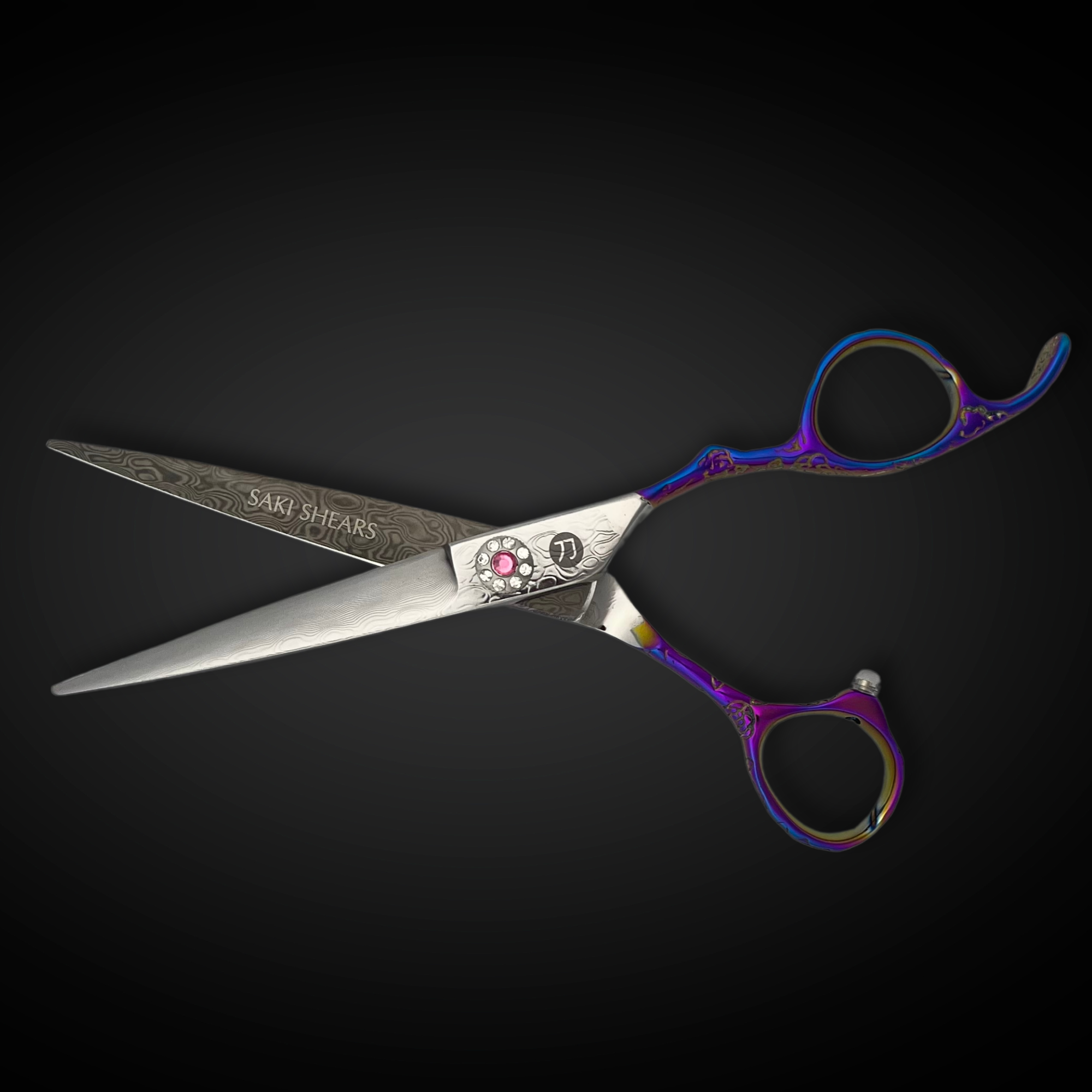
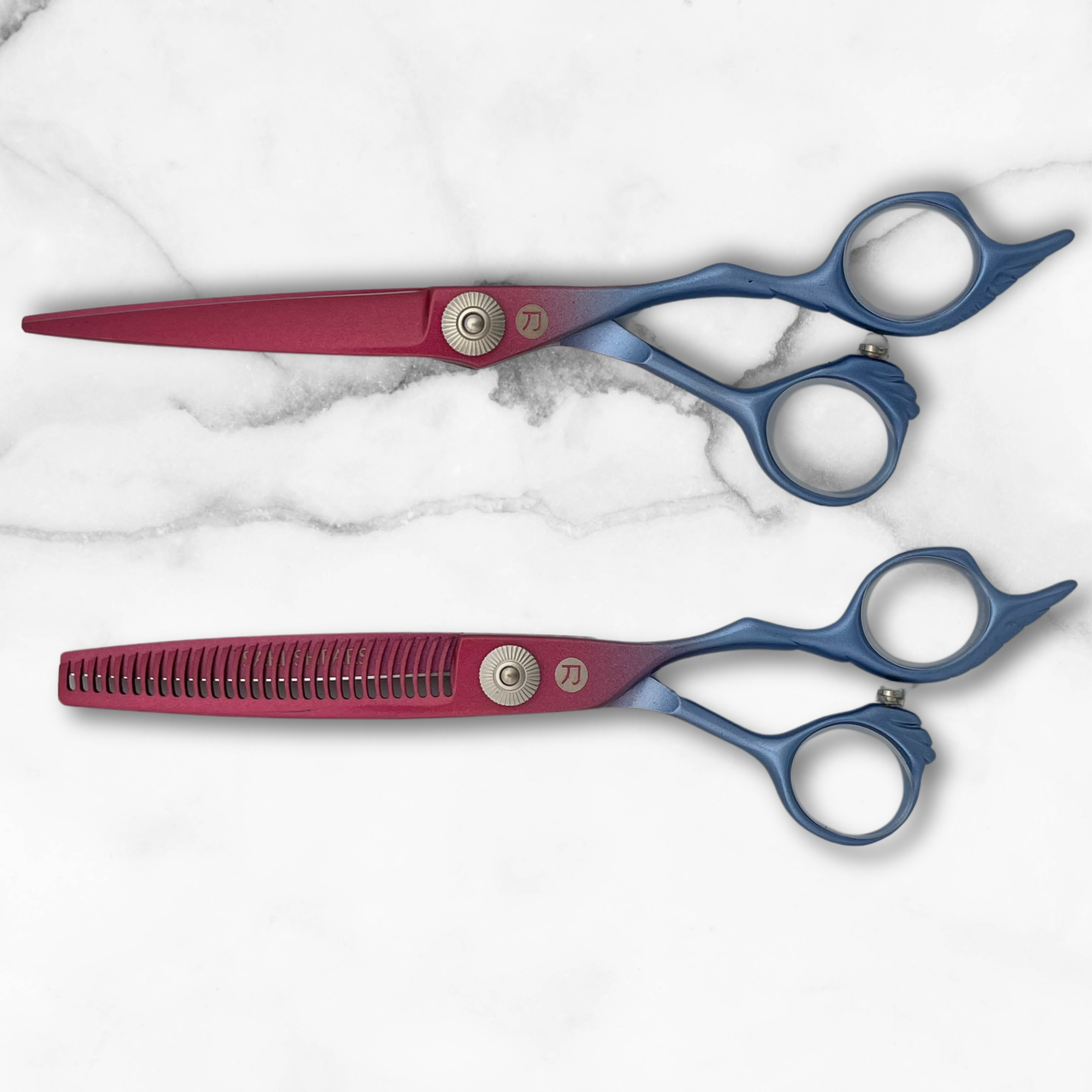
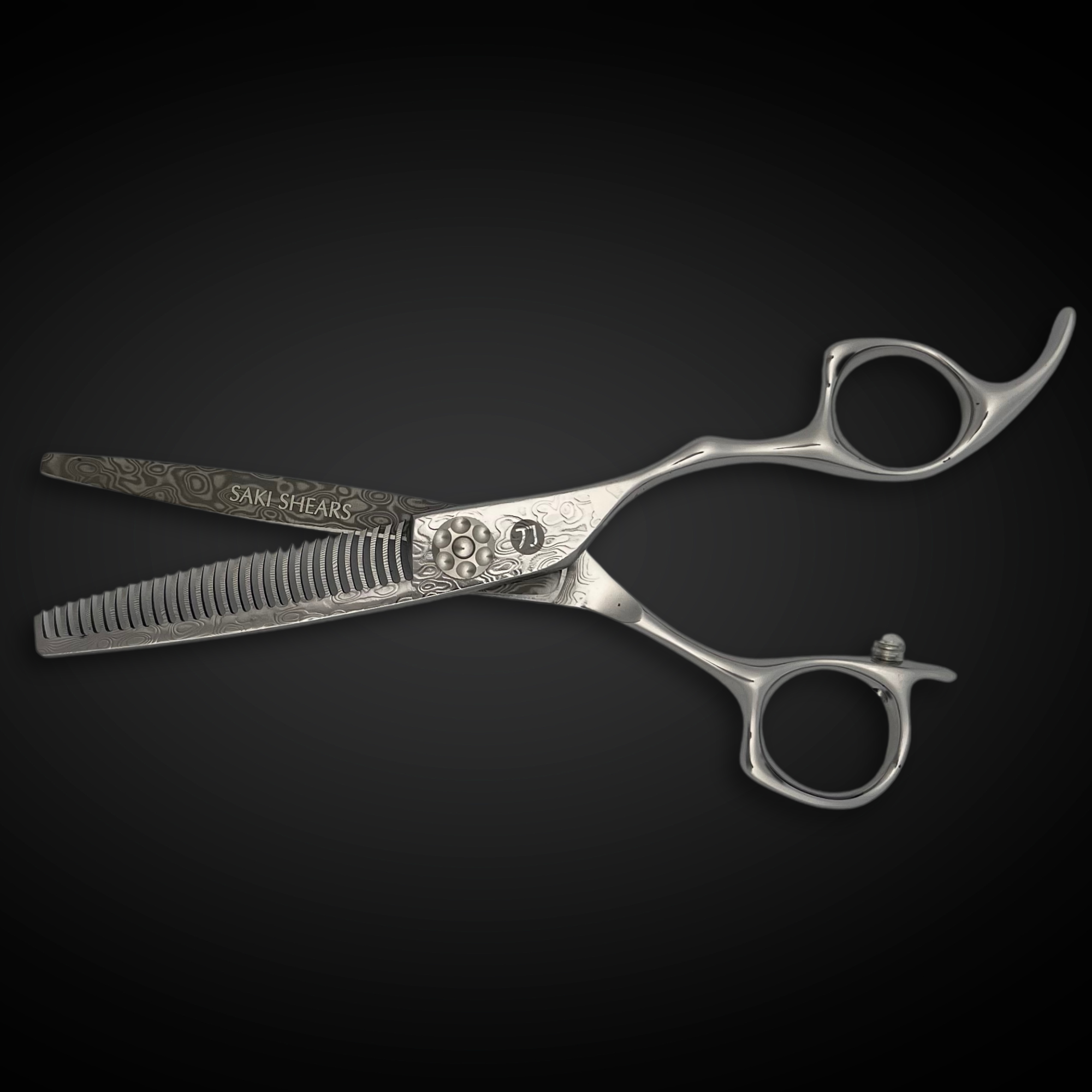
Explore cutting shears and thinning shears built for control and edge retention, or step up to a Damascus steel shear for a finer edge that holds longer between sharpenings.

Written by Charles Harris