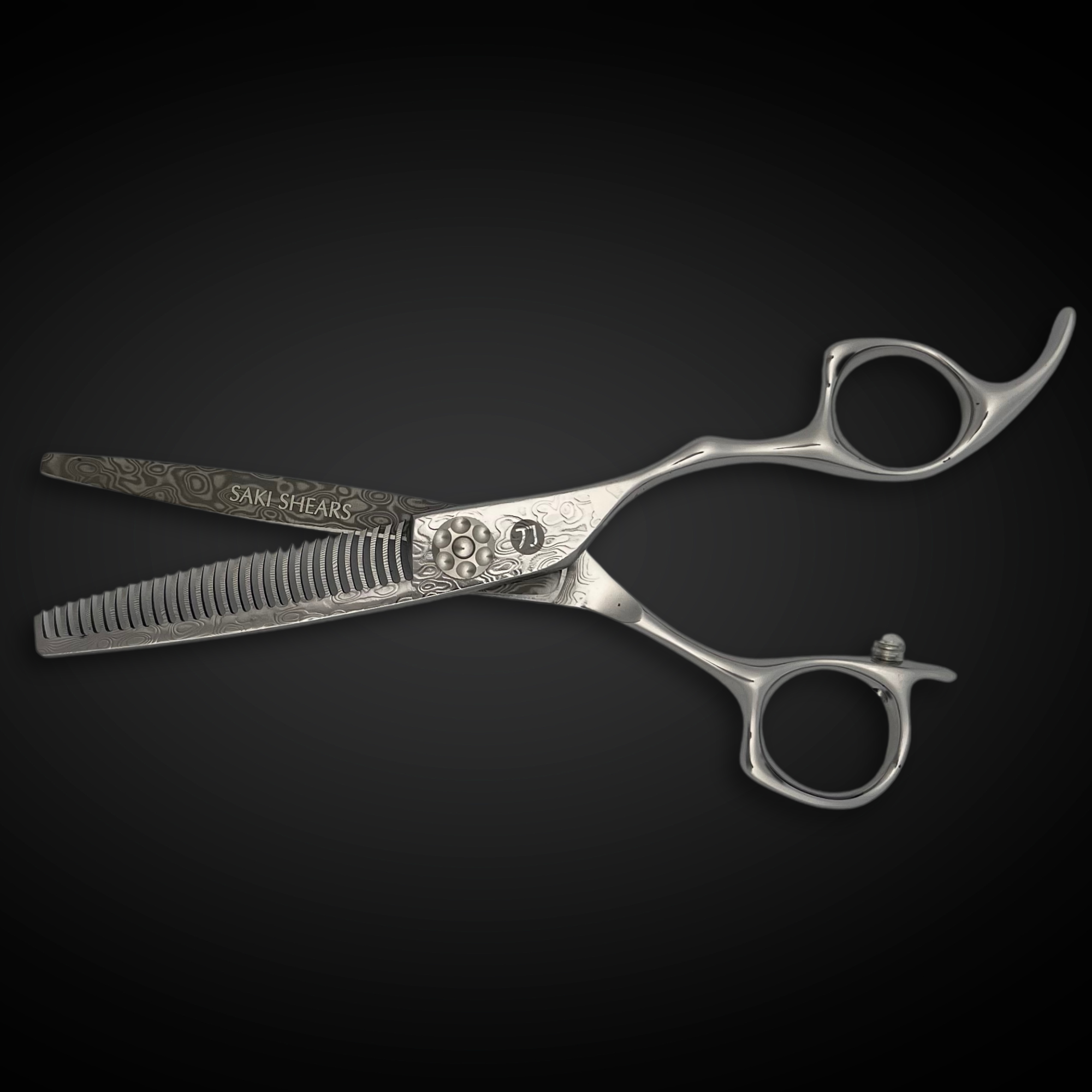
How to Maintain Your Hair Shears
A quality pair of hair shears is one of the largest tool investments a stylist or barber makes, and how you look after them determines whether that investment lasts two years or twenty. Maintenance isn't complicated, but it does need to be consistent. Here's what actually matters: cleaning, oiling, checking tension, storing them correctly, and knowing when a problem is beyond a quick fix at your station.
Clean Shears After Every Client
Hair, product residue, and moisture left on the blades will accelerate corrosion and dull the edge faster than normal cutting wear. After each client, wipe the blades down with a dry, lint-free cloth to remove hair and debris. Follow your state board's disinfection protocol between clients, and make sure shears are completely dry before you close them or put them away — trapped moisture sitting against the blade is one of the most common causes of pitting and rust, especially with carbon and Japanese steel blades that are more reactive than fully stainless alloys.
Oil the Pivot Regularly
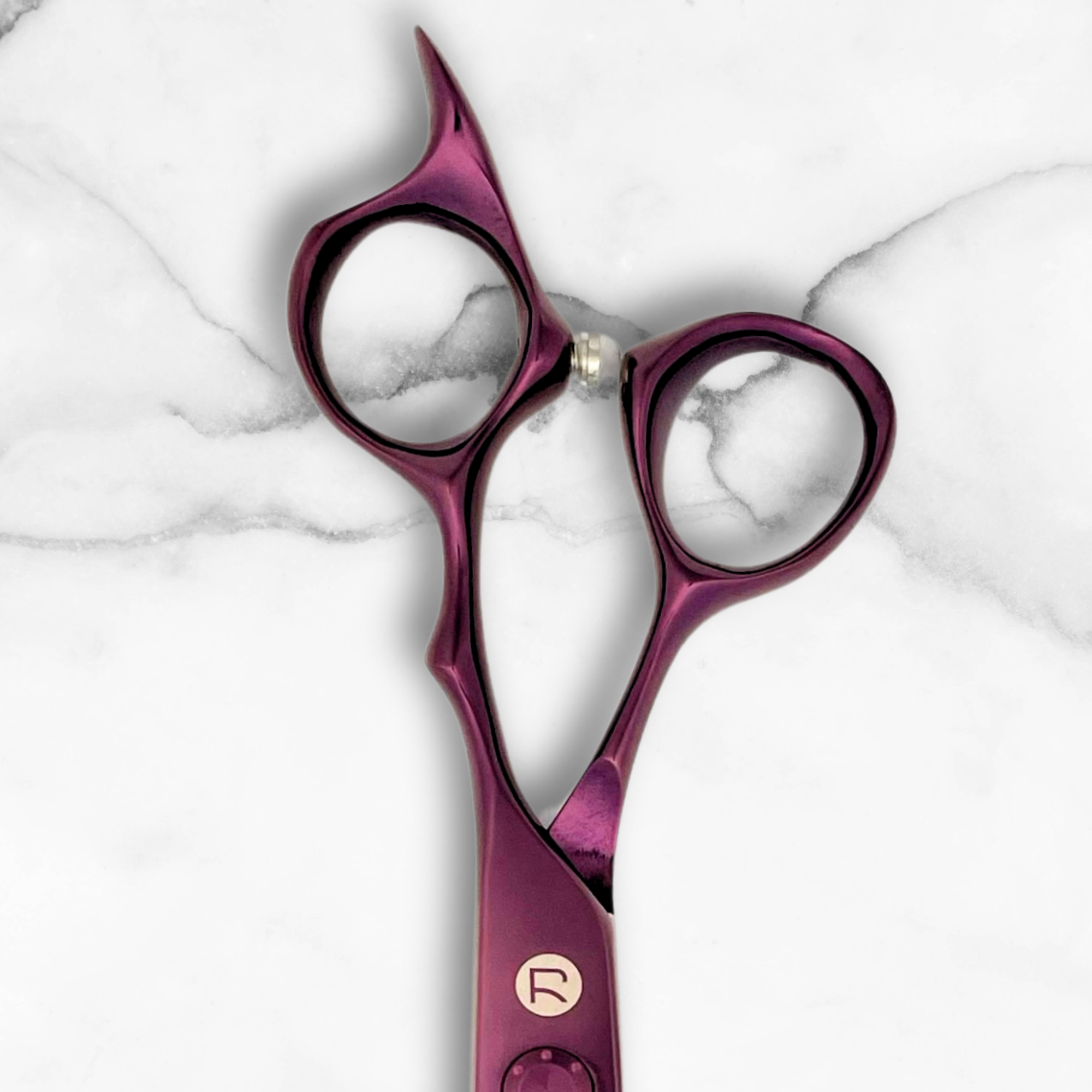
The pivot is the single most important point of contact on the shear, and it's the part stylists neglect most. A dry pivot creates friction, which leads to uneven wear, a "gritty" feel when cutting, and premature loosening of the tension screw. Add a drop of shear-specific lubricating oil to the pivot area daily if you're cutting hair most of the day, and always after cleaning — water and disinfectant strip the oil that's already there. Open and close the blades a few times to work the oil into the joint, then wipe away any excess so it doesn't transfer onto hair.
Check Tension Before You Cut
Tension that's too loose makes shears chew or push hair instead of cutting it cleanly, which is hard on your hand and on the hair itself. Tension that's too tight forces the blades together, speeding up edge wear and straining the pivot screw. Check tension at the start of each day: hold the shears vertically by the finger ring, open the blades to about a 45-degree angle, and let go of the moving blade. It should close slowly on its own and stop a few degrees before fully shut, not snap shut and not stay open. Adjust in small increments and recheck after any drop or hard impact, since tension can shift even when there's no visible damage.
Store Them Properly Between Uses
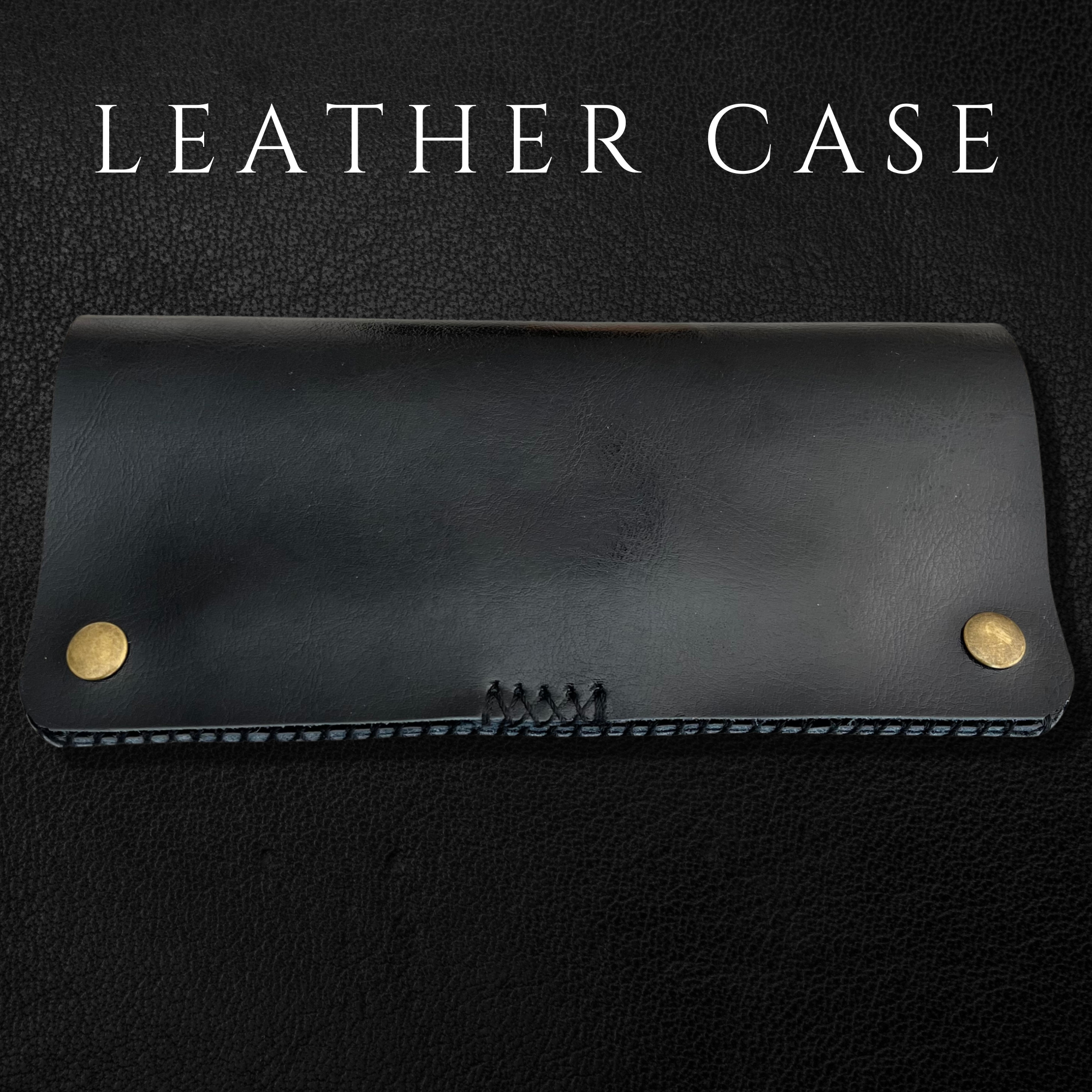
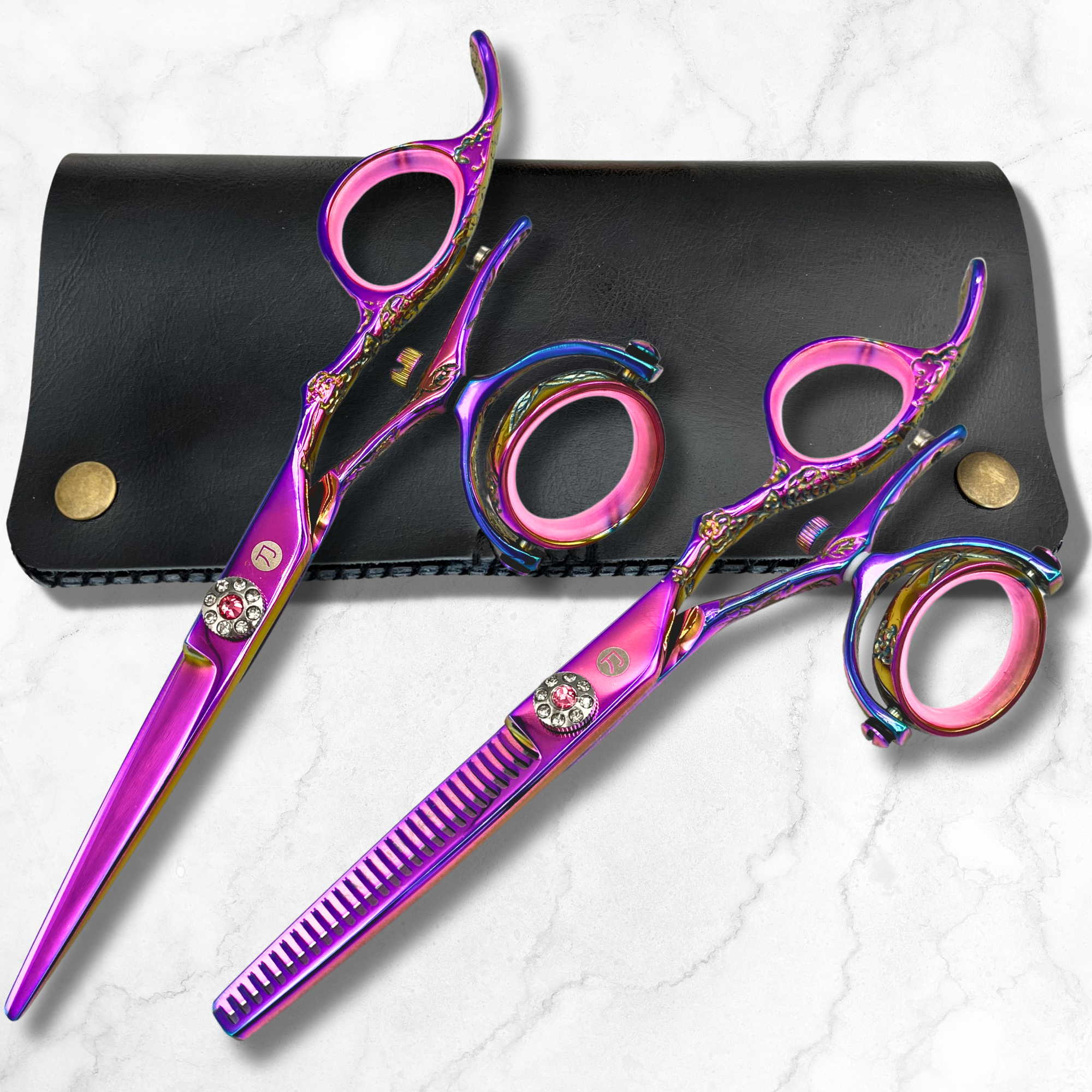
Shears left loose in a drawer or pouch with other tools are exposed to nicks from contact with clippers, combs, and other metal. Use a dedicated case or a shear pouch with individual slots, and keep the blades closed but not under tension when they're not in use, since resting them fully clamped shut can flatten the natural spring of the tension mechanism over time. If you're storing shears for more than a few days — between seasonal use, or if you're switching to a different pair — a light coat of oil on the blades before they go into the case will help prevent surface corrosion.
Know What You Can Handle Yourself
Day-to-day maintenance — cleaning, oiling, and tension adjustment — is squarely a DIY job and should be part of your routine regardless of how often you sharpen. What isn't a DIY job is edge sharpening itself. Sharpening resets the actual cutting geometry of the blade, and doing it without the right equipment and experience can ruin an edge permanently, especially on convex-ground or Japanese-steel shears where the bevel angle is more delicate than on a basic utility blade.
When to Get Professional Sharpening
A useful test: if your shears are pushing hair, snagging single strands, or you're pressing harder than usual to get through a cut, the edge is past due for sharpening — don't wait for it to get worse. As a general guideline, shears used daily typically need professional sharpening every few months, though this varies with how often you cut, the hair types you work with, and the steel your shears are made from. Look for a sharpening service that works specifically with hair shears rather than general scissors, since the bevel angles, convex edges, and steel hardness involved are different from kitchen or office scissors. Between sharpenings, resist the urge to use your shears on anything other than hair — cutting foils, tape, or synthetic wig fibers dulls and chips the edge far faster than hair does.
Build a Routine and Stick to It
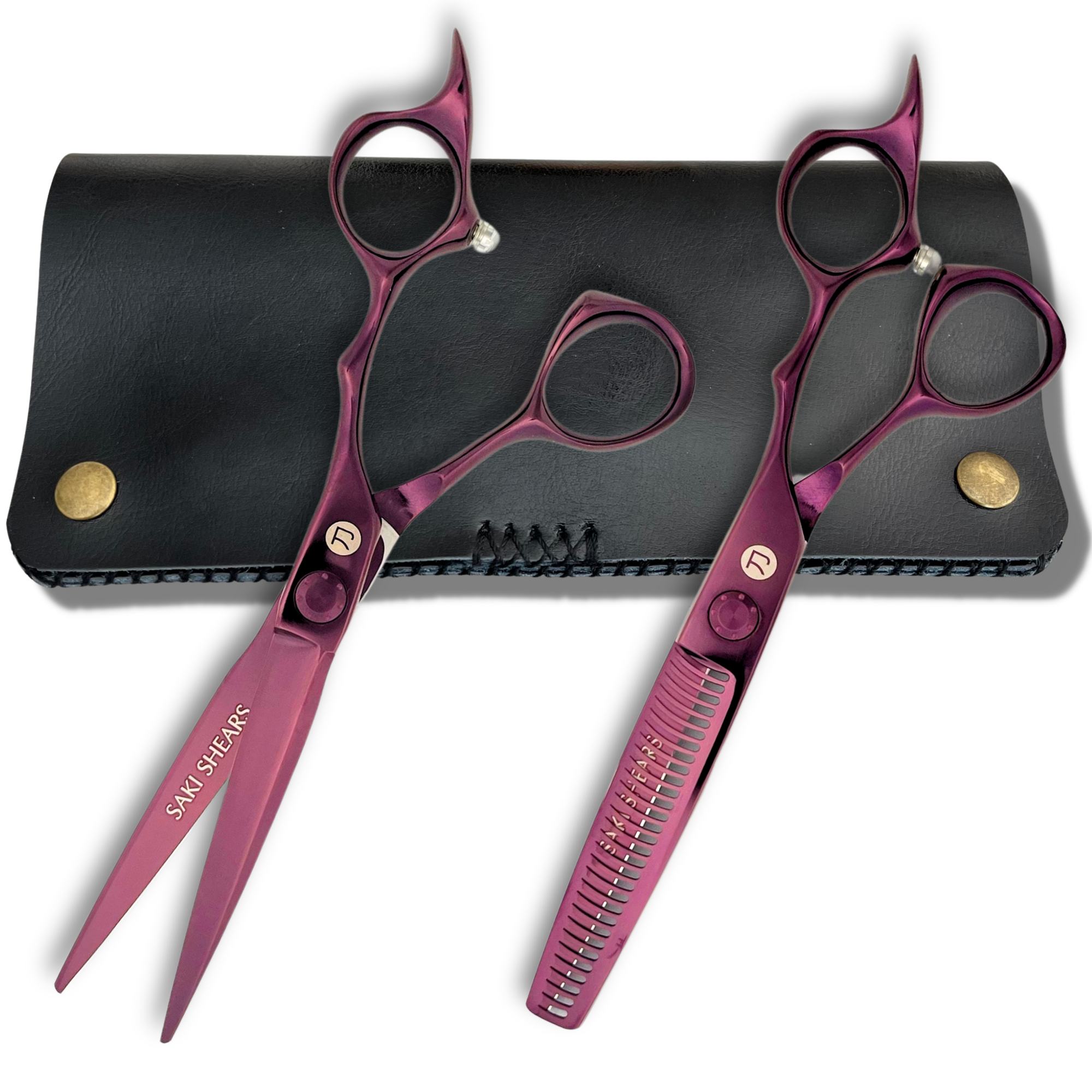
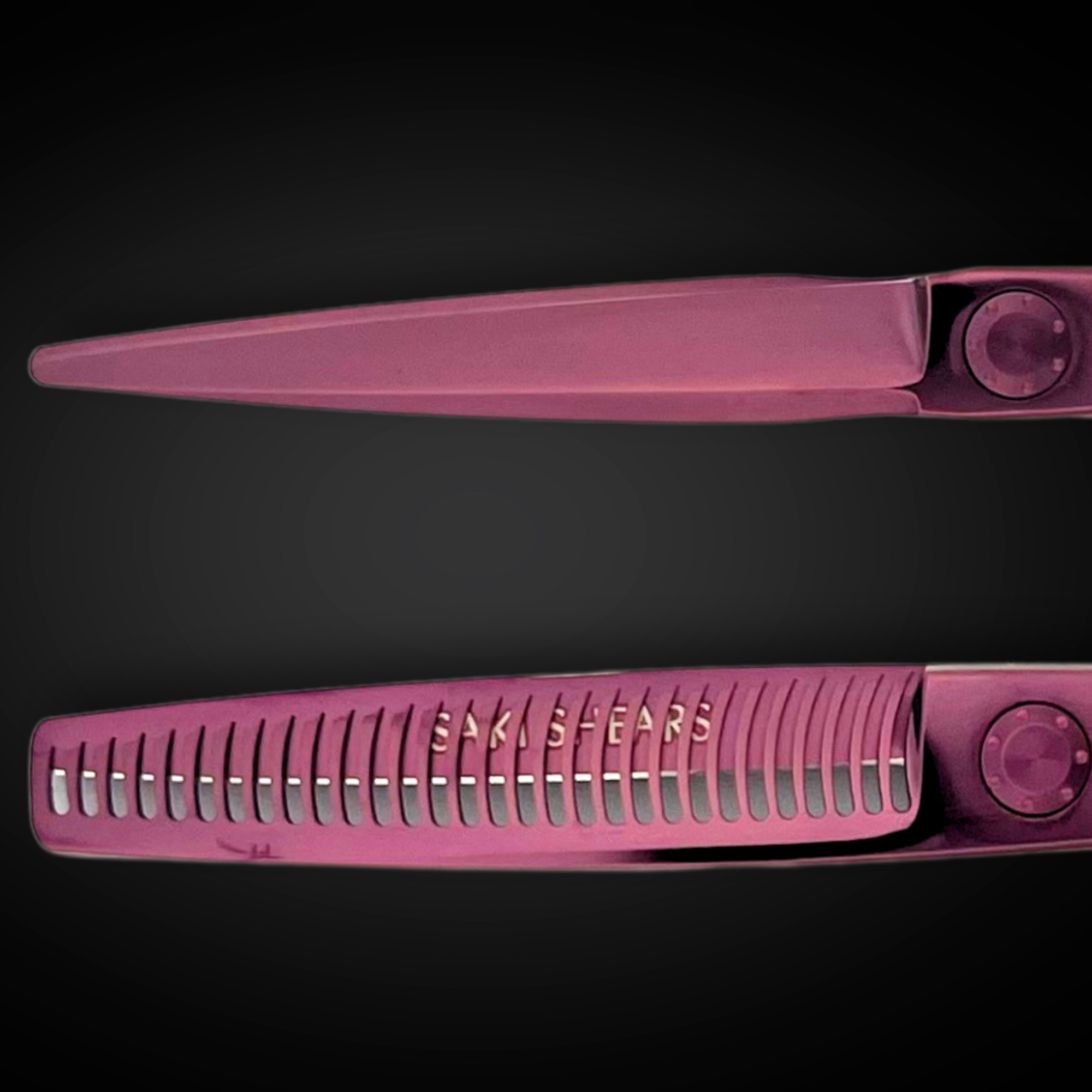
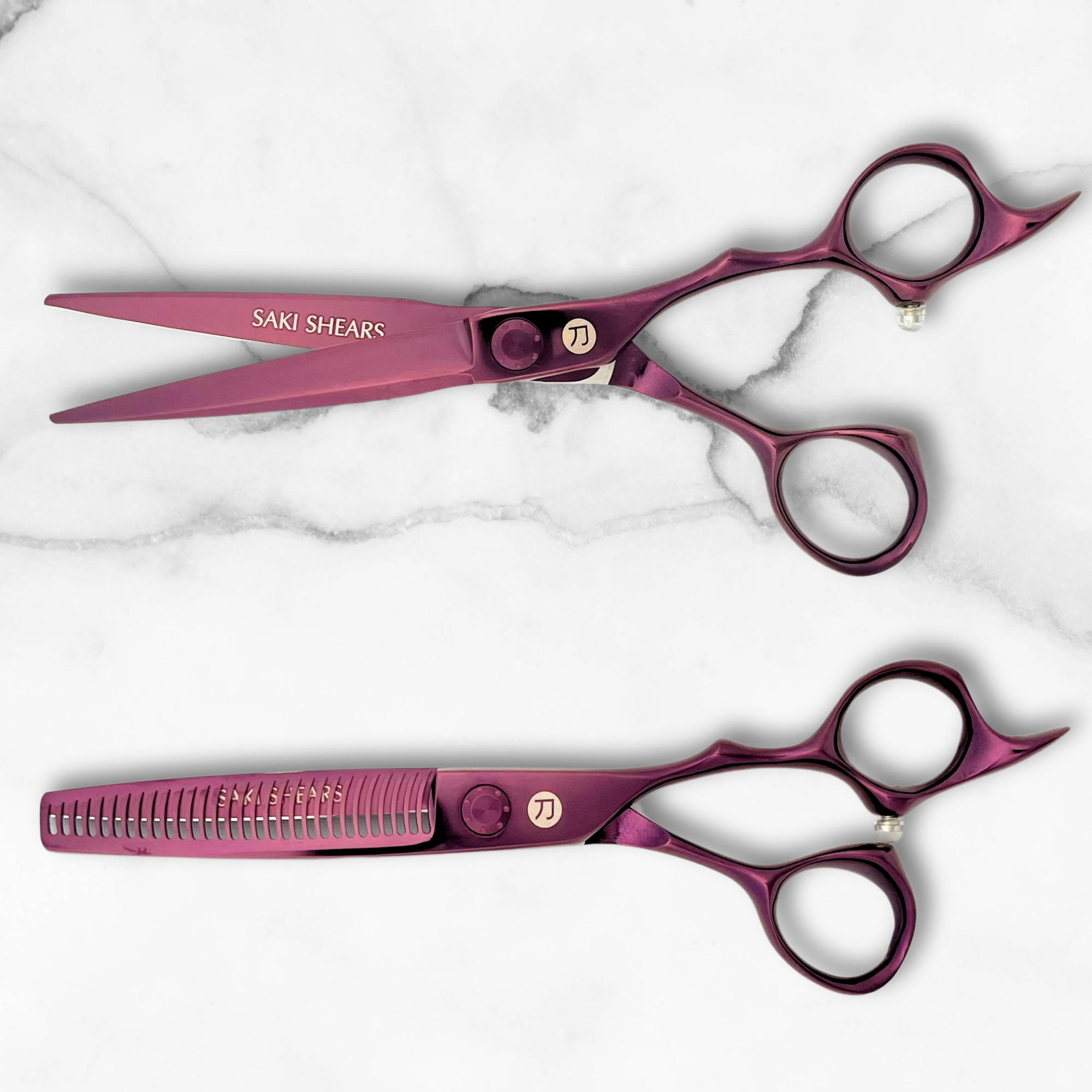
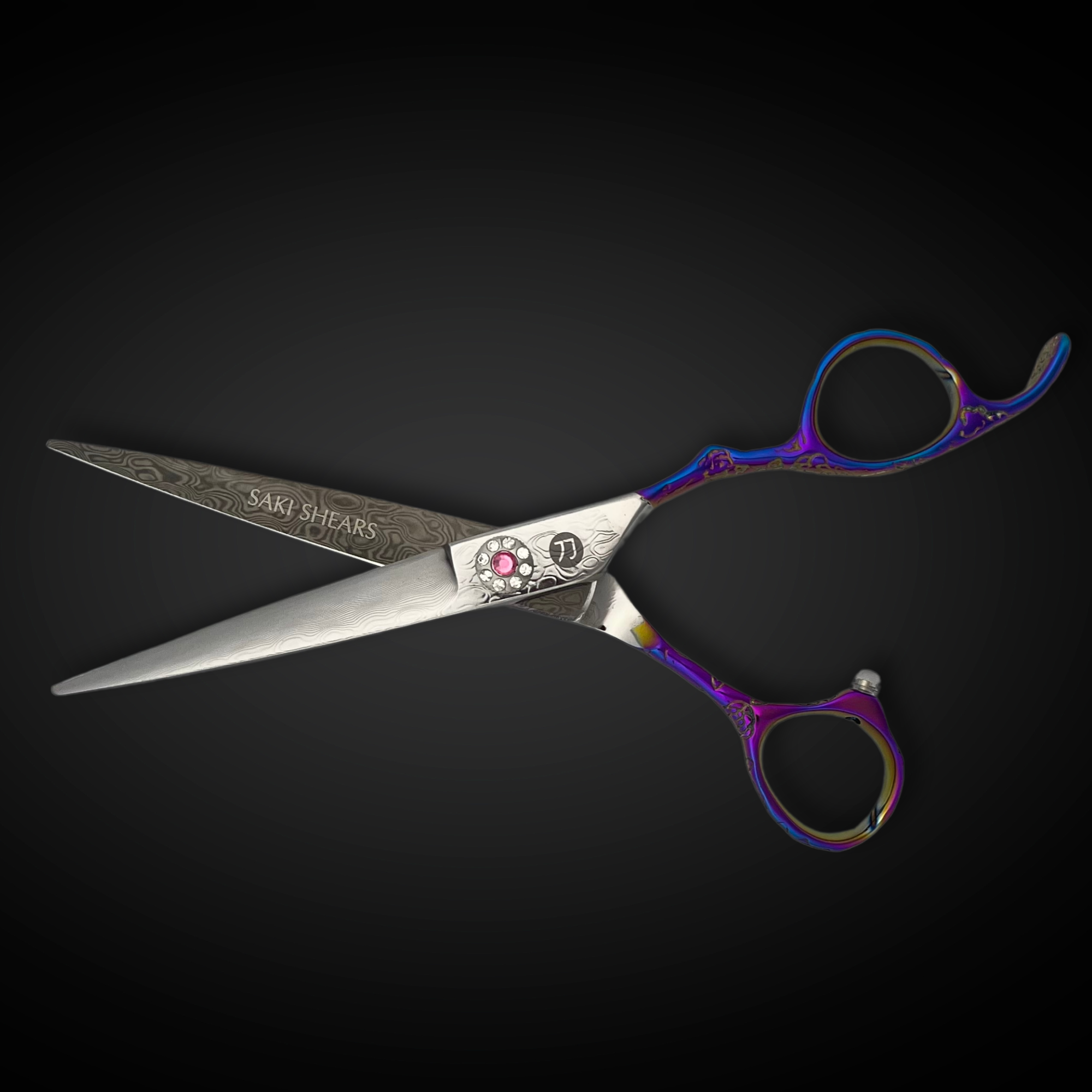
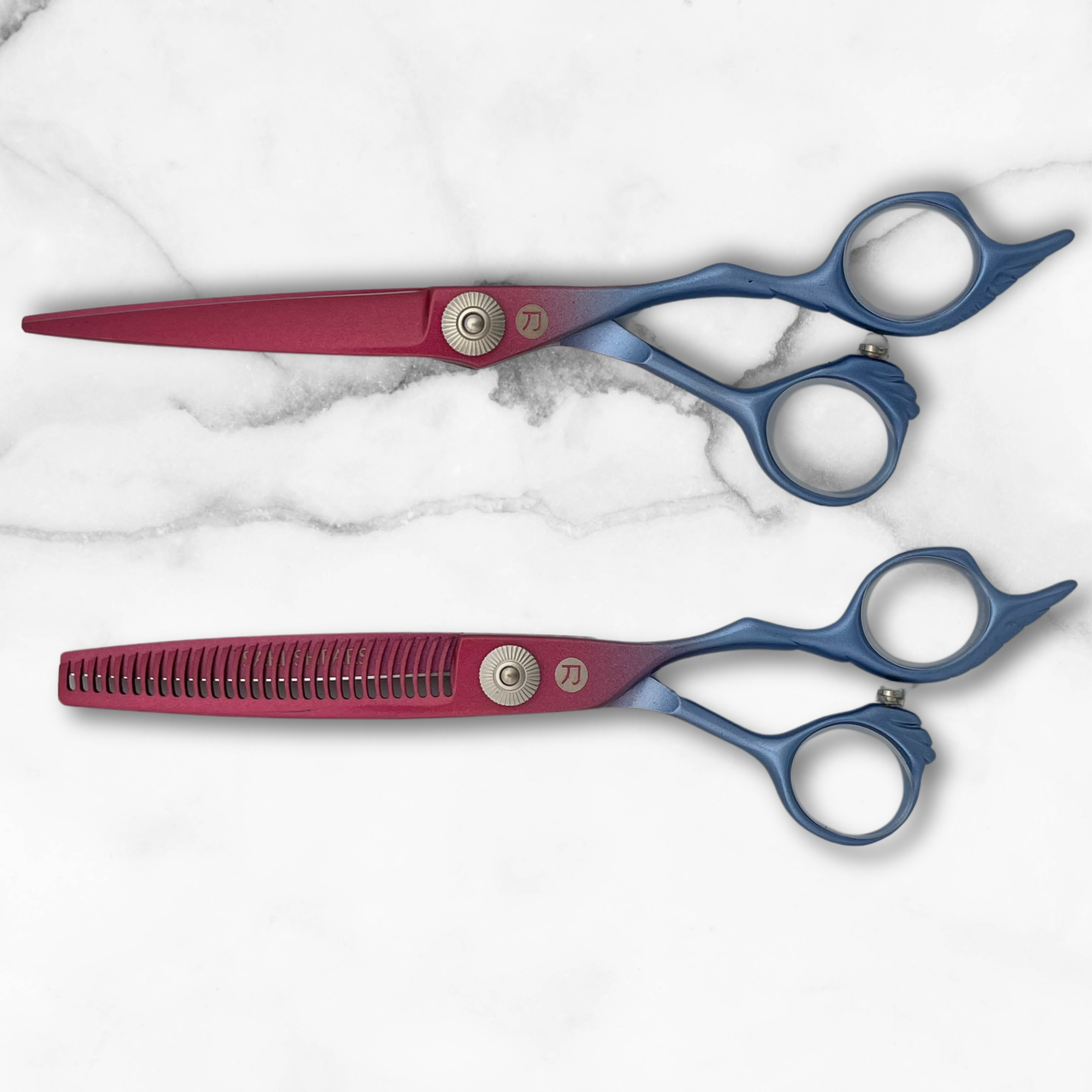
None of this takes more than a few minutes a day. Wipe and disinfect after every client, oil the pivot daily, check tension each morning, store shears properly at the end of the day, and get them professionally sharpened on a schedule rather than waiting for a problem. If you're due for an upgrade or a backup pair while yours are being serviced, you can browse Saki Shears' hair cutting shears and thinning shears collections.

Written by Charles Harris