How to Evaluate Hair Cutting Shears: A Buying Framework
Every stylist eventually faces the same decision: which shear actually belongs in a working kit. Marketing copy and "best of" roundups rarely help, because they rank products rather than explain the underlying mechanics that determine how a shear performs over years of daily use. This guide covers the factors that actually separate a professional-grade hair cutting shear from a mediocre one, so you can evaluate any shear on its merits rather than on branding.
Steel Quality and Heat Treatment
The steel a shear is forged from, and how that steel is heat-treated, determines edge retention, sharpenability, and how the blade holds up to daily use. Higher-carbon Japanese steels (commonly in the VG or ATS families) can be hardened to a higher Rockwell rating than basic stainless blanks, which lets them hold a finer edge for longer between sharpenings. Cobalt content adds corrosion resistance and edge durability, which matters for stylists who cut wet hair repeatedly through the day. Cheaper shears often use soft, mass-produced stainless steel that dulls quickly and requires frequent honing just to stay usable.
Heat treatment is just as important as the steel alloy itself. Two shears stamped from identical steel can perform very differently depending on how carefully they were hardened and tempered. Inconsistent heat treatment leads to blades that chip, roll, or lose their edge unevenly along the length of the cutting surface.
Edge Type and Cutting Geometry
Shears are typically ground with either a convex edge or a beveled edge. A convex edge is hollow-ground to a single fine point, producing a cleaner, quieter cut with less hair displacement — the tradeoff is that it requires more skilled sharpening and is less forgiving of misuse. A beveled edge is more durable and easier to resharpen consistently, making it a common choice for shears that will see heavy daily use across a range of techniques. Neither geometry is universally "better" — the right choice depends on the cutting techniques you rely on most and how often you have access to professional sharpening.
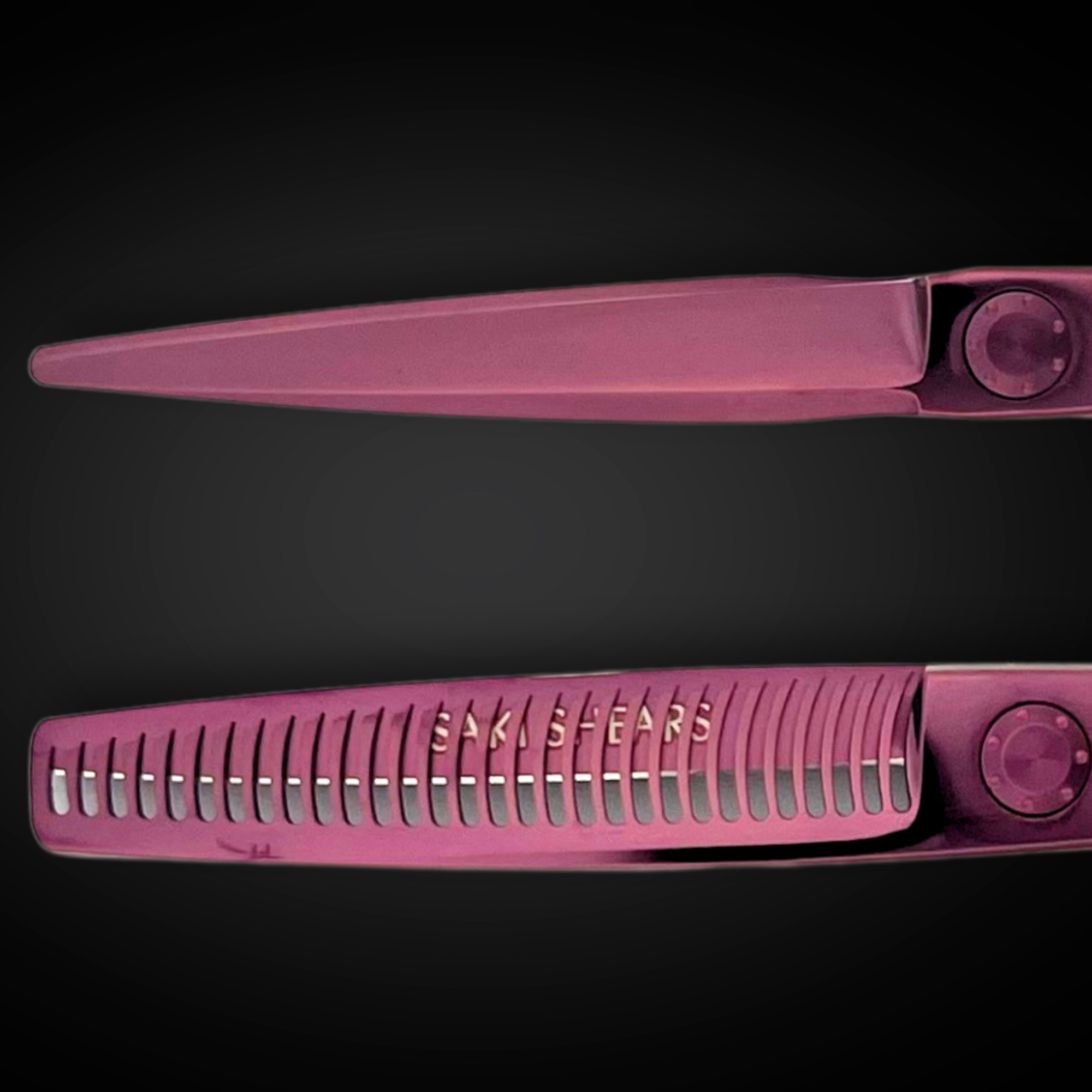
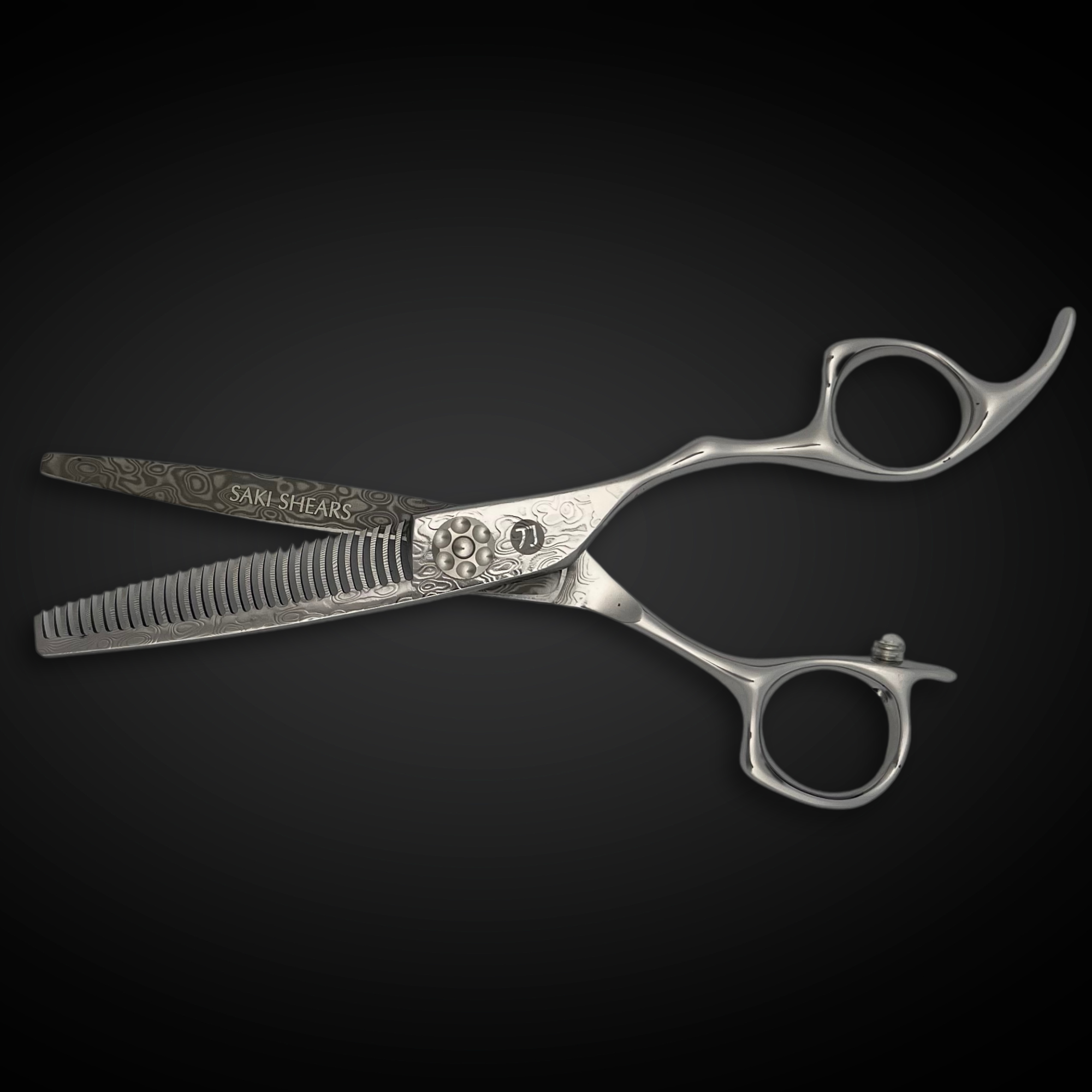
Serrated edges reduce slippage on fine or slippery hair but leave a slightly textured cut line, so they suit blending and texturizing work more than precise blunt cuts. Understanding which edge geometry matches your technique is more useful than chasing a specific brand name.
Tension Mechanism
The tension system controls how the two blades meet and glide against each other, and it has an outsized effect on cutting feel and long-term wear. A shear that is too loose will pinch hair and put uneven strain on the joint; one that is too tight forces the hand to fight the blade on every cut and accelerates fatigue. Screw-based tension systems let you make fine adjustments as the shear breaks in or as humidity changes; some higher-end shears use a ball-bearing or adjustable tension knob designed to hold a consistent setting for longer between adjustments. Whatever the mechanism, being able to fine-tune tension yourself — rather than sending the shear out for adjustment — is a practical advantage for a tool used every day.
Handle Ergonomics
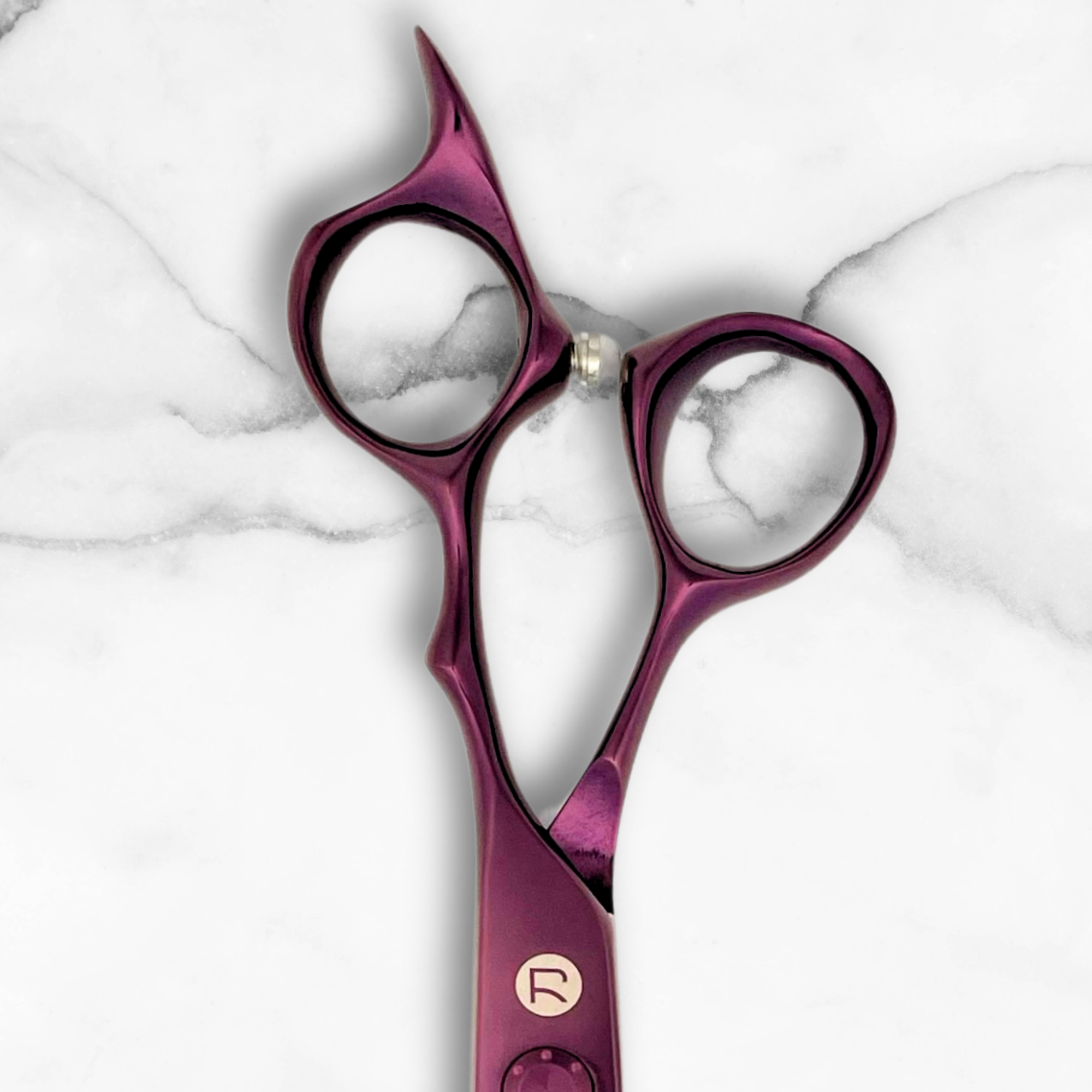
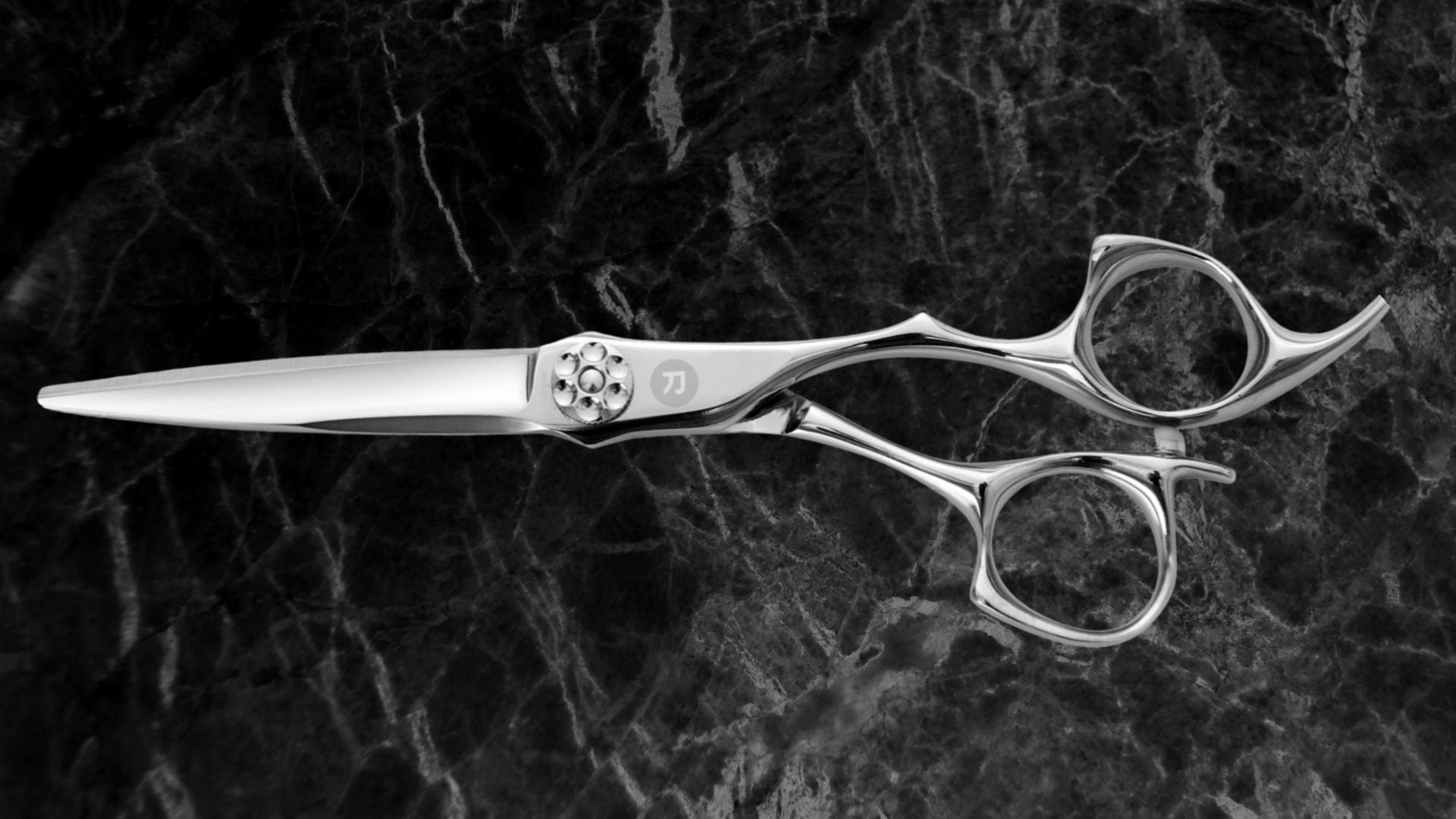
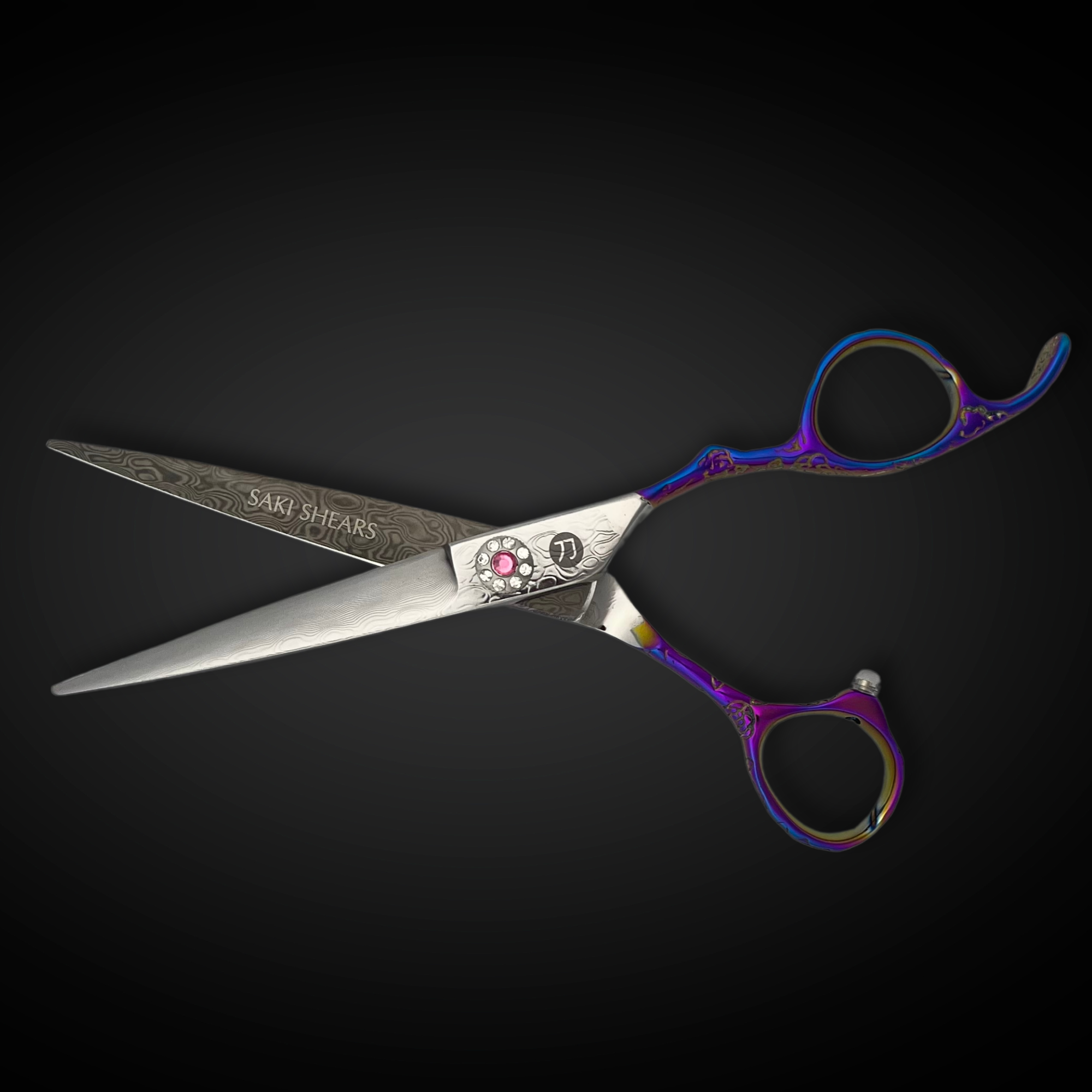
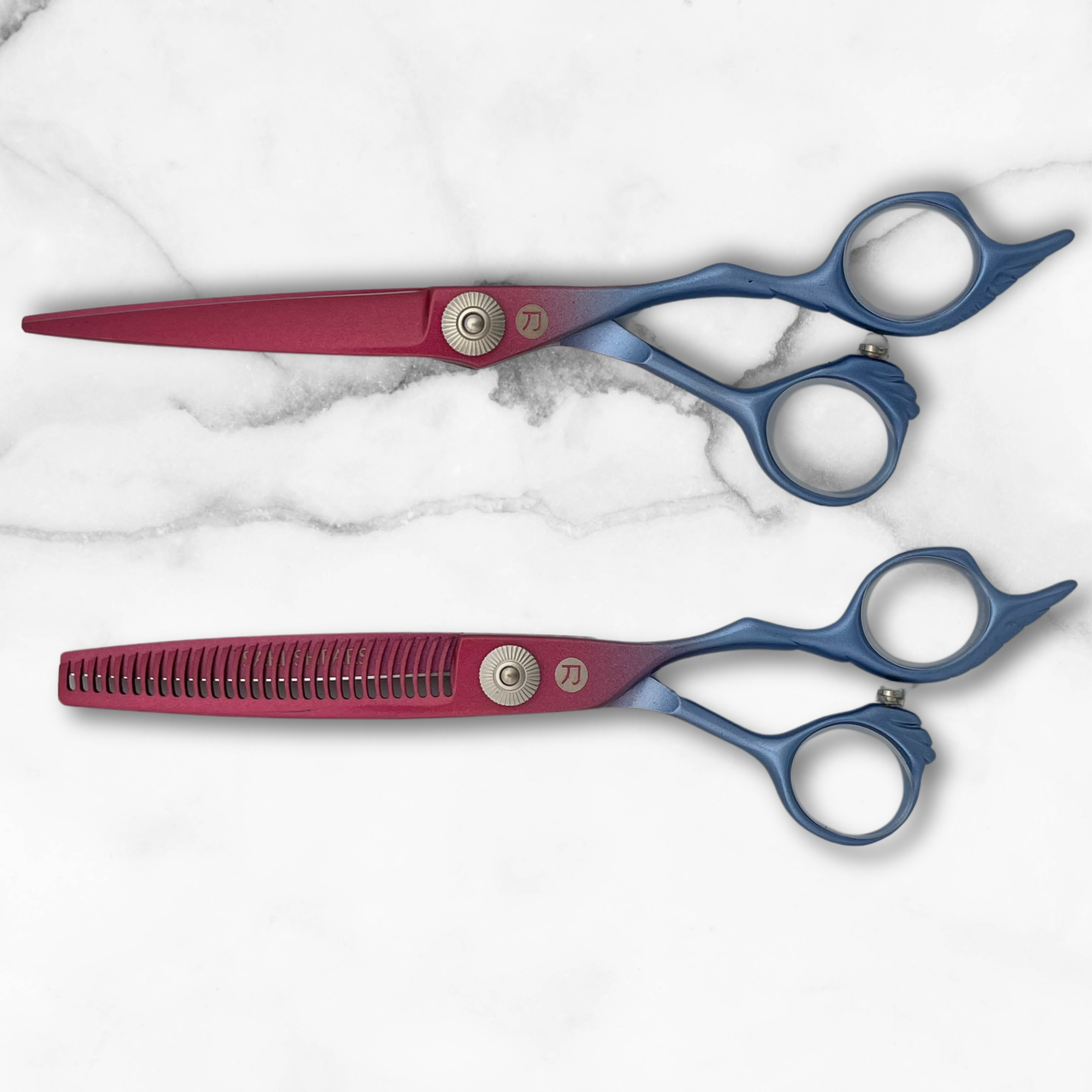
Handle design affects hand and wrist strain more than almost any other spec on a shear. Offset handles position the thumb ring slightly forward of the finger ring, which reduces the amount the wrist has to rotate during cutting and is generally easier on the joints over a full day of appointments. Crane (opposing) handles take this further for stylists who want a more neutral wrist position. Straight handles are still common and work well for stylists trained on them, but they ask more of the wrist over repeated cuts.
Finger rest size and placement, grip material, and overall weight distribution all factor into comfort as well. A shear that feels fine for a five-minute test cut can feel very different after the fortieth cut of the day, so ergonomics should be evaluated with your actual working posture and grip in mind, not just a quick handle test.
Balance and Weight
Balance refers to where a shear's weight sits relative to the pivot, and it changes how the tool feels in motion rather than at rest. A shear that is balanced closer to the pivot feels lighter and more maneuverable through fast, repetitive cutting motions, while a blade-heavy shear can feel more stable for slower, deliberate work but tires the hand faster over long stretches. Overall weight matters too — a shear that feels fine held up in a showroom can feel noticeably heavier after hours of continuous cutting. When possible, evaluate balance and weight with the shear held and moved the way you actually cut, not just picked up and set back down.
Putting the Framework to Use
None of these factors work in isolation — a premium steel blank with poor heat treatment, a mismatched tension system, or handle geometry that doesn't fit your grip will all undercut an otherwise well-made shear. The most reliable way to evaluate a shear is to work through steel and edge type, tension mechanism, handle ergonomics, and balance as a checklist, and weigh each against your own cutting style and daily volume, rather than relying on marketing claims alone.
- Steel quality and heat treatment — determines edge retention and sharpenability
- Edge type — convex, beveled, or serrated, matched to your technique
- Tension mechanism — how finely and reliably you can adjust blade tension
- Handle ergonomics — offset, crane, or straight, matched to your grip and wrist
- Balance and weight — how the shear feels in motion during a full day of cutting
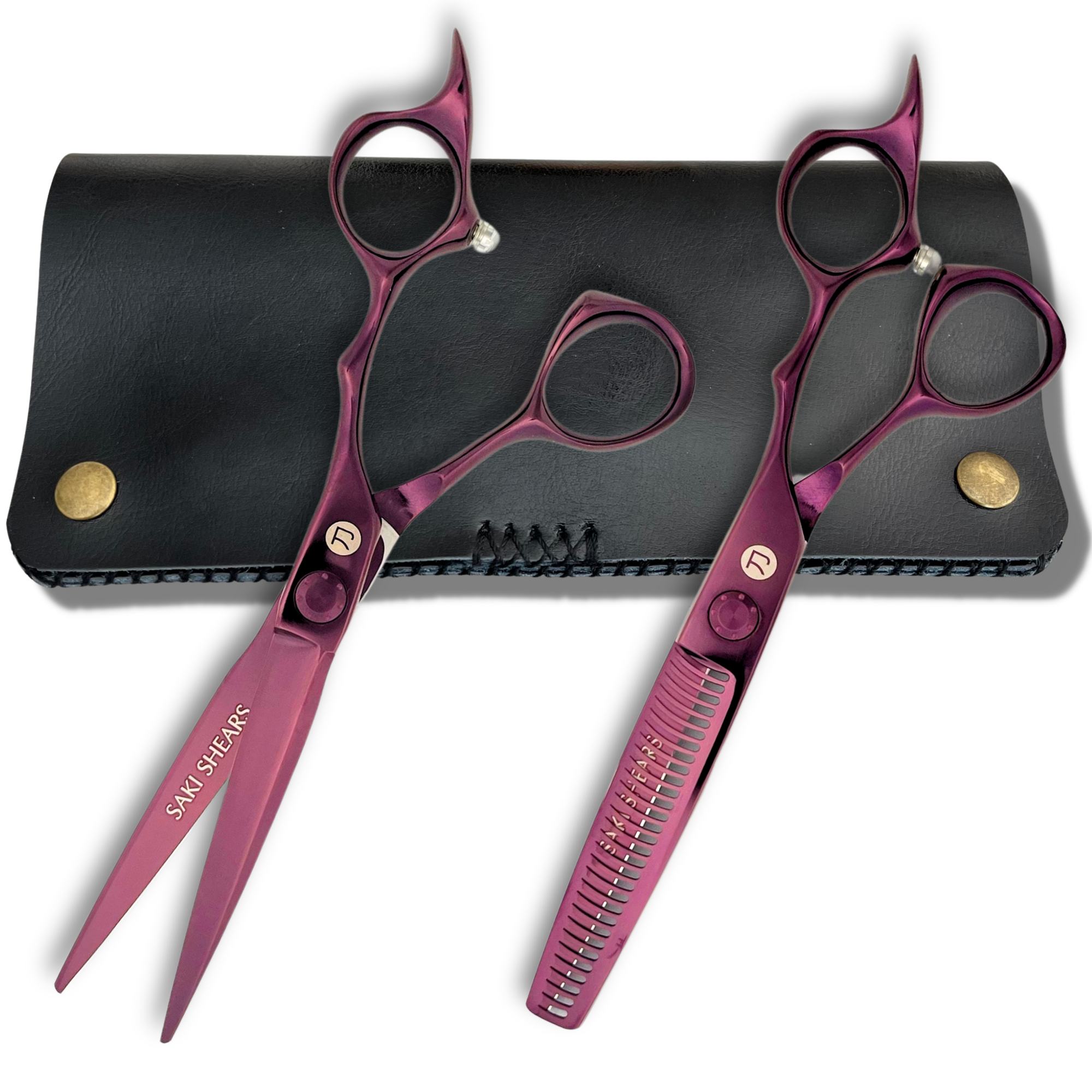
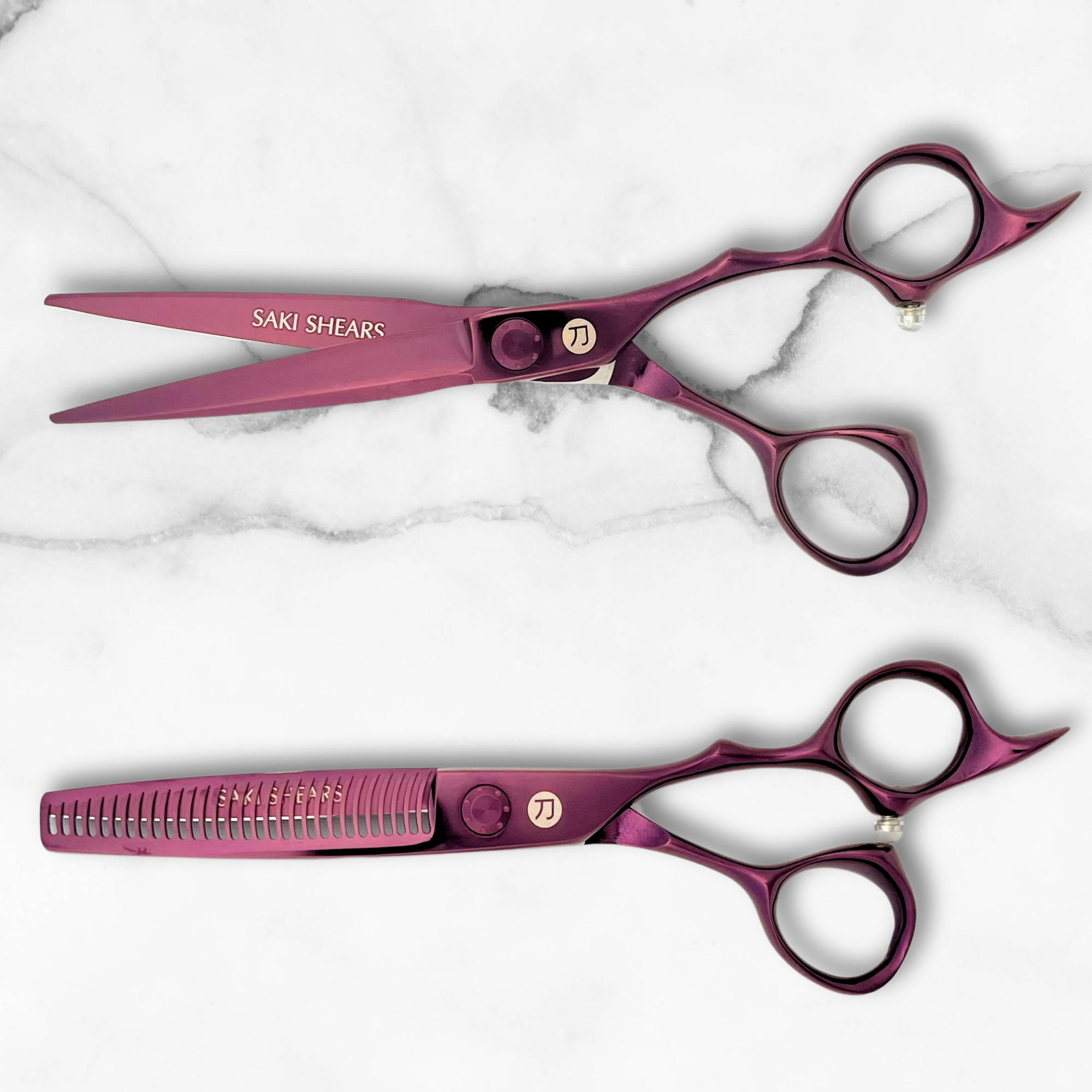
For stylists ready to compare options against this framework, the full range of professional cutting shears is available at Saki's hair cutting shears collection. If your kit also needs texturizing tools, the thinning shears and scissors collection is built around the same steel and edge principles covered above.

Written by Charles Harris